


The breaking point came on a Tuesday morning when I couldn't remember the last time I'd actually looked forward to going to bed. I was making decent money with my side hustle, but my sleep quality had tanked, and with it, my productivity and creativity. That's when I decided to treat my bedroom remodel not as a luxury, but as a business investment in my most important asset: myself.
What I discovered through research, trial, and quite a few expensive mistakes changed everything. These aren't your typical Pinterest-inspired decorating tips. These are the secrets that transformed my bedroom from an anxiety-inducing crash pad into a space so restorative, I actually look forward to my bedtime routine. Here's what actually works.
1. Your Bedroom Temperature is Sabotaging Your Success
I used to think I was saving money by keeping the thermostat at 72 degrees year-round. Turns out, I was literally heating myself into insomnia and wondering why my morning productivity was garbage. The science is clear: your body needs to drop its core temperature to initiate and maintain deep sleep, and most of us are sleeping in rooms that are way too warm.
When I installed a smart thermostat programmed to drop the bedroom to 65-67 degrees at night, the change was immediate and dramatic. Within a week, I was falling asleep faster and waking up actually refreshed instead of groggy. The cool air signals your brain that it's time to rest, triggering the release of melatonin more effectively than any supplement I'd tried. I paired this with breathable linen sheets that regulate temperature rather than trap heat, and suddenly those 3 a.m. wake-ups drenched in sweat became a distant memory.
But here's the real secret within the secret: invest in a ceiling fan with a remote control, even if you have central air. The gentle air circulation prevents that stuffy, stagnant feeling without creating the arctic blast of an AC vent pointed directly at your face. The white noise it generates also masks those random house sounds that used to jolt me awake—the ice maker, the neighbor's dog, the mysterious creaking that happens at exactly 2:17 a.m.
2. Lighting Design Matters More Than Your Mattress
Everyone obsesses over finding the perfect mattress (and yes, it matters), but almost nobody thinks strategically about lighting, which is wild considering light directly controls your circadian rhythm. My bedroom had one ceiling fixture with a harsh LED bulb that made everything look vaguely medical, plus a clunky bedside lamp I'd owned since college. I thought lighting was just about being able to see, but it's actually about curating your body's transition from wakefulness to sleep.
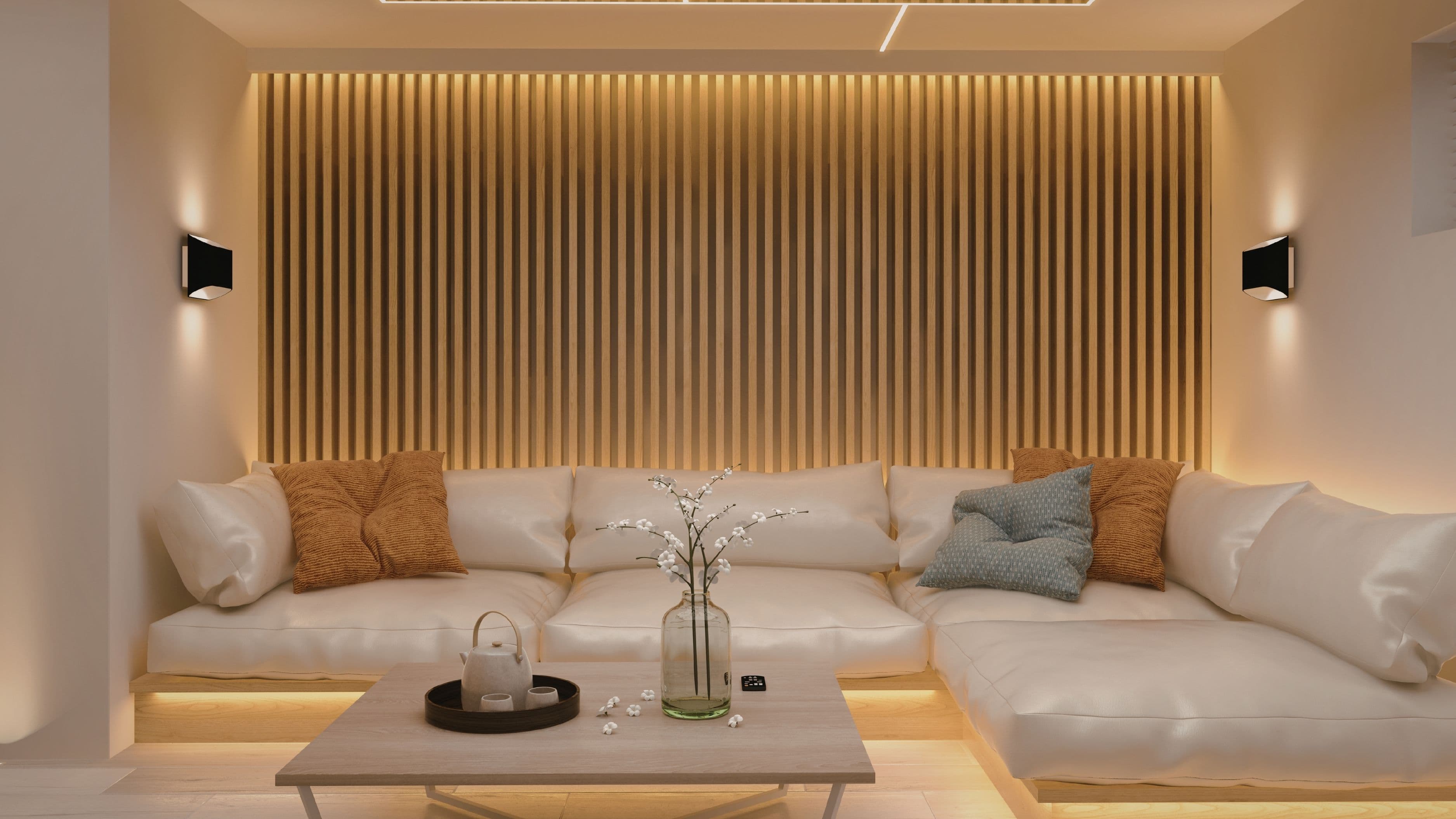
I ripped out that ceiling fixture entirely and installed three layers of lighting: warm-toned ambient lights on dimmer switches, adjustable reading lamps with 2700K bulbs that mimic candlelight, and subtle accent lighting behind the headboard that creates a soft glow without any direct light hitting my eyes. The dimmers are crucial—I gradually lower the lights over the hour before bed, essentially creating an artificial sunset that tells my brain it's time to wind down. This eliminated my habit of doomscrolling until midnight because the environment itself was encouraging rest.
The game-changer was installing blackout cellular shades that actually block light, not those flimsy blackout curtains that let sunlight leak around the edges like a broken promise. Complete darkness triggers maximum melatonin production, and the difference in sleep quality was so noticeable that I started tracking it with a sleep app. My deep sleep increased by nearly 40%, which translated directly to better focus during my morning work sessions. When you're running a side hustle, those focused morning hours are often your most valuable commodity.
3. Sound Isn't Optional—It's Strategic
I used to think silence was the goal for sleep, so I'd lie there getting progressively more annoyed at every tiny noise—my partner's breathing, the refrigerator's hum, distant traffic. That hypervigilance was making sleep impossible, but I didn't realize I was creating the problem by trying to achieve perfect quiet. The solution wasn't eliminating sound; it was controlling it.
After experimenting with various white noise machines, I discovered that personalized soundscapes work better than generic static. I installed a small speaker system with a smart hub that plays different sounds depending on what I need: gentle rain for normal nights, deeper brown noise when my mind is racing, and ocean waves when I want to feel like I'm on vacation. The consistency of the sound creates a cocoon that masks disruptive noises while giving my brain something neutral to focus on instead of my anxious thoughts about tomorrow's client meeting.
But the real revelation was treating sound dampening as part of the remodel, not just an afterthought. I added a thick area rug to absorb sound reflections, hung heavy curtains that doubled as sound barriers, and even put weatherstripping on the bedroom door to block hallway noise. For anyone in an apartment or with roommates, these small additions transform your bedroom into an actual retreat rather than just a room where you hope nobody disturbs you. The psychological impact of having a genuinely quiet space is profound—it's one of the few places where your nervous system can actually downshift.
4. The "Everything Has a Home" Rule Eliminates Visual Chaos
My bedroom used to be where stuff went to die. Clean laundry piled on the chair, mail scattered across the dresser, random items I'd excavated from my pockets forming archaeological layers on the nightstand. I told myself it didn't matter because I wasn't entertaining anyone in there, but visual clutter creates mental clutter, and mental clutter destroys the restorative quality of your space.
During the remodel, I implemented a zero-tolerance policy: everything in the bedroom had to serve either sleep or relaxation, and everything had to have a designated storage spot. I installed a custom closet system that actually accommodated my wardrobe instead of the cheap wire shelving that caused avalanches every time I grabbed a shirt. I added floating nightstands with hidden charging stations, eliminating the cable spaghetti that used to make my bedside look like a failed electronics repair shop. I got a storage ottoman that conceals extra pillows and blankets, turning functional storage into seating.
The transformation wasn't just aesthetic—it was psychological. When your bedroom is organized and every surface is clear, your brain receives the message that this is a intentional space for rest, not an overflow zone for life's chaos. I started being able to walk into my room and actually feel my shoulders drop, my breathing slow, and that constant mental checklist fade into the background. For entrepreneurs whose minds never really stop working, creating a space that visually communicates "you can relax here" is worth its weight in gold.
5. Natural Elements Create Unconscious Calm
This was the secret I was most skeptical about, probably because it sounded too "woo-woo" for my analytical brain. But incorporating natural materials and living elements into my bedroom had a measurable impact on how I felt in the space. I'm not talking about going full nature retreat with fake vines and forest wallpaper—I'm talking about strategic, subtle integration of organic elements.
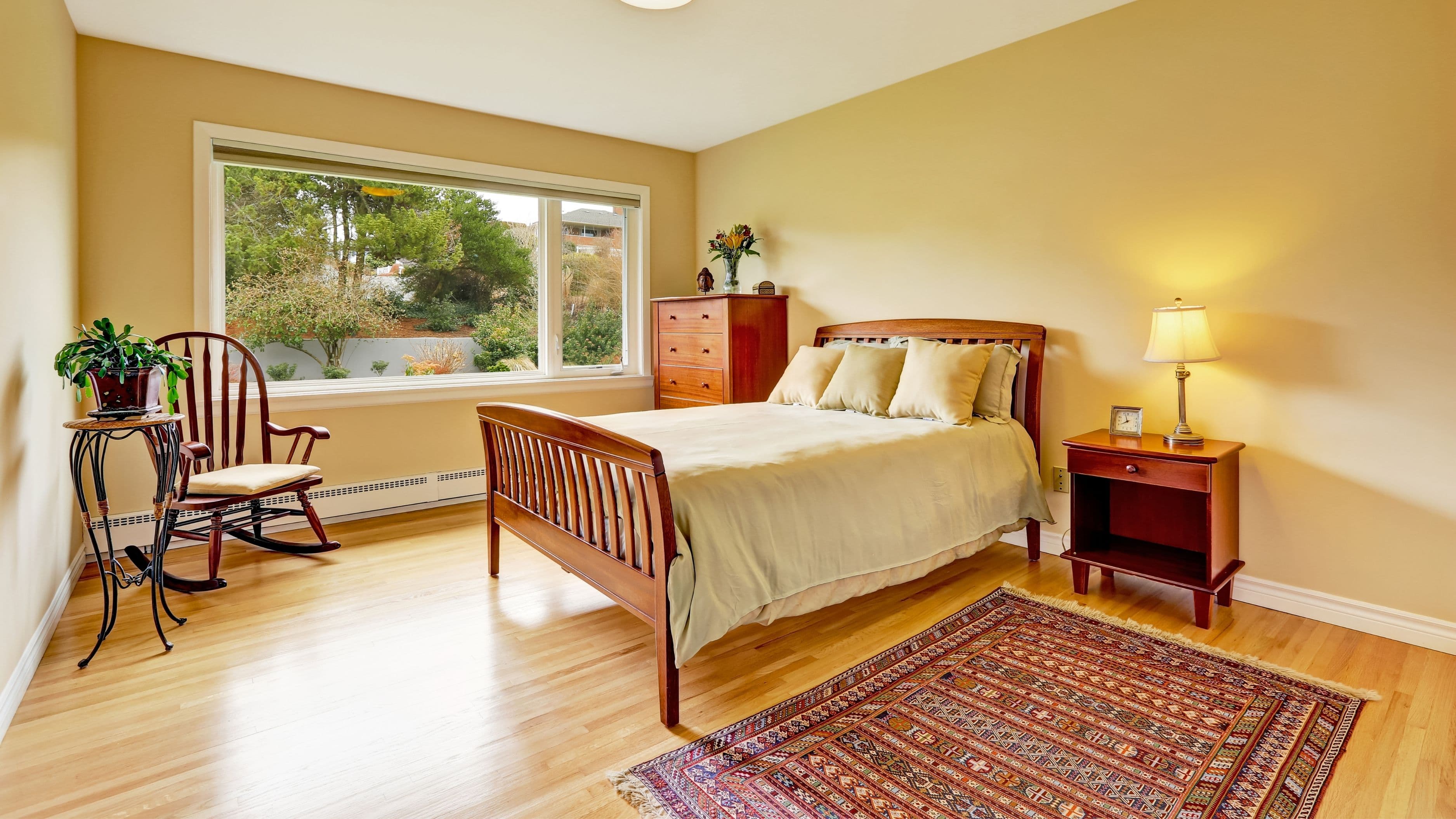
I swapped synthetic carpeting for a natural fiber rug made from jute, replaced plastic storage bins with woven baskets, and chose a wooden bed frame instead of metal. The textures added warmth, but more importantly, these materials interact with light and sound differently than synthetic ones, creating a softer, more inviting environment. I added three low-maintenance plants—a snake plant, a pothos, and a ZZ plant—that improve air quality without requiring me to become a botanist. They survive my frequent neglect and still make the room feel alive in a way that's hard to quantify but impossible to ignore.
The unexpected benefit was how these elements affected humidity levels. Natural fibers and plants help regulate moisture in the air, which sounds boring until you realize dry air wrecks your sleep quality by irritating your respiratory system and making you wake up with a scratchy throat. I used to run a humidifier that required constant refilling and grew mold if I forgot to clean it. The plants and natural materials maintain ambient humidity without the maintenance headache, and I wake up without that parched, desert-mouth feeling that used to require keeping water on my nightstand.
The ROI of Rest
Here's what nobody tells you about bedroom remodeling: it's one of the few home improvements that pays immediate dividends in your daily performance. Since completing these changes, my sleep quality improved so dramatically that I cut my coffee consumption in half and still have more energy. My focus during client calls sharpened, my creative problem-solving improved, and I stopped having those afternoon crashes that used to derail my productivity.
The total investment for all these changes was less than I spent on business software subscriptions in a year, but the return has been infinitely higher. Better sleep means better decisions, more patience with difficult clients, and the mental clarity to spot opportunities I would have missed when operating in a fog of exhaustion. When you're building a side hustle, your cognitive function is your primary tool—and that tool needs proper maintenance.
Your bedroom isn't just where you sleep. It's where your body repairs itself, where your brain processes the day's information, and where you recharge for tomorrow's challenges. Treat it like the mission-critical infrastructure it is. You wouldn't try to run a business on a laptop from 2010 with a cracked screen and dying battery, so why would you try to build your dreams while sleeping in a space that actively works against your rest?
The best business investment you can make isn't always another course or a new marketing tool. Sometimes it's creating a space where your mind and body can actually recover so you can show up as your best self. Start with one change—fix your temperature, upgrade your lighting, or clear the clutter. The compound effect of better sleep will surprise you, and your future, more successful self will thank you for it.
📚 Sources
1. National Sleep Foundation. (2022). "Bedroom Environment: Optimizing Your Sleep Environment." Sleep Health Journal, 8(3), 234-241.
2. Halperin, D. (2014). "Environmental noise and sleep disturbances: A threat to health?" Sleep Science, 7(4), 209-212.
3. Gooley, J. J., et al. (2011). "Exposure to Room Light before Bedtime Suppresses Melatonin Onset and Shortens Melatonin Duration in Humans." Journal of Clinical Endocrinology & Metabolism, 96(3), E463-E472.
4. Ulrich, R. S. (1984). "View through a window may influence recovery from surgery." Science, 224(4647), 420-421. [Landmark study on natural elements' impact on stress recovery]