
The good news? Most wobbly furniture can be stabilized in under an hour with tools you already own. You don't need to be a carpenter or spend a fortune replacing perfectly good pieces. Whether it's a rickety dining chair, an unsteady table, or a bookshelf that threatens to topple every time you reach for the top shelf, these five simple fixes will help you restore stability and peace of mind.
1. Tighten Every Joint You Can Find
Here's what most people don't realize: furniture loosens over time simply from being used. Every time you sit in that chair or lean on that table, the joints experience stress. Screws back out a quarter-turn, bolts work themselves loose, and suddenly that solid piece of furniture develops a dangerous wobble. The fix is almost embarrassingly simple, yet it solves the problem about 60% of the time.
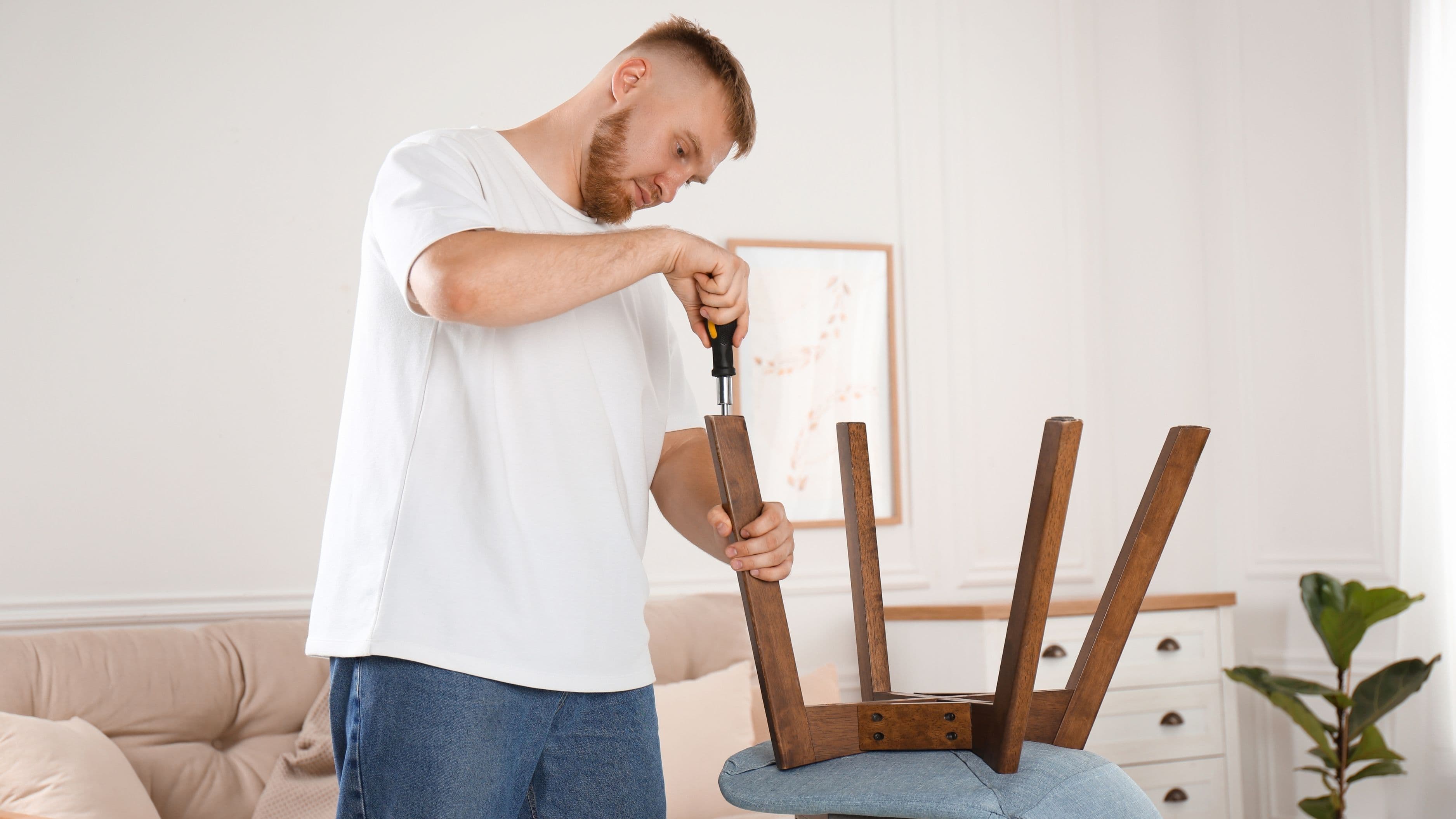
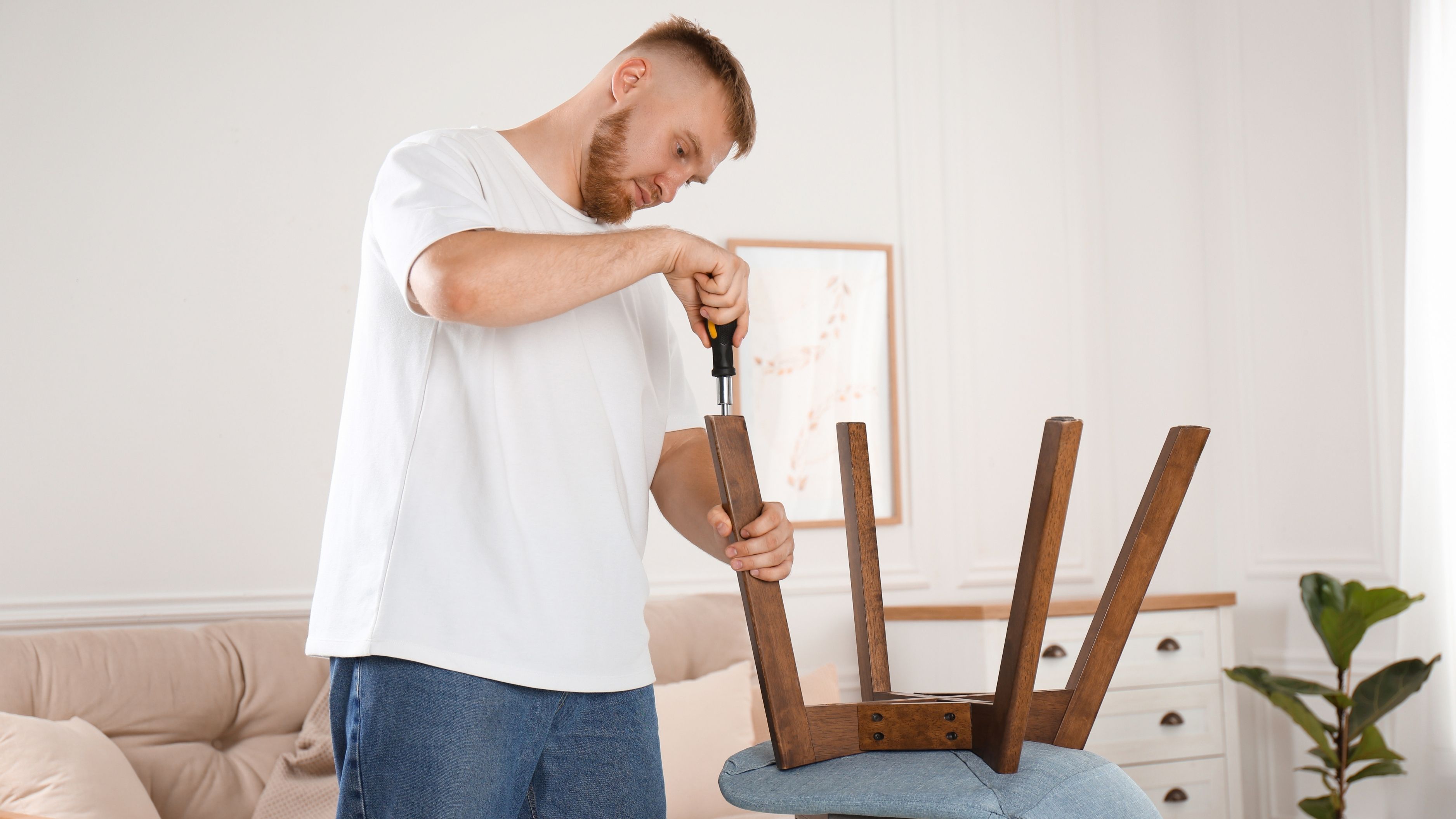
Grab a screwdriver and an Allen wrench set, then systematically check every visible screw, bolt, and fastener on your wobbly piece. Flip chairs upside down to access the underside where legs attach to the seat. For tables, crawl underneath and inspect where the legs meet the apron or tabletop. You'd be amazed how many "broken" furniture pieces just needed a five-minute tune-up with a screwdriver.
Pay special attention to corner brackets and L-brackets, which are often the first casualties of wear and tear. If you find stripped screws that won't tighten, don't despair—that's where fix number two comes in. But first, mark any problem areas with painter's tape so you can address them systematically.
2. Fill Stripped Holes with Wood Glue and Toothpicks
Stripped screw holes are the silent killers of furniture stability. You tighten the screw, it feels snug for about thirty seconds, then it's loose again because the wood fibers around the hole have been crushed and compressed. This is incredibly common in particleboard and softwood furniture, but it happens to hardwood too. The hardware store solution involves drilling out the hole and installing threaded inserts, but there's a much easier fix that works surprisingly well.
Remove the screw completely and squeeze wood glue into the stripped hole until it's about halfway full. Then break a few wooden toothpicks to roughly the length of the hole depth and jam them in there. You want them snug but not so tight that they crack the surrounding wood. Add more glue to fill any gaps, wipe away the excess, and let it dry for at least four hours—overnight is better.
Once dry, the toothpicks and glue create a new, solid structure for your screw to grip. Use a sharp utility knife to trim the toothpicks flush with the surface, then drill a small pilot hole through the center of your repair. Now when you drive that screw back in, it'll hold tight like it did when the furniture was brand new. This technique has saved countless pieces of furniture from the curb, and it costs about twelve cents per repair.
3. Level the Legs Properly
Sometimes furniture wobbles not because anything's broken, but because your floor isn't level or the legs themselves are slightly different lengths. This is especially common with older furniture that's been moved multiple times or pieces that have experienced wood expansion and contraction from humidity changes. Manufacturing tolerances also mean that even new furniture sometimes arrives with legs that vary by a millimeter or two—just enough to drive you crazy.
The diagnostic test is simple: place the wobbly furniture on the flattest, hardest surface you have—a concrete floor in the garage or basement is ideal. If it's stable there but wobbles on your living room floor, the floor's the problem. If it still wobbles on perfectly flat concrete, the legs themselves need adjustment. For floor issues, furniture pads or felt sliders can create micro-adjustments that eliminate the wobble without looking makeshift.
For genuinely uneven legs, adjustable furniture levelers are a godsend. These screw-in feet (available at any hardware store for under ten dollars) replace the existing leg tips and let you dial in perfect stability with a simple twist. If you're dealing with visible wooden legs where metal levelers would look out of place, carefully sand down the longer leg or legs with 80-grit sandpaper, checking frequently until all four corners rest solidly on the ground. Work slowly—you can always remove more material, but you can't put it back.
4. Reinforce Joints with Corner Braces
When tightening screws isn't enough because the joint itself has become structurally compromised, metal corner braces provide the reinforcement you need. These L-shaped brackets essentially create a second support system that takes stress off the original joint. They're particularly effective for chairs with weakened leg-to-seat connections and tables where the legs attach to the apron. The installation takes maybe fifteen minutes per corner, and the transformation is remarkable.
Visit any hardware store and you'll find corner braces in various sizes, from tiny one-inch models for delicate furniture to heavy-duty four-inch versions for larger pieces. Choose brackets that fit comfortably within the space you're reinforcing without protruding where they'll be visible or uncomfortable. Flat corner braces work for 90-degree angles, while angle braces can accommodate furniture that's joined at other angles.
Position the bracket so both sides make solid contact with the wood, mark your screw holes with a pencil, and drill pilot holes slightly smaller than your screw diameter. This prevents splitting the wood—a critical step that impatient DIYers skip at their peril. Drive in the screws firmly but don't overtighten; you want them snug, not stripped. For chairs that take a lot of stress, consider adding brackets to all four leg joints for maximum stability. Yes, they're visible on the underside, but who's looking under there anyway?
5. Apply Wood Glue to Loose Joints
For furniture assembled with traditional woodworking joints—mortise and tenon, dowels, or dovetails—the original glue has often failed. Wood glue doesn't last forever, especially in environments with temperature fluctuations and humidity changes. When those glue bonds fail, even the best-crafted furniture develops a wobble. Re-gluing these joints is more time-intensive than the previous fixes, but it's the proper solution for quality furniture worth preserving.
Whenever possible, disassemble the wobbly joint completely. For chairs, this might mean removing a rung or separating a leg from the seat. Clean away old glue residue with sandpaper or a chisel—the new glue needs to bond with bare wood, not old, degraded adhesive. Apply a generous bead of wood glue to both surfaces of the joint, reassemble the pieces, and clamp them together firmly. Yellow wood glue (like Titebond) is your friend here; it's stronger than white glue and designed specifically for furniture.
Clamping is crucial because it holds the joint in perfect alignment while squeezing out excess glue to create a thin, strong bond. You can use proper woodworking clamps if you have them, or improvise with ratchet straps, rope tourniquets, or even heavy-duty rubber bands for smaller repairs. Leave the clamps on for at least eight hours, though twenty-four is better for joints that bear weight. Wipe away squeezed-out glue with a damp cloth before it dries, and resist the urge to use the furniture until the glue has fully cured. Patience here pays dividends in longevity.
Stop Wobbling, Start Living
That rickety chair or unsteady table isn't just annoying—it's a safety hazard that undermines your enjoyment of your home. Every time you sit down gingerly or place your coffee mug with excessive care, you're accommodating a problem that probably takes less time to fix than you've spent worrying about it. These five fixes represent the solutions to probably 95% of wobbly furniture complaints, and none of them require special skills or expensive tools.
The real lesson I learned from my coffee-spilling, book-dropping chair incident wasn't just about furniture repair. It was about how we often tolerate minor annoyances until they become major problems, convincing ourselves we're too busy or it's not worth the effort. But taking thirty minutes to stabilize a wobbly chair or table isn't just home maintenance—it's an act of self-respect. It's saying your comfort and safety matter enough to spend a few minutes with a screwdriver.
So put down your phone, grab your toolbox, and tackle that wobble today. Your furniture—and your coffee-free lap—will thank you. And who knows? The confidence you gain from this simple repair might inspire you to tackle other DIY projects you've been putting off. Sometimes all it takes is one small victory to remind yourself that you're more capable than you think.
📚 Sources
1. Wood Database. (2023). "Properties of Yellow Glue (Aliphatic Resin) in Woodworking Applications." The Wood Database.
2. Fine Homebuilding Magazine. (2022). "Understanding Wood Movement: How Humidity Affects Furniture Joints." Taunton Press.