
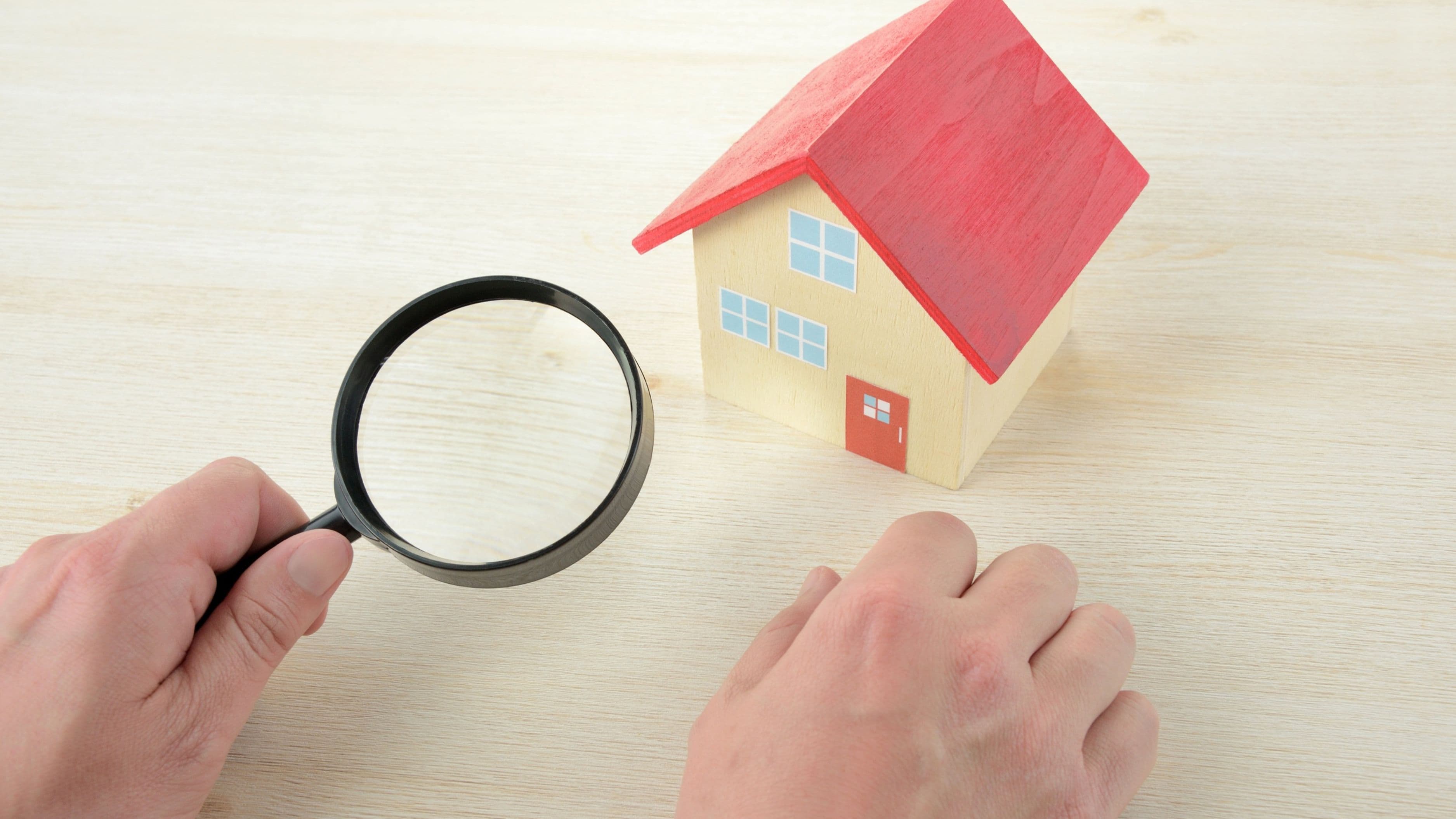
What an Appraisal Actually Measures
An appraisal is a licensed professional's independent estimate of a home's market value, based on a structured methodology rather than personal taste or subjective impressions of decor and staging. Appraisers primarily rely on recent comparable sales, called "comps," of similar homes in your area, adjusting for differences in size, condition, features, and location to arrive at an estimated value.
This distinction matters because it explains why cosmetic updates that heavily influence a buyer's emotional response during a showing often have a much smaller effect on an appraiser's formal valuation. Appraisers are trained to look past staging and surface-level presentation toward more structural and comparable factors.
Comparable Sales Are the Foundation
The single biggest driver of your home's appraised value is what similar homes in your immediate area have recently sold for, typically within the past three to six months and within a reasonably close geographic radius. Appraisers adjust these comparable sales up or down based on specific differences between those properties and yours, but the baseline value is always anchored to actual recent market transactions rather than abstract potential.
This means your home's value is heavily influenced by your neighborhood's overall market conditions, something no amount of individual home improvement can fully override. A beautifully renovated home in a neighborhood with generally lower comparable sale prices will still appraise closer to that neighborhood's typical range than an isolated high number reflecting only your specific improvements.
Square Footage and Usable Space Matter More Than Finishes
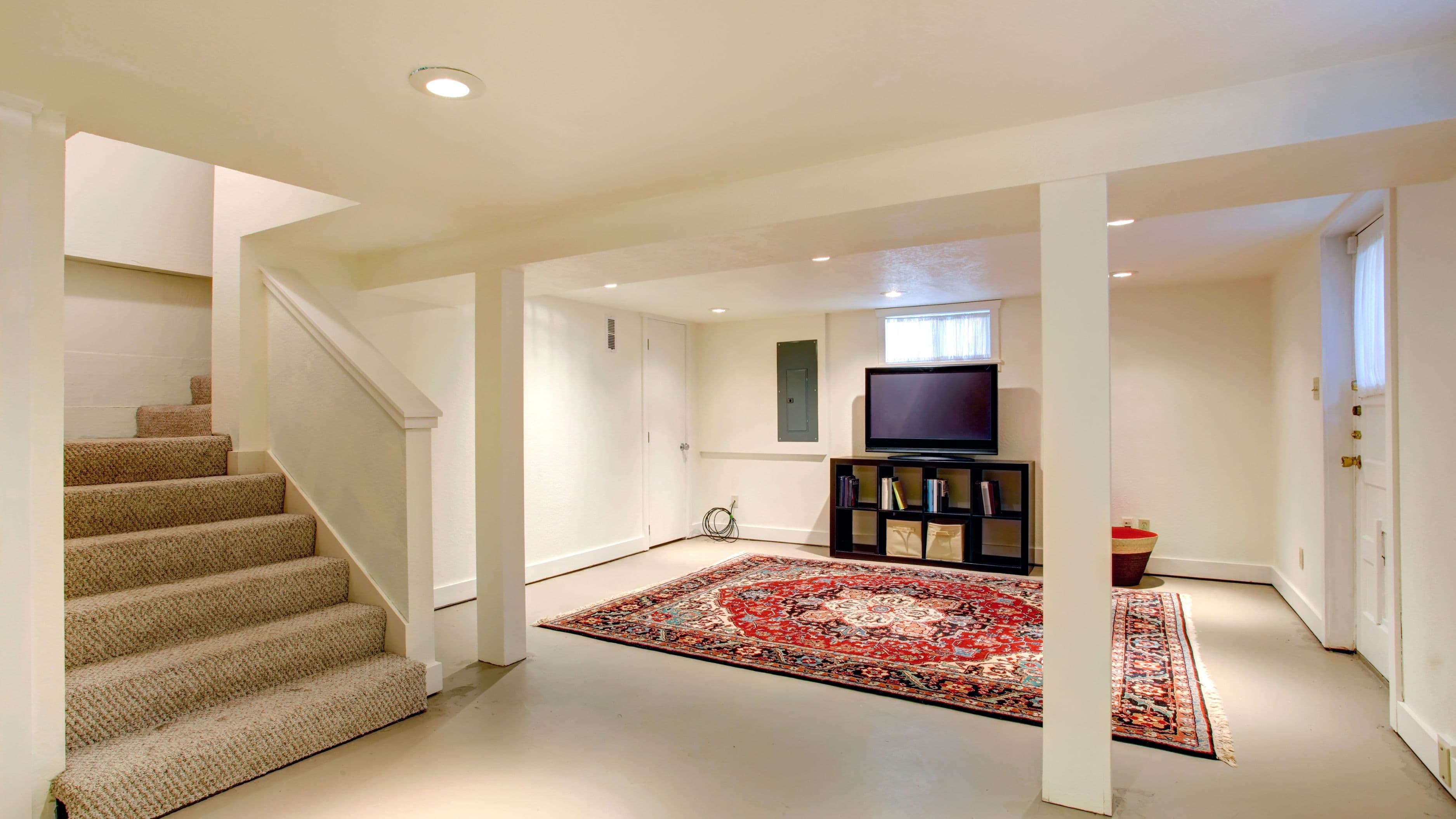
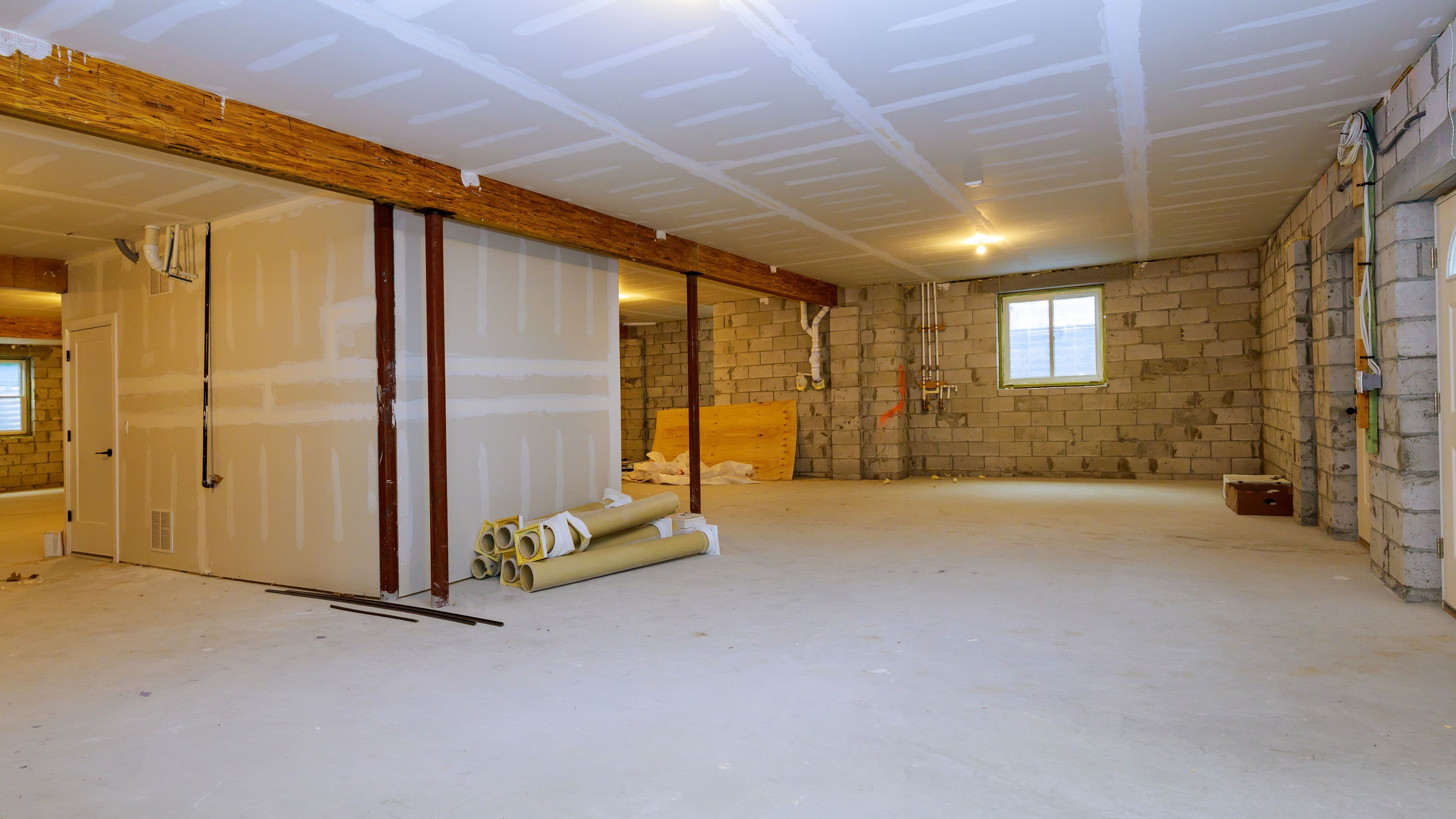
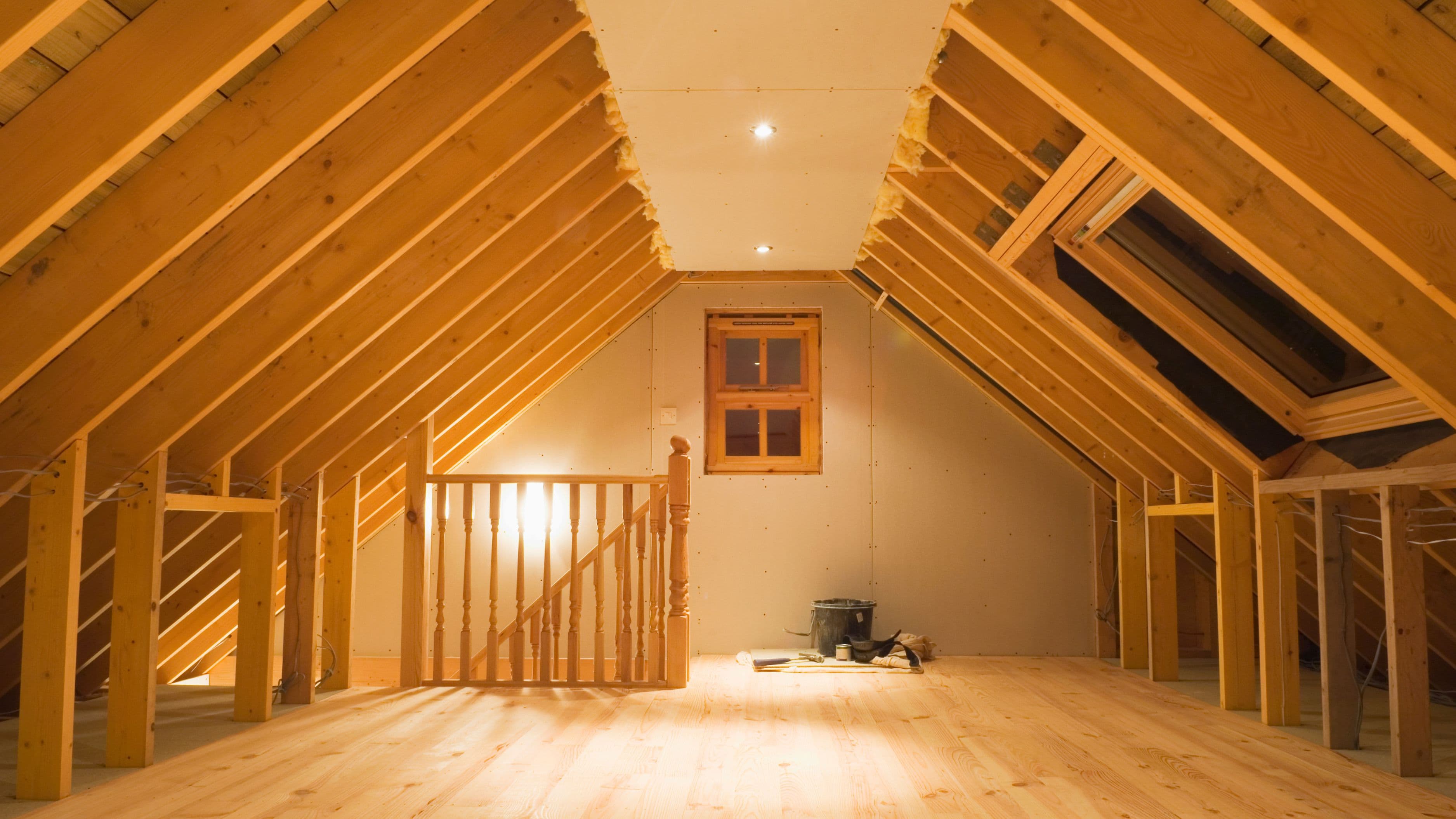
Appraisers weigh total usable square footage heavily, and additions that genuinely increase a home's livable space, like a properly permitted room addition or a finished basement that meets local code requirements for livable space, tend to have a more direct effect on appraised value than cosmetic upgrades within existing square footage. This is why finishing an unfinished basement or attic into genuinely usable living space often shows a stronger return in appraisal terms than a kitchen or bathroom remodel of similar cost.
It's worth noting that unpermitted additions or conversions can actually create problems during an appraisal, since appraisers and lenders typically require permitted, code-compliant space to count it toward total livable square footage, which means an unpermitted addition may not add the value you'd expect, or could even complicate the appraisal and financing process.
Structural and Mechanical Systems Carry Real Weight
The condition of a home's roof, foundation, plumbing, electrical systems, and HVAC significantly affects appraised value, even though these systems are far less visually exciting than a renovated kitchen. Appraisers factor in the age and condition of these major systems since they directly relate to a home's overall livability and the buyer's likely near-term repair costs, which is a core part of what determines fair market value.
An older home with a recently replaced roof and updated electrical panel will typically appraise more favorably than an otherwise similar home with original, aging systems nearing the end of their expected lifespan, even if the second home has more updated cosmetic finishes. This is a common area where homeowners underestimate the appraisal value of unglamorous but structurally important updates.
Location-Specific Factors Beyond Your Control
School district quality, proximity to amenities, and general neighborhood desirability all factor into an appraisal, and these are largely outside any individual homeowner's ability to influence through renovation. Understanding this helps set realistic expectations; even significant home improvements have a ceiling on how much they can push your appraised value above what similar homes in your specific location and school district are actually selling for.
This doesn't mean location factors are fixed forever, since neighborhoods do shift in desirability over time due to broader development and market trends, but it does mean these factors operate on a timeline and scale entirely separate from what any single homeowner's renovation choices can control.
Renovations That Tend to Impact Appraisal Value Most
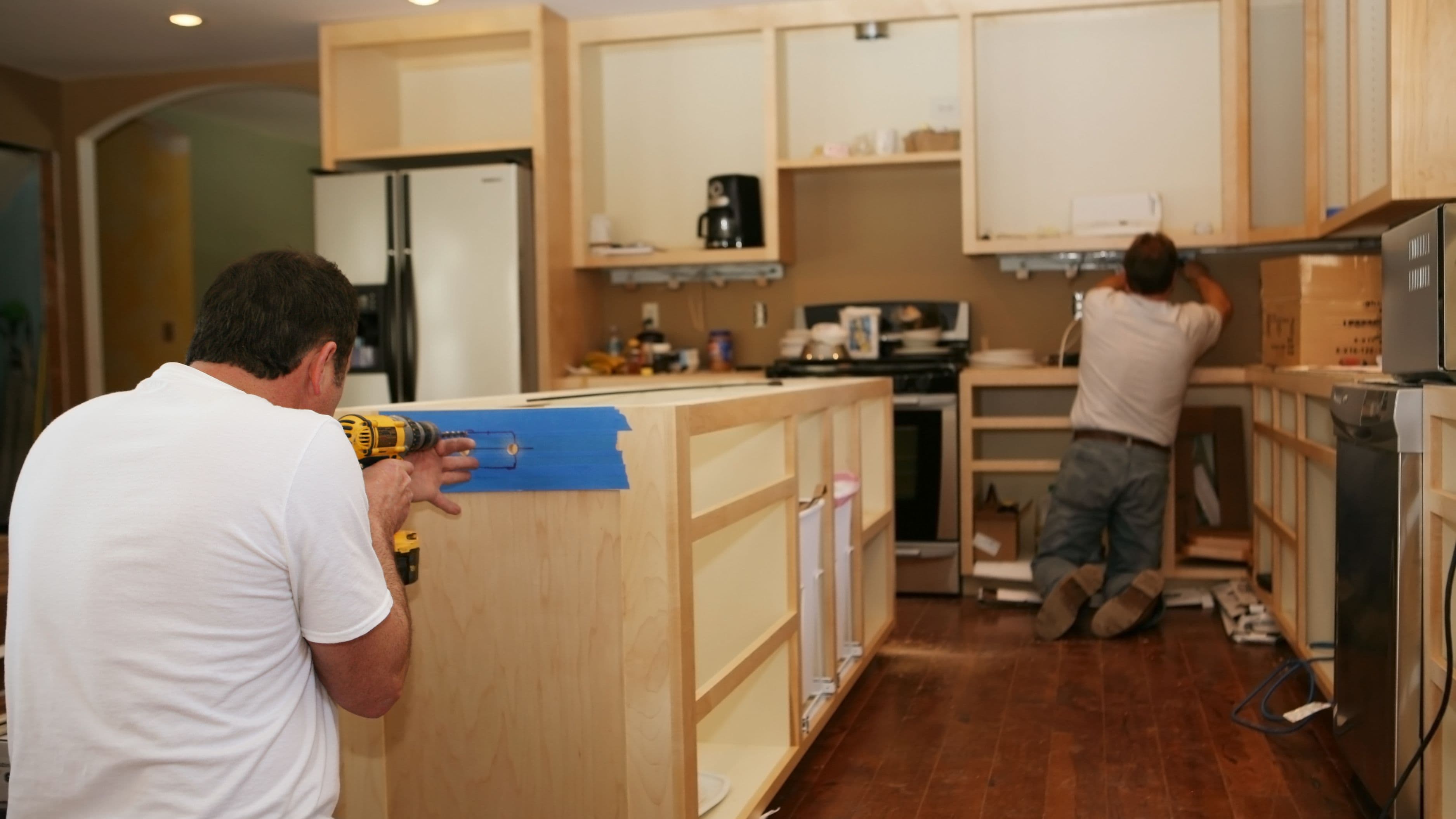
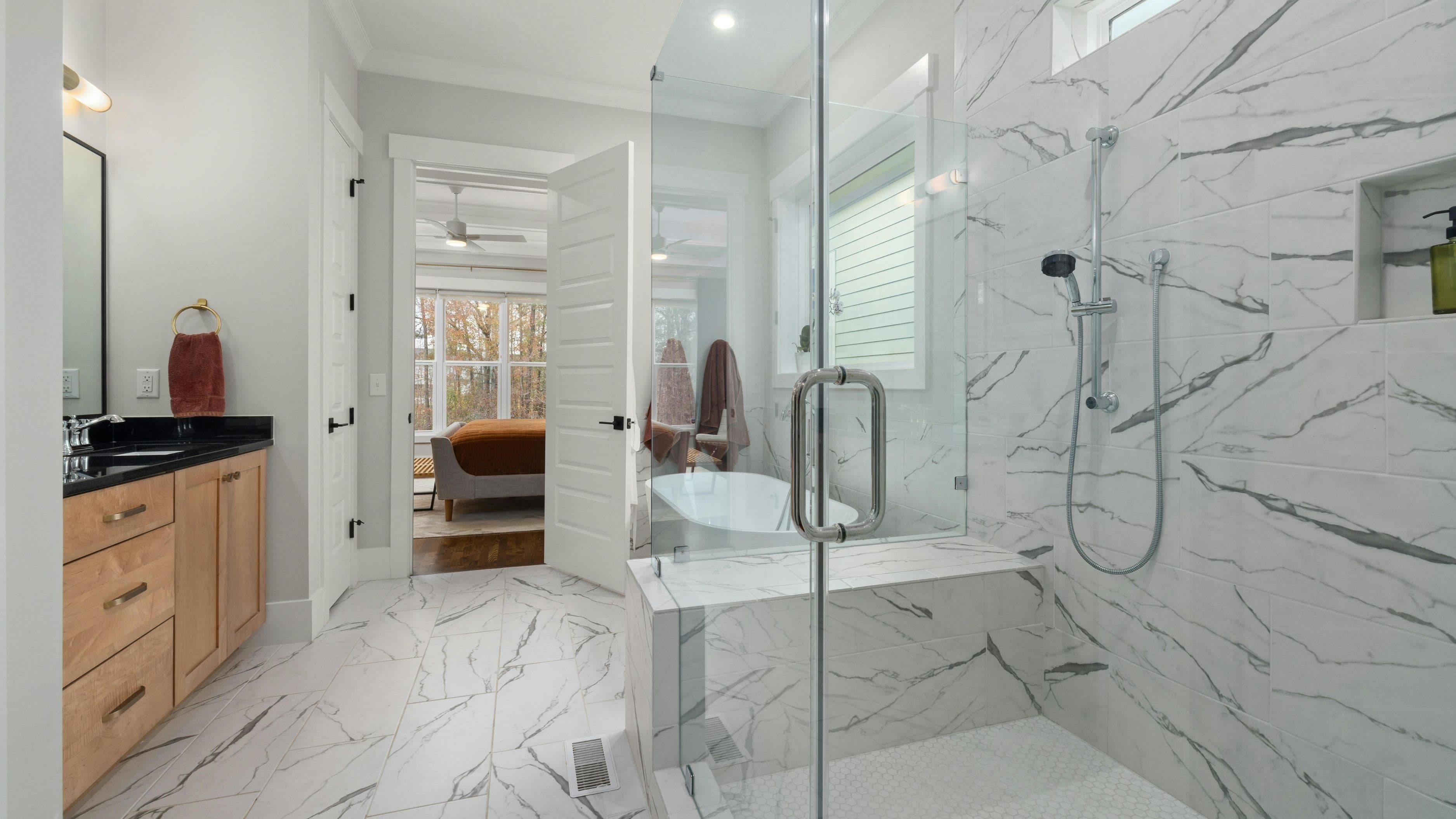
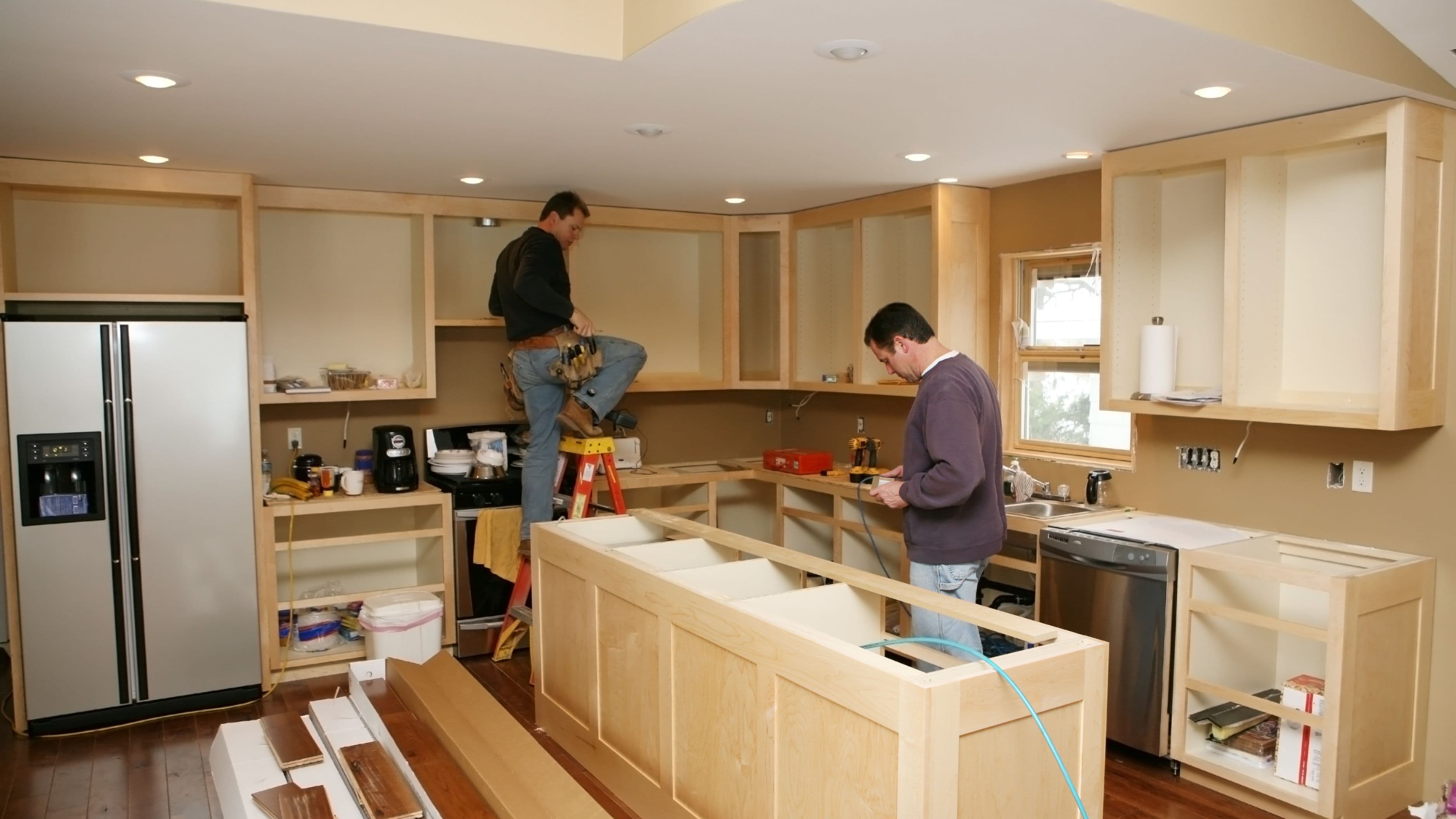
Kitchen and bathroom updates generally show a reasonable appraisal return when they bring genuinely outdated spaces up to a more current, functional standard, though luxury-level upgrades in a moderately priced neighborhood often don't return their full cost in appraised value. Energy efficiency improvements, including updated insulation, windows, and efficient HVAC systems, are increasingly recognized in appraisals as they affect a home's ongoing operating costs, which matters more to buyers and appraisers than in past years.
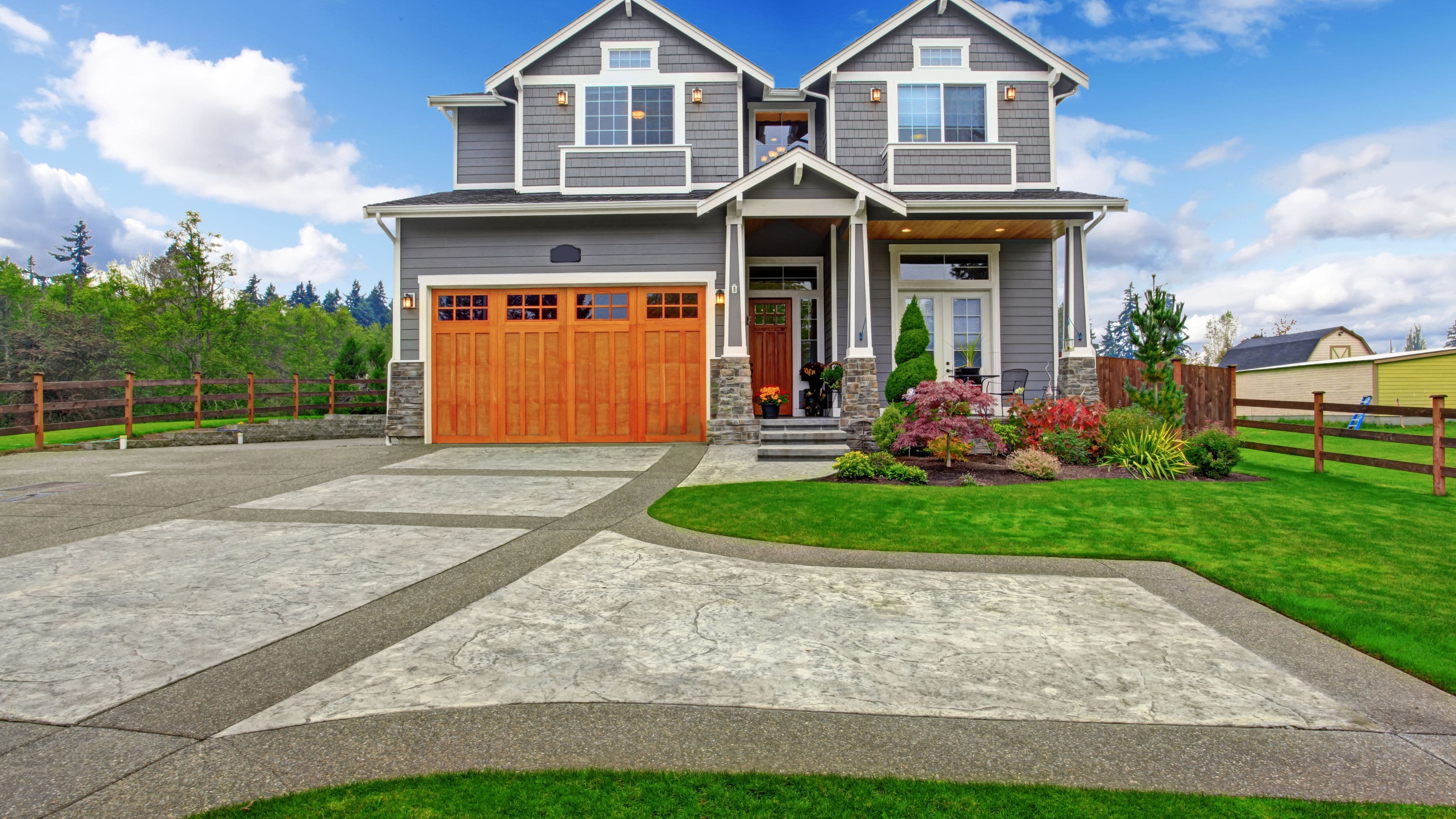
Curb appeal and exterior condition also factor in more than some homeowners expect, since appraisers do conduct an exterior inspection as part of the overall assessment, and visible deferred maintenance on the exterior can signal broader condition concerns that affect the overall valuation.
What Typically Has Less Impact Than Homeowners Expect
Purely cosmetic updates, like new paint colors, decorative fixtures, or trendy design choices, tend to have a smaller effect on formal appraisal value than they do on buyer emotional response during a showing, since these updates don't change the structural or comparable-sales fundamentals an appraiser relies on. Similarly, high-end luxury finishes in a modest, non-luxury neighborhood often don't appraise for their full cost, since the appraisal is still anchored to what comparable homes in that specific market actually sell for.
Landscaping and outdoor living spaces, while valuable for buyer appeal and daily enjoyment, typically have a more limited direct effect on formal appraised value compared to structural and system-related improvements, even though they're often a larger part of a homeowner's actual renovation budget.
Realistic Expectations for Renovation Return on Appraisal Value
Very few renovations return their full cost in appraised value, and this is a normal, expected part of how appraisals work rather than a sign that a renovation was a mistake. Most well-chosen renovations return a meaningful, though partial, percentage of their cost in appraised value, with the remainder of the investment's return coming through improved livability, energy savings, or buyer appeal during an eventual sale rather than the appraisal figure itself.
Common Mistakes Homeowners Make
A common mistake is assuming a renovation's cost will translate directly into an equivalent increase in appraised value, when the actual relationship is much more modest and dependent on your specific market. Another is neglecting structural and mechanical system updates in favor of purely cosmetic ones, missing an area that often has more appraisal impact per dollar spent. And a frequent oversight is completing additions or conversions without proper permits, which can prevent that added space from counting toward appraised value at all.
What to Avoid
Avoid over-improving relative to your neighborhood's typical home values, since even excellent renovations have a ceiling determined by comparable sales in your specific area. Avoid skipping permits on any addition or conversion project, since unpermitted work can complicate or limit its appraisal value entirely. And avoid assuming a recent renovation guarantees a specific appraisal outcome, since appraisers rely on a structured, comparable-sales-based methodology rather than simply valuing the cost of recent work performed.
FAQ
Can I request a re-appraisal if I believe my home's value came in too low? In many cases, yes, particularly if you can provide additional comparable sales data the original appraiser may have missed, though the process and requirements vary depending on your lender and situation.
Do smart home features affect appraisal value? Their impact is generally modest and inconsistent across appraisers currently, since formal appraisal methodology hasn't fully standardized how to value these features, though this is an evolving area as smart home technology becomes more common.
How often should I expect my home's appraised value to change over time? Appraised value can shift with each new appraisal based on updated comparable sales and market conditions, meaning your home's value isn't static and can change even without any renovations, simply due to broader market shifts in your area.
📚 Sources
Appraisal Institute, "Understanding the Appraisal Process" – https://www.appraisalinstitute.org/
Federal Housing Finance Agency, "Appraisal Standards and Guidance" – https://www.fhfa.gov/
-jhajrFUGfI3zCQGjpAWcxuNPi1zUTB.jpg&w=3840&q=75)