So let's answer both halves of the question directly: what an attic conversion actually costs, where that money goes, and how to judge whether it's a smart investment for your specific home. The honest version – including the situations where the answer is "don't bother" – is more useful than a glossy before-and-after.
What an Attic Conversion Involves
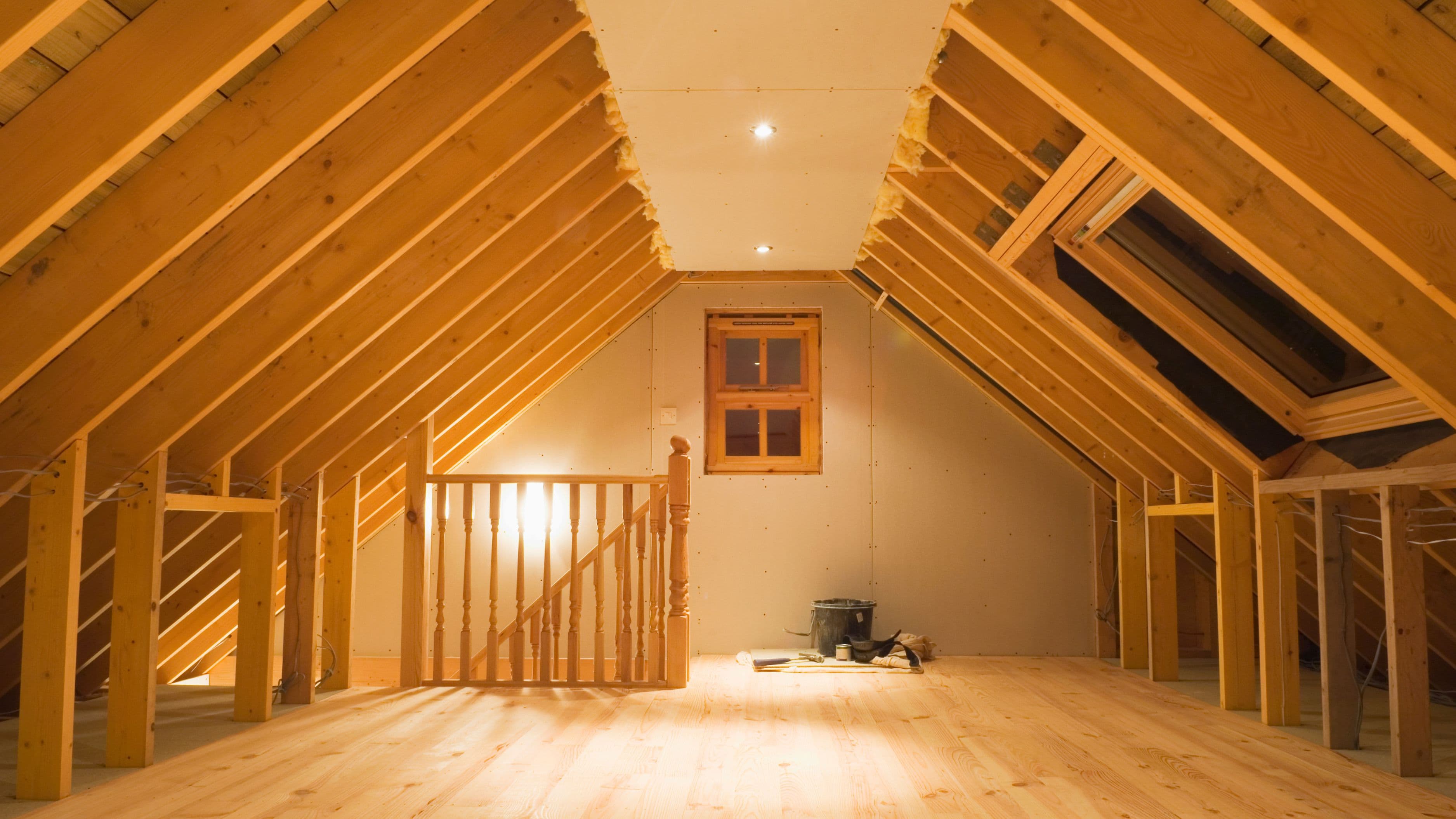
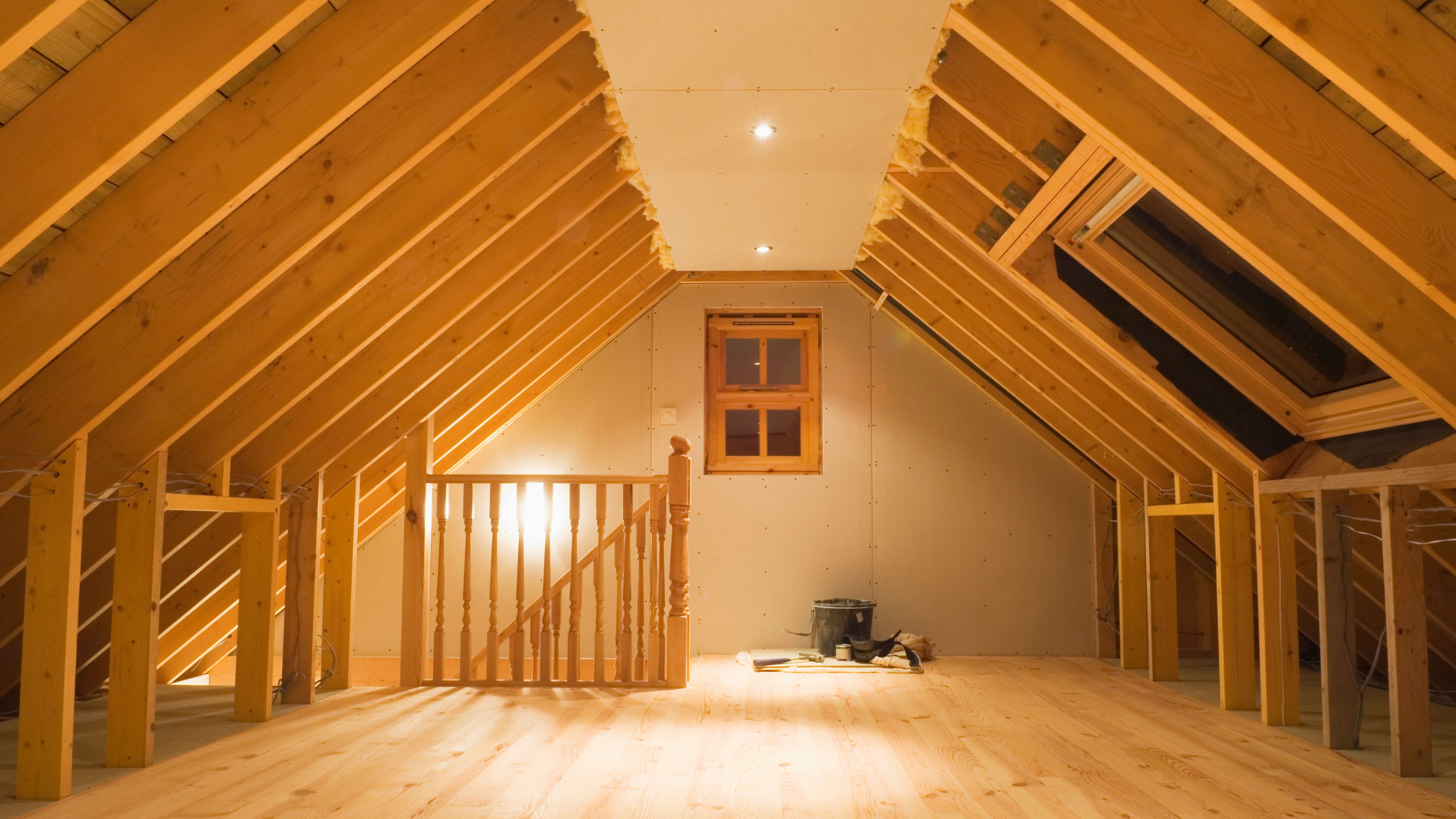
Converting an attic means turning unconditioned roof space into a finished, code-compliant living area – a bedroom, office, playroom, or even a suite. It sounds simple because the shell is already there, but a livable room needs a lot the attic doesn't currently have: a safe staircase, adequate ceiling height, proper insulation and ventilation, heating and cooling, electrical, windows for light and egress, and a floor structure strong enough to carry living loads rather than just boxes.
That gap between "empty space" and "legal living space" is where the cost lives. Understanding it upfront is what separates a realistic budget from a painful surprise halfway through.
What It Actually Costs
Attic conversion costs vary widely by region, the state of your attic, and the finish level, but it helps to think in ranges and tiers rather than a single number. A relatively straightforward conversion – an attic that already has good height, a sound floor structure, and easy access – tends to sit at the lower end. A complex one requiring structural reinforcement, a new staircase, dormers, or major systems work lands much higher, frequently into the tens of thousands of dollars and sometimes well beyond for a full suite with a bathroom.
Cost level: medium to high. Here's where the money typically goes, roughly in order of impact:
The biggest cost drivers are structural and access-related. Reinforcing the floor joists so the attic can safely bear living loads is common and significant, since attic framing is often sized only for storage. Adding a proper, code-compliant staircase is another major item, especially since it consumes space on the floor below and may require reworking that level's layout. Dormers or roof modifications to gain headroom or light are among the most expensive additions of all.
The systems work adds up next: extending heating and cooling to the new space, running electrical, and installing insulation and ventilation suited to a finished room. Then come the egress windows or skylights required for safe exit and natural light, followed by the finishing – flooring, drywall, lighting, and any plumbing if you're adding a bathroom, which raises cost substantially.
Always budget a contingency of 10–20% on top, because older homes and attics reliably reveal surprises once the work begins.
The Make-or-Break Factor: Ceiling Height
Before you fall in love with the idea, check one thing, because it can end the conversation: ceiling height. Building codes generally require a minimum ceiling height over a meaningful portion of a habitable room – commonly around 7 feet over at least half the floor area, though specifics vary by location.
If your attic doesn't have enough headroom, you're looking at either raising the roof or adding dormers, both of which dramatically increase cost and complexity, or abandoning a full conversion. This is why measuring your usable height and checking it against your local code is the very first practical step. An attic with generous height and a steep, simple roof is an excellent candidate; a shallow, low attic often isn't worth the structural gymnastics.
Is It Worth It? How to Decide
Whether an attic conversion pays off comes down to a few honest comparisons.
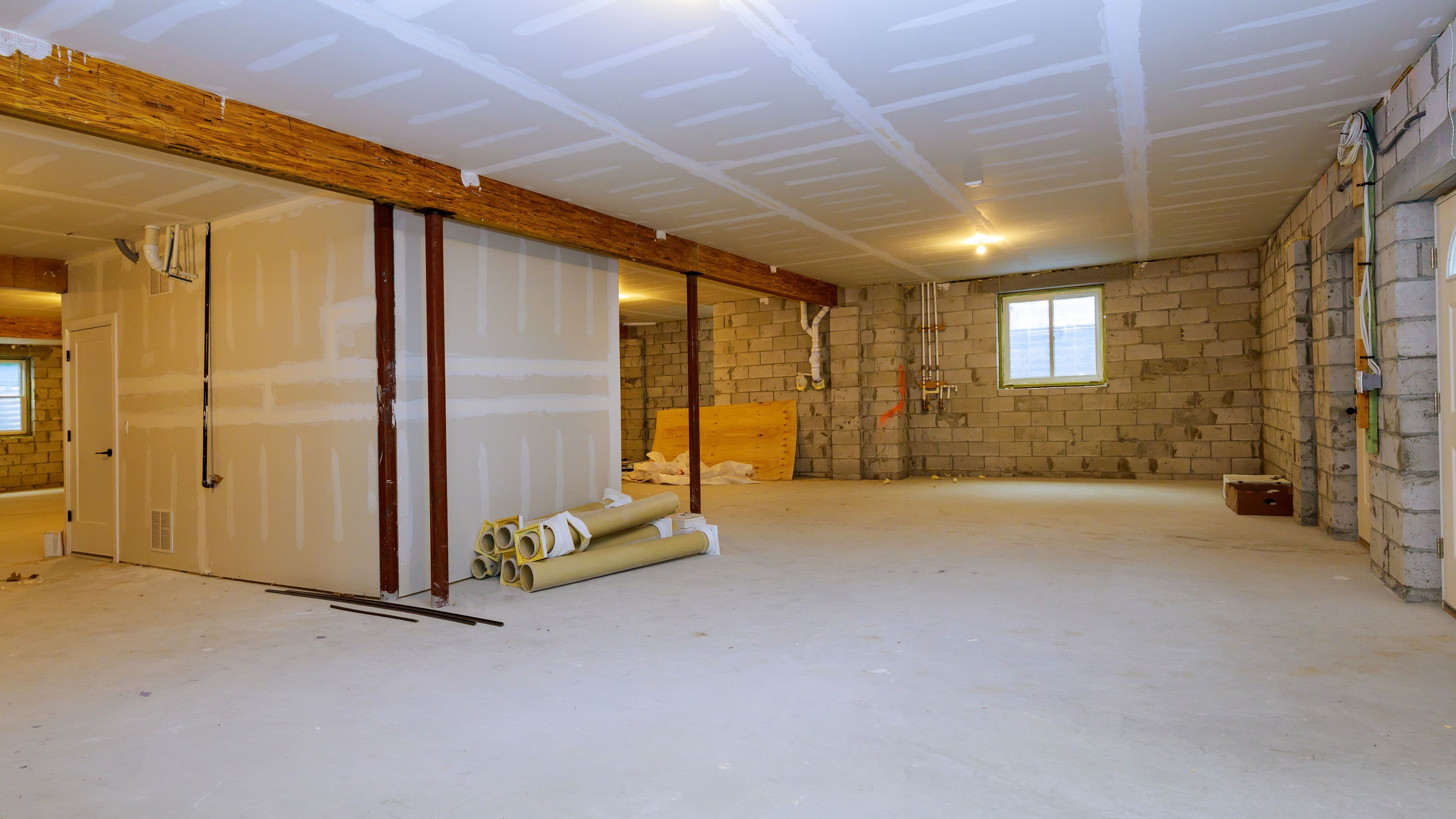
First, compare it to your alternatives for adding space. Against a ground-floor addition, an attic conversion is usually cheaper because the structure and roof already exist and you're not extending the foundation or footprint. Against a basement conversion, it varies – basements avoid headroom and staircase issues but bring moisture challenges; attics avoid damp but face height and access constraints. The right answer depends on which space your home actually has to work with.
Second, weigh the value added against the cost. Adding genuine, legal, finished living space – particularly a bedroom – generally increases a home's value and appeal, and converted attics can recoup a solid share of their cost at resale while giving you years of use in the meantime. The strongest cases are homes where the added room meaningfully improves how the house functions for you: a growing family needing a bedroom, a remote worker needing a real office, a home that's short on space with no room to expand outward.
It's most worth it when your attic already has good height and structure (keeping costs reasonable), when you'll use the space for years (so you enjoy the benefit, not just the resale bump), and when comparable homes in your area have the bedroom count you'd be adding. It's least worth it when low ceilings force expensive structural work, when the staircase would badly compromise the floor below, or when you're banking purely on resale in a market where the numbers don't support it.
What to Avoid
The most expensive mistake is skipping permits and code compliance. An unpermitted attic conversion can mean the space doesn't legally count as living area, won't appraise as a bedroom, can create insurance and resale problems, and may have to be redone. A properly permitted conversion is the only one that reliably adds value.
Watch out, too, for underestimating the staircase. People focus on the attic itself and forget that a code-compliant stair has to come from somewhere on the floor below, sometimes forcing a layout change that adds cost and eats into the space you gained. Don't ignore insulation and ventilation either – an attic finished without proper thermal and moisture control becomes an oven in summer, an icebox in winter, and a candidate for condensation problems. And avoid assuming your floor can handle it; verifying and likely reinforcing the structure is non-negotiable for safety, not an optional upgrade.
Finally, be cautious about over-investing relative to your neighborhood. Pouring premium money into a converted attic in a modest market can mean you never recover it, so match your finish level to what your home and area support.
FAQ
How much does an attic conversion cost on average? There's no single figure – it ranges from the lower tens of thousands for a simple, high-clearance attic to well beyond that for conversions needing structural work, dormers, a new staircase, or a bathroom. Your attic's existing height and structure are the biggest cost variables.
Does an attic conversion add value to my home? A legal, permitted conversion that adds finished living space – especially a bedroom – generally increases value and appeal and can recoup a meaningful share of its cost. An unpermitted one often doesn't count as living area and can hurt rather than help.
What's the first thing I should check? Ceiling height. If your attic lacks the code-required headroom over enough of the floor, you'll face costly roof-raising or dormers, which can change whether the project makes sense at all.
Do I need permits? Yes. A habitable room must meet building codes for egress, ceiling height, structure, electrical, and more, and requires permits and inspections. This is what makes the space legal, insurable, and valuable at resale.
Is converting an attic cheaper than building an addition? Usually, since the roof and structure already exist and you're not extending the foundation or footprint. The savings shrink if your attic needs significant structural reinforcement or roof modifications to become livable.
The Bottom Line
An attic conversion turns space you already own into real living area, often more affordably than building outward – but "affordable" still means a medium-to-high investment, and the final cost hinges on your attic's height, structure, and access. It's worth it when those bones are good, when you'll actually use the space, and when a permitted, code-compliant room fits your home and market. Start by measuring your ceiling height and checking it against local code, then get a contractor's assessment of your floor structure and staircase options.
Those two answers will tell you, faster than anything else, whether your attic is a smart investment or a costly one to leave as storage.
📚 Sources
International Code Council – Ceiling Height and Habitable Room Requirements (IRC): https://codes.iccsafe.org/content/IRC2021P1/chapter-3-building-planning
U.S. Department of Energy – Insulating Attics and Roofs: https://www.energy.gov/energysaver/insulation
U.S. Department of Energy – Ventilation and Moisture Control: https://www.energy.gov/energysaver/weatherize/ventilation
Remodeling Magazine – Cost vs. Value Report: https://www.remodeling.hw.net/cost-vs-value/2023/
HUD – Home Improvement and Adding Living Space: https://www.hud.gov/topics/home_improvements
🔍 Explore Related Topics


-jhajrFUGfI3zCQGjpAWcxuNPi1zUTB.jpg&w=3840&q=75)