
This walks through exactly how to plan, build, and equip a budget-friendly workshop that will serve you well for years, without cutting corners on the things that actually matter.
Step 1: Choose the Right Structure Type
Your biggest cost decision is what kind of structure you're starting from. A prefab metal or resin shed kit is typically the cheapest entry point, running anywhere from a few hundred to a couple thousand dollars depending on size, and requires the least construction skill to assemble. A wood-framed shed built from scratch costs more in materials and time but offers better long-term durability and easier customization for shelving, outlets, and insulation.
Cost level: Low to Medium. For most budget-conscious builders, a mid-size prefab kit (roughly 10x12 feet) in the $1,000–$2,500 range offers the best balance of cost and durability, assuming you're doing the assembly yourself rather than paying for installation.
Step 2: Plan Your Layout Before You Build
Before buying anything, sketch out how you'll actually use the space – workbench placement, tool storage, and clearance for any larger equipment you plan to use regularly. This step is free and prevents the common mistake of building a structure, then discovering your workbench doesn't fit comfortably or there's no clear path to move materials in and out.
A simple rule that works well for most hobbyist workshops: allocate roughly one-third of the floor space to a workbench and immediate work area, one-third to storage, and one-third to open floor space for movement and larger projects. Adjust based on your specific tools and typical project size, but this ratio prevents the common trap of overcrowding a small space with too much storage and too little usable working area.
Step 3: Handle the Foundation Properly
Skipping a proper foundation is one of the most common budget-workshop mistakes, and it causes real problems down the line – moisture issues, an uneven floor, and a shed that shifts or settles unevenly over time. A gravel pad base is the most budget-friendly reliable option, offering good drainage and stability without the cost of a poured concrete slab.
Cost level: Low. A gravel pad for a small to mid-size shed typically runs $150–$400 in materials if you do the labor yourself, and it's a genuinely worthwhile investment that protects the rest of your build from moisture-related problems.
Step 4: Prioritize Electrical Access Early
If you plan to use any powered tools, running electrical access to your workshop needs to happen early in the process, ideally before you finish walls or flooring, since retrofitting wiring afterward is considerably more expensive and disruptive. For most backyard workshops, running a dedicated circuit from your home's panel to the shed, with a licensed electrician handling the actual connection, is worth the investment even on a tight budget.
Cost level: Medium. Professional electrical hookup for a small workshop typically runs $500–$1,500 depending on the distance from your home's panel and local labor rates, but this is one area where hiring a licensed professional is genuinely worth the safety and code-compliance benefits rather than attempting a DIY electrical run.
Step 5: Insulate If You'll Use It Year-Round
If your climate has real seasonal temperature swings and you plan to use your workshop consistently throughout the year, basic insulation is worth the modest added cost. Simple rigid foam board insulation, installed along the walls and ceiling, offers a meaningful comfort improvement for a relatively small investment compared to the cost of the overall structure.
Cost level: Low to Medium. Basic insulation for a small workshop typically adds $200–$600 to your total budget, but it meaningfully extends how comfortably you can use the space across more of the year.
Step 6: Build Storage That Matches Your Actual Tools
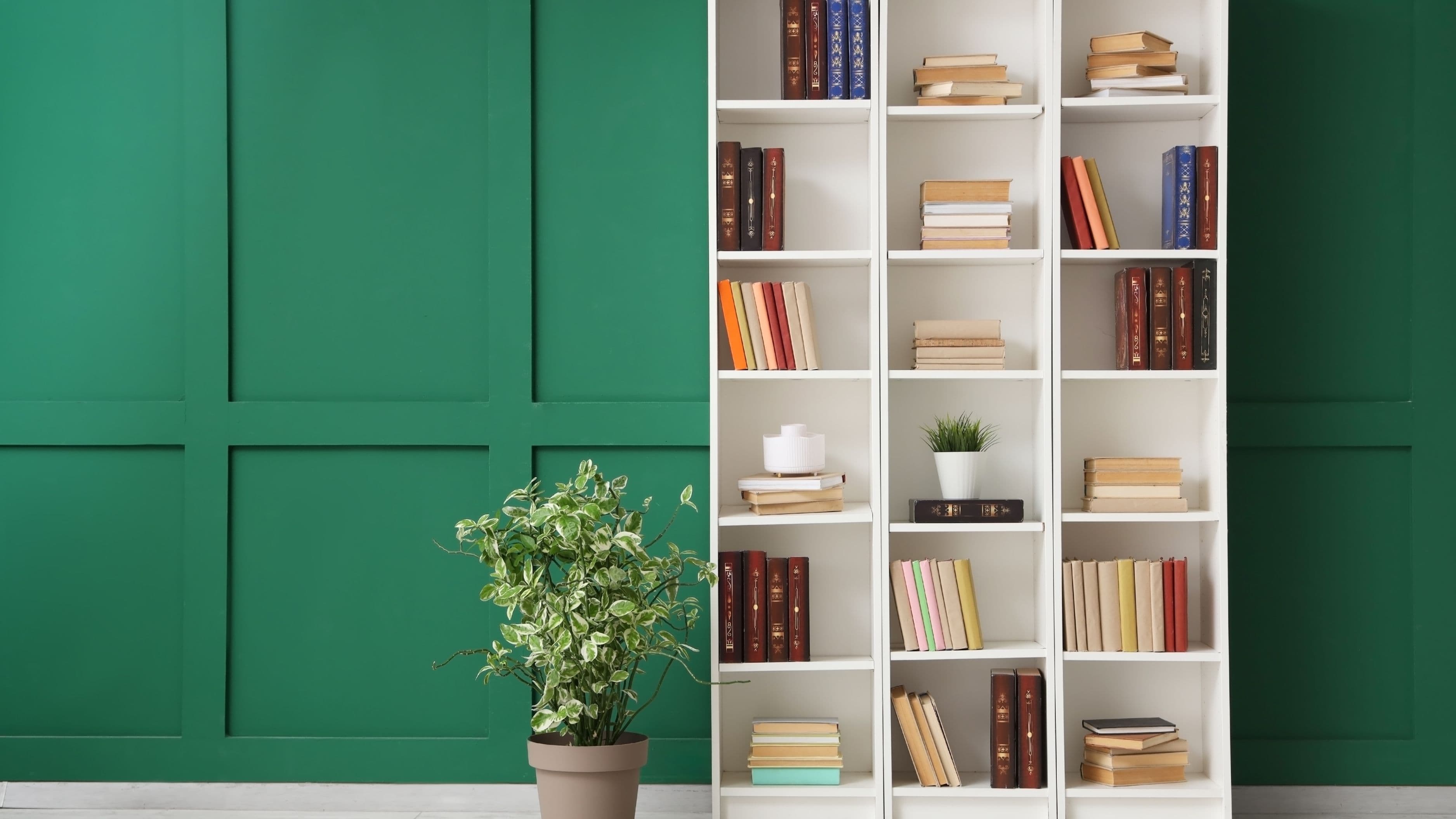
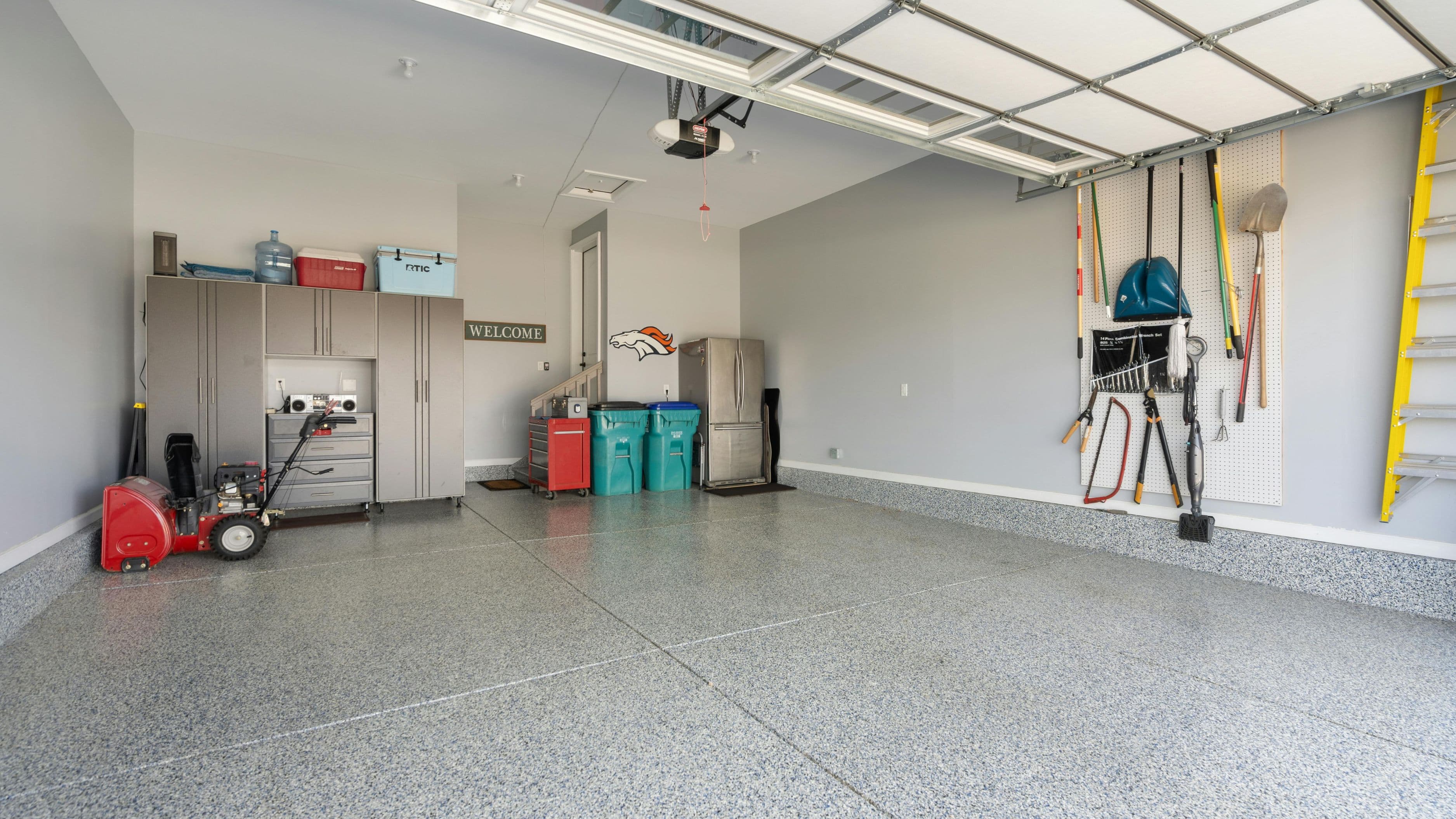
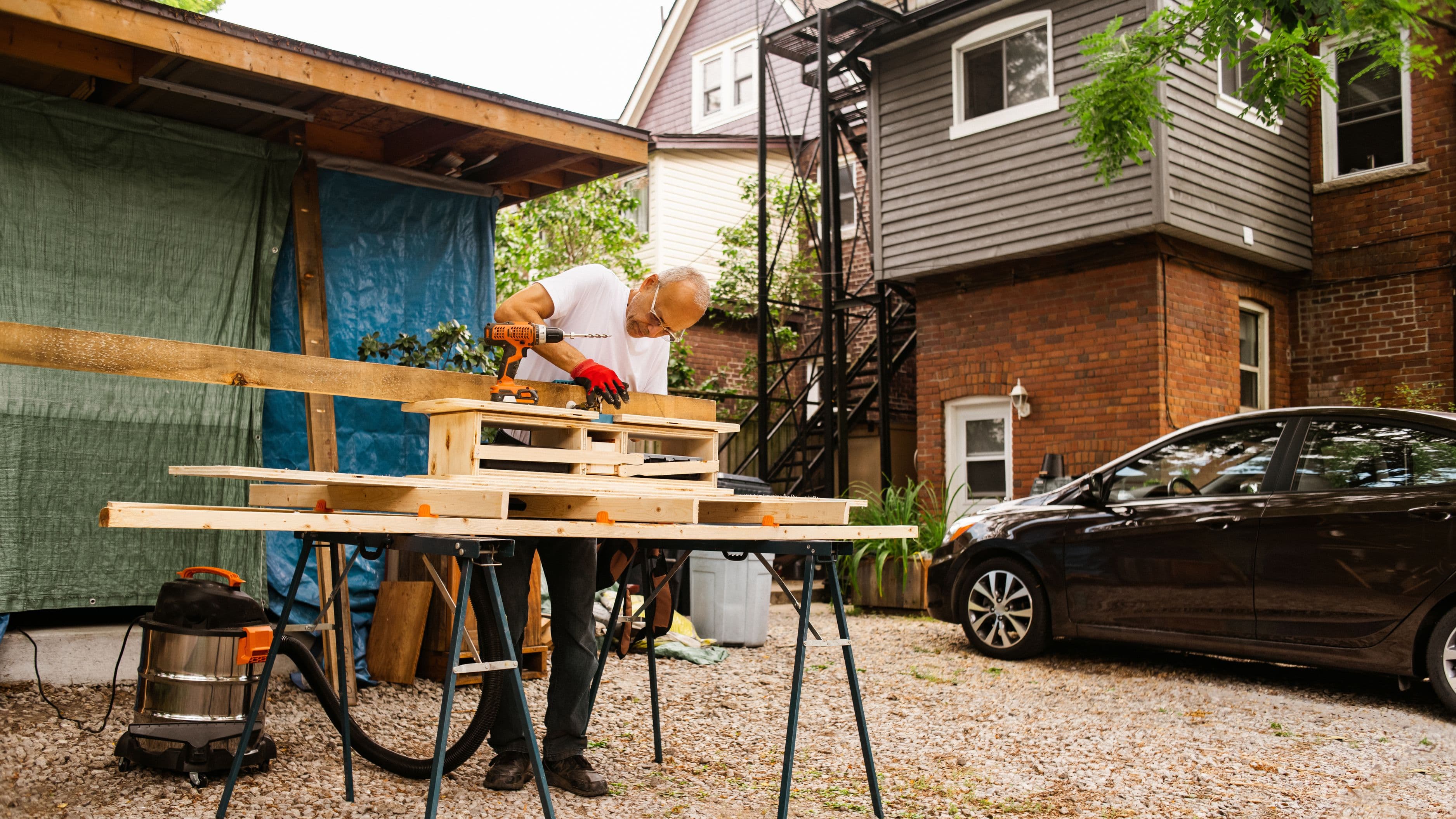
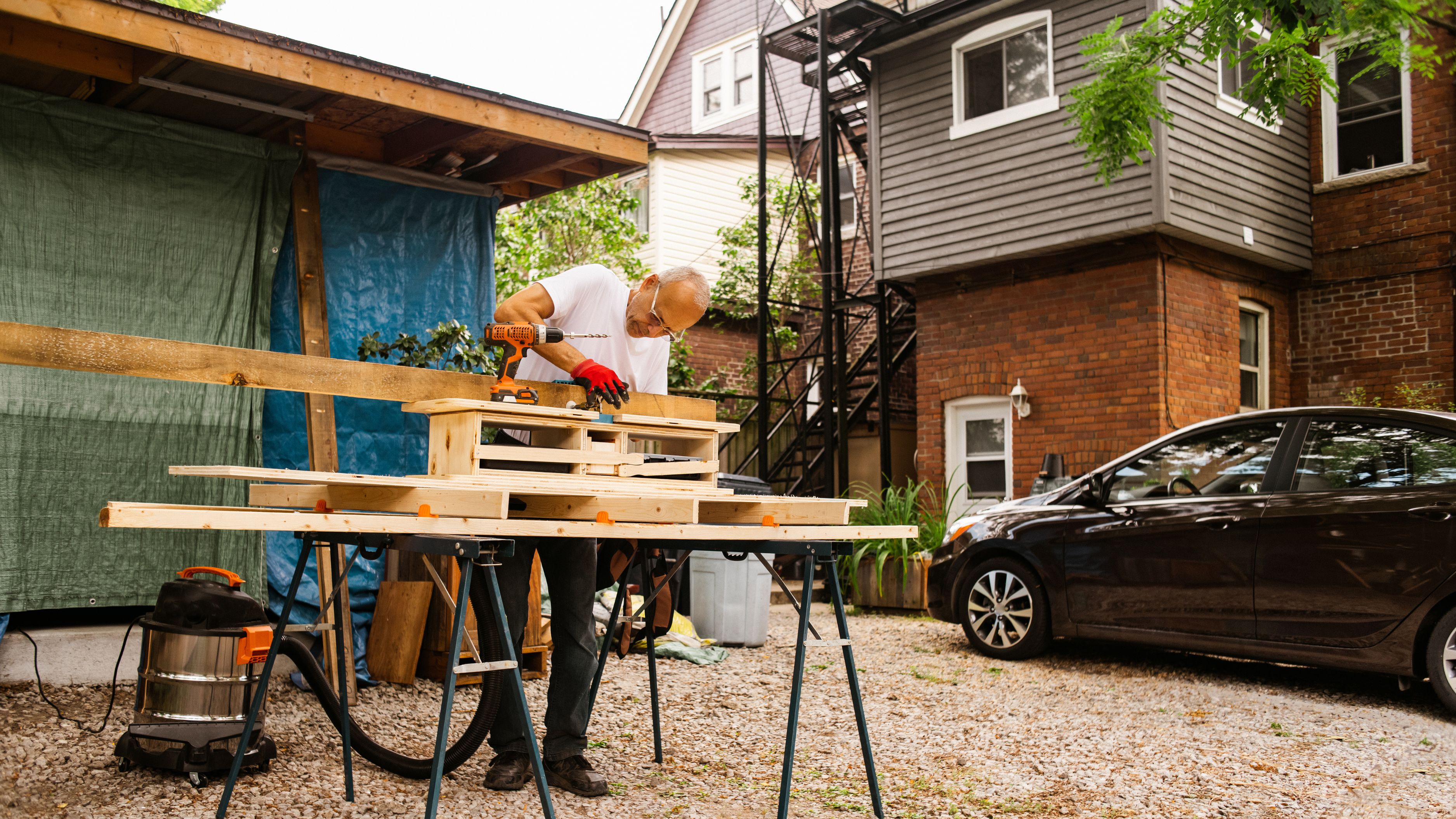
Rather than buying generic pre-made shelving units, build simple wall-mounted pegboard and shelving using inexpensive plywood and basic hardware, customized to your specific tool sizes and quantities. This approach costs considerably less than store-bought shop storage systems and gives you storage that's actually shaped around what you own, rather than a generic configuration that wastes space.
Cost level: Low. A full wall of custom pegboard and shelving typically costs $100–$300 in materials for a small to mid-size workshop, and it's one of the most cost-effective upgrades you can make to daily usability.
Realistic Total Budget
For a functional, mid-size backyard workshop built with cost-conscious choices throughout – prefab structure, gravel foundation, basic electrical, simple insulation, and custom storage – expect a total investment in the range of $2,500–$5,500 depending on your specific region, structure size, and how much labor you handle yourself versus hiring out. This is meaningfully less than a custom-built structure while still delivering a genuinely usable, durable space.
What to Avoid
Don't skip the foundation to save money upfront – moisture and settling issues caused by an inadequate base end up costing considerably more to fix later than the foundation would have cost initially. Avoid attempting DIY electrical work yourself if you're not experienced, since this is a genuine safety risk and often a local code violation, unlike most of the other steps in this project.
Don't oversize your structure beyond what you'll realistically use just because a slightly bigger kit seems like a good value – a workshop that's larger than needed increases both your upfront cost and your long-term heating or cooling expenses without adding proportional usefulness.
FAQ
Do I need a permit to build a backyard workshop? This depends heavily on your local building codes and the size of the structure – many jurisdictions exempt smaller sheds under a certain square footage, but it's worth checking with your local building department before starting.
Can I build a workshop without electrical access? Yes, if you're only using hand tools or battery-powered equipment, but most hobbyist workshops benefit significantly from having at least basic power access for lighting and corded tools.
How long does a budget workshop build typically take? For a prefab kit with a gravel foundation, expect one to two weekends for the structure itself, plus additional time for electrical work if you're hiring a professional for that portion.