What Makes Bamboo Seem Sustainable
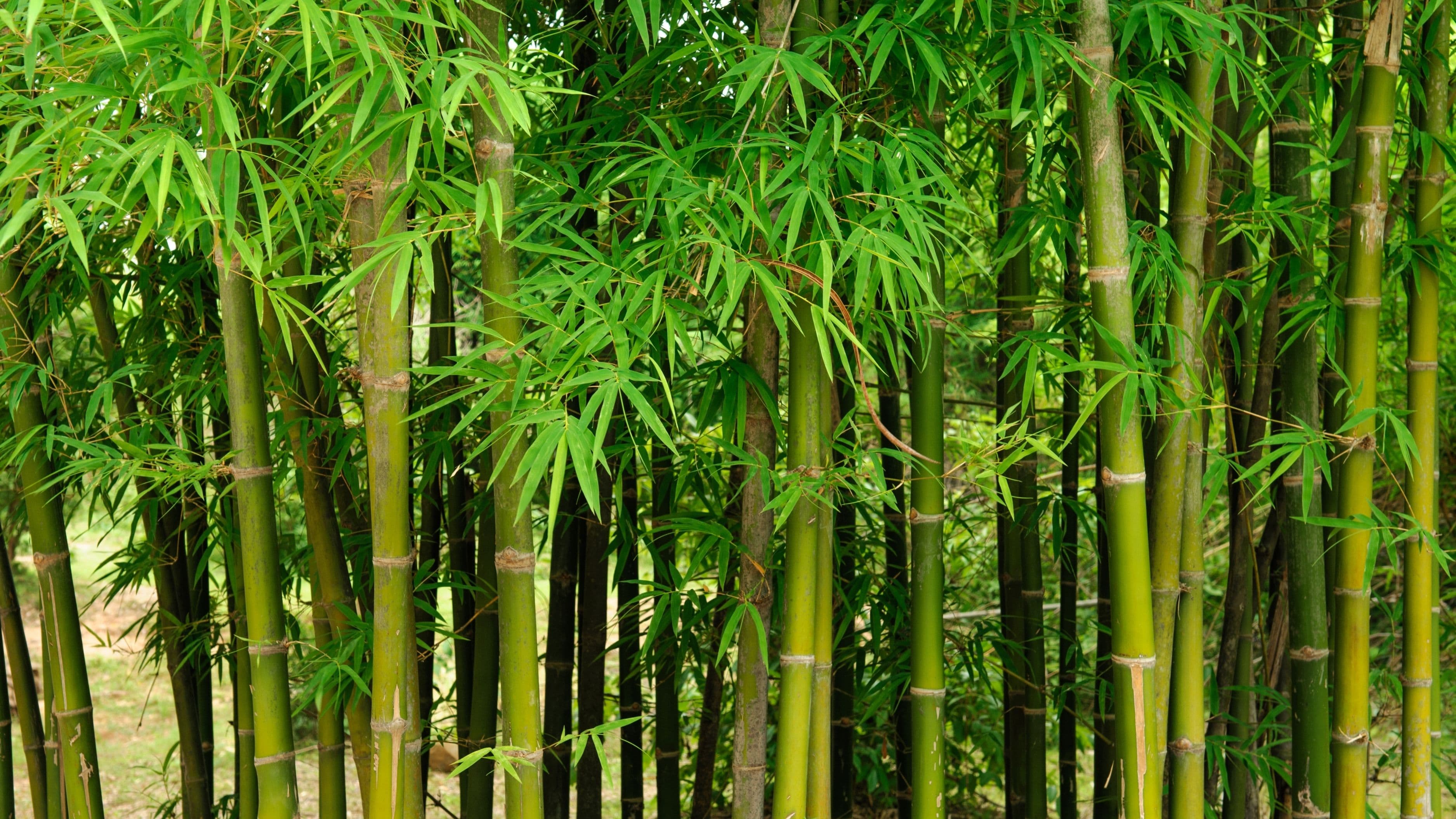
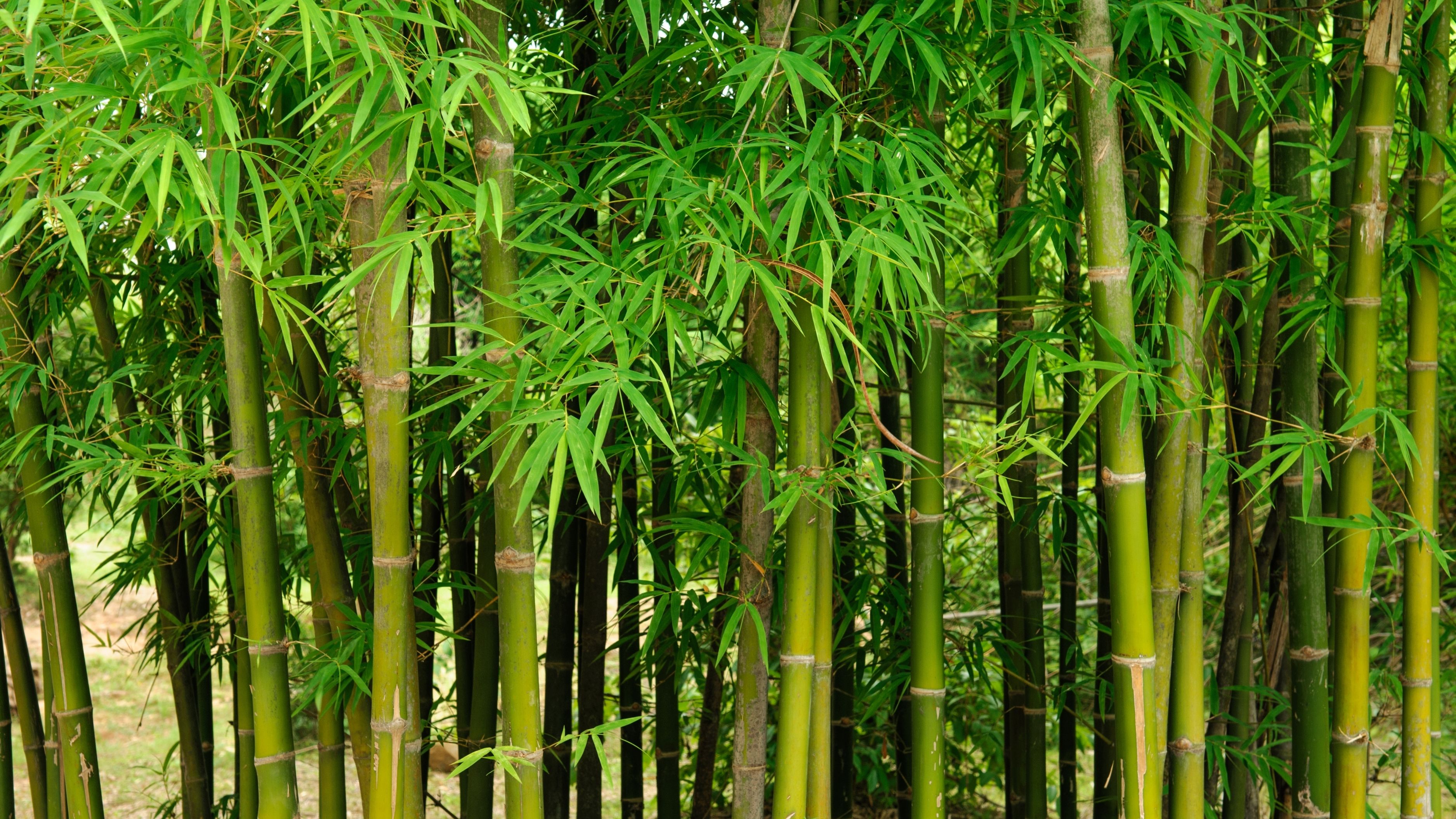
The core claim is legitimate. Bamboo is technically a grass, not a wood, and it grows at a rate that dwarfs any hardwood species. Moso bamboo – the variety used in most flooring – can reach harvest maturity in three to five years. Comparable hardwood species take forty to eighty years. On a raw material regeneration basis, bamboo is genuinely more renewable than almost any wood-based flooring alternative.
Bamboo also grows without pesticides in most of its native range, requires no replanting after harvest because the root system regenerates the plant, and sequesters carbon during its growth cycle. In its natural form, on a plantation managed for sustainability, bamboo is as close to a low-impact raw material as you'll find in the flooring market.
The problem is what happens between the plantation and your floor.
The Manufacturing Gap the Label Skips Over
Bamboo flooring is manufactured in two primary ways: horizontal and vertical grain construction, and strand-woven construction. Understanding the difference matters both for durability and for environmental impact.
Horizontal and vertical bamboo flooring is made by slicing or splitting bamboo stalks into strips, which are then laminated together under heat and adhesive. The result looks and behaves somewhat like engineered hardwood. It's the softer of the two construction types and dents more easily than strand-woven or traditional hardwood.
Strand-woven bamboo is a different product. Bamboo fibers are shredded, mixed with a resin binder, compressed under extremely high pressure and heat, and formed into dense planks. The result is harder than most hardwoods and significantly more durable than horizontal or vertical bamboo. It also uses more adhesive and resin, which is where the environmental trade-off sharpens.
The adhesive used in bamboo flooring manufacturing is the variable that most labels understate. Urea-formaldehyde resins are the most common binder in mass-market bamboo products, and they off-gas formaldehyde over time – a volatile organic compound (VOC) that degrades indoor air quality and is classified as a known human carcinogen by multiple health agencies. The emission levels vary by product and diminish over time, but they're highest in the period immediately after installation, which is when you and your family are most exposed to them in an enclosed space.
The California Air Resources Board (CARB) Phase 2 standard is the most commonly cited certification for formaldehyde emissions, and CARB-compliant products are meaningfully better than uncertified ones. But CARB Phase 2 compliance doesn't mean zero formaldehyde – it means emissions below a regulated threshold. Products certified as CARB Phase 2 compliant can still off-gas at levels some occupants, particularly those with sensitivities, will notice.
If you want genuinely low-formaldehyde bamboo, look specifically for products certified to the CARB ATCM 93120 standard or labeled as "zero-formaldehyde" or "NAF" (no added formaldehyde) or "ULEF" (ultra-low emitting formaldehyde). These use alternative binders and emit at levels considered negligible by most environmental health standards. They're available but less common and typically cost more.
The Carbon Footprint of Getting Bamboo to Your Floor
Almost all bamboo flooring is manufactured in China, which is where the overwhelming majority of commercial bamboo grows. That's not a problem in itself – but it means every bamboo floor installed in North America or Europe has traveled thousands of miles by ocean freight before it arrived at a distributor, then more miles to the retailer, then more to your home.
Transportation emissions don't necessarily eliminate bamboo's environmental advantage over hardwood, but they meaningfully reduce it. A locally harvested hardwood floor – white oak sourced from a sustainably managed regional forest, for example – may have a substantially lower total carbon footprint than bamboo shipped from Asia, even though the raw material regeneration rate of the bamboo is far superior.
This comparison isn't to argue against bamboo, but to illustrate that "sustainable material" and "sustainable product" aren't the same thing. The full life-cycle picture includes raw material sourcing, processing energy, manufacturing emissions, transportation, installation materials, and eventual disposal. Bamboo's renewable sourcing advantage is real. Its manufacturing and transportation footprint is larger than most marketing acknowledges.
What the Certifications Actually Mean
Several third-party certifications appear on bamboo flooring. Understanding what each one covers helps you interpret claims accurately.
FSC (Forest Stewardship Council) certification applies to the bamboo plantation management practices – meaning the raw material was sourced from a plantation that meets FSC standards for land management, labor practices, and ecosystem protection. It says nothing about manufacturing emissions, adhesives, or transportation. FSC is a meaningful credential for sourcing ethics but doesn't address the full sustainability picture.
CARB Phase 2 / TSCA Title VI compliance addresses formaldehyde emissions from composite wood products. Products sold in California must meet CARB Phase 2 standards; TSCA Title VI is the equivalent federal standard. Both set maximum formaldehyde emission levels. Compliance is a meaningful minimum standard, but not the top of the range for indoor air quality.
FloorScore certification covers VOC emissions more broadly – not just formaldehyde but a range of compounds that affect indoor air quality. A FloorScore-certified product has been tested to meet California Section 01350 standards for indoor air quality. This is a more comprehensive emissions credential than CARB compliance alone.
GreenGuard Gold (formerly ChildGuard) is a stricter VOC emissions certification typically required for products used in schools and healthcare facilities. GreenGuard Gold-certified bamboo flooring represents the cleanest available option from an emissions standpoint and is a reliable signal that the product takes indoor air quality seriously.
Oeko-Tex Standard 100 certifies that the product has been tested for harmful substances and is considered safe for human contact. It's more commonly seen on textiles but occasionally on flooring products.
The most useful combination when evaluating bamboo flooring: FSC-certified sourcing plus GreenGuard Gold or FloorScore emissions certification. That combination means the bamboo was responsibly grown and the finished product meets strict indoor air quality standards.
Durability and Longevity: The Sustainability Factor Nobody Mentions
A floor that lasts thirty years and gets refinished twice is more sustainable over its lifespan than a floor that lasts ten years and ends up in a landfill at year twelve. Durability is a legitimate part of the sustainability equation, and it's where bamboo products vary significantly.
Strand-woven bamboo is genuinely hard – Janka hardness ratings for quality strand-woven products exceed 3,000 lbf, which is harder than Brazilian cherry or maple. A well-made strand-woven bamboo floor in a moderate-traffic residential setting can last twenty to twenty-five years with appropriate care.
Horizontal and vertical bamboo products are softer – typically in the 1,000 to 1,400 lbf Janka range, comparable to or softer than red oak. In high-traffic areas or households with large dogs, these products show wear and denting noticeably faster, which shortens the floor's practical lifespan and creates replacement waste sooner.
Bamboo's weakness relative to hardwood is moisture sensitivity. It expands and contracts more than most hardwoods in response to humidity fluctuations, and it's not recommended for basements, bathrooms, or any area with consistent moisture exposure. Installing bamboo in conditions it's not suited for – because the showroom pitch made it sound universally applicable – is a common mistake that leads to early replacement, which is exactly the opposite of a sustainable outcome.
Most quality bamboo floors can be lightly sanded and refinished once or twice, though they don't have the same refinishing depth as solid hardwood. Factor that into your long-term cost and sustainability calculation.
When Bamboo Is a Good Choice – and When It Isn't
Bamboo makes sense when you want a renewable material, you're buying from a manufacturer with credible third-party emissions certification, and you're installing in appropriate conditions (above-grade, climate-controlled, moderate humidity). In those circumstances, a quality strand-woven bamboo floor is a durable, lower-formaldehyde product with genuinely good environmental sourcing credentials.
It's less clearly the right choice when your primary motivation is environmental and you're installing in a region where regional hardwoods are available from certified sustainable sources. In that scenario, the transportation footprint of imported bamboo may offset its raw material advantage, and a locally sourced white oak or maple from a certified regional mill may have a smaller total carbon footprint even though the tree took longer to grow.
It's not the right choice for moisture-prone areas, high-humidity basements, or spaces where temperature and humidity fluctuate significantly. And it's not a good choice when price drives you toward uncertified products with no emissions testing – those products carry the worst of both worlds: the marketing claims of sustainability without the actual environmental performance.
What to Avoid When Buying Bamboo Flooring
The single biggest mistake is assuming all bamboo flooring is equivalent because it's all called bamboo. The difference between a certified, no-added-formaldehyde strand-woven product from a manufacturer with transparent sourcing and a low-cost, uncertified horizontal bamboo product is substantial – in durability, indoor air quality, and actual environmental performance.
Buying based on price alone consistently leads to the lower-quality products. The certifications that matter – GreenGuard Gold, FSC, FloorScore – add cost. A bamboo floor that costs $2 per square foot less than a certified alternative has probably saved that margin somewhere that affects what you're actually getting.
Skipping the acclimatization step after installation is a common error that causes buckling and gapping. Bamboo needs to acclimate to your home's temperature and humidity for at least seventy-two hours before installation. Your installer should know this, but confirm it regardless.
And finally, don't install bamboo in conditions outside its recommended humidity range. Most manufacturers specify a relative humidity range of thirty to fifty percent and temperature range of sixty to eighty degrees Fahrenheit for long-term stability. Homes outside that range need either climate control or a different flooring material.
FAQ
Is bamboo flooring better for the environment than hardwood? It depends on the specific products being compared and where you live. Bamboo regenerates faster than any hardwood, which is a genuine advantage. But manufacturing processes, adhesive choices, and long-distance transportation can reduce or eliminate that advantage for specific products. A certified, low-emission bamboo floor from a transparent manufacturer is a strong environmental choice. An uncertified product cannot make that claim credibly.
How long does bamboo flooring last? Quality strand-woven bamboo can last twenty to twenty-five years in appropriate conditions. Horizontal and vertical bamboo products in high-traffic areas may show meaningful wear in ten to fifteen years. Proper installation, appropriate humidity control, and regular maintenance extend lifespan significantly.
Can bamboo flooring be installed in a kitchen? Most manufacturers permit kitchen installation with appropriate precautions – no standing water, prompt cleanup of spills, and humidity management. It's not recommended in areas directly adjacent to sinks or dishwashers where moisture exposure is frequent and concentrated. A bathroom or laundry room is not appropriate for bamboo flooring.
What does "carbonized bamboo" mean? Carbonized bamboo has been heat-treated in a process that darkens the color to a warm caramel or amber tone. The process also slightly reduces hardness and makes the product somewhat more moisture-sensitive. Carbonized bamboo is an aesthetic choice, not a sustainability feature.
How do I maintain bamboo flooring? Sweep or vacuum regularly to remove abrasive particles. Use a damp (not wet) mop with a pH-neutral cleaner. Avoid steam mops, excessive water, and oil-based cleaners, which can damage the finish. Use felt pads under furniture legs. Maintain indoor humidity within the manufacturer's recommended range, typically thirty to fifty percent.
📚 Sources
California Air Resources Board – Airborne Toxic Control Measure for Composite Wood Products: https://ww2.arb.ca.gov/our-work/programs/composite-wood-products-regulation
U.S. Environmental Protection Agency – TSCA Title VI Formaldehyde Standards: https://www.epa.gov/formaldehyde/formaldehyde-emission-standards-composite-wood-products
Forest Stewardship Council – FSC Certification Overview: https://us.fsc.org/en-us/certification
GREENGUARD Certification – UL GREENGUARD Gold: https://www.ul.com/resources/ul-greenguard-certification-program
FloorScore – Indoor Air Quality Certification: https://www.scscertified.com/floorscore/
U.S. Department of Energy – Bamboo Flooring Overview: https://www.energy.gov/energysaver/types-wood-flooring
🔍 Explore Related Topics