The honest part: "covers your mortgage" is the goal, not a guarantee. Whether you get there depends on your local rents, your mortgage size, and how much the build costs. This guide walks through how to plan a basement suite that maximizes your odds of hitting that target, what it realistically costs, and the mistakes that can sink the whole project.
The Concept, Explained Simply
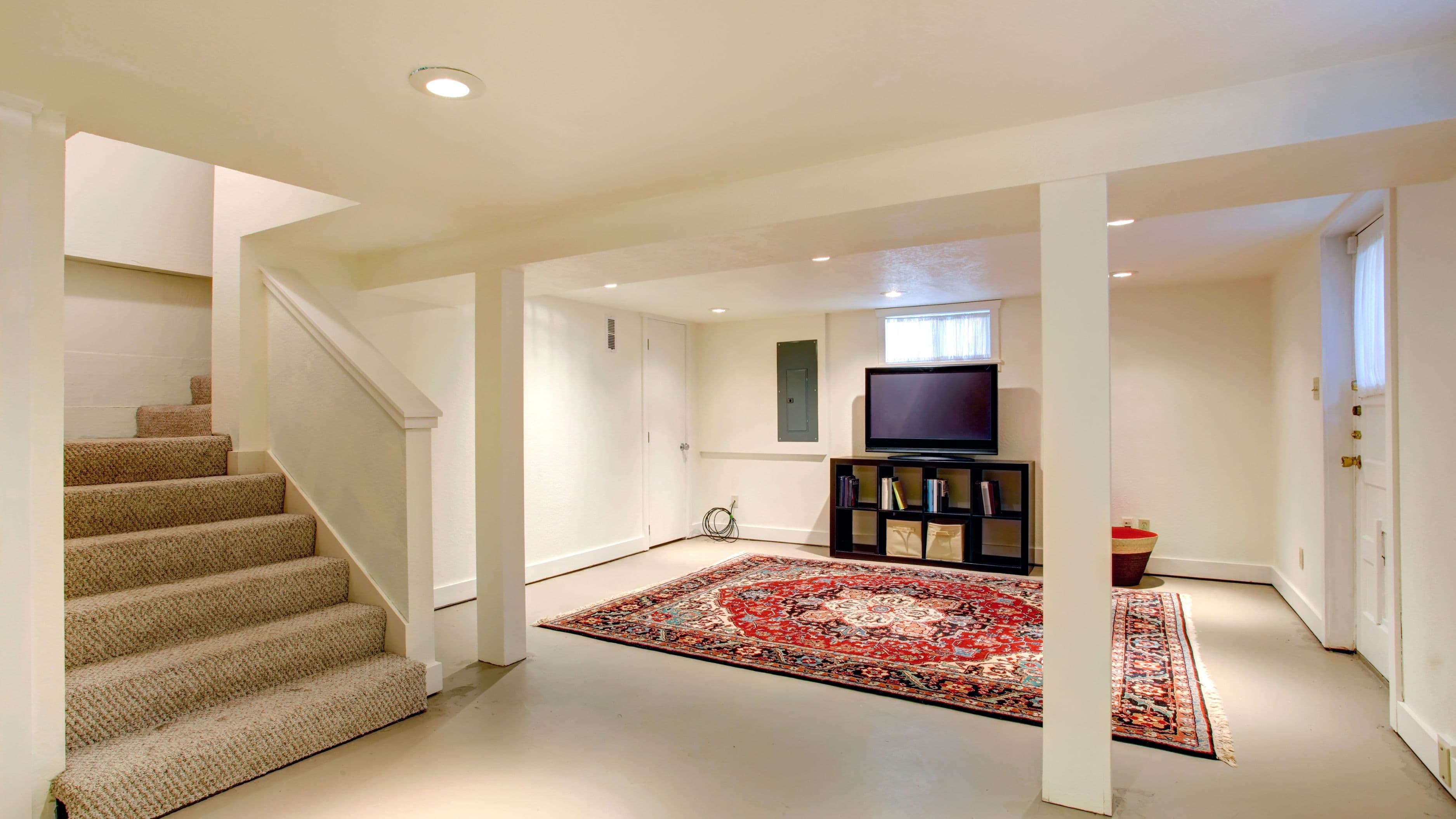
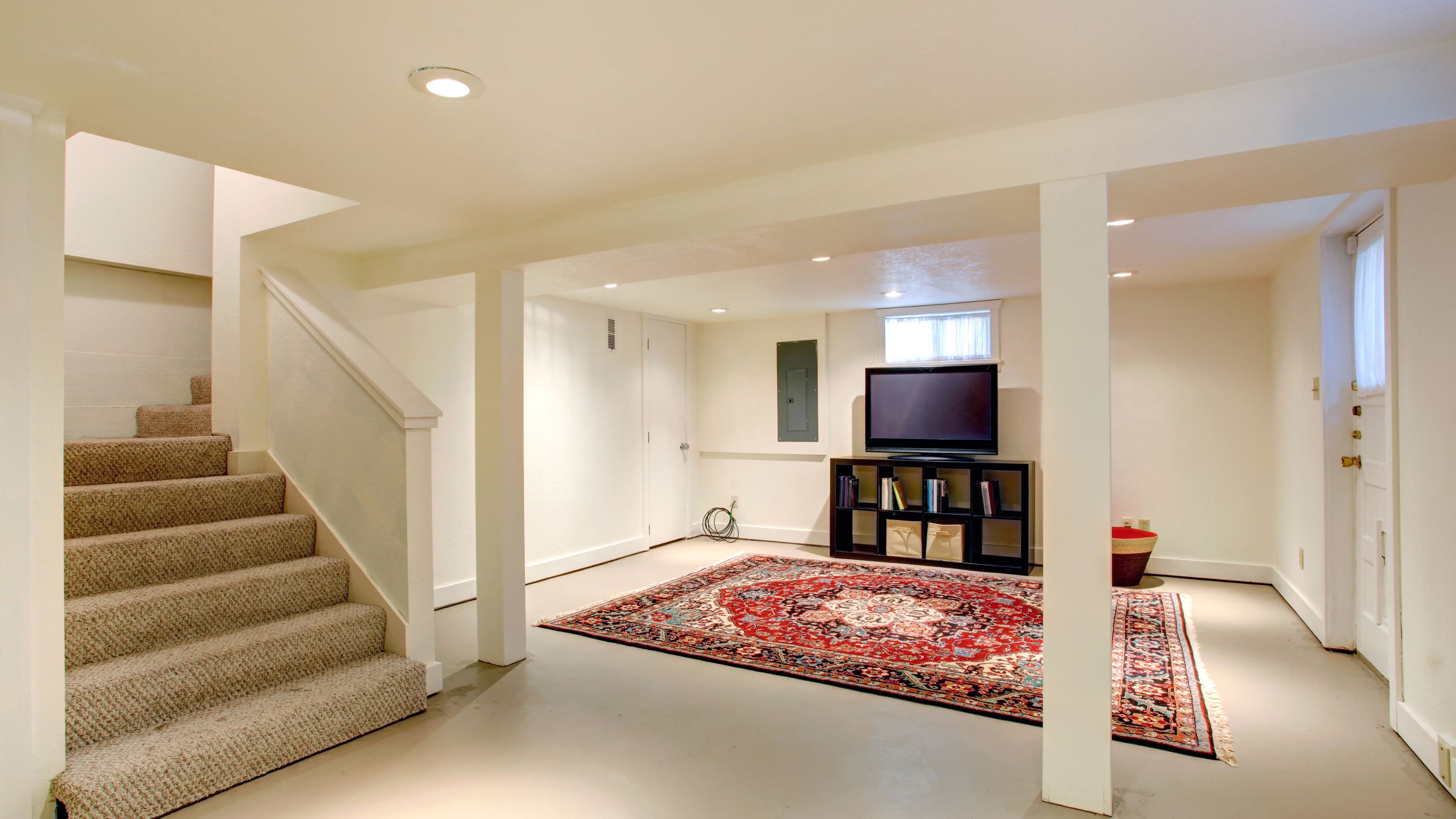
A basement suite (also called an accessory dwelling unit, in-law suite, or secondary suite) is a self-contained living space within your home's lower level – its own bedroom, bathroom, kitchen, and ideally a separate entrance. Because it's a complete, independent home, you can legally rent it to a tenant, and that rent offsets your housing costs.
The math is straightforward in principle. If your mortgage payment is $2,200 a month and a legal one-bedroom basement suite rents for $1,400 in your area, the suite covers well over half your payment. In a higher-rent market, or with a smaller mortgage, it can cover all of it. The whole strategy lives or dies on that local rent-versus-mortgage relationship, which is why your first step isn't construction – it's research.
Step 1: Confirm It's Legal Where You Live
Before anything else, find out whether a basement suite is permitted on your property. This is the step people skip and regret most. Zoning rules, local bylaws, and building codes determine whether you can add a secondary suite at all, and they set non-negotiable requirements – minimum ceiling heights, proper egress windows for safe exit, fire separation between units, and parking.
Contact your local building or planning department and ask directly what's allowed for your address. Many cities have actively encouraged secondary suites in recent years to ease housing shortages, so the rules may be friendlier than you expect – but they vary enormously by location, and an illegal suite is a serious liability. An unpermitted unit can mean fines, forced removal, insurance that won't pay out, and trouble selling the home later.
This step is free or low-cost and saves you from building something you can't legally rent. Do it first, always.
Step 2: Run the Numbers Honestly
Once you know it's allowed, figure out whether it actually pays. Research what comparable legal basement suites rent for in your neighborhood by checking current rental listings – be realistic, using actual local figures rather than hopeful ones. Then estimate your build cost (the next section helps) and compare.
A simple way to frame it: divide your total project cost by the monthly rent it'll generate to see roughly how many months until it pays back. A suite that costs $60,000 and rents for $1,500 pays for itself in about 40 months, then offsets your mortgage every month after. If the numbers don't get you close to covering a meaningful chunk of your payment, it's better to know before you build than after.
Factor in the ongoing realities too: you'll be a landlord with maintenance, occasional vacancies, possibly higher utility and insurance costs, and tax implications on rental income. The headline rent isn't pure profit.
Step 3: Plan the Layout for Legality and Livability
The best basement suites feel like a real home, not a converted storage area, and they meet code without expensive workarounds. Prioritize a few things in the design. A separate entrance is close to essential – tenants want privacy and many codes require it, and a walk-out or side-door entry is far more rentable than routing someone through your living space.
Natural light and egress matter enormously, both for code compliance and for how livable (and rentable) the space feels. Egress windows that are large enough to escape through are typically required for any bedroom and are one of the more significant cost items, often involving excavation for a window well. Plan the kitchen and bathroom plumbing around your home's existing stack where possible, since moving plumbing long distances drives up cost fast.
Cost level for design and planning: low to medium, but this is where smart decisions save large money later. Working with a designer or contractor familiar with local suite requirements is usually worth it.
Step 4: Budget Realistically
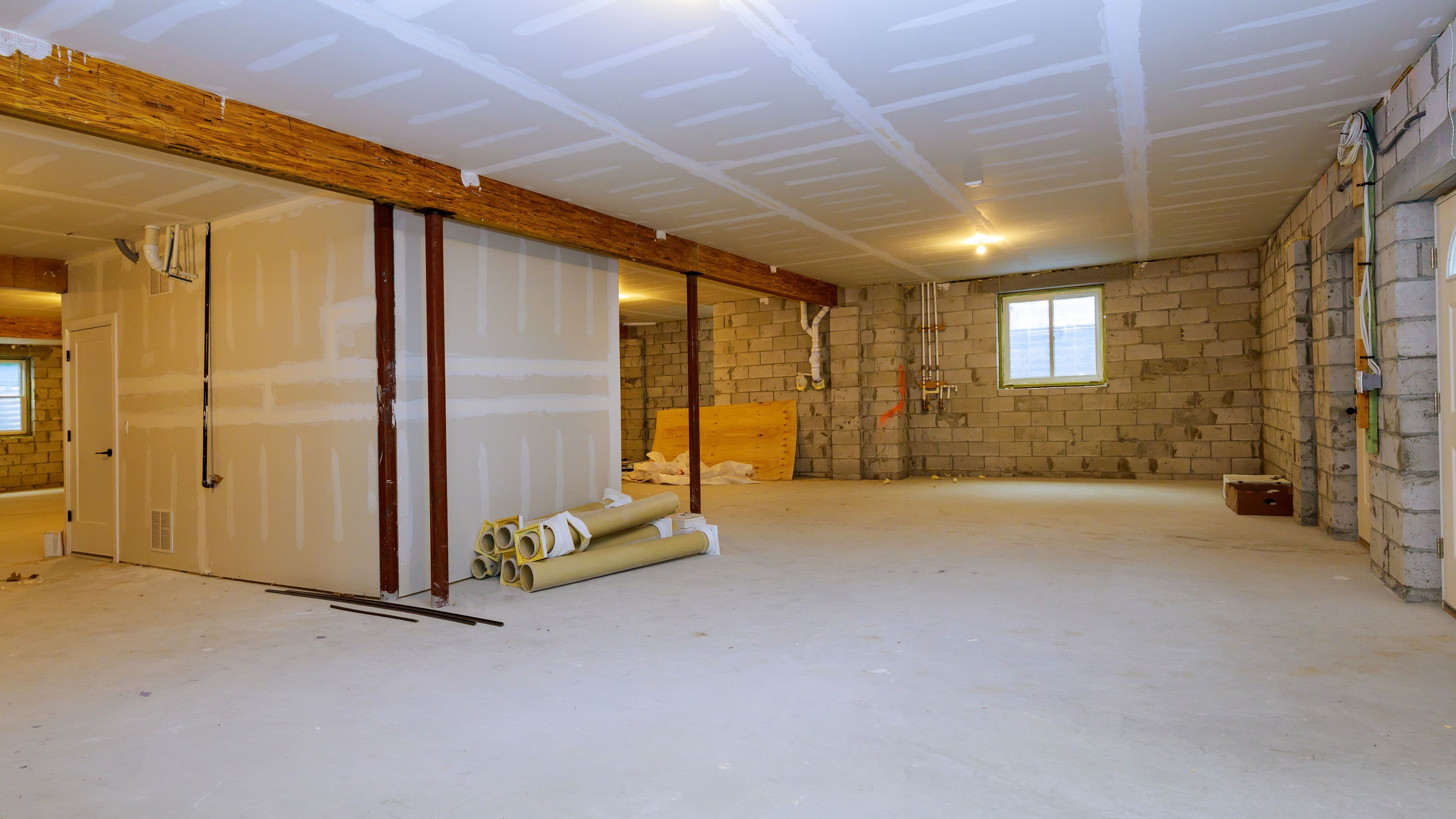
Costs vary widely by region, the condition of your existing basement, and how much you do yourself, but it helps to think in tiers. A basic conversion of an already-finished, dry basement – adding a kitchenette, bathroom, and partition – sits at the lower end. A full build-out of an unfinished basement, including egress windows, a separate entrance, full kitchen and bath, fire separation, and proper permits, lands in the medium-to-high range and commonly runs into the tens of thousands of dollars.
The expensive surprises usually come from below the surface: waterproofing a damp basement, addressing low ceiling height, upgrading electrical capacity, adding egress windows, and separating HVAC or utilities. Budget a contingency of at least 10–20% for these, because basements reliably hide costs. The realistic expectation is that a code-compliant, rentable suite is a substantial investment that pays back over years, not a cheap weekend project.
Step 5: Build It Right and Rent It Legally
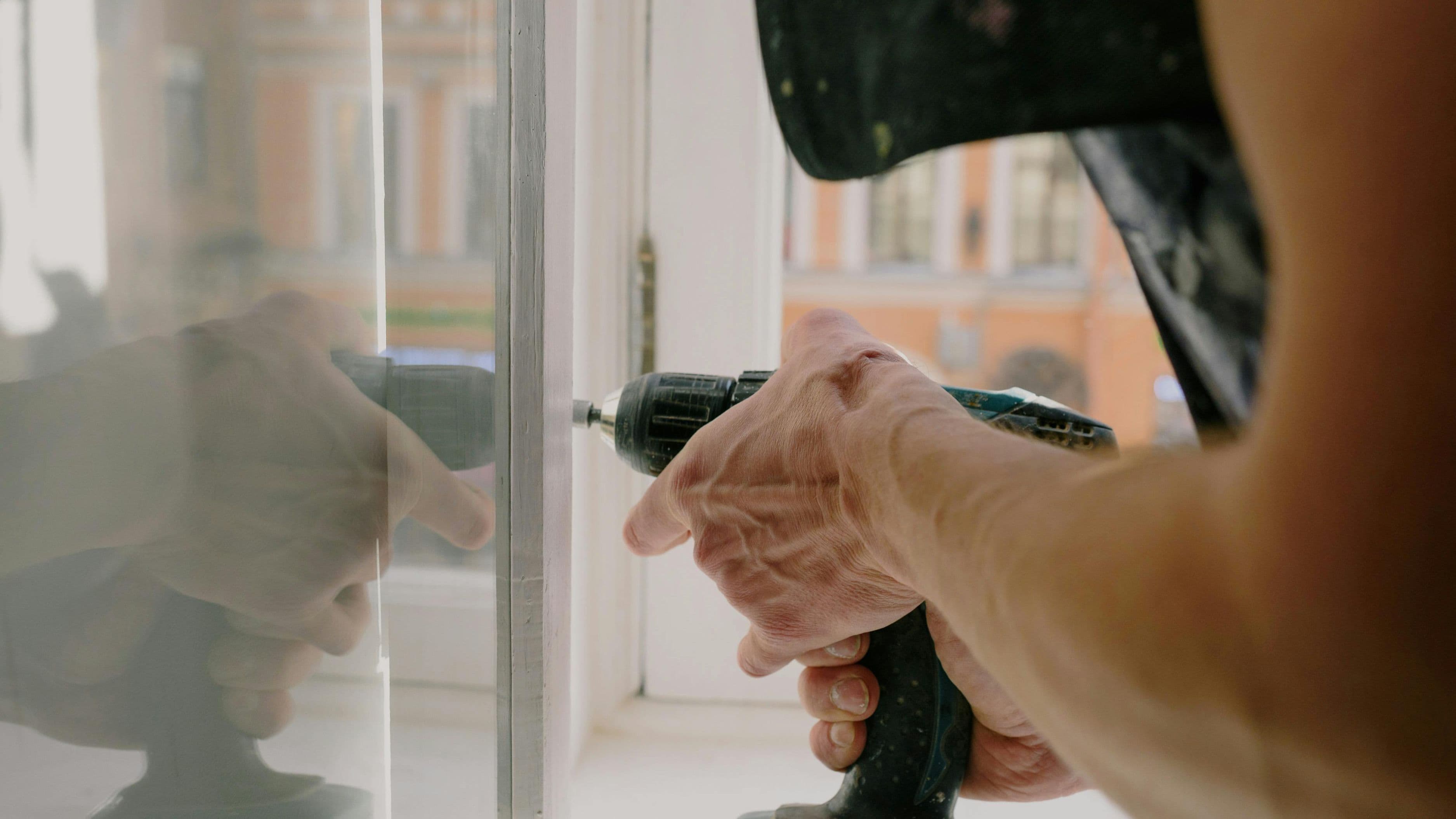
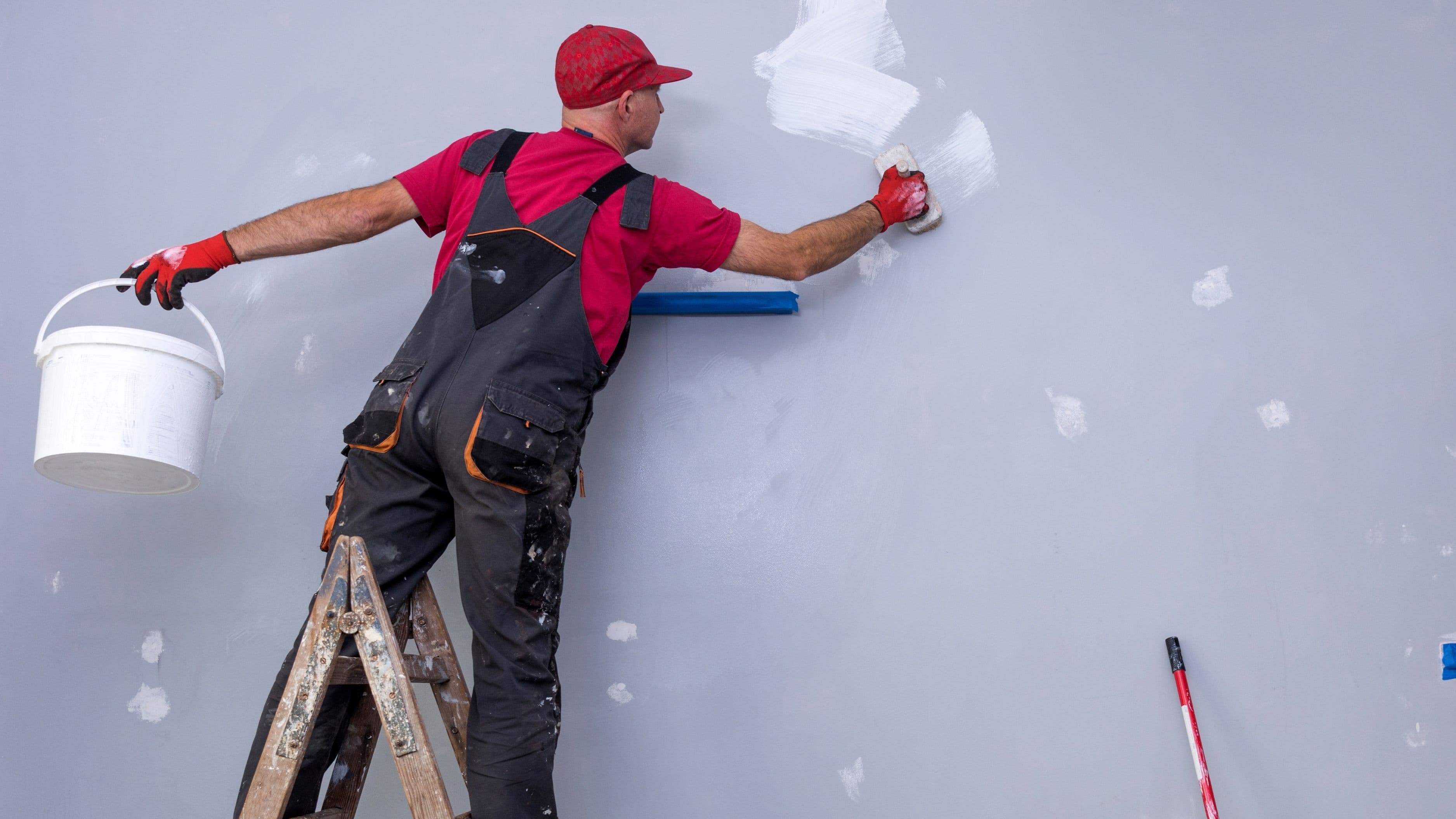
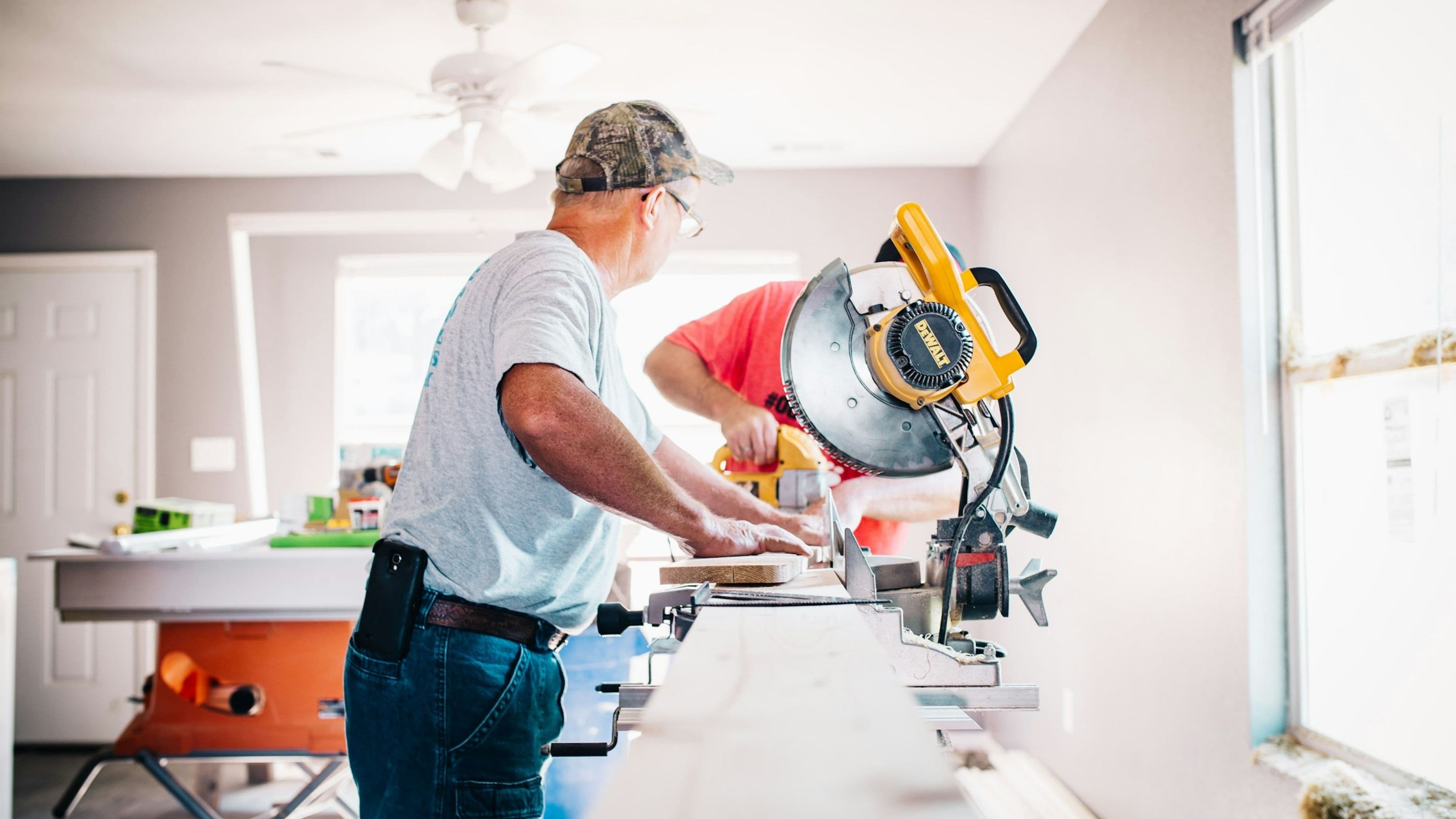
Some pieces of this are genuinely DIY-friendly for an intermediate renovator – framing, flooring, painting, trim, and basic finishing. Others should be left to licensed professionals and are often legally required to be: electrical, plumbing, gas, and anything affecting fire separation or egress. Pulling permits and passing inspections isn't optional bureaucracy here; it's what makes the unit legal to rent and protects you on insurance and resale.
Once built, treat the rental side seriously. Get proper landlord insurance, understand your local tenancy laws and your obligations, screen tenants carefully, and use a written lease. The renovation creates the asset; good landlord practices are what let it reliably cover your mortgage month after month.
What to Avoid
The biggest mistake is building without permits to save time or money. An illegal suite can void your insurance, trigger fines or forced removal, and become a major headache when you sell – wiping out the savings many times over. Closely related is assuming you can rent it before confirming it's legal, only to discover your property isn't zoned for it after you've spent the money.
Other common errors include ignoring moisture, since a damp basement makes a miserable, hard-to-rent unit and can cause health and structural problems; underbudgeting and running out of money mid-project; and cutting corners on the separate entrance, soundproofing, or natural light, all of which directly affect how much rent you can command and how easily you fill the space. Finally, don't overspend on luxury finishes that won't raise the rent – a clean, functional, bright suite rents well without premium materials.
FAQ
Will a basement suite really cover my whole mortgage? Sometimes, but not always – it depends on your local rents versus your mortgage size. In high-rent areas or with a modest mortgage, a suite can cover all of it; elsewhere it may cover a meaningful portion. Run your specific numbers before assuming.
Do I really need permits for a basement suite? Yes. A legal, rentable suite requires proper permits and code compliance, including egress and fire safety. An unpermitted unit risks fines, insurance denial, forced removal, and resale problems, and most insurers and lenders treat it very differently from a legal one.
How long does it take to build? A straightforward conversion of a finished basement might take a few weeks; a full build-out of an unfinished basement with permits, egress windows, and a separate entrance commonly takes a few months. Permit approval timelines add to that and vary by location.
What's the most expensive part? Usually the items hidden below the surface – egress windows and excavation, a separate entrance, waterproofing, electrical upgrades, and separating utilities. Plumbing and the kitchen and bath are also significant. These are why a generous contingency budget matters.
Is it worth it if it doesn't fully cover the mortgage? Often, yes. Even partial coverage meaningfully reduces your monthly housing cost, adds usable space, and can increase your home's value and appeal. The full-coverage target is the ideal, not the only outcome worth pursuing.
The Bottom Line
A basement suite is one of the few renovations that can turn your home into an income-producing asset, and in the right market it can cover a large share of your mortgage – sometimes the whole thing. The path there is unglamorous: confirm it's legal first, run honest numbers, design for code and livability, budget for the hidden costs, and build and rent it properly. Get those right and you've created lasting value and monthly relief; skip them, especially the permits, and you risk turning a smart investment into an expensive mistake. Start with a single phone call to your local building department, and let the numbers guide the rest.
📚 Sources
HUD – Accessory Dwelling Units (ADUs): https://www.huduser.gov/portal/periodicals/em/spring-summer-16/highlight2.html
U.S. Department of Energy – Basement Insulation and Moisture Control: https://www.energy.gov/energysaver/types-insulation
International Code Council – Egress Window Requirements (IRC): https://codes.iccsafe.org/content/IRC2021P1/chapter-3-building-planning
IRS – Rental Income and Expenses: https://www.irs.gov/taxtopics/tc414
Consumer Financial Protection Bureau – Considerations Before Becoming a Landlord: https://www.consumerfinance.gov/
🔍 Explore Related Topics


-jhajrFUGfI3zCQGjpAWcxuNPi1zUTB.jpg&w=3840&q=75)