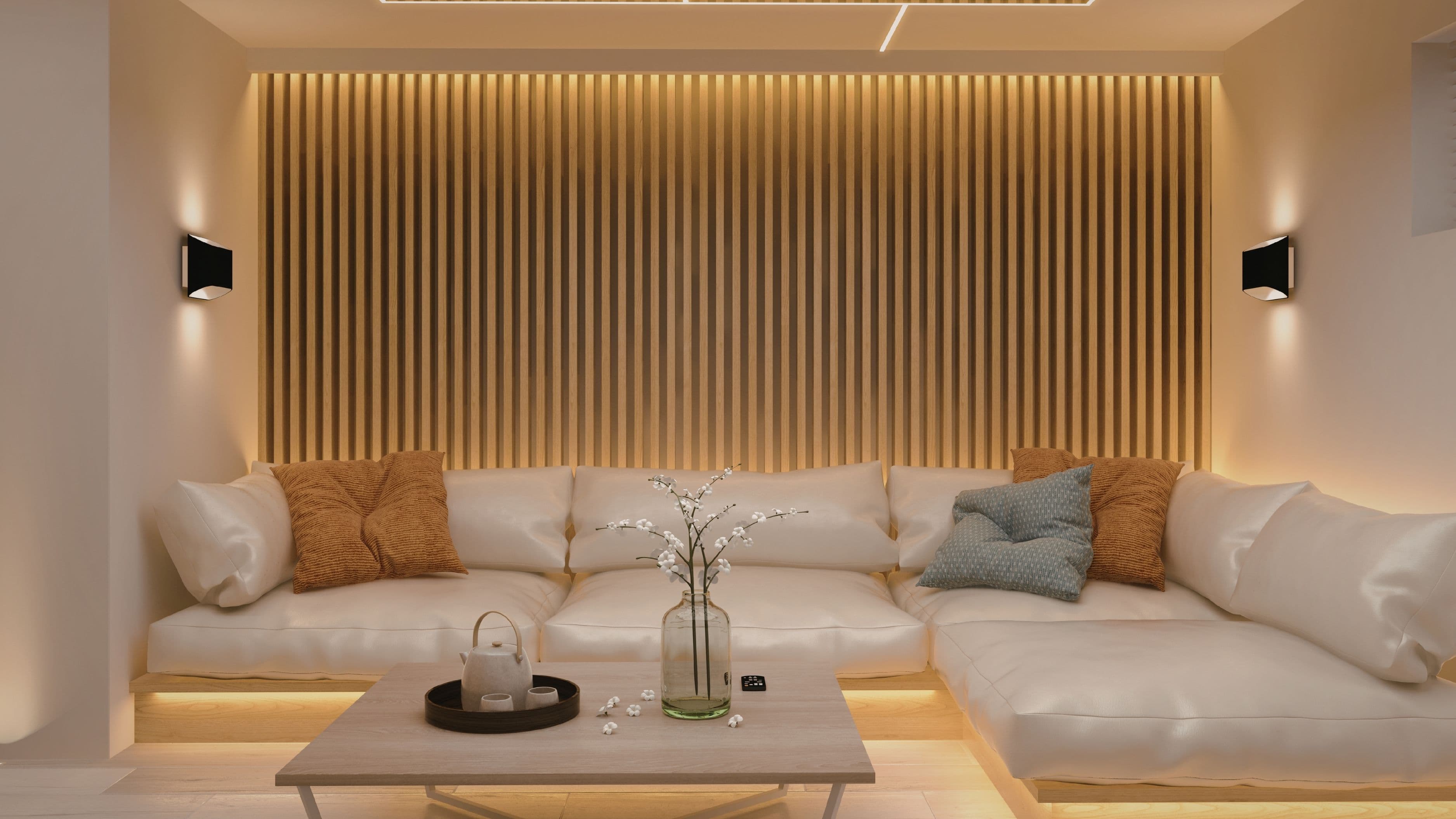



1. Your Room is a Light Pollution Nightmare
The Problem : Those charging phone lights, digital alarm clocks, and streetlights streaming through thin curtains are wreaking havoc on your circadian rhythm. Even tiny amounts of light can suppress melatonin production by up to 50%, according to research from Harvard Medical School. Your brain thinks it's showtime when it should be preparing for deep sleep.
The Fix : Invest in blackout curtains or room-darkening shades that actually block light completely. Cover or remove electronic devices with LED displays, or use blackout tape over small indicator lights. Consider a sleep mask as backup protection. Create a cave-like environment where your body can produce the melatonin it desperately needs for quality rest.
2. Temperature Chaos is Cooking Your Sleep Quality
The Problem : Your bedroom feels like a sauna in summer or an icebox in winter, and you're constantly fighting with blankets all night long. The National Sleep Foundation recommends keeping bedrooms between 60-67°F (15-19°C) for optimal sleep. When your body can't regulate temperature properly, you spend more time in lighter sleep stages instead of the restorative deep sleep your body craves.
The Fix : Install a programmable thermostat and set it to drop the temperature about an hour before bedtime. Use breathable, moisture-wicking bedding materials like bamboo or linen that help regulate body temperature naturally. Layer your bedding so you can adjust throughout the night without fully waking up. Your body will thank you with deeper, more consistent sleep cycles.
3. Clutter Chaos is Stressing Your Subconscious
The Problem : That pile of laundry on the chair, scattered books on the nightstand, and general bedroom chaos are creating subliminal stress before you even close your eyes. UCLA researchers found that people living in cluttered spaces have higher cortisol levels throughout the day. Your bedroom should signal rest, not remind you of everything left undone.
The Fix : Dedicate 10 minutes each evening to a quick bedroom reset—clothes in the hamper, surfaces cleared, everything in its place. Create designated storage solutions so items have obvious homes. Keep only sleep-related items visible: a book, water glass, and maybe one piece of calming artwork. The visual peace will translate into mental calm as you drift off to sleep.
4. Your Color Palette is Overstimulating Your Brain
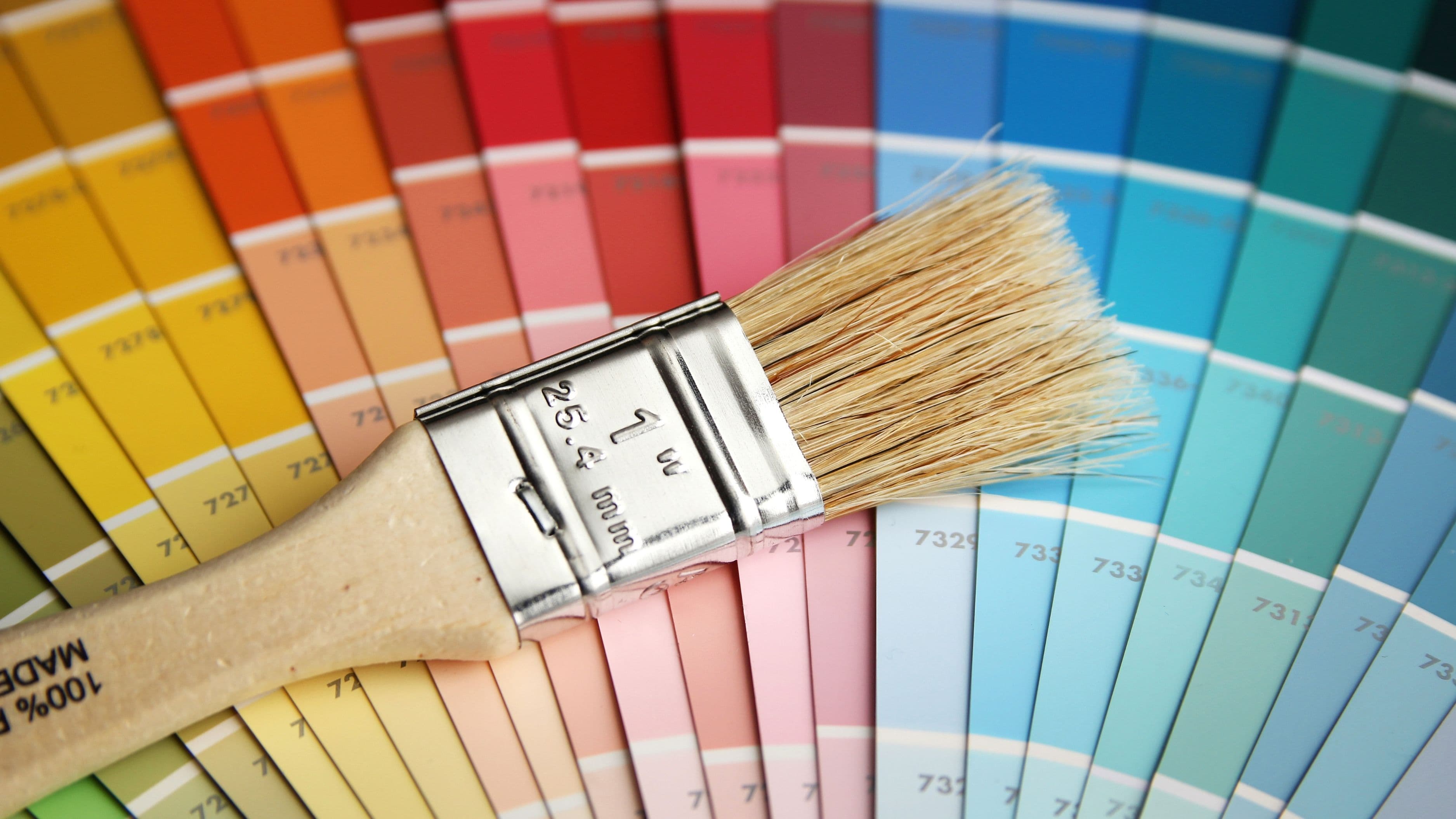
The Problem : Bright reds, electric blues, and neon greens might look trendy on Instagram, but they're hijacking your ability to wind down. Stimulating colors trigger alertness and energy production in your brain when you need the opposite effect. These vibrant hues can increase heart rate and blood pressure, keeping your nervous system in an activated state.
The Fix : Embrace a palette of soft, muted tones that whisper rather than shout—think sage greens, dusty blues, warm grays, or creamy whites. These colors naturally promote relaxation and signal to your brain that it's time to slow down. You don't need to repaint everything; start with bedding, curtains, or a few key accessories to shift the energy. Let your eyes rest on colors that feel like a gentle exhale.
5. Technology is Turning Your Bedroom into Grand Central Station
The Problem : Your bedroom doubles as an office, entertainment center, and charging station, creating mental associations with work, stimulation, and connectivity. The blue light from screens suppresses melatonin production for hours after use. Your brain learns to associate the bedroom with everything except sleep, making it harder to wind down when you actually need rest.
The Fix : Establish a strict "bedroom is for sleep only" rule and relocate all work materials, TVs, and excessive electronics. Create a charging station outside the bedroom or use a drawer to hide devices completely. Replace your phone alarm with a traditional alarm clock placed across the room. Make your bedroom boring in the best possible way—a place where the only entertainment is dreams.
Transform your sleep sanctuary tonight by tackling just one of these issues. Whether you're dimming those sneaky lights or clearing that chair of clothes, small changes create momentum toward better rest. Your future well-rested self will thank you for taking action today instead of spending another night counting sheep.
Pick one and try it right now. Momentum starts small.
📚 Sources
1. Harvard Medical School. (2020). Blue light has a dark side. Harvard Health Publishing.
2. National Sleep Foundation. (2023). Bedroom Environment Guidelines for Better Sleep.
3. UCLA Center for Everyday Lives and Families. (2019). Life at Home in the Twenty-First Century: 32 Families Open Their Doors.