
Let's separate the sleep-enhancing heroes from the expensive placebos cluttering your sanctuary. Because honestly, your credit card statement doesn't need another "game-changing" device that ends up collecting dust next to last year's fitness tracker.
1. Smart Thermostats : The Temperature Whisperer
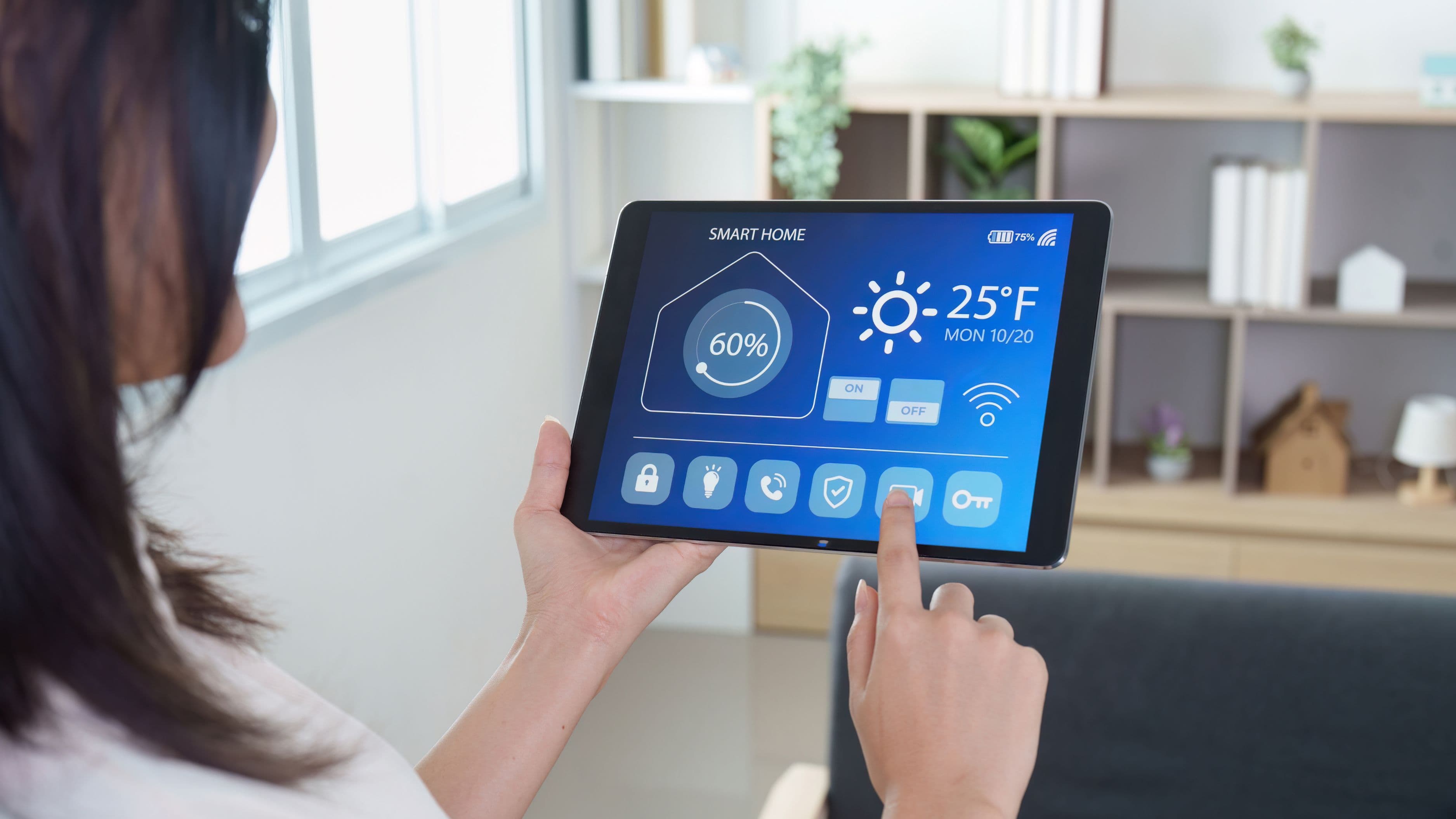
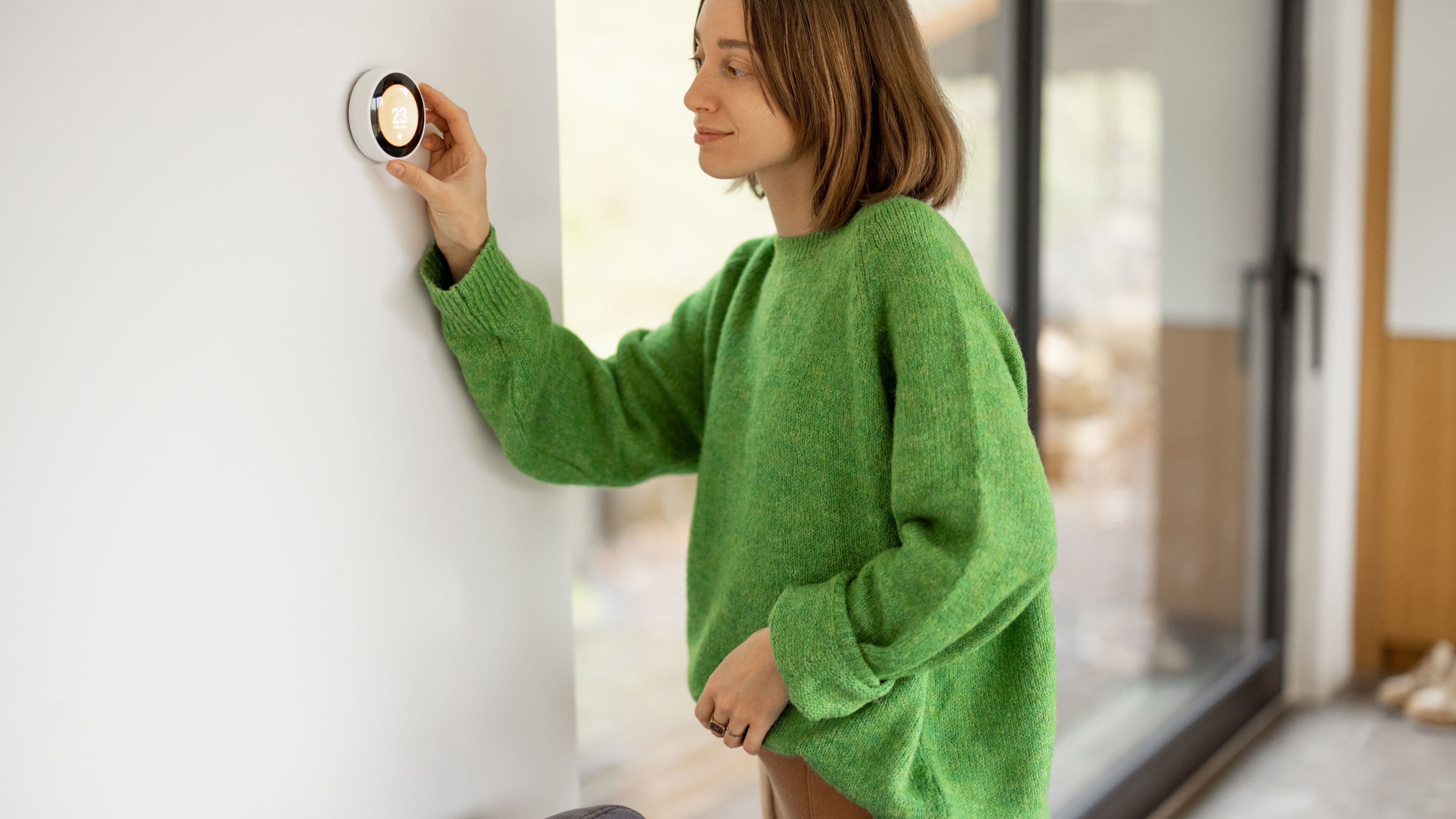
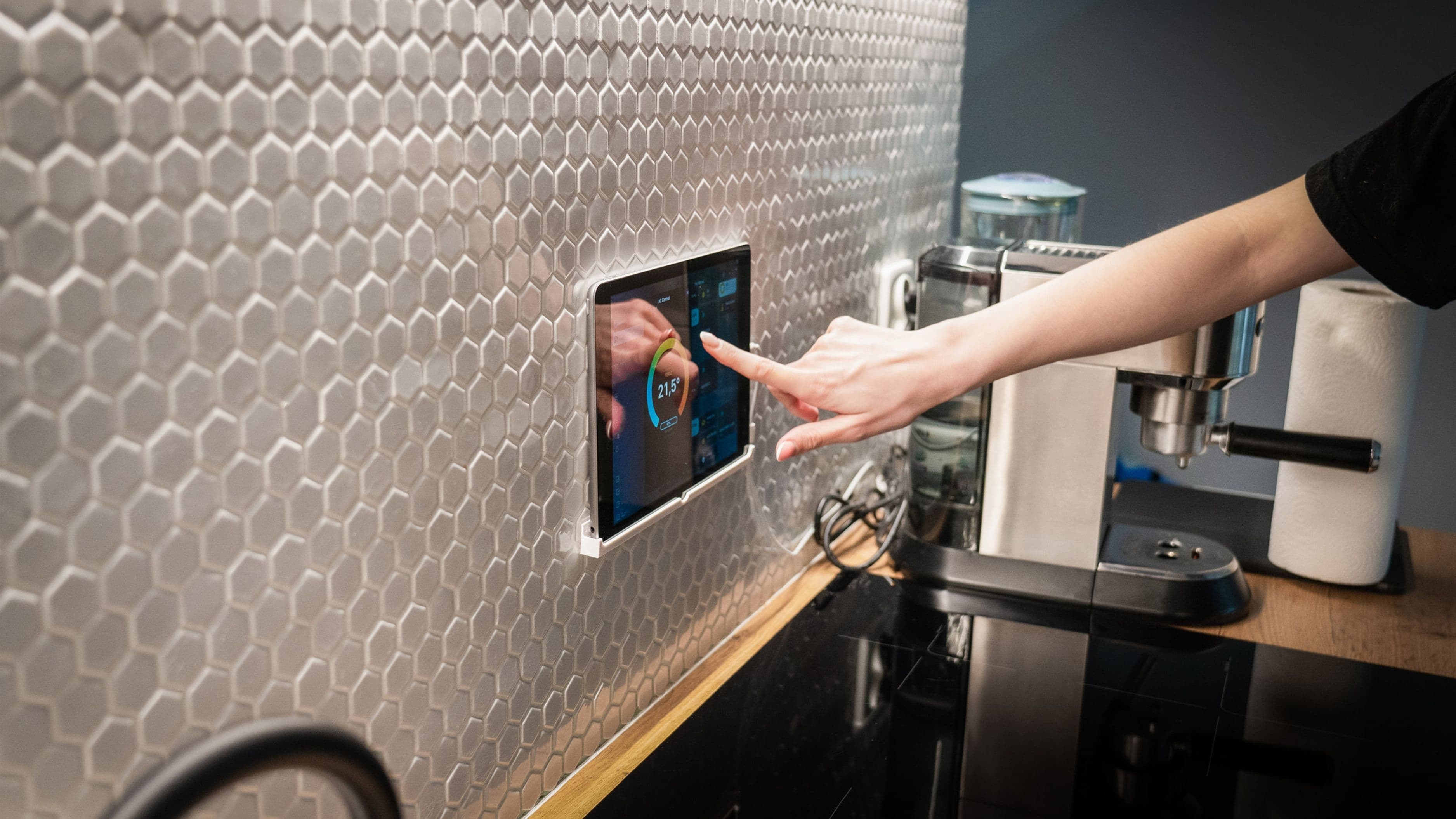
Your bedroom's temperature is like that friend who can make or break a party—get it wrong, and everyone's miserable. Smart thermostats have quietly become the MVP of sleep technology, and the science backs this up big time.
These digital climate controllers learn your sleep patterns and automatically adjust temperatures throughout the night. Most people don't realize they sleep best when their bedroom drops to around 65-68°F, but smart thermostats make this happen without you lifting a finger. The real magic happens during REM sleep when your body naturally wants to cool down—having tech that anticipates this biological need is genuinely game-changing.
Unlike flashier sleep gadgets, smart thermostats work invisibly in the background. You won't even notice them working, which is exactly the point. Better sleep happens when technology disappears, not when it demands your attention with beeps and buzzes.
2. Blue Light Blocking Glasses : The Digital Sunset
Before you roll your eyes at yet another pair of amber-tinted specs, hear this out. Blue light blocking glasses aren't just Instagram wellness trend—they're addressing a real problem with a surprisingly simple solution.
Your brain interprets blue light as "time to be awake," which made perfect evolutionary sense when the only blue light came from the morning sky. Now your phone, laptop, and TV are basically screaming "SUNRISE!" at your melatonin production every evening. Blue light blocking glasses create an artificial sunset, allowing your natural sleep hormones to kick in on schedule.
The best part? They're ridiculously affordable compared to other sleep tech. For the price of a fancy coffee subscription, you can potentially transform your sleep quality. Just don't expect them to work miracles if you're still doom-scrolling until 2 AM—they're helpers, not magicians.
3. White Noise Machines : The Sound Sanctuary
White noise machines are the steady, reliable friend of bedroom tech—not flashy, but absolutely dependable. These devices create a consistent audio blanket that masks disruptive sounds without being intrusive themselves.
The magic isn't just in blocking noise; it's in providing audio consistency. Your brain doesn't have to stay semi-alert listening for unexpected sounds when there's a gentle, predictable audio backdrop. This is especially valuable if you live with a snoring partner, noisy neighbors, or just have sensitive hearing that picks up every creaking floorboard.
Modern white noise machines offer everything from rainfall to ocean waves to actual white noise. The key is finding your personal audio sweet spot—something soothing enough to relax you but consistent enough to mask interruptions throughout the night.
4. Sleep Tracking Wearables : The Data Detective (With Caveats)
Sleep tracking wearables are having a moment, but their value is more nuanced than marketing suggests. The good news? They're excellent at identifying patterns and trends in your sleep habits over time. The reality check? They're not medical devices, and obsessing over nightly scores can actually harm sleep quality.
These devices excel at showing you the big picture—maybe you consistently sleep poorly after late dinners, or your weekend sleep schedule is wreaking havoc on weeknight rest. This kind of insight can be genuinely helpful for making lifestyle adjustments that improve sleep quality.
However, treat the specific data with healthy skepticism. Your Fitbit can't diagnose sleep disorders, and chasing the "perfect" sleep score can create anxiety that works against restful sleep. Use these devices as general guides, not absolute authorities on your sleep health.
5. Smart Mattresses : The Overpriced Underperformers
Here's where we pump the brakes on the tech hype train. Smart mattresses promise everything from automatic temperature adjustment to sleep coaching, but they're often expensive solutions looking for problems that don't really exist.
Most smart mattress features duplicate what other, cheaper devices already do better. Temperature control? Your smart thermostat handles that more effectively. Sleep tracking? Your wearable provides comparable data without requiring you to replace your entire mattress.
The core job of a mattress is supporting your body comfortably through the night. Once manufacturers start adding wifi connectivity and smartphone apps, they're often prioritizing tech features over fundamental sleep comfort. A high-quality traditional mattress will likely serve you better than a mediocre smart one loaded with bells and whistles.
6. Smart Alarm Clocks : The Gentle Morning Revolution
Smart alarm clocks represent bedroom tech at its most thoughtful—they work with your natural sleep cycles instead of jarring you awake mid-dream. These devices monitor your movement and breathing to wake you during lighter sleep phases, making mornings genuinely less brutal.
The sunrise simulation feature deserves special mention. Gradually increasing light signals your brain to reduce melatonin production naturally, creating a more gentle transition to wakefulness. It's like having a personal sunrise, even during dark winter months or in windowless bedrooms.
Many smart alarms also offer sleep soundscapes and meditation options, essentially combining white noise machines with wake-up technology. For people who struggle with traditional alarms or seasonal depression, smart alarm clocks can be genuinely transformative.
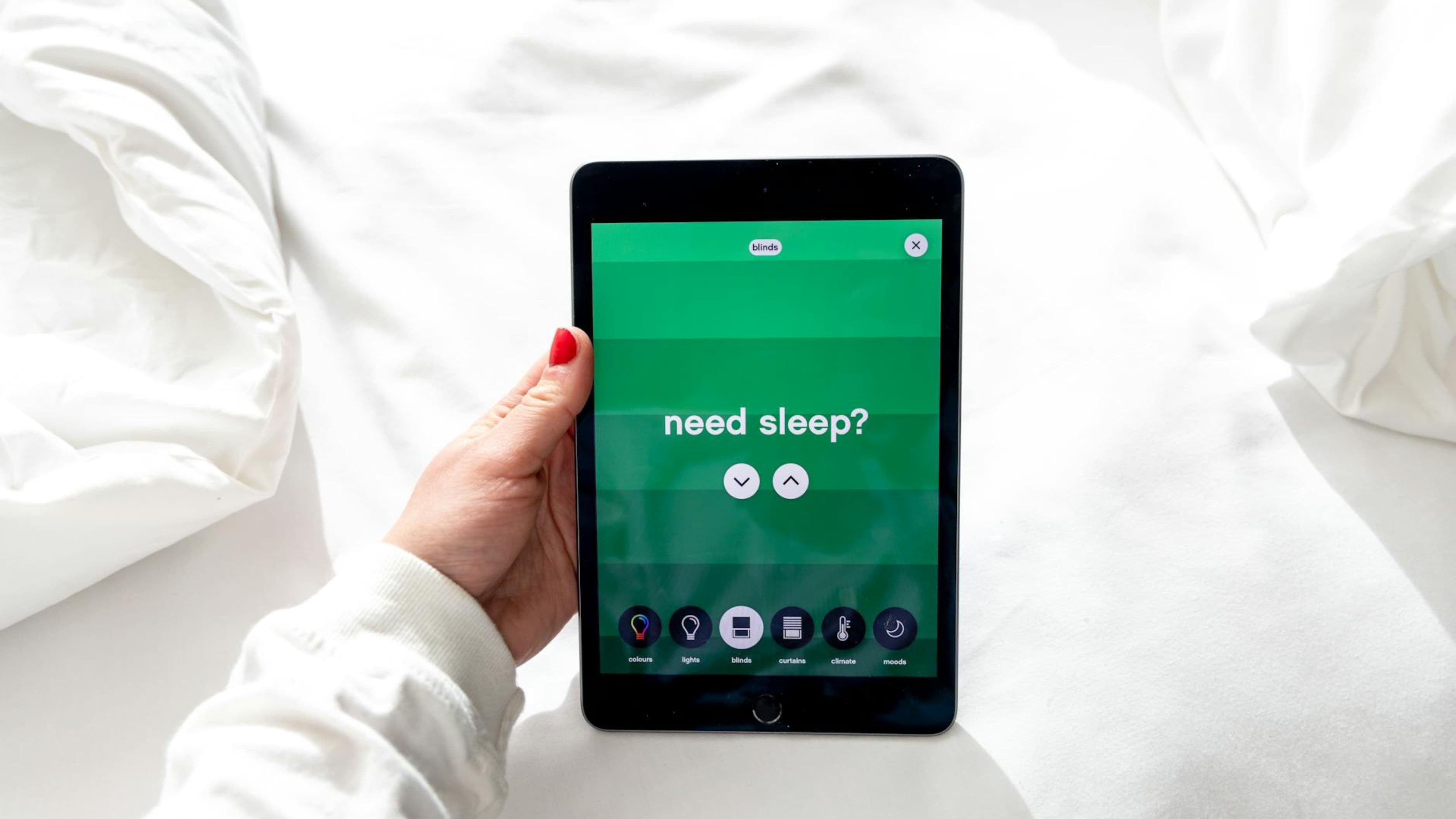
7. Blackout Curtains with Smart Controls : The Light Managers
Automated blackout curtains might sound excessive, but they're solving a real problem for modern sleepers. Light pollution affects sleep quality more than most people realize, and having precise control over your bedroom's light environment can make a significant difference.
Smart curtains automatically close at sunset and open gradually with sunrise, helping maintain your circadian rhythm without requiring you to remember daily adjustments. This is particularly valuable for shift workers or anyone whose schedule conflicts with natural light patterns.
The investment pays off in consistency—human habits are notoriously unreliable, but automated curtains never forget to create the optimal light environment for sleep. Plus, they add legitimate convenience for weekend sleep-ins and afternoon naps.
According to the Sleep Foundation, maintaining consistent light exposure patterns is crucial for healthy circadian rhythms, making smart curtains more than just a luxury convenience—they're a practical tool for better sleep hygiene.
The Bottom Line : Less Is More
Your bedroom doesn't need to look like a NASA sleep lab to deliver quality rest. The most effective sleep tech operates quietly in the background, supporting your natural rhythms rather than disrupting them with constant notifications and data streams.
Focus on the basics first: temperature control, light management, and noise reduction. These fundamental environmental factors have the biggest impact on sleep quality. Once you've optimized these basics, then consider whether additional tracking or smart features would genuinely improve your sleep experience.
Remember, the best sleep technology is the kind you forget is there—working silently to create the perfect conditions for rest while you focus on actually sleeping, not monitoring how well you're sleeping.
📚 Sources
1. Sleep Foundation. "Temperature and Sleep: How Temperature Affects Sleep Quality." Sleep Foundation Research Database, 2024.
2. Harvard Medical School. "Blue Light Has a Dark Side: What Blue Light Does to Your Sleep." Harvard Health Publishing, 2023.
3. National Sleep Foundation. "Noise and Sleep Quality: Environmental Factors in Sleep Health." NSF Sleep Research Journal, 2024.