
Here's a grounded comparison to help you figure out which one actually fits your space and how you live in it.
Quick Overview
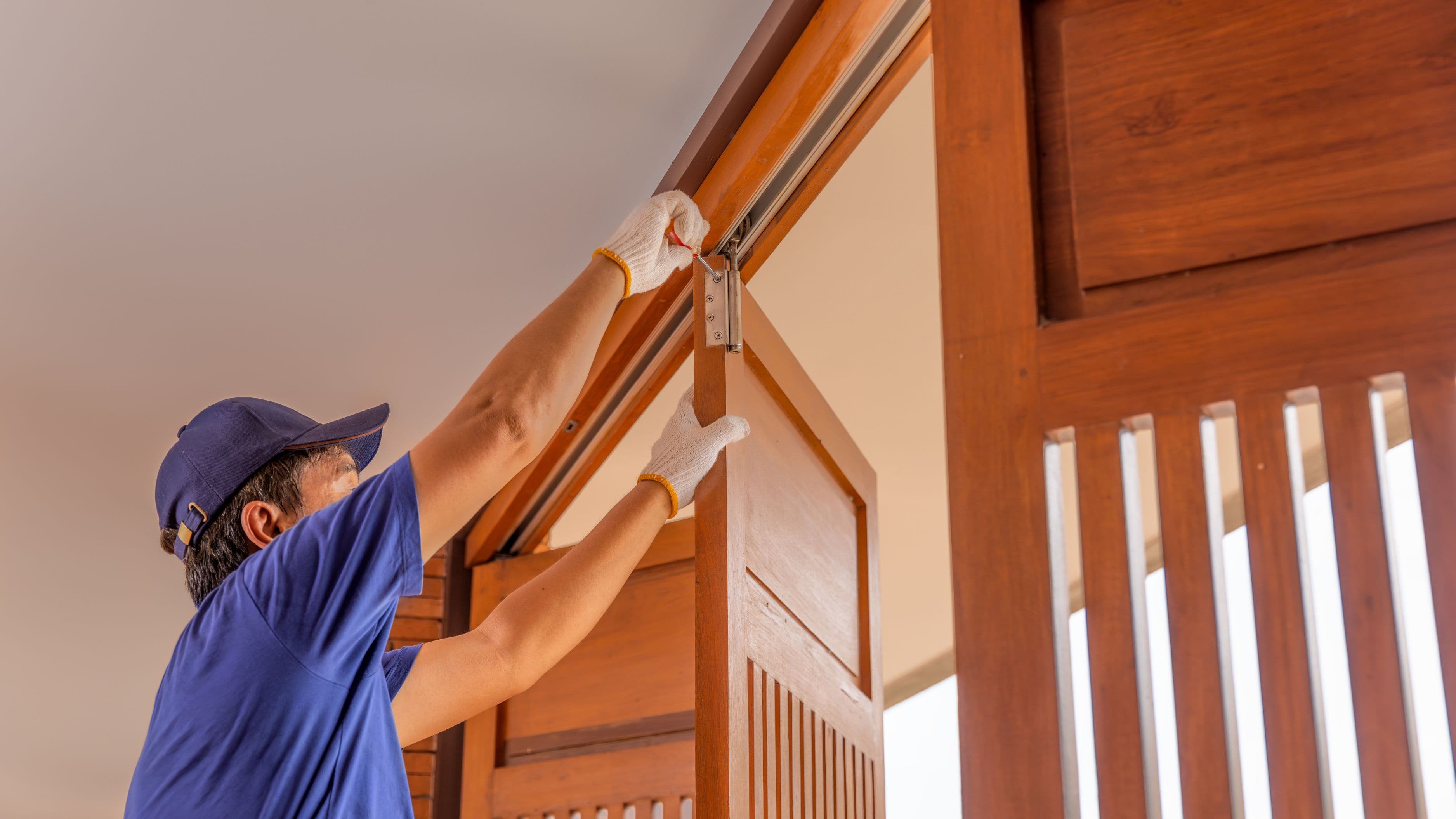
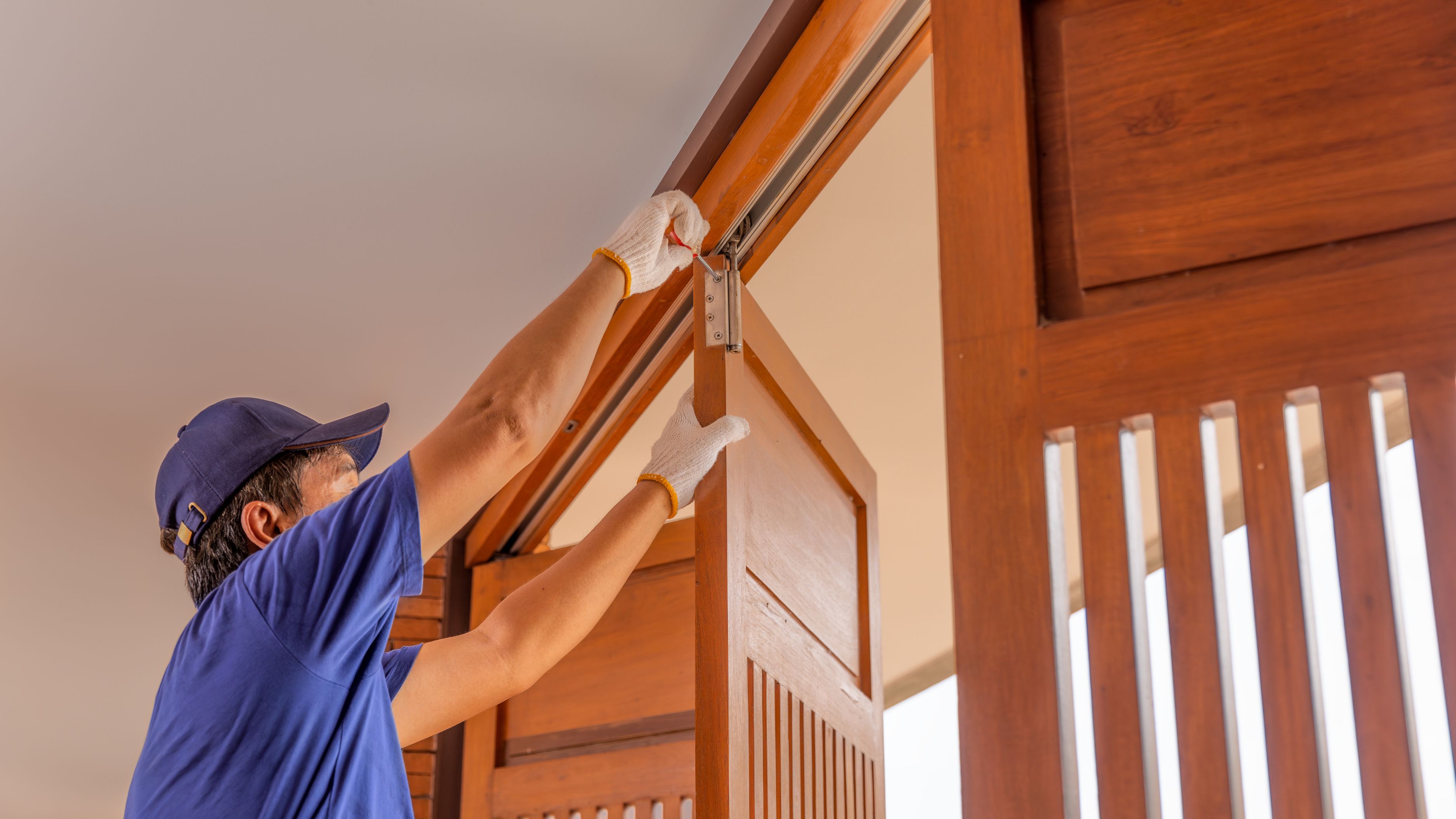
Bi-fold doors consist of multiple narrow panels that fold and stack to one or both sides of the opening, creating an almost completely open connection between indoor and outdoor space when fully retracted. French doors are typically a pair of hinged panels that swing open from the center, offering a more traditional look with a smaller functional opening compared to bi-folds.
Opening Width and Connection to the Outdoors
This is where the two options differ most dramatically. Bi-fold doors can open up nearly the entire width of the opening, since the panels stack compactly to one side, creating a genuinely seamless transition between indoor and outdoor space. This makes them a strong choice if your priority is maximizing openness for entertaining or simply making a smaller indoor space feel considerably larger when opened up.
French doors, by contrast, typically open to about 70-80% of the total opening width at most, since the swinging panels themselves take up some of that space even when fully open. For homeowners who want a big visual impact and are less concerned with 100% open access, French doors still deliver a strong connection to outdoor space, just not to the same degree as bi-folds.
Everyday Usability
For daily, casual use – like stepping outside briefly or letting a pet in and out – French doors are generally more convenient, since you only need to open one panel rather than sliding and folding an entire bi-fold system. This makes French doors a better fit for households that use the door primarily for regular passage rather than fully opening the space on special occasions.
Bi-fold doors take a bit more effort to open and close fully, since multiple panels need to be unlatched and folded in sequence, though most modern systems are designed to operate smoothly with minimal effort. If you mainly plan to fully open the space during larger gatherings rather than for quick daily passage, this added effort is less of a practical downside.
Cost Comparison
Cost level: Medium (French doors) to Medium-High (bi-fold doors). French doors are generally the more budget-friendly option, particularly for standard-size openings, since their simpler hardware and construction keep both material and installation costs lower. Expect a typical mid-range French door installation to run somewhere in the $2,000–$5,000 range depending on size, material, and glazing quality.
Bi-fold systems cost more due to their more complex track and panel hardware, with typical installations running $4,000–$10,000 or more depending on the number of panels and overall width. The exact cost gap depends heavily on your specific opening size and the materials you choose, so it's worth getting quotes for both options based on your actual space before deciding purely on the general price difference.
Energy Efficiency Considerations
French doors, with fewer moving seals and a simpler locking mechanism, often perform slightly better for energy efficiency and draft resistance compared to bi-fold systems, which have more seams and moving parts where air can potentially infiltrate if not properly installed and maintained. This gap has narrowed considerably with modern, well-engineered bi-fold systems, but it's still worth discussing directly with an installer if energy efficiency is a significant priority for your specific climate.
Maintenance and Longevity
French doors have simpler hardware overall, which generally means fewer components that can wear out or require adjustment over time. Bi-fold doors have more moving parts – multiple hinges, rollers, and tracks – which require periodic maintenance to keep operating smoothly, and any misalignment in the track system can affect how easily the panels glide and stack.
Neither option is inherently less durable when properly installed and maintained, but bi-fold systems do require more attention to ongoing maintenance simply due to their more complex mechanical design.
Which One Fits Your Space Better
If your priority is maximizing an indoor-outdoor connection for entertaining, opening up a smaller space to feel considerably larger, or creating a dramatic visual centerpiece, bi-fold doors are generally the stronger choice despite the higher cost. Homes with larger openings and a strong indoor-outdoor lifestyle – think California or Florida-style living – tend to get the most value from a bi-fold investment.
If you want a more traditional look, lower upfront cost, easier daily usability, and slightly better energy efficiency, French doors remain a genuinely solid choice that suits a wider range of home styles and daily living patterns without the added mechanical complexity of a bi-fold system.
What to Avoid
Don't choose bi-fold doors purely for aesthetic appeal without considering how you'll actually use the door day to day – if quick, casual access matters more to your routine than dramatic full-width openings, you may find the added cost and maintenance harder to justify. Avoid skimping on installation quality for either option, since poor installation is the most common source of drafts, sticking panels, and premature wear regardless of which door type you choose.
Don't assume either option is a simple weekend DIY project for a novice – both require precise measurements and professional-grade installation to function and seal properly over the long term.
FAQ
Which option adds more home value? Both can add meaningful value when well-installed, though bi-fold doors often carry a slightly stronger "wow factor" for buyers prioritizing indoor-outdoor living, particularly in warmer climates.
Can I install either option myself? Both are generally best left to a professional installer, given the precision required for proper sealing, alignment, and long-term smooth operation.
Which option is better for a smaller opening? French doors tend to work more proportionally well on smaller openings, since bi-fold systems need enough stacking space to one side to make their wider opening genuinely worthwhile.