That said, the choice has real, predictable trade-offs in cost, comfort, maintenance, durability, and value, and once you see them side by side, the right answer for your bedroom usually becomes obvious. Let's break down how the two actually compare so you can decide with confidence instead of guessing.
The Quick Comparison
Before the details, here's the honest shape of it. Carpet wins on upfront cost, warmth, softness, and sound dampening, making it the cozier, cheaper, quieter choice – but it wears out faster, holds allergens, and adds little resale appeal. Hardwood wins on durability, easy cleaning, allergy-friendliness, and home value, and it looks timeless – but it costs more upfront, feels cold and hard underfoot, and does nothing to quiet a room.
Neither is "better" in the abstract. The better choice depends on what you value most in a bedroom, your budget, and your household. Here's each factor in detail.
Cost: Carpet Wins Upfront, Hardwood Plays the Long Game
Carpet is almost always cheaper to buy and install than hardwood. As a general guide, carpet for a bedroom commonly falls in the low cost range, while solid hardwood sits at the high end, with engineered wood somewhere in between. For a typical bedroom, carpet can cost a fraction of what hardwood does once materials and installation are counted.
But there's a long-game angle worth weighing. Carpet typically needs replacing every several years to a decade or so depending on quality and traffic, while quality hardwood can last for decades and be refinished rather than replaced. So while hardwood costs much more on day one, its longer lifespan can make it more economical over the very long term, especially if you'd otherwise be replacing carpet two or three times.
What this means for your budget: if upfront cost is the priority, carpet is the clear winner. If you can absorb the higher initial spend and plan to stay put for many years, hardwood's longevity narrows or even closes the gap.
Comfort and Warmth: Carpet's Home Turf
This is where carpet shines, and in a bedroom it matters more than in most rooms. Carpet is soft and warm underfoot, which feels genuinely nicer when you step out of bed on a cold morning, and it provides a cushioned surface that's more forgiving than hard flooring. For bedrooms specifically – a space built around rest and comfort – this is a real advantage many people prioritize.
Hardwood, by contrast, is hard and cold, particularly in winter or in cooler climates. You can soften this with area rugs, which is a very common approach, but the floor itself won't have carpet's inherent coziness. If barefoot comfort and warmth are high on your list, carpet has the edge that rugs only partly replicate.
Sound: Carpet Quiets, Hardwood Echoes
Bedrooms benefit from quiet, and the two materials behave very differently here. Carpet absorbs sound, reducing echo within the room and muffling footsteps, which is especially valuable in upstairs bedrooms or multi-level homes where you don't want every step heard below. It makes a room feel calmer and more insulated.
Hardwood reflects sound, so rooms can feel louder and footsteps echo, and noise travels more readily to floors below. Rugs help, but if sound dampening is important to you – for a nursery, a light sleeper, or an apartment over other living space – carpet is the more naturally suited choice.
Maintenance and Allergies: Hardwood Pulls Ahead
Here the advantage flips firmly to hardwood. Hardwood floors are easy to clean – a sweep and occasional mop handle most messes – and they don't trap dust, pet dander, pollen, or other allergens the way carpet fibers do. For anyone with allergies or asthma, this is a meaningful health-related point, and it's one reason hardwood is often recommended for sensitive households.
Carpet, on the other hand, traps allergens and requires regular vacuuming plus periodic deep cleaning to stay fresh, and it's far more prone to staining. A spilled drink on hardwood wipes up; the same spill on carpet can leave a lasting mark. Carpet also holds odors over time. If easy upkeep and a cleaner indoor environment matter most, hardwood is the stronger pick.
Durability: Hardwood Lasts, Carpet Wears
Hardwood is the more durable option by a wide margin. With proper care it can last for decades, and a major advantage is that it can be sanded and refinished when it gets scratched or dull, essentially renewing the surface rather than replacing it. That refinishing ability is a big part of hardwood's long-term value.
Carpet has a shorter lifespan, showing wear, matting, and traffic patterns over the years, and once it's worn or stained beyond cleaning, the only fix is full replacement. In a low-traffic bedroom carpet will last longer than it would in a hallway, but it still won't match hardwood's longevity or its ability to be restored.
Home Value: Hardwood Is the Buyer Favorite
If resale is on your mind, hardwood generally has the edge. It's widely seen as a premium, desirable feature, and many buyers specifically prefer hardwood in main living areas and increasingly in bedrooms too. It tends to support a home's value and broad appeal.
Carpet adds little resale value and, if it's worn or dated, can even count against a home in buyers' eyes. That said, some buyers do still appreciate carpet specifically in bedrooms for the comfort factor, so the resale gap is a bit smaller in bedrooms than it would be in a living room or entryway. Still, if maximizing home value is a priority, hardwood is the safer long-term investment.
So Which Should You Choose?
Here's the practical recommendation, because the "right" answer really does depend on your situation.
Choose carpet if your top priorities are comfort, warmth, quiet, and a lower upfront cost – it's an excellent fit for a primary bedroom focused on coziness, a child's room where a soft floor is welcome, an upstairs room where sound control matters, or any situation where budget is tight. It's the cozier, cheaper, quieter choice, and for many people a bedroom is exactly where those qualities count most.
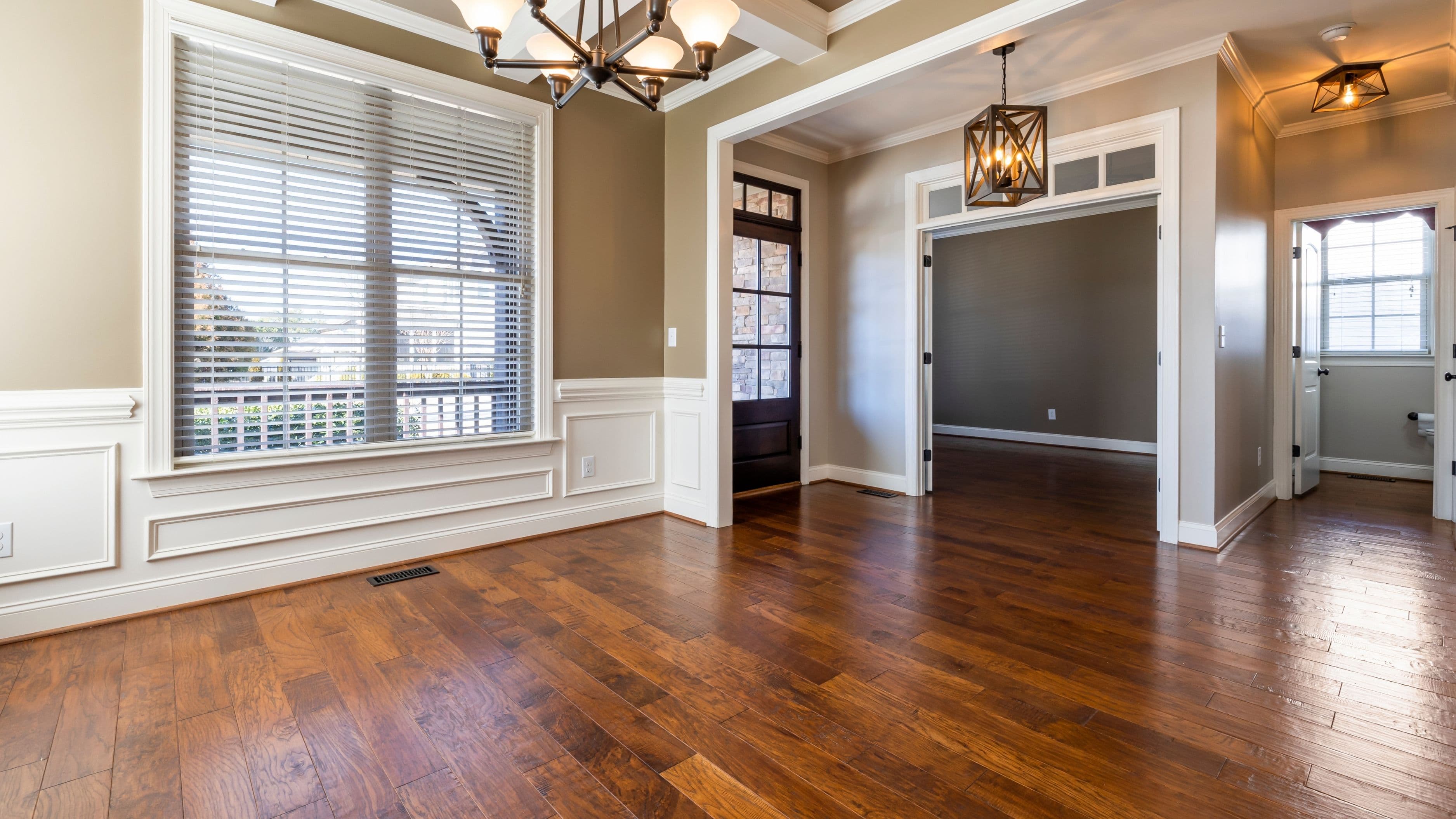
Choose hardwood if you prioritize durability, easy cleaning, allergy-friendliness, long-term value, and a timeless look, and you can handle the higher upfront cost. It's ideal if anyone in the home has allergies, if you're thinking about resale, or if you simply prefer the look and longevity and don't mind adding a rug for warmth.
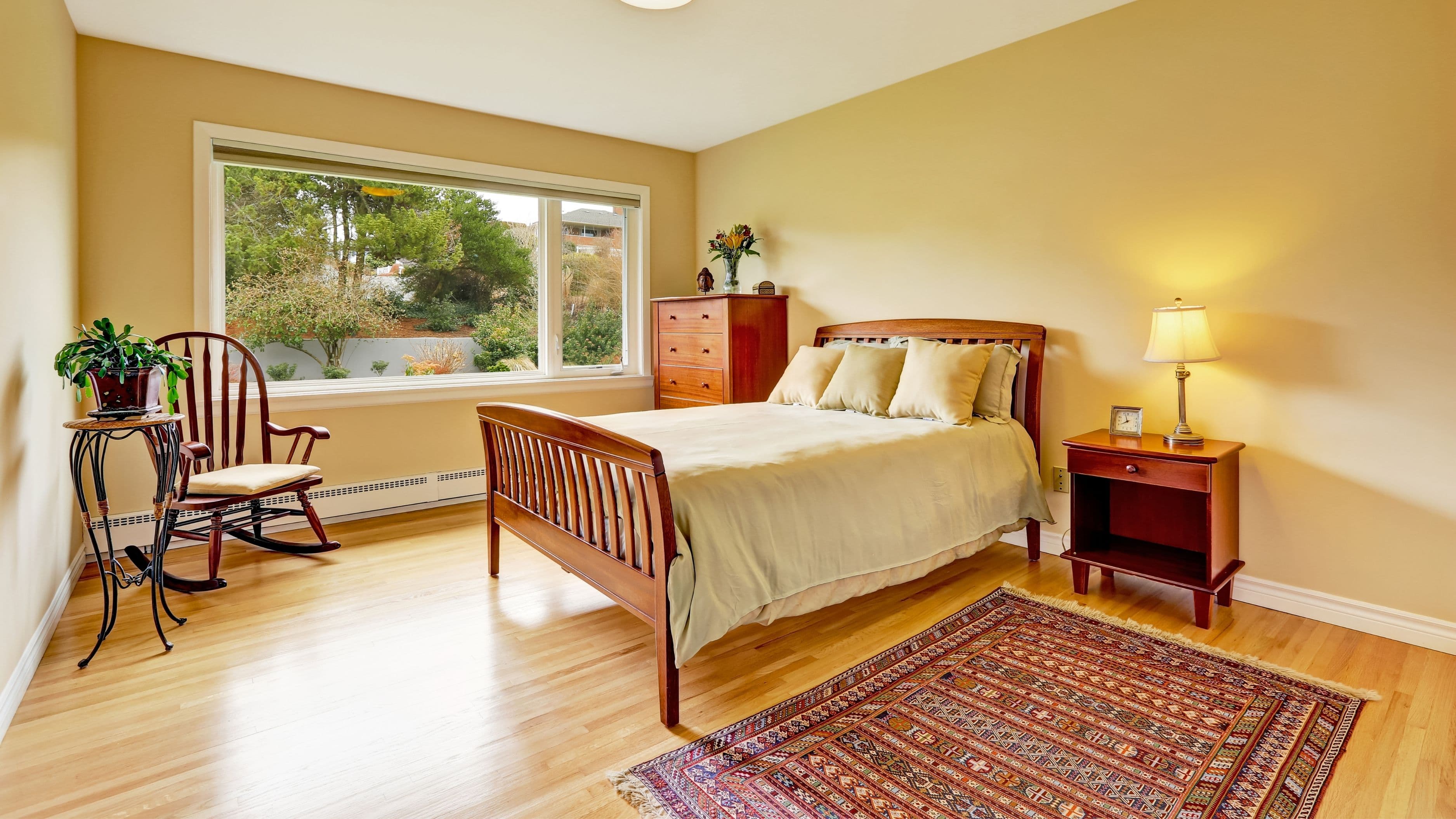
And consider the popular middle path: hardwood (or durable engineered wood) topped with a large, soft area rug. This combination gives you hardwood's durability, easy cleaning, and value while restoring much of carpet's warmth and softness underfoot exactly where you stand and walk. For a lot of homeowners, this hybrid is the genuine best of both worlds, and it's worth weighing before committing fully to either.
What to Avoid
A few common mistakes are worth steering around regardless of which you choose. Don't pick the cheapest carpet to save money in a bedroom you'll keep for years – very low-grade carpet wears out and mats quickly, costing you a replacement far sooner. Don't install solid hardwood in a basement bedroom or any space prone to moisture, since wood and dampness don't mix; engineered wood or other moisture-tolerant options suit below-grade rooms far better. Don't overlook proper underlay or padding under carpet, which dramatically affects how it feels and how long it lasts. And don't forget to factor installation and old-floor removal into your budget, as these can add meaningfully to the total cost for either option.
FAQ
Is carpet or hardwood better for a bedroom specifically? The bedroom is actually the room where carpet makes the most sense for many people, because comfort, warmth, and quiet matter more there than in high-traffic areas, and bedrooms see gentler wear. That said, hardwood with a rug remains a strong choice if you prioritize cleaning ease, allergies, or resale value. It comes down to which of those qualities you value most.
Which option is better for allergies? Hardwood is the clearer choice for allergy sufferers because it doesn't trap dust, pollen, and pet dander the way carpet fibers do, and it's much easier to keep clean. If someone in the home has allergies or asthma, hardwood (or another hard surface) with washable rugs is generally the healthier setup.
Does hardwood really add more home value than carpet? In most cases, yes. Hardwood is widely viewed as a premium feature that supports a home's value and appeals to buyers, while carpet adds little and can detract if it's worn or dated. The gap is somewhat smaller in bedrooms than in main living spaces, but hardwood remains the stronger resale choice overall.
Can I put hardwood in an upstairs bedroom, or is carpet better for noise? You can use hardwood upstairs, but be aware it transmits more sound to rooms below and echoes more within the room. Carpet naturally dampens this, so if noise control is a priority, carpet has a real edge upstairs. If you prefer hardwood, quality underlayment during installation plus area rugs can reduce the sound issue considerably.
What's the most cost-effective choice over the long term? It depends on how long you'll keep the floor. Carpet is far cheaper upfront but typically needs replacing every several years to a decade, while quality hardwood costs much more initially but can last decades and be refinished. If you'll stay in the home a long time, hardwood's longevity can make it more economical overall; if budget is tight now or you'll move soon, carpet wins on cost.
The Bottom Line
There's no single winner in carpet versus hardwood for a bedroom – there's only the right fit for your priorities. Carpet delivers comfort, warmth, quiet, and a lower price, making it a natural fit for cozy, budget-conscious, or upstairs bedrooms. Hardwood delivers durability, easy cleaning, allergy-friendliness, and stronger home value, rewarding those who can spend more upfront and want a floor that lasts. For many homeowners, the smartest move is hardwood plus a generous area rug, capturing the strengths of both. Decide what matters most in your bedroom – cost, comfort, health, or resale – and the better choice will follow naturally.
📚 Sources
U.S. Environmental Protection Agency – Flooring, carpet, and indoor air quality / allergens: https://www.epa.gov/indoor-air-quality-iaq/improving-indoor-air-quality
American Lung Association – Flooring choices and healthy indoor air: https://www.lung.org/clean-air/indoor-air/indoor-air-pollutants/furniture-flooring
This Old House – Hardwood flooring costs and refinishing guide: https://www.thisoldhouse.com/flooring/reviews/hardwood-flooring-cost
Bob Vila – Carpet vs. hardwood flooring comparison: https://www.bobvila.com/articles/carpet-vs-hardwood/
U.S. Department of Energy – Flooring and home comfort considerations: https://www.energy.gov/energysaver/insulation
🔍 Explore Related Topics