
Comparison Overview
Cellulose insulation is made primarily from recycled paper fiber, typically 80-85% recycled newspaper content, treated with fire-retardant and pest-resistant chemicals, then either blown in loose-fill form or installed as dense-pack insulation. Fiberglass insulation is made from fine glass fibers, historically manufactured with varying amounts of recycled glass content depending on the specific manufacturer and product line, available in batts, rolls, or blown-in loose-fill form.
Both materials achieve broadly comparable thermal performance for equivalent thickness, though cellulose's material composition and manufacturing process give it a somewhat different environmental profile worth examining across several specific dimensions rather than assuming one is universally superior.
Recycled Content and Manufacturing Impact
Cellulose insulation's high recycled paper content represents a genuine, substantial use of post-consumer recycled material, diverting paper waste from landfills into a functional building product. This recycled content advantage is one of cellulose's most frequently cited environmental benefits, and it reflects an actual, verifiable manufacturing practice rather than a vague marketing claim.
Fiberglass manufacturing has also increased recycled glass content over time, though the specific percentage varies by manufacturer and product line, making it worth checking a specific product's actual recycled content documentation rather than assuming a fixed industry-wide standard applies to every fiberglass product on the market.
Manufacturing Energy Requirements
Fiberglass manufacturing requires melting raw materials, including sand and recycled glass, at very high temperatures, a genuinely energy-intensive industrial process. Cellulose manufacturing, by contrast, primarily involves mechanically processing recycled paper along with adding fire-retardant treatment, generally requiring meaningfully less manufacturing energy per unit of insulation produced compared to fiberglass's high-temperature glass-melting process.
This difference in manufacturing energy intensity is one of the more frequently cited reasons cellulose is often considered to have a somewhat lower overall embodied carbon footprint compared to fiberglass, though exact figures vary by specific manufacturer and production methods.
Installation Considerations Affecting Performance
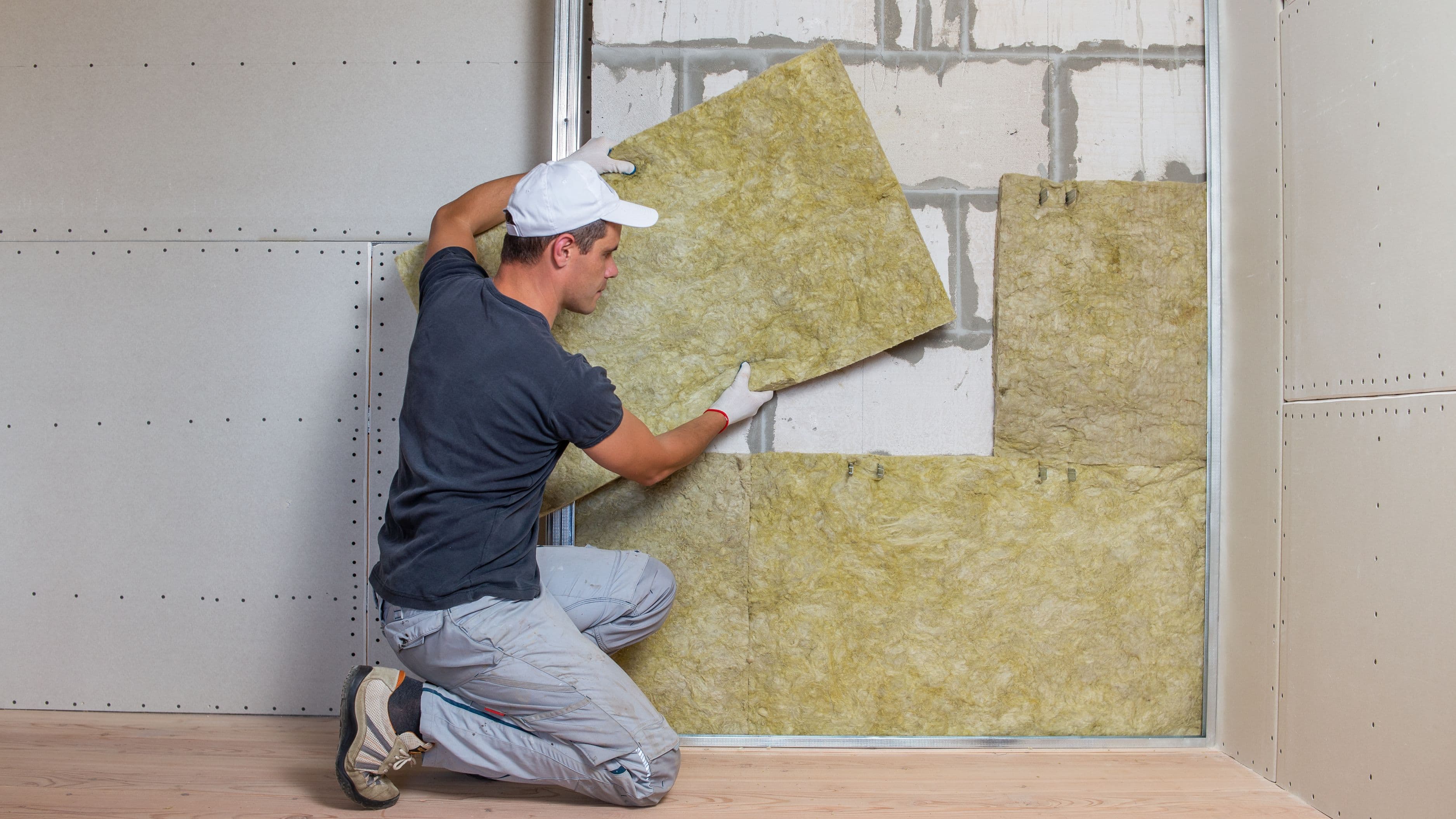
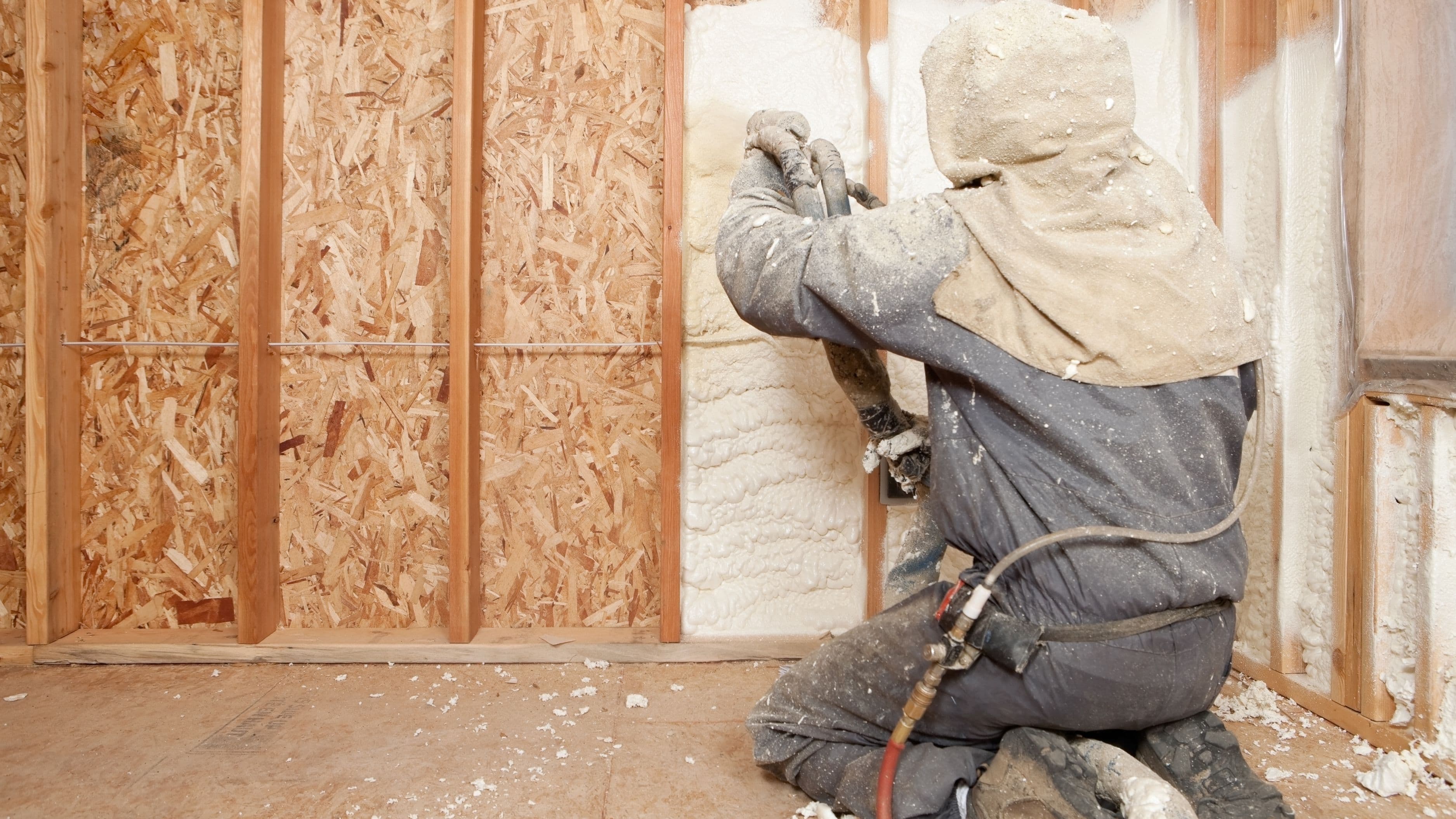
Cellulose, particularly in dense-pack installation, tends to fill wall cavities more completely and can better address minor gaps and irregular spaces compared to fiberglass batts, which can leave small gaps if not installed with meticulous precision around obstructions like electrical boxes or irregular framing. This installation quality difference matters because insulation performance depends heavily on actual installed coverage, not just the material's inherent R-value rating, meaning a well-installed material with a slightly lower rated R-value can outperform a poorly installed material with a higher rated R-value in practice.
Fiberglass batts require careful, precise cutting and fitting to avoid gaps and compression, which can reduce effective performance if installation isn't done carefully, while blown-in fiberglass, similar to cellulose, addresses this concern somewhat better than batt installation specifically.
Fire Safety and Chemical Treatment
Cellulose insulation requires fire-retardant chemical treatment, typically using borate compounds, since the base paper material itself is naturally flammable without this treatment. Fiberglass is inherently non-combustible as a base material, given its glass composition, though it's worth noting that properly treated cellulose meets required fire safety building codes when correctly manufactured and installed.
Some environmentally-focused homeowners have specific preferences regarding the borate treatment used in cellulose versus fiberglass's inherent non-combustibility, making this worth considering based on your own specific priorities and any chemical sensitivity considerations relevant to your household.
Longevity and Performance Over Time
Fiberglass generally maintains its R-value rating consistently over time as long as it stays dry and undisturbed, without significant settling issues common to some insulation types. Cellulose can experience some settling over time, particularly in loose-fill applications, which can reduce effective coverage and R-value in the affected area if not properly accounted for during initial installation through appropriate installation density calculations.
Both materials can experience reduced performance if exposed to moisture, though cellulose's paper-based composition makes it somewhat more susceptible to mold growth if exposed to sustained moisture compared to fiberglass, which doesn't provide the same organic material for mold to feed on, even though fiberglass insulation getting wet still reduces its effective thermal performance regardless of mold risk specifically.
Cost Comparison
Cellulose and fiberglass are generally comparably priced for similar R-value coverage, though specific pricing varies by region, installation method, and current material costs. Neither material carries a dramatically higher cost premium purely due to environmental considerations, making cost a relatively neutral factor in this specific comparison rather than a major differentiator between the two options.
Recommendation
If recycled content and lower manufacturing energy intensity are your primary environmental priorities, cellulose generally offers a somewhat stronger case on these specific dimensions, provided it's professionally installed to avoid settling-related performance issues over time. If moisture-prone conditions or long-term dimensional stability without settling concerns are a bigger priority for your specific installation situation, fiberglass's inherent moisture resistance and stable performance over time may be the more practical choice, even if its recycled content and manufacturing energy profile are somewhat less favorable than cellulose's.
What to Avoid
Avoid choosing between these materials purely based on general environmental reputation without considering your specific installation conditions, since factors like moisture exposure risk and installation quality can matter as much or more than the base material's environmental profile for actual long-term performance and value. It's also worth avoiding assuming any specific product's recycled content percentage without checking that product's actual documentation, since this varies by manufacturer rather than being a fixed, universal figure for either material category.
FAQ
Does cellulose insulation attract pests more than fiberglass? Properly treated cellulose includes pest-resistant treatment as part of its manufacturing process, generally making it comparably resistant to pest issues as fiberglass, though checking a specific product's treatment details is worth confirming.
Is one material significantly better for soundproofing than the other? Dense-pack cellulose is often considered somewhat more effective for sound dampening compared to standard fiberglass batts, given its denser installation method, though this varies based on specific installation approach and thickness for either material.
Can I mix cellulose and fiberglass insulation in the same home? Yes, this is a common practice, using whichever material best suits specific areas of a home, such as fiberglass batts in easily accessible wall cavities and blown-in cellulose for more irregular attic spaces.
Does either material off-gas or affect indoor air quality? Both materials are generally considered safe for indoor air quality once properly installed, though proper installation, including appropriate vapor barriers where needed, matters for both materials to avoid any moisture-related air quality issues over time.