


The Flooring Trap
Walk into any big-box store, and you'll be steered toward the most expensive options first. Sales associates paint vivid pictures of scratched laminate and peeling vinyl, convincing you that anything under $5 per square foot is destined for disaster. Meanwhile, contractors nod along, knowing that higher material costs mean bigger profits for them. This fear-based selling has created a generation of homeowners who equate price with performance, missing out on genuinely brilliant solutions that cost pennies on the dollar.
The truth is more nuanced than the flooring industry wants you to believe. Quality isn't always reflected in price tags, especially when you understand the manufacturing realities behind modern flooring materials. Some of today's most innovative flooring solutions started as industrial applications, designed for durability first and luxury second.
Myth vs. Truth : The Real Story
Myth : Luxury Vinyl Plank Is Your Best Budget Option → Truth : Sheet Vinyl Is Making a Stunning Comeback
While everyone's obsessing over luxury vinyl plank (LVP) at $3-7 per square foot, sheet vinyl has quietly evolved into something extraordinary. Modern sheet vinyl offers photorealistic wood and stone patterns that rival their expensive counterparts, with installation costs that'll make your wallet sing. You're looking at $1-3 per square foot, installed, for flooring that can handle everything from pet accidents to furniture drops without breaking a sweat.
The manufacturing breakthrough came when companies started using digital printing technology originally developed for high-end wallpapers. This allows for incredibly detailed patterns with natural variation, eliminating the repetitive look that plagued older vinyl products. Professional installers can create seamless floors in most residential spaces, giving you that coveted continuous look without the premium price tag.
Myth : Laminate Always Looks Fake → Truth : Today's Laminate Rivals Real Wood (At Half the Price)
Remember the shiny, obviously fake laminate from the early 2000s? Forget everything you think you know. Today's premium laminate features embossed-in-register texturing, where the visual grain pattern aligns perfectly with physical texture. This creates a tactile experience that's virtually indistinguishable from real wood under normal lighting conditions.
The game-changer is the AC rating system, which measures durability. AC4-rated laminate can withstand commercial foot traffic, making it overkill for most homes but perfect for families with active lifestyles. You'll pay $2-4 per square foot for laminate that outperforms many hardwood floors in scratch and impact resistance, plus it installs over existing floors in most cases.
Myth : Concrete Floors Are Cold and Industrial → Truth : Polished Concrete Is the Ultimate Luxury
Here's where things get really interesting. Polished concrete has become the secret weapon of high-end designers, appearing in million-dollar homes and trendy restaurants worldwide. The process involves grinding existing concrete slabs to expose the aggregate beneath, then polishing to a mirror-like finish that reflects light beautifully throughout your space.
The cost breakdown is mind-blowing: $3-8 per square foot for a floor that requires zero maintenance beyond occasional mopping, never needs replacement, and actually improves with age. Radiant heating systems can be embedded during installation, eliminating the "cold" factor entirely. The thermal mass properties of concrete mean your heating and cooling costs drop significantly, creating long-term savings that compound over decades.
Myth : Tile Is Only for Bathrooms and Kitchens → Truth : Large Format Tiles Create Stunning Living Spaces
The tile industry has exploded with innovations that make ceramic and porcelain viable for every room in your home. Large format tiles (24x48 inches or bigger) create expansive, seamless looks with minimal grout lines, while digital printing technology reproduces wood, marble, and fabric textures with startling accuracy.
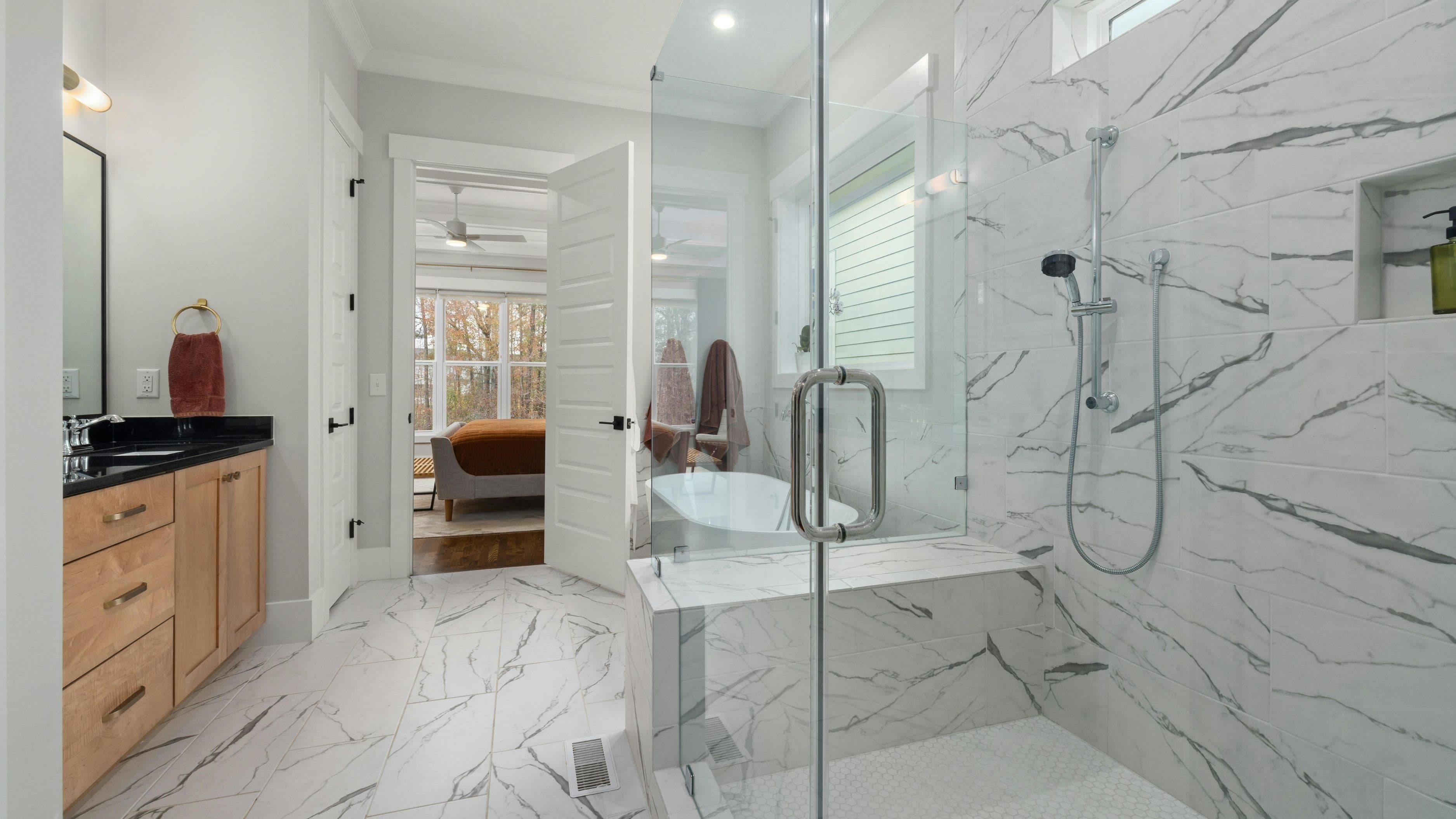
Modern rectified tiles have perfectly straight edges that allow for tight grout lines, creating an almost seamless appearance. When properly installed, these floors feel warm underfoot and resist stains, scratches, and moisture better than any organic material. You're investing $4-8 per square foot for flooring that could outlast your house, with styles ranging from rustic barnwood to Carrara marble.
Myth : DIY Flooring Always Looks Amateur → Truth : Click-Lock Systems Make Pro Results Accessible
The democratization of flooring installation has been one of the home improvement industry's best-kept secrets. Click-lock systems, originally developed for laminate, now appear in luxury vinyl, engineered hardwood, and even some ceramic tiles. These mechanical connections create strong, stable floors without adhesives, nails, or professional tools.
YouTube University has created an army of competent DIY installers who tackle entire homes over weekends. The key is understanding that modern floating floor systems are designed to expand and contract as a unit, requiring proper expansion gaps and underlayment. Follow the manufacturer's instructions precisely, and you'll achieve results that rival professional installations while pocketing the labor costs.
The Hidden Costs Nobody Mentions
Traditional advice focuses on material costs while ignoring the total project expense. Hardwood installation often requires subfloor preparation, moisture barriers, and specialized tools that can double your final bill. Many "premium" options demand professional installation, turning a $5 per square foot material into a $12 per square foot finished floor.
Meanwhile, the "cheap" options often install directly over existing floors, require minimal subfloor prep, and use standard tools. A $2 per square foot material that you can install yourself becomes the equivalent of a $6 per square foot professionally installed floor, but with money left over for other home improvements.
Making the Smart Choice
The smartest flooring decision isn't about finding the most expensive option you can afford — it's about understanding your specific needs and matching them to the right solution. A busy family with pets might choose sheet vinyl for its bulletproof durability, while empty nesters could opt for polished concrete that'll outlast their mortgage.
Consider your timeline, budget, and lifestyle honestly. That $15,000 hardwood installation might seem like an investment until you realize that three kids and two dogs will have it looking worn within five years. Meanwhile, the $3,000 luxury vinyl installation could look pristine for decades while giving you financial breathing room for other priorities.
Your Next Move
Let go of outdated advice about "investing" in expensive flooring — and start making moves that actually work for your situation. The flooring industry profits from your confusion and fear, pushing premium products when perfectly excellent alternatives exist at fraction of the cost. Your floors don't need to break the bank to break hearts with their beauty.
Stop letting salespeople dictate your choices based on markup margins rather than your actual needs. Research modern manufacturing innovations, understand installation requirements, and make decisions based on total cost of ownership rather than material costs alone. The "cheap" flooring option might just be the genius move that transforms your space without emptying your savings account.
📚 Sources
1. National Association of Home Builders. "Flooring Trends and Consumer Preferences Survey." 2023.
2. Floor Covering News. "Digital Printing Technology in Vinyl Manufacturing." Industry Report, 2024.
3. Concrete Network. "Polished Concrete: Cost Analysis and Performance Data." Construction Industry Research, 2023.
-jhajrFUGfI3zCQGjpAWcxuNPi1zUTB.jpg&w=3840&q=75)