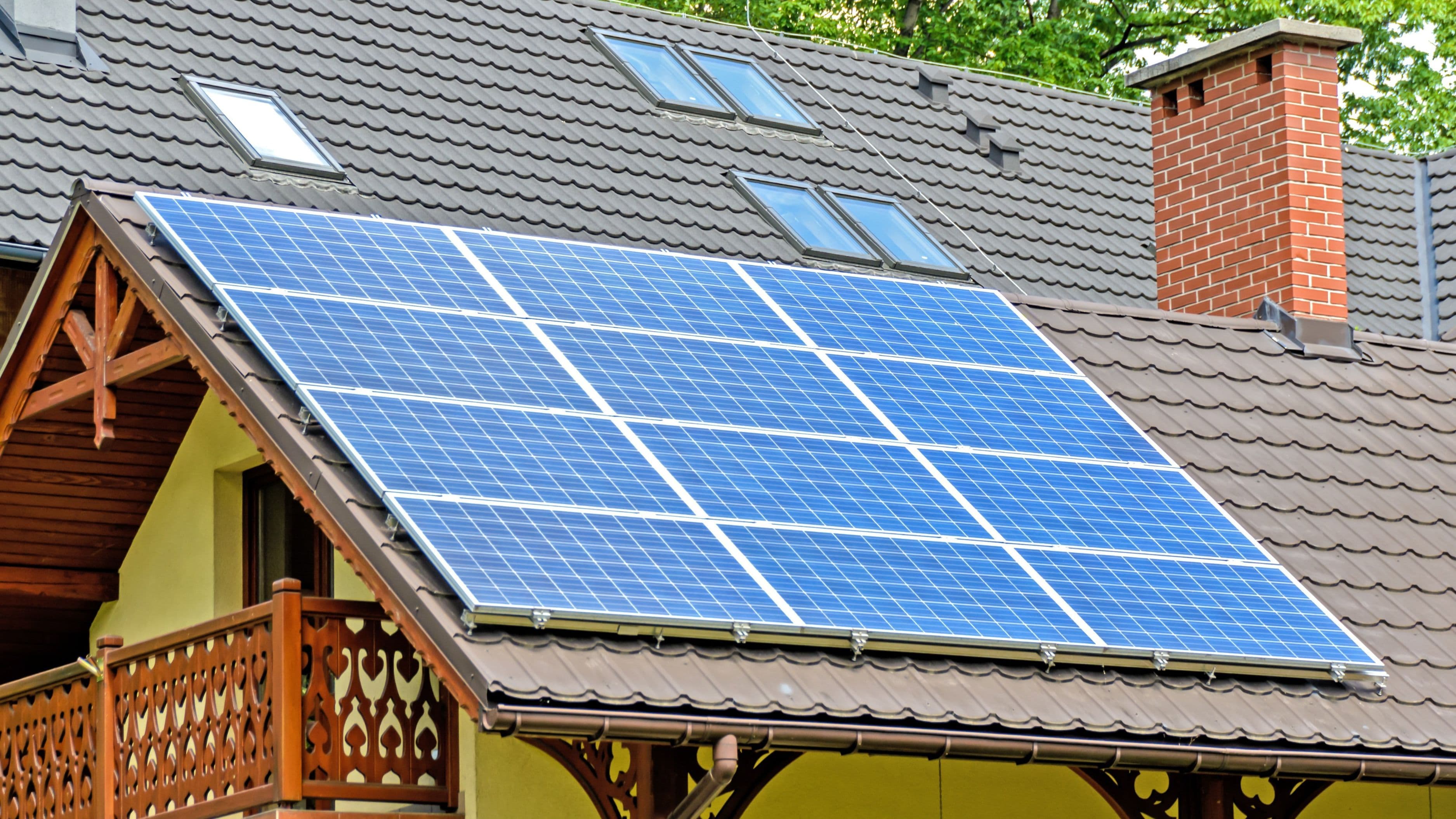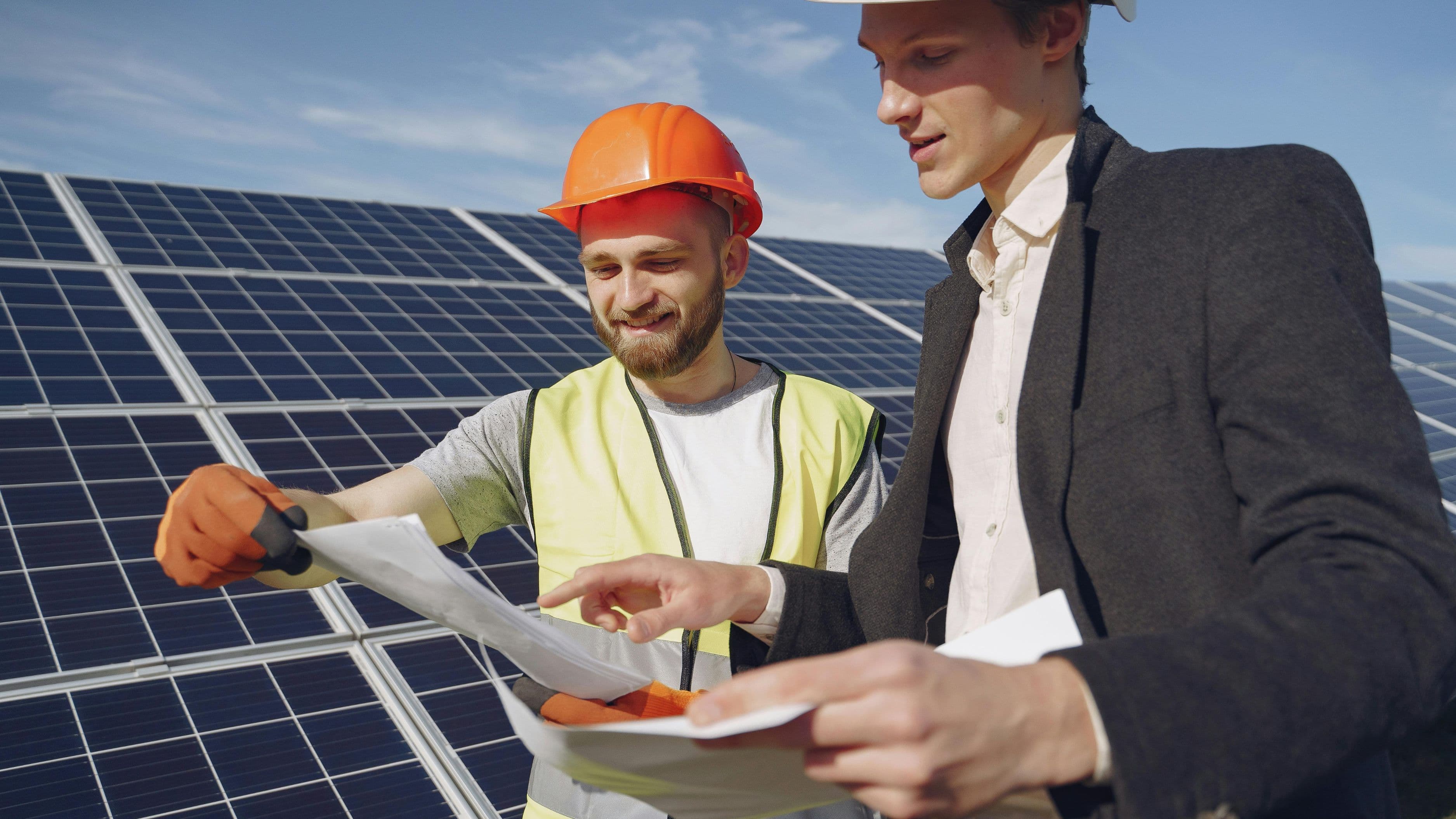

The solar industry has evolved beyond the "go big or go home" mentality of traditional rooftop installations. Community solar gardens offer a fresh alternative that's shaking up how Americans think about renewable energy access. These shared solar farms allow multiple households to benefit from a single, professionally managed solar installation, splitting the energy production like a renewable energy timeshare. For many homeowners, this approach delivers better financial returns, fewer headaches, and more flexibility than mounting panels on their own roof.
1. The Commitment-Phobe's Dream
Rooftop solar is like getting a face tattoo – it's a 25-year commitment that's expensive to remove if you change your mind. Community solar gardens, on the other hand, feel more like a gym membership you can actually cancel when life gets complicated. Most community solar programs allow you to leave with just 30 days' notice, making them perfect for renters, frequent movers, or anyone who's learned the hard way that "forever" decisions aren't always wise.
This flexibility extends beyond just moving house. If your energy needs change dramatically – maybe you downsize, go off-grid, or discover your teenager's crypto mining operation was driving up your electric bill – you can adjust your community solar subscription accordingly. Traditional rooftop panels lock you into whatever system size you installed, regardless of how your life evolves. The freedom to scale up or down without rewiring your entire house feels refreshingly adult in a world where everything else seems to require blood oaths and credit checks.
The psychological benefits of this flexibility can't be overstated. Knowing you can walk away removes the pressure that makes many homeowners overthink rooftop solar decisions for years. Instead of analyzing every angle, weather pattern, and future roof repair scenario, you can simply start saving money on electricity bills while keeping your options open.
2. Money Talks, Maintenance Walks
Let's talk numbers, because your bank account doesn't care about environmental virtue signaling. The average rooftop solar installation costs between $15,000 and $25,000 after federal tax credits, requiring homeowners to either drain savings or take on solar loans with interest rates that would make credit card companies blush. Community solar programs typically require zero upfront costs, letting you start saving money from day one rather than waiting years to break even.
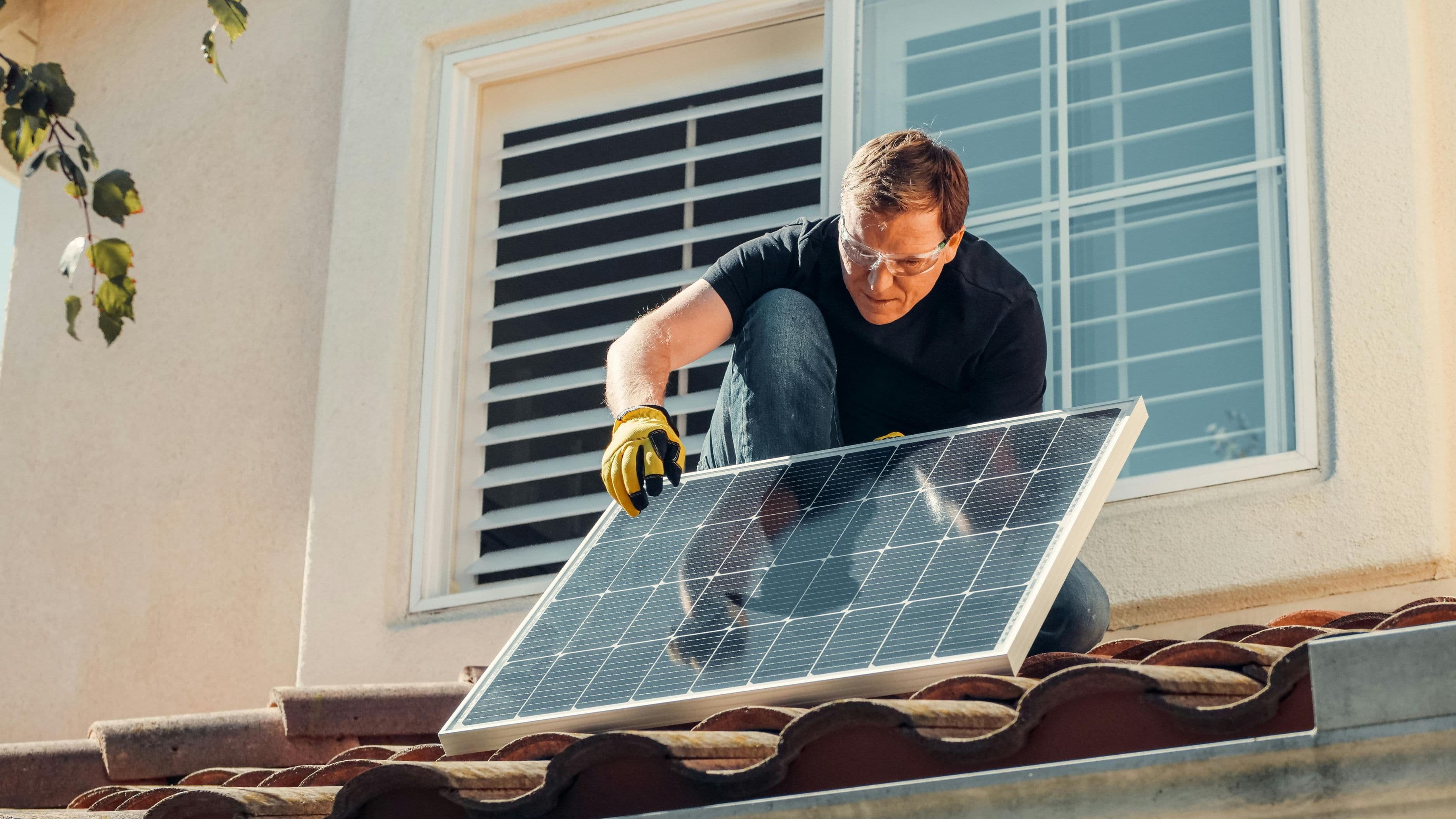
The maintenance mathematics get even more compelling. Rooftop panels demand regular cleaning, inverter replacements every 10-15 years, and the occasional repair when storms decide to play catch with your investment. Community solar gardens handle all maintenance through professional teams with economies of scale, spreading these costs across hundreds of participants rather than dumping them on individual homeowners. Your role becomes delightfully passive – show up, save money, repeat.
Insurance considerations add another layer of financial complexity to rooftop installations. Many homeowners discover their insurance premiums increase to cover potential roof damage, panel theft, or installation-related issues. Community solar participants sidestep these concerns entirely, as the shared solar farm carries its own comprehensive coverage that doesn't impact individual homeowner policies.
3. The Roof Reality Check
Not all roofs are created equal, and yours might be throwing shade at your solar dreams in more ways than one. Community solar gardens eliminate the architectural lottery that determines rooftop solar success. Your roof's age, angle, shading, orientation, and structural integrity become irrelevant when your solar panels live in a professionally designed solar farm with optimal positioning and zero tree interference.
Consider the typical suburban roof challenges: that magnificent oak tree you planted 20 years ago now blocks afternoon sun, your roof faces northeast instead of the ideal south, or your home's Tudor revival architecture looks gorgeous but creates multiple shading angles that fragment solar panel efficiency. Community solar gardens choose locations based on maximum sun exposure and minimal interference, delivering consistent energy production that individual rooftops can rarely match.
The structural requirements for rooftop installations often surprise homeowners who assumed their roof could handle anything. Solar panels add significant weight, and older homes may need expensive structural reinforcements before installation can proceed. Community solar participants bypass these engineering headaches entirely, accessing professionally installed systems designed from the ground up for optimal solar production.
4. Neighborhood Politics and HOA Harmony
Homeowner associations wield mysterious powers that can turn solar panel dreams into bureaucratic nightmares faster than you can say "architectural review committee." Community solar gardens offer a diplomatic solution that keeps your HOA happy while still accessing clean energy benefits. You get all the environmental karma and bill savings without triggering neighborhood disputes over aesthetic standards or property value concerns.
The social dynamics of rooftop solar can create unexpected tensions. Some neighbors view solar panels as progressive statements, others see them as eyesores, and a few worry about property value impacts on the entire street. Community solar removes you from these conversations entirely, letting you go solar without becoming the neighborhood's unofficial renewable energy spokesperson or defending your choices at every block party.
Local permitting processes add another layer of community relations complexity. Rooftop installations require permits, inspections, and utility interconnection approvals that can drag on for months while neighbors watch crews tromp across your roof. Community solar programs handle all regulatory requirements at the solar farm level, keeping your home renovation drama to zero while still delivering clean energy benefits.
5. The Economics of Scale Advantage
Community solar gardens leverage bulk purchasing power that individual homeowners simply cannot access. These projects buy panels, inverters, and installation services at wholesale volumes, passing cost savings directly to participants. The financial efficiency of scale extends beyond initial equipment costs to ongoing operations, professional maintenance, and system optimization that individual rooftop installations can't match.
The financing structures of community solar programs often deliver immediate bill savings without the complex loan products that rooftop solar requires. Instead of navigating solar loan terms, lease agreements, or power purchase arrangements with multiple companies, community solar typically works through simple utility bill credits that reduce your monthly electricity costs from the first day of participation. This streamlined approach eliminates the financial complexity that makes rooftop solar feel like a part-time job in energy economics.
Performance monitoring becomes effortless with community solar gardens that employ professional teams to optimize energy production continuously. Individual rooftop systems rely on homeowners to notice performance issues, schedule maintenance, and coordinate repairs – responsibilities that many participants neglect until efficiency drops significantly. Professional management ensures your solar investment delivers consistent returns without requiring your personal attention or expertise.
6. Geographic Freedom and Future-Proofing
Rooftop solar chains you to one address like a renewable energy mortgage that follows you nowhere. Community solar gardens offer location independence that matches modern lifestyle flexibility. Whether you relocate across town or across the country, you can often transfer your community solar subscription or easily cancel without losing your entire solar investment like you would with rooftop panels.
The technology evolution advantage favors community solar gardens that can upgrade equipment and optimize performance as solar technology advances. Your rooftop installation freezes your technology at whatever was available during installation year, while community solar farms can integrate improvements, replace aging equipment, and benefit from ongoing technological advances without requiring individual homeowner decisions or additional investments.
Future home sale considerations strongly favor community solar participants over rooftop panel owners. Selling a home with rooftop solar involves complex transfer processes, potential buyer financing challenges, and negotiations over system ownership or lease transfers. Community solar requires no home sale complications – you simply maintain, transfer, or cancel your subscription independently of real estate transactions.
The resale value debate around rooftop solar remains mixed, with some studies showing premium values while others indicate buyer hesitation over system age, warranty transfers, and financing complications. Community solar eliminates these variables entirely, letting your home's value stand on its architectural merits rather than energy production equipment that future buyers might view as either an asset or a liability.
The Bottom Line : Simple Beats Complicated
Your life doesn't need another complex system to monitor, maintain, and stress about – it needs solutions that work quietly in the background while saving you money. Community solar gardens deliver the environmental benefits and bill reductions you want from solar energy without the installation hassles, maintenance responsibilities, or commitment anxiety that make rooftop panels feel overwhelming.
For most homeowners, the choice comes down to whether you want to become a part-time solar farm manager or simply enjoy clean energy benefits without the drama. Community solar gardens win this comparison by removing barriers, reducing complexity, and delivering immediate savings without requiring you to become an expert in renewable energy systems. Sometimes the best solution isn't the one that looks most impressive from the street – it's the one that makes your life easier while still achieving your goals.
📚 Sources
1. National Renewable Energy Laboratory (NREL). "Community Solar Program Design and Implementation: A Guide for State and Local Governments." 2024.
2. Solar Energy Industries Association (SEIA). "U.S. Solar Market Insight: 2024 Year in Review." 2024.
3. Lawrence Berkeley National Laboratory. "Tracking the Sun: Pricing and Design Trends for Distributed Photovoltaic Systems in the United States." 2024.