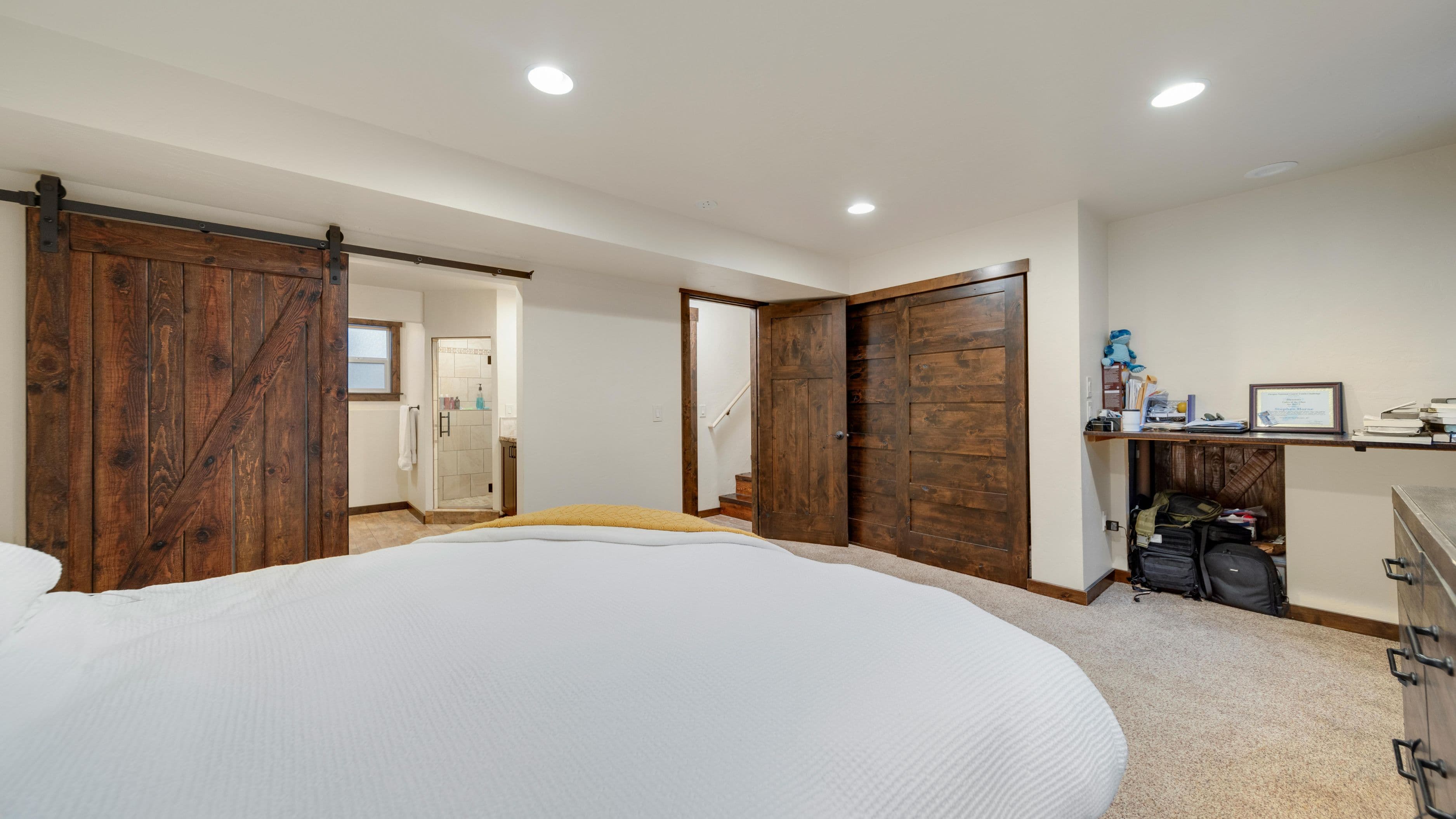

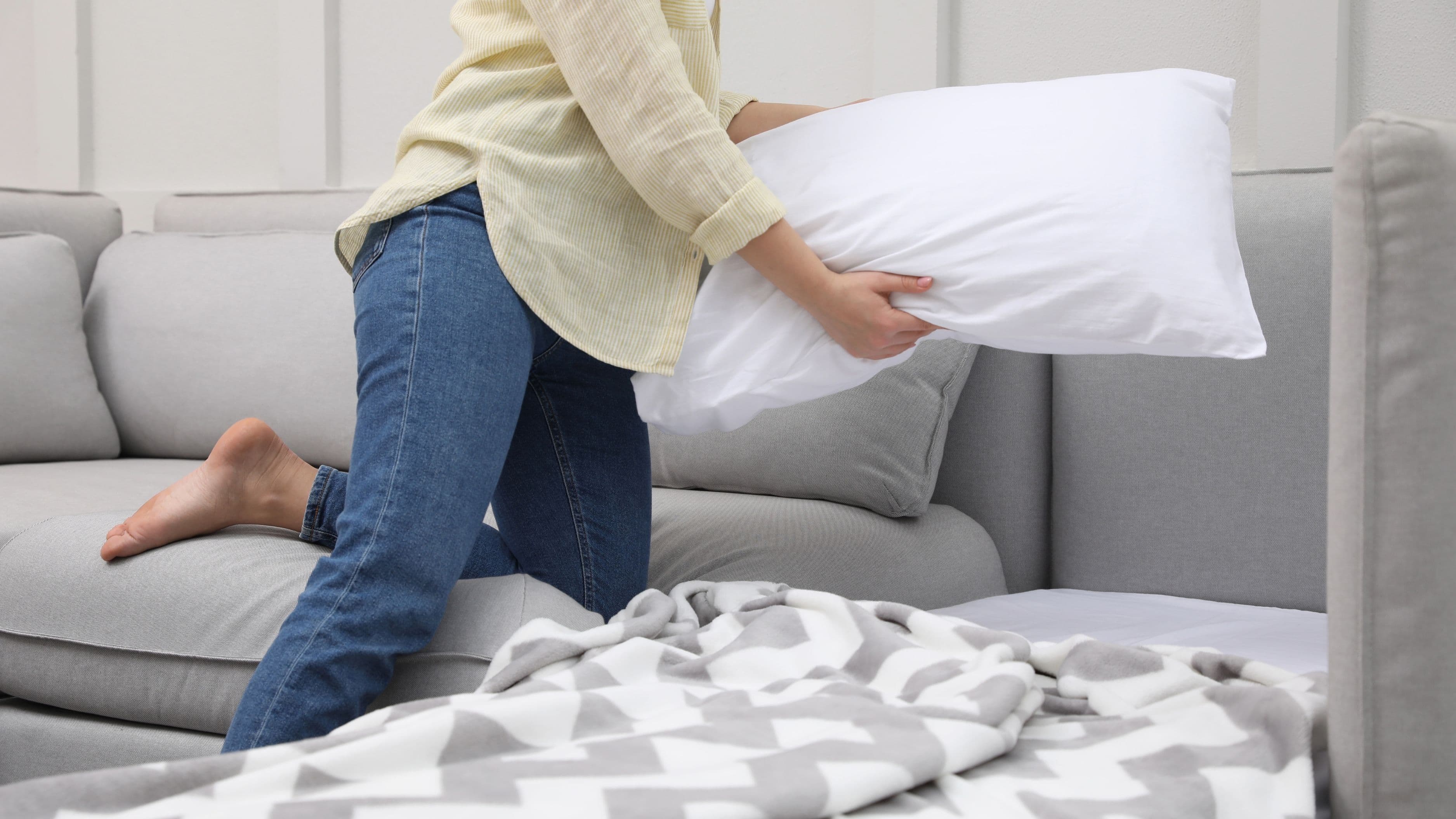
This guide walks you through the key decisions: the right bed solution, how to handle storage, lighting and privacy, and the design details that make the space feel intentional rather than improvised.
Step 1 – Decide What the Room Does When Guests Aren't There
Before you choose a single piece of furniture, be honest about what the room should actually do during the other 90% of the year. This decision shapes every other choice in the project.
The most common dual functions are home office, reading room, hobby or craft space, and exercise area. Each has different implications for the layout and furniture strategy. A home office needs a proper desk and ergonomic chair, which means the sleeping solution needs to be one that can be completely cleared away or folded. A reading or relaxation room is more forgiving – a daybed or sofa bed can serve both functions without the space feeling compromised. A hobby or craft room needs clear floor space and storage, which typically points toward a wall bed or murphy bed as the sleeping solution so the work surface is accessible when guests aren't there.
Resist the urge to try to do too much. A room that's a home office, exercise space, and guest room is usually none of them done well. Pick one primary daily function and design around that.
Step 2 – Choose the Right Sleeping Solution
The sleeping surface is the heart of the convertible guest room, and the options range significantly in cost, comfort, and space impact.
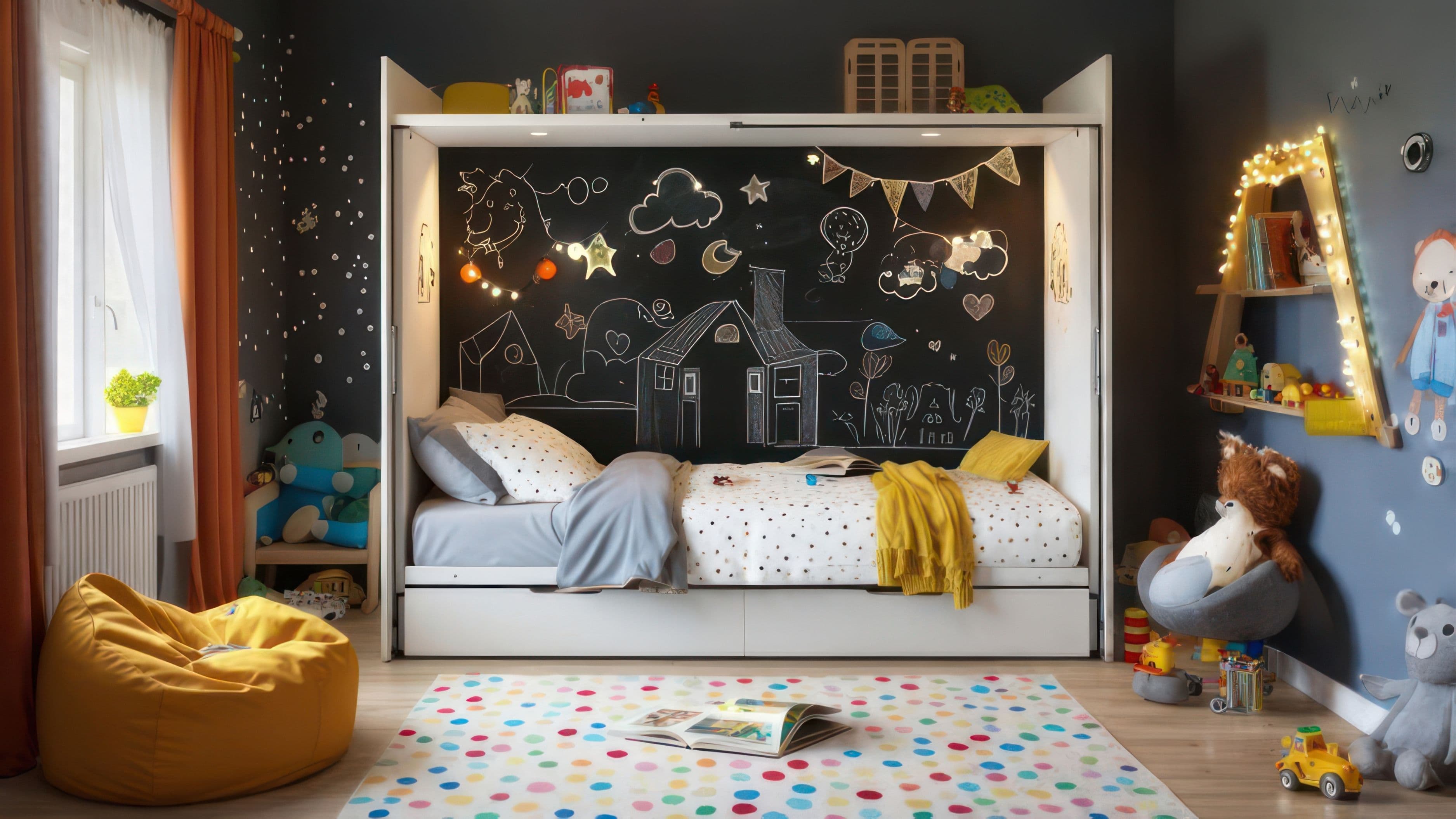
Murphy beds (wall beds) are the gold standard for true dual-function rooms. A queen-size murphy bed folds flat against the wall when not in use, recovering the full floor space of the room for daily use. Modern murphy bed systems are far more sophisticated than the old fold-down cot stereotype – many integrate a full desk or shelving unit that folds or pivots with the bed, so the desk is your work surface by day and the bed panel folds down over or beside it at night. Quality murphy bed systems from manufacturers like California Closets, Resource Furniture, or Murphy Bed Depot range from $1,500 to $5,000 installed depending on size and configuration. Budget for professional installation unless you're an experienced DIYer – anchoring a wall bed correctly into studs is critical for safety.
Daybed with a trundle is a more budget-friendly option that works well when the daily function is a sitting or reading room rather than an active workspace. A daybed reads as a sofa during the day with the right cushions and throw pillows, then opens as a full twin or converts to an accessible queen when the trundle pulls out. Cost is typically $400–$1,200 for a quality daybed frame, plus mattress. The trade-off is that you're giving up floor space permanently – a daybed occupies the footprint whether guests are there or not.
Sofa beds have improved significantly, and a quality option from brands like West Elm, Pottery Barn, or Room & Board offers a genuinely comfortable sleeping surface rather than the bar-in-your-back experience of older models. A well-chosen sofa bed works in rooms where a sitting room function is the priority. Budget $1,200–$3,500 for a quality sofa bed with a real mattress. The main limitation is that pulling it out and making it takes more effort than a murphy bed, and it requires significant floor clearance in front of the sofa.
Rollaway beds and inflatable mattresses are fine as backup solutions but shouldn't be your primary strategy for a truly convertible room. They signal "we didn't plan for you" rather than "we built this space with you in mind."
Step 3 – Plan Storage That Works for Both Uses
One of the biggest failures in convertible guest rooms is inadequate storage. The daily user needs accessible storage for their work or hobby supplies. The guest needs somewhere to hang clothes, store luggage, and feel like they have a place for their things. Planning for both upfront prevents the awkward arrangement where your desk chair has to be moved to the closet every time someone visits.
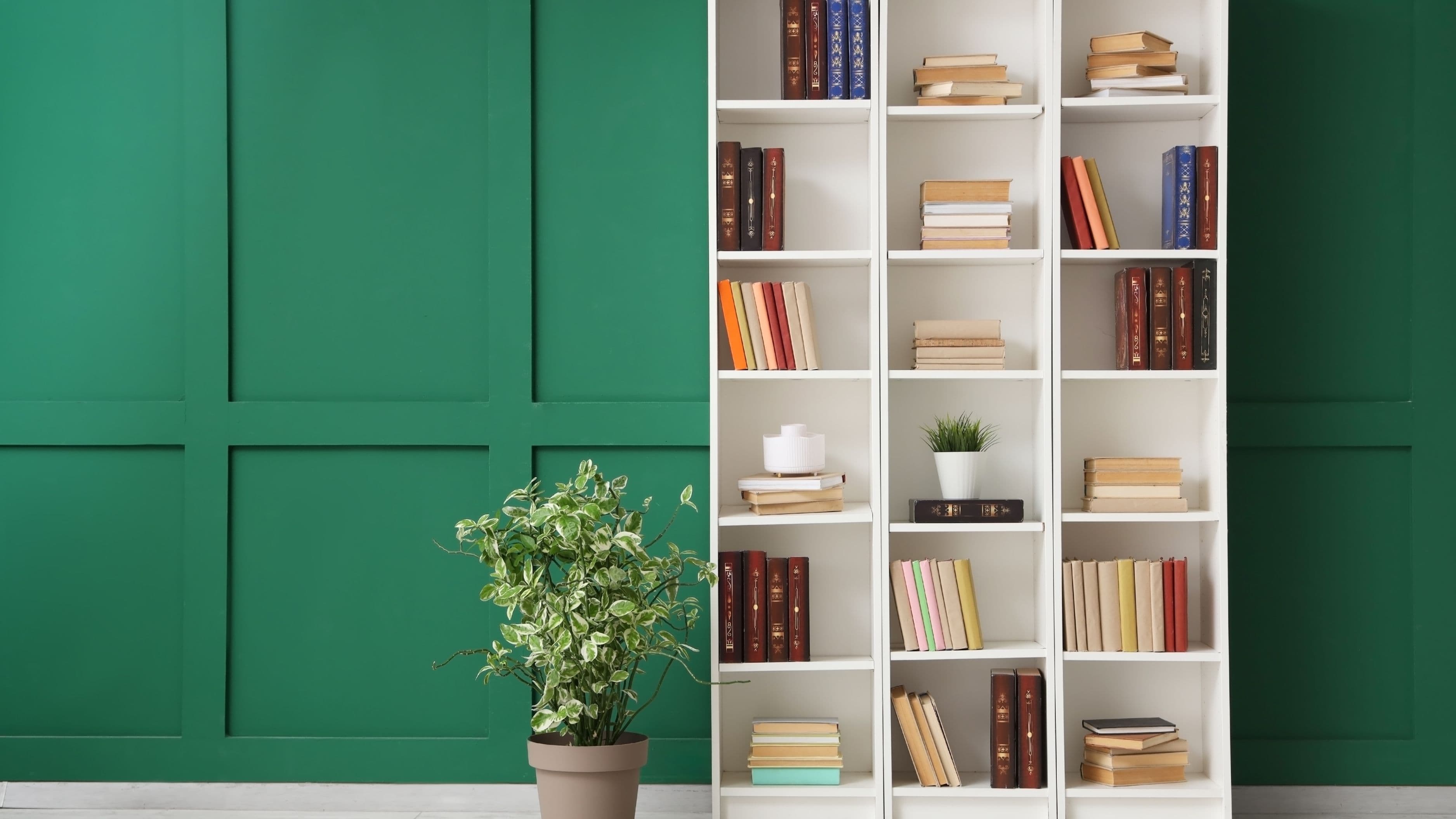
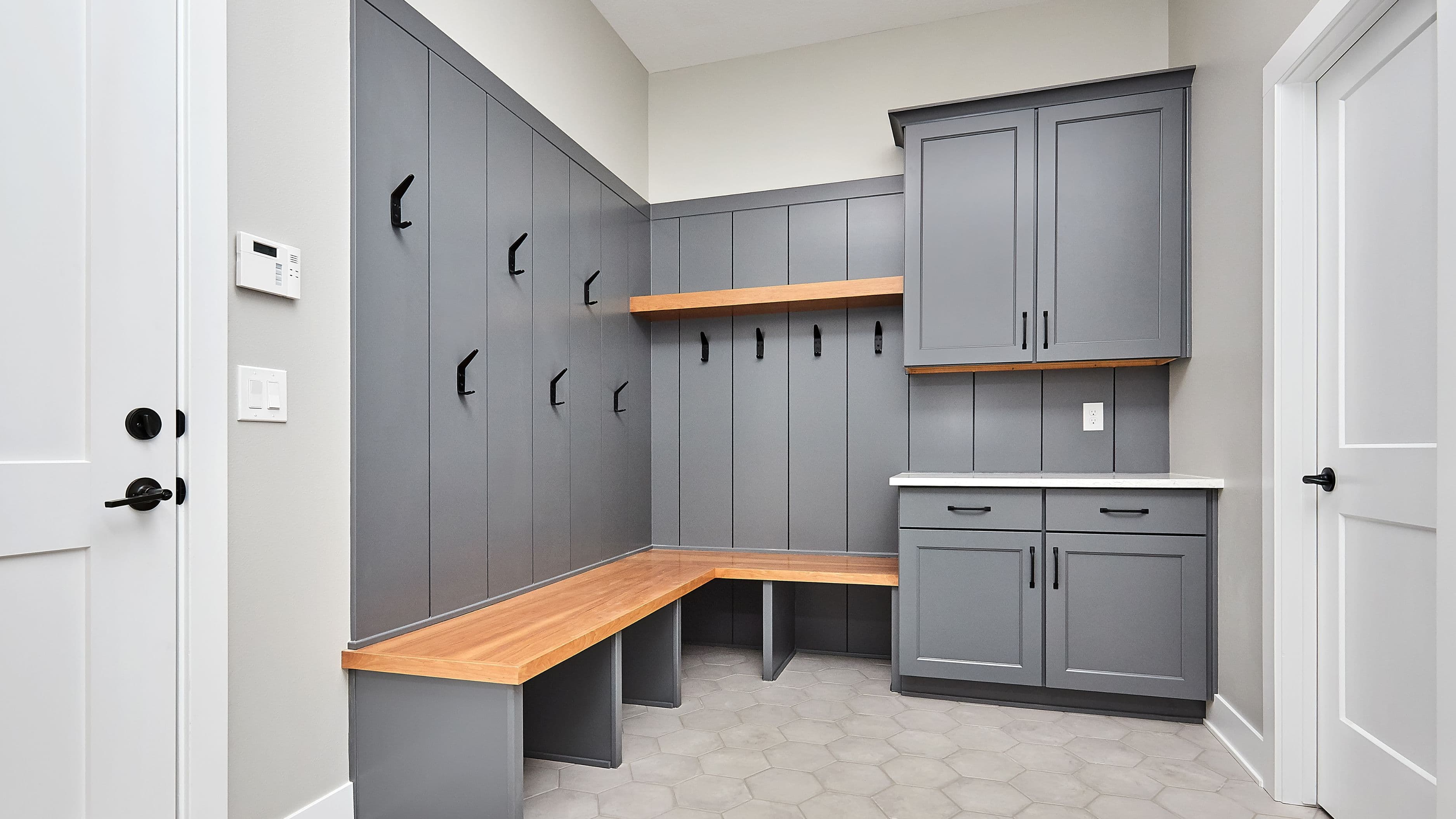
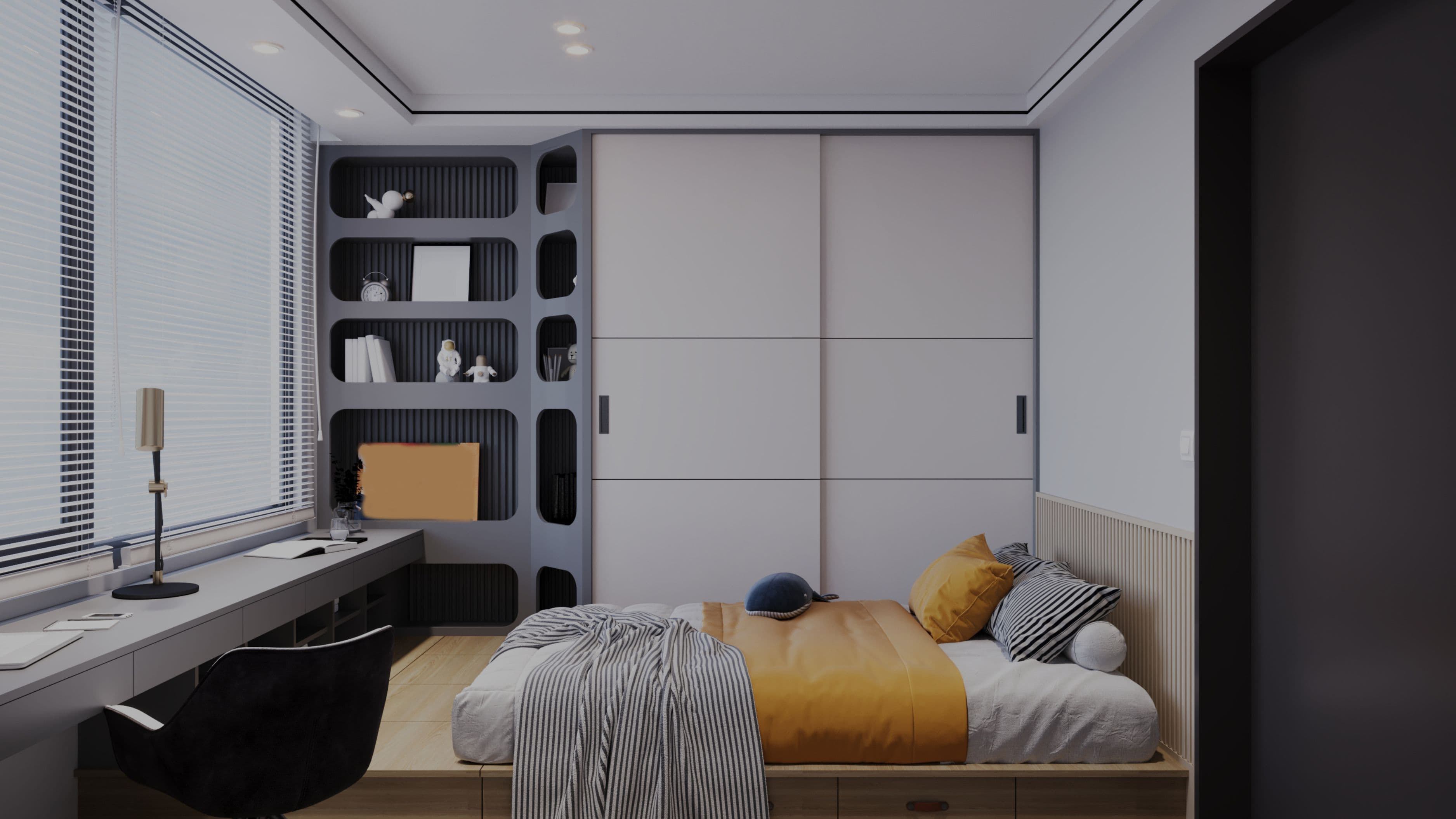
Built-in shelving along one wall is the highest-value investment in most convertible rooms. Open shelves can hold books, work supplies, or decorative items during daily use, and a few designated shelf sections can be cleared for guest belongings without disrupting the rest of the room. If the room is also a home office, a cabinet with doors on part of the shelving unit lets you hide work clutter quickly before guests arrive – you're not reorganizing the entire room, you're just closing a few doors.
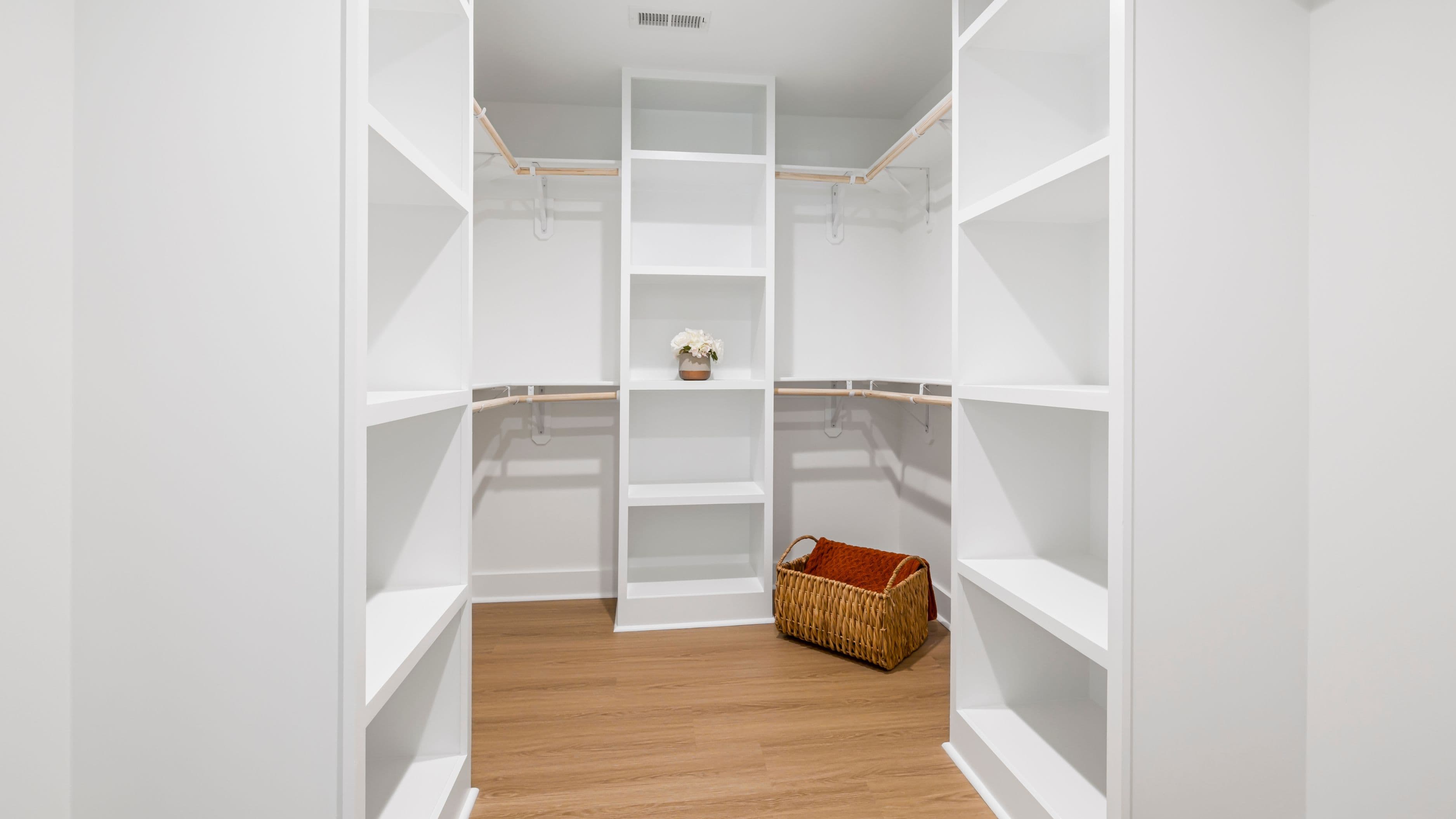
A small wardrobe or reach-in closet is important if guests will be staying more than a night or two. At minimum, provide a clothing rod with several hangers, a shelf, and a hook or two on the back of the door. If the room doesn't have a built-in closet, a freestanding wardrobe in a corner serves the same purpose without construction. Budget $200–$800 for a quality freestanding wardrobe.
For the daily user's supplies – work files, craft materials, exercise equipment – plan for storage that can be accessed during daily use but doesn't interfere with guest access. Rolling storage units, under-bed drawers, and ottomans with interior storage all serve this purpose well.
Step 4 – Address Lighting for Both Functions
A single overhead light in the center of the ceiling is the worst possible solution for a convertible room because it serves neither function particularly well. Home offices need task lighting over the desk. Guests need bedside reading light. Both functions benefit from ambient light that isn't harsh overhead fluorescent.
The practical solution is a layered lighting plan with independent controls. Install a dimmable overhead fixture for general ambient light – this serves both functions. Add a dedicated desk lamp or under-shelf task light for the work function. Add bedside wall sconces or clip-on reading lights that guests can use without turning on the whole room. If budget allows, smart bulbs or a simple smart switch lets you preset lighting scenes for "office mode" and "guest mode" rather than adjusting every lamp independently.
Cost for a reasonable lighting upgrade – new fixture, wall sconces, task light – typically runs $150–$500 in materials if you're comfortable with basic electrical work, or $400–$900 with an electrician.
Step 5 – Create Visual Separation and Privacy
A convertible guest room should feel like a complete room – not like an office someone added a bed to. A few design choices create this feeling and also solve the practical problem of giving guests privacy.
Window treatments are the most important detail. Blackout curtains or blackout roller shades serve multiple purposes: they give guests the option to sleep past sunrise, they reduce heat gain in summer and heat loss in winter (relevant for year-round comfort), and they signal that the room was designed for sleeping, not just repurposed for it. Budget $100–$350 for quality blackout window treatments.
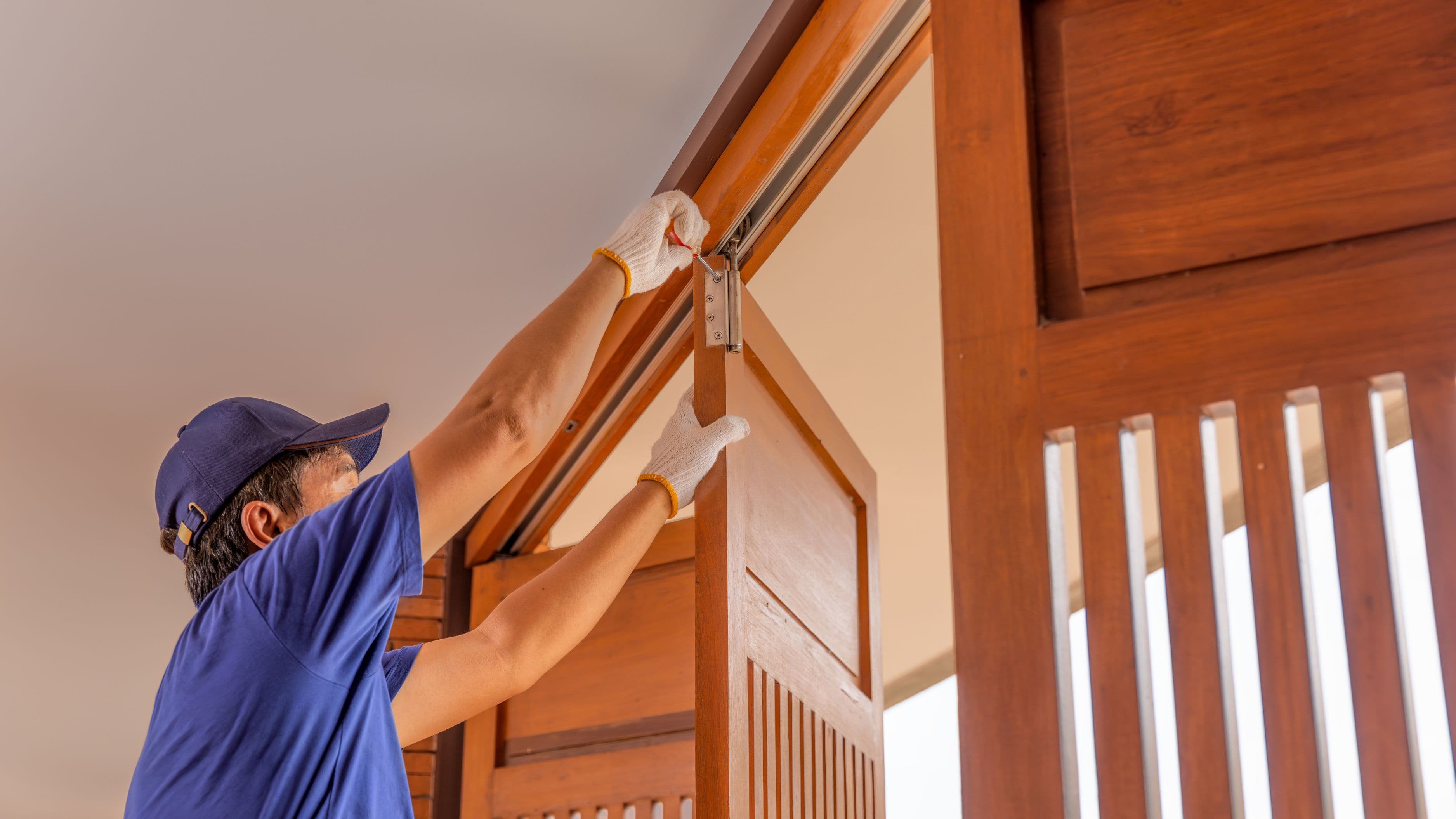
A door that closes and ideally locks gives guests privacy that a curtained-off corner of a living room cannot. If the room doesn't have a door, adding one is a worthwhile investment. Prehung interior door units typically cost $150–$400 in materials, with installation adding $150–$400 depending on complexity.
Small details matter here too: a bedside table or surface for a water glass and phone, accessible electrical outlets near where the bed will be, a mirror, and a hook or two on the back of the door. These aren't expensive additions, but they're the difference between a room that feels considered and one that feels cobbled together.
Estimated Costs at a Glance
The total investment for a thoughtfully converted dual-use guest room varies considerably depending on the bed solution and how much of the work you do yourself. A daybed or quality sofa bed approach – the more budget-friendly path – typically runs $2,000–$5,000 for the bed, storage, lighting, and finishing details. A murphy bed system with integrated desk or shelving, plus the same supporting upgrades, runs $4,000–$9,000. These ranges assume a mix of DIY and professional help for the electrical and installation components.
These costs are significantly lower than building a dedicated addition, and the payoff is a room that earns its square footage every day of the year rather than sitting dormant between holidays.
What to Avoid
The biggest mistake is choosing the least expensive sleeping solution without considering comfort. Guests sleep on an uncomfortable surface once and find reasons not to visit again. Invest in a quality mattress for whatever sleeping system you choose – this is not the place to cut costs.
Avoid cluttering the room with both functions' items at full scale simultaneously. The appeal of a convertible room is that each function gets the space it needs when it's the primary use. If the desk is always deployed and the guest supplies are always visible, neither function feels complete.
Don't overlook ventilation and temperature control. A room used year-round needs to be comfortable year-round, which means good airflow in summer and adequate heat in winter. If the room runs hot or cold relative to the rest of the house, address that with a ceiling fan, a mini-split, or improved insulation before furnishing it.
Finally, avoid making the transition between functions take more than about 15 minutes. If converting the room for a guest requires an hour of work, you'll start avoiding it, and the room will gradually become storage.
FAQ
What's the best room size for a convertible guest room?
A minimum of 10x10 feet gives you enough space for a twin murphy bed and a small desk or work area. For a queen-size sleeping surface and a functional home office or hobby space, 120–150 square feet (roughly 10x12 or 10x15) is much more comfortable. Smaller rooms tend to work better with a daybed or murphy twin; larger rooms can accommodate a full dual-function setup without compromise.
Can I add a murphy bed myself without professional installation?
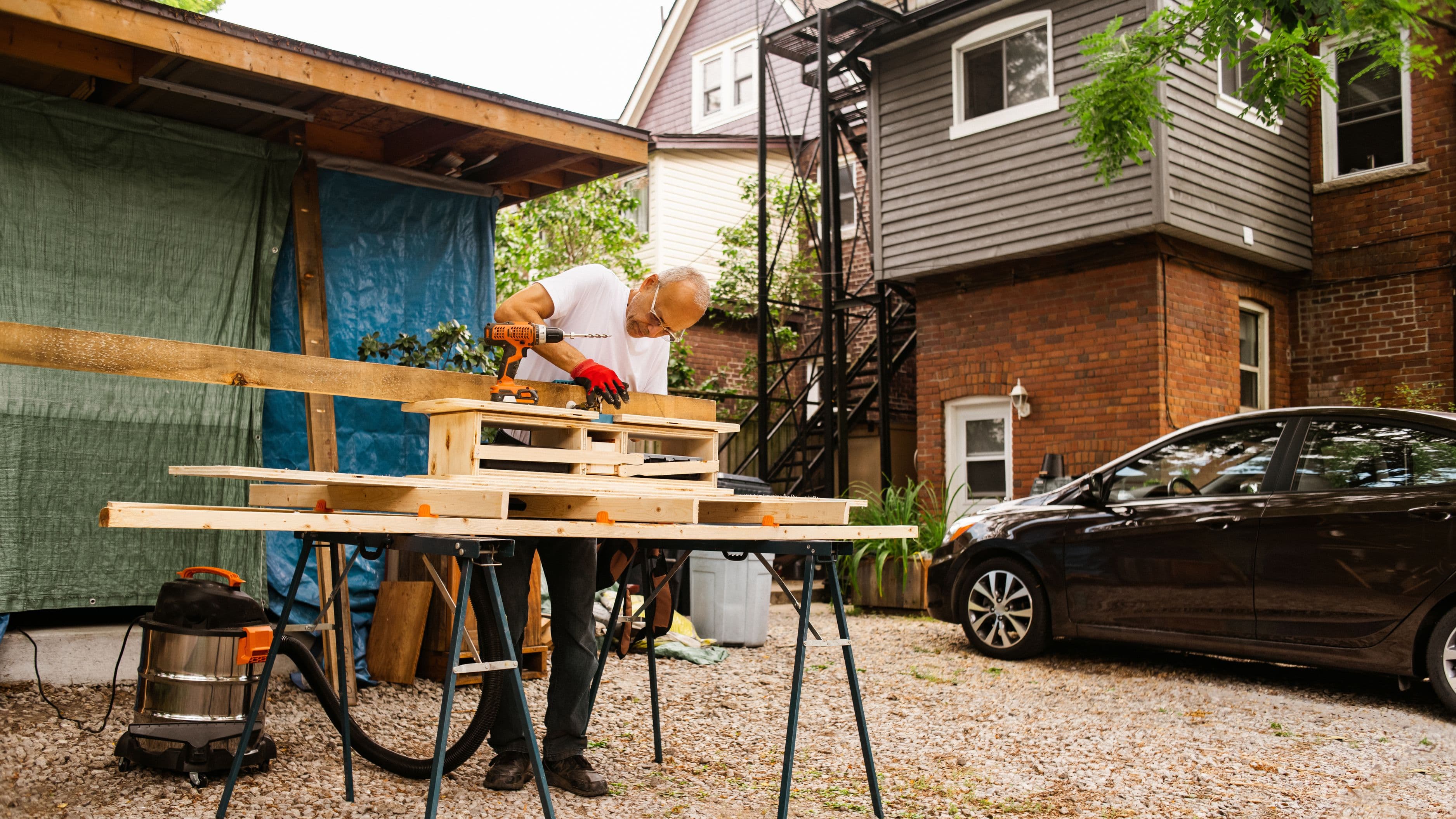
Many murphy bed kits are designed for DIY installation and come with detailed instructions. The critical requirement is correctly identifying and anchoring into wall studs – a murphy bed under load puts significant stress on the wall connection points, and anchoring into drywall alone is a safety hazard. If you're comfortable using a stud finder and installing into studs with the right hardware, DIY is feasible. If there's any uncertainty, professional installation is worth the cost.
How do I make a sofa bed comfortable enough for longer stays?
The key is a quality mattress – avoid any sofa bed with a mattress under 4 inches thick, as these tend to allow the metal frame to be felt through the sleeping surface. Several brands now offer sofa beds with 5–6 inch memory foam or innerspring mattresses that are genuinely comfortable. Adding a mattress topper (1–2 inches of memory foam) to an existing sofa bed can also significantly improve comfort at low cost.
Should the room match the style of the rest of the house?
It should be cohesive but doesn't have to be identical. A guest room that's clearly thoughtfully designed – with consistent quality furniture, coordinated colors, and real finishing details – feels welcoming regardless of whether it perfectly matches the adjacent hallway. More important than matching a specific style is avoiding a room that looks like it was assembled from pieces left over from other rooms.
How do I handle a convertible guest room that's also used by kids or for hobbies that require storage?
Built-in or freestanding cabinets with doors are the most practical solution – they contain hobby materials without requiring the room to be cleared before guests arrive. Plan at least one cabinet section per active daily user of the space, sized for the actual supplies involved. For kids' play areas specifically, a low cabinet with labeled bins for toys that can be quickly gathered and stored works well. The goal is a 15-minute transition time from daily use to guest-ready, not a complete reorganization.
📚 Sources
This Old House – Murphy beds and wall bed buying guide: https://www.thisoldhouse.com/bedrooms/21017018/murphy-beds
Architectural Digest – How to design a dual-purpose guest room: https://www.architecturaldigest.com/story/multifunctional-room-design-guide
Energy Star – Window treatment and insulation for year-round comfort: https://www.energystar.gov/saveathome/seal_insulate/methodology/windows
Fine Homebuilding – Interior door installation guide: https://www.finehomebuilding.com/2020/02/04/interior-door-installation
National Kitchen and Bath Association – Space planning guidelines for multipurpose rooms: https://nkba.org/research-and-resources/