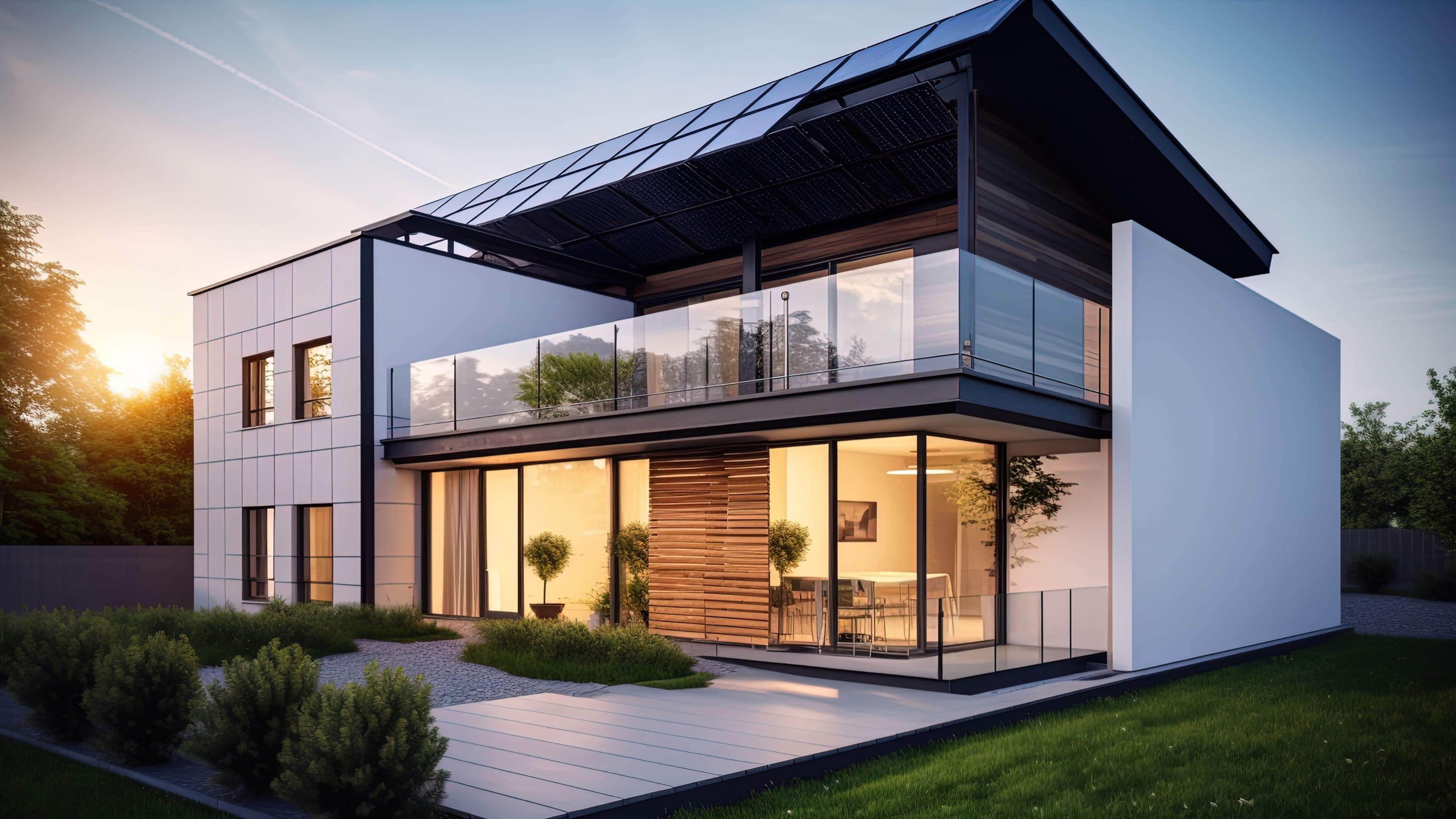

The truth is, cool roof technology works differently than most people think, and dismissing it based on climate alone could mean missing out on year-round energy savings, improved comfort, and even some unexpected side income opportunities. Let's bust some myths and uncover what actually happens when you install a cool roof in places like Minnesota, Vermont, or upstate New York.
Myth : Cool Roofs Are Only for Hot Climates → Truth : They Deliver Year-Round Benefits
Here's where most people get it wrong — they think cool roofs are just about staying cool in summer. In reality, modern cool roofing systems provide thermal benefits throughout all four seasons. During winter months, quality cool roof materials often include enhanced insulation properties that actually help retain heat more effectively than traditional dark roofing materials.
The reflective surface doesn't just bounce away summer heat; it also creates a more stable thermal envelope for your home. This means your heating system doesn't have to work as hard to maintain consistent indoor temperatures, even when it's freezing outside. Think of it as creating a more predictable, manageable climate control system that your HVAC equipment can handle efficiently.
Plus, many cool roof installations come with improved ventilation systems that prevent ice dam formation — a costly problem that plagues northern homeowners every winter. By maintaining more consistent attic temperatures, you're actually protecting your home's structure while reducing energy costs.
Myth : You'll Freeze Without Heat Absorption → Truth : Strategic Thermal Management Works Better
The old thinking goes like this: dark roofs absorb solar heat during winter days, helping warm your home naturally. Sounds logical, right? But this approach creates wild temperature swings that actually make your heating system work harder, not easier.
Cool roofs with proper insulation create steady, predictable thermal conditions instead of these dramatic fluctuations. Your heating system operates more efficiently when it's maintaining consistent temperatures rather than constantly adjusting to the random heat gains from solar absorption. It's like the difference between maintaining a steady pace while jogging versus constantly sprinting and walking — one approach exhausts your system, the other optimizes performance.
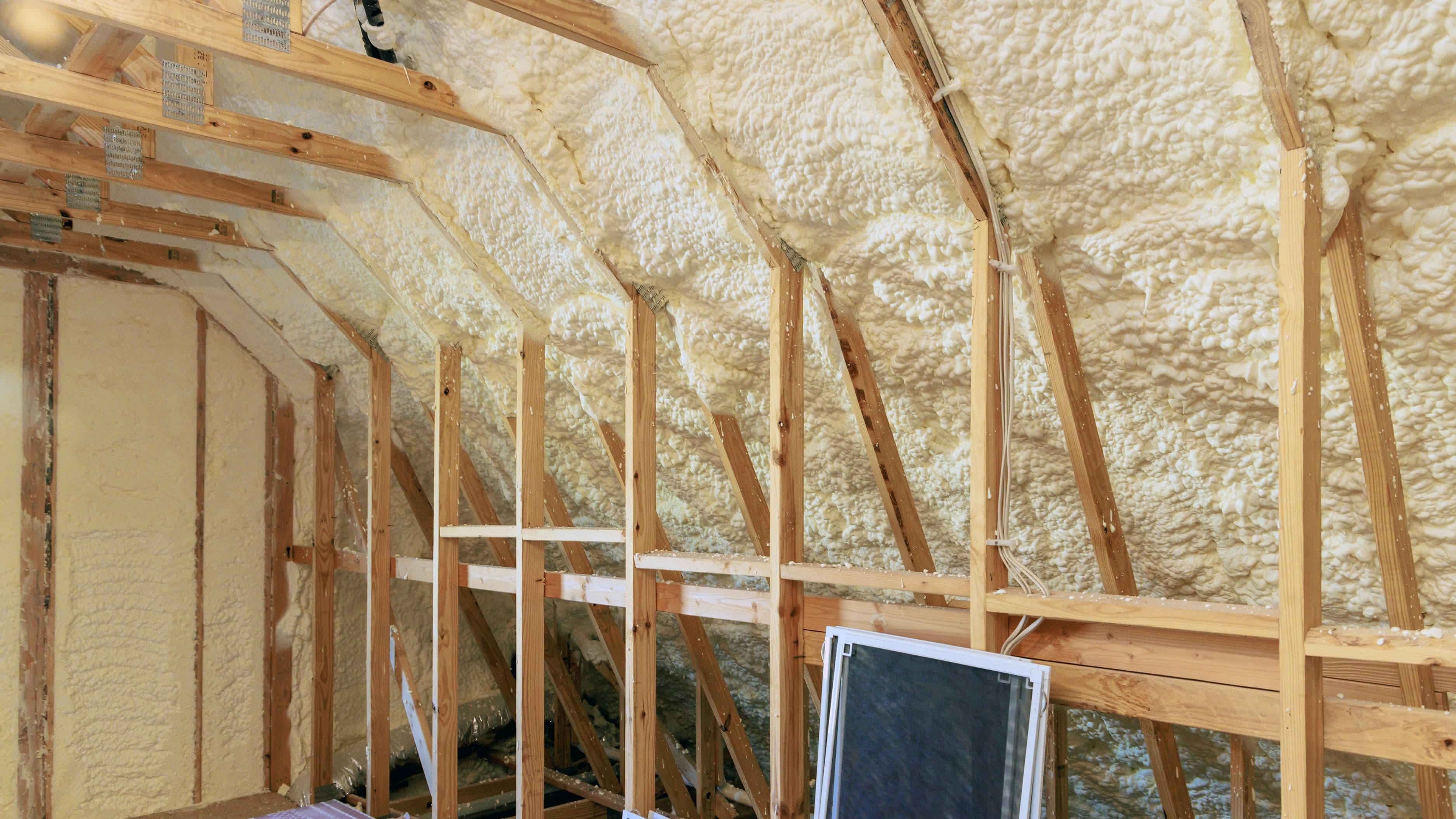
Modern cool roof systems often incorporate radiant barriers and enhanced insulation that trap interior heat more effectively than relying on unpredictable solar gains. You get better comfort control and lower energy bills because your home's thermal performance becomes more sophisticated and intentional.
Myth : Installation Costs Aren't Worth It Up North → Truth : Multiple Revenue Streams Make It Profitable
Here's where things get interesting for anyone looking to boost their income. Cool roof installations in northern climates often qualify for federal tax credits, state rebates, and utility company incentives that can cover 30-50% of installation costs. Many homeowners don't realize these programs exist specifically because utilities want to reduce peak energy demand during both summer and winter months.
Beyond the upfront incentives, cool roofs typically last 20-50% longer than traditional roofing materials because they experience less thermal stress from constant expansion and contraction. This means fewer replacement costs over time and better property value retention. Some homeowners even generate income by participating in utility demand response programs, where they receive payments for maintaining more efficient energy usage patterns.
If you're handy with home improvement projects, learning about cool roof installation can become a legitimate side business. The demand for energy-efficient roofing solutions is growing rapidly, and most contractors in northern areas haven't caught up to the trend yet. Getting ahead of this curve could position you perfectly in an emerging market.
Myth : Snow Negates Any Cooling Benefits → Truth : Snow Actually Enhances Performance
This might blow your mind: snow on a cool roof actually improves the system's performance rather than hindering it. When snow accumulates on a reflective surface, it creates an additional insulation layer while the underlying roof material maintains its thermal efficiency properties. The result is enhanced insulation during the coldest months when you need it most.
Traditional dark roofs create uneven snow melt patterns that lead to ice dams, water damage, and structural stress. Cool roofs maintain more consistent surface temperatures under snow cover, promoting even melting and proper drainage when spring arrives. This prevents the costly water damage that northern homeowners dread every year.
The snow also helps protect the cool roof material from UV degradation during winter months, extending the roof's lifespan even further. It's like getting a free protective coating for several months each year that actually improves your home's thermal performance.
Myth : Energy Savings Are Minimal in Cold Weather → Truth : Winter Efficiency Gains Are Substantial
Energy monitoring data from northern installations reveals something surprising: while summer cooling savings are obvious, winter heating efficiency improvements often exceed expectations. Cool roofs with integrated insulation systems can reduce heating costs by 15-25% compared to standard roofing installations, according to studies from the Cool Roof Rating Council.
The key is understanding that energy efficiency isn't just about raw heat absorption or reflection — it's about creating stable, manageable thermal conditions that allow your equipment to operate in its optimal range. When your heating system doesn't have to compensate for wild temperature fluctuations caused by solar heating and nighttime cooling, it uses significantly less energy overall.
Many homeowners report that their homes feel more comfortable throughout winter months after cool roof installation, with fewer drafts and more consistent room temperatures. This improved comfort often means you can actually lower your thermostat settings while feeling warmer, creating even more energy savings.
Myth : Technology Hasn't Adapted to Northern Needs → Truth : Climate-Specific Solutions Are Here
The cool roof industry has evolved dramatically in recent years, developing products specifically designed for mixed climates and northern conditions. These aren't the same reflective coatings designed for desert environments — they're sophisticated systems that balance reflectivity with thermal retention based on seasonal needs.
Some cutting-edge cool roof materials now include phase-change components that store and release thermal energy as conditions change throughout the day and season. Others incorporate smart coatings that adjust their reflective properties based on ambient temperature, maximizing benefits year-round rather than optimizing for just summer cooling.
The installation techniques have also evolved to address northern concerns like freeze-thaw cycles, snow loading, and moisture management. Professional installers now use application methods and material combinations that account for the unique stresses northern roofs face throughout the year.
Let go of outdated assumptions about cool roofs being a southern-only solution — and start exploring the energy savings, comfort improvements, and income opportunities waiting right above your head. Whether you're looking to reduce your own energy bills or tap into a growing market opportunity, cool roof technology offers northern homeowners benefits that extend far beyond what most people realize.
The climate-adapted solutions available today make this technology more practical and profitable than ever before, even when snow is falling outside your window.
📚 Sources
1. Cool Roof Rating Council. (2023). Annual Performance Data for Mixed Climate Installations.
2. Lawrence Berkeley National Laboratory. (2024). Regional Energy Efficiency Analysis for Reflective Roofing Systems.
3. U.S. Department of Energy. (2023). Federal Tax Credits for Energy Efficiency Improvements.