Comparison Overview
The question isn't whether cork can technically handle foot traffic – it's whether it holds up as well as the alternatives you're likely comparing it against, typically hardwood, laminate, and luxury vinyl plank, in the specific rooms where wear and moisture exposure are highest.
Breakdown Per Option
Cork Flooring in High-Traffic Areas
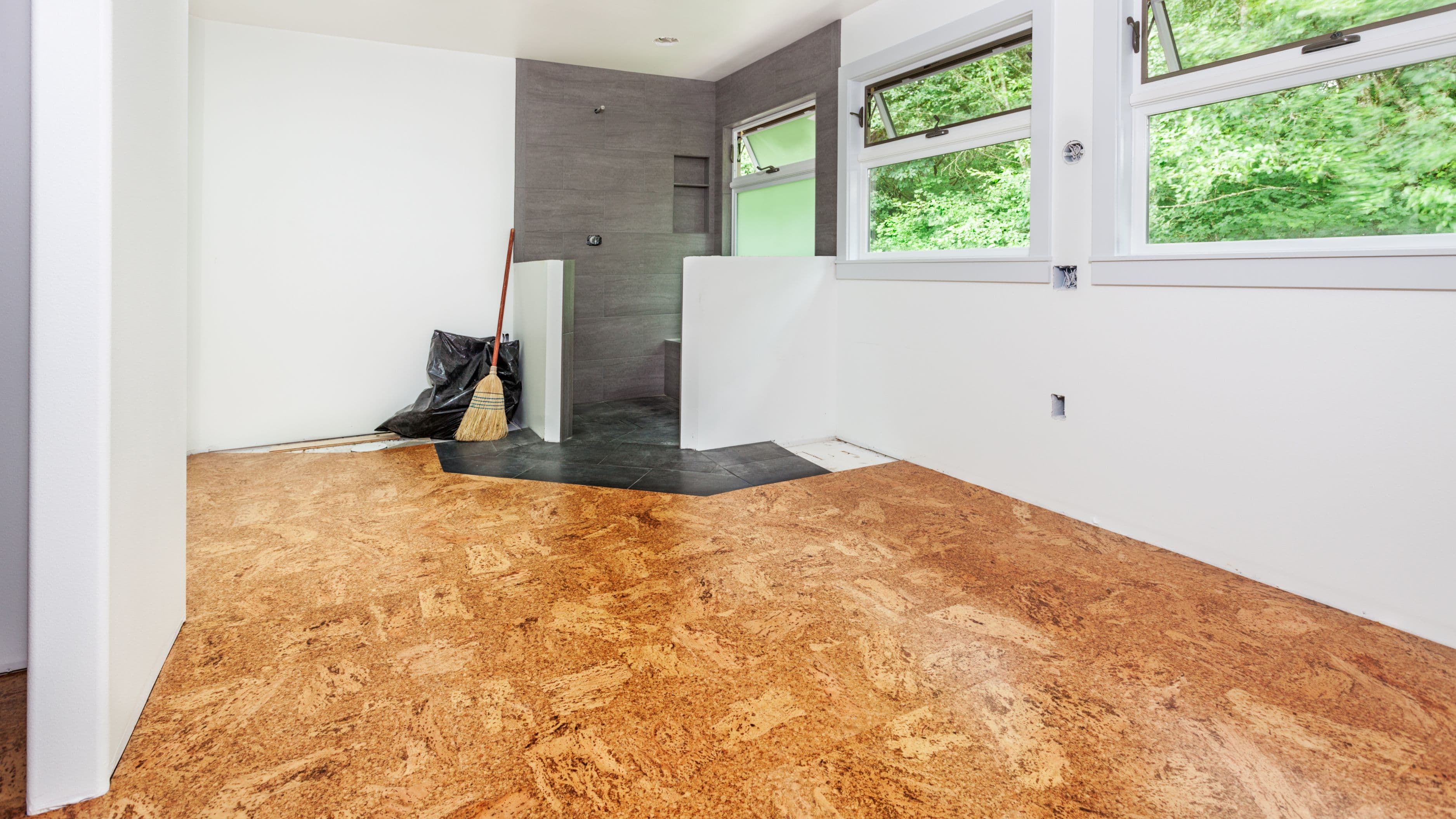
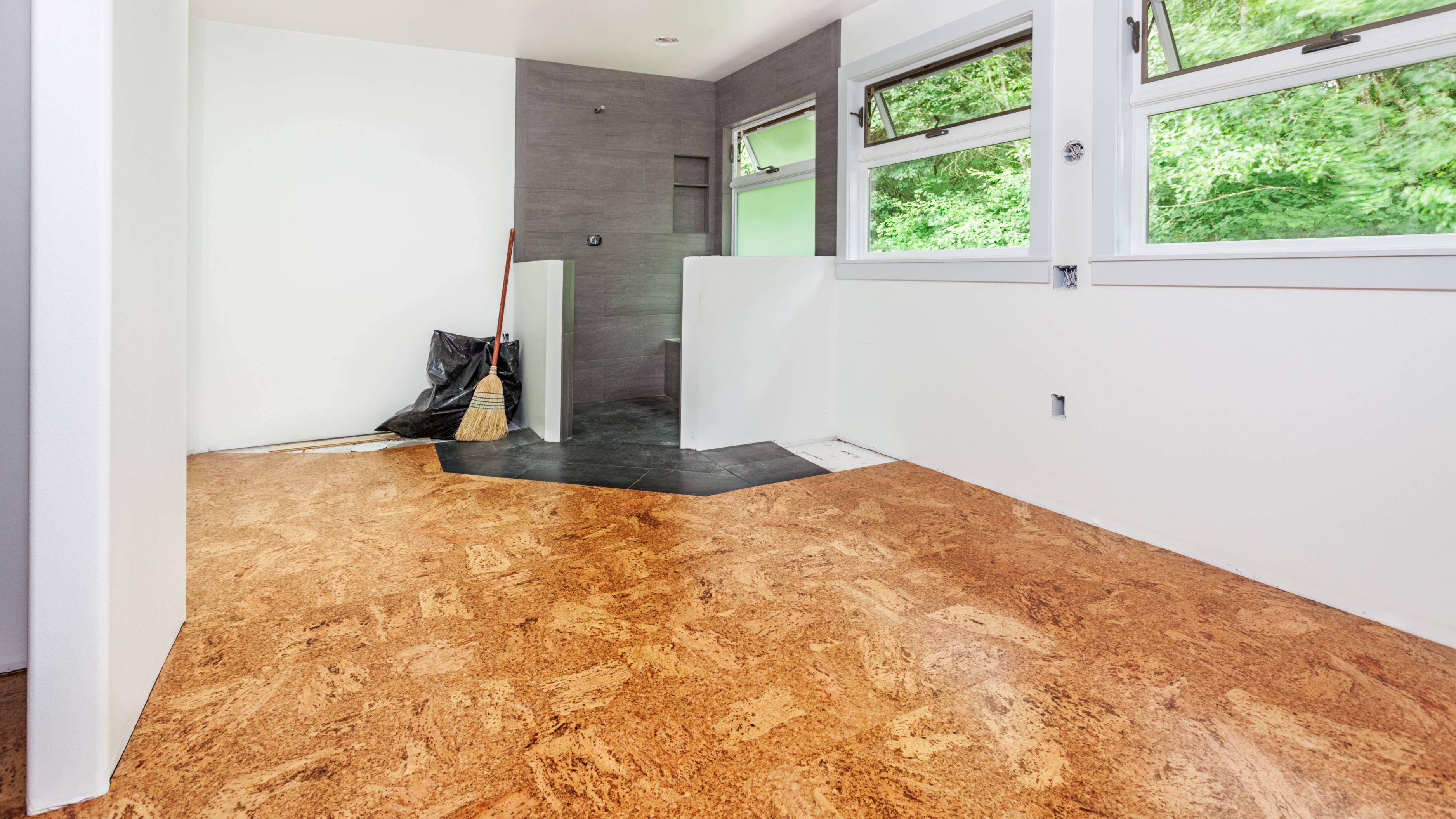
Cork's natural cellular structure gives it a genuine durability advantage most people don't expect: it's naturally resistant to compression and tends to bounce back from dents better than solid hardwood, since the material itself has more give. Quality cork flooring with a durable finish, properly maintained, can hold up well in living rooms, hallways, and home offices, areas with consistent but not extreme traffic.
Where cork gets more questionable is in rooms with heavy furniture that isn't moved often, since long-term, concentrated weight can cause more permanent indentation than the material's general resilience to foot traffic would suggest. Kitchens are workable with cork, particularly with a quality sealant, but consistent water exposure near sinks and dishwashers requires more diligent maintenance than a room that stays dry.
Pros: Naturally resilient to daily foot traffic, comfortable underfoot, good sound absorption, renewable material
Cons: Vulnerable to concentrated point pressure from heavy furniture, requires periodic resealing, less resistant to standing water than vinyl
Cost: Medium – typically $3-$8 per square foot for materials, plus installation
Best use case: Living rooms, bedrooms, home offices, and hallways with moderate, consistent traffic
Hardwood in Comparison
Hardwood offers a harder, more traditional surface that resists dents from foot traffic reasonably well but can show scratches from pets or moved furniture more visibly than cork's more forgiving surface. It also requires similar periodic refinishing over its lifespan and, unlike cork, doesn't offer the same natural cushioning underfoot.
Pros: Long lifespan, refinishable multiple times, timeless resale appeal
Cons: Higher cost, more susceptible to visible scratching, less comfortable underfoot than cork
Cost: High – typically $6-$12+ per square foot for materials plus installation
Best use case: Living and dining rooms where a traditional, refinishable surface is a priority
Laminate in Comparison
Laminate offers strong scratch resistance at a lower price point than hardwood, making it a reasonable option for busy households, but it lacks cork's natural give and can feel harder and less forgiving underfoot over long periods of standing or walking.
Pros: Budget-friendly, scratch-resistant, easy installation
Cons: Can't be refinished once damaged, less comfortable underfoot, moisture can cause swelling at seams over time
Cost: Low to medium – typically $2-$5 per square foot
Best use case: Budget-conscious renovations in moderate-traffic rooms
Luxury Vinyl Plank in Comparison
Luxury vinyl plank has become a popular high-traffic choice specifically because of its strong water resistance and scratch resistance, generally outperforming cork in rooms with heavy moisture exposure like bathrooms and mudrooms. It doesn't offer cork's natural comfort or sound-dampening qualities, and some homeowners find it feels noticeably less premium underfoot despite strong practical performance.
Pros: Excellent water resistance, scratch and dent resistant, low maintenance
Cons: Less natural underfoot comfort than cork, environmental concerns around some vinyl manufacturing
Cost: Medium – typically $3-$7 per square foot
Best use case: Bathrooms, mudrooms, and kitchens with high moisture exposure
Recommendation
For genuinely high-traffic areas that stay relatively dry – living rooms, hallways, home offices – cork holds up well and offers real comfort and sound-dampening advantages the alternatives don't match. For rooms with heavy moisture exposure or where heavy furniture will sit in one place long-term, luxury vinyl plank or hardwood tend to be the more practical choice over cork specifically due to those two vulnerability points.
What to Avoid
Don't install cork without a quality protective finish and skip periodic resealing – unsealed or poorly maintained cork wears faster and becomes more vulnerable to moisture damage than properly maintained cork ever would. It's also worth avoiding cork in rooms where heavy furniture will remain stationary for years without ever being moved, since that's the scenario where its point-pressure vulnerability actually becomes a visible problem.
FAQ
How long does cork flooring typically last? With proper maintenance and periodic resealing, quality cork flooring can last 25-40 years, comparable to hardwood, though this depends heavily on traffic level and maintenance consistency.
Does cork flooring scratch easily from pets? Cork resists general foot traffic well, but pet claws, particularly from larger dogs, can cause more visible surface marking than a harder material like laminate or vinyl. A quality finish helps but doesn't eliminate this risk entirely.
Can cork flooring be installed in a kitchen? Yes, with a quality sealant and reasonable care around sinks and dishwashers, though areas with frequent standing water are better suited to a more water-resistant material like luxury vinyl plank.
📚 Sources
U.S. Green Building Council – sustainable flooring material guidance – https://www.usgbc.org/
Forest Stewardship Council – cork as a renewable flooring material – https://www.fsc.org/
National Wood Flooring Association – flooring durability and maintenance standards – https://www.nwfa.org/
🔍 Explore Related Topics