


The real cost isn't always what you pay upfront. It's what you lose by waiting — the energy bleeding through unsealed windows, the water damage creeping behind walls, the HVAC system working overtime because of a clogged filter. Smart homeowners know that the most valuable repairs aren't always the flashiest ones. They're the targeted fixes that transform your home into a more efficient, protected, and valuable asset while padding your wallet month after month.
Myth: Weatherstripping Is Just Cosmetic → Truth: It's Your Energy Budget's Best Friend
That drafty window you've been ignoring isn't just uncomfortable — it's inflating your energy bills by up to 30% every single month. Weatherstripping doors and windows costs less than a nice dinner out, yet it delivers returns that compound year after year. According to the U.S. Department of Energy, air leaks account for 25-40% of heating and cooling energy waste in typical homes, which translates to hundreds of dollars vanishing through gaps you could seal in an afternoon.
The beauty of weatherstripping lies in its immediate impact. Within weeks of installation, you'll notice rooms holding temperature better, fewer cold spots near windows, and that telltale whistle of escaping air finally silenced. For less than $50 in materials and a few hours of your time, you're looking at potential savings of $200-400 annually. That's a payback period measured in weeks, not years, and the investment keeps working for you season after season.
The application process feels almost therapeutic — running your hand along doorframes to feel for escaping air, measuring precisely, then watching gaps disappear as fresh weatherstripping clicks into place. Choose self-adhesive foam tape for stationary gaps, V-strip for sides of double-hung windows, and door sweeps for that persistent space beneath exterior doors where winter cold creeps in.
Myth: Low-Flow Fixtures Are Inconvenient → Truth: They're Silent Money Printers
Modern low-flow showerheads and faucet aerators have shed their reputation for weak, unsatisfying water pressure. Today's WaterSense-labeled fixtures deliver the full, luxurious feel of traditional fixtures while using up to 60% less water. A family of four can save approximately 2,900 gallons per year just by installing low-flow showerheads, which translates to about $70 annually in reduced water and heating costs.
Installation takes 15 minutes and requires nothing more than an adjustable wrench and perhaps some plumber's tape. Unscrew the old fixture, wrap the threads, screw on the new one, and suddenly you're banking savings every time someone showers. These fixtures typically cost between $10-40 each, meaning the investment pays for itself within the first six months. Beyond that point, it's pure profit flowing straight into your savings account.
The environmental impact sweetens the deal even further. You're not just saving money; you're conserving thousands of gallons of water that would otherwise be heated, used, and sent down the drain. Every shower becomes a small victory for both your budget and the planet, without sacrificing comfort or convenience.
Myth: Insulation Projects Are Massive Undertakings → Truth: Targeted Insulation Delivers Outsized Returns
You don't need to gut your walls to make meaningful insulation improvements. Attic insulation — the single most cost-effective energy upgrade for most homes — can be added by any homeowner comfortable spending a Saturday in their crawlspace. The EPA estimates that proper attic insulation can save homeowners an average of 15% on heating and cooling costs, with some homes seeing reductions of up to 20%.
Blown-in insulation costs roughly $1-2 per square foot when done professionally, but DIY installation with rented equipment drops that to about $0.50 per square foot. For a typical 1,200 square foot attic, you're looking at a $600 investment that returns $200-300 annually in energy savings. The math becomes undeniable: full payback in two to three years, followed by decades of continued savings.
The transformation extends beyond utility bills. Properly insulated attics create more consistent temperatures throughout your home, reduce the workload on your HVAC system (extending its lifespan), and even dampen outdoor noise. You'll feel the difference immediately — bedrooms stay cooler in summer, heating spreads more evenly in winter, and your home develops that quiet, settled quality of superior construction.
Myth: Smart Thermostats Are Tech Gimmicks → Truth: They're Investment-Grade Controllers
Smart thermostats learn your schedule, adjust automatically for maximum efficiency, and provide detailed energy reports that reveal exactly where your money goes. The average smart thermostat costs $120-250, yet delivers $131-145 in annual savings according to multiple independent studies. That's a payback period of under two years, followed by a decade or more of continued returns.
Installation typically takes 30-60 minutes for anyone comfortable with basic electrical work (turn off the breaker first). The thermostat walks you through setup, learns your preferences within a week, and begins optimizing immediately. You'll receive detailed reports showing exactly how much energy you're using and when, revealing patterns you never noticed before — like that forgotten space heater in the guest room running 24/7, or the AC kicking on hours before anyone wakes up.
The convenience factor multiplies the value. Forgot to adjust the temperature before leaving for vacation? Handle it from your phone. Want the house warm when you arrive home from work? Set it remotely. The system even alerts you to potential HVAC problems before they become expensive repairs, potentially saving you thousands in emergency service calls.
Myth: Caulking Is Only About Aesthetics → Truth: It's Preventative Medicine for Your Home
That crack around your bathtub isn't just unsightly — it's an invitation for water damage that could cost thousands to repair. Fresh caulking around tubs, showers, sinks, and windows creates waterproof barriers that protect the structural elements behind your walls. A $5 tube of caulk and 30 minutes of careful application can prevent rot, mold growth, and structural damage that would require tearing out entire sections of bathroom or kitchen.
The National Association of Home Builders reports that water intrusion is one of the most common and expensive problems in homes, often starting with failed caulking that homeowners ignore for months or years. By the time you notice water stains or soft spots, damage has spread far beyond the original leak point. Regular caulking maintenance — checking and refreshing every 1-2 years — stops problems before they start.
Beyond protection, fresh caulking delivers an immediate visual upgrade that makes bathrooms and kitchens feel newer and better maintained. The crisp, clean lines of properly applied caulk create that "just renovated" appearance for pennies on the dollar. Pair white caulk with a thorough cleaning, and suddenly your bathroom looks like you invested hundreds in updates.
Myth: Filter Changes Are Overrated Maintenance → Truth: They're Your HVAC System's Life Support
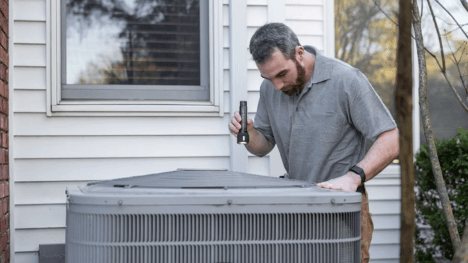
HVAC technicians report that clogged filters are the single most common cause of system inefficiency and premature failure. A $15 filter changed every three months protects a $5,000-10,000 heating and cooling system while improving its efficiency by up to 15%. The cost difference of running a system with a clogged filter versus a clean one? Approximately $15-25 monthly on your energy bill.
The replacement process takes less than five minutes and requires zero tools. Locate your filter (usually near the air handler or behind a return vent), note the size printed on the old filter's edge, slide out the dirty one, and slide in the fresh replacement with arrows pointing toward the blower. Set a phone reminder for 90 days out, and you've established a maintenance rhythm that can add 3-5 years to your HVAC system's lifespan.
Clean filters improve indoor air quality dramatically, removing dust, pollen, and other airborne particles that aggravate allergies and respiratory conditions. You'll notice the air feeling fresher, dust accumulating more slowly on surfaces, and that musty smell associated with dirty ductwork gradually disappearing. For families with allergies or asthma, this simple maintenance task delivers health benefits that far exceed the minimal time and cost investment.
Myth: Water Heater Maintenance Is Professional Territory → Truth: Simple DIY Care Extends Lifespan by Years
Flushing sediment from your water heater tank once yearly costs nothing but an hour of time, yet it can extend the unit's lifespan by 2-5 years while improving efficiency by 10-20%. Sediment buildup forces heaters to work harder, wastes energy, and eventually causes tank failure. The average water heater costs $800-1,500 to replace, meaning annual maintenance that prevents premature failure delivers enormous returns.
The process feels surprisingly satisfying. Attach a garden hose to the drain valve at the tank's base, run the hose to a floor drain or outside, turn off the power (circuit breaker for electric, gas valve for gas units), and open the valve. Watch murky, sediment-filled water pour out until it runs clear, then close the valve, restore power, and let the tank refill. You've just added months or years to your water heater's life and improved its efficiency in the process.
Beyond flushing, checking the temperature setting (120°F is optimal for efficiency and safety) and testing the pressure relief valve takes minutes and prevents the two other most common water heater problems. These simple checks catch issues early when fixes cost pennies, not hundreds of dollars in emergency plumber visits.
Myth: LED Conversion Is Expensive → Truth: The Math Is Undeniable
LED bulbs cost more upfront than traditional incandescents, but the lifetime savings dwarf the initial investment. A quality LED uses 75% less energy, lasts 25 times longer, and saves approximately $55-80 over its lifetime compared to incandescent bulbs. Replacing just ten frequently used bulbs in your home can save $50-100 annually on electricity bills while eliminating the hassle of constant bulb replacements.
The conversion happens room by room as old bulbs burn out, spreading the cost over months while savings begin immediately. LED quality has improved dramatically — you'll find options matching any ambiance from warm candlelight glow to bright daylight clarity. The instant-on capability, zero warm-up time, and cool operation temperature make them superior to older CFL bulbs in every measurable way.
Calculate your potential savings using actual numbers: if you have 40 light bulbs in your home (typical for an average house) and replace them all with LEDs, you're looking at roughly $200 annually in reduced electricity costs. The upfront investment of $60-100 for quality LED bulbs pays back in six months, then delivers pure savings for the next decade or more.
Myth: Gutter Cleaning Is Optional → Truth: It's Disaster Prevention
Clogged gutters don't just overflow — they direct water into your foundation, cause basement flooding, damage fascia boards, and create ice dams that tear shingles from your roof. The cost of repairing foundation damage starts at $5,000 and climbs rapidly. Basement waterproofing runs $3,000-10,000. Professional gutter cleaning costs $150-300 annually, but DIY cleaning requires only a ladder, gloves, and a bucket.
Spring and fall cleaning sessions take 1-2 hours and provide immediate, visible results. Scoop debris from gutters, flush downspouts with a hose to ensure clear flow, and check that water directs away from the foundation. You're protecting your home's structural integrity, preventing mold growth in walls, and avoiding the headache of dealing with water damage insurance claims.
The peace of mind during heavy rainstorms becomes priceless. When neighbors frantically mop basement floods, you'll watch rain flowing smoothly through your cleaned gutters and away from the house. That confidence comes from a simple maintenance task that most homeowners neglect until disaster strikes.
Myth: Programmable Power Strips Are Unnecessary → Truth: They Eliminate Phantom Energy Drain
Phantom loads — electricity consumed by devices in standby mode — account for 5-10% of residential energy use, costing the average household $100 annually. Smart power strips cut power to devices not in use, eliminating this waste without requiring you to remember to unplug anything. These strips cost $20-40 and pay for themselves within six months while saving $100+ annually thereafter.
The setup strategy matters: connect entertainment centers (TVs, game consoles, sound systems) to one strip, office equipment (computer, monitors, printers) to another, and kitchen appliances to a third. The master device (TV or computer) controls power to peripheral devices, so turning off your TV automatically cuts power to your cable box, streaming device, and sound system. No more remote standby lights glowing orange all night, drawing power for zero benefit.
Smart strips also protect expensive electronics from power surges while organizing cable management. The reduction in clutter alone makes the investment worthwhile, but the consistent monthly savings transform it from a nice-to-have into an essential component of any cost-conscious home.
Let go of the belief that cost-effective home improvements require professional contractors and massive budgets. The repairs that deliver the highest returns are often the simplest ones — strategic fixes you can complete in a single afternoon with basic tools and minimal investment. These aren't temporary patches; they're permanent improvements that reduce expenses, protect your home's value, and deliver returns month after month, year after year. Start making moves that actually work by choosing one project from this list, completing it this weekend, and watching the savings accumulate while your home becomes more efficient, protected, and valuable with every improvement you make.
📚 Sources
U.S. Department of Energy. "Air Sealing Your Home." Office of Energy Efficiency & Renewable Energy.
Environmental Protection Agency. "WaterSense." United States Environmental Protection Agency, accessed 2024.
Environmental Protection Agency. "Energy Savings at Home." EPA Energy Star Program, accessed 2024.
Nest Labs. "Energy Savings from the Nest Learning Thermostat: Energy Bill Analysis Results." White Paper, 2015.
National Association of Home Builders. "Study of Life Expectancy of Home Components." NAHB Research Center, 2007.
-jhajrFUGfI3zCQGjpAWcxuNPi1zUTB.jpg&w=3840&q=75)