


Lighting Creates Atmosphere
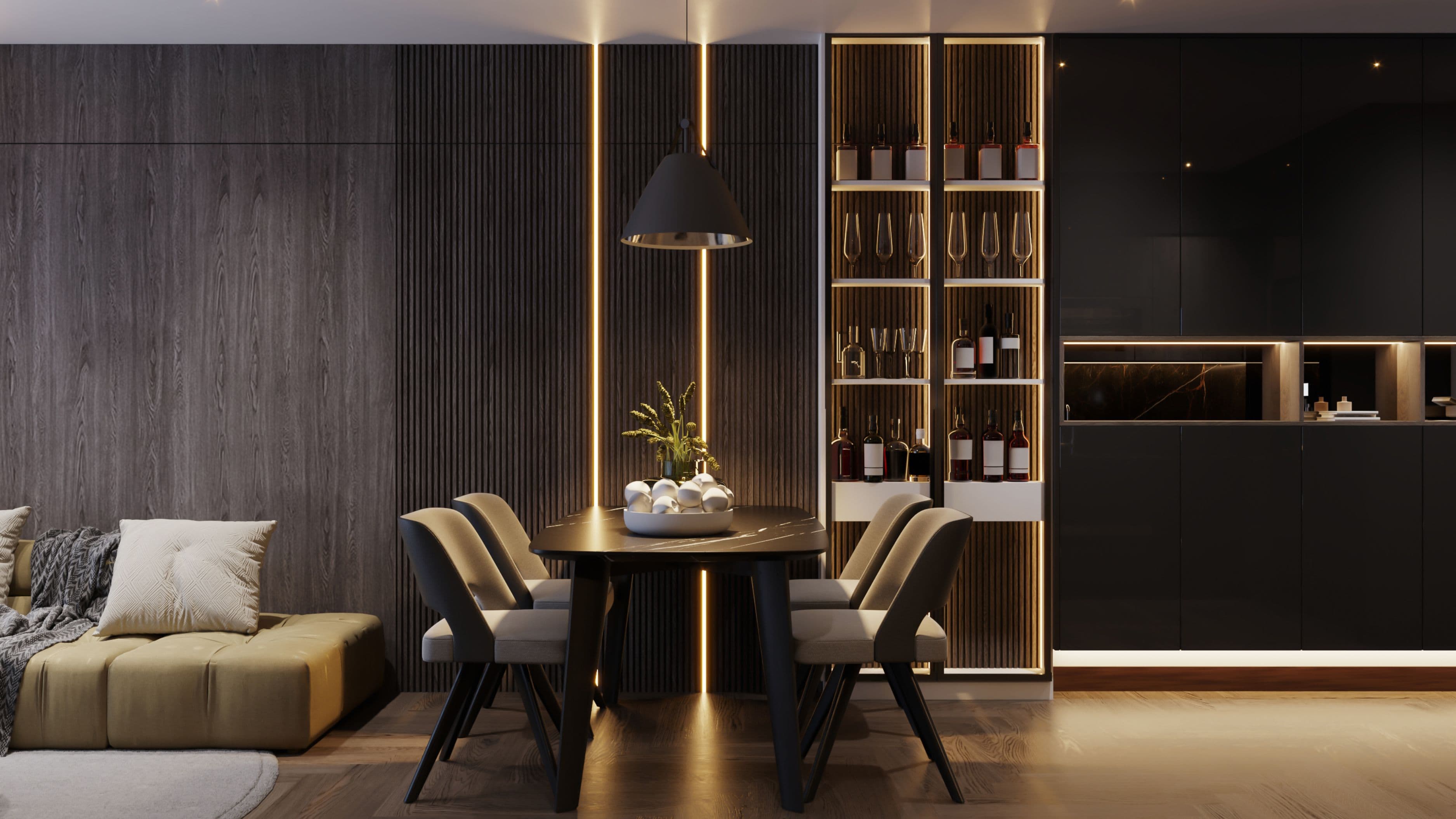
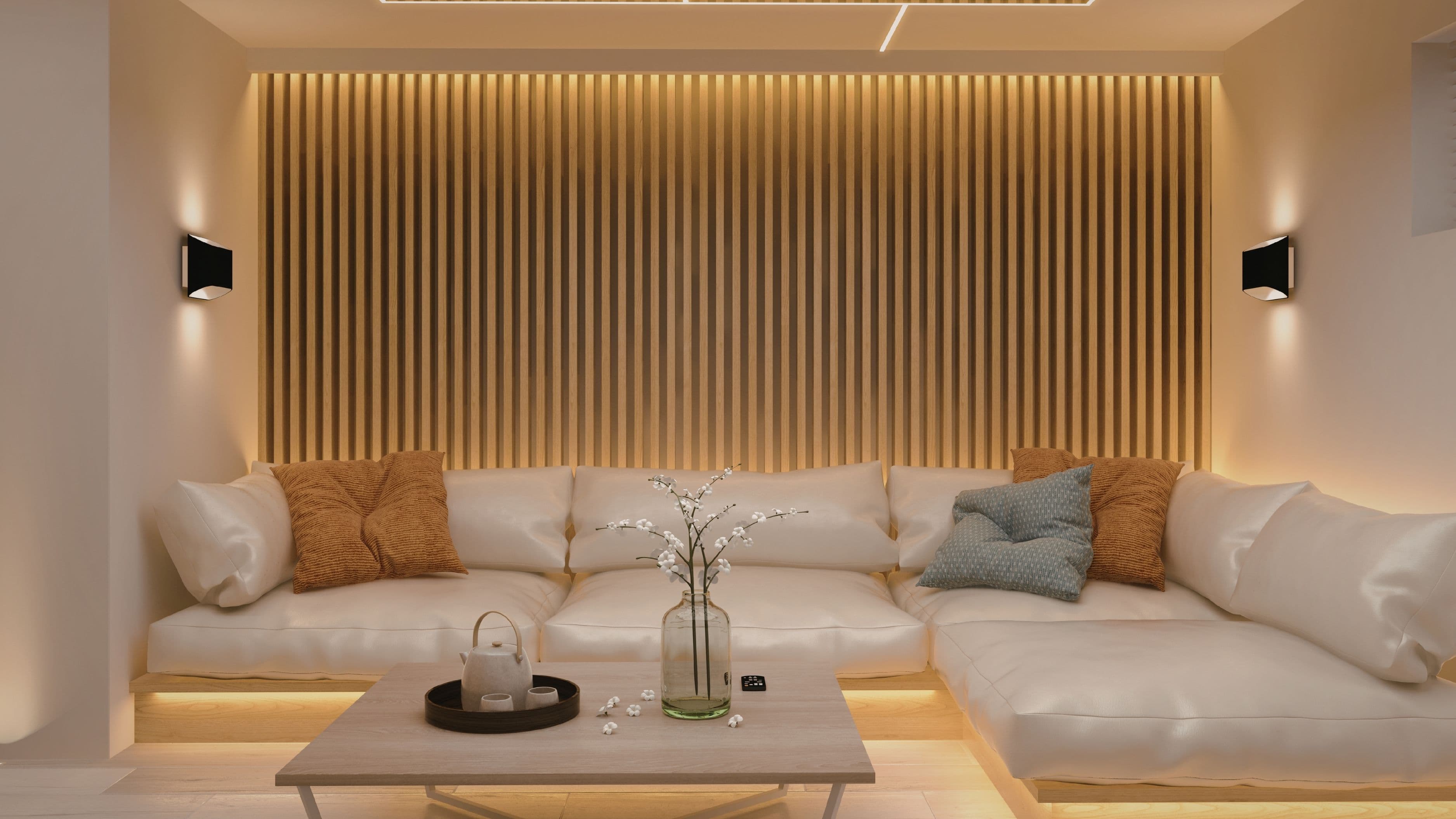
Install dimmer switches on existing fixtures for instant mood control. A $15 dimmer lets you transition from bright task lighting during morning routines to soft ambient glow during evening wind-down, supporting your circadian rhythm naturally.
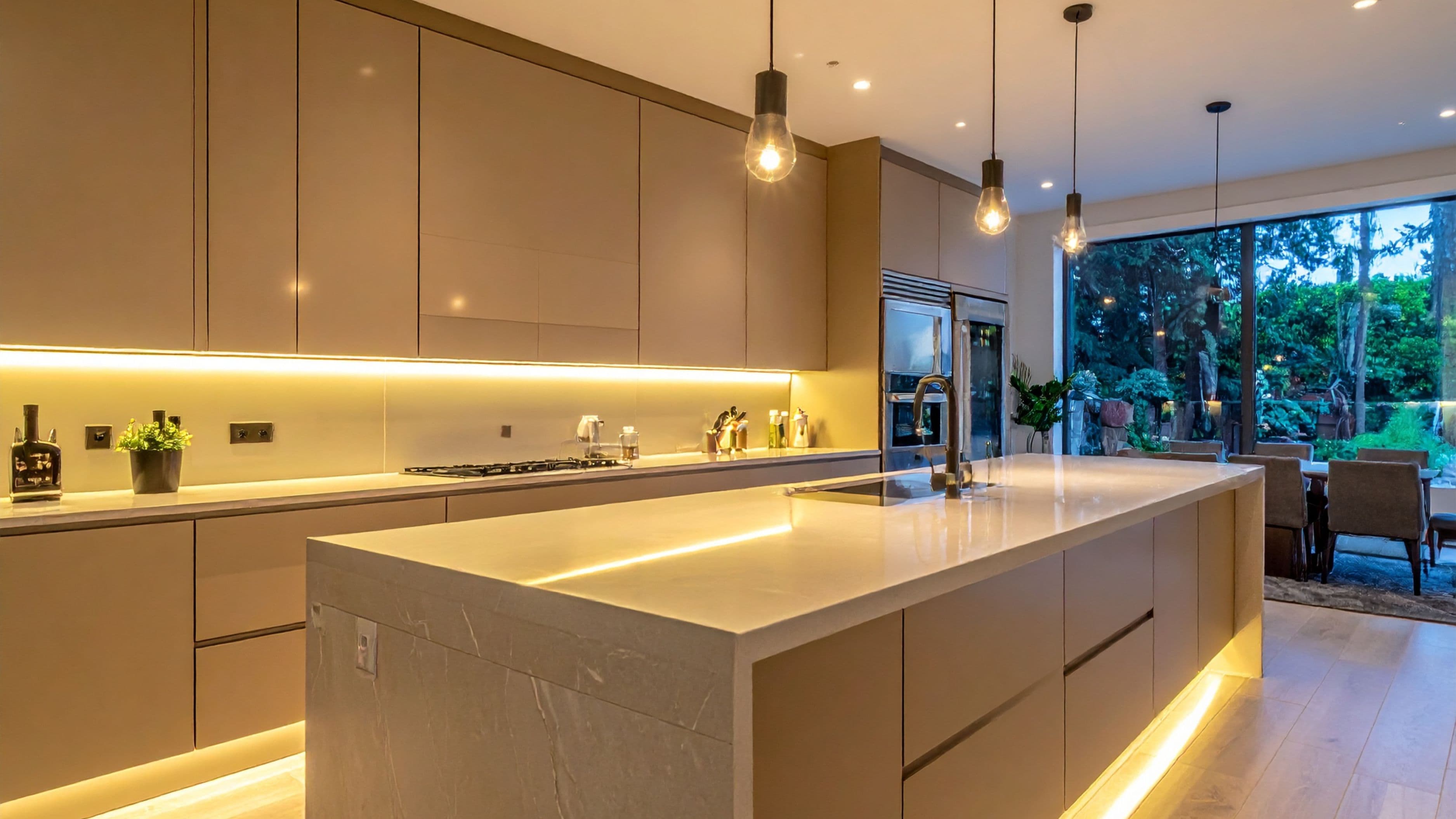
Add battery-powered LED strips under cabinets or behind mirrors. These $20-30 accent lights create spa-like ambiance without electrical work, casting gentle glow that reduces harsh shadows while providing enough illumination for nighttime visits.
Replace cool white bulbs with warm 2700K-3000K alternatives. Warm lighting mimics candlelight and sunset, triggering relaxation responses in your nervous system that bright white fluorescents actively prevent.
Consider a small table lamp or wall sconces for layered lighting. Multiple light sources at different heights create depth and visual interest while letting you illuminate only what you need rather than flooding entire spaces with overhead brightness.
Color Psychology Matters
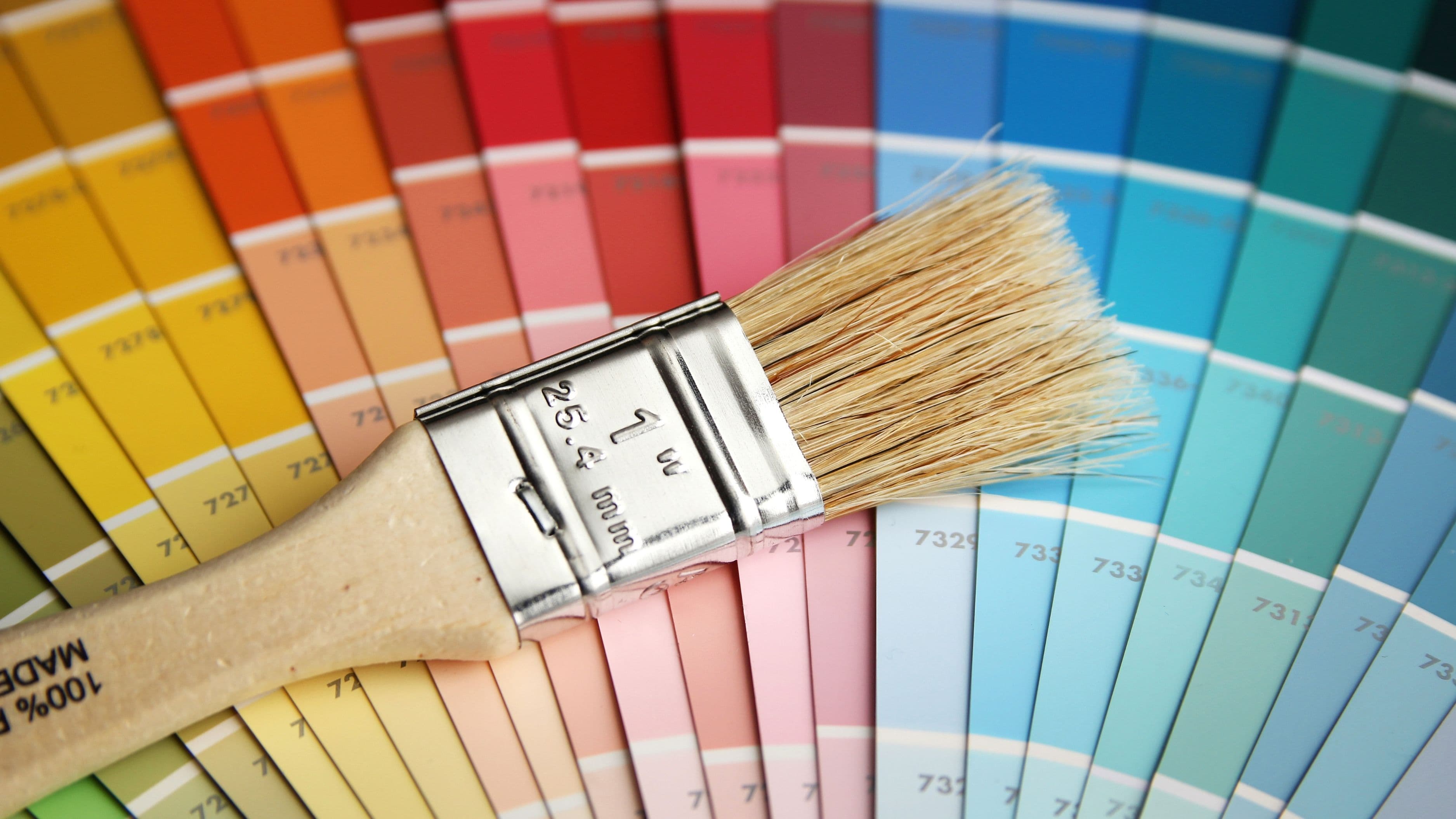
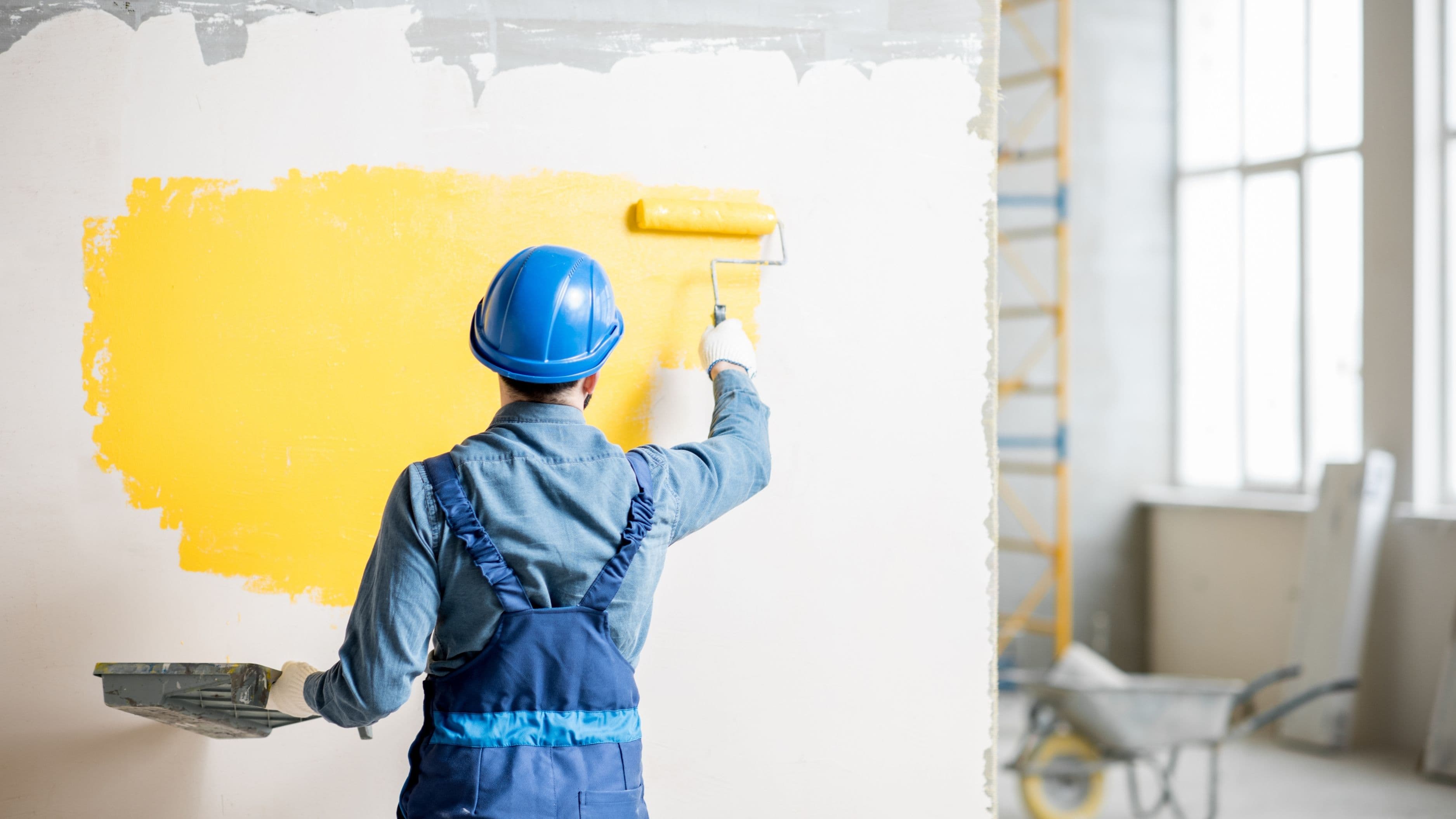
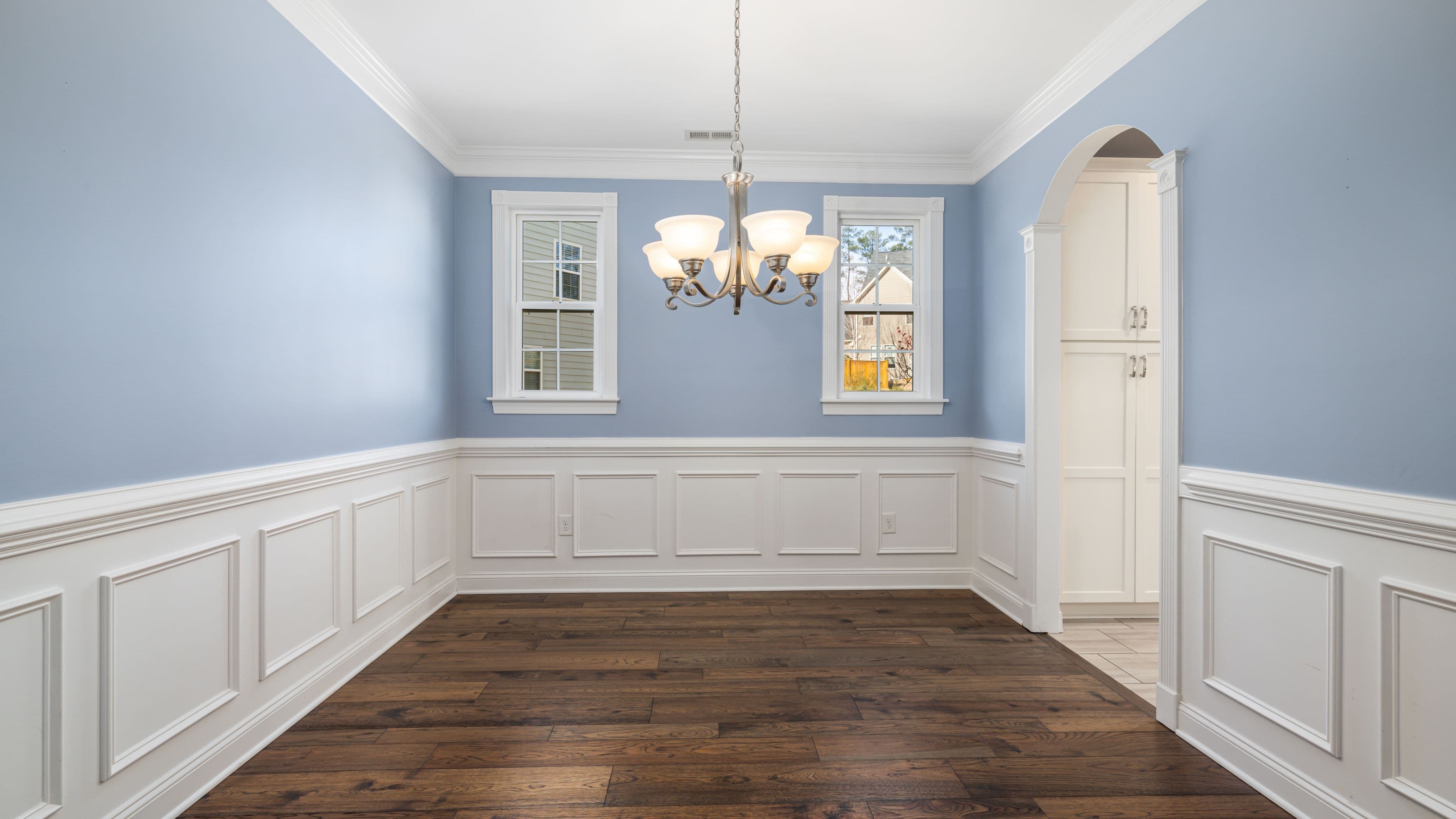
Paint walls in soft, muted tones that calm rather than energize. Sage green, powder blue, warm gray, and soft taupe create cocoon-like environments where your mind can decompress. Avoid bright whites that feel clinical or bold colors that demand attention.
Create accent walls with removable wallpaper for commitment-free design. Peel-and-stick options cost $30-80 per wall and install in hours, letting renters and commitment-phobes experiment with botanical prints, subtle textures, or calming patterns without permanent changes.
Use nature-inspired palettes that ground and center. Earth tones, ocean blues, and forest greens connect bathrooms to natural environments our bodies instinctively find restorative, even when we're stuck in urban apartments.
Texture and Textiles Add Luxury
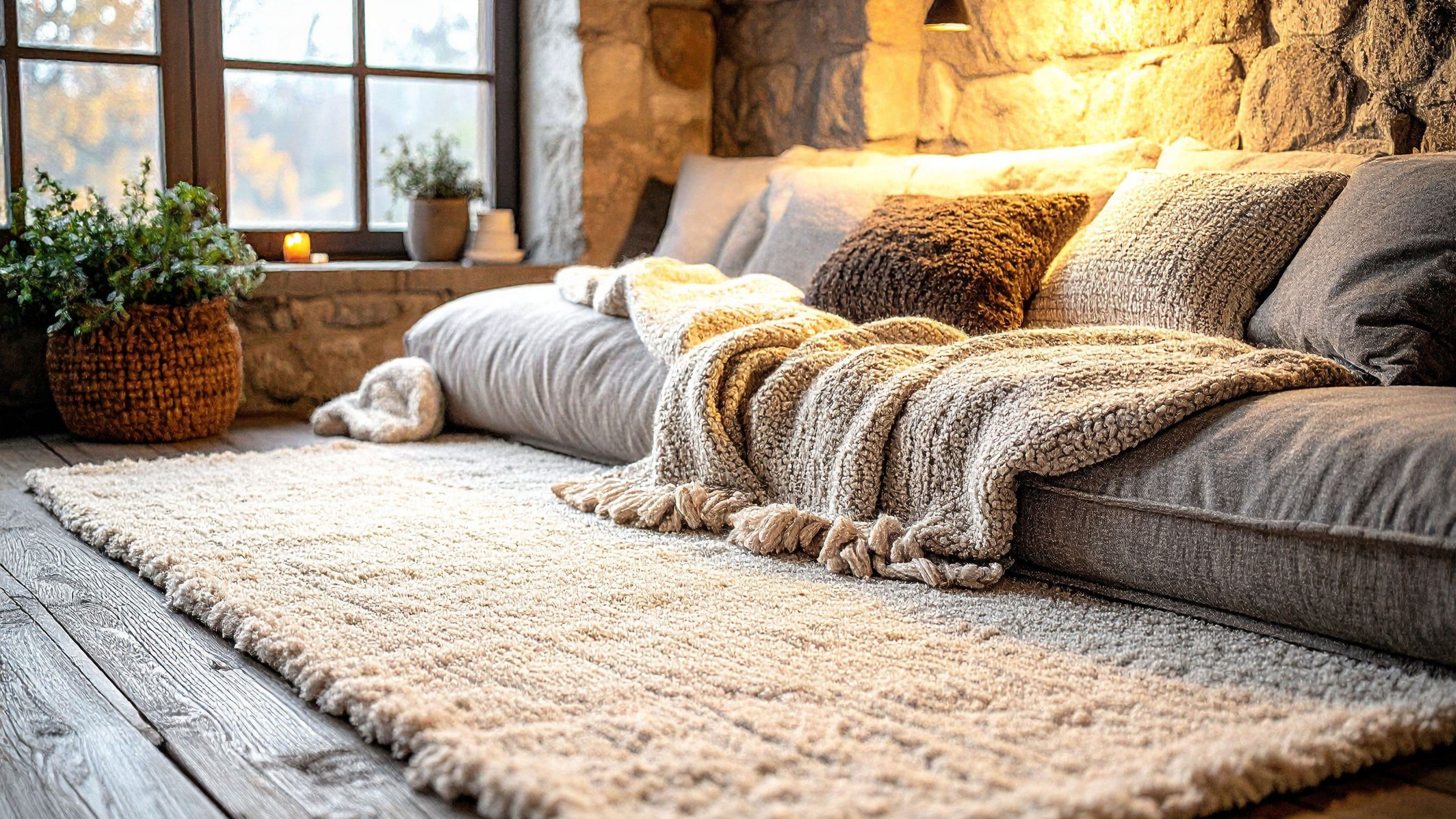
Upgrade to thick, plush bath mats that feel substantial underfoot. That first step out of the shower onto a cushy surface signals your body it's entering a comfortable, cared-for space rather than utilitarian infrastructure.
Invest in hotel-quality towels—at least 600 GSM weight. You'll notice the difference immediately, and that wrapped-in-luxury feeling after every shower becomes a daily treat worth far more than the $40-60 per towel investment.
Layer different textures through shower curtains, rugs, and window treatments. Waffle-weave curtains, nubby cotton rugs, and linen window shades create visual and tactile interest that keeps spaces feeling intentional rather than generic.
Add a small upholstered stool or ottoman for both function and softness. The fabric element in otherwise hard-surfaced bathrooms provides visual warmth while offering practical seating for everything from applying lotion to simply pausing.
Scent Influences Mood Profoundly
Use essential oil diffusers with calming blends. Lavender for evening relaxation, eucalyptus for morning clarity, or bergamot for mood-lifting—scent bypasses conscious thought and directly influences limbic system responses.
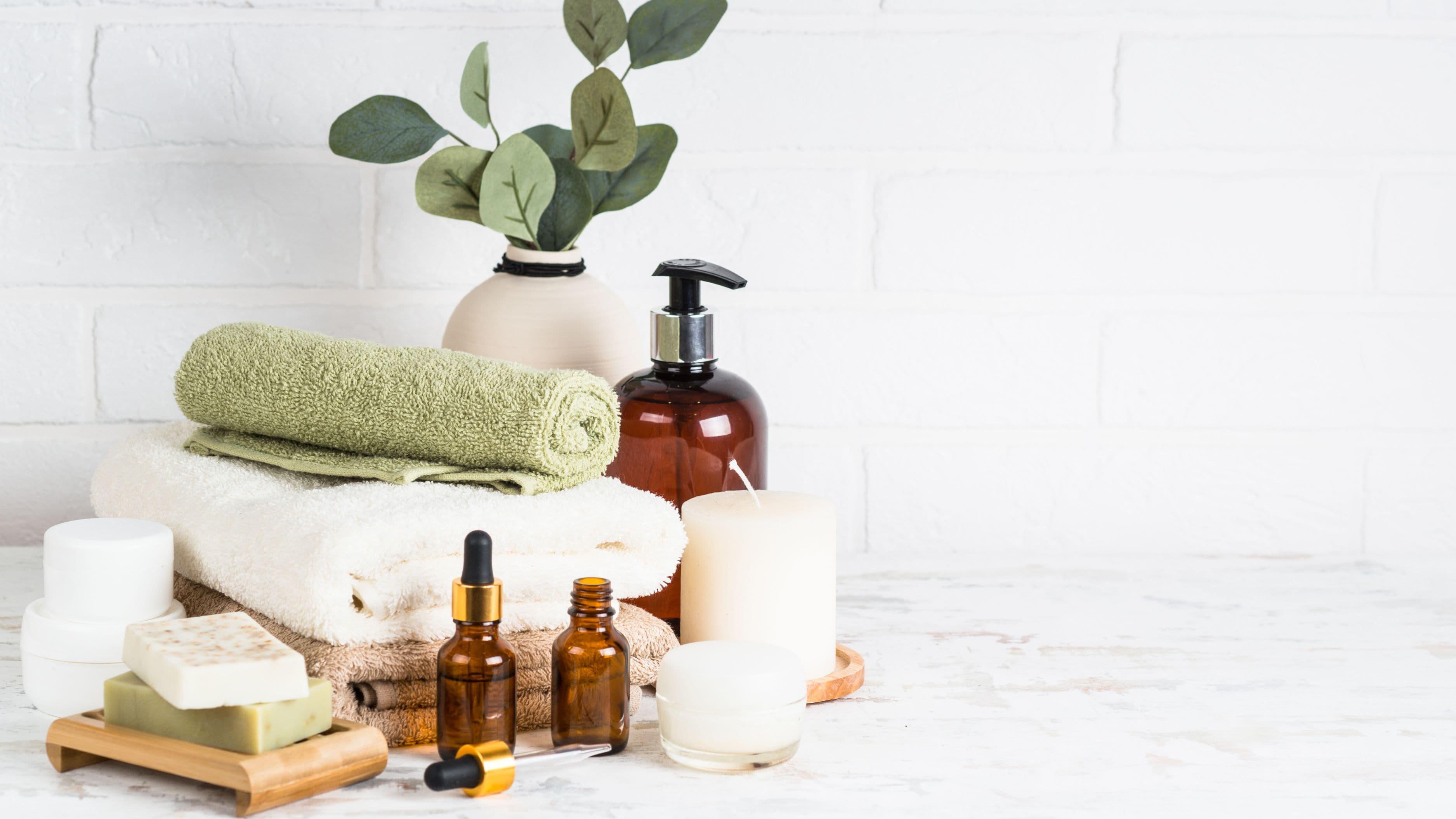
Place subtle candles strategically for ambiance. Soy or beeswax candles without artificial fragrances provide gentle scent plus flickering light that signals your brain it's time to transition from productivity mode to restoration.
Consider shower steamers or eucalyptus bundles. These release aromatherapy directly into shower steam, creating an at-home spa experience during daily routines without requiring separate relaxation time you don't have.
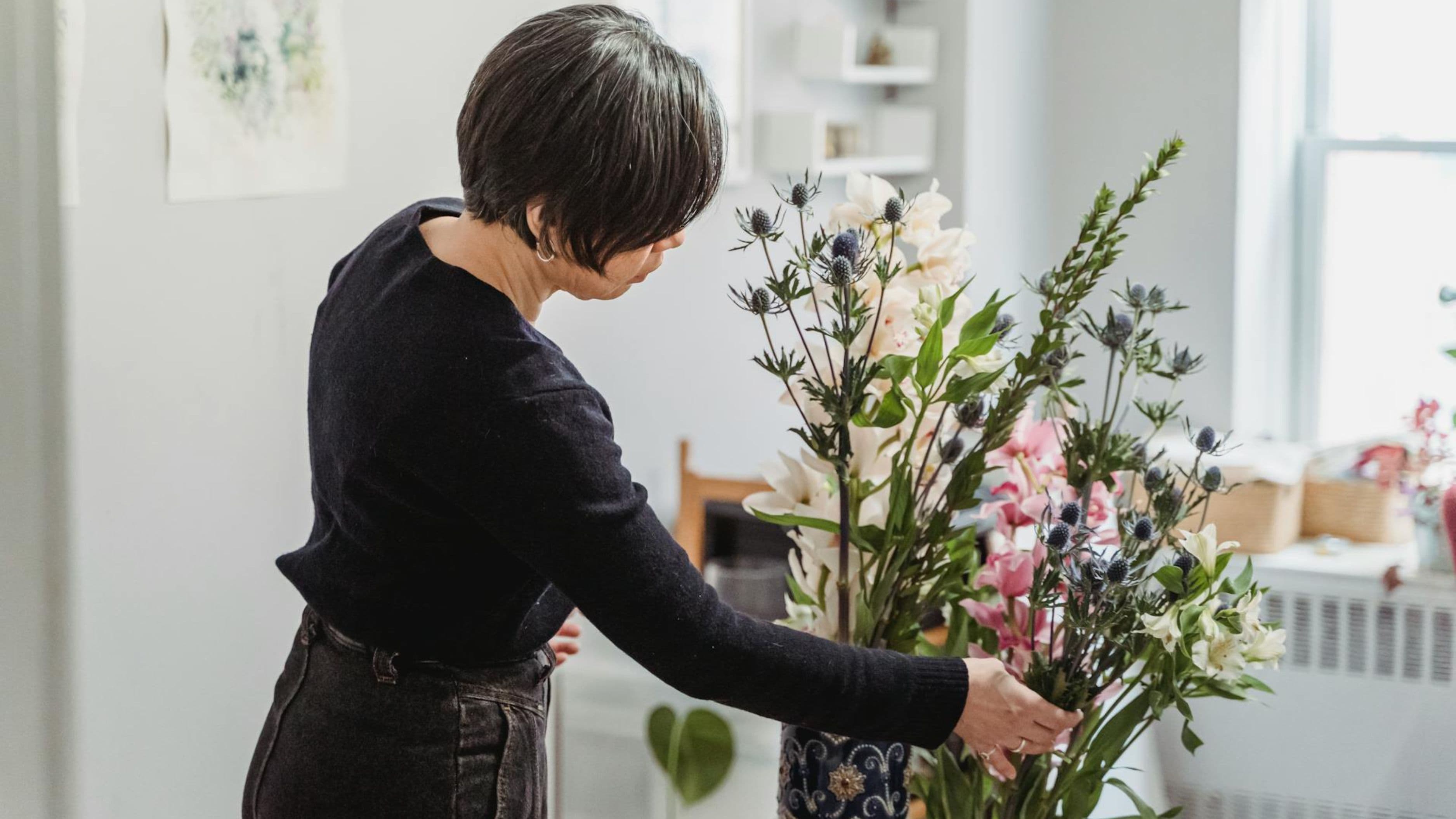
Keep fresh flowers or plants that naturally fragrance spaces. A small vase of eucalyptus, lavender, or jasmine adds living beauty plus subtle natural scent that synthetic fragrances can't replicate.
Plants Bring Life Indoors
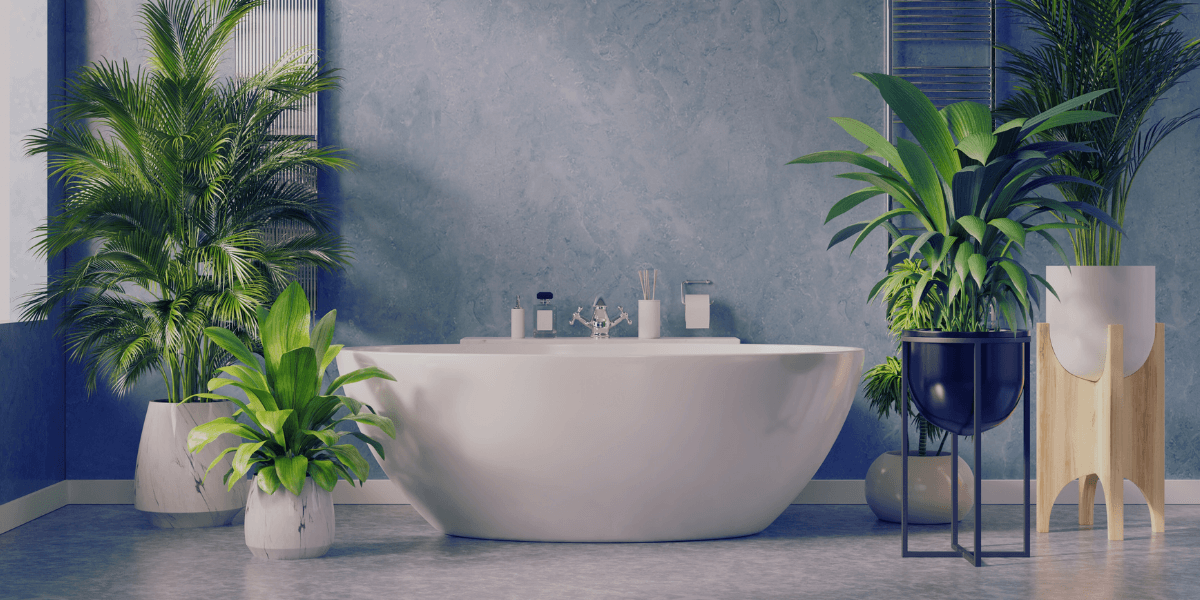
Add humidity-loving plants that thrive in bathroom conditions. Pothos, snake plants, ferns, and peace lilies tolerate low light and love moisture, improving air quality while adding organic shapes to hard-lined spaces.
Use multiple small plants rather than one large specimen. Clustering 3-5 small pots creates lush visual impact for $40-60 total while offering flexibility to rearrange and experiment with placement.
Place plants on floating shelves, windowsills, and counter corners. Vertical placement draws eyes upward, making small bathrooms feel larger while keeping floor space clear for movement.
Consider hanging plants from ceiling hooks if counter space is limited. Trailing pothos or string-of-pearls cascading from above adds dimension and visual interest without claiming precious horizontal surfaces.
Sound Influences Your Experience
Install a small waterproof Bluetooth speaker for ambient music or nature sounds. A $30-50 speaker lets you soundtrack showers with rainfall, ocean waves, or calming music that masks outside noise and creates acoustic privacy.
Use white noise machines or apps to mask disruptive sounds. If your bathroom shares walls with noisy neighbors or busy streets, sound masking helps you mentally separate from external chaos during your reset rituals.
Consider the acoustics of water itself as design element. Rainfall showerheads create gentler, more meditative sound than harsh spray patterns, affecting how restorative your shower feels beyond just the physical sensation.
Storage Reduces Visual Clutter
Install floating shelves to display curated items while storing essentials. Open shelving with attractively arranged towels, plants, and containers looks intentional while hiding daily necessities in attractive baskets or boxes.
Use drawer organizers and cabinet risers to maximize existing storage. Getting everything off countertops instantly makes bathrooms feel more spa-like by eliminating visual noise that creates subconscious stress.
Add an over-toilet storage unit for vertical space utilization. These $50-100 pieces provide substantial storage without renovations, crucial for small bathrooms where every item counts.
Keep only what you actively use visible. Backup supplies, rarely-used items, and seasonal products should live elsewhere—minimalism in bathrooms reads as luxury more effectively than abundance ever could.
Temperature Control Enhances Comfort
Add a small space heater for cold morning comfort. A $40-60 ceramic heater takes the edge off chilly bathrooms, making winter mornings less brutal and extending your willingness to linger during self-care routines.
Install a heated towel rack for everyday luxury. These $150-300 upgrades provide warm towels post-shower year-round, plus they function as supplemental heating that takes chill off small bathrooms efficiently.
Use thick bath mats that insulate feet from cold tile. Beyond aesthetics, substantial mats provide thermal barrier between your bare feet and frozen floors that otherwise interrupt the relaxation you're trying to create.
Water Experience Upgrades
Replace standard showerheads with rainfall or multi-function models. A $50-150 showerhead upgrade changes your daily shower from utilitarian task to restorative ritual through gentle, enveloping water coverage.
Add a handheld shower attachment for flexibility and accessibility. The ability to direct water exactly where needed makes showers more efficient while enabling relaxing rinses you can't achieve with fixed heads.
Consider shower filters if you have hard water. Filtered water feels softer on skin and hair, plus it prevents mineral buildup that dulls fixtures and leaves soap scum more readily.
Install a tub caddy for bath amenities if you have a tub. The ability to read, hold a beverage, or keep phone safely dry transforms baths from rushed cleaning sessions into legitimate rest periods.
Small Luxury Touches
Add a bathrobe hook near the shower for convenience. The simple act of wrapping yourself in a robe immediately after showering extends that clean, pampered feeling rather than rushing straight to getting dressed.
Place a small tray on the counter for jewelry and watch. This designated landing spot prevents frantic searching and creates a mindful transition point between outside world and personal sanctuary.
Include a full-length mirror for both function and space expansion. Mirrors reflect light and create depth, making small bathrooms feel significantly larger while serving practical purposes.
Add artwork or a small framed print that brings joy. Bathrooms deserve beauty too—a single meaningful piece reminds you this space matters and deserves thoughtful attention.
Maintenance Affects Experience
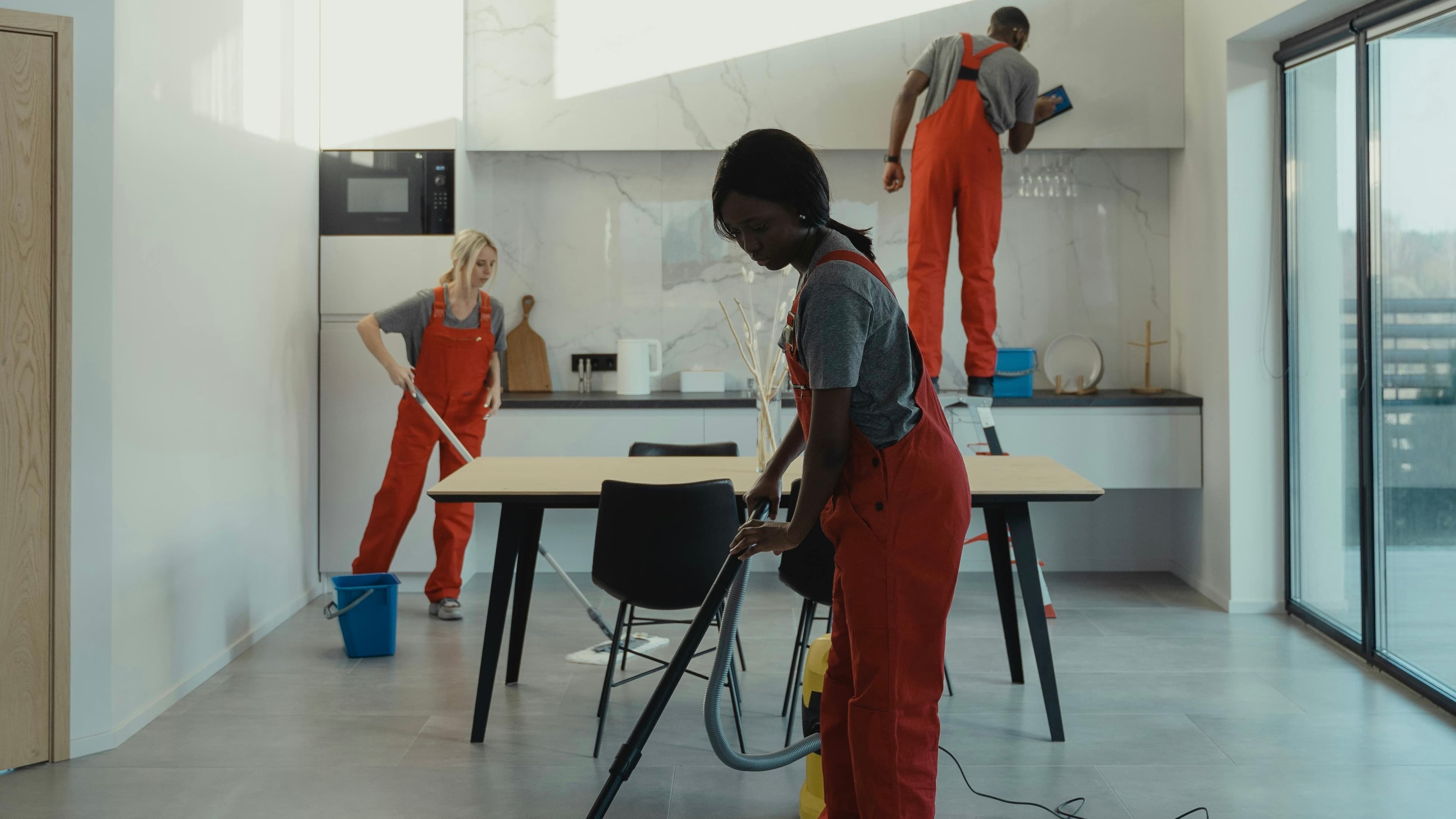
Create a quick daily wipe-down routine. Spending two minutes wiping counters and mirrors after use maintains that fresh, clean feeling that's essential to spa atmosphere rather than letting grime accumulate into big cleaning projects.
Use matching or coordinated containers for toiletries. Decanting products into uniform bottles or jars instantly elevates visual appeal by eliminating the chaos of mixed brands and packaging styles.
Keep cleaning supplies accessible but hidden. Having what you need within reach makes maintenance effortless, but storing it in cabinets rather than openly maintains the uncluttered aesthetic that supports relaxation.
Conclusion
Your bathroom sees you at your most vulnerable—first thing every morning and last thing each evening. Making it a space that supports rather than stresses you isn't frivolous interior design—it's operational infrastructure for entrepreneurs whose mental state directly determines income potential. Pick one upgrade from this list and implement it this week: swap in warm bulbs, add a plant, install a dimmer, or upgrade your bath mat. Momentum starts small, but each improvement compounds into a space that actively restores your energy rather than just existing as functional necessity. The 15 minutes you spend resetting in a thoughtfully designed bathroom might become the most productive quarter-hour of your entire day—not despite being "unproductive," but because genuine restoration makes everything else possible.
📚 Sources
Journal of Environmental Psychology - "Impact of Interior Design on Stress Response and Cognitive Performance" (2023)
American Psychological Association - "Environmental Design and Mental Health: Home Space Quality Correlations" (2024)