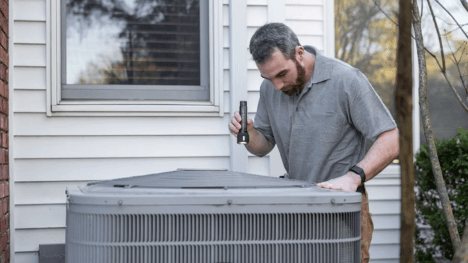

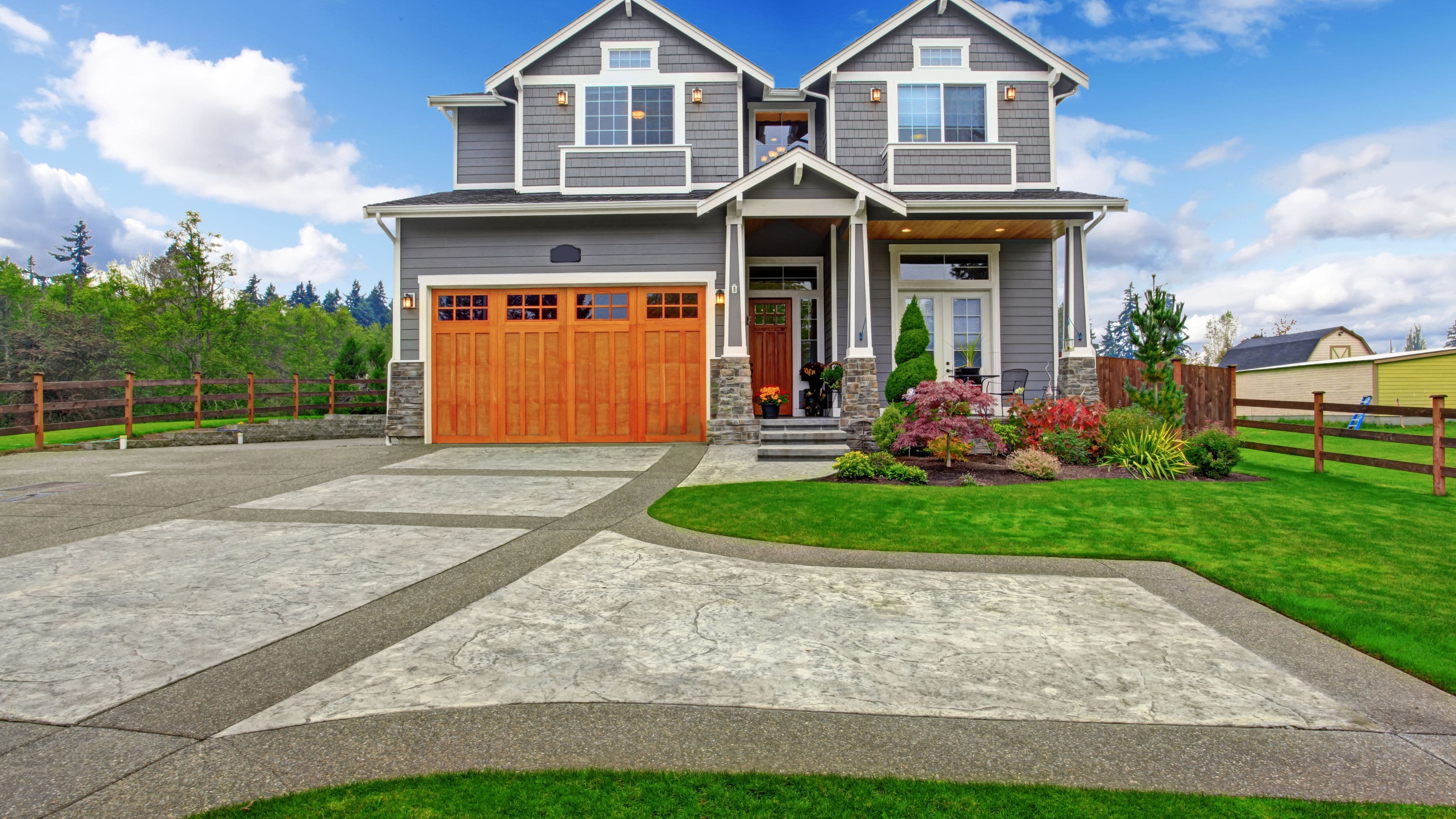
These six upgrades are proven performers. Each one is achievable under $2,000, most fall well below that, and together they create the kind of exterior that makes a home look intentional, maintained, and worth a second look.
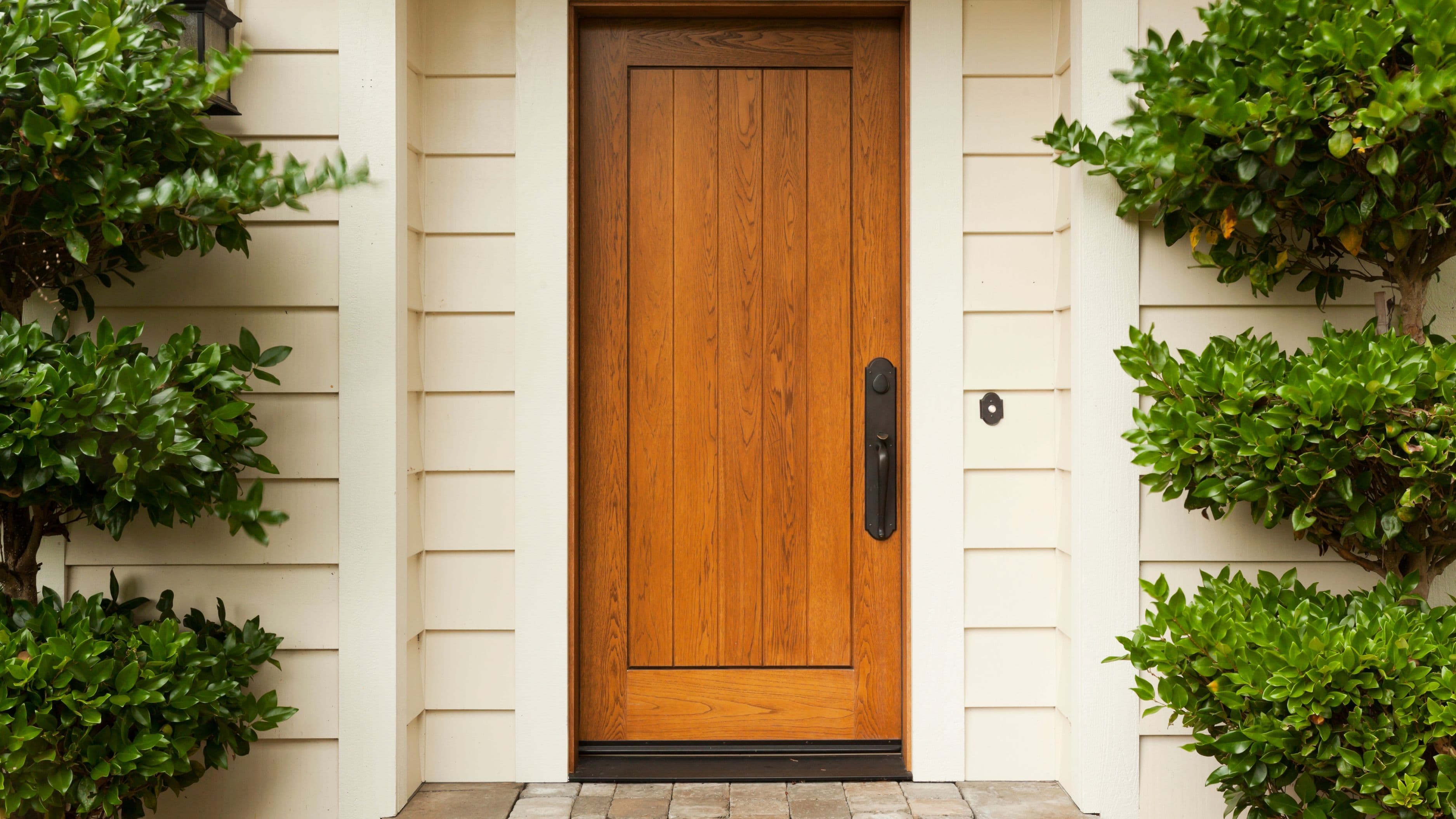
1. Front Door Replacement or Refinishing
Cost range: $200–$1,800
Impact: High
The front door is the focal point of any home's exterior. It's where the eye lands, and it's one of the few elements that signals both style and condition simultaneously. A door that's faded, cracked, or dated pulls down everything around it. A fresh, well-chosen door anchors the whole facade.
If your existing door is structurally sound – no rot, no warping, solid hardware – refinishing is the highest-return option. A thorough sand, a quality exterior primer, and two coats of exterior paint in a deliberate color costs $50–$150 in materials and a weekend of work. The transformation is dramatic for the investment. Bold, confident door colors – deep navy, forest green, classic black, warm red – consistently outperform neutrals in both visual impact and (per Zillow and other real estate research) measurable sale price effect.
If the door itself needs replacing, a fiberglass or steel entry door in the $500–$1,500 range delivers good performance and appearance. Fiberglass can be stained to look like wood without wood's maintenance requirements. A quality pre-hung door with updated hardware – matte black, brushed brass, or satin nickel – makes the entry feel considered and current.
What to avoid: Painting a door a trendy color that conflicts with the home's fixed elements (brick tone, roof color, siding). Test paint swatches against your actual exterior in both morning and afternoon light before committing.
2. Exterior Light Fixture Upgrades
Cost range: $150–$600 for a full set
Impact: High for the cost
Exterior lighting is one of the most overlooked curb appeal upgrades – and one of the easiest to get right. Fixtures flanking the front door, a porch ceiling light, a garage-mount fixture, and pathway lights at the front walk form a visual system. When they match in finish and style, the exterior looks cohesive and well-considered. When they don't – mismatched brass, plastic fittings, different eras of design – the result reads as neglected even if nothing is broken.
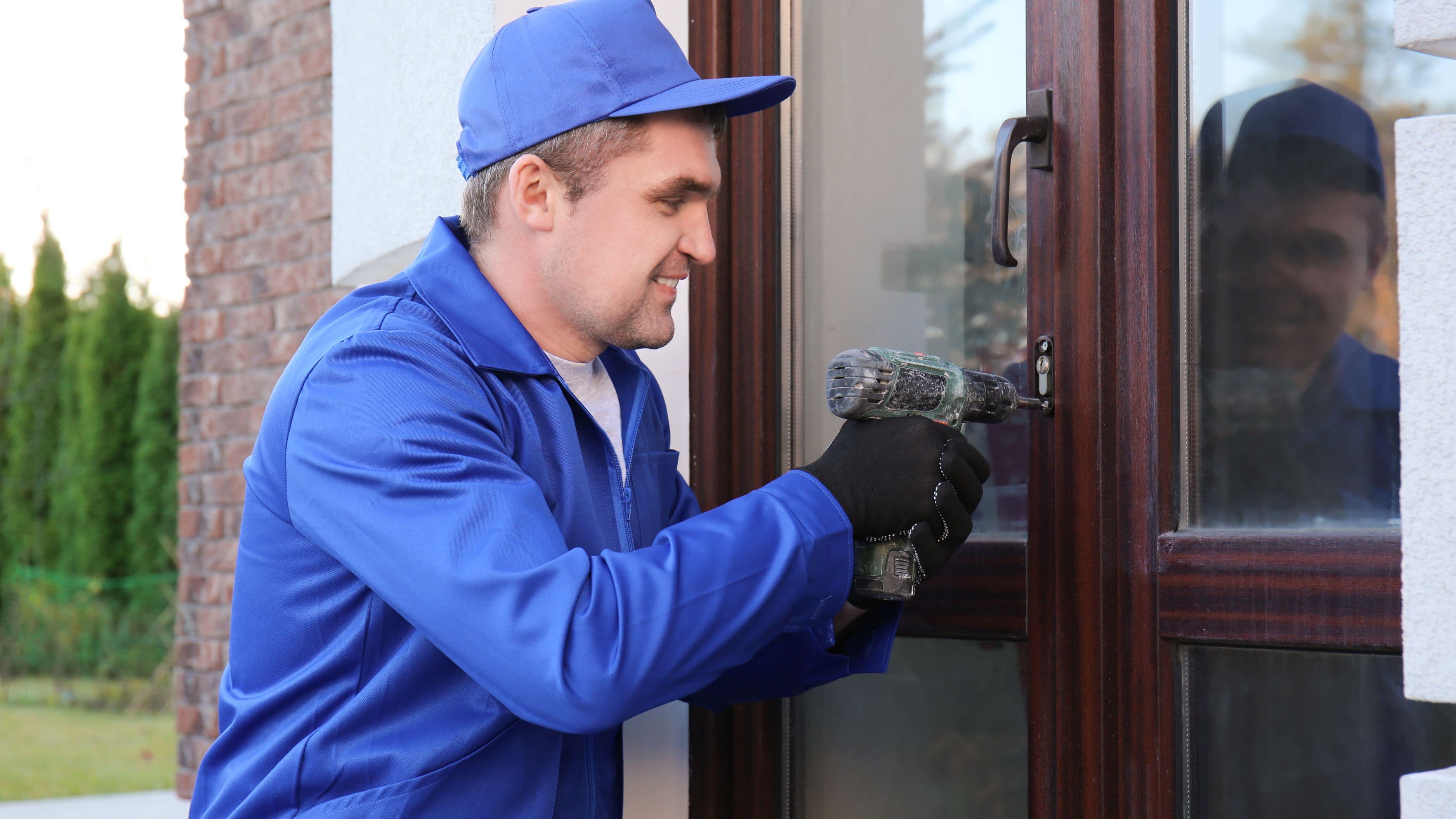
Replacing exterior fixtures is a DIY-friendly upgrade for anyone comfortable with basic electrical work. Turn off the circuit, swap the fixture, restore power. Most exterior fixture replacements take 20–30 minutes per light. A coordinated set of three or four fixtures – porch sconces, garage light, pathway lights – in a matching finish runs $150–$500 depending on style. Budget an additional $100–$200 for an electrician if you're not comfortable with wiring.
The practical performance improvement is also real. Many older fixtures use incandescent or CFL bulbs in poorly sealed housings. Replacing them with sealed, waterproof LED fixtures improves light output, reduces energy use, and eliminates the bulb-replacement cycle that leads to one dark socket pulling down the appearance of the whole entry.
What to avoid: Choosing oversized statement fixtures for a modest-scale home, or undersized fixtures that disappear on a large facade. Scale the fixture size to the door and wall height.
3. Fresh Mulch, Edged Beds, and Foundation Planting
Cost range: $200–$800
Impact: High
Nothing makes a home look maintained like clean, defined landscape beds with fresh mulch. And nothing makes even a well-maintained home look neglected faster than overgrown, undefined beds with faded or no mulch. This is one of the highest-return investments per dollar in all of curb appeal.
The process is straightforward: edge all bed lines cleanly (a flat-blade spade or a string trimmer used as an edger creates a sharp, professional line), cut back or remove any overgrown or dead plant material, and apply a 2–3 inch layer of fresh mulch. Double-shredded hardwood bark or dyed mulch in black or dark brown are the most commonly used and give the cleanest finished appearance. A typical front yard with 200–400 square feet of bed area requires 4–8 cubic yards of mulch, running $200–$500 delivered and installed yourself, or $400–$800 with professional installation.
If the beds are completely bare or heavily overgrown with just weeds, adding a few foundation plants – ornamental grasses, low evergreen shrubs, flowering perennials – frames the house and gives the landscape structure year-round. A few well-chosen plants in the $20–$50 range each, positioned to anchor corners and flank the entry, make a bigger visual difference than filling every bed with annuals.
What to avoid: Over-mulching (more than 3 inches deep creates moisture and root problems). Volcano mulching around tree trunks – piling mulch against the bark causes rot and long-term tree damage.
4. House Number and Mailbox Update
Cost range: $75–$300
Impact: Medium-High for the cost
Small details compound. House numbers and mailboxes are noticed more often than homeowners realize – both by visitors trying to find the address and by anyone looking at the home from the street. Standard builder-grade brass numbers and a dented aluminum mailbox are so common they become invisible – but they date a home and subtract from an otherwise upgraded exterior. Replacing them with considered, coordinated alternatives takes an afternoon and costs almost nothing relative to the impact.
Modern address number options include large-format individual digits in matte black, brushed aluminum, or bronze, mounted directly to the facade or on a flush backplate. Sizes of 4–6 inches read clearly from the street and look intentional. Good quality individual digits run $5–$15 each. A five-number address costs $25–$75 in materials.
For mailboxes, wall-mount options eliminate the post entirely if you don't need one, and the range of styles now available – from minimalist black steel to traditional copper-topped boxes – means you can match the architectural character of the home without settling for the builder default. A quality wall-mount mailbox runs $50–$200. Post-mount replacements in the $80–$200 range are widely available if a post-mount works better for your setup.
What to avoid: Choosing numbers or a mailbox that match in finish but not in scale or style with each other or with the new door hardware and fixtures. Cohesion across small details is what makes the difference between "updated" and "random new stuff."
5. Driveway and Walkway Cleaning and Repair
Cost range: $100–$800
Impact: Medium-High
The hardscape – driveway, front walkway, steps – covers a lot of visual real estate. Oil stains, moss, cracked concrete, and settled pavers announce neglect before anyone reaches the door. Cleaning and repairing this area doesn't add something new so much as restore what should be there, but the visual effect is substantial.
Pressure washing the driveway and front walkway is the single most impactful cleaning step you can take for the exterior. A rented pressure washer costs $50–$80 per day and can transform stained concrete in a few hours. For oil stains on concrete, a pre-treatment with a concrete degreaser before pressure washing significantly improves results. Sealing the driveway after cleaning – a DIY job with an applicator and concrete sealer – protects the clean appearance and runs $50–$150 in materials for a standard driveway.
If the front walkway has settled sections, cracked pavers, or missing mortar joints, these are worth addressing before any other front yard work. A cracked pathway draws attention and makes everything around it look worse. Leveling sunken pavers with additional bedding sand, replacing cracked sections of concrete with matching concrete mix, or re-pointing deteriorated mortar joints are achievable DIY repairs for most homeowners with basic tools.
What to avoid: Power washing painted concrete or wood steps with too high a pressure setting – it strips paint and surfaces. Use the appropriate nozzle (40-degree fan tip for general cleaning) and keep the wand moving.
6. Exterior Paint Touch-Up or Full Repaint
Cost range: $300–$1,800 (DIY to professional, depending on scope)
Impact: Highest of any single upgrade
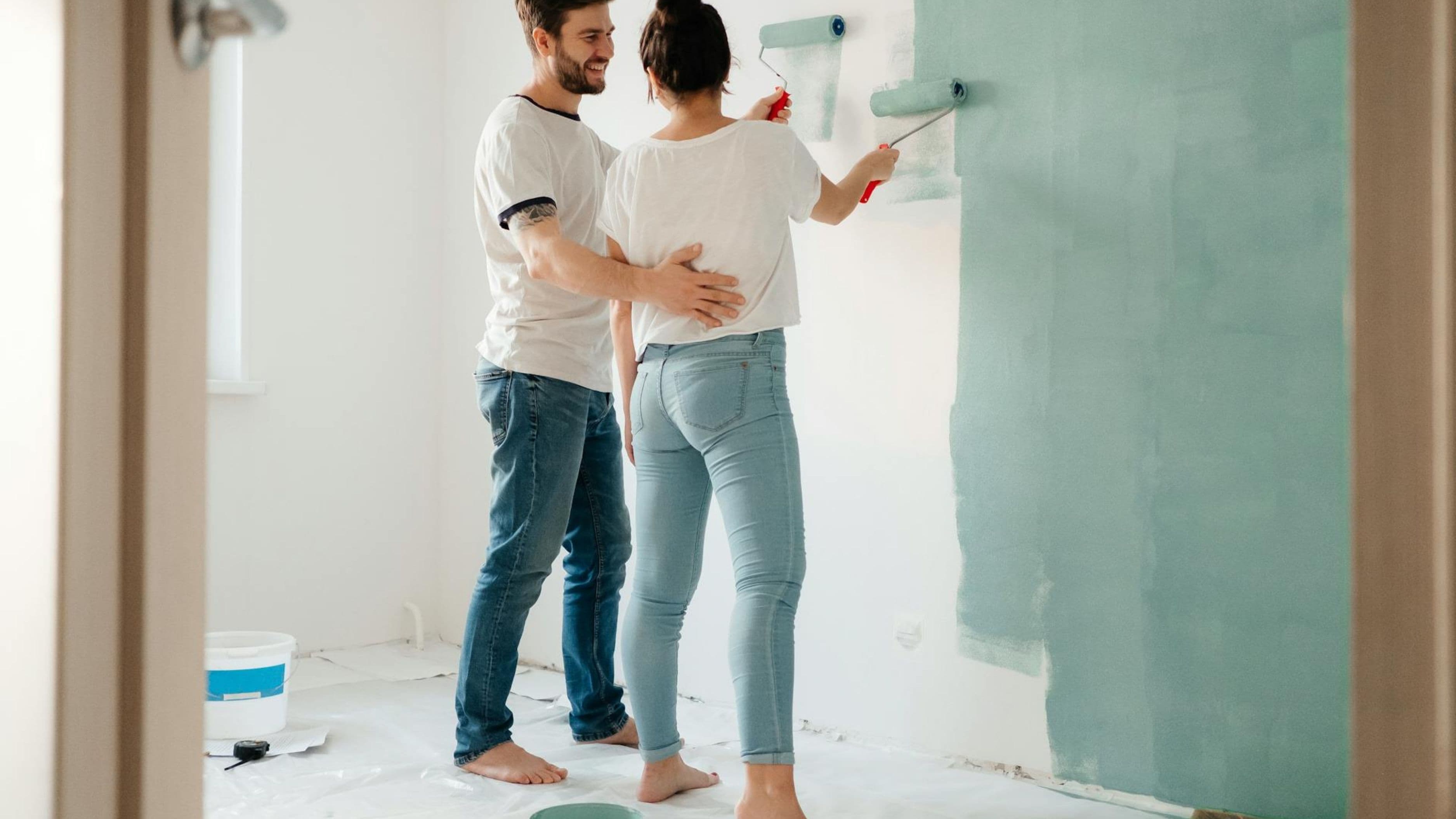
Nothing changes the appearance of a home's exterior more dramatically than fresh paint. A full exterior repaint is at the upper limit of this list's budget if done professionally, but a targeted touch-up of peeling, faded, or stained sections – trim, shutters, fascia, porch ceilings – is well within reach for a few hundred dollars and a weekend of work.
If a full repaint isn't feasible, prioritize the trim. Crisp, clean trim in a contrasting color – white or off-white against a colored body, or dark trim against a light body – defines the architecture of the house and makes it read as sharp and maintained even when the body color has years of life left in it. Painting trim on a typical house costs $50–$150 in materials for a careful DIY painter working from a ladder.
Shutters are another high-impact, low-cost painting target. Remove them, clean them thoroughly, prime if needed, and paint them in a color that complements the door and trim. The process takes a day and costs almost nothing beyond paint.
If a full repaint is the plan, exterior latex paint in a satin or semi-gloss finish is the standard choice for most surfaces. Quality exterior paint from a reputable manufacturer (Benjamin Moore Aura Exterior, Sherwin-Williams Duration, Behr Marquee) runs $50–$90 per gallon and covers approximately 350–400 square feet. Using quality paint matters – budget paint fades, chalks, and requires repainting sooner, which costs more over time.
What to avoid: Painting in direct sun, in temperatures below 50°F or above 90°F, or when rain is expected within 24 hours. All of these conditions affect adhesion and finish quality.
How to Prioritize if You're Not Doing All Six
If your budget is limited or you want to phase the work, the upgrades that deliver the most visible impact per dollar are the front door and exterior lighting (together, under $600 if you refinish rather than replace), fresh mulch with clean edged beds ($200–$500), and driveway pressure washing ($50–$100 to rent the equipment). Those four actions, done well, transform the front of a home at a total cost most people can absorb without planning.
The house numbers, mailbox, and paint touch-ups are finishers – they take a decent exterior and make it read as deliberate and complete. If the first four are done well, these are the difference between "looks good" and "looks like someone actually thought about it."
FAQ
Do these upgrades actually increase home value, or just improve appearance? Both. Fresh exterior paint, an updated front door, and clean landscaping are consistently cited by real estate agents and research from the National Association of Realtors as factors that positively influence perceived value and buyer first impressions. They don't add square footage, but they influence offers. The Remodeling Cost vs. Value report consistently shows exterior improvements as among the highest-ROI categories.
How long does fresh mulch last before it needs replacing? Most organic bark mulch needs refreshing every 1–2 years as it decomposes and fades. Refreshing is faster than the initial installation since you're adding a top layer rather than starting from scratch – typically 1–1.5 inches of new mulch over the existing layer.
Should I hire out or DIY these projects? Most of these are accessible to a homeowner with basic tools and a weekend. Exterior painting is the most time-intensive and skill-dependent. Electrical fixture replacements are straightforward for anyone comfortable turning off a circuit. Landscaping requires no specialized skill beyond physical effort. Hire out if the project scope is larger than a weekend or if the home is multi-story with limited safe ladder access.
What's the best order to tackle these if I'm doing them all? Do the pressure washing and exterior repair first, then painting, then landscaping and mulch last (so you're not tracking across fresh beds). Update fixtures, door, numbers, and mailbox anytime – they're independent of the other work.
Does the time of year matter for these projects? Painting and mulching are best done in spring or fall – avoid extreme heat, cold, or wet conditions. Exterior fixture replacement and door hardware updates can happen any time. Landscaping work is most effective done in spring or fall when plants establish better.
📚 Sources
Cost vs. value report – exterior improvements ROI – Remodeling Magazine: https://www.remodeling.hw.net/cost-vs-value/2023/
How front door color affects home sale price – Zillow Research: https://www.zillow.com/research/front-door-color-home-sale-price-23262/
Mulching around trees and shrubs – University of Minnesota Extension: https://extension.umn.edu/planting-and-growing-guides/mulching-trees-and-shrubs
Exterior painting preparation and technique – This Old House: https://www.thisoldhouse.com/painting/21019296/how-to-paint-a-house-exterior
NAR remodeling impact report – National Association of Realtors: https://www.nar.realtor/research-and-statistics/research-reports/remodeling-impact
-jhajrFUGfI3zCQGjpAWcxuNPi1zUTB.jpg&w=3840&q=75)