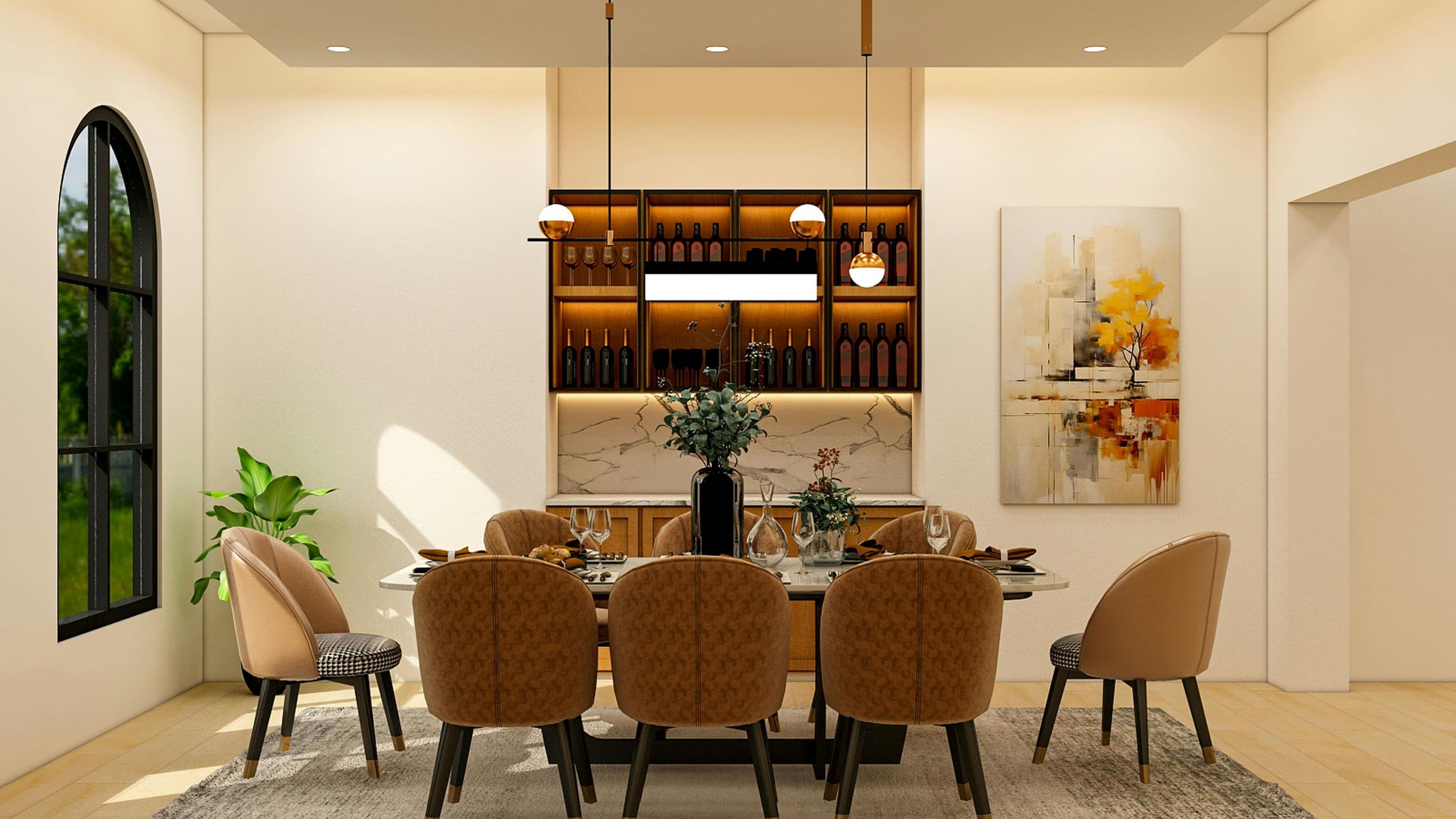
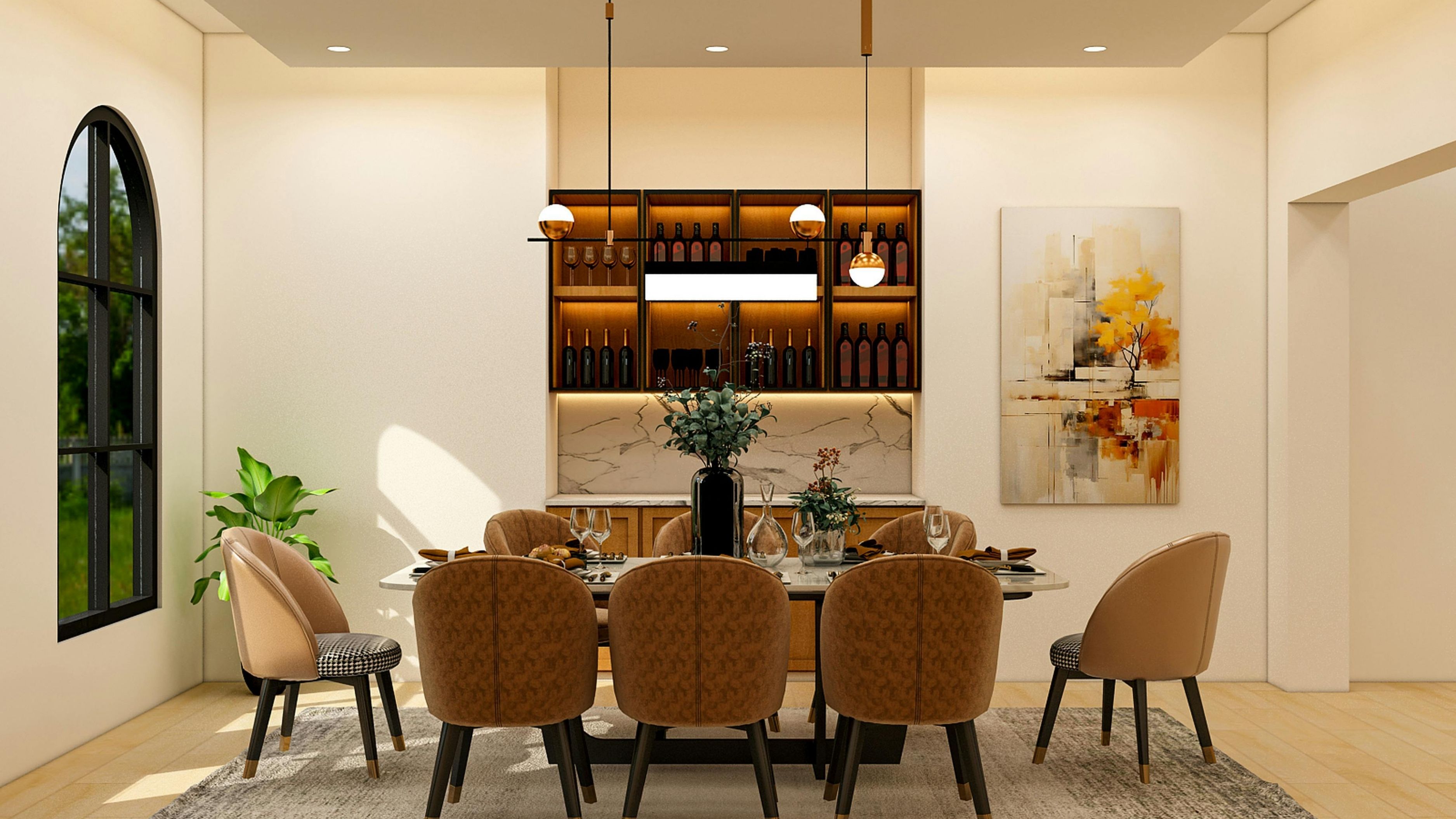
Converting that dining room into a space that actually works for how you live doesn't have to mean a major renovation. The right approach depends on what your household needs, how much flexibility you want to keep, and how much you're willing to invest. This guide walks through the full process – from planning and layout decisions to the specific upgrades that make a multi-use dining room genuinely functional rather than just theoretically flexible.
Step 1: Define What the Space Actually Needs to Do
Before you move a single piece of furniture, be honest about what your household is missing. A multi-use dining room that tries to do everything ends up doing nothing particularly well. The most successful conversions serve two or three distinct functions that naturally complement each other – a home office and occasional dining space, a homework zone and reading nook, a creative studio with a small dining area preserved for everyday family meals.
Common combinations that work well in practice:
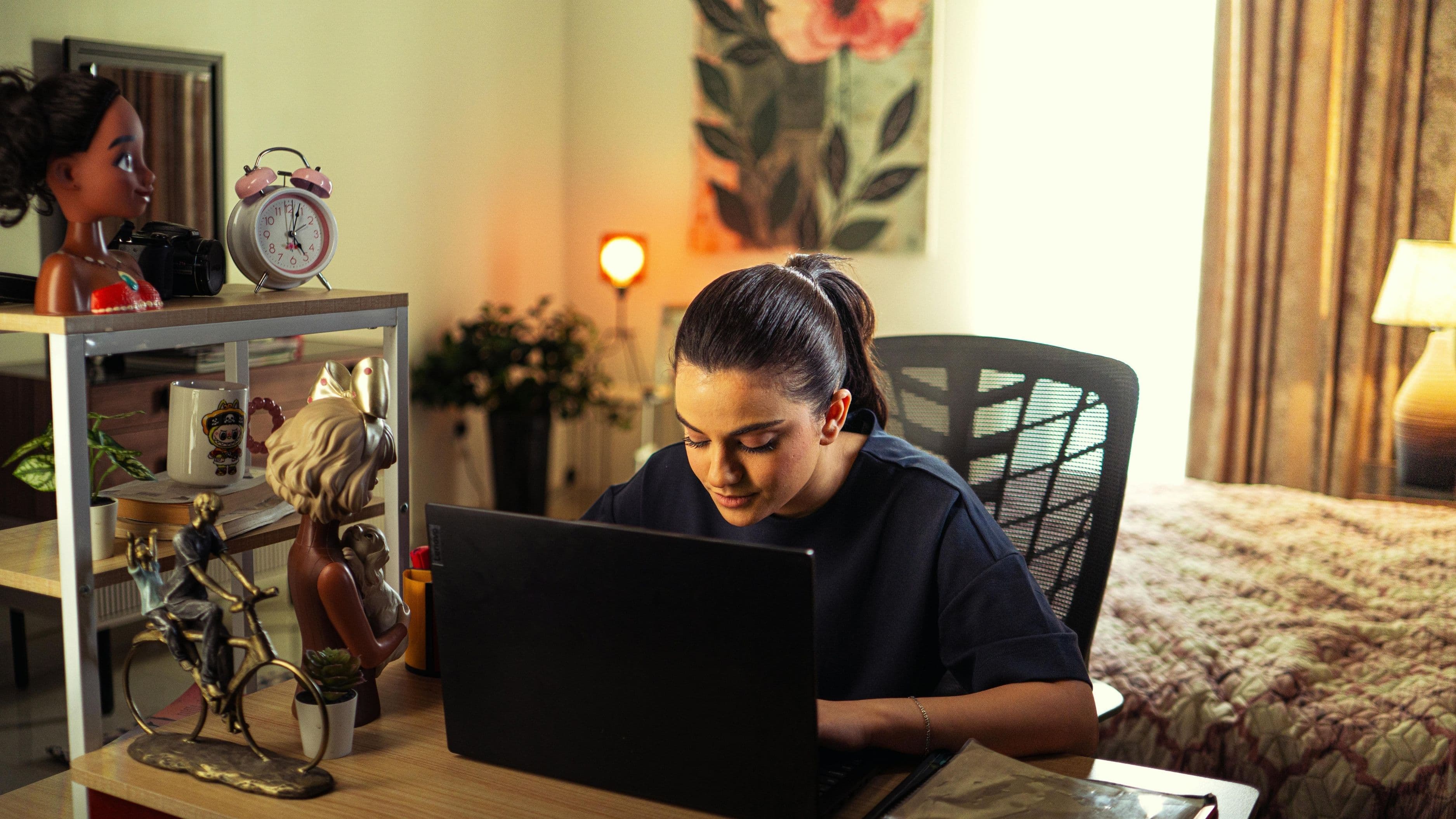
A home office and dining hybrid is the most requested conversion and for good reason – remote and hybrid work has made dedicated home office space a real need for millions of households. Preserving dining function for regular family meals while carving out a proper work zone means you're not abandoning the room's original purpose, just sharing it with a more frequent one.
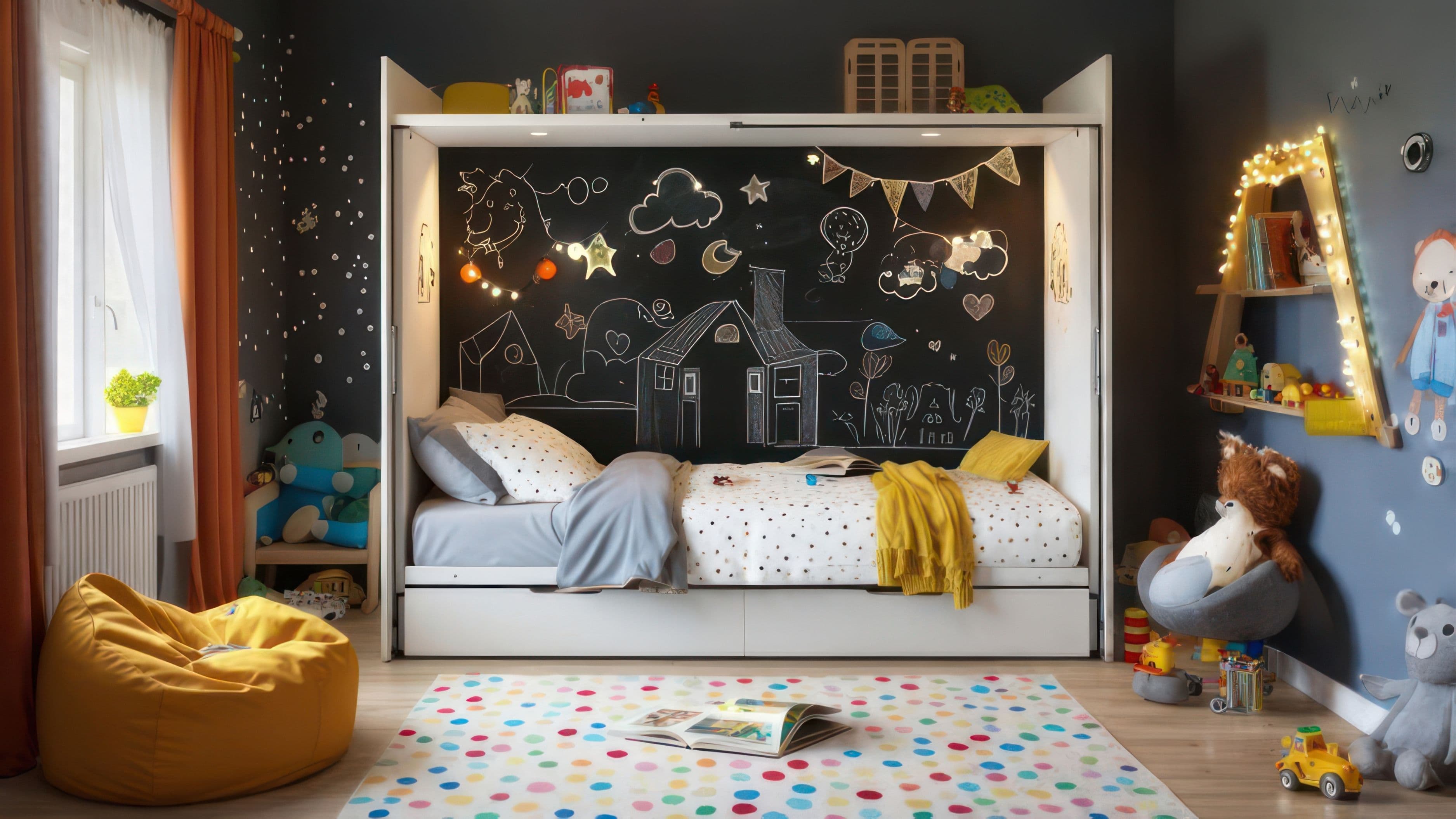
A homework and activity zone with retained dining capability works well for families with school-age kids. The same table that serves dinner can accommodate art projects, science homework, and puzzle nights – the key is having the storage and organization around it to make the transition between functions fast and clean.
A creative studio or hobby room with casual dining preserved suits households where one person has a serious creative practice – painting, sewing, music, crafting – that needs dedicated space. Full conversions of this type often abandon the formal dining function entirely and repurpose the space without compromise.
Once you've identified your primary and secondary uses, every decision that follows – furniture, lighting, storage, flooring – should serve those functions directly.
Step 2: Clear and Reassess the Room
The most honest assessment of a space happens when it's empty. Before you start planning the new layout, take everything out of the dining room and spend a day or two observing it. Notice where the natural light falls at different times of day. Identify which walls get afternoon sun (relevant for screen glare if this becomes a workspace). Measure the room accurately – not just overall dimensions but door swing radius, window placement, and any architectural features that limit furniture placement.
Consider the room's relationship to adjacent spaces. A dining room connected to the kitchen by a wide doorway functions very differently from one that's acoustically isolated. If the converted space needs to double as a quiet work or study zone, proximity to a noisy kitchen affects how well that works in practice. Conversely, a room that flows directly into a living area may be better suited to a creative or activity function that benefits from some openness.
Look at the existing electrical, lighting, and ventilation infrastructure. Formal dining rooms typically have a single overhead fixture centered on the room, which is rarely adequate for a workspace or activity zone. Understanding what you have before you plan what you want saves the frustration of a layout that doesn't match the room's electrical reality.
Step 3: Plan the Layout Around Function, Not Furniture
The biggest mistake in dining room conversions is trying to fit an existing furniture set into a new purpose rather than planning the layout from scratch for the functions the space needs to serve. Start with the primary function and design its footprint first, then fit the secondary function into what remains.
For a home office and dining hybrid, the work zone needs three things: a surface at the right height (desk height, typically 28–30 inches, is different from dining table height at 30 inches – they're actually similar, which is why a properly chosen dining table can serve both), dedicated storage for work materials that can be closed or hidden during meal times, and task lighting that doesn't create glare or awkward shadows during the day.
One layout approach that works well: position a long dining table centrally that functions as both dining surface and work desk, add a credenza or sideboard along one wall for concealed storage of work equipment and supplies, and install a dedicated work zone in one corner with a second, smaller desk or built-in shelf unit for tasks that need to remain set up between sessions. A folding or rolling room divider can visually separate the work zone during meals without permanently segmenting the space.
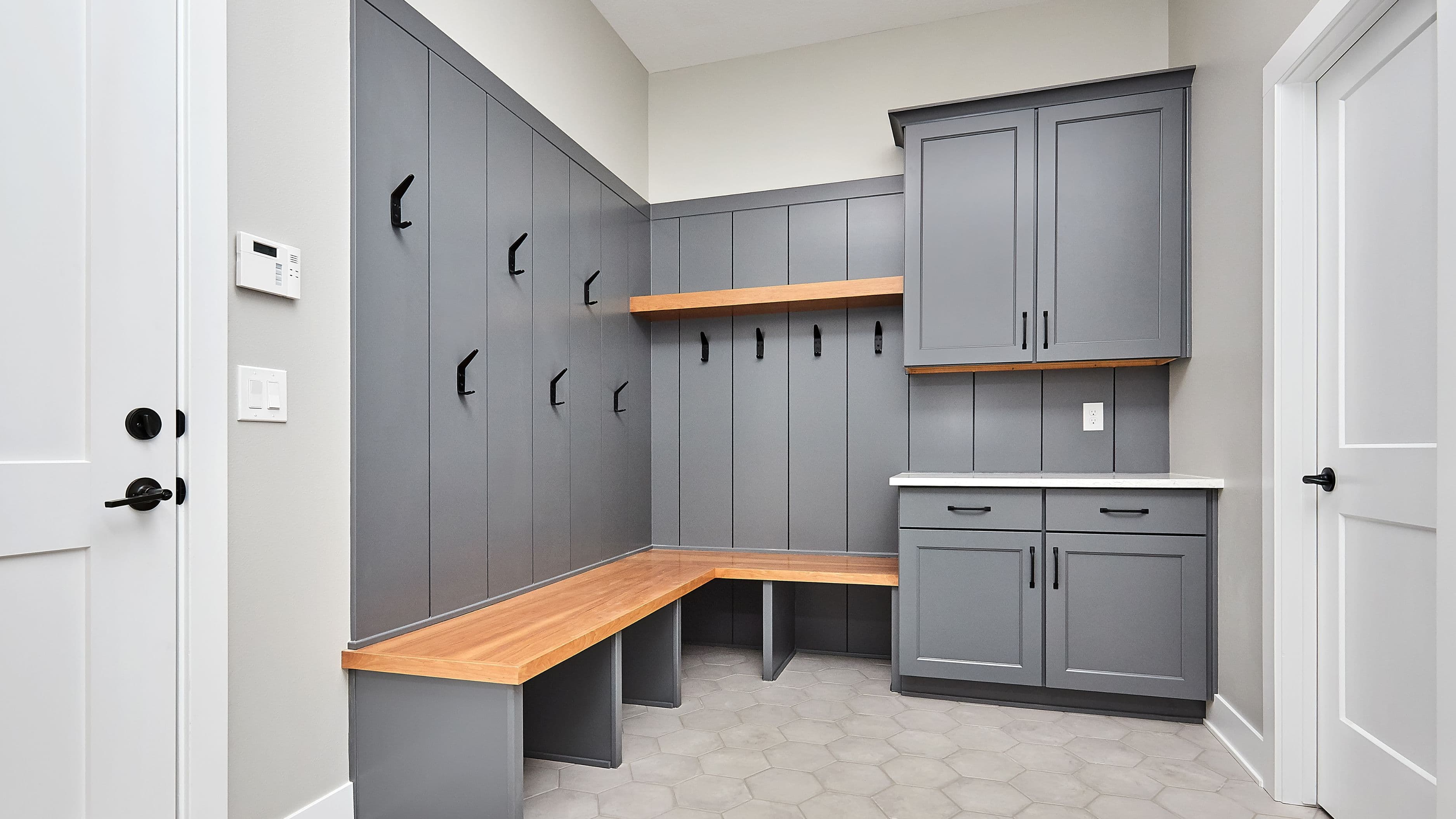
For a homework and activity zone, the key is surfaces at multiple heights if children of different ages will use the space, generous central table space, and wall-mounted storage that keeps the floor clear. A pegboard wall panel or a gallery wall of cubbies and hooks keeps art supplies, school materials, and project work organized without consuming floor space.
Step 4: Address Lighting Properly
Lighting is the most common overlooked element in dining room conversions, and it's the one that most directly determines whether the space is genuinely functional or just aesthetically pleasant. A single chandelier centered over a dining table is beautiful for dinner and almost useless for desk work, detailed crafts, or homework.
The solution is layered lighting. Keep the overhead fixture if it suits the space, but add:
Task lighting at the specific locations where focused work happens. A swing-arm wall sconce or a positioned floor lamp at the desk area, an under-cabinet LED strip if the space includes built-in shelving, or a dedicated desk lamp that travels with the work zone all solve the task lighting problem at low cost.
Dimmer switches on the overhead fixture give you control over the room's ambiance across its different functions – bright and focused for work, dimmed and warm for dining. Replacing a standard switch with a dimmer runs $15–$30 in materials and is a straightforward DIY swap on most circuits.
Natural light management matters more than most people realize. If afternoon sun hits a screen-facing position, window film or cellular shades that filter without blocking light make a significant functional difference. Motorized cellular shades ($150–$400 per window for mid-range options) let you adjust light without leaving your seat.
Step 5: Solve Storage Before You Furnish
Multi-use spaces fail when there's no clear home for the things that belong to each function. Without dedicated, accessible storage for each use case, the space becomes a dumping ground where work papers mix with table linens and homework competes with dinner plates.
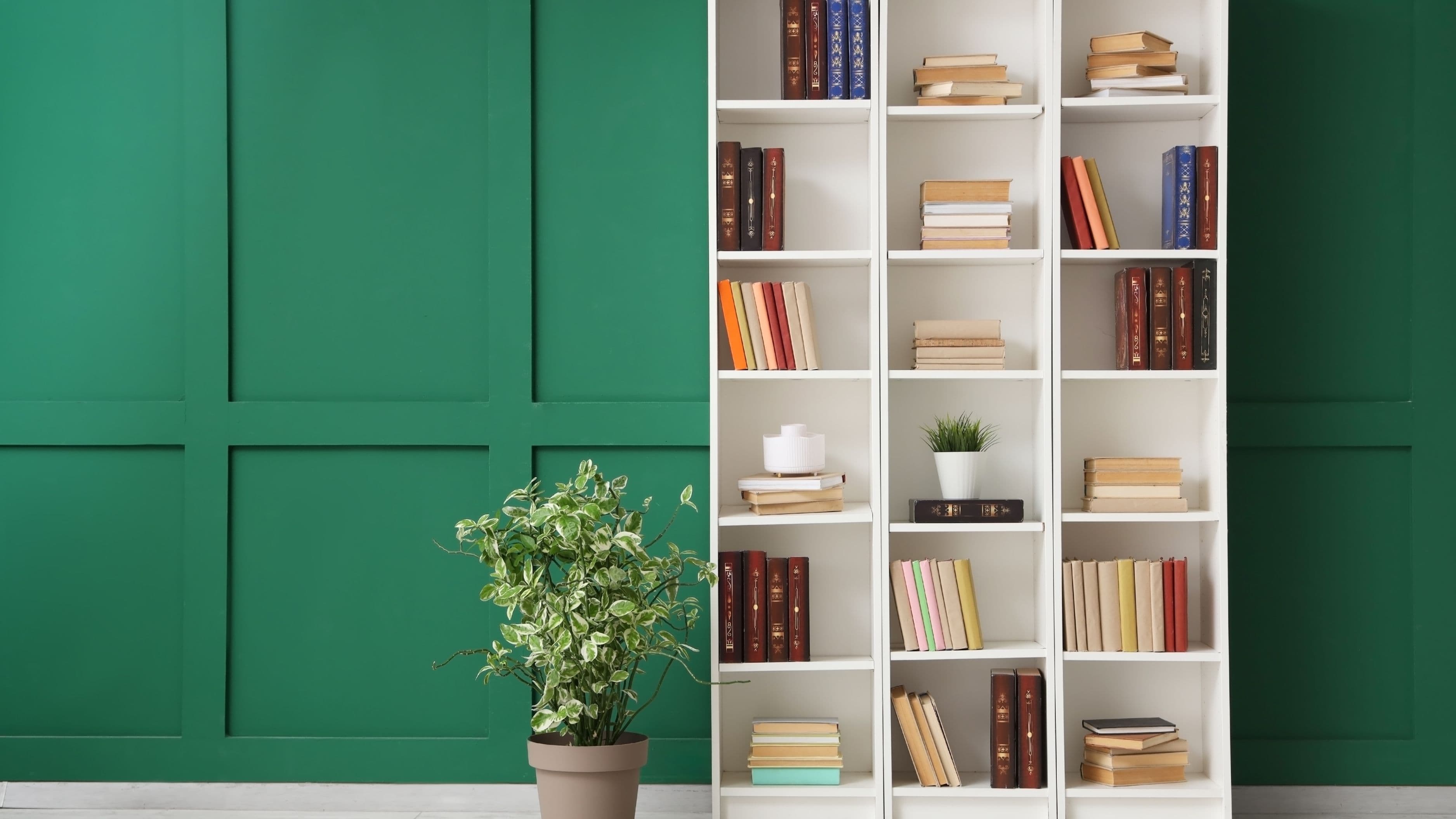
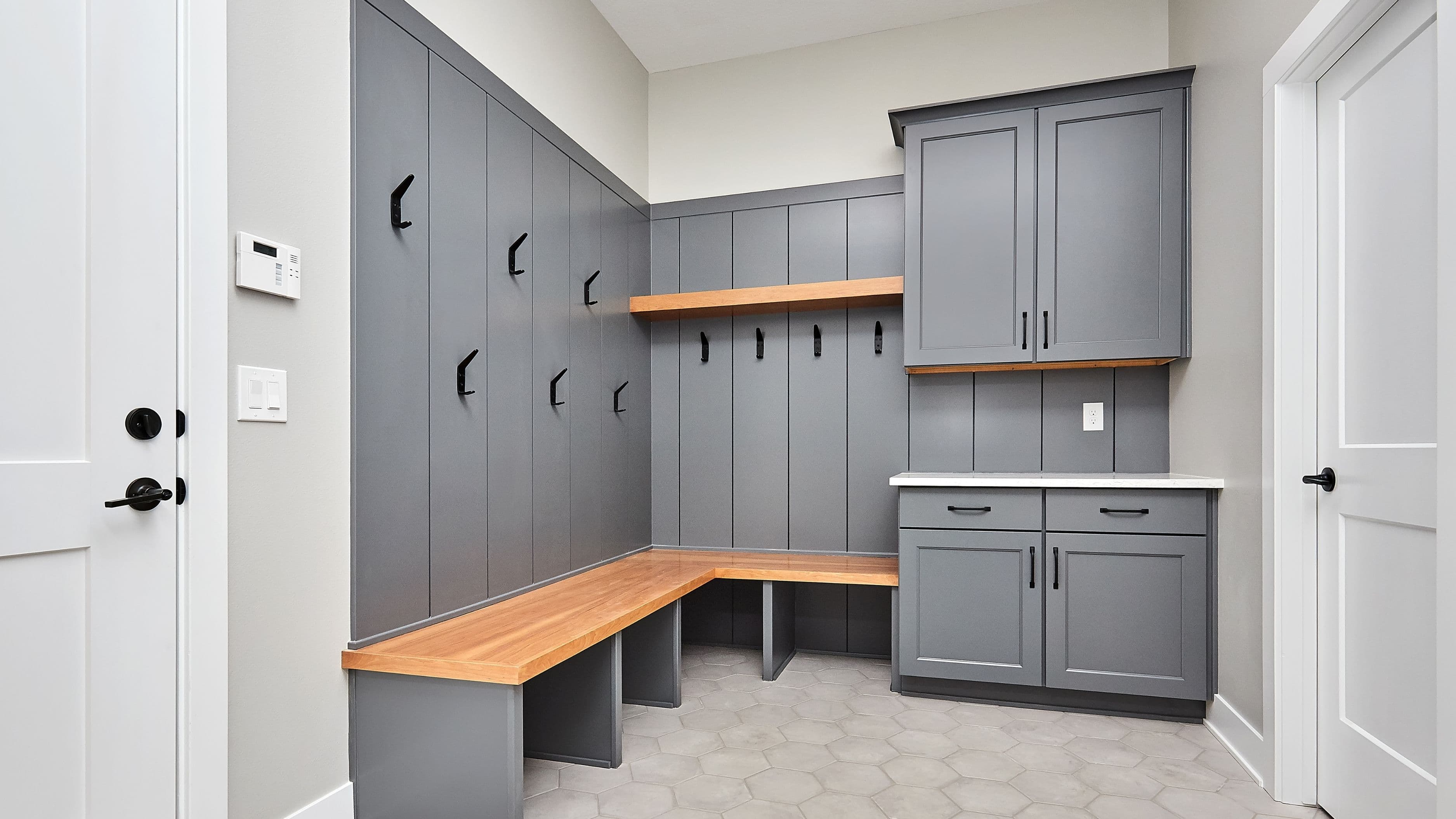
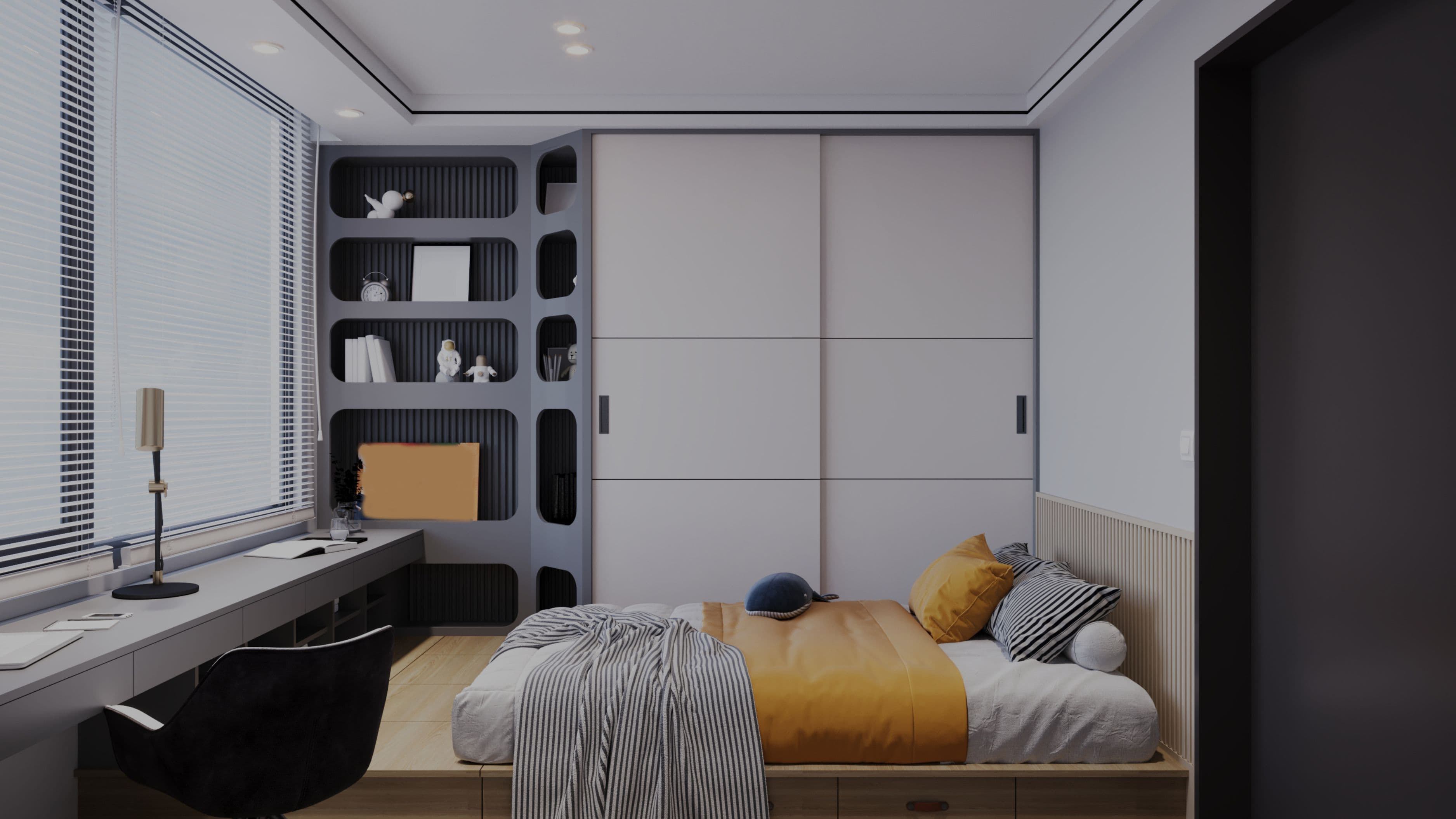
Built-in storage is the gold standard for multi-use conversions. A wall of built-in cabinets with closed doors below and open shelving above gives you concealed storage for function-specific items and display space for the things that should always be visible. The cost for custom built-ins runs $1,000–$5,000+ depending on materials, size, and whether you hire a carpenter or build them yourself using Ikea Sektion or similar modular cabinet systems that can be customized and painted to look built-in.
If built-ins aren't in the budget, a credenza or sideboard with ample interior storage ($300–$1,200 for mid-range furniture) does most of the same work without the permanence or cost. The key is that each function gets its own drawer, cabinet, or bin that can be opened when needed and closed when it isn't.
Label systems, magazine files, and drawer organizers cost almost nothing and make the difference between storage that actually gets used and storage that becomes a junk drawer at scale. The organizational infrastructure matters as much as the furniture.
Step 6: Choose Flexible Furniture Intentionally
The furniture in a multi-use space needs to be more thoughtfully chosen than furniture in a single-purpose room, because it has to serve multiple masters without compromising either.
A dining table with a pedestal base rather than four corner legs gives you more flexibility for seating arrangement and makes it easier to use the table as a work surface from multiple positions. An extension table that lives compact day-to-day and expands for larger gatherings solves the "full dining capacity vs. everyday use" tension that plagues these conversions.
Chairs on casters or chairs that tuck completely under the table are genuinely useful in multi-purpose spaces because they can be repositioned quickly. Folding or stackable guest chairs that store in a closet handle the gap between everyday seating needs and occasional full-capacity dining.
If a dedicated desk is part of the plan, a wall-mounted fold-down desk ($200–$600 installed) takes up zero floor space when not in use, which preserves the dining room's spatial openness for other functions. For a more permanent work setup, a desk that matches or complements the dining table in style and finish reads as intentional rather than mismatched.
What to Avoid
Trying to preserve the formal dining room aesthetic while changing the function. A formal chandelier, a formal rug, and a formal dining set signal "this room is for special occasions" to everyone who walks in, which works against actually using it daily. Update the aesthetic to match how the space will live.
Underestimating cable and power management. A workspace without enough outlets – or outlets in the right places – becomes a tangle of extension cords that makes the space feel chaotic and look unfinished. Plan power needs before you finalize the layout and add outlets if needed. A licensed electrician can add an outlet to a wall for $150–$300 in most cases.
Ignoring acoustics. Dining rooms often have hard floors, bare walls, and high ceilings – conditions that make them echoey and acoustically uncomfortable for video calls or focused work. A large area rug, curtains or soft window treatments, and a few upholstered pieces absorb enough sound to make a real difference without requiring acoustic panels.
Creating a space that can't fully function as either use. If the dining function requires pushing all the work materials out of the way and the work function requires the dining table to be cleared entirely, you've created friction rather than flexibility. The goal is a space where both functions are always set up and accessible, just not simultaneously active.
Realistic Costs
The investment required depends heavily on what you're starting with and how far you're taking the conversion.
A budget conversion ($500–$1,500) typically involves rearranging existing furniture, adding a task lamp, a storage solution or two, a dimmer switch, and possibly a small secondary desk. If you already have a dining table that works for both functions, this approach changes how the room is organized and used without major purchases.
A mid-range conversion ($1,500–$5,000) adds new furniture pieces chosen specifically for multi-use function, built-in or freestanding storage, updated lighting fixtures, window treatments, and possibly new flooring or a large area rug to define zones.
A full conversion ($5,000–$15,000+) includes custom built-ins, electrical work to add outlets and update lighting, structural changes if walls are being moved, and fully new furniture. This level is typically justified when the dining function is being fully abandoned and the space is being purpose-built for its new role.
FAQ
Do I need a permit to convert a dining room? Converting a dining room doesn't require a permit as long as you're not moving walls, changing the room's designation on building plans, or doing electrical work that exceeds your jurisdiction's DIY threshold. Adding outlets or new circuits typically requires an electrical permit. Check with your local building department if you're unsure.
Will converting the dining room hurt my home's resale value? A well-executed multi-use conversion – especially one that preserves some dining capability – is unlikely to hurt resale value and may help it by demonstrating a functional, modern use of space. A full conversion that eliminates all dining function in a home that lacks another formal dining option could be a minor drawback for some buyers, though in most markets it's not a significant issue.
What's the best flooring for a multi-use dining room? Hardwood or luxury vinyl plank is practical for a space that serves multiple functions – it's easy to clean, durable, and works visually across both dining and office or activity functions. If the existing dining room flooring is in good shape, keeping it and adding a large area rug to define zones is usually the most cost-effective approach.
How do I keep the space from looking cluttered? The single most effective approach is closed storage for everything that belongs to a specific function. If work materials, craft supplies, and dining accessories all have dedicated, concealed homes, the space can look clean and intentional even when multiple functions share it. Open shelving works only when what's on it is curated and organized.
Can I do this conversion as a renter? Most of it, yes. Furniture choices, lighting (with floor and table lamps rather than hardwired fixtures), storage solutions, area rugs, and organizational systems are all renter-friendly. Adding outlets or changing hardwired fixtures requires landlord permission. Temporary wall-mounted systems using adhesive strips rather than screws are worth exploring for renters who want some built-in feel without permanent installation.
📚 Sources
This Old House – Home Office Design and Layout Ideas: https://www.thisoldhouse.com/home-office/21019232/home-office-ideas
Family Handyman – How to Add an Electrical Outlet: https://www.familyhandyman.com/project/how-to-add-an-electrical-outlet/
Architectural Digest – Multipurpose Room Design Tips: https://www.architecturaldigest.com/story/multipurpose-room-ideas
Bob Vila – Built-In Shelving Cost Guide: https://www.bobvila.com/articles/built-in-shelves-cost/
National Association of Realtors – Remodeling Impact Report: https://www.nar.realtor/sites/default/files/documents/2022-remodeling-impact-report-04-19-2022.pdf
Energy Star – Lighting and Dimmer Efficiency: https://www.energystar.gov/products/lighting_fans/light_bulbs/learn_about_led_bulbs
🔍 Explore Related Topics