
Start With the Table, But Think Beyond Seating Capacity
The table is the anchor of the room, but the mistake many homeowners make is choosing size based purely on maximum guest capacity rather than everyday comfort. A table that seats ten comfortably for a holiday dinner can feel oversized and cold for a family of three eating dinner most weeknights. An extendable table solves this directly, giving you a smaller, more intimate footprint for daily use with the option to add leaves when hosting larger groups.
Cost level: medium. Quality extendable tables typically run higher than fixed tables of comparable size and material, but the functional flexibility usually justifies the difference if your household genuinely fluctuates between daily use and occasional larger gatherings. Budget-conscious alternatives include a smaller primary table paired with a folding or nesting table stored elsewhere for overflow seating during larger events.
Choose Seating That Serves Two Different Moods
Dining chairs need to work for both a quick weeknight meal and a longer, more social gathering. Upholstered chairs feel more comfortable for extended dinner parties but can show wear faster with daily use, especially with kids or pets in the household. A practical middle ground is choosing a mix, upholstered chairs at the head of the table for special occasions, paired with more durable, easy-to-clean chairs for the sides used daily.
Bench seating along one side of the table is another flexible option worth considering, since it can seat more people in a tighter footprint than individual chairs when needed, while still feeling casual and unobtrusive for everyday meals.
Lighting That Adjusts to the Occasion
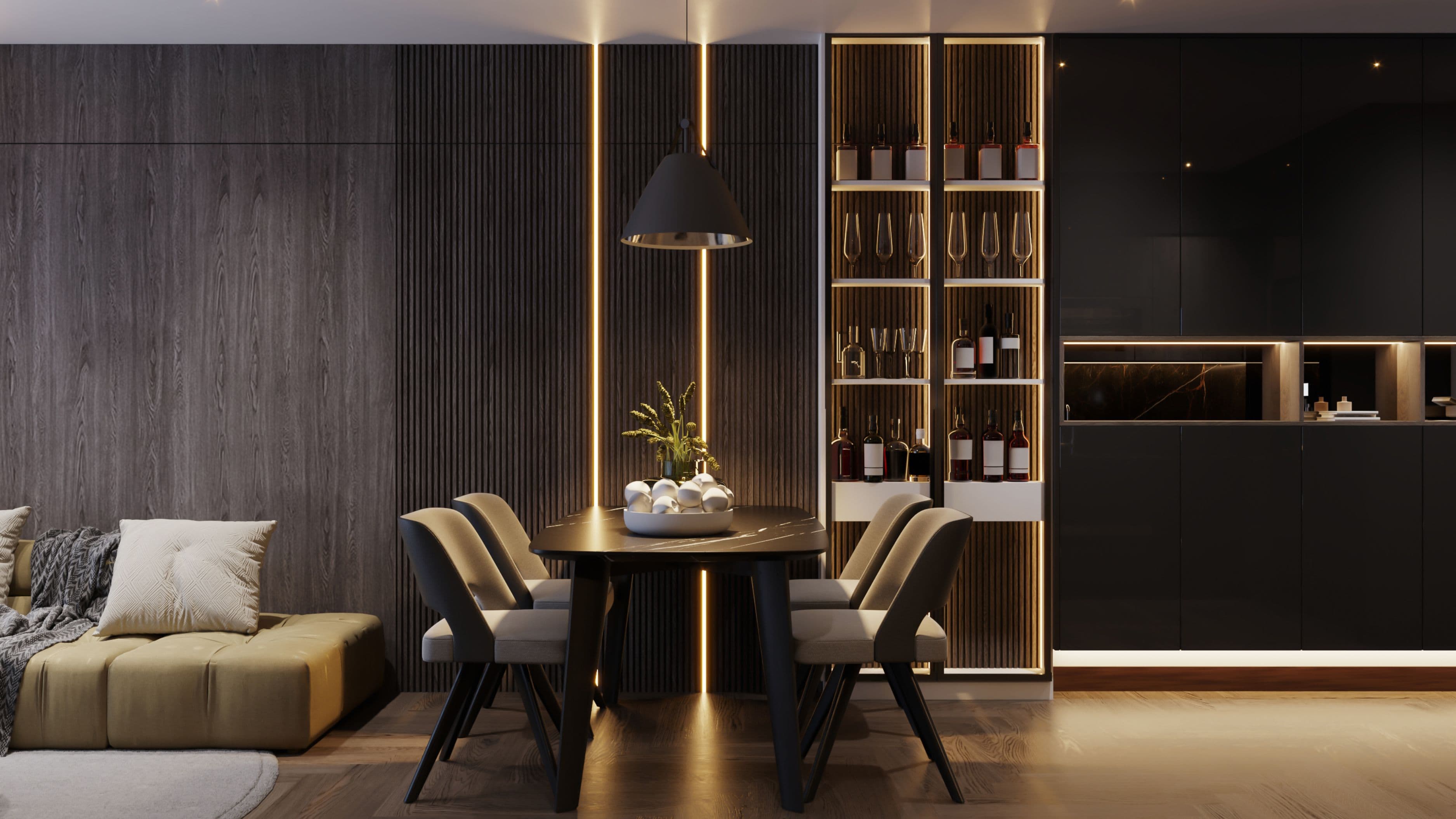
A single bright overhead fixture works fine for a quick weeknight dinner but rarely sets the right mood for a longer, more social gathering. Installing a dimmer switch on your primary dining light is one of the highest-impact, lowest-cost upgrades you can make to this room, since it lets the same fixture serve both a practical daily purpose and a warmer, more intentional atmosphere for guests, without needing separate lighting systems.
Cost level: low. A basic dimmer switch installation is a manageable weekend project for most homeowners with basic electrical comfort, or a quick job for an electrician if you'd rather not handle the wiring yourself. Layering in a secondary light source, like wall sconces or a sideboard lamp, adds further flexibility for adjusting the room's feel without needing to touch the main fixture.
Storage That Keeps Everyday Clutter Out of Sight
A dining room that constantly has mail, homework, or miscellaneous household items piled on the table isn't ready for guests without a scramble beforehand. Built-in or freestanding storage, a sideboard, buffet, or built-in cabinetry, gives you a dedicated place to quickly clear the table and store items out of sight, while also providing a surface for serving dishes and drinks when hosting.
Cost level: medium. A quality sideboard or buffet is a worthwhile investment if your dining room currently lacks any storage, since it solves the everyday clutter problem while also directly supporting your ability to host without extensive last-minute preparation. If budget is a concern, a simple credenza or repurposed dresser can serve a similar function at a lower cost.
Layering a Rug for Comfort and Definition
A rug under the dining table does more than add warmth underfoot, it visually defines the dining area, particularly useful in open-concept homes where the dining space flows into a kitchen or living area without walls to naturally separate it. Choose a rug large enough that chairs remain on the rug even when pulled out from the table, generally at least 24 inches of rug extending beyond the table's edge on all sides, to avoid chair legs catching on the rug's border during everyday use.
Cost level: low to medium depending on material and size. A durable, stain-resistant material like a flatweave or synthetic blend is a practical choice for a room that sees regular daily use, since natural fiber rugs can be more difficult to clean after everyday spills.
Creating Flexibility With Modular or Movable Elements
If your dining room needs to occasionally transform for larger gatherings, incorporating movable elements, like stackable extra chairs stored in a closet or a folding console table that can join the main table when needed, gives you the flexibility to scale the room up without permanently dedicating space to items only used a few times a year. This approach keeps the everyday footprint of the room lighter and more functional while still preparing you for occasional larger events.
Common Mistakes to Avoid
Don't design the room entirely around occasional entertaining at the expense of daily comfort, an oversized table and formal seating that feels stiff and impractical for a quick weeknight dinner will discourage you from using the room at all outside of special occasions. Equally, don't design purely for daily minimalism without any consideration for hosting capacity, since scrambling to borrow extra chairs or find serving space every time guests come over adds unnecessary stress to what should be a straightforward gathering.
Avoid choosing delicate materials, like unsealed wood tabletops or light-colored upholstery, without considering how they'll hold up to daily family use, spills, and general wear. Materials that look elegant in a showroom but require excessive care often end up under-protected and damaged within the first year of regular use.
FAQ
Is an extendable table worth the extra cost? For most households that host occasionally but eat daily meals with a smaller group, yes. The functional flexibility of scaling the table up only when needed typically outweighs the added cost compared to a fixed table sized for maximum capacity.
What's the most cost-effective upgrade for a dual-purpose dining room? Installing a dimmer switch on the main light fixture is one of the lowest-cost, highest-impact changes, since it directly changes the room's atmosphere for a fraction of the cost of larger furniture or lighting changes.
How do I keep the room from feeling cluttered during everyday use? Dedicated storage, like a sideboard or buffet, gives you a consistent place to store everyday items and quickly clear the table, which keeps the room functional day to day without requiring a major cleanup before guests arrive.
📚 Sources
National Kitchen and Bath Association – Dining Room Design Guidelines: https://nkba.org/
This Old House – How to Choose a Dining Room Rug Size: https://www.thisoldhouse.com/decorating/21105991/how-to-choose-a-rug-size
Consumer Reports – Buying Guide for Dining Room Furniture: https://www.consumerreports.org/furniture/