

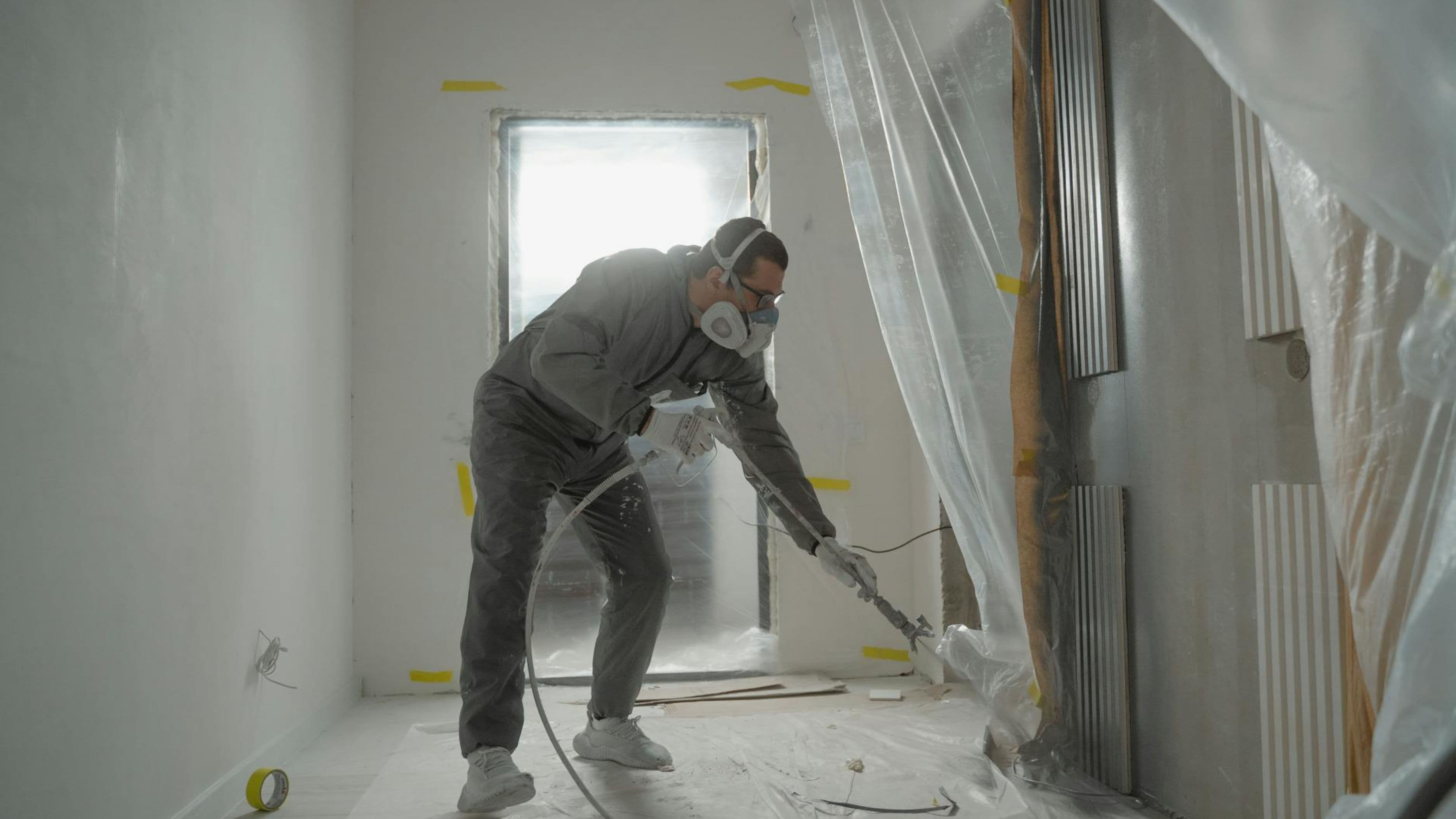
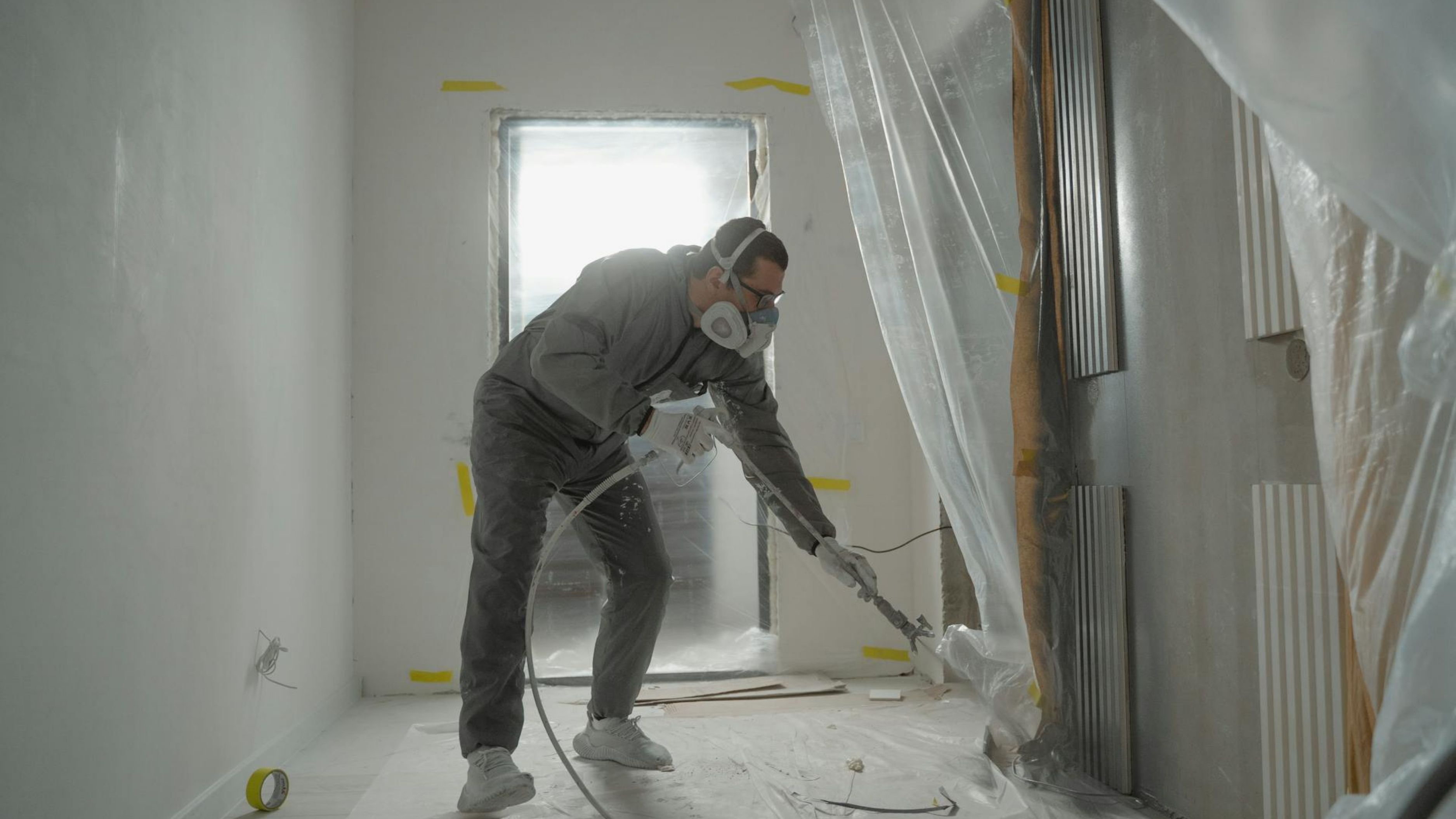
Let's break down the common interior updates that homeowners face and figure out which ones deserve your DIY enthusiasm and which ones require you to swallow your pride and call someone who actually knows what they're doing.
Paint: The Gateway DIY Drug
Painting is the craft beer of home improvement—everyone thinks they can do it, and most people actually can. Slapping a fresh coat of paint on your walls is genuinely one of the most budget-friendly ways to transform a space. The materials are cheap, the learning curve is gentle, and if you mess up, you can literally paint over your mistakes. According to HomeAdvisor, professional interior painting costs between $2 and $6 per square foot, while DIY projects typically run under $200 for an average bedroom.
But here's the catch: preparation is everything. If you skip the taping, rush the priming, or ignore those weird ceiling corners, your "simple afternoon project" will haunt you every time you glance at that wall. Buy quality brushes and rollers, invest in painter's tape that actually works, and accept that moving furniture is just part of the deal. Your back will hurt, you'll find paint in your hair three days later, and it'll still be worth it.
Verdict: DIY, but respect the process.
Light Fixtures: Shockingly Doable
Swapping out dated light fixtures feels fancy, but it's actually one of the easiest electrical updates you can tackle. Most fixtures connect with simple wire nuts—basically twist-on connectors that even your technologically-challenged aunt could handle. You'll need to turn off the circuit breaker, remove the old fixture, match the wires (black to black, white to white, green or copper to ground), and mount the new one. The entire process takes maybe 30 minutes once you've conquered your fear of electricity.
However, if your home was built when people still used rotary phones, your wiring situation might be more complicated. Old fixtures without ground wires, aluminum wiring instead of copper, or junction boxes that look like they're held together with hope and ancient electrical tape? That's when you call a licensed electrician. The average cost for professional installation runs $150 to $300, but that includes someone who knows how to not burn your house down.
Verdict: DIY for straightforward swaps, hire for anything sketchy.
Backsplash: Stick-On Magic vs. Real Tile
Peel-and-stick backsplash tiles are the participation trophy of home improvement—they look good from a distance, they're incredibly easy to install, and they're perfect for renters or anyone who treats commitment like a suggestion. You can transform your kitchen in an afternoon with nothing more than a utility knife and questionable spatial reasoning. These products have improved dramatically over the past few years, with options that genuinely mimic the look of ceramic or subway tile.
Real tile backsplash installation, though, is a different beast entirely. You're dealing with thinset mortar, spacers, tile cutters, and grout—all materials that require timing, precision, and a willingness to accept that your first attempt will probably look like a child's art project. Professional installation costs between $600 and $1,350 for an average kitchen backsplash, but you'll get a result that actually adds value to your home and won't peel off when you accidentally splash it with hot pasta water.
Verdict: DIY the peel-and-stick, hire for real tile unless you enjoy suffering.
Flooring: Where Dreams Go to Die
Luxury vinyl plank flooring has convinced an entire generation that they can install floors themselves. The click-lock systems are genuinely intuitive, the material is forgiving, and watching installation videos makes it look easier than assembling IKEA furniture. For small rooms with straightforward layouts, DIY vinyl or laminate installation is absolutely achievable. You'll need a saw, patience, and the ability to measure twice and cut once—a skill that approximately 40% of humans possess.
But hardwood? Tile? Carpet? These are professional territories guarded by people who've spent years perfecting their craft. Hardwood installation requires specialized tools, knowledge of wood expansion, and skills that can't be learned from a weekend warrior mentality. Tile demands precision cutting, proper substrate preparation, and the kind of patience that most people only achieve through meditation or prescription medication. The cost difference between DIY and professional installation can reach thousands of dollars, but so can fixing a botched DIY job.
Verdict: DIY vinyl plank for small spaces, hire pros for everything else.
Cabinet Hardware: The Five-Minute Facelift
Updating cabinet hardware is so easy that it barely qualifies as a project. You're basically just unscrewing old knobs and screwing in new ones. A power drill with a screwdriver bit speeds things up, but technically you could do this entire job with a manual screwdriver while watching Netflix. New hardware costs anywhere from $2 to $15 per piece, and the visual impact is shockingly disproportionate to the effort involved.
The only way to mess this up is by choosing new hardware with different hole spacing than your old pieces, which means you'll need to drill new holes and fill the old ones. Even then, wood filler and a steady hand can handle the situation. This is the update you do when you want to feel accomplished but don't actually want to work hard.
Verdict: DIY, obviously. If you hire someone for this, we need to talk.
Window Treatments: Measure Twice, Curse Once
Installing curtain rods and blinds lives in that sweet spot between "definitely doable" and "why are there so many brackets?" You'll need a drill, a level, and the emotional fortitude to accept that your walls might not be perfectly straight—because they aren't, and that's not your fault. Mounting hardware into drywall requires anchors, mounting into studs requires a stud finder, and mounting into plaster requires prayers to the home improvement gods.
Custom window treatments installed by professionals cost significantly more than DIY, sometimes adding $100 to $200 per window just for installation. But if you're dealing with large, heavy drapes, motorized blinds, or windows that require mounting hardware on brick or concrete, professional installation ensures everything stays securely attached instead of crashing down at 3 AM.
Verdict: DIY for standard windows, hire for complex or heavy treatments.
Accent Walls: Wood, Stone, and Ambition
Shiplap, board-and-batten, and peel-and-stick wood planks have made accent walls accessible to regular humans. These projects require measuring, cutting, and mounting—skills that most adults possess or can develop over a weekend. The visual drama of a well-executed accent wall transforms a room from basic to curated, and the materials are relatively affordable. A DIY wood accent wall costs between $200 and $600 depending on material choices.
Stone veneer or brick accent walls, however, enter professional territory. These materials require proper substrate preparation, the right adhesives, and knowledge of weight distribution that most DIYers lack. Professional installation costs more upfront but prevents the nightmare scenario of your accent wall literally falling off the wall in chunks.
Verdict: DIY wood treatments, hire for stone or brick.
The Bottom Line: Know Your Limits
The difference between a successful DIY project and a expensive disaster often comes down to honest self-assessment. Can you follow instructions? Do you own basic tools? Are you willing to spend twice as long as you estimated? Then many interior updates are absolutely within your reach. But the moment you find yourself googling "is this load-bearing?" or "why is water coming from there?"—that's when you put down the drill and pick up the phone.
Your home doesn't need to be a showroom, and your projects don't need to be perfect. They just need to be functional, safe, and not actively decreasing your property value. Sometimes that means embracing your inner weekend warrior, and sometimes that means admitting that professionals exist for very good reasons. The wisdom isn't in doing everything yourself—it's in knowing which battles to fight and which ones to outsource to someone wearing a tool belt.
📚 Sources
1. HomeAdvisor. (2024). Interior Painting Cost Guide. HomeAdvisor Cost Guides.
2. National Association of Home Builders. (2024). Remodeling Cost vs. Value Report.