
The culture of outsourcing every squeaky hinge, dripping faucet, and loose doorknob has convinced us we're incapable of fixing our own spaces. Meanwhile, service call fees start at $75 before anyone even touches your problem, and that "quick fix" somehow balloons into a $300 invoice. What if the real solution wasn't working more hours to afford repairs, but learning to handle the basics yourself?
Let's dismantle the myths keeping you broke and rebuild your approach to home maintenance — one honest truth at a time.
Myth: Professional Help Is Always Worth the Cost
Truth: Most common repairs cost 10x more when you hire out.
That leaky faucet dripping in your bathroom? A plumber charges $150-$300 to replace a $4 rubber washer that takes seven minutes to install. The math doesn't add up, yet we hand over our credit cards because we've convinced ourselves it's "safer" or "more reliable." The safety argument crumbles when you realize most household fixes require nothing more dangerous than turning off a water valve or flipping a circuit breaker.
Your hands are more capable than the marketing wants you to believe. When you pay someone $200 to tighten a loose toilet seat or replace an air filter, you're not paying for expertise — you're paying for convenience wrapped in manufactured helplessness. That money could stock your emergency fund or cover a month of groceries instead.
Myth: You Need Expensive Tools to Start
Truth: A $30 basic toolkit handles 80% of home repairs.
Walk into any hardware store and you'll find aisles designed to intimidate: specialty wrenches, laser levels, professional-grade power tools with price tags that make you wince. Ignore all of it. A hammer, screwdriver set, adjustable wrench, pliers, and tape measure will carry you through years of repairs without requiring a second mortgage.
The tool industry profits from your insecurity, convincing you that every job demands specialized equipment. In reality, that $8 adjustable wrench tightens the same bolts as the $85 socket set gathering dust in your neighbor's garage. Start with the basics, learn what you actually use, then upgrade strategically. Every repair you complete with simple tools is money that stays in your pocket instead of enriching a contractor's retirement fund.
Myth: DIY Takes Too Much Time
Truth: Most repairs take less time than scheduling a service call.
Picture this: You notice a running toilet on Monday. You call a plumber Tuesday, they can't come until Thursday afternoon, you take time off work, they arrive 90 minutes late, then fix it in 12 minutes. Total time invested: three days of mental energy, four hours of waiting, and half a day's wages lost. A YouTube video would have taught you the fix in six minutes, and you'd be done before your coffee got cold.
The time myth persists because we count active repair time but ignore the invisible hours consumed by outsourcing. Scheduling calls, waiting in four-hour service windows, following up on no-shows, disputing charges — it all evaporates your schedule. Once you know how to replace a light switch or unclog a drain, these tasks become five-minute interruptions rather than multi-day ordeals that hijack your calendar and your peace of mind.
Myth: Mistakes Will Cost More Than Hiring Help
Truth: Most DIY errors are easily reversed and still cheaper.
The fear of messing up keeps more people in debt than actual mistakes ever could. Yes, you might strip a screw or crack a tile on your first attempt. Even with these beginner fumbles, you're usually looking at $20 in replacement materials versus $250 in professional fees. The math still favors trying it yourself, even when you factor in a do-over.
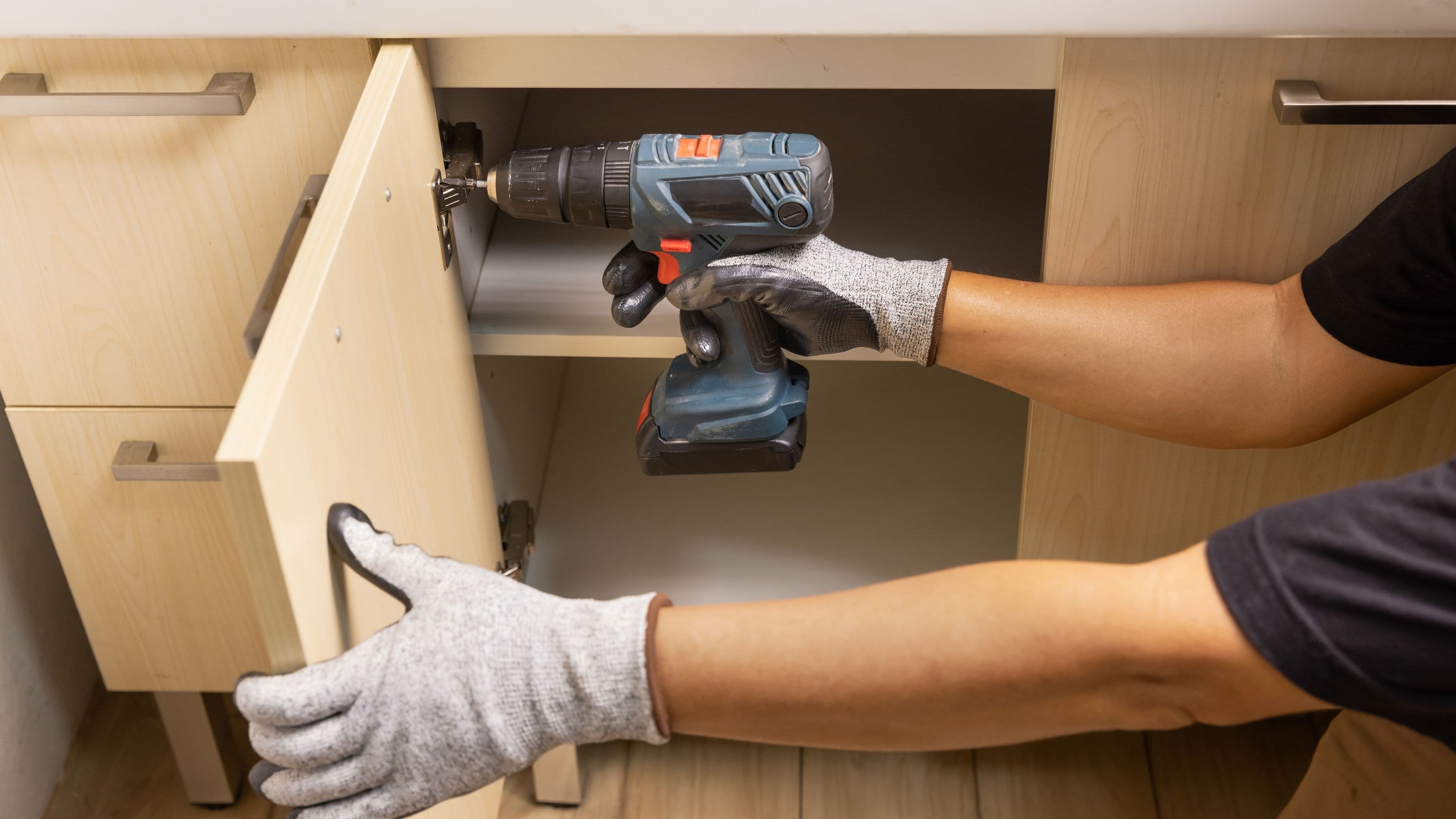
Real disasters happen, but they're rare and usually involve ignoring clear warning signs — like attempting electrical work without cutting power or tackling structural changes without permits. Stick to straightforward fixes like replacing cabinet hardware, patching drywall holes, or fixing a leaky pipe joint, and your worst-case scenario is a trip back to the hardware store. That's not failure; that's learning a skill that will save you thousands over the next decade.
Myth: Landlords Should Handle Everything
Truth: Small fixes you can do yourself prevent deposit losses and delays.
Renters often adopt a hands-off mentality, assuming every issue requires a maintenance request. Then move-out day arrives, and you're hit with $200 in "damages" for nail holes that would've taken three minutes and $2 of spackle to fix. Or you spend two weeks waiting for maintenance to replace a shower head you could've swapped out yourself in the time it took to file the request.
Understanding basic repairs gives renters power and protection. Patching small wall damage, replacing worn cabinet knobs, or fixing a loose toilet handle aren't just about saving your deposit — they're about living comfortably without depending on a landlord's timeline. You're not violating your lease by changing a lightbulb or tightening a loose towel bar. These small acts of self-reliance add up to hundreds saved and stress avoided across your rental history.
Myth: DIY Means Lower Quality Results
Truth: You'll care more about getting it right than someone rushing through their tenth job of the day.
Professional doesn't automatically mean better. That contractor squeezing you between two other appointments might cut corners you'd never tolerate in your own home. When it's your space, your money, and your time invested, you naturally take more care with the details. You'll watch that tutorial twice, measure three times, and ensure everything sits level because you're the one living with the results.
The quality myth serves the service industry, not you. A homeowner who spends 30 minutes carefully caulking a bathtub often achieves cleaner lines than a rushed pro who's already mentally moved on to the next job. Your investment in doing things right stems from different motivation — this is your sanctuary, not just another line item on an invoice. That emotional stake translates into results you can be proud of and savings you can actually see.
Myth: Learning Repairs Requires Natural Talent
Truth: Step-by-step videos make almost anyone capable.
Nobody emerged from the womb knowing how to replace a door hinge or install a ceiling fan. These skills aren't genetic gifts — they're learned procedures that thousands of people master every single day. The internet demolished the knowledge barrier; you now have access to detailed tutorials that break down complex tasks into foolproof steps. If you can follow a recipe or assemble furniture, you can handle basic home repairs.
The talent myth keeps people dependent and broke. What separates those who save thousands through DIY from those who outsource everything isn't innate ability — it's willingness to watch a 10-minute video and try. Modern tutorials show you exactly what to expect: what tools you'll need, what problems might arise, how to troubleshoot when something doesn't go smoothly. This isn't about being handy; it's about being willing to learn, and that's a choice anyone can make right now.
The Financial Ripple Effect
Consider the compound impact: Five simple repairs averaging $200 each add up to $1,000 saved per year. Over a decade, that's $10,000 — enough for a down payment, a fully funded emergency account, or complete debt elimination for many households. These aren't hypothetical savings; they're real money that stays in your possession instead of padding someone else's profit margin.
According to a 2023 study by HomeAdvisor, the average American homeowner spends approximately $1,105 annually on routine home maintenance and repairs. Learning to tackle even 50% of these tasks yourself frees up over $500 each year — money that can work for your future rather than disappearing into temporary fixes. The skills compound too: Each repair you master makes the next one easier, building confidence and capability that extends beyond just saving money.
Start Small, Build Momentum
Your journey toward financial independence through DIY doesn't require a workshop full of tools or a weekend seminar. It starts with one decision: the next time something breaks, pause before reaching for your phone to call help. Search YouTube for "[your problem] repair." Watch two or three videos. Notice how the comments are filled with people saying "This was so much easier than I thought" and "Saved me $150."
Pick your first project based on low stakes, not complexity. A squeaky door hinge, a running toilet, a loose cabinet handle — these small victories build the confidence that transforms how you see your home and your capabilities. Each successful fix becomes evidence that you're more resourceful than you've been told, more capable than the consumer culture wants you to believe.
Let go of the outdated belief that competence with tools belongs to someone else, that saving money requires deprivation instead of skill-building, that your hands are somehow less capable than a stranger's. The path to financial stability isn't paved with hustle alone — it's built with practical knowledge that keeps your money working for you instead of enriching every service provider in town.
Start making moves that actually work. Your wallet will thank you, your confidence will grow, and you'll wonder why you ever paid someone $250 to do something you now handle in 15 minutes.
📚 Sources
HomeAdvisor. (2023). True Cost Report: Annual spending on home maintenance and repairs. HomeAdvisor Research.
-jhajrFUGfI3zCQGjpAWcxuNPi1zUTB.jpg&w=3840&q=75)