
Understanding the full cost picture before you start – not after – is what separates a project that stays on budget from one that quietly grows by 30–50%.
What a Basic Estimate Usually Covers
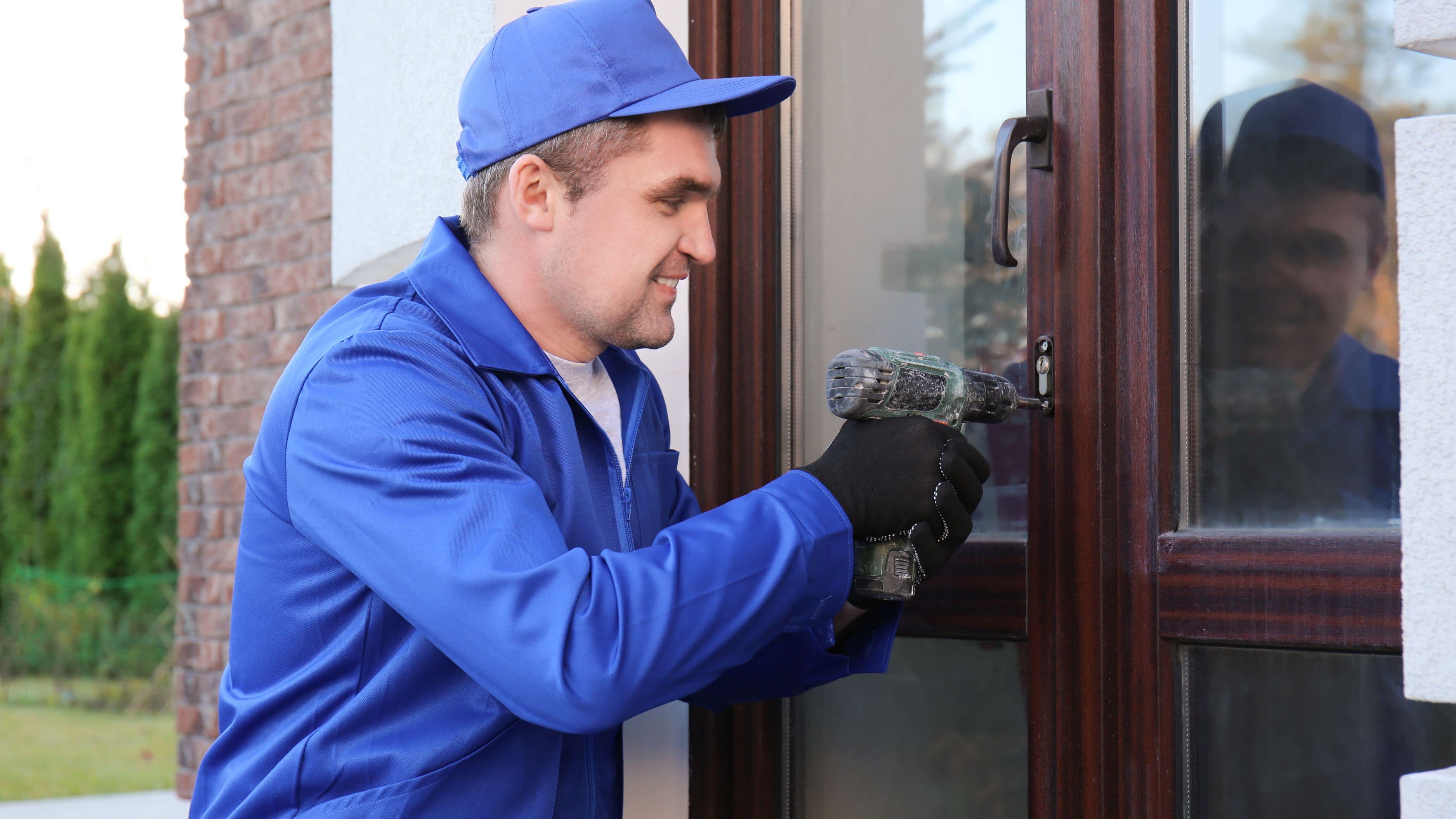
When you get an initial quote for door replacement, most estimates include the cost of the door unit itself and the basic labour to hang it. That's the starting point, and it's genuinely where most of the visible cost sits. But "door replacement" covers a wide range of actual work depending on the condition of your existing opening, the type of door being installed, and whether anything unexpected turns up once the old door comes out.
A standard exterior door unit – pre-hung in its frame – runs anywhere from $300 to $800 at mid-range quality, with fibreglass and steel doors toward the lower end and solid wood doors climbing above $1,000 or more for quality options. Labour for a straightforward installation typically runs $150–$400 depending on your region and the complexity involved. That's the estimate most homeowners receive. The rest of the costs come from what the estimate doesn't cover.
The Hidden Costs That Drive Up the Final Bill
Frame and Jamb Damage
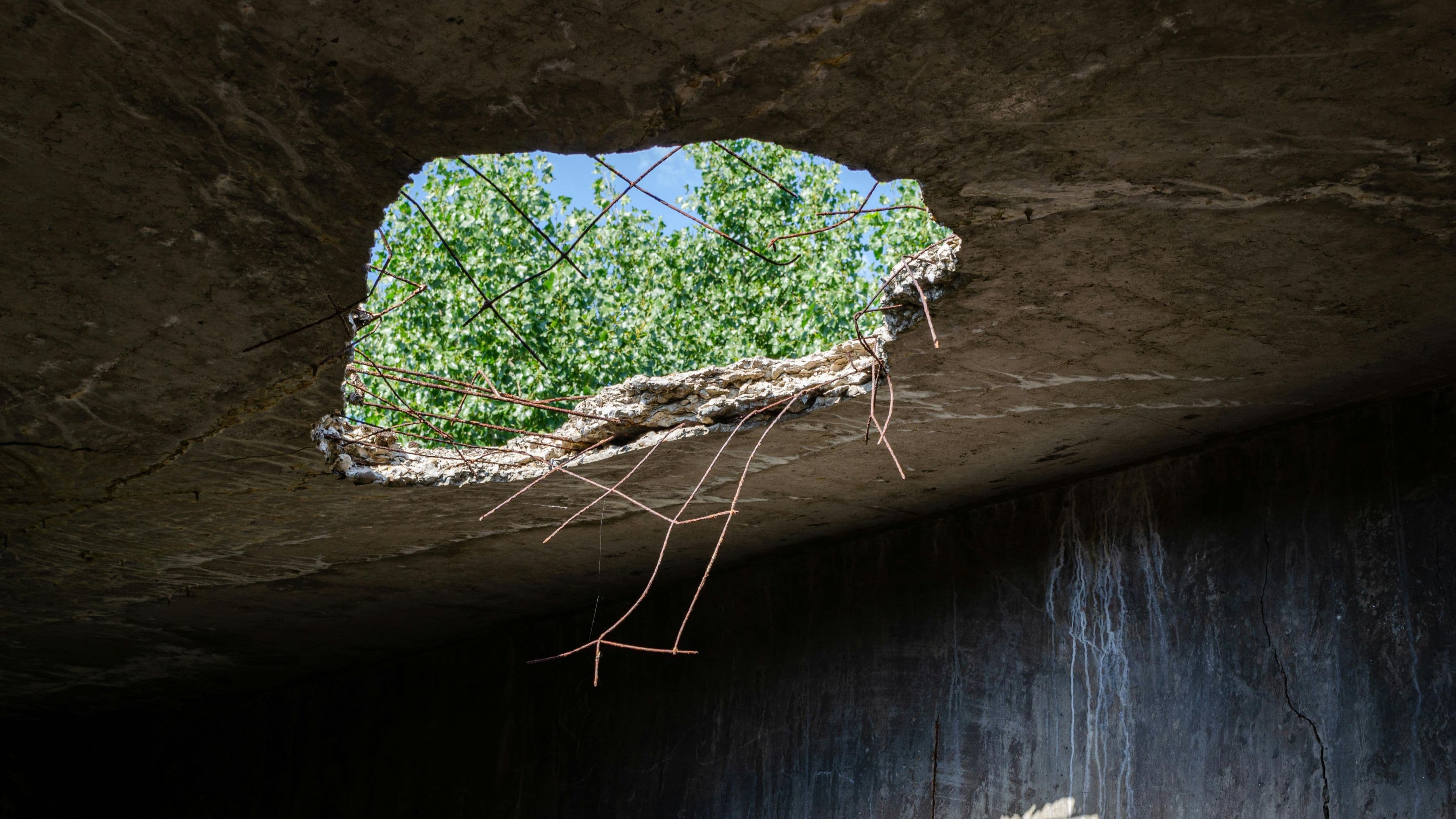
The frame and door jamb are what the door unit attaches to, and they're often not visible until the old door comes out. Wood frames in older homes – particularly exterior doors – are prime territory for rot, moisture damage, and insect damage that's been quietly progressing behind the door unit for years. If the frame needs partial or full replacement, that adds $200–$600 to the project depending on extent. If the damage is structural and involves the rough opening itself, costs climb higher.
This is the single most common budget surprise in door replacement. The previous door was functional and hiding the problem. The new door revealed it. There's no way to fully predict it beforehand without removing the existing door first, which is why experienced contractors often frame estimates with a caveat about frame condition – though that caveat can get lost in the conversation.
Threshold and Sill Work
The threshold – the strip at the bottom of the door opening – takes a beating over years of foot traffic and weather exposure. In many replacements, the existing threshold is worn, cracked, or doesn't sit correctly with the new door unit. Replacing a threshold adds $50–$200 to the project depending on material and complexity. If the sill (the ledge below the threshold) is also damaged or needs to be rebuilt for proper drainage, add another $100–$400.
Neither of these is typically itemised in an initial quote unless the contractor has specifically inspected the existing threshold condition. They usually haven't before giving you a number.
Finishing and Patching Around the Opening
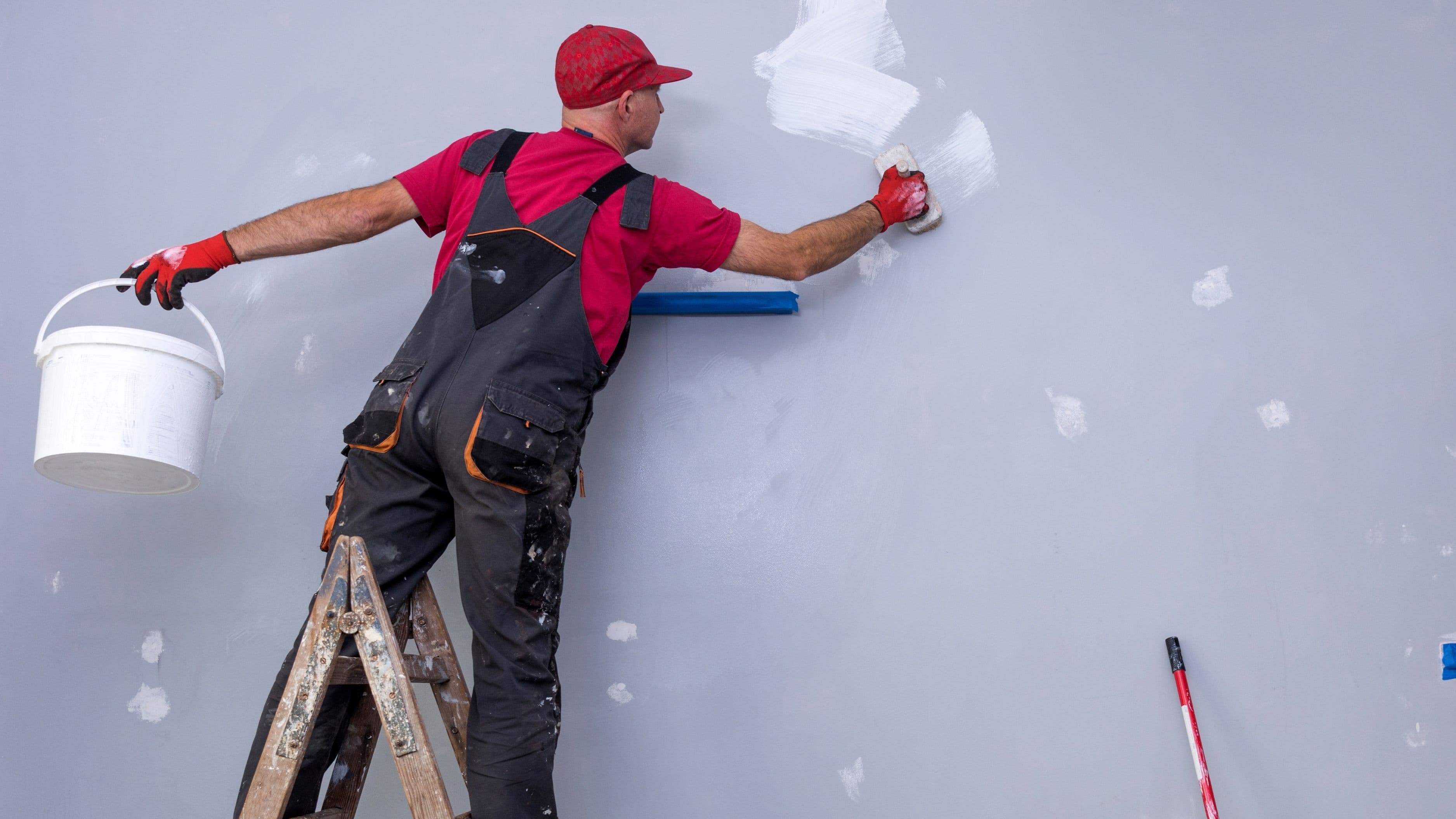
When the old door comes out, it almost always leaves some evidence of its existence: holes from old hardware, gaps in the surrounding wall where the old frame sat differently, paint lines from the old configuration, or damaged drywall from the removal process. Patching, filling, and repainting the area around a new door opening is not always included in installation quotes and can easily add $100–$400 depending on how much work is involved and whether you're doing it yourself or having the contractor handle it.
Exterior work has its own version of this. Caulking, weatherstripping, and touching up exterior trim and paint around the new door frame are often listed as separate line items or simply excluded from the installation quote entirely. Budget $50–$200 for materials if you're doing this yourself, or $150–$350 if the installer is handling it.
Hardware – Not Included by Default
Door hardware – lockset, deadbolt, handle, hinges – is frequently not included in either the door unit or the installation quote unless you've specifically asked and confirmed otherwise. A basic entry lockset and deadbolt costs $50–$200. A matched set with a quality finish runs $150–$400. If you want a smart lock, keypad entry, or a coordinated hardware set that matches other fixtures in your home, budget $200–$600 or more.
Hinges are a separate consideration for custom or non-standard door sizes. They're a small cost individually ($10–$30 per hinge) but add up when combined with everything else, and if your new door requires different hinge placement than the old one, additional patching of hinge mortises becomes necessary.
Permits
Most jurisdictions require a permit for exterior door replacement, particularly when it involves structural framing work. Many homeowners – and some contractors – skip this step for straightforward replacements. For a basic like-for-like exterior door swap in an existing opening, enforcement is variable and the risk of skipping is low in some areas. But if you're changing the door size, altering the opening, or doing any structural work, a permit is both legally required and practically important. Permit fees range from $50 to $250+ depending on your municipality.
The cost of unpermitted work shows up later when you sell: disclosure requirements, inspection complications, or a buyer's agent who asks questions can create headaches that are disproportionate to the permit fee you avoided.
Disposal
The old door has to go somewhere. Some contractors include haul-away in their installation quotes; many don't. Disposal of a door unit and frame material runs $50–$150 if the contractor charges for it separately, or you can rent a skip/trailer for a day if you're handling multiple projects. It's a small cost but one that appears as a surprise line item on enough final invoices to be worth checking upfront.
Interior vs. Exterior: Where the Costs Differ
The cost variables above apply to both interior and exterior door replacements, but in different proportions. Exterior door replacements carry higher material costs (the door units themselves are more expensive because they need to be weatherproof and secure), higher stakes for frame and threshold condition, and almost always involve some weatherproofing and finishing work. They're also where structural surprises are most likely.
Interior door replacements are generally simpler and less expensive. A hollow-core interior door unit costs $80–$300; solid-core runs $150–$600. Installation is typically $75–$200. The main cost surprises for interior doors are hardware (particularly if you're upgrading to lever handles throughout the home), non-standard openings that require custom doors, and patching where old door frames or hinges leave marks on surrounding drywall or flooring.
Pocket doors and barn doors introduce their own cost category. These aren't straightforward swaps – they require either an existing pocket in the wall (which may need the hardware replaced) or the installation of a track and mounting system for a new barn door. Budget $300–$800 for the hardware alone on a barn door installation, plus any wall work required. These projects look simple but frequently take longer and cost more than expected.
Front Door Replacement: A Special Case
The front door is the most visible door in your home, and it's also the replacement project most likely to expand in scope. Homeowners replacing a front door often want to get it right – which leads to decisions that compound costs quickly.
Upgrading from a standard door to a fiberglass or steel door with decorative glass panels adds $500–$1,500 to the door unit cost alone. If you're replacing a front door with sidelights – the narrow glass panels on either side of the door – you're effectively replacing an entire door system, which adds complexity to the installation and can cost $2,000–$5,000+ for the unit plus installation.
Front doors in older homes often have transom windows above the door opening that may need to be addressed when the door is replaced. If the existing trim profile doesn't match the new door, updating the exterior trim casing adds $200–$600. And because the front door is a high-visibility element, most homeowners choose to repaint or refinish the surrounding exterior while they have contractors working – a sensible decision that adds another $200–$500 to the project.
None of these additions are unreasonable or unnecessary. But they compound in a way that's easy to underestimate when you're starting from a basic quote.
How to Build a More Accurate Budget Upfront
Getting an accurate estimate before work starts requires asking the right questions rather than just accepting the first number you receive. Before signing any quote, ask specifically whether the following are included: frame inspection and repair if needed, threshold and sill replacement, hardware, finishing and patching around the opening, disposal, and weatherproofing. If any of these are not explicitly listed, ask for a separate cost estimate for each.
Request that the quote include a contingency for frame damage – typically an additional $200–$400 set aside for the most common hidden cost. A contractor who refuses to acknowledge that frame surprises are common with door replacement either hasn't done many of them or isn't being straight with you.
For exterior doors especially, consider having the contractor do a pre-installation inspection of the frame condition before the project is formally scoped. This adds a small cost ($50–$100 for the time) but gives you a realistic budget range before you commit to the project. Some contractors will do this at no charge as part of building the quote.
Get at least two written quotes and compare them line by line, not just on the total. A lower headline number from a quote that excludes hardware, disposal, and finishing work may end up more expensive than a higher quote that includes everything.
DIY Considerations: Where You Can Save and Where You Shouldn't
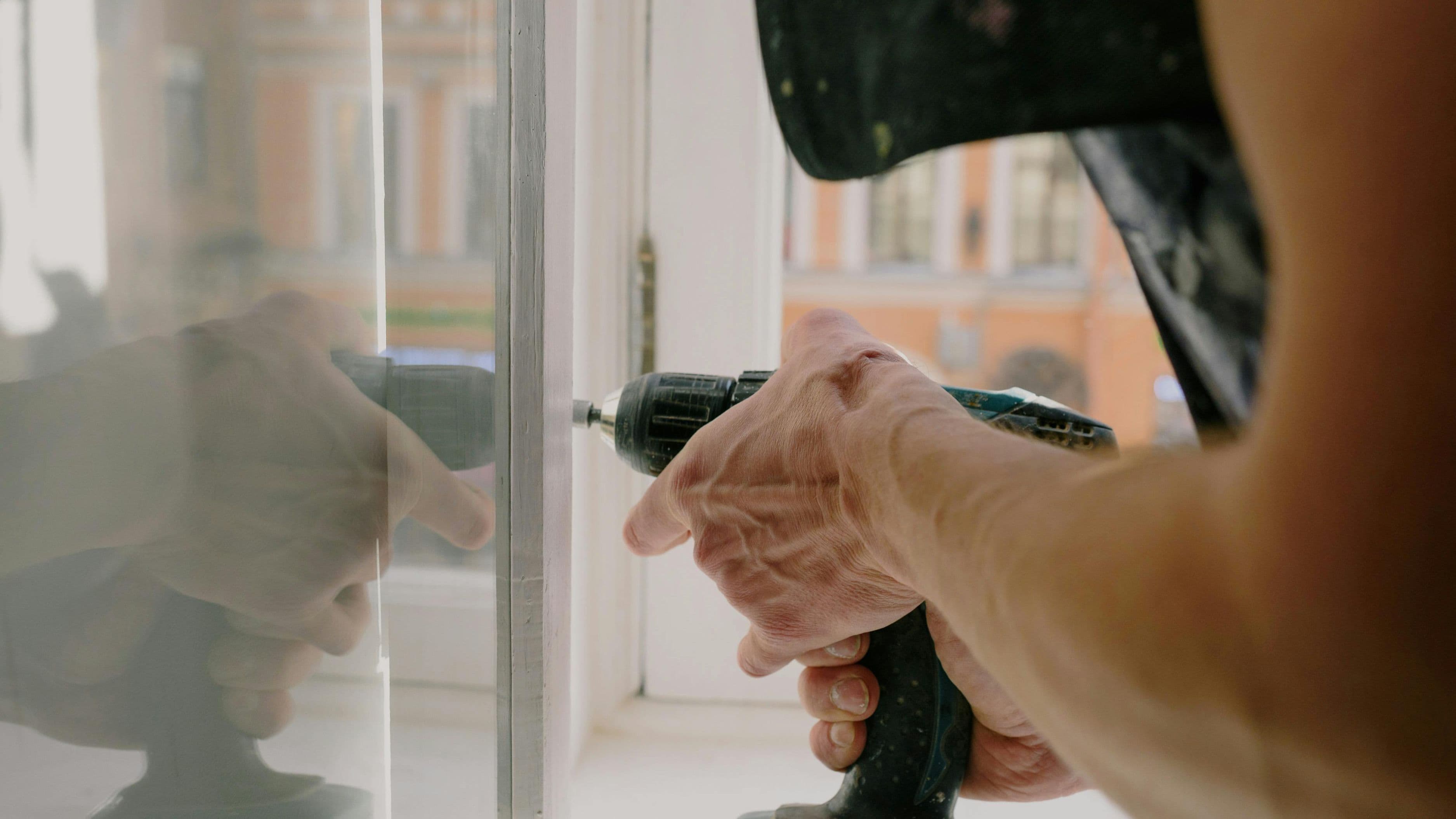
Interior door replacement is one of the more accessible DIY projects for a homeowner with basic carpentry skills. Installing a pre-hung interior door on an existing rough opening that's in good condition requires a drill, a level, shims, and a few hours of patience. The door unit itself is the main cost, and you save the $75–$200 installation labour.
Exterior door replacement is a more demanding DIY project. The door units are heavier, weatherproofing matters more, and frame condition issues require carpentry skills to address properly. Mistakes in exterior door installation – improper weatherstripping, a door that doesn't seal fully, or a frame that isn't plumb – create ongoing problems with energy efficiency, security, and water infiltration. If you're comfortable with framing and have done similar projects, the DIY savings ($150–$400 in labour) are real. If you're not, the professional installation is worth the cost.
Hardware replacement, patching, painting, and caulking around a newly installed door are all reasonable DIY tasks that can save $200–$400 in labour costs without requiring specialized skills.
Realistic Total Cost Ranges
Putting all of this together, here's what realistic total project costs look like when you account for the full scope of work rather than just the quoted installation.
A straightforward interior door replacement with basic hardware, minor patching, and DIY finishing typically runs $250–$600 all-in. A professional installation of the same project with finish work included runs $400–$900.
A mid-range exterior door replacement with a quality pre-hung unit, professional installation, new hardware, threshold work, and finishing runs $1,200–$2,500 for most homes in good condition. If frame damage is found, add $200–$600. If the door is a front door with decorative elements or sidelights, the range shifts to $2,000–$5,000+.
A full front door system upgrade including sidelights, decorative glass, premium hardware, and professional installation in an older home where frame work is likely runs $3,000–$7,000 or more. That's not a number designed to scare you off the project – it's a number that should inform how you plan and budget for it.
What to Avoid
Don't accept a quote that only covers the door and basic labour without asking about every additional cost category. Any contractor who gives you a number without mentioning frame condition, hardware, or finishing work either hasn't thought it through or is low-balling to win the job with the expectation of adding costs later.
Don't assume the cheapest door unit is the right choice for exterior applications. A low-cost steel door in a climate with significant temperature swings will dent, scratch, and lose its finish faster than a quality mid-range option. Spending $200 more on the door unit saves $400 in repainting and hardware replacement within five years.
Don't skip weatherproofing work on the assumption it can be added later. Proper weatherstripping and exterior caulking are most effectively done at installation, and gaps left at this stage cause ongoing energy loss and moisture problems that cost more to address after the fact.
FAQ
How long does door replacement typically take? A straightforward interior or exterior door installation takes 2–4 hours for an experienced installer. If frame work is needed, allow a full day. Front door systems with sidelights typically take a full day regardless of frame condition.
Can I replace just the door slab without replacing the frame? Yes, in some situations. If the existing frame is in good condition, straight, and the right dimensions, a slab-only replacement saves cost. The challenge is matching the hinge placement exactly and ensuring the latch alignment is correct. Pre-hung units (door and frame together) are generally easier to install correctly, especially for exterior applications.
How do I know if my door frame needs replacing? Press a screwdriver into the wood at the corners and along the jamb. If it sinks easily, the wood is soft from rot or moisture damage. Visible discolouration, paint bubbling, or a door that has developed seasonal sticking can also indicate frame deterioration. A contractor can assess this properly during a pre-installation visit.
Does door replacement increase home value? Front door replacement consistently appears among the higher-ROI home improvements in Remodeling Magazine's Cost vs. Value Report, recouping 60–70% of project cost on average at resale and providing a strong first impression that can influence buyer perception beyond the monetary return. Interior door updates have a smaller but still positive effect on how a home shows.
Is it worth upgrading to a fibreglass door over steel? For most homeowners, fibreglass offers the best balance of durability, insulation, and appearance. It doesn't dent like steel, resists moisture better than wood, and can be finished to mimic wood grain convincingly. The cost premium over steel ($100–$300 more for a quality unit) is typically worth it for exterior applications, particularly in climates with extreme temperature variation.
📚 Sources
Remodeling Magazine – Cost vs. Value Report 2024: https://www.remodeling.hw.net/cost-vs-value/2024/
HomeAdvisor – Door Installation Cost Guide: https://www.homeadvisor.com/cost/doors-and-windows/install-a-door/
This Old House – How to Replace an Exterior Door: https://www.thisoldhouse.com/doors/21015826/how-to-replace-an-exterior-door
Energy.gov – Air Sealing Your Home (Doors and Windows): https://www.energy.gov/energysaver/air-sealing-your-home
Bob Vila – Door Frame Repair and Replacement Costs: https://www.bobvila.com/articles/door-frame-repair-cost/
Angi – Front Door Replacement Cost Guide: https://www.angi.com/articles/how-much-does-it-cost-replace-front-door.htm
-jhajrFUGfI3zCQGjpAWcxuNPi1zUTB.jpg&w=3840&q=75)