

What Retrofitting Actually Means
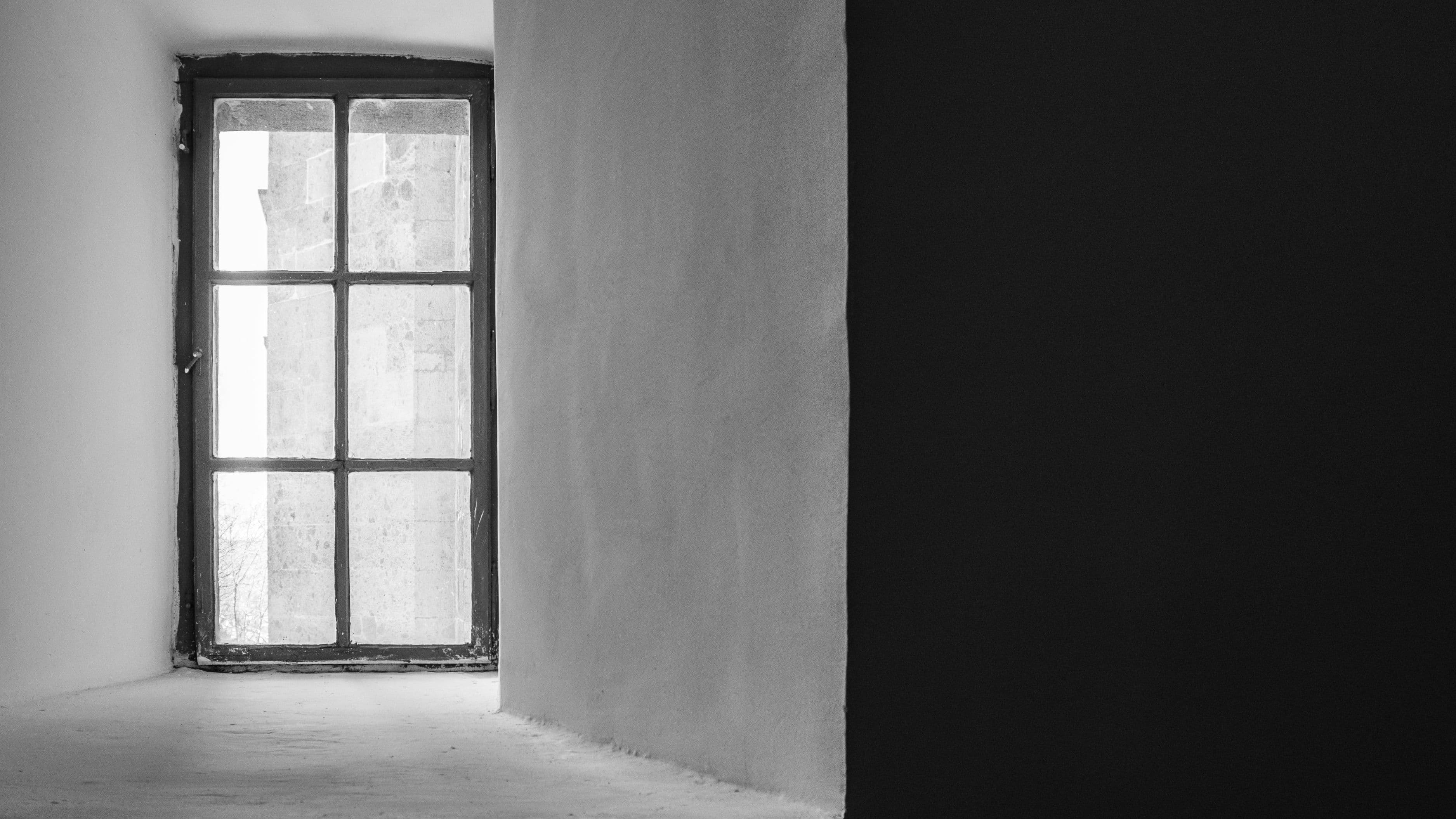
Retrofitting refers to replacing your existing window units, or in some cases just the glass, with double-pane (or sometimes triple-pane) construction designed to trap an insulating layer of air or gas between two panes of glass. This is different from a full window replacement that tears out the frame down to the studs; retrofit installations typically fit into your existing window opening, which keeps the project less invasive and less expensive than a full frame replacement.
There are two main retrofit approaches worth understanding upfront. A pocket replacement (sometimes called an insert replacement) keeps your existing frame in place and installs a new window unit inside it, which is faster and cheaper but slightly reduces your glass area since the new frame sits inside the old one. A full-frame replacement removes everything down to the rough opening, allowing for better sealing and addressing any frame damage, but at a higher cost and longer timeline.
Step-by-Step Process
Assess your current windows and frames. Check for rot, warping, or significant damage in your existing frames, since this determines whether a pocket replacement is viable or whether you'll need the more involved full-frame approach. A contractor can do this assessment for you, but a basic visual check (look for soft wood, gaps, or visible water damage) gives you a starting sense of what you're working with.
Get accurate measurements for each window. Window openings in older homes are often slightly different sizes even within the same house, so each unit typically needs individual measurement rather than ordering a single standard size for the whole project. This is usually done by the installer or window company as part of an in-home consultation.
Choose your glass and frame specifications. Decide between double-pane and triple-pane glass, low-E coatings (a thin, virtually invisible coating that reflects heat while letting light through), and gas fills like argon, which improve insulation beyond what a basic double-pane unit offers. Frame material matters too, with vinyl offering the best cost-to-performance ratio for most homeowners, while wood and fiberglass offer different aesthetic and durability trade-offs at a higher price point.
Remove the old window and prepare the opening. For a pocket replacement, this means removing the old sash while leaving the frame intact. For a full-frame replacement, the entire unit comes out, exposing the rough opening so it can be inspected and repaired if needed before the new window goes in.
Install and seal the new window unit. The new window is set into the opening, leveled and shimmed for a proper fit, then sealed with insulation and exterior caulking to prevent air and water infiltration. This sealing step is one of the most important parts of the entire project, since a poorly sealed window undermines much of the energy efficiency benefit you're paying for.
Finish interior and exterior trim. Once the window is secured and sealed, trim work finishes the look both inside and outside, matching your home's existing finishes as closely as possible.
Cost Breakdown
A pocket replacement for a standard double-pane vinyl window typically runs $300 to $700 per window installed, depending on size and region, making it a medium-cost upgrade for most homes. Full-frame replacements run higher, generally $600 to $1,200 per window, due to the additional labor and materials involved in removing and rebuilding the frame itself.
Upgrading to triple-pane glass, premium frame materials like fiberglass, or specialty coatings can push costs toward $800 to $1,500 per window or more. For a typical home with 10 to 15 windows, this means a full-house retrofit project commonly lands somewhere between $5,000 and $15,000, depending heavily on window count, size, and the materials you choose.
Is It Worth the Cost?
The energy efficiency case for double-pane windows is well-documented, with the U.S. Department of Energy estimating that homeowners can save 12% or more on energy bills annually by replacing single-pane windows with efficient double-pane units. That said, the payback period varies significantly based on your climate, current energy costs, and how poorly your existing windows were performing beforehand, so it's worth treating this as a long-term investment rather than an upgrade that pays for itself within a year or two.
Beyond energy savings, double-pane windows also meaningfully reduce outside noise and improve comfort by eliminating cold drafts near windows in winter and heat radiation in summer, benefits that don't show up directly on a utility bill but matter for everyday comfort. For homes in extreme climates, or homes with visibly failing single-pane windows already showing condensation, drafts, or damage, the case for retrofitting is considerably stronger than for a home with newer, well-maintained windows that simply aren't the most efficient option available.
If your current windows are functioning fine and your main motivation is purely cosmetic, it's worth weighing this project against other upgrades with a faster or more certain return, since window retrofits are a meaningful investment that pays off most clearly when your existing windows are genuinely underperforming.
Tips for Success
Get quotes from at least three contractors, since pricing and recommended approaches (pocket versus full-frame) can vary significantly between installers even for the same home. Ask specifically about the U-factor and Solar Heat Gain Coefficient (SHGC) ratings on any window you're considering, since these numbers tell you more about real-world performance than marketing terms like "energy efficient" alone.
Check whether your utility company or local government offers rebates or tax incentives for energy-efficient window upgrades, since these programs can meaningfully offset the upfront cost and shorten your payback timeline.
Common Mistakes
Choosing the cheapest available option without checking performance ratings is one of the most common mistakes, since a poorly rated "double-pane" window can underperform a well-rated single upgrade in ways that aren't obvious from the price tag alone. Skipping proper sealing and insulation around the new frame is another frequent issue, often the result of rushed installation, and it can undercut a significant portion of the energy efficiency benefit you paid for.
It's also worth avoiding the assumption that a pocket replacement is always the right call simply because it's cheaper. If your existing frames have hidden rot or water damage, a pocket replacement can trap that problem behind new glass rather than addressing it, leading to costlier repairs down the line.
FAQ
How long does a window retrofit project typically take? A standard pocket replacement for a whole house usually takes one to two days, while a full-frame replacement project can take three to five days or more depending on the number of windows and any unexpected frame repairs needed.
Do I need a permit to replace windows in my home? Many areas require a permit for window replacement, especially for full-frame projects that affect the structural opening, so it's worth checking with your local building department before starting.
Is triple-pane glass worth the extra cost over double-pane? Triple-pane offers meaningfully better insulation, which can be worth it in very cold climates or for homes prioritizing noise reduction, but for moderate climates, the additional cost often doesn't pay back as efficiently as a quality double-pane option.
Can I retrofit just a few windows instead of the whole house? Yes – many homeowners start with the windows showing the most visible wear or facing the most extreme exposure (like north-facing or street-facing windows) and phase the remaining windows in over time as budget allows.
Retrofitting to double-pane windows is a meaningful investment, but it's one that pays off in comfort, noise reduction, and energy savings over the long run, particularly if your current windows are genuinely underperforming. Get accurate quotes, prioritize proper installation and sealing over the cheapest sticker price, and treat this as a long-term home value upgrade rather than a quick fix.
📚 Sources
U.S. Department of Energy – Energy-Efficient Window Replacement - https://www.energy.gov/energysaver/update-or-replace-windows
ENERGY STAR – Window, Door, and Skylight Performance Ratings - https://www.energystar.gov/products/windows_doors_skylights