
Why Your Electrical Panel Matters So Much
Your home's electrical panel distributes power to every circuit in your house, and it has a maximum capacity it simply cannot exceed, regardless of what you plug into it. Older homes commonly have 100-amp panels, which were entirely sufficient for a house without an EV charger or solar setup, but adding either of these high-demand systems can push a 100-amp panel close to or beyond its limit, especially if you're also running central air, an electric range, or other significant loads simultaneously.
Step 1: Get a Professional Load Calculation
Before making any panel decisions, have a licensed electrician perform a load calculation, which accounts for your home's existing electrical demands alongside the additional load an EV charger or solar system would add. This isn't a step to skip or estimate yourself, since an inaccurate assessment can lead to either an unnecessary, costly upgrade or an inadequate one that causes problems down the line. Cost level: low to medium, typically a service call fee, well worth it before committing to larger electrical work.
Step 2: Decide Between a Panel Upgrade and a Sub-Panel
If your load calculation shows you're close to or over capacity, you generally have two paths. Upgrading your main panel to 200 amps gives you significant headroom for an EV charger, solar system, and future additions, and is usually the more future-proof choice if you're already investing in electrical work. Adding a dedicated sub-panel specifically for EV charging or solar equipment can be a more cost-effective option if your main panel has some capacity but not enough for a full charging circuit, since it isolates the new load without requiring a complete panel replacement.
Cost level: medium to high for a full panel upgrade, typically requiring permits and inspection; medium for a sub-panel addition, depending on distance from the main panel and any necessary trenching or conduit work.
Step 3: Plan for EV Charging Specifically
Level 2 EV chargers typically require a dedicated 40 to 50 amp circuit, which is a significant single load compared to most household appliances. If you're planning to add an EV charger, it's worth having your electrician specifically size any panel upgrade or sub-panel with this circuit in mind, along with headroom for a potential second charger if you anticipate a multi-EV household down the line. Running the conduit and wiring for this circuit during an already-planned panel upgrade is considerably cheaper than adding it as a separate project later.
Step 4: Plan for Solar Interconnection Requirements
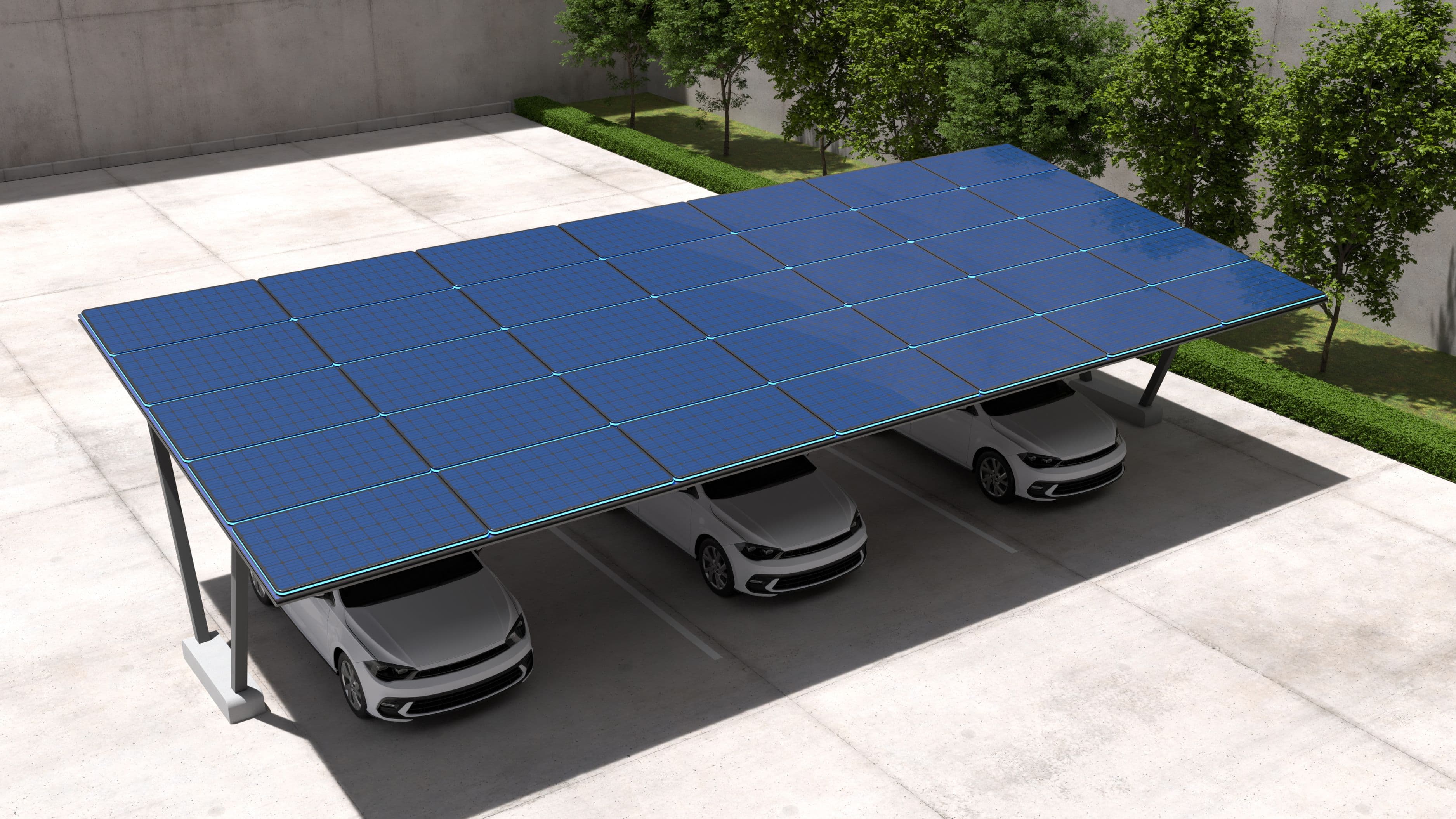
Solar systems interact with your panel differently than a straightforward appliance circuit, since they're feeding power back into your home's electrical system rather than just drawing from it. Panels have specific busbar rating limits that determine how much combined backfeed from solar and draw from the grid they can safely handle, and this is a common point where homeowners discover their existing panel needs an upgrade specifically to accommodate solar interconnection rules, even if daily household electrical demand alone wouldn't have required one.
Step 5: Consider a Smart or Load-Managing Panel
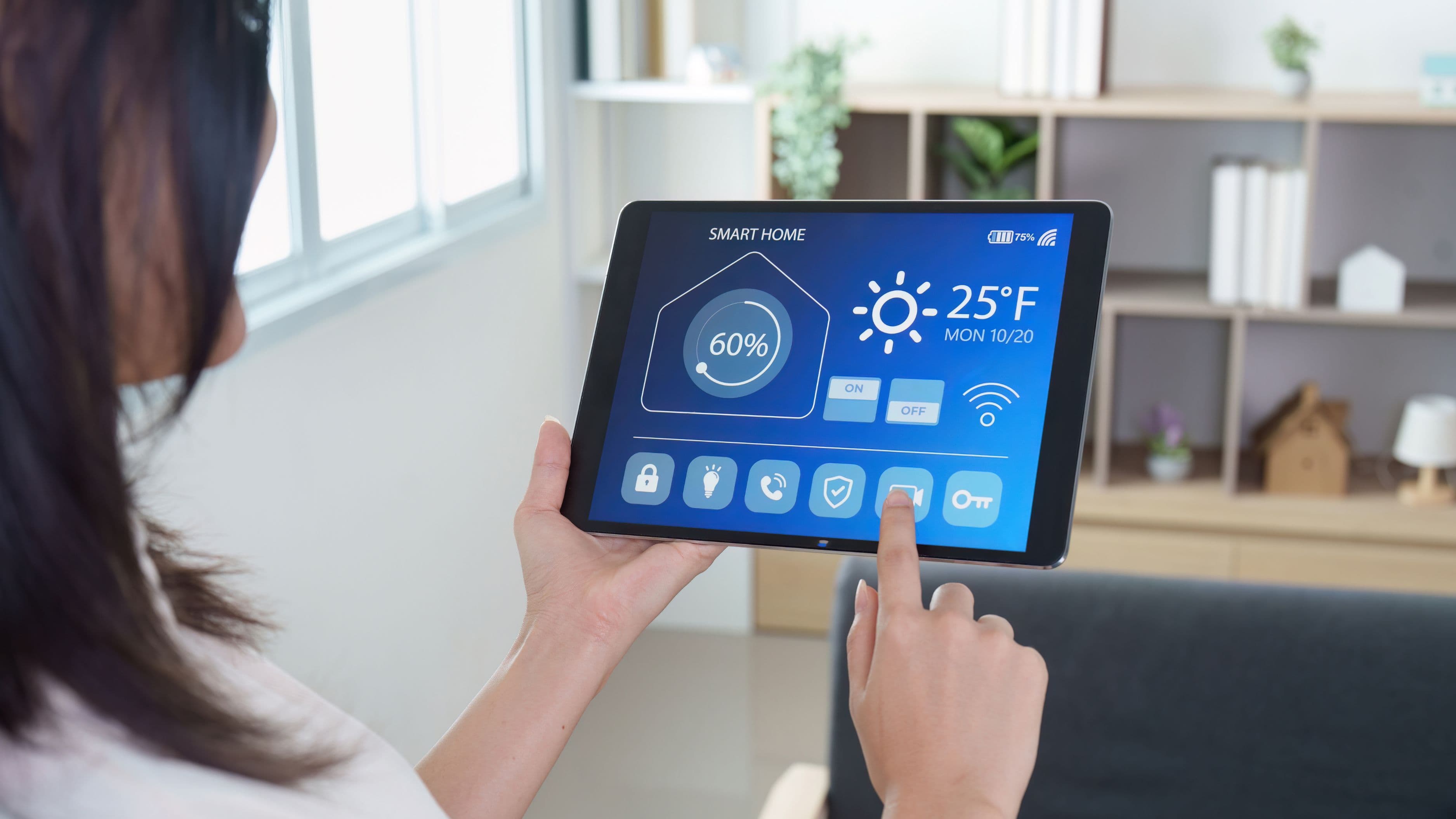
Newer smart panel systems can dynamically manage electrical loads across your home, allowing you to run high-demand appliances like an EV charger without necessarily requiring a full traditional panel upgrade in every case. These systems monitor and balance electrical loads in real time, which can be a genuinely useful middle path for homes where a full panel upgrade isn't immediately practical but future EV or solar plans are still on the table.
Cost level: medium to high, generally comparable to or somewhat above a standard panel upgrade, but potentially avoiding some of the more disruptive aspects of a full utility service upgrade.
Common Mistakes to Avoid
Don't install an EV charger or solar system first and figure out panel capacity afterward, this backwards approach frequently results in expensive rework once an inspector or installer identifies a capacity issue that should have been addressed from the start. Avoid choosing the cheapest possible panel upgrade without accounting for genuine future plans, sizing only for your current needs when you know an EV or solar addition is coming within a few years often means paying for a second upgrade sooner than necessary. And don't skip permits and inspections to save time, electrical work involving your main panel carries real safety stakes, and unpermitted work can also create problems when you eventually sell your home.
Realistic Cost and Time Expectations
A straightforward load calculation typically takes a single electrician visit and a modest service fee. A full panel upgrade from 100 to 200 amps generally involves coordination with your utility company for a service upgrade, permitting, and one to two days of actual work, with total costs varying significantly by region and the complexity of your home's existing wiring. Sub-panel additions are typically faster and less expensive, but still require permitting and a qualified electrician for safe, code-compliant installation.
FAQ
Do I need a panel upgrade even if I'm only adding solar, not an EV charger? Possibly, since solar interconnection has its own specific requirements around backfeed capacity that are separate from general household electrical demand, making a load calculation essential even for solar-only plans.
Can I install an EV charger myself to save money? This isn't recommended given the dedicated high-amperage circuit involved and the safety and code compliance issues at stake, a licensed electrician should handle this work, and many jurisdictions require it for permitting purposes anyway.
How long does a full panel upgrade typically take from decision to completion? Including load calculation, permitting, utility coordination, and the actual installation, expect the full process to take anywhere from a few weeks to a couple of months, largely depending on your utility company's scheduling and local permitting timelines.
📚 Sources
U.S. Department of Energy – Electric Vehicle Charging at Home: https://www.energy.gov/eere/electricvehicles/charging-home
National Renewable Energy Laboratory – Solar Interconnection Basics: https://www.nrel.gov/solar/