
What You're Actually Choosing Between
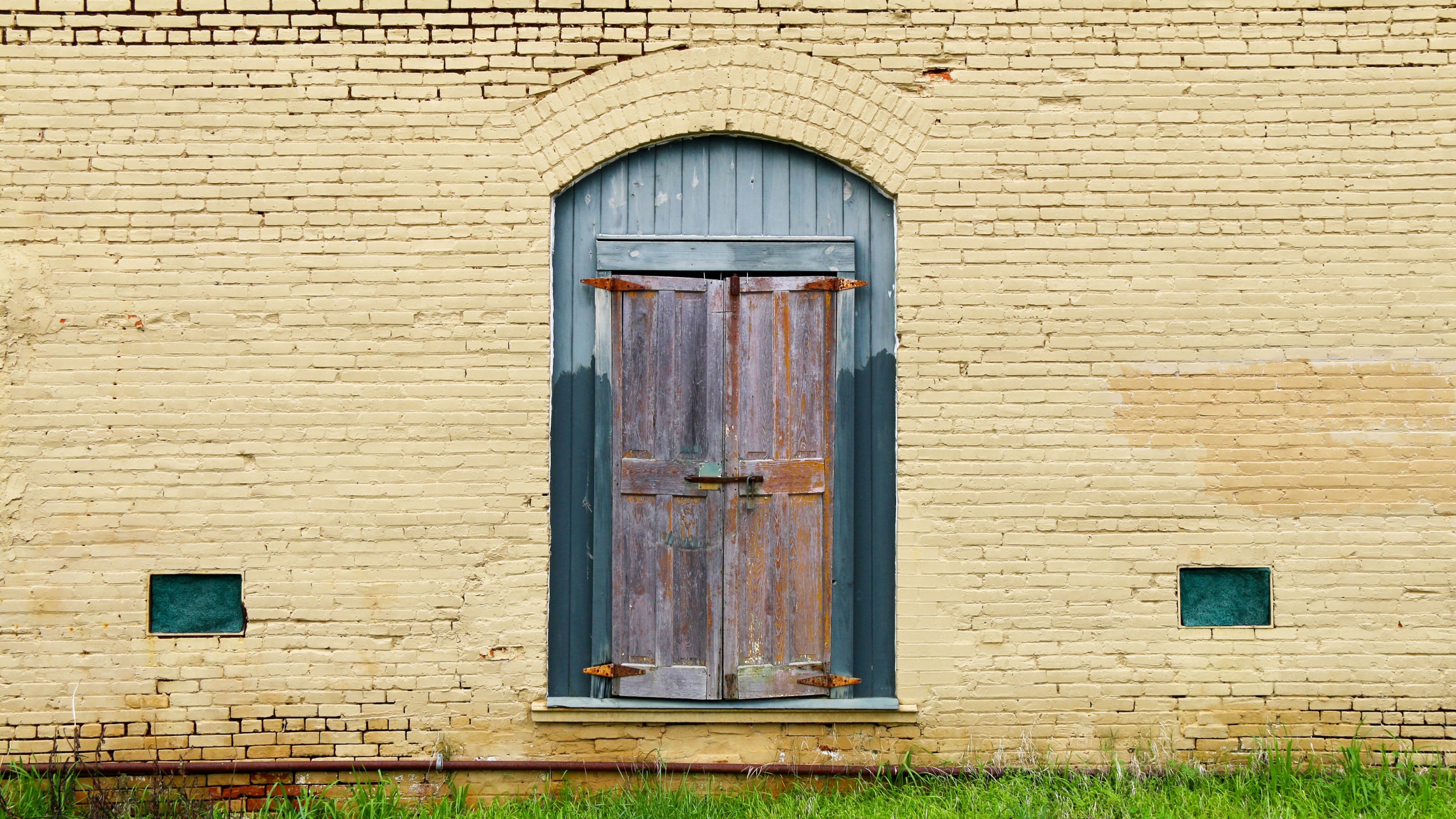
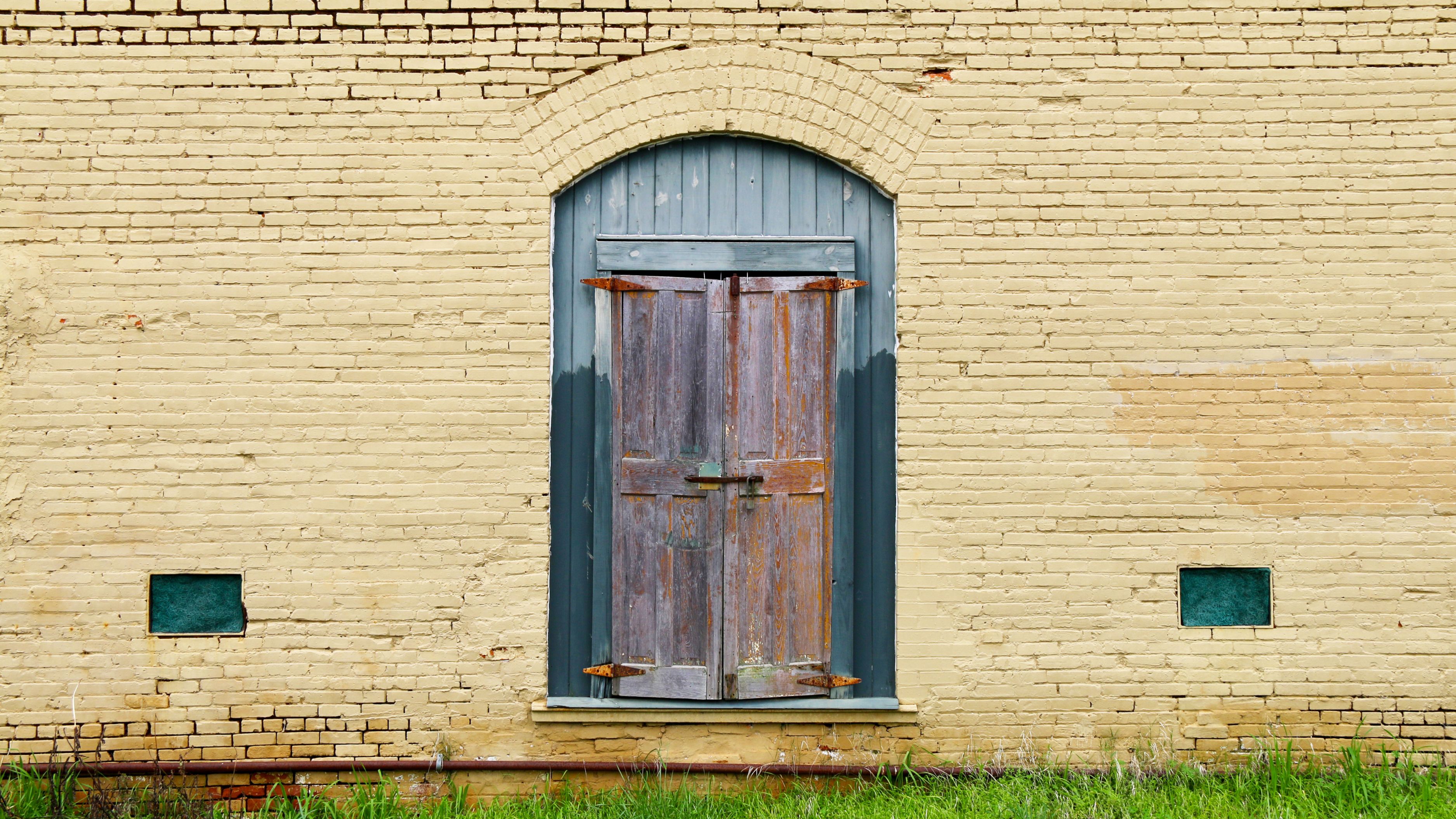
Exposed brick keeps the original masonry visible, typically with a clear sealant applied to protect the surface and reduce dust shedding. Painted brick covers the same surface with a masonry-appropriate paint, either fully opaque or in a lighter limewash-style finish that lets some texture and variation show through while unifying the color.
Both are legitimate, common choices, and the decision comes down to a handful of practical factors more than pure aesthetics.
The Case for Exposed Brick
It's a genuinely unique architectural feature. Original brick, especially in older homes, carries texture and character that's difficult to replicate with modern materials. If your home has authentic, well-preserved brick, showing it off preserves a piece of the building's actual history.
It requires less ongoing maintenance in terms of color upkeep. Sealed, exposed brick doesn't need repainting over time the way a painted wall eventually will, since you're not dealing with paint wear, chipping, or the need to repaint as color trends shift.
It adds warmth and texture to spaces that can otherwise feel flat. In more minimalist or heavily neutral interiors, an exposed brick wall introduces natural texture and visual interest without requiring additional decor.
The Case Against Exposed Brick
It can shed dust and small particles over time, even when sealed. Brick and mortar are naturally porous, and even properly sealed brick can release fine dust or small debris, particularly with temperature and humidity changes. This is a genuine, ongoing consideration for people with allergies or a strong preference for low-maintenance surfaces.
It's harder to keep clean. The uneven, textured surface of exposed brick collects dust in a way that's more difficult to wipe down than a smooth painted wall, and the mortar lines in particular tend to hold onto dust and grime over time.
Not all brick looks good exposed. Brick that was originally intended to be covered (common in many older homes where interior brick wasn't meant to be a finished, visible surface) can have inconsistent coloring, patching, or lower-quality material that doesn't have the same charm as brick specifically built to be seen.
It limits your color and design flexibility. Once brick is exposed, its reddish-orange or brown tones become a fixed anchor point for the rest of your room's color palette, which can be limiting if your design taste shifts over time.
The Case for Painted Brick
It unifies inconsistent or lower-quality brick. If your exposed brick has uneven coloring, visible old patch repairs, or wasn't originally meant to be a finished surface, paint creates a clean, cohesive look that hides those imperfections effectively.
It gives you far more design flexibility. A painted brick wall can be updated to match any color scheme over time, unlike exposed brick's fixed natural tones, which makes it easier to evolve your space's design without a fixed anchor color dictating everything else.
It's easier to clean and maintain day to day. A painted surface, especially with a durable masonry paint, is simpler to wipe down and doesn't shed dust the way unsealed or lightly sealed exposed brick can.
It can brighten a space significantly. Dark, heavy brick tones can make a room feel smaller or dimmer, particularly in spaces with limited natural light. A painted finish, especially in a light neutral tone, can visually open up a room in a way exposed brick's naturally darker tones can't.
The Case Against Painted Brick
It's essentially a one-way decision. Removing paint from brick is possible but genuinely difficult, often requiring specialized chemical strippers and significant labor, and there's real risk of damaging the brick surface in the process. If there's any chance you'll want the exposed look back later, this permanence is worth weighing seriously.
It can trap moisture if done incorrectly. Brick needs to breathe to manage moisture properly, and using the wrong type of paint (rather than a breathable, masonry-specific paint) can trap moisture inside the wall, potentially leading to damage over time. This is a real technical consideration, not just an aesthetic one.
You lose the unique textural character entirely. Even a textured limewash finish changes the fundamental look and feel of true exposed brick, and some of that original architectural character is permanently altered.
Cost and Time Comparison
Sealing exposed brick is generally a lower-cost, lower-effort project – cleaning the surface and applying a masonry sealant can often be handled over a weekend for a single wall, at a modest material cost. Painting brick properly, including surface prep, priming with a masonry-appropriate primer, and multiple coats of a breathable masonry paint, takes somewhat longer and costs more in materials, though it's still a manageable DIY project for most homeowners comfortable with basic painting work.
How to Decide
If your brick is in good structural and aesthetic condition, was originally built to be a visible, finished surface, and you value the historic character and lower long-term maintenance around repainting, sealing and keeping it exposed is likely the better fit. If your brick has inconsistent coloring, wasn't meant to be a finished surface, or you want more flexibility in your space's color palette over time, painting with a proper breathable masonry paint is the more practical choice.
What to Avoid
Avoid using standard interior wall paint on brick instead of a masonry-specific, breathable paint, since this significantly increases the risk of trapped moisture and future damage. Also avoid sealing exposed brick with a glossy, non-breathable sealant for the same underlying reason – brick needs a finish that allows it to manage moisture naturally.
Don't rush the decision to paint brick without seriously considering the difficulty of reversing it later. If you're even moderately unsure, living with the exposed brick for a while before committing to paint is a reasonable, low-cost way to make sure you're confident in the more permanent choice.
FAQ
Does exposed brick lower a home's resale value? Not inherently – it's often seen as a desirable, characterful feature, particularly in homes where it reflects genuine architectural history. Buyer preference varies by region and property type, though.
Can I remove paint from brick if I change my mind later? It's possible but difficult and not always fully successful, often requiring professional chemical stripping. It's realistic to treat painting brick as a largely permanent decision rather than something easily reversed.
What kind of paint should I use if I decide to paint brick? A breathable, masonry-specific paint designed for porous surfaces is essential to avoid trapping moisture, rather than a standard interior latex paint meant for drywall.
Bottom Line
There's no universally "better" choice between exposed and painted brick – it depends on the condition of your existing brick, how much design flexibility you want over time, and your tolerance for the maintenance quirks of a textured, porous surface. Exposed brick offers character and lower long-term upkeep around color; painted brick offers flexibility and easier cleaning, at the cost of a decision that's genuinely difficult to reverse. Take the time to weigh your specific space and long-term plans rather than choosing based purely on which one looks better in a photo.
📚 Sources
This Old House – How to Paint or Seal Interior Brick. thisoldhouse.com
National Park Service – Preservation Brief: Repointing and Cleaning Historic Masonry. nps.gov