
Myth: You Need Special Tools → Truth: Your Kitchen Holds the Solution
Walk into any hardware store and they'll convince you that drawer repair requires specialized lubricants, fancy slide replacements, or professional-grade equipment. Reality check: the bar of soap sitting by your sink or the candle in your junk drawer works better than most products marketed for this exact problem. Rub a white candle or dry bar soap along the wooden runners where your drawer slides, and watch decades of friction disappear in seconds. The wax creates a slippery surface that reduces resistance without the mess of oil-based products that attract dust and grime.
For metal slides that squeak and stick, grab that can of cooking spray from your pantry. A quick spritz of vegetable oil on the metal tracks provides instant lubrication without requiring a trip to the store. You'll hear the difference immediately as the drawer transforms from a grinding, groaning headache into a whisper-soft glide. The best part? These solutions cost pennies compared to commercial lubricants, and you probably already own them.
Myth: Humidity Damage Means Replacement → Truth: A Hairdryer Saves the Day
Your drawers swell up during humid summer months, and conventional wisdom says wood expansion requires sanding, planing, or total replacement. Here's what actually works: ten minutes with a hairdryer can shrink swollen wood enough to restore function. Direct hot air along the stuck edges of the drawer, keeping the dryer moving to avoid scorching the wood. The heat draws out moisture that's causing the wood to expand beyond its frame.
Follow up with that soap or candle trick once the wood cools down, and you've solved both the immediate problem and created a protective barrier against future moisture. This combination addresses the root cause while preventing recurrence, all without removing a single drawer from its track. Wood naturally expands and contracts with humidity changes, but you don't need power tools to manage it—just a basic understanding of how heat affects moisture content.
Myth: Sticky Hinges Need Replacing → Truth: Tighten and Lubricate First
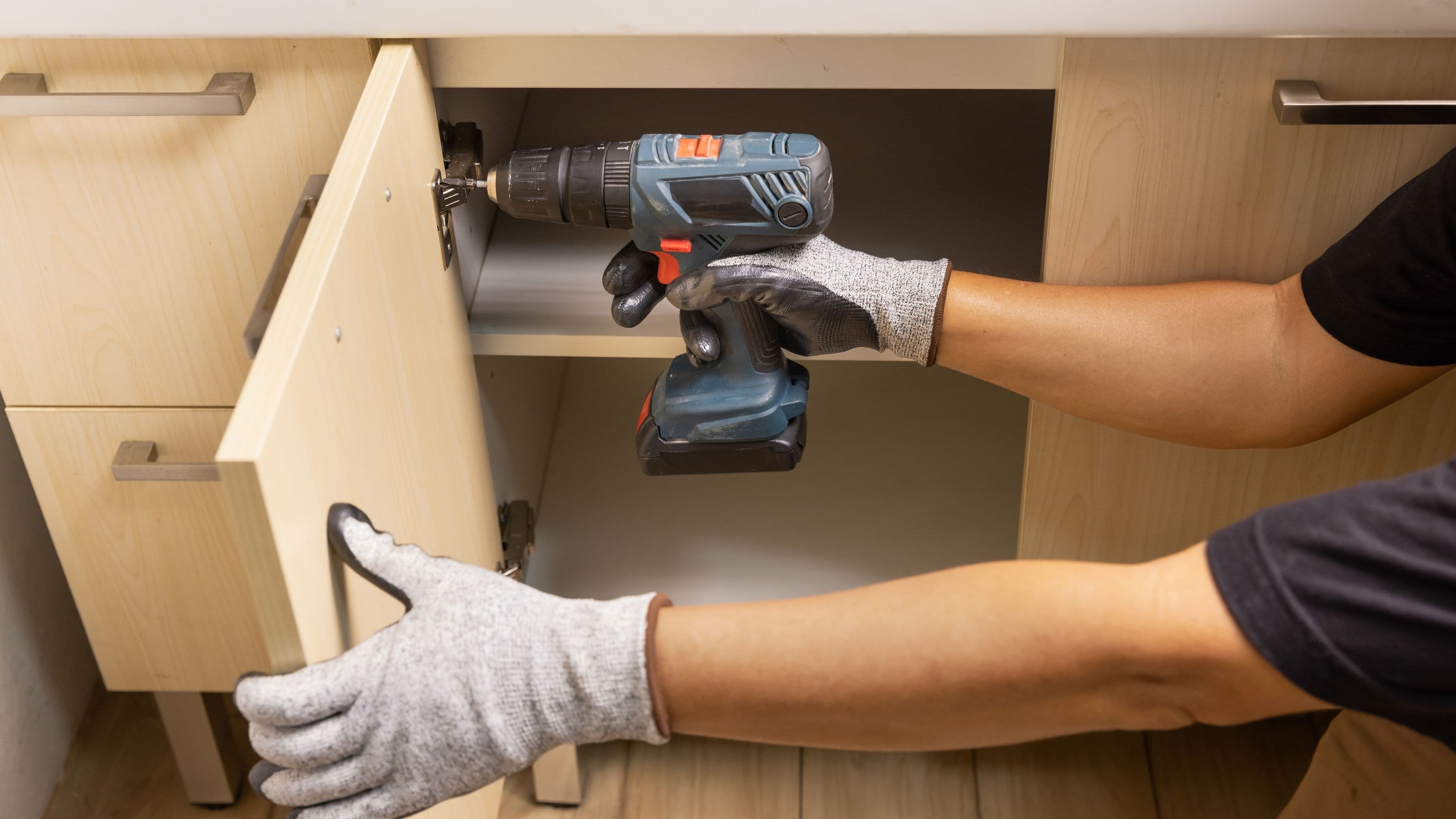
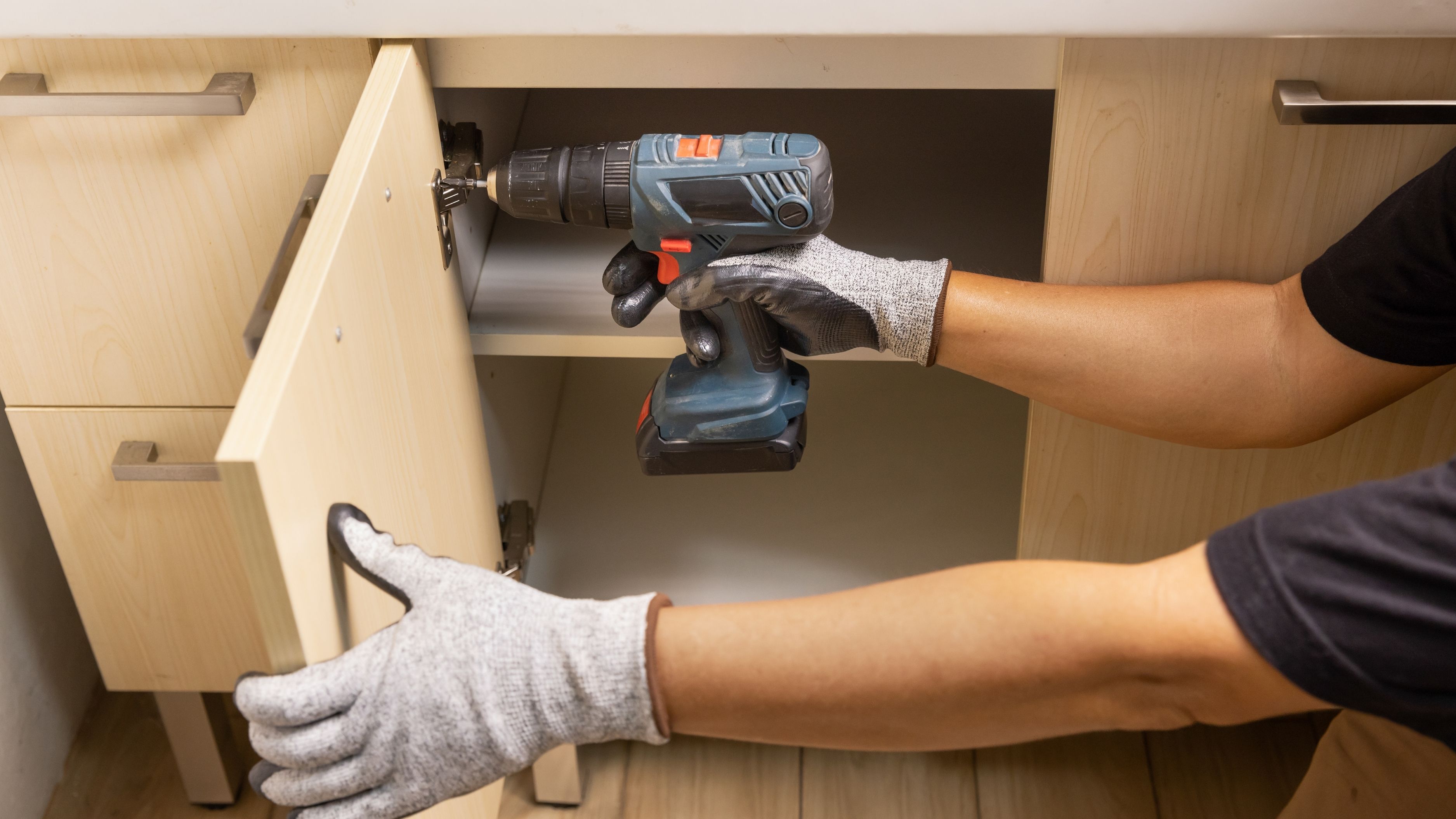
Cabinet doors that sag, stick, or refuse to close properly seem like they need new hinges, but loose screws cause ninety percent of hinge problems. Grab a screwdriver and tighten every screw on the problematic hinge—both on the door side and the frame side. You'll feel the difference immediately as the door realigns and hangs properly again. If screws spin without tightening, they've stripped the wood, but even that doesn't require replacement.
Remove the screw, stuff the hole with toothpicks or wooden matchsticks dipped in wood glue, then break them off flush with the surface. Once the glue dries for five minutes, reinsert the screw into your newly reinforced hole. The wood fibers from the toothpicks give the screw fresh material to grip, creating a hold as strong as the original installation. After securing everything, apply a drop of vegetable oil or WD-40 to the hinge pin where it enters the barrel, and watch squeaks vanish while the door swings freely.
Myth: Drawer Slides Are Too Technical → Truth: Realignment Takes Thirty Seconds
Modern metal drawer slides look intimidating with their ball bearings and multiple moving parts, but they rarely break—they just get knocked out of alignment. Pull the drawer completely out of its cabinet, which is easier than it looks: lift slightly while pulling to disengage the metal clips. Inspect the slides on both sides of the opening and you'll probably spot one that's bent, dislodged, or sitting at a weird angle compared to its partner.
Push or bend the misaligned slide back into position so it's parallel with the opposite side, making sure both sit at the same height. Slide the drawer back in, listening for that satisfying click as the mechanisms reengage. If the drawer still feels rough, the ball bearings might have collected dust and hair—wipe them clean with a dry cloth, then apply a thin layer of petroleum jelly or silicone spray. The entire process takes less time than finding your phone to search for repair videos.
Myth: Old Cabinets Need Complete Overhaul → Truth: Strategic Fixes Work Wonders
Facing multiple sticky drawers and cranky cabinet doors feels overwhelming, leading many people to consider expensive cabinet replacement. Start with the problems that bother you most—usually the kitchen junk drawer that gets opened twenty times a day, or that bathroom cabinet you wrestle with every morning. Fix those first using the techniques above, and suddenly your cabinets feel fifty percent better even though you've only addressed two or three problem spots.
Most homes have ten to fifteen drawers and cabinet doors, but only three to five actually cause daily frustration. Focus your ten-minute fix sessions on those high-traffic areas rather than attempting a full-house overhaul in one afternoon. This targeted approach prevents burnout while delivering the maximum improvement to your daily life. Once you've conquered the worst offenders, the remaining minor annoyances barely register, and you've saved thousands compared to cabinet replacement.
Myth: Professional Help Is Worth the Cost → Truth: The Math Doesn't Add Up
Handyman services charge fifty to one hundred dollars minimum for simple drawer and cabinet adjustments, plus trip fees and diagnostic charges. Breaking down the actual work reveals they're performing the exact same steps described above—tightening screws, applying lubricant, adjusting alignment. You're paying premium rates for someone to use soap and a screwdriver, tools you already own and skills you can master in one attempt.
Consider that the average home experiences drawer and cabinet issues multiple times per year as wood expands and contracts with seasons, humidity fluctuates, and normal wear occurs. Learning these fixes once means never paying for this service again, saving hundreds annually. The confidence you gain from solving one home maintenance issue naturally extends to others, transforming you from someone who calls for help into someone who handles problems as they arise. That shift in mindset proves more valuable than any single repair.
The Real Fix: Knowledge Over Tools
Let go of the belief that home repairs require expertise you don't possess or tools you can't afford. Cabinet and drawer problems feel like emergencies when you're fighting with them daily, but they respond to simple physics—reducing friction, removing moisture, ensuring proper alignment. Your hands, basic household items, and ten minutes of attention solve what feels like complex problems.
Start noticing which drawers resist your pull or which cabinet doors hang crooked, then tackle them one at a time using these straightforward methods. You'll discover that the satisfaction of fixing something yourself exceeds the convenience of hiring someone, while the money saved accumulates faster than you expect. Stop outsourcing problems you can solve and start making moves that actually work—one smooth-gliding drawer at a time.
📚 Sources
1. National Association of Home Builders. (2019). Study of Life Expectancy of Home Components. NAHB Research Center.
2. Wood Handbook: Wood as an Engineering Material. (2021). USDA Forest Service, Forest Products Laboratory. General Technical Report FPL-GTR-282.
-jhajrFUGfI3zCQGjpAWcxuNPi1zUTB.jpg&w=3840&q=75)