


Overview
Floating shelves are wall-mounted shelves installed without visible brackets, creating a clean, minimalist look that appears to "float" against the wall. They're primarily a display and light-storage solution, well suited to books, decor, plants, and smaller items you want visible rather than hidden away.
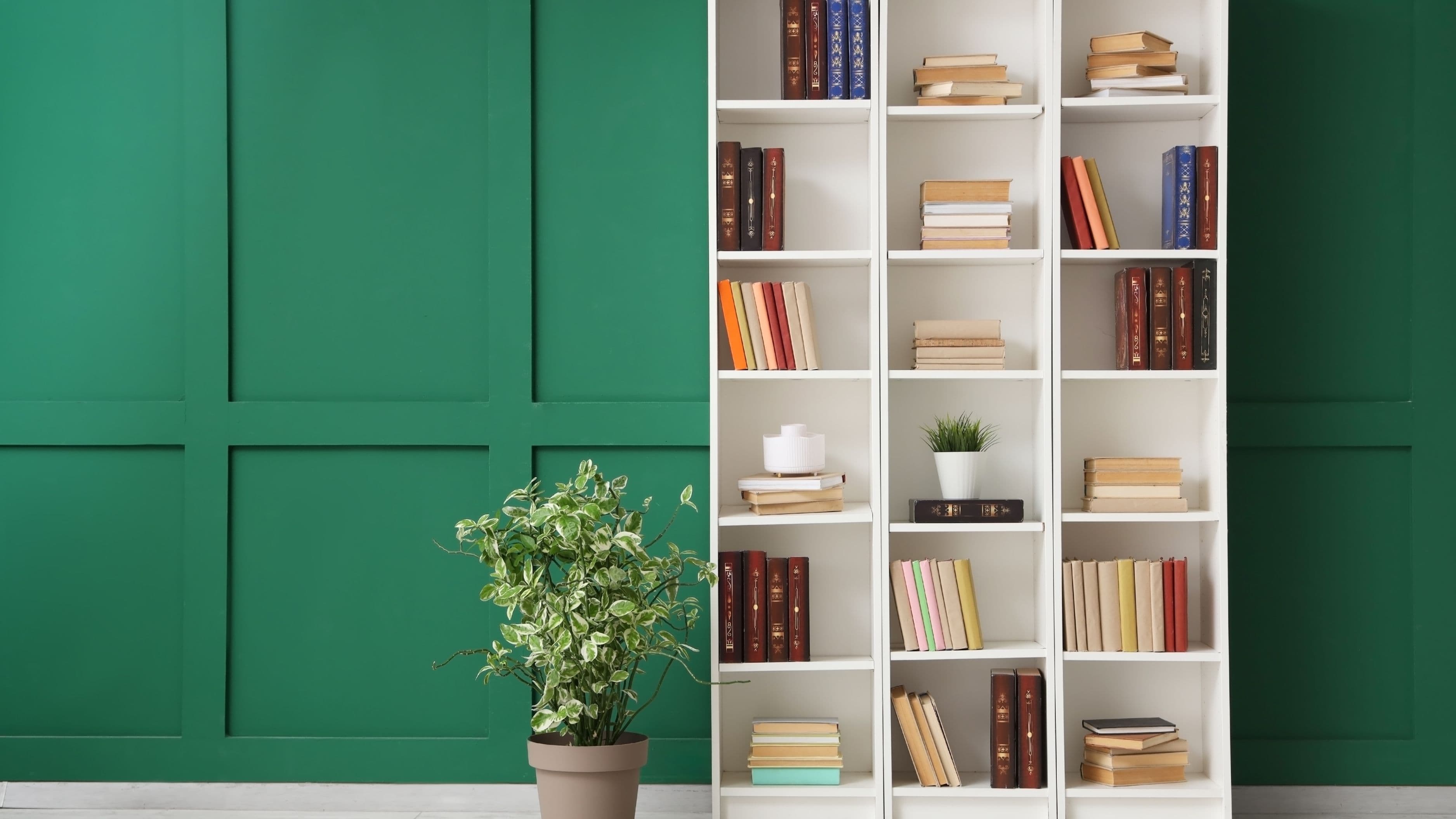
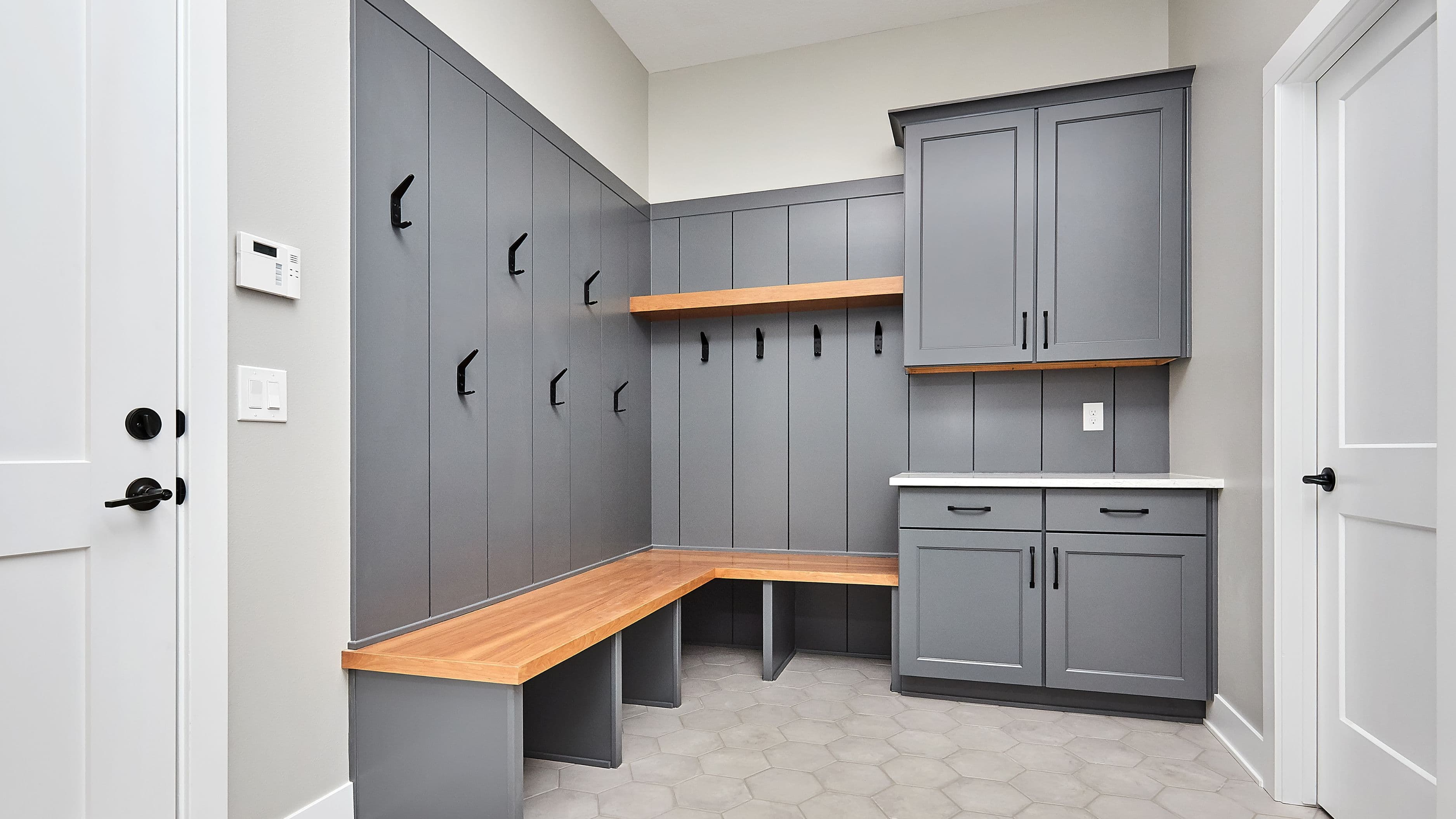
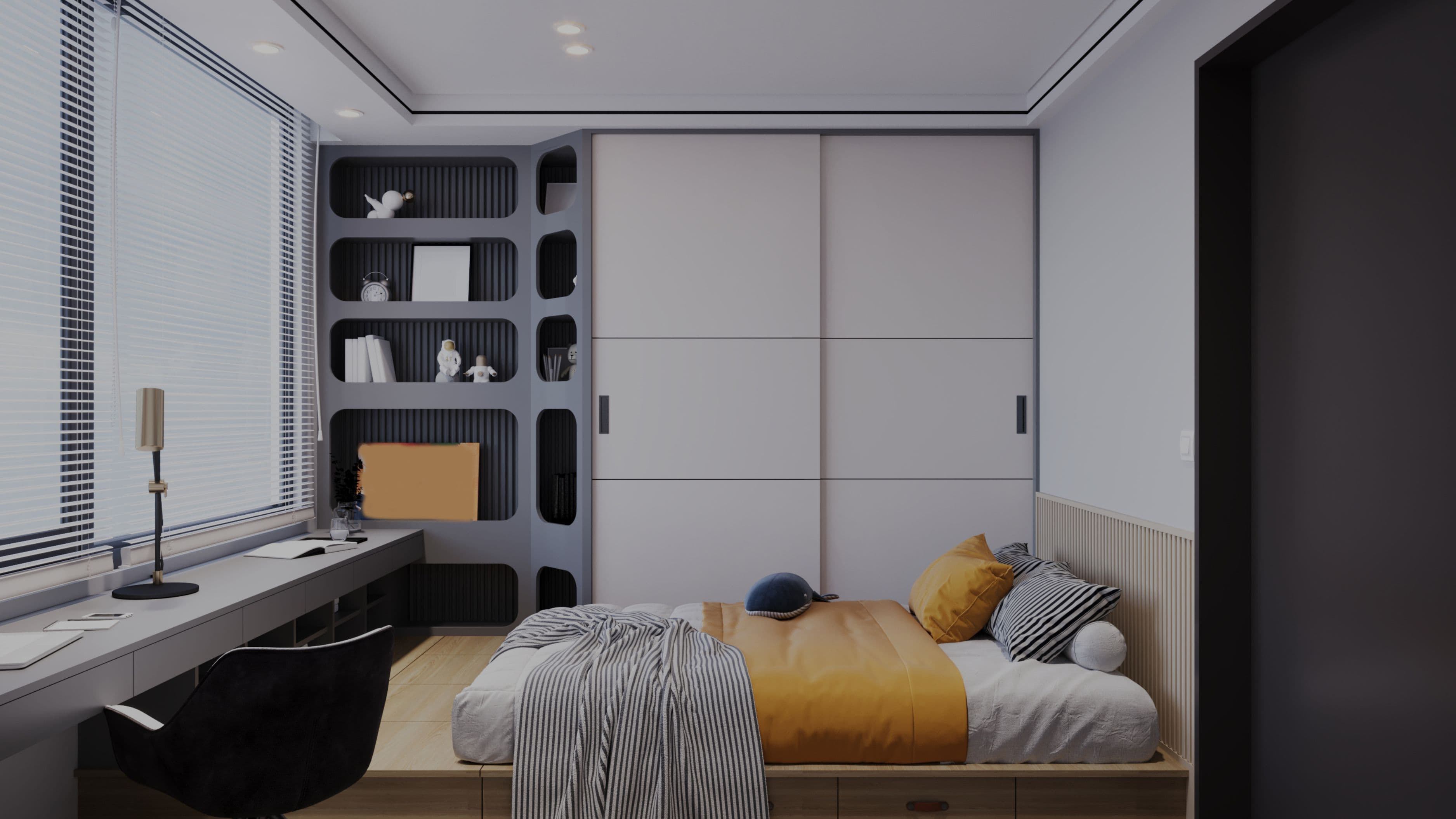
Built-in cabinets are custom or semi-custom cabinetry installed directly into the room's structure, often flanking a fireplace, television, or another architectural feature. They combine both open and closed storage, typically offering shelving up top and cabinet doors or drawers below, and they're designed to look like a permanent, integrated part of the room's architecture rather than added furniture.
Cost Comparison
Floating shelves sit at the low end of the cost spectrum for a living room upgrade. Materials for a basic set of shelves, along with the mounting hardware, typically cost a modest amount, and if you're comfortable handling the installation yourself, labor costs can be avoided entirely. Even hiring someone for installation keeps this a relatively low-cost project overall.
Built-in cabinets represent a significantly larger investment, both in materials and labor. Custom-built units, particularly those built on-site by a carpenter, cost considerably more than shelving, and even semi-custom or modular built-in systems purchased as ready-to-assemble components carry a noticeably higher price tag than a comparable shelving project. This cost gap is one of the biggest factors most homeowners weigh when choosing between the two.
Installation Time and Effort
Floating shelves are a fast project by comparison, often completed in a single afternoon for a few shelves, assuming you're mounting into studs or using appropriate wall anchors for your wall type. This makes them a realistic weekend project for most homeowners with basic tools and some patience for careful measuring and leveling.
Built-in cabinets take considerably longer, especially custom units that require design consultation, precise measurement of the space, and construction either on-site or in a shop before installation. Depending on complexity, a built-in project can take anywhere from several days to a few weeks from initial planning to finished installation, and it typically requires either significant DIY carpentry skill or hiring a professional carpenter or contractor.
Storage Capacity
This is where built-in cabinets clearly pull ahead. Because they combine open shelving with enclosed cabinet space, built-ins can store considerably more while also hiding less attractive items, like media equipment, board games, or seasonal decor, behind closed doors. This dual-purpose design makes built-ins especially valuable in living rooms that need to handle a lot of functional storage without looking cluttered.
Floating shelves offer meaningfully less storage capacity and no enclosed space at all, since everything placed on them remains visible. This works well if you have a curated collection of books and decor you want to display, but it's a poor fit if your actual need is hiding away clutter rather than showcasing it.
Flexibility and Permanence
Floating shelves are far more flexible if your needs or design preferences change over time. They can be removed, repositioned, or replaced with relatively minor wall repair, making them a reasonable choice for renters or anyone who anticipates rearranging their living room layout down the line.
Built-in cabinets are, by design, much more permanent. Once installed, they become part of the room's architecture, which is exactly the appeal for homeowners planning to stay in their home long-term and wanting a finished, cohesive look. That same permanence becomes a real limitation if you rent, plan to move in the next few years, or simply aren't certain the room's layout will stay the same going forward.
Impact on Home Value
Built-in cabinets, when well-designed and professionally finished, are generally viewed as a value-adding feature in real estate listings, since they read as a genuine architectural upgrade rather than furniture that leaves with the seller. This makes them a more compelling investment if you're renovating with resale value in mind, particularly in living rooms with a fireplace or media wall where built-ins are an expected, sought-after feature.
Floating shelves, while attractive, are generally viewed as a cosmetic touch rather than a value-adding structural feature, since they're relatively easy and inexpensive for a future owner to remove or replace based on their own taste.
Best Use Cases for Each
Floating shelves make the most sense if your budget is limited, your timeline is short, you're renting or unsure of your long-term plans for the space, or your primary goal is a light, curated display rather than heavy-duty storage. They're also a reasonable interim solution if you want to improve a room now while saving toward a larger built-in project later.
Built-in cabinets make more sense if you're planning a more significant living room renovation, have a flexible enough budget and timeline to accommodate custom work, need substantial hidden storage for media equipment or clutter, and are planning to stay in your home long enough to benefit from the investment.
What to Avoid
Avoid installing floating shelves without confirming proper wall anchoring for your specific wall type and intended load, since an overloaded or poorly mounted shelf pulling away from the wall is one of the most common and entirely avoidable failures with this project. For built-ins, avoid rushing the design phase or skipping a professional consultation if you're going custom, since a poorly measured or awkwardly proportioned built-in is a costly, difficult mistake to correct once construction is underway.
Don't assume built-ins are always the "better" choice just because they cost more; if your actual need is flexible, lightweight display storage, floating shelves may genuinely serve you better, and spending more on a built-in in that case wouldn't add proportional value to how you'll actually use the space.
FAQ
Can I install floating shelves myself, or should I hire someone? Most homeowners with basic tools and patience for careful measuring can install floating shelves themselves, particularly simpler models designed for DIY installation. Hiring a professional is mainly worth it for heavier custom shelving or tricky wall conditions.
Do built-in cabinets always require a professional? Not necessarily, if you're using a modular or ready-to-assemble built-in system rather than fully custom carpentry, though even modular systems benefit from careful planning to ensure a proper, finished-looking fit against your walls.
Which option is better for a rental property? Floating shelves are almost always the better fit for renters, given their lower cost, faster installation, and easier removal without significant wall damage or landlord approval issues.
Floating shelves and built-in cabinets solve different problems dressed up in a similar design conversation. Match your choice to your actual storage needs, budget, and how long you plan to stay in the space, rather than picking based on which one photographs better.
📚 Sources
National Association of Home Builders – Remodeling Impact Report – https://www.nahb.org/news-and-economics/housing-economics/remodeling-market-data
This Old House – Built-In Bookcases and Cabinets – https://www.thisoldhouse.com/storage