
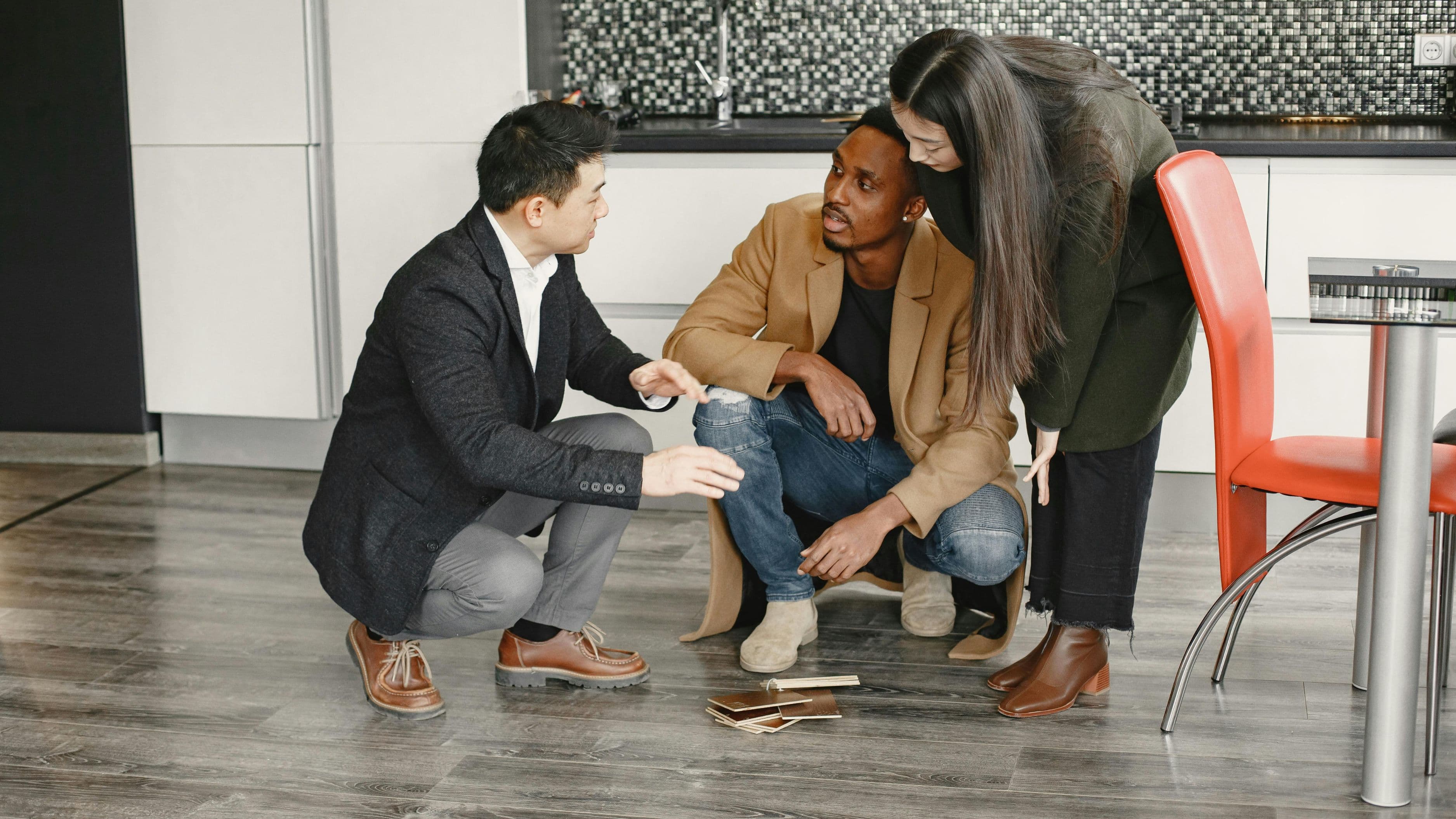
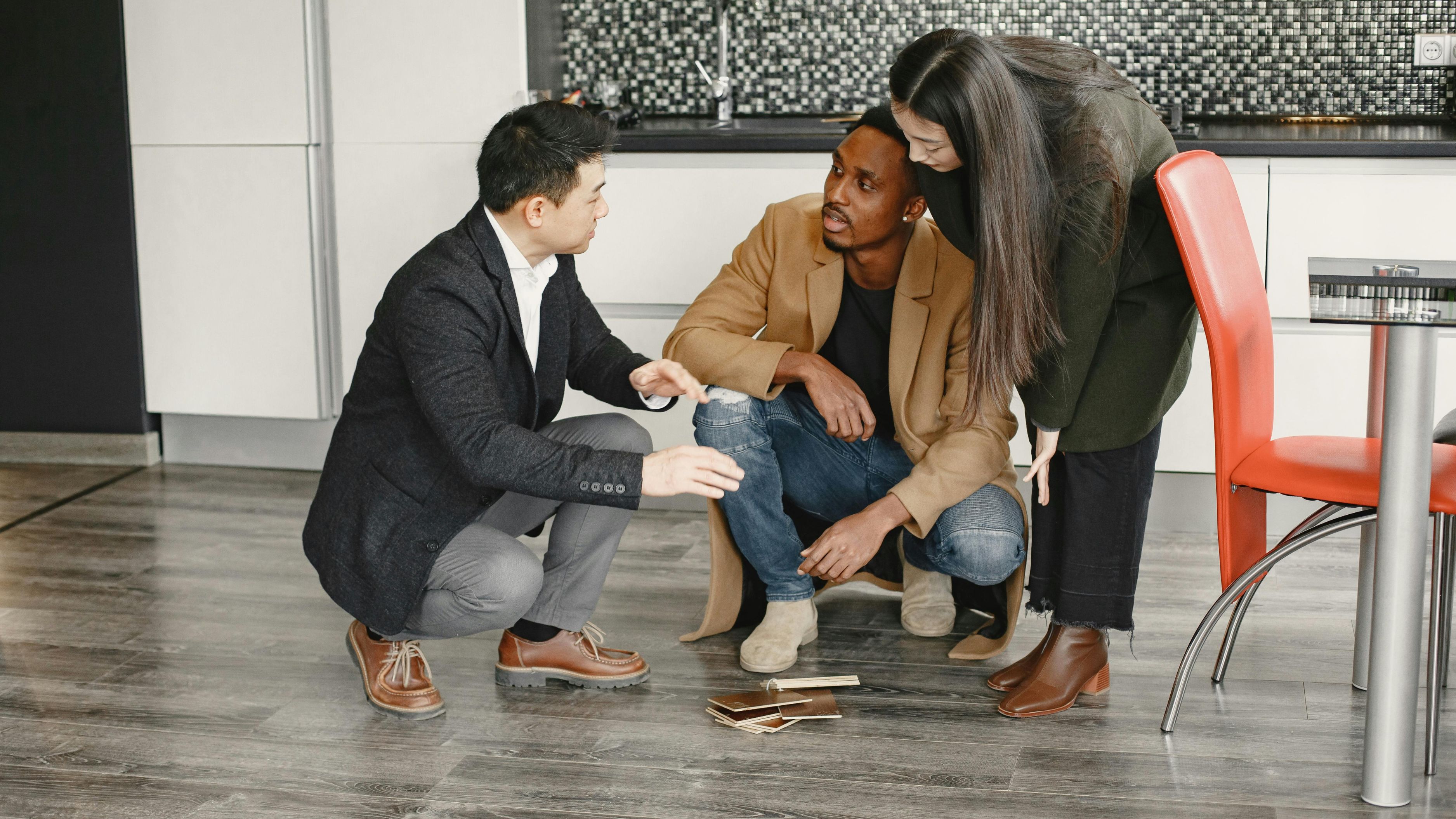
Fast-forward to last month when Sarah called me in a panic. She was trying to sell her house, and potential buyers kept walking away after the home inspection. Her real estate agent finally broke the news: "Luxury vinyl plank isn't fooling anyone anymore, and it's actually hurting your home value." Sarah had fallen victim to one of the biggest flooring myths of the decade, and she wasn't alone.
1. The "Luxury" Label Creates False Confidence
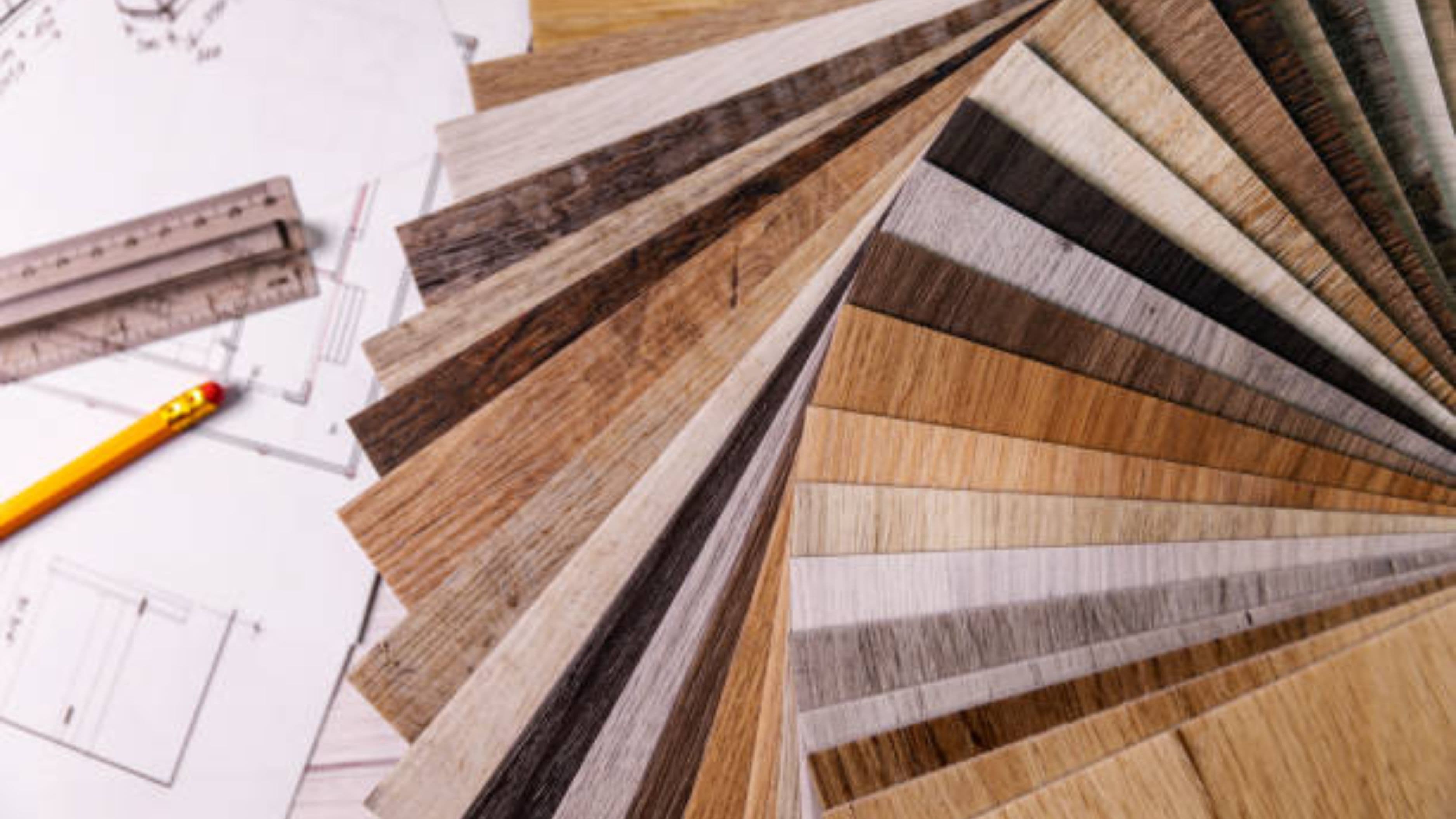
The flooring industry has mastered the art of marketing deception, and nowhere is this more evident than with luxury vinyl plank (LVP) flooring. The word "luxury" immediately conjures images of premium materials and lasting value, but here's the brutal truth: slapping a fancy name on vinyl doesn't transform its fundamental nature. Manufacturers spend millions convincing homeowners that LVP represents the perfect marriage of beauty and practicality, when in reality, it's still plastic flooring with a printed photograph of wood grain.
Real estate professionals are increasingly seeing through this marketing smoke screen. According to recent industry surveys, 73% of real estate agents report that buyers specifically ask whether floors are genuine hardwood during showings. The moment they discover LVP, negotiations often shift dramatically. What seemed like a selling point becomes a liability, forcing sellers to justify their flooring choices rather than celebrate them.
The psychological impact runs deeper than simple preference. When potential buyers realize they've been momentarily fooled by artificial flooring, it creates an immediate trust deficit. They start questioning what other shortcuts the homeowner might have taken, turning your beautiful floors into a red flag rather than a selling point.
2. Installation Speed Comes With Hidden Costs
The DIY flooring revolution promised homeowners they could transform their spaces in a weekend, and LVP manufacturers rode this wave perfectly. Installation videos make the process look effortless—just click, lock, and admire your handiwork. This apparent simplicity becomes a major selling point, especially for busy homeowners looking to maximize their renovation timeline without hiring professionals.
However, speed often sacrifices quality in ways that aren't immediately apparent. Professional installers frequently encounter subfloor issues that weekend warriors miss entirely, leading to problems that surface months or years later. Uneven subflooring causes LVP planks to buckle and separate over time, creating gaps that trap dirt and moisture. The clicking mechanism that makes installation so simple also becomes the weakest point in the system.
Moreover, the speed advantage disappears entirely when you factor in removal costs. Real hardwood floors can be refinished multiple times throughout their lifespan, but LVP requires complete replacement when it shows wear. The adhesive backing and interlocking system that made installation quick turns removal into a tedious, expensive nightmare that often damages the subfloor beneath.
3. Moisture Resistance Isn't Water Immunity
Perhaps no single feature gets more marketing attention than LVP's supposed superiority in wet environments. Homeowners facing bathroom and kitchen renovations hear repeatedly that luxury vinyl can handle anything life throws at it, making it the obvious choice for families with kids, pets, or active lifestyles. The promise feels especially appealing in areas where traditional hardwood would be risky or impractical.
The reality proves far more nuanced and problematic. While the vinyl surface itself resists moisture, water inevitably finds its way between planks, underneath edges, and into the subfloor system below. Once moisture penetrates these vulnerable areas, it becomes trapped, creating perfect conditions for mold and mildew growth. The very feature that was supposed to protect your home becomes a breeding ground for problems that expensive hardwood would never create.
Professional restoration experts report increasing calls related to LVP moisture damage, particularly in homes where homeowners assumed their floors were bulletproof. The waterproof marketing claims create a false sense of security that leads to neglected maintenance and delayed responses to spills or leaks. When problems finally surface, the damage often extends far beyond the flooring itself, requiring extensive subfloor repair and remediation.
4. Resale Value Tells the Real Story
Home appraisers have quietly been adjusting their calculations over the past few years, and the news isn't good for LVP enthusiasts. While marketing materials suggest luxury vinyl adds significant value to homes, appraisal data tells a different story entirely. Homes with genuine hardwood flooring consistently appraise higher than identical properties with LVP, sometimes by thousands of dollars per room.
The gap becomes even more pronounced in higher-end neighborhoods where buyer expectations run toward authentic materials. A $300,000 home might see minimal impact from LVP installation, but a $500,000 property faces serious buyer resistance when premium finishes don't match premium prices. Real estate agents in upscale markets report that LVP can actually delay sales and force price reductions that eliminate any initial cost savings.
Understanding buyer psychology explains this phenomenon perfectly. Homebuyers in today's market are incredibly sophisticated, often researching properties extensively before scheduling viewings. They arrive knowing exactly what to look for, and artificial flooring signals cost-cutting measures that make them question the home's overall quality and maintenance history.
5. The Environmental Impact Nobody Discusses
Sustainability consciousness is reshaping consumer decisions across every industry, and flooring choices increasingly reflect environmental values. LVP manufacturers have largely avoided this conversation, focusing instead on durability and aesthetics while glossing over the environmental implications of their products. The production process involves petroleum-based materials, chemical adhesives, and manufacturing methods that create significantly larger carbon footprints than traditional hardwood.
The disposal problem looms even larger as the first generation of LVP installations reaches the end of their lifespan. Unlike hardwood floors that can be reclaimed, repurposed, or naturally decomposed, vinyl flooring becomes permanent waste in already overwhelmed landfill systems. Homeowners who chose LVP for its practical benefits are now facing disposal costs and environmental guilt they never anticipated.
Forward-thinking buyers increasingly factor environmental impact into their purchasing decisions, viewing LVP as a shortsighted choice that doesn't align with sustainable living goals. This shift in values is already affecting resale markets in environmentally conscious communities, where authentic wood floors command premium prices specifically because of their renewable nature.
6. Professional Installation Costs Level the Playing Field
The initial cost advantage of LVP relies heavily on DIY installation, but professional installation requirements are becoming more common as problems surface from amateur work. Insurance companies are beginning to require professional installation for warranty coverage, eliminating the cost savings that made LVP attractive in the first place. When professional installation enters the equation, the price gap between LVP and genuine hardwood narrows considerably.
Quality installation requires the same subfloor preparation, moisture testing, and precision that hardwood demands. Cutting corners on these steps leads to the premature failure that's giving LVP a bad reputation in real estate circles. Professional installers also charge similar rates regardless of material, meaning the labor costs that represent the majority of flooring project budgets remain unchanged.
The hidden costs continue accumulating after installation. LVP requires specialized cleaning products to maintain its warranty, and replacement costs hit much sooner than hardwood alternatives. Over the 20-30 year lifespan most homeowners plan for, these ongoing expenses often exceed the premium charged for genuine hardwood flooring.
The Truth About Authentic Value
The flooring industry's greatest magic trick convinced an entire generation of homeowners that imitation could somehow exceed the original. But like all magic tricks, the illusion only works until you understand how it's done. Real estate markets are ruthlessly honest—they reveal the true value of our choices through actual buyer behavior and appraisal data.
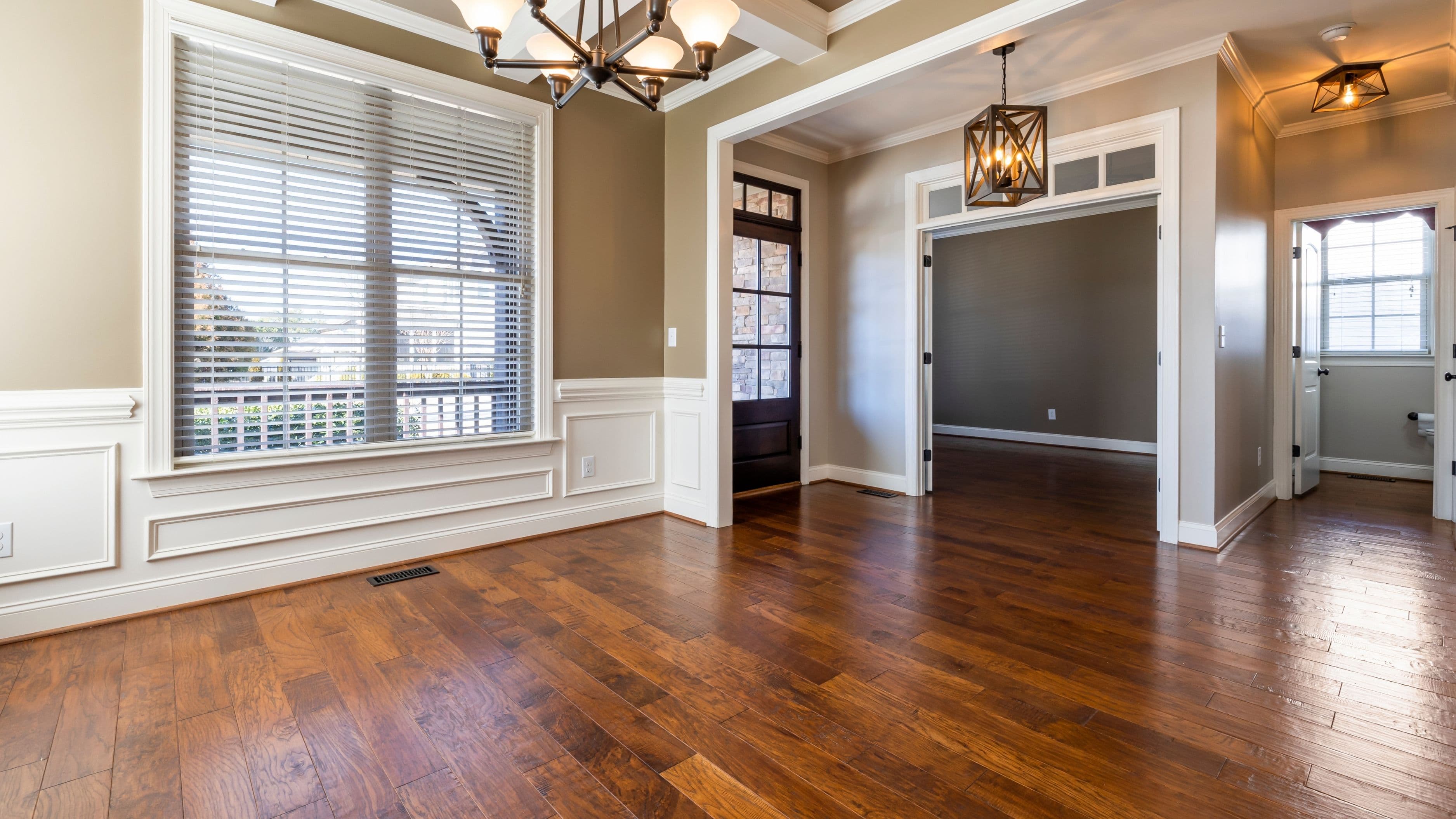
Authentic hardwood floors represent more than just a surface to walk on; they embody craftsmanship, sustainability, and genuine luxury that sophisticated buyers recognize instantly. The grain patterns tell the story of living trees, the aging process adds character rather than showing wear, and the investment appreciates alongside your home's value. While LVP promised to revolutionize flooring, it actually demonstrated why some things simply can't be improved through imitation.
Your home deserves materials that enhance its value rather than merely covering its surfaces. The next time someone tries to convince you that luxury vinyl is "just as good" as the real thing, remember Sarah's story and trust what the market is already telling us. In a world full of artificial alternatives, authenticity remains the ultimate luxury.
📚 Sources
1. National Association of Realtors, "2023 Home Buyers and Sellers Generational Trends Report," March 2023.
2. Appraisal Institute, "Residential Property Valuation Factors Study," September 2023.
3. Environmental Protection Agency, "Construction and Demolition Materials Report," December 2022.