
The good news is that choosing flooring doesn't have to be complicated. Once you understand the key demands of each room and how different materials respond to them, the decision becomes much more straightforward.
The Four Questions That Should Drive Every Flooring Decision
Before looking at materials, ask these four questions about the room you're flooring. The answers will immediately narrow your options.
How much moisture does this room see? Bathrooms, laundry rooms, mudrooms, and kitchens are high-moisture environments. Water – whether from spills, steam, or humidity – will destroy certain flooring materials over time regardless of how well they're installed. Moisture tolerance is non-negotiable in these spaces.
How much foot traffic does this room handle? A bedroom and a hallway have very different wear demands. High-traffic areas need materials with strong surface hardness (measured by the Janka hardness rating for wood, and by wear layer thickness for LVP and laminate). Soft or thin materials get scratched, dented, and worn down much faster in busy zones.
Is this room above a subfloor, on a slab, or below grade? Some flooring materials – particularly solid hardwood – can't go below grade or directly on concrete without significant moisture mitigation, because they absorb ground moisture and expand. Knowing your subfloor situation rules out certain options immediately.
What's your realistic budget per square foot, installed? Flooring costs vary enormously, and the installed cost (materials plus labor) is what actually matters. A material that looks affordable at $3/sq ft may cost $8–$10/sq ft installed once you add underlayment, adhesive, trim, and labor. Always get quotes in installed cost, not just material cost.
The Main Flooring Materials, Honestly Assessed
Hardwood (Solid and Engineered)
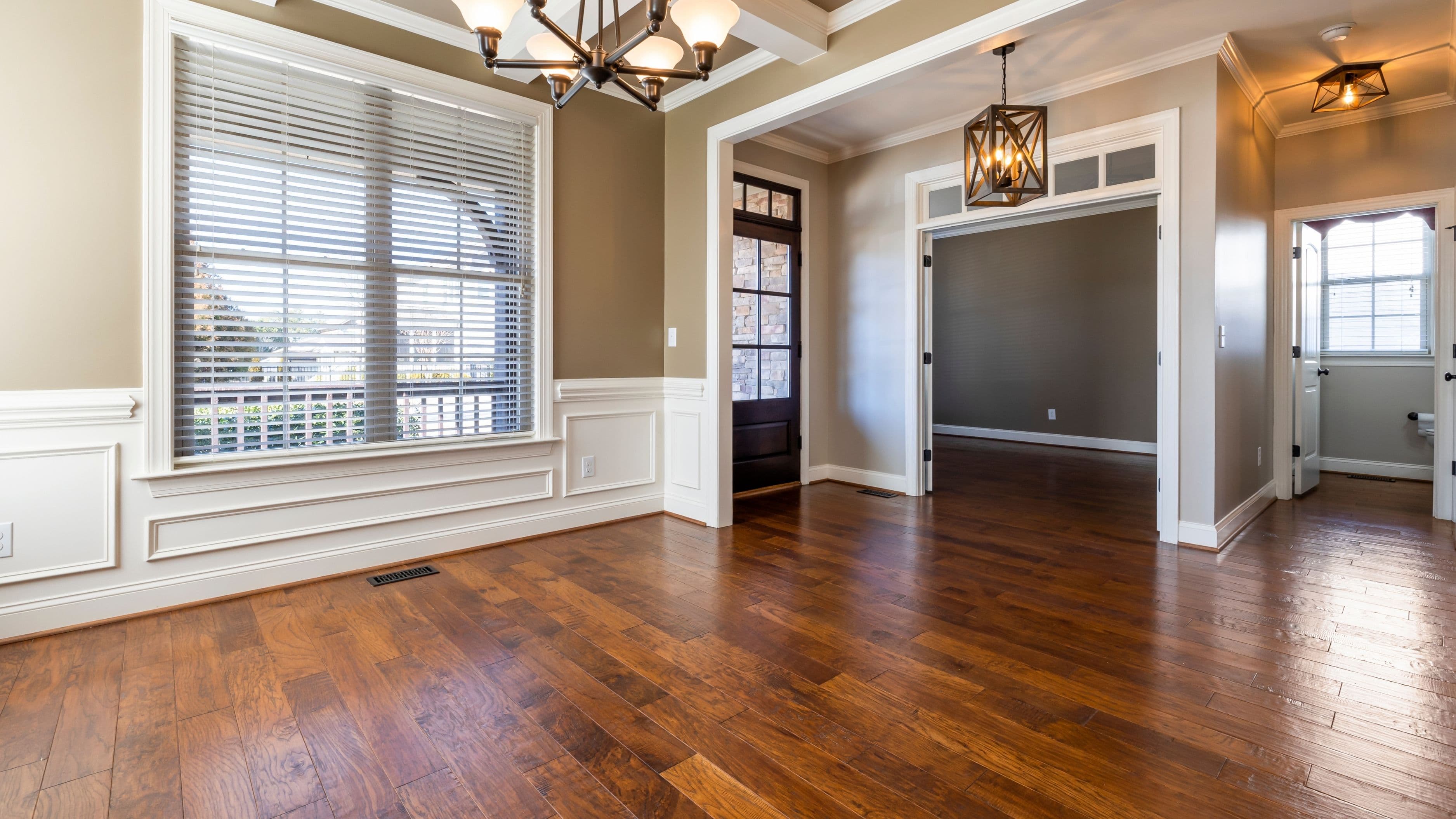
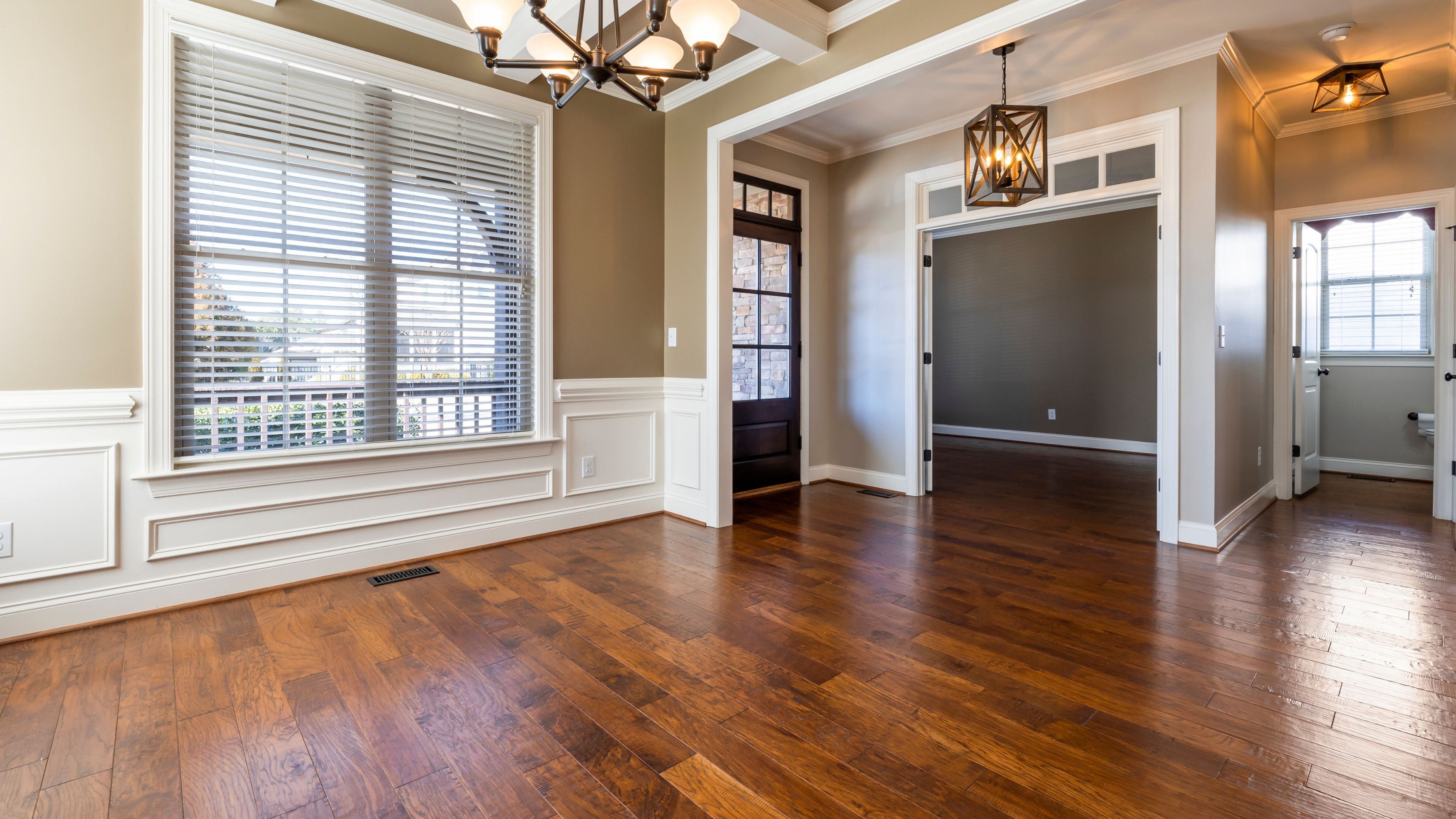
Hardwood is the benchmark for residential flooring in terms of perceived value and longevity. Done well, it adds genuine resale value and ages beautifully. Done poorly or in the wrong room, it warps, gaps, and deteriorates faster than cheaper alternatives.
Solid hardwood is exactly what it sounds like – solid wood milled to thickness, typically 3/4 inch. It can be sanded and refinished multiple times over its lifespan, which means a solid hardwood floor installed today could still be performing in 50–80 years with proper care. Its main weaknesses are moisture sensitivity and cost. Solid hardwood should not be installed in bathrooms, below-grade basements, or directly on concrete slabs. It also expands and contracts with humidity changes, which means installation and climate control matter.
Engineered hardwood is a layered product – a real wood veneer on top of a plywood or HDF core. The layered construction makes it significantly more dimensionally stable than solid hardwood, meaning it handles humidity changes, concrete subfloors, and even some below-grade installations much better. The top veneer can typically be sanded once or twice depending on its thickness. It's the smarter choice for open floor plans that cross multiple subfloor types, or for areas where solid hardwood's moisture limitations are a concern.
Cost range: Solid hardwood, installed: $8–$18/sq ft. Engineered hardwood, installed: $6–$14/sq ft. Both vary significantly with species, grade, and finish.
Best rooms: Living rooms, dining rooms, bedrooms, hallways. Not bathrooms, laundry rooms, or high-moisture kitchens.
Luxury Vinyl Plank (LVP) and Luxury Vinyl Tile (LVT)
LVP has become the dominant choice for whole-home renovations in the past decade, and the reasons are practical rather than trendy. It's waterproof (not just water-resistant), highly durable, comfortable underfoot, available in convincing wood and stone visuals, and significantly less expensive than hardwood. It also floats over most existing subfloors, which makes installation accessible for confident DIYers.
The key variable in LVP quality is wear layer thickness. The wear layer is the clear protective coating on top that determines how well the floor resists scratches and dents. Consumer-grade LVP starts at around 6 mil wear layer. For high-traffic areas or homes with pets, 12 mil is the practical minimum; 20 mil and above is commercial grade and worth considering for hallways, kitchens, and main living areas. The core thickness also matters – thicker planks feel more solid underfoot and better mask subfloor imperfections.
One legitimate limitation of LVP is that it can't be refinished the way hardwood can. Once the wear layer is through, the floor needs replacing. At the price points of most quality LVP, this is manageable – but it's a different lifespan model than solid hardwood.
Cost range: Installed: $4–$9/sq ft depending on wear layer thickness and brand. DIY installation can bring this down significantly.
Best rooms: Every room, including bathrooms, laundry rooms, kitchens, basements, and below-grade spaces. Genuinely one of the most versatile options available.
Porcelain and Ceramic Tile
Tile is the most durable residential flooring material in terms of resistance to moisture, stains, and heavy wear. A properly installed tile floor in a bathroom or kitchen can last the life of the house. It's also the most unforgiving of subfloor imperfections – tile cracks when the substrate beneath it flexes, so a solid, stiff subfloor is non-negotiable.
Porcelain is denser and less porous than ceramic, making it the better choice for wet areas and exterior applications. Ceramic is slightly easier to cut and install and works fine for most interior dry applications. For floors specifically, look for a PEI (Porcelain Enamel Institute) rating of 3 or higher – this indicates the tile is suitable for residential floor use. Ratings below 3 are wall tiles and will wear through quickly underfoot.
The main practical complaint about tile beyond the cost of installation is comfort and temperature. Tile is hard and cold underfoot, which makes it uncomfortable in bedrooms and living areas unless you're in a warm climate or have radiant floor heating underneath it. Grout maintenance is also a long-term consideration – grout lines need sealing and are susceptible to staining and mold if not maintained.
Cost range: Installed: $7–$20/sq ft depending on tile size, material, and pattern complexity. Large-format tiles and intricate layouts cost significantly more in labor.
Best rooms: Bathrooms, kitchens, mudrooms, laundry rooms, entryways. Less suitable for bedrooms and main living areas unless comfort concerns are addressed.
Laminate
Laminate was the entry-level alternative to hardwood before LVP matured into the market. It's a photographic image of wood or stone bonded to a fiberboard core with a protective wear layer on top. It's affordable, easy to install as a floating floor, and can look convincing from a distance.
Its major limitation is moisture. Most laminate is not waterproof – the fiberboard core absorbs water and swells, which causes edges to lift, surfaces to bubble, and joints to separate. Waterproof laminate cores exist but aren't universal, and even waterproof variants should not be used in bathrooms or other continuously wet environments. In dry areas with modest traffic, laminate performs reasonably well. In high-moisture zones or homes with frequent spills, LVP is the smarter choice for a similar price.
Cost range: Installed: $3–$7/sq ft. One of the lower-cost hard flooring options.
Best rooms: Bedrooms, guest rooms, lower-traffic living areas. Keep it out of bathrooms, kitchens, and basements unless confirmed waterproof.
Carpet
Carpet occupies a specific, valid role in residential flooring despite falling out of fashion in open living spaces. It's the warmest and softest underfoot of any flooring material, provides acoustic dampening that hard surfaces can't match, and is significantly lower in cost and easier to install than most alternatives.
The practical objections to carpet are maintenance-related. It traps allergens, pet dander, and dust more than hard surfaces. It stains more visibly and permanently. In high-traffic zones, it compresses and shows wear paths over time. These are real limitations, but they matter more in some rooms than others. In a bedroom – particularly a child's bedroom or a guest room – carpet's warmth, comfort, and acoustic softness are genuine benefits that hard surfaces don't replicate.
Cost range: Installed: $3–$8/sq ft for standard residential carpet, though premium materials run higher.
Best rooms: Bedrooms, home offices, basement rec rooms, stairs (where it reduces noise and slip risk). Not recommended for kitchens, bathrooms, or mudrooms.
Room-by-Room Recommendations
Living room and dining room: Engineered hardwood or quality LVP. Both handle moderate traffic, work in open floor plans, and provide the warm aesthetic most people want in main living spaces. If you have young children or large dogs, LVP's waterproofing is a genuine advantage.
Kitchen: LVP or porcelain tile. Both handle spills, dropped items, and the repeated cleaning that kitchens demand. Tile is harder underfoot during long cooking sessions; LVP provides more comfort with similar durability.
Primary bathroom: Porcelain tile or LVP (verified waterproof). Tile is the traditional choice and the most moisture-resistant. LVP works well and is warmer underfoot, particularly important in bathrooms.
Bedrooms: Carpet, engineered hardwood, or LVP based on preference. Carpet is the comfort choice; hardwood and LVP suit people who prefer hard surfaces or have allergy sensitivities.
Hallways and entryways: High wear-layer LVP or porcelain tile. These are your highest-traffic zones and need the best durability you can afford. A worn or damaged hallway floor affects how the whole house feels visually.
Basement: LVP is the clear choice for below-grade spaces. It handles the humidity fluctuations and potential for ground moisture that destroy solid hardwood and warp laminate. Tile is also viable if you address comfort concerns.
Mudroom and laundry room: Porcelain tile or LVP. Both handle water, mud, and heavy use without issue.
What to Avoid
Mixing too many flooring types across open areas. Flooring changes in open floor plans – living room to dining room to kitchen – create visual fragmentation and make spaces feel smaller. If you're renovating multiple adjacent rooms, using the same or complementary flooring across the whole open zone creates a cleaner, larger-feeling result.
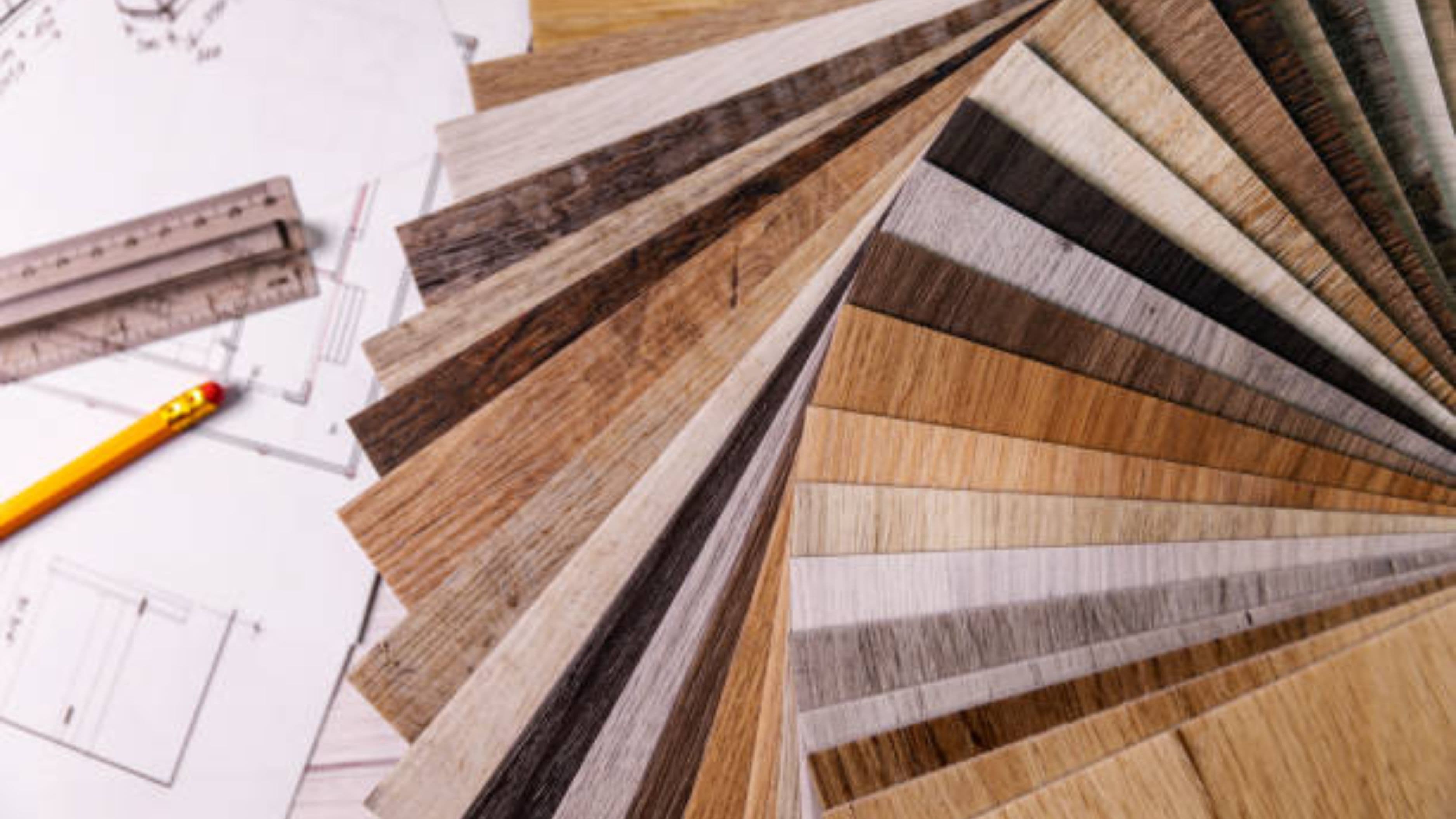
Prioritizing looks over specs. It's easy to fall for a flooring sample in a showroom and gloss over the wear layer, moisture rating, or core material. Those specs determine how the floor performs in two years, not just on installation day.
Forgetting to budget for waste, trim, and underlayment. Order 10–15% more material than your square footage to account for cuts, waste, and pattern matching. Trim pieces, transition strips, and underlayment add to the total cost and often aren't quoted upfront.
Installing hardwood in moisture-prone rooms out of aesthetic preference. No amount of sealant makes solid hardwood appropriate for bathrooms or laundry rooms. Water wins eventually, and the replacement cost makes the original "savings" on skipping tile look very small.
FAQ
Can I install flooring over existing flooring? In some cases, yes. LVP can typically float over existing tile or hardwood if the surface is flat, stable, and not adding too much height under doors and transitions. Tile over tile requires a particularly solid base and adds significant height. Always check manufacturer specifications for subfloor requirements before installing over existing material.
What's the most durable flooring for a home with dogs? LVP with a 12 mil or thicker wear layer is typically the best choice. It's scratch-resistant enough for most dogs, fully waterproof (important for accidents), and comfortable enough underfoot for both humans and pets. Porcelain tile is also durable but hard and cold. Avoid solid hardwood, which scratches visibly from claws, and laminate, which water-damages easily.
How much should I budget for whole-home flooring? For an average-sized home (1,500–2,000 sq ft of floored area), a whole-home LVP installation typically runs $8,000–$18,000 installed depending on product quality and labor market. Hardwood comes in higher; carpet and laminate come in lower. Getting multiple quotes from installers is worth the time, as labor costs vary significantly by region.
Does flooring type significantly affect home resale value? Hardwood floors – solid or engineered – are consistently cited by real estate professionals as adding perceived value and helping homes sell faster. LVP has improved significantly in buyer perception and is increasingly viewed positively. Carpet in main living areas tends to be seen as a negative by many buyers today, though it remains acceptable in bedrooms. Tile in kitchens and bathrooms is generally expected and viewed neutrally.
Should all rooms have the same flooring? Not necessarily, but thoughtful cohesion helps. Using the same or very similar flooring throughout open areas – living room, dining area, kitchen – creates visual flow and makes spaces feel larger. Bedrooms and bathrooms can reasonably differ. The key is making transitions between flooring types intentional and clean rather than arbitrary.
📚 Sources
National Wood Flooring Association – Hardwood Flooring Grades and Species Guide: https://www.nwfa.org/hardwood-flooring-basics/
This Old House – How to Choose the Right Flooring for Every Room: https://www.thisoldhouse.com/flooring/21016138/how-to-choose-the-right-flooring
Floor Covering News – Luxury Vinyl Plank Market Trends: https://www.floorcoveringnews.net/news/lvt-and-lvp-market-growth
Tile Council of North America – PEI Ratings Explained: https://www.tcnatile.com/faqs/57-pei-rating.html
Family Handyman – Flooring Installation Cost Guide: https://www.familyhandyman.com/article/flooring-installation-cost/