It's also a project with real complexity. Getting it right means navigating permits, insulation, plumbing, electrical, and building codes before you ever touch a floor plan. Here's a practical roadmap from the beginning to a livable, legal space.
Understand What an ADU Actually Requires
An ADU is a secondary residential unit on a property that contains a primary residence. For a garage conversion to qualify as an ADU – and to be legally rentable and insurable – it typically needs to meet the same habitability standards as any residential unit: minimum ceiling height (usually 7–7.5 feet), natural light through windows, proper ventilation, functioning heating, and a bathroom. Most municipalities also require a kitchen or kitchenette to classify the space as a full ADU rather than a bonus room.
The key word in all of this is "legally." An informal garage conversion that bypasses permits may look like a finished unit but creates serious problems when you sell the property, try to rent it, or file an insurance claim. Unpermitted work can require costly demolition and reconstruction, result in fines, or complicate property transfers. Doing this by the book protects your investment and your options.
Before you plan anything structurally, call your local planning department or visit their website. Ask three specific questions: Is a garage-to-ADU conversion permitted on your property type and zoning? What are the setback, parking, and owner-occupancy requirements? What permits will you need? Many cities now have streamlined ADU approval processes, and some jurisdictions in California, Oregon, Washington, and several other states have removed significant barriers in recent years to encourage ADU development as a response to housing shortages.
Step 1: Assess the Existing Structure
Not every garage is an equally good candidate for conversion. Before investing in design and permits, walk through the space with a critical eye – or hire a structural engineer or experienced contractor for a $300–$500 assessment if you're unsure what you're looking at.
Check the ceiling height. This is often the biggest constraint in a garage conversion. Many older garages have ceilings of 8–9 feet at the peak, but the walls may only be 7–7.5 feet before the roofline begins to angle. If the walls are shorter than 7 feet, you'll need to evaluate whether raising the roof or excavating the floor (both expensive) makes economic sense. In some cases, the garage simply doesn't meet the threshold for comfortable habitable space without major structural work.
Inspect the foundation and slab. Garage slabs are typically 4 inches of concrete, which is adequate for a residential floor but may require treatment to address moisture before you install flooring on top of it. Check for cracks, signs of heaving, and – critically – whether the slab sits at the same level as the surrounding grade. A slab that's at or below grade with no moisture barrier is susceptible to water intrusion and will require remediation before the conversion can proceed.
Look at the framing, roof, and walls. A standard wood-framed garage with adequate structural integrity can typically support a conversion without major reinforcement. However, if the garage was built as a simple post-and-beam structure or has a roof that's showing signs of age, a structural assessment will tell you what needs to be addressed before insulation and drywall go in.
Note the location of the electrical panel and any existing utilities. If the garage already has a sub-panel, that reduces electrical upgrade costs. If water supply and drainage lines run near the garage, plumbing costs for a bathroom and kitchen will be lower than if you're extending lines from the opposite end of the property.
Step 2: Design the Floor Plan
With your structural constraints identified, you can design a floor plan that makes sense within the actual footprint. A 400-square-foot single-car garage and a 500-square-foot two-car garage produce different possibilities, and working with the space's proportions rather than against them makes a significant difference in livability.
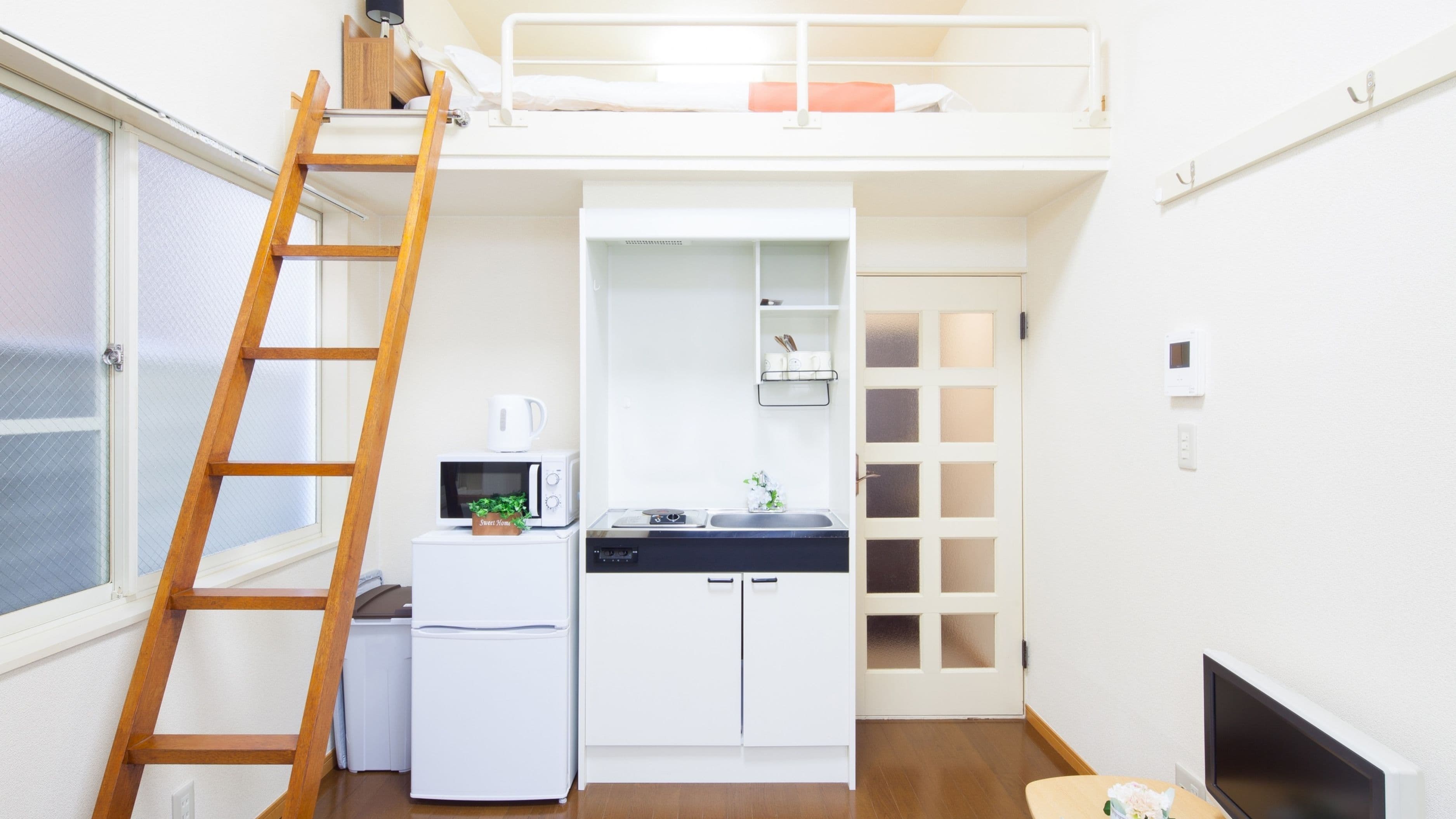
For a single-car garage (roughly 20 x 20 feet), the most functional layout typically places the bathroom and kitchen along one wall to minimize plumbing run lengths, with the remaining space serving as combined living and sleeping area. A Murphy bed or built-in sleeping loft can recover floor space when the unit isn't being used for sleeping.
For a two-car garage (roughly 20 x 22 feet or larger), you have enough room for a defined bedroom separated by a partial wall or full partition, a small living area, a compact kitchen, and a full bathroom. This configuration produces a genuine one-bedroom unit rather than a studio, which is more rentable and often more livable for long-term occupancy.
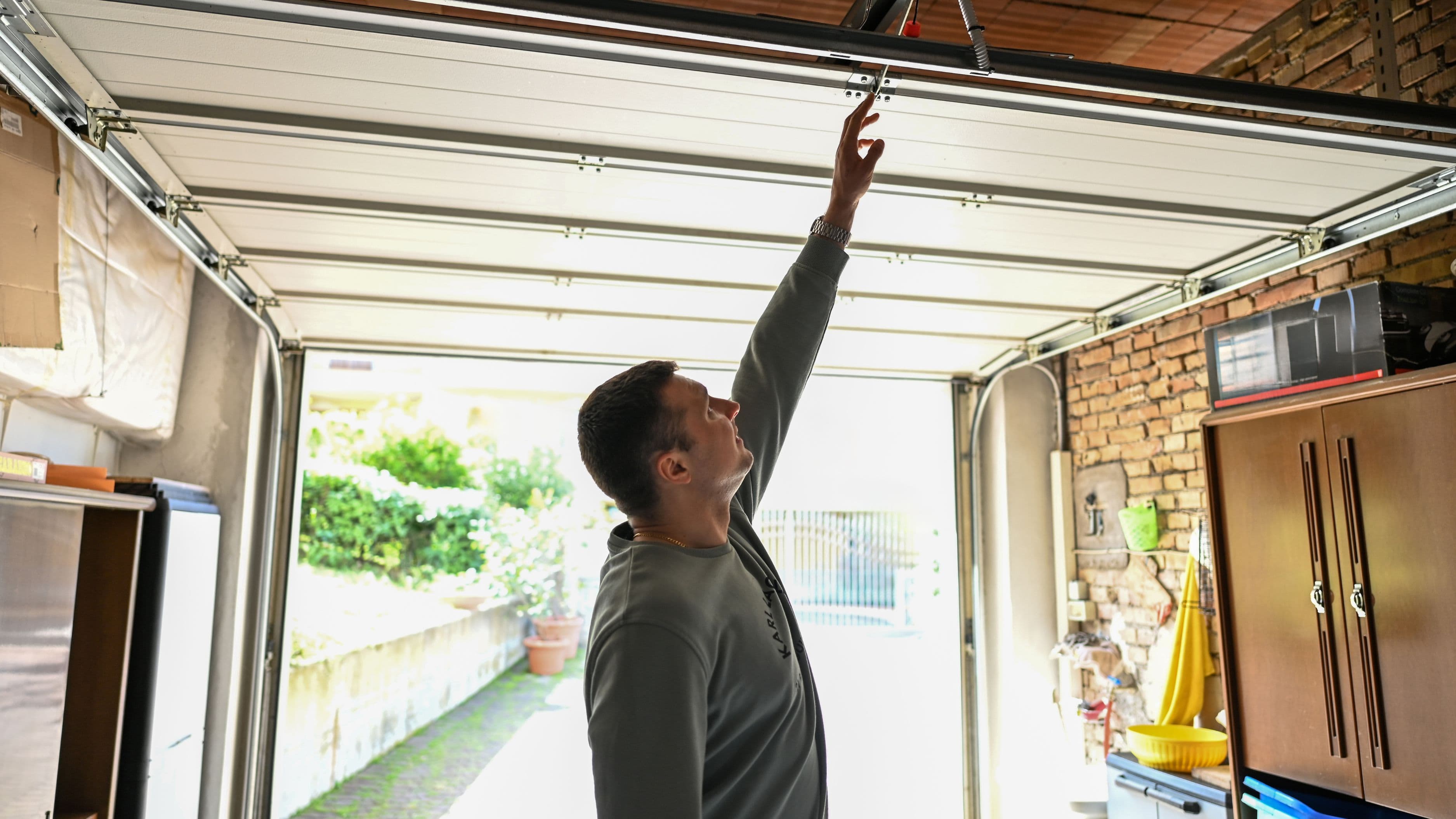
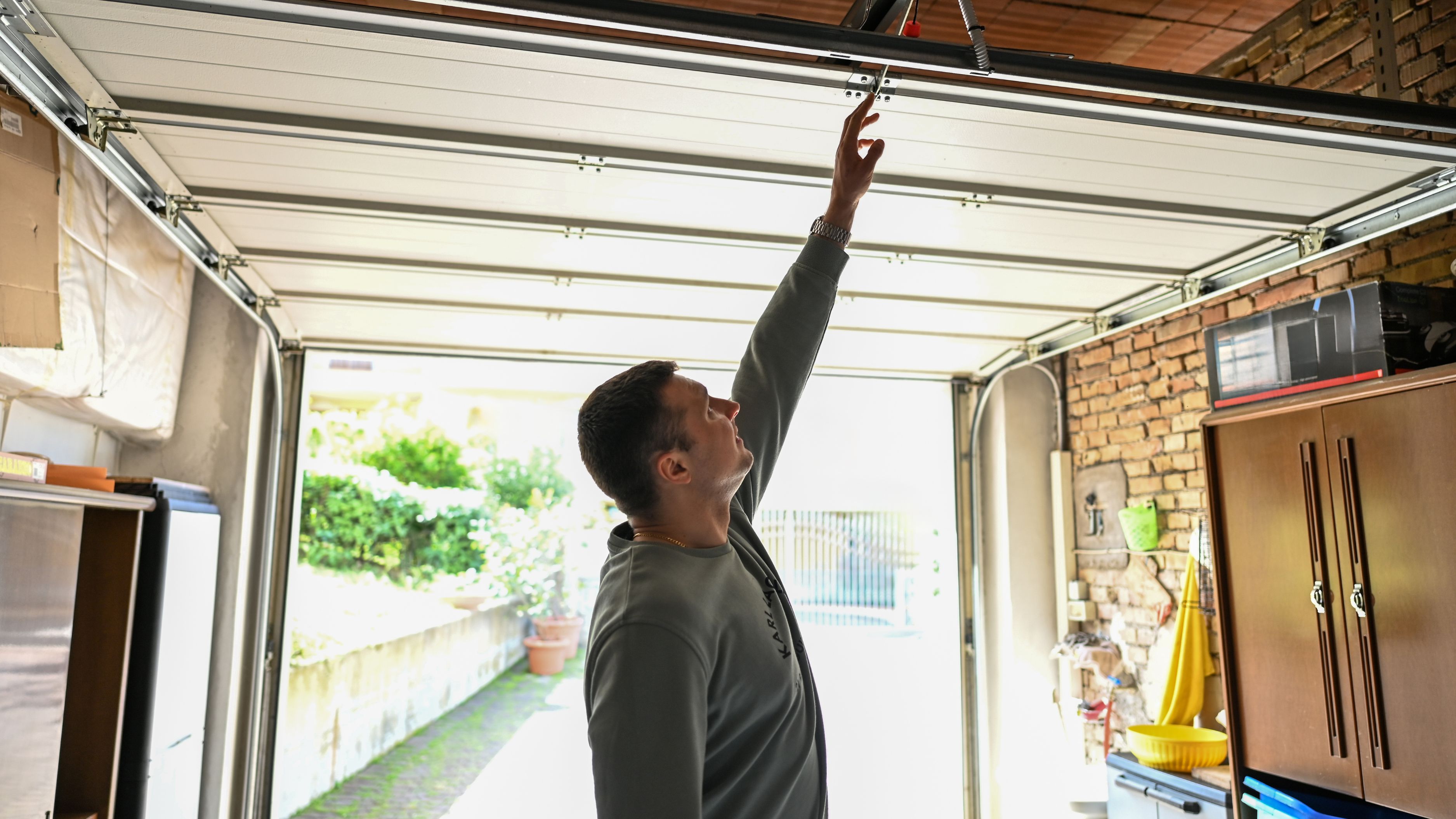
The garage door opening is typically the largest structural span in the wall and creates a design decision point. You can infill this opening with standard framing and add windows and a door, which is the most cost-effective approach. You can replace the garage door with a glass-and-aluminum storefront system, which brings in significant natural light at higher cost. Or you can keep a functioning garage door and create a multi-purpose space, though this limits the unit's use as a private ADU.
If you're hiring an architect or designer, ADU-specialized designers can often produce permit-ready plans faster and cheaper than generalist architects because they work within these constraints regularly. Expect to pay $2,000–$6,000 for design and permit drawings depending on complexity and your market.
Step 3: Permits and Approvals
Submit your permit application before starting any work. In most jurisdictions, a garage-to-ADU conversion requires at minimum a building permit, and often separate mechanical, electrical, and plumbing permits. Some cities have created consolidated ADU permits that simplify this process; others still require separate submissions to each department.
The permit review process typically takes 2–8 weeks for straightforward ADU conversions in cities with streamlined processes, and longer in jurisdictions with higher review volumes or more complex requirements. Some cities offer over-the-counter or same-day approval for conversions that meet pre-approved design standards.
Plan check corrections – requests from the plan reviewer to modify or clarify your drawings – are common and don't necessarily indicate a problem with your project. Having a designer or contractor who's familiar with local requirements reduces the number of correction rounds. Budget time for at least one correction cycle regardless.
Once permits are issued, keep them visible at the job site and understand the inspection schedule. A typical garage ADU conversion requires inspections at framing, rough electrical, rough plumbing, insulation, and final occupancy stages. Skipping an inspection creates problems that can require walls to be opened back up – costing money and time that's entirely avoidable.
Step 4: The Core Conversion Work
With permits in hand, the actual construction phase can begin. The work typically proceeds in this sequence:
Demolition and prep comes first – removing the garage door, infilling the opening (or replacing it with your chosen assembly), and preparing the slab for moisture treatment and flooring. If the slab has moisture issues, a vapor barrier and sleeper system or floating floor assembly will address them. Budget $2,000–$5,000 for slab prep and new flooring depending on the material and area.
Framing follows, adding interior partition walls, building out the bathroom and kitchen areas, and framing any new windows or door openings. If the garage was uninsulated, exterior walls will also be re-framed or furred out to accommodate insulation. Framing labor for a standard 400–500 square foot conversion typically runs $3,000–$6,000.
Rough mechanical work – plumbing, electrical, and HVAC – runs simultaneously with or immediately after framing. This is typically the most variable cost category. Extending water supply and drain lines from the main house to the garage can run $3,000–$8,000 depending on distance and complexity. Electrical work for a full ADU including panel upgrade if needed runs $3,500–$7,000. HVAC – whether a mini-split system, extension of the main home's ductwork, or baseboard heating depending on your climate – adds another $2,500–$6,000.
Insulation is non-negotiable for comfort and energy efficiency. Garages have no insulation by default, and converting an uninsulated slab-on-grade, thin-walled space into a comfortable living unit requires attention to all six sides: floor, walls, ceiling, and the thermal bridging at each. Spray foam or rigid foam on the slab, batt insulation in the walls, and adequate ceiling insulation (R-30 or better in most climates) are the minimum requirements. Budget $3,000–$6,000 for insulation in a standard garage conversion.
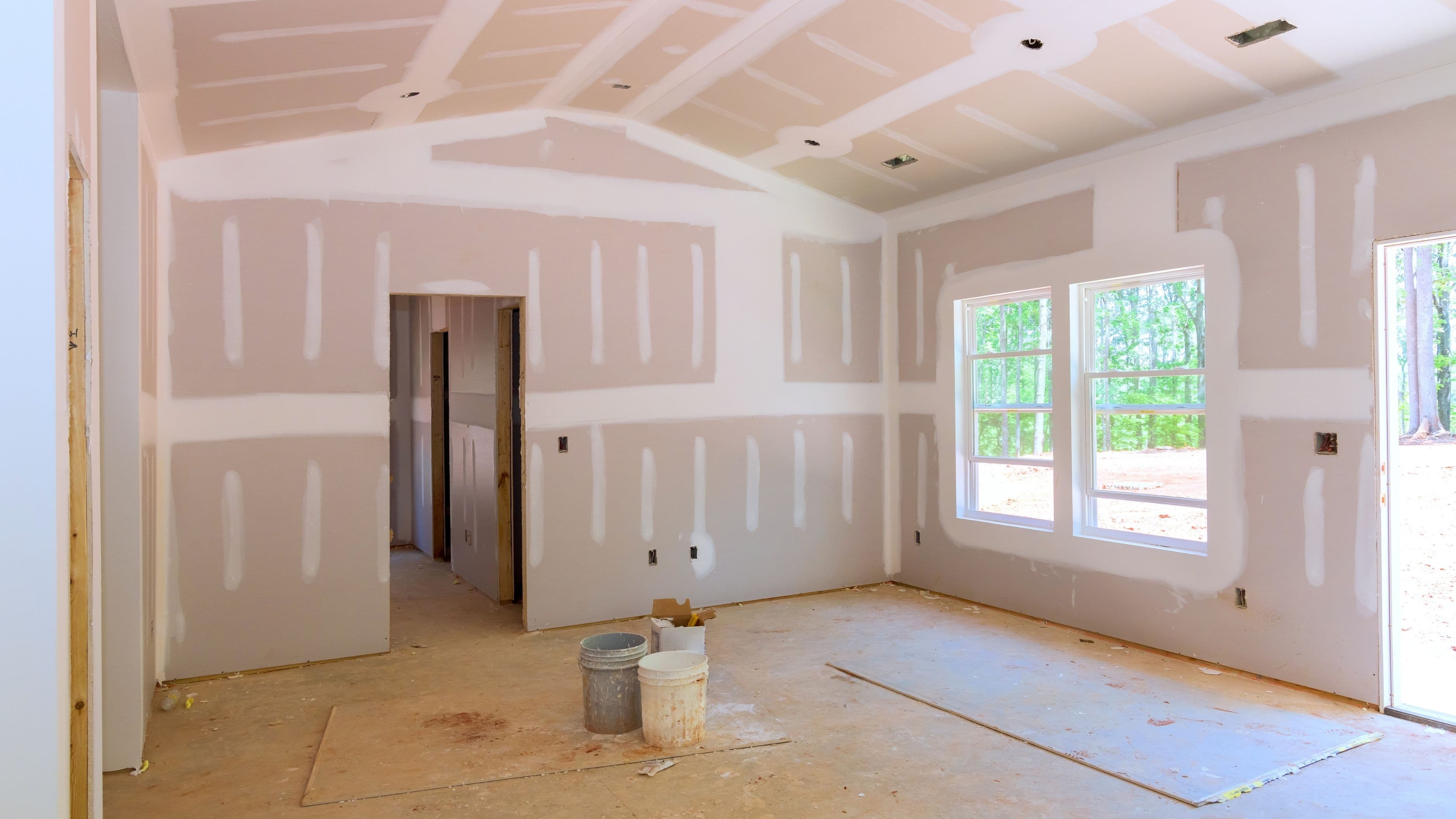
Drywall, finish work, and fixtures close out the construction phase. Standard drywall, taping, and painting for 400–500 square feet of converted space runs $4,000–$8,000. Kitchen and bathroom fixtures, cabinetry, and finishes will depend entirely on the specification you choose – budget $8,000–$20,000 for a fully outfitted kitchen and bathroom at mid-range quality.
Realistic Costs: What to Expect
A garage-to-ADU conversion is not an inexpensive project. The range is wide because variables like slab condition, distance of utilities from the main house, local labor costs, and finish level all affect the final number significantly.
For a basic but compliant single-car garage conversion with modest finishes, $60,000–$80,000 is a realistic range in most markets. A two-car garage conversion with full kitchen, bathroom, and quality finishes typically runs $90,000–$130,000. In high-cost markets like California, the Pacific Northwest, or the Northeast, add 20–40% to these figures.
Some homeowners find that prefabricated ADU companies – which offer pre-designed, pre-engineered conversion packages – can reduce costs and timeline compared to fully custom construction. These services manage design, permitting, and construction under one contract, which reduces coordination burden, though the savings vary by provider and market.
What to Avoid
The most costly mistake in garage ADU conversions is starting construction without a permit. The second is underestimating the scope of utility work – particularly when the garage is detached from the main house and utilities need to be trenched underground. Get utility extension costs quoted before you finalize your budget, not after.
Avoid specifications that don't match the purpose of the unit. If the ADU is for rental income, a $15,000 kitchen is rarely justified by the rent you'll collect. Mid-range fixtures and finishes that hold up to tenant use and are easy to maintain serve a rental unit better than high-end materials that look impressive but add years to your payback period.
Also avoid underinsulating. Garage conversions with inadequate insulation become expensive to heat and cool, uncomfortable to live in, and can develop moisture problems. The cost of proper insulation during construction is far less than remediation after the fact.
FAQ
Does a garage ADU add value to my property? Generally yes, though the added value depends on your market. In markets with high rental demand and strong ADU legalization, a permitted garage ADU can add $80,000–$200,000+ in appraised value. In slower markets, the return is more modest. An appraiser familiar with ADU valuation in your area can give you a more accurate estimate before you commit to the project.
Can I convert a detached garage into an ADU? Yes, and in many ways a detached garage conversion is simpler from a privacy and sound separation standpoint – you're creating an independent unit rather than an attached one. The main added complexity is the utility connection, which requires underground trenching for water, sewer, electrical, and sometimes gas. Costs for utility extension on a detached garage typically run $5,000–$15,000 depending on the distance and what obstacles the trench needs to navigate.
How long does a garage ADU conversion take from start to finish? Plan for 6–12 months total from initial planning to final occupancy inspection. Permit approval alone can take 2–3 months in some jurisdictions. Construction for a standard conversion takes 3–5 months once permits are in hand. Timeline varies significantly by market, contractor availability, and the complexity of your specific project.
Do I need to notify my mortgage lender or insurance company? You should notify both. Adding a permitted ADU changes the use and potentially the value of your property, and both your lender and insurer need to know about material changes to the property. Your homeowner's insurance policy should be updated to reflect the addition of a secondary residential unit. If you plan to rent the ADU, a landlord or dwelling fire policy provides coverage that a standard homeowner's policy typically doesn't extend to rental occupants.
A Practical Investment in Your Property
Converting a garage into a livable ADU is one of the more substantial home renovation projects you can undertake – in scope, cost, and potential return. Done right, it adds a legal income-producing unit to your property, increases resale value, and creates genuine flexible space that serves your household's evolving needs. Done poorly or without permits, it creates liability, legal exposure, and a remediation bill that exceeds what you saved by cutting corners.
The investment in proper planning, permits, and quality construction upfront is what separates a garage ADU that pays for itself over time from one that creates problems you're still solving years later.
📚 Sources
California Department of Housing and Community Development. ADU Handbook. – https://www.hcd.ca.gov/policy-research/accessorydwellingunits.shtml
U.S. Department of Housing and Urban Development. Accessory dwelling units: Case study. – https://www.huduser.gov/portal/publications/adu.html
National Association of Home Builders. Cost to build a garage conversion. – https://www.nahb.org/news-and-economics/housing-economics
Fannie Mae. Selling guide: Accessory dwelling units. – https://selling-guide.fanniemae.com/Selling-Guide/Origination-thru-Closing/Subpart-B4-Underwriting-Property/Chapter-B4-1-3-Property-Condition-and-Quality-of-Construction/1032991741/B4-1-3-05-Improvements-Section-of-the-Appraisal-Report-04-01-2020.htm
Energy.gov. Insulation. U.S. Department of Energy – https://www.energy.gov/energysaver/insulation
International Code Council. Residential building codes overview. – https://www.iccsafe.org/products-and-services/i-codes/2021-i-codes/irc/
🔍 Explore Related Topics