


Why This Matters Even If You're Not Building New
Certification systems exist to measure something homeowners often struggle to assess on their own: whether a home is actually performing efficiently, or whether it just seems efficient based on newer appliances or updated finishes. Understanding the criteria these programs use gives you a more reliable framework for prioritizing renovation decisions, even if you never pursue formal certification yourself.
There's also a practical resale consideration. Certified or verified energy-efficient homes increasingly show up as a search filter on real estate platforms, and documented efficiency improvements can serve as tangible proof points when it comes time to sell, rather than vague claims about a home being "updated."
LEED for Homes
LEED, or Leadership in Energy and Environmental Design, is one of the most widely recognized green building certifications, and while it's most associated with new construction, LEED for Homes does include a pathway for major renovations that meet specific criteria around energy efficiency, water conservation, indoor air quality, and sustainable materials. Pursuing full LEED certification for an existing home renovation is a significant undertaking, generally requiring a substantial project scope and third-party verification.
What it covers: Energy performance, water efficiency, material selection, and indoor environmental quality.
Realistic scope for existing homeowners: Full certification usually only makes sense for major whole-home renovations, though the underlying criteria are genuinely useful as a reference checklist even without pursuing formal certification.
Cost consideration: Certification fees and required verification add cost on top of the renovation itself, generally not worthwhile unless you're already planning an extensive project.
ENERGY STAR Certified Homes and ENERGY STAR Products
ENERGY STAR is likely the certification most homeowners already interact with, even if only through the blue label on appliances. Beyond individual products, ENERGY STAR also has a whole-home certification pathway, though like LEED, it's primarily aimed at new construction rather than renovations of existing homes.
What it covers: For products, energy efficiency standards for appliances, water heaters, HVAC systems, and windows. For whole-home certification, comprehensive energy performance verified through testing.
Realistic scope for existing homeowners: Prioritizing ENERGY STAR-certified products during individual upgrades, like replacing an HVAC system or water heater, is a practical and achievable way to apply these standards without pursuing whole-home certification.
Cost consideration: ENERGY STAR products often carry a modest price premium over non-certified alternatives, generally offset over time through measurably lower energy use.
Passive House Certification
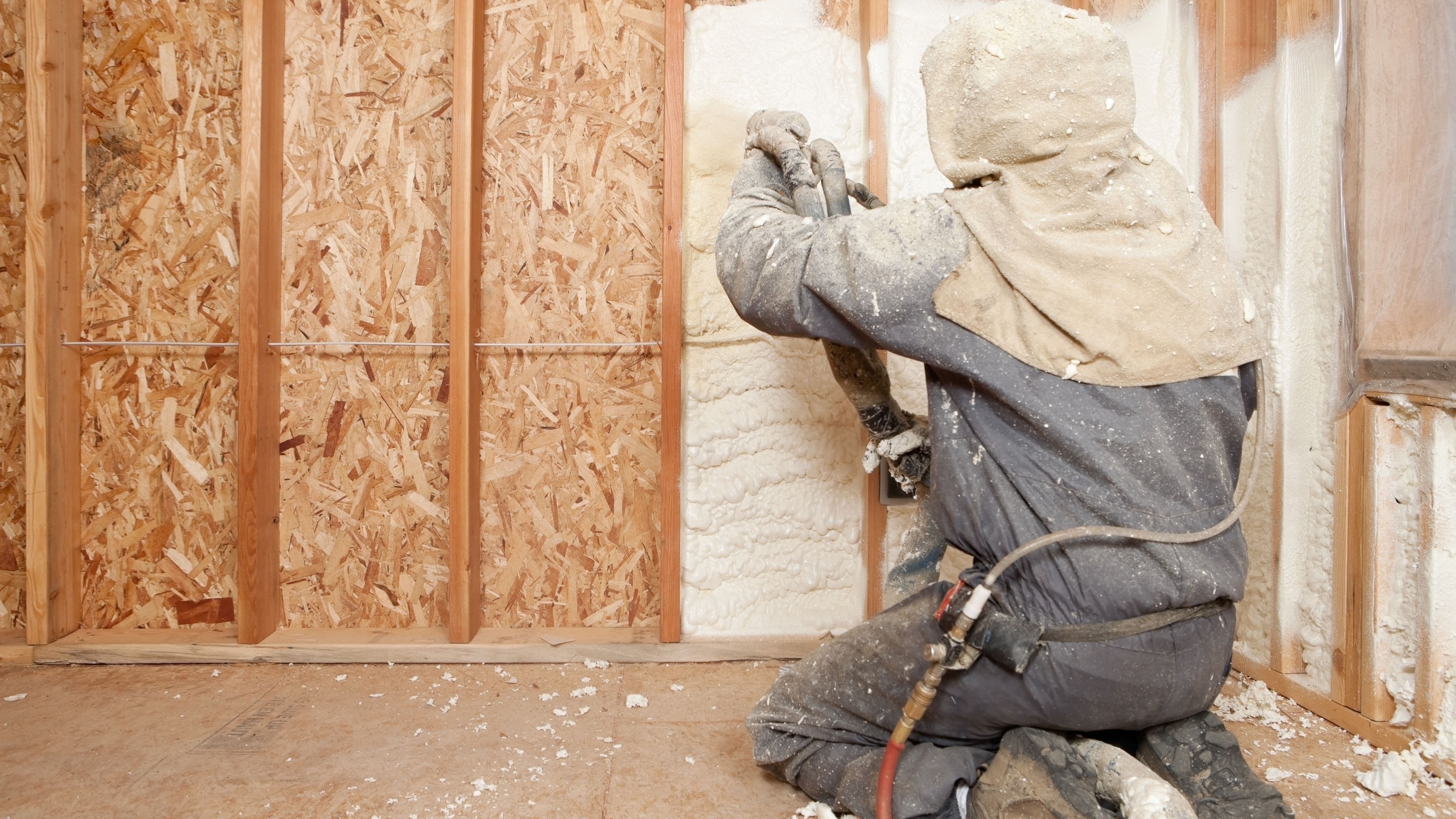
Passive House, sometimes referred to by its German name Passivhaus, focuses specifically on extremely high levels of insulation, airtightness, and ventilation efficiency, aiming to dramatically reduce heating and cooling energy needs regardless of climate. This standard has historically been most common in new construction, but retrofit-focused programs like EnerPHit exist specifically for renovating existing buildings to meet a modified version of the standard.
What it covers: Building envelope performance, airtightness, and mechanical ventilation efficiency.
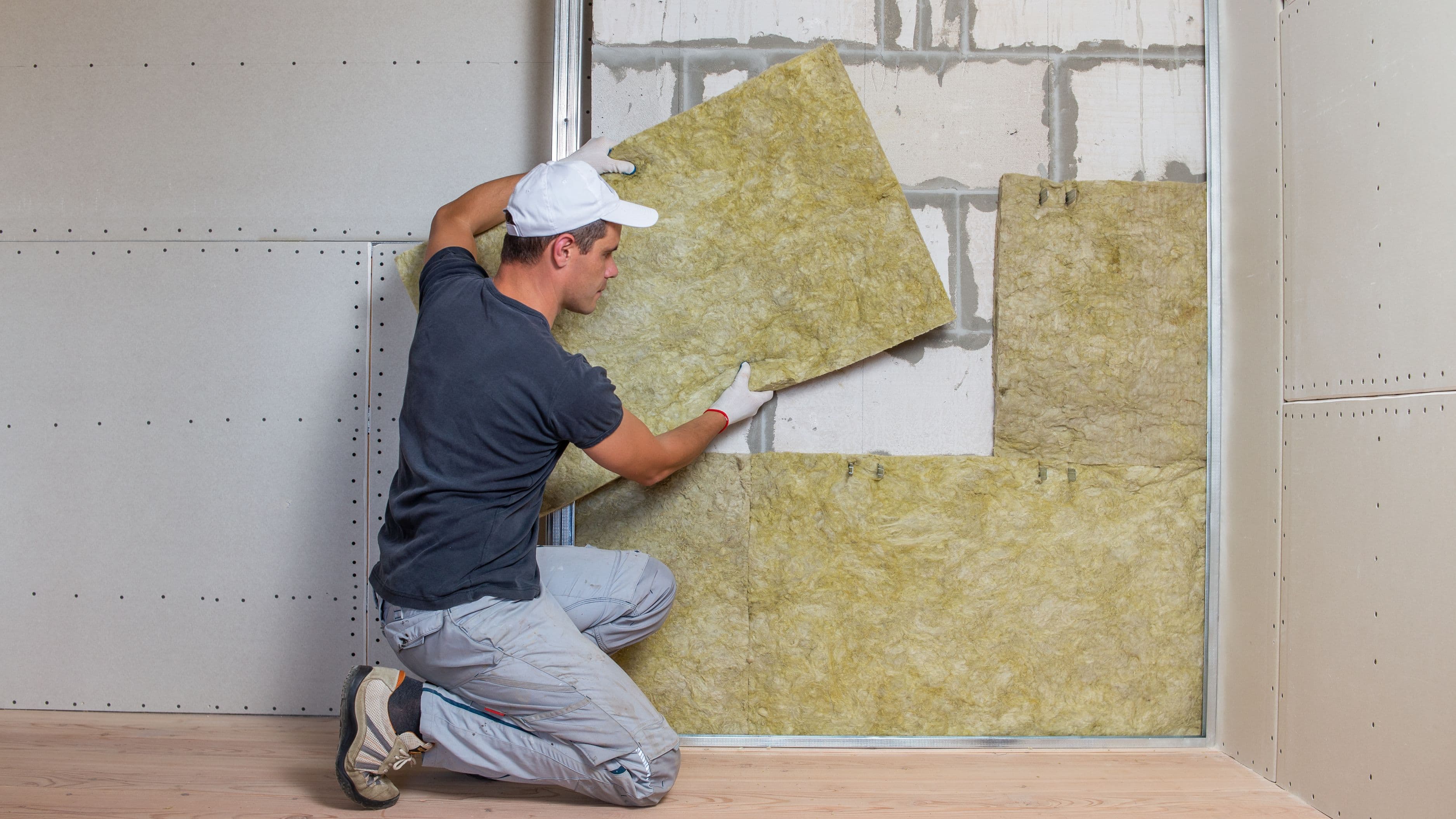
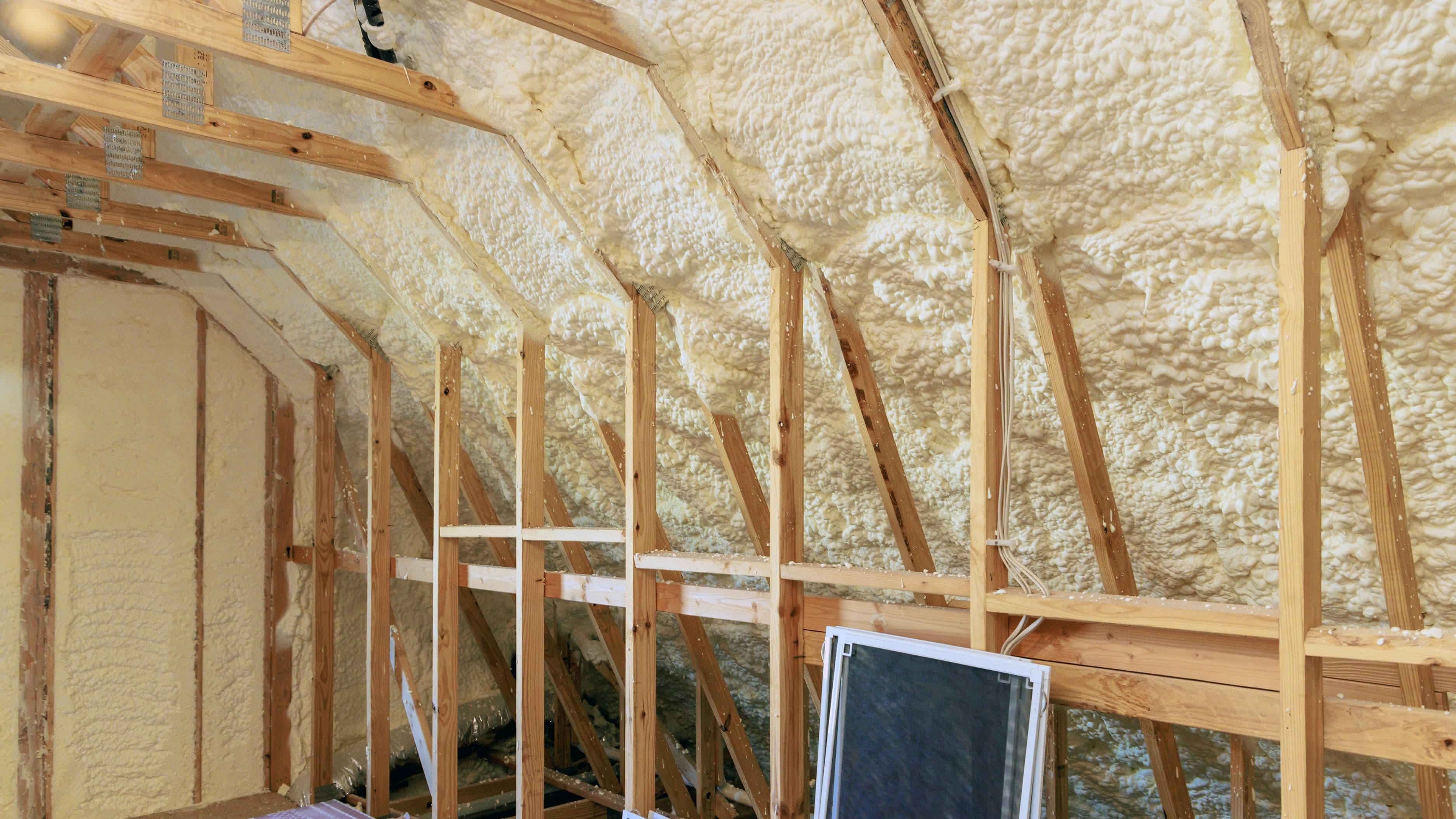
Realistic scope for existing homeowners: A full EnerPHit retrofit is a major undertaking generally reserved for homeowners doing a comprehensive envelope renovation, but individual improvements like improved insulation and air sealing draw directly from Passive House principles and offer real efficiency gains on their own.
Cost consideration: Full retrofit certification is a significant investment, though the individual techniques, like improved air sealing, are accessible at a much smaller scale and budget.
WaterSense
WaterSense, a program run by the Environmental Protection Agency, certifies water-efficient fixtures like toilets, faucets, and showerheads, offering a more accessible and immediately actionable certification for existing homeowners compared to whole-home programs. Unlike LEED or Passive House, WaterSense certification applies at the individual product level, making it simple to incorporate during routine bathroom or kitchen updates.
What it covers: Water efficiency standards for fixtures and irrigation products.
Realistic scope for existing homeowners: Highly accessible, since it applies to individual product replacements you'd likely be making during a bathroom renovation anyway.
Cost consideration: WaterSense-labeled fixtures are often comparably priced to standard fixtures, making this one of the easier certifications to apply without a significant budget increase.
How to Actually Use These Standards as a Homeowner
Rather than pursuing formal whole-home certification, which usually only makes financial sense for extensive renovation projects, most homeowners get more practical value from using these certification criteria as a reference point when making individual upgrade decisions. Prioritizing ENERGY STAR-rated appliances and HVAC systems, WaterSense fixtures, and Passive House-informed insulation and air sealing techniques lets you apply the underlying principles behind these certifications without the cost and complexity of formal verification.
What to Avoid
Avoid assuming a product or renovation is automatically "green" simply because it's marketed that way, since certification labels like ENERGY STAR and WaterSense exist specifically because they represent independently verified standards, unlike vague marketing claims that don't require third-party testing. Be cautious of pursuing full certification purely for marketing value on a smaller renovation project, since the certification and verification costs can outweigh the practical benefit unless the scope of your project is genuinely substantial.
Realistic Expectations
Applying green building principles to an existing home through targeted upgrades, rather than full certification, typically delivers meaningful efficiency improvements and lower utility costs without the added expense and complexity of formal certification processes designed primarily around new construction. Full certification remains most practical for homeowners undertaking a comprehensive renovation where the scope of work already aligns closely with a specific program's requirements.
Frequently Asked Questions
Is it worth pursuing full LEED certification for a home renovation? Usually only if your renovation is already extensive in scope, since the added certification and verification costs are harder to justify for smaller, targeted upgrade projects.
Do ENERGY STAR appliances really make a noticeable difference in energy bills? Yes, particularly for major appliances like HVAC systems and water heaters, where the efficiency difference compared to standard models tends to be most significant over time.
Can I apply for rebates using these certifications? Many utility and government rebate programs specifically reference ENERGY STAR or WaterSense certification as qualifying criteria, making these particularly useful standards to prioritize when planning upgrades eligible for available incentives.
For most existing homeowners, the real value in green building certifications isn't the certificate itself, it's using the underlying standards as a practical guide for which upgrades genuinely improve efficiency versus which ones just sound impressive. Focus on the specific, achievable pieces that fit your renovation budget and goals, and the bigger-picture efficiency gains tend to follow.
📚 Sources
U.S. Green Building Council, LEED for Homes – https://www.usgbc.org/leed
Environmental Protection Agency, ENERGY STAR and WaterSense Programs – https://www.energystar.gov