Why Hallways Get Overlooked
Most homeowners focus renovation energy on kitchens, bathrooms, and living rooms, since those are the spaces where daily life visibly happens. Hallways rarely get the same attention because they're transitional spaces rather than destinations, but that's exactly why they tend to look like an afterthought – bare walls, mismatched lighting, or clutter that accumulated simply because there wasn't a clear design intention for the space.
Treating your hallway as a space worth designing, rather than a corridor to walk through quickly, changes how the rest of your home reads to anyone entering it.
Start With Lighting
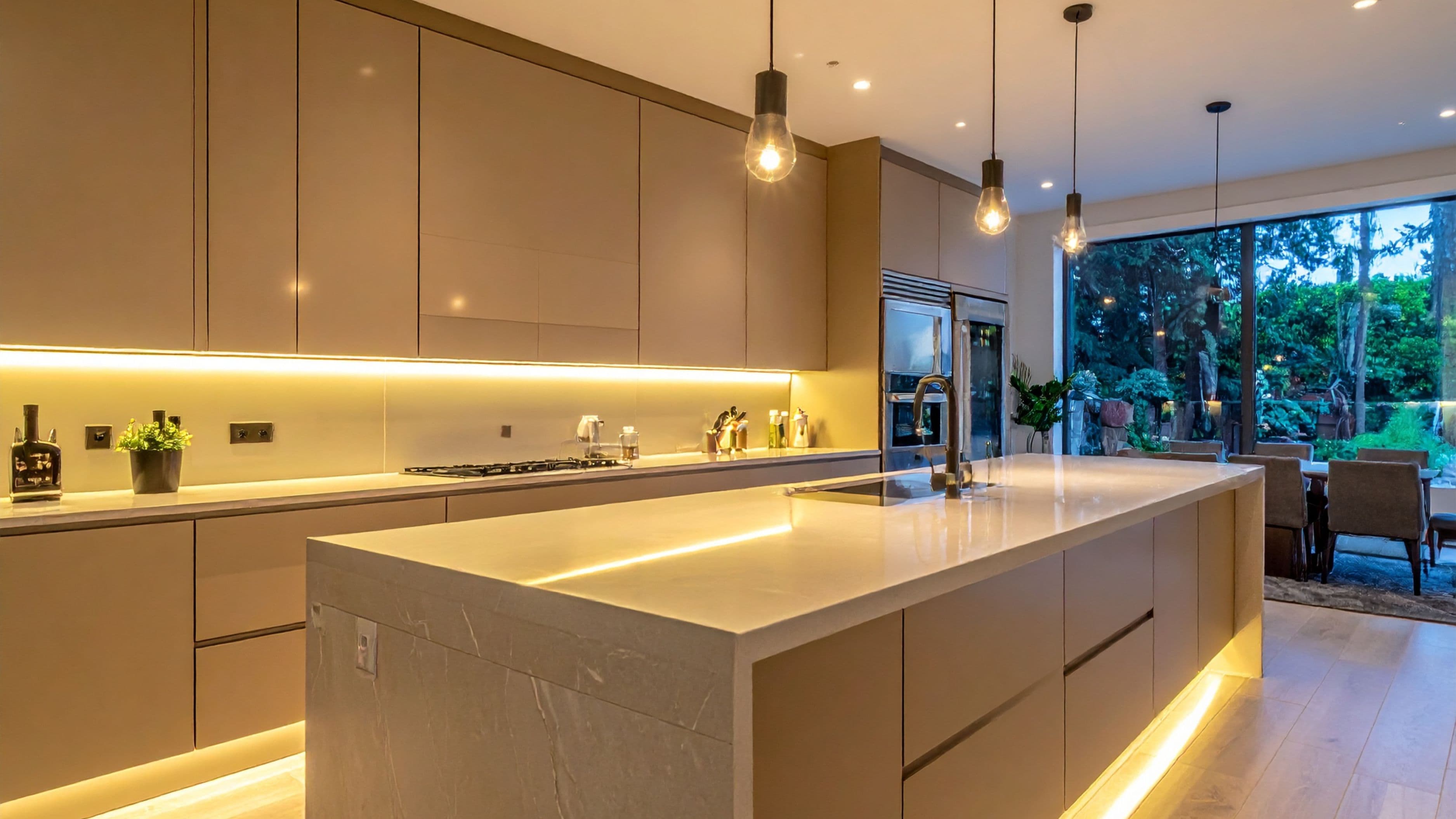
Hallways often suffer from poor natural light, making artificial lighting one of the highest-impact, lowest-cost upgrades available. A single overhead fixture rarely does the space justice, especially in longer hallways where light needs to be distributed more evenly to avoid dark, uninviting stretches.
Layering in wall sconces every six to eight feet along a longer hallway creates a warmer, more intentional feel than a single central light, and can be installed by an experienced DIYer or a licensed electrician depending on your comfort with electrical work. Cost for this upgrade typically falls in the low-to-medium range depending on fixture choice and whether new wiring is required, and it's one of the more reliable ways to instantly make a hallway feel designed rather than default.
Use Gallery Walls Intentionally, Not Randomly
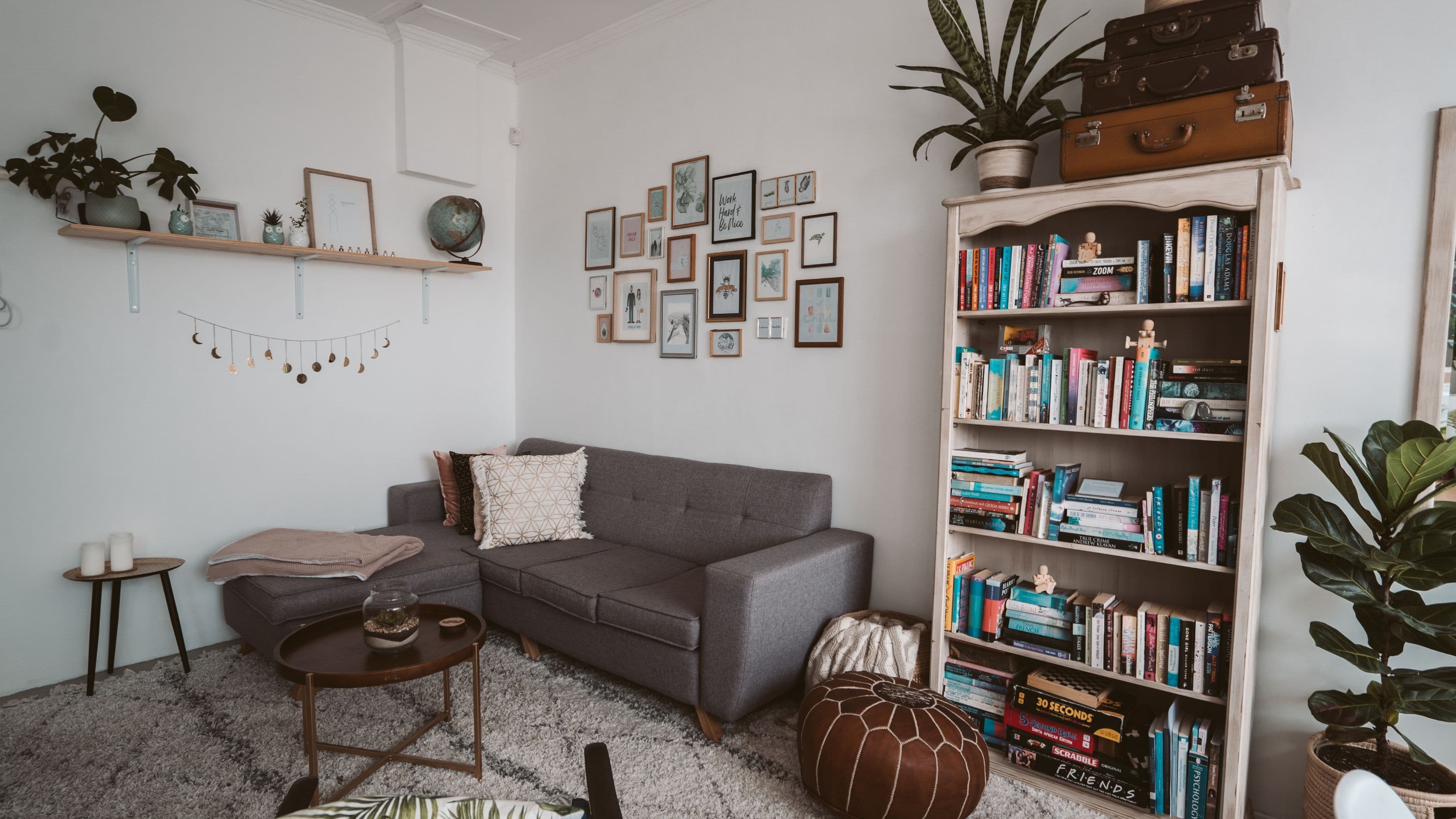
A cluttered mix of frames thrown up over time reads very differently than a genuinely curated gallery wall. Choosing a consistent frame color or style, and spacing pieces with intentional gaps rather than cramming them together, makes the difference between a hallway that feels chaotic and one that feels curated.
Before hanging anything, lay your frames out on the floor first to test spacing and arrangement, since this avoids unnecessary nail holes from trial and error directly on the wall. This is a low-cost upgrade if you're using existing artwork or photos, with cost rising only if you're purchasing new frames or artwork specifically for the space.
Add a Runner Rug for Warmth and Definition
A well-chosen runner rug does double duty, protecting flooring in a high-traffic area while visually defining the hallway as an intentional space rather than empty floor between rooms. Choosing a runner with a pattern or color that complements, rather than exactly matches, your existing flooring and wall color tends to create a more layered, designed look than a rug that blends in completely.
Cost varies significantly based on material and length, with the main trade-off being that natural fiber rugs tend to look more elevated but require more careful cleaning than synthetic alternatives better suited to heavy foot traffic.
Consider a Statement Ceiling or Accent Wall
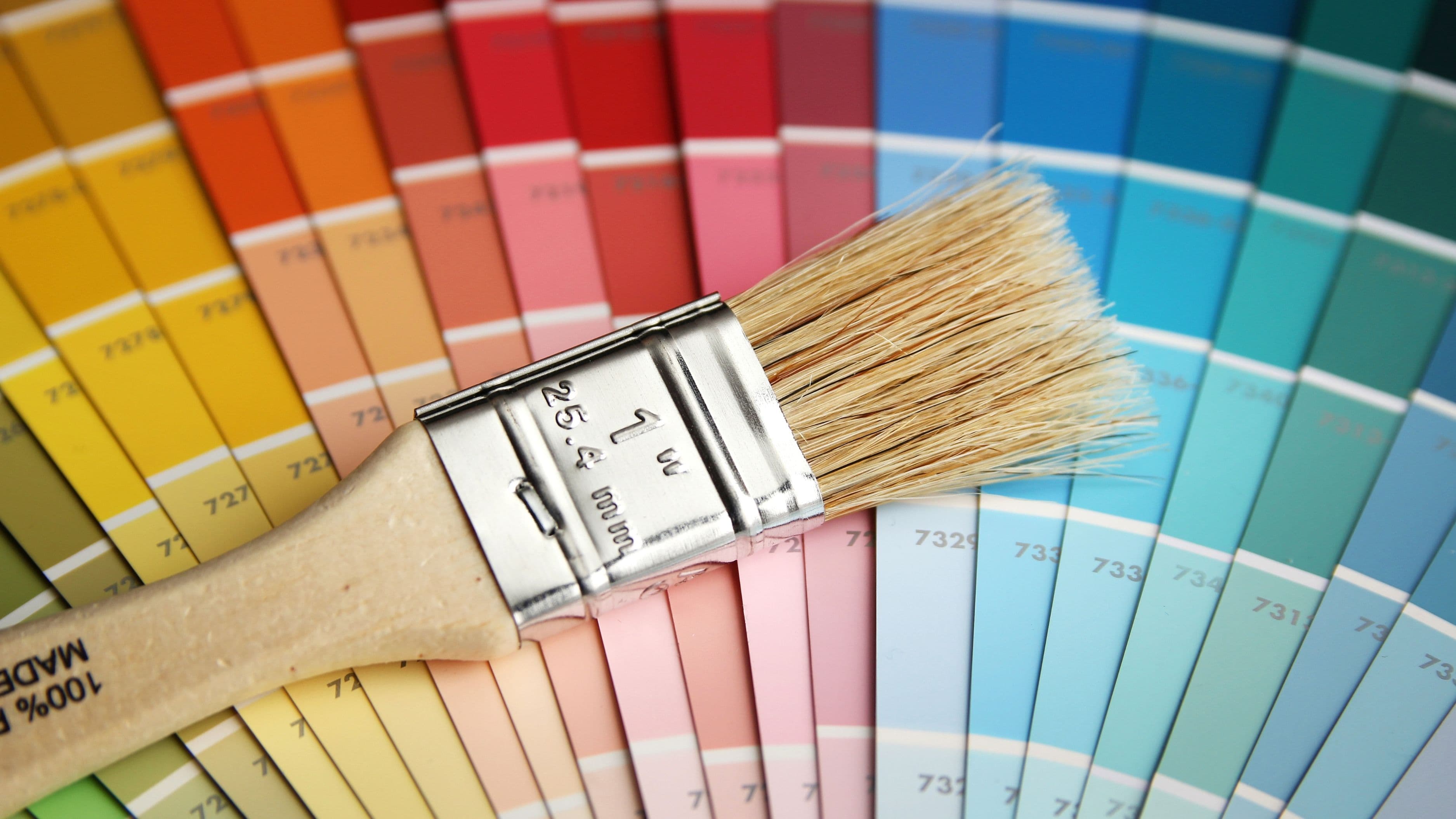
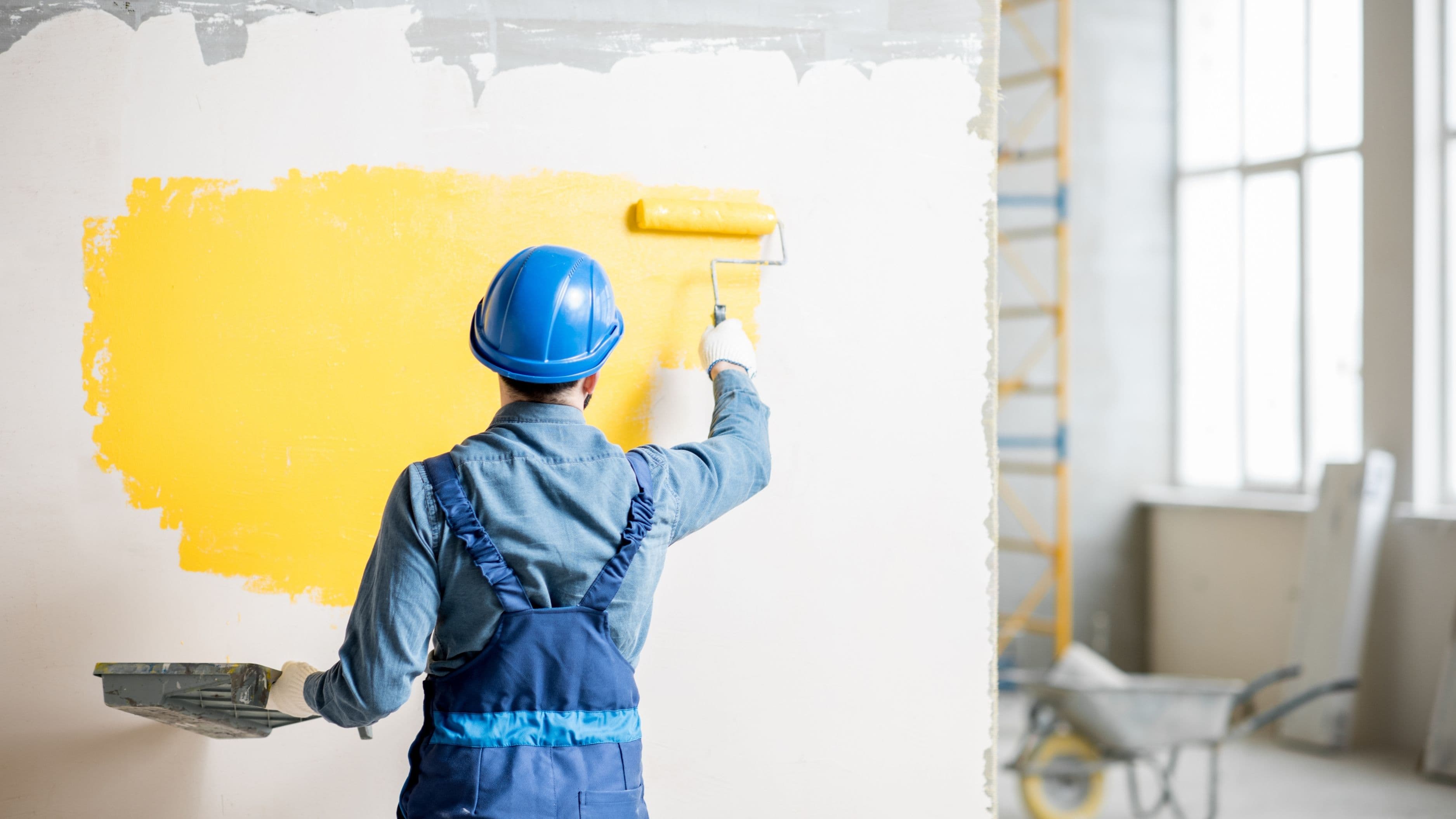
Since hallways are often narrow, they can be a surprisingly good candidate for a bolder design choice that might feel overwhelming in a larger room. A painted accent wall, wallpapered section, or even a painted ceiling can add real personality to a space that's otherwise easy to overlook.
This works especially well in hallways with minimal furniture or fixtures competing for visual attention, since the wall or ceiling treatment becomes the clear focal point rather than fighting with other design elements. Cost ranges from low, for a simple paint treatment, to medium or higher if you're using a higher-end wallpaper or hiring a professional for installation.
Don't Neglect Functional Storage
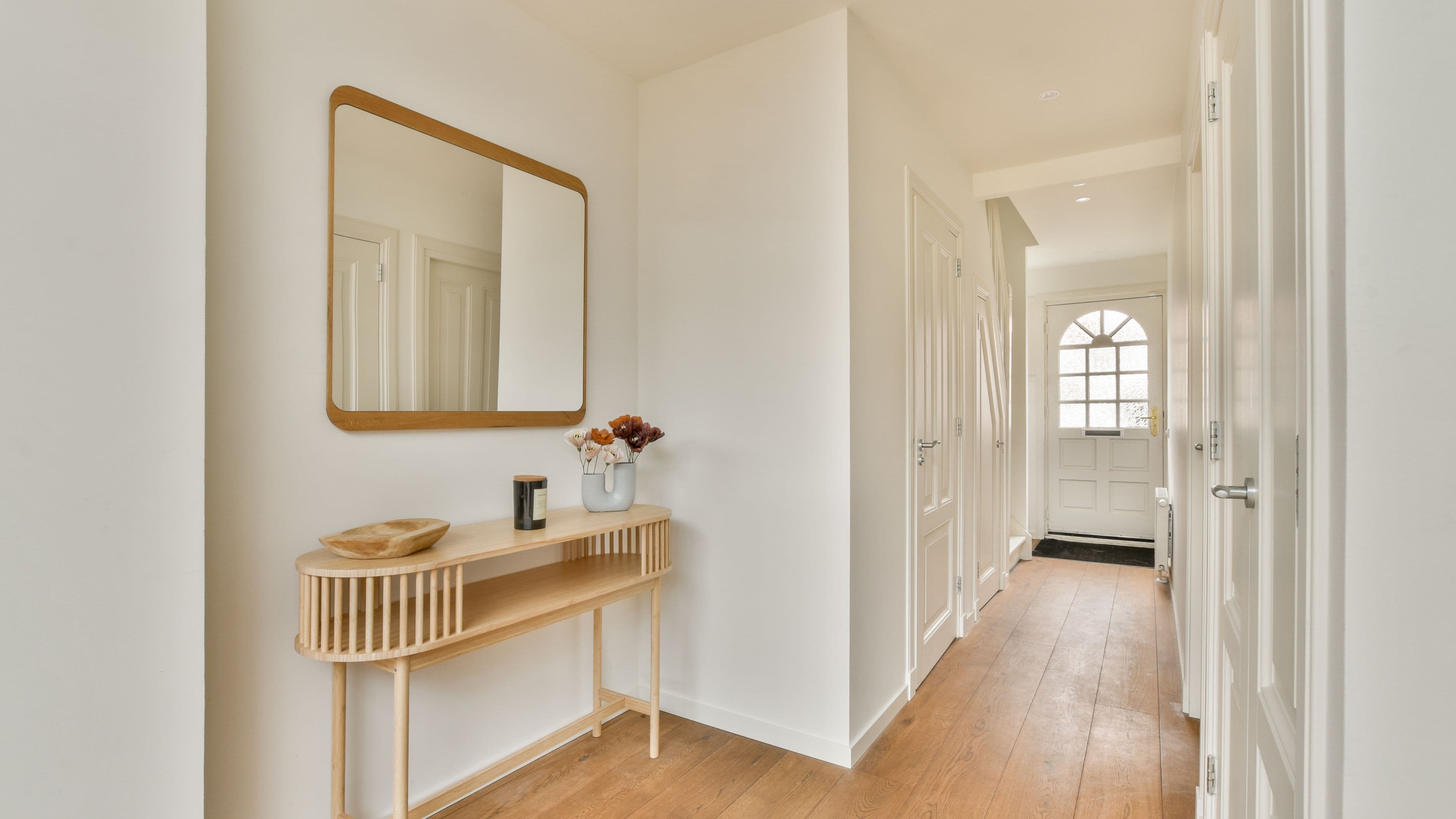
If your hallway has the depth to support it, a slim console table or built-in storage bench can add practical function without making the space feel cramped, especially useful near an entryway where shoes, keys, or mail tend to accumulate without a designated spot. Choosing furniture scaled appropriately to the width of your hallway matters significantly here, since oversized pieces can make an already narrow space feel tighter rather than more functional.
This upgrade tends to fall in the low-to-medium cost range depending on whether you choose ready-made furniture or a custom-built solution, with the payoff being a hallway that actually earns its square footage rather than sitting empty.
What to Avoid
Avoid overcrowding a narrow hallway with too many furniture pieces or oversized decor, since this can make the space feel cramped rather than intentional. Skip low-hanging light fixtures in hallways with regular foot traffic, since these can become a bumping hazard, particularly in homes with children or frequent guests.
Also resist the urge to treat your hallway as leftover storage space for items without a home elsewhere, since clutter undermines even the best lighting and design choices you've made elsewhere in the space.
The Bottom Line
A well-styled hallway doesn't require a major renovation budget, just intentional choices around lighting, wall treatment, and functional additions scaled appropriately to the space. Small, deliberate upgrades here tend to have an outsized impact on how your entire home feels, precisely because this space is so often left undesigned by default.
FAQ
What's the most cost-effective hallway upgrade? Improving lighting through additional wall sconces or updated fixtures tends to offer the most noticeable improvement relative to cost, especially in hallways that currently rely on a single overhead light.
Should I paint my hallway a bold color or keep it neutral? Narrow hallways with minimal competing furniture can often handle bolder colors or wallpaper better than larger rooms, since the space naturally has fewer other design elements to balance against.
How do I make a narrow hallway feel wider? Lighter wall colors, adequate lighting, and avoiding bulky furniture all help a narrow hallway feel more spacious, along with mirrors placed strategically to reflect light and create visual depth.
📚 Sources
Lighting Design Basics for Homes, energy.gov
Small Space Design Strategies, thisoldhouse.com
Choosing the Right Area Rug Size, houzz.com
🔍 Explore Related Topics