
This comparison is built for real-world decision-making – with accurate cost ranges, honest trade-offs, and a clear recommendation framework rather than a hedged non-answer.
What Each Product Actually Is
Before comparing them, it helps to be clear on what you're actually buying.
Hardwood flooring is exactly what it sounds like: planks milled from solid wood or, in the case of engineered hardwood, a real wood veneer bonded to a plywood core. Solid hardwood is typically 3/4 inch thick and can be sanded and refinished multiple times over its lifetime.
Engineered hardwood has a thinner real wood layer on top (usually 1/16 to 1/6 of an inch) over a layered plywood base that resists expansion and contraction better than solid wood. Both are genuine wood products that look and feel like the real thing because they are.
Luxury vinyl plank is a synthetic product made from multiple layers of PVC topped with a photographic image layer and a wear layer. High-quality LVP is thick (6mm–12mm), rigid, and convincingly mimics the look of wood at a glance. The core material – either SPC (stone plastic composite) or WPC (wood plastic composite) – determines how rigid and dimensionally stable it is. SPC is denser and more dimensionally stable; WPC is slightly softer underfoot and better at absorbing sound. Both are completely waterproof throughout, which is the key feature that distinguishes LVP from older vinyl or laminate flooring.
Cost Comparison
Cost is often the deciding factor, so it's worth being specific.
Hardwood is the more expensive option across almost every comparison point. Solid hardwood runs $6–$15 per square foot for materials, with engineered hardwood slightly less at $4–$12 per square foot depending on species and grade. Installation adds $3–$8 per square foot for a professional installer, bringing typical installed costs to $9–$20+ per square foot. Refinishing solid hardwood adds ongoing cost – roughly $2–$5 per square foot when the time comes, which may be every 10–25 years depending on finish wear and foot traffic.
LVP is considerably less expensive in both materials and installation. Quality LVP runs $2–$7 per square foot for materials, and because most LVP products use a click-lock floating installation, labor costs are lower – typically $1.50–$4 per square foot, putting total installed cost at $3.50–$10 per square foot. It can't be refinished, but the wear layer on quality products typically lasts 15–25 years before visible wear becomes an issue, at which point replacement is the only option.
Over a 1,000 square foot space, the material and labor difference between a mid-grade hardwood and a quality LVP installation is commonly $5,000–$10,000 or more. That's a real financial consideration that changes the math for many homeowners.
Durability and Real-World Performance
Hardwood: Solid and engineered hardwood are durable flooring options with a long track record, but they have real vulnerabilities that are worth understanding before you commit. Wood expands and contracts with humidity changes, which means it's not recommended for below-grade installations (basements) and can be problematic in bathrooms, laundry rooms, or kitchens with potential moisture exposure.
Standing water from a spilled glass, a pet bowl left on the floor, or a minor appliance leak can cause cupping, staining, or warping if not addressed quickly. High-heeled shoes, pet nails, and furniture dragging are all sources of surface scratches that accumulate over time.
Softer wood species (pine, fir) show wear much faster than harder ones (oak, maple, hickory). The redeeming quality is that surface wear on solid hardwood can be sanded away and refinished, restoring the floor to near-original condition – a feature no synthetic product can match.
LVP: The core advantages of quality LVP are its 100% waterproof construction and its resistance to scratches, dents, and staining. In a household with dogs, young children, or heavy kitchen use, LVP's practical performance is genuinely superior to hardwood in the areas where hardwood is most vulnerable. It doesn't react to humidity changes, which makes it suitable for basements, bathrooms, and below-grade spaces where hardwood can't go. The wear layer on a 12mil or 20mil commercial-grade LVP product is legitimately durable against everyday traffic. The trade-off is that LVP cannot be refinished – when the wear layer eventually fails or the surface shows significant wear, the only option is replacement. It's also less resistant to extreme heat (direct sunlight through large windows can cause fading or expansion over time in lower-quality products) and can be damaged by sharp point loads, though quality rigid-core products are substantially better than older generation vinyl on this front.
Appearance and How Each Ages
This is the area where hardwood still wins for most buyers, though the gap has narrowed considerably.
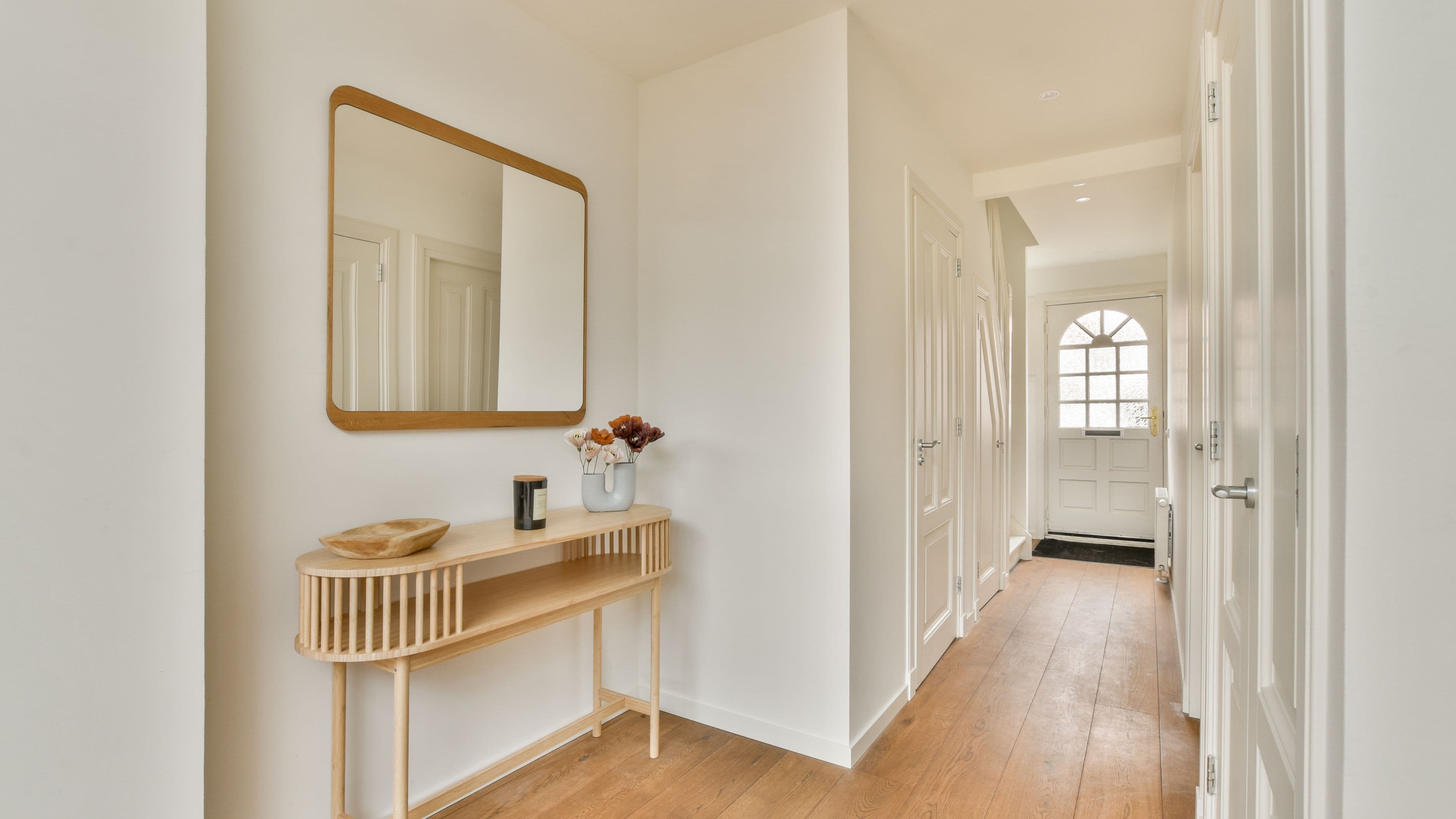
Hardwood has variation, depth, and character that synthetic products can replicate in photographs but not quite in person. The grain is real, the texture is real, and it responds to light differently across the day in a way that feels warm and alive. Solid hardwood also ages in ways that most people find appealing – it develops a patina over years of use that adds character rather than just showing wear. When refinished, it can look completely different, giving you a renovation option that doesn't exist with synthetic flooring. The visual quality is essentially irreplaceable for buyers who genuinely care about material authenticity.
LVP has improved dramatically and now includes embossed textures, hand-scraped finishes, and variations in the print layer that make side-by-side comparison difficult in some products. At price points above $4 per square foot, LVP looks convincingly like wood to most people in normal lighting and living conditions. The limitation is that all planks from the same product run use the same small number of print repeats, which means careful observation reveals a repeating pattern that real wood never has. This matters less in large open spaces with varied furniture placement and more in smaller rooms where the full floor is visible at once.
Where Each Flooring Type Works Best
The right choice often depends more on where you're installing the floor than on a general preference.
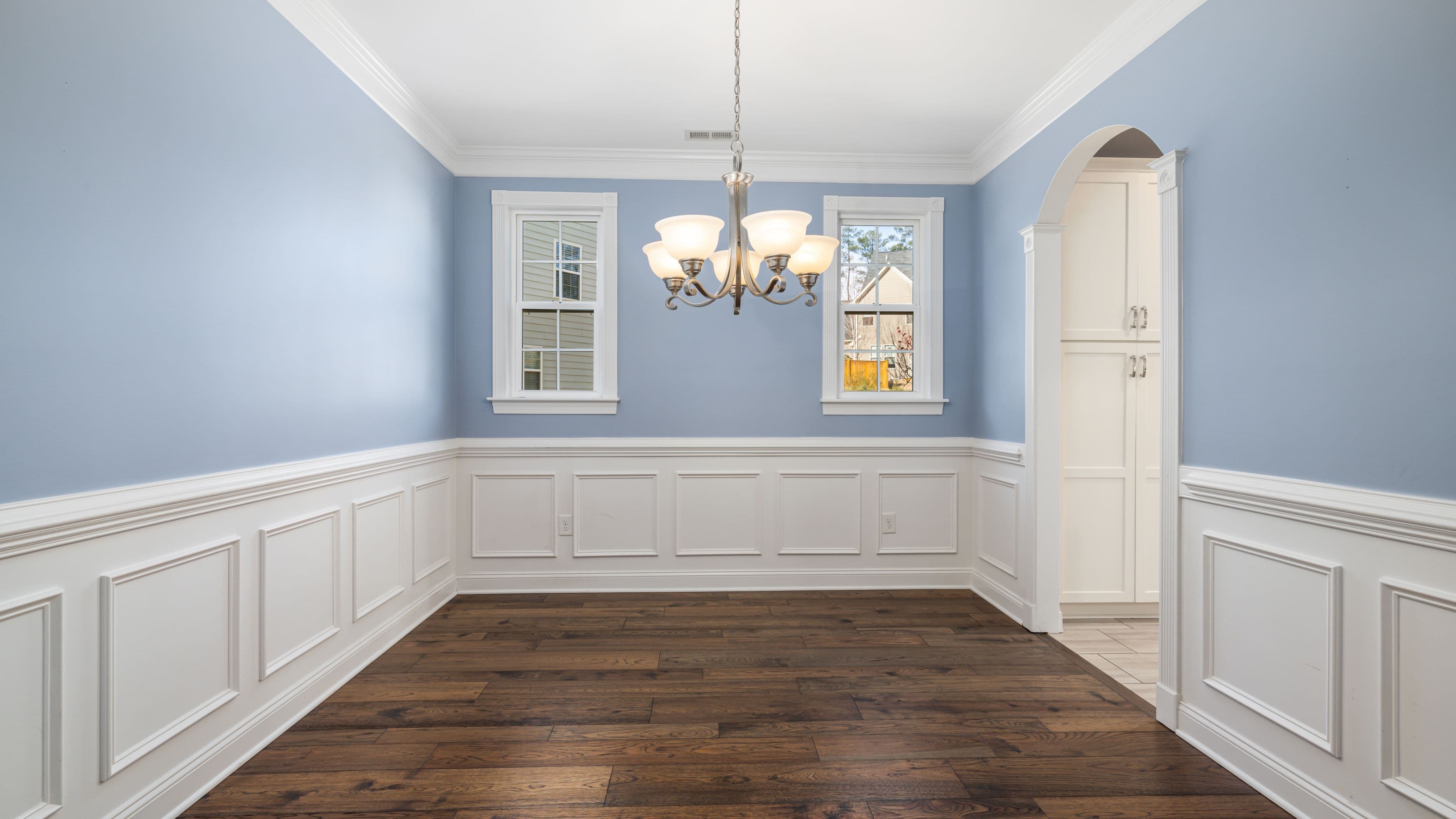
Hardwood is the better choice when: You're installing in a main living area, bedroom, dining room, or other above-grade space with controlled humidity. You value resale appeal and long-term asset value – real hardwood consistently scores well with buyers and appraisers. You're in a dry or well-climate-controlled home without pets, young children, or heavy kitchen or mudroom traffic. You're renovating a period home where the material authenticity of real wood matters to the character of the space.
LVP is the better choice when: You're installing in a basement, bathroom, laundry room, or kitchen where moisture is a realistic concern. You have dogs, young children, or a high-traffic household where daily wear and spill resistance matter more than material feel. Budget is a significant constraint and the cost difference will be redirected to other improvements. You want a consistent look throughout an open-plan home that spans multiple rooms including areas where hardwood isn't appropriate. You're comfortable with a product that performs better now but will need full replacement in 15–25 years rather than refinishing.
Resale Value: What the Data Actually Shows
Hardwood floors consistently command a premium in real estate listings and buyer surveys. A National Association of Realtors survey found that 54% of home buyers said they would pay more for a home with hardwood floors, with an average perceived value increase of around $2,000 over comparable homes without hardwood. Appraisers typically recognize hardwood as a value-positive feature in home valuations.
LVP doesn't carry the same premium in buyer perception, but it also doesn't carry the stigma that older vinyl flooring does. High-quality LVP in good condition is broadly accepted by buyers as a practical, updated flooring choice. The issue is that "value" in resale isn't just about the floor itself – it's about whether the buyer will factor replacement costs into their offer. A buyer who notices LVP throughout a home may account for eventual replacement in their price calculation in a way they wouldn't with hardwood.
If resale value is a primary concern, hardwood in the main living areas remains the clearer choice. If your primary goal is long-term performance and livability in your own home, the resale premium may not justify the additional cost over well-specified LVP.
Installation: DIY Feasibility
Hardwood installation is a moderately to highly skilled job. Glue-down and nail-down solid hardwood requires experience, the right tools (a flooring nailer, a table saw for cuts, moisture meters), and careful subfloor prep. Engineered hardwood with a click-lock system is more accessible but still requires attention to acclimation time (usually 3–7 days in the installation environment), expansion gaps, and subfloor flatness. Most homeowners hire professionals for hardwood, and the quality difference between a skilled installer and a first-timer is significant.
LVP installation is genuinely DIY-accessible for most homeowners. The click-lock floating system used by most LVP products requires only basic tools (a utility knife or circular saw, a pull bar, spacers, and a rubber mallet), and the forgiving installation method means minor mistakes can usually be corrected without starting over. No acclimation is needed with SPC-core products. For a moderately confident DIYer, LVP in a standard room is a weekend project.
The DIY savings on LVP can be $1.50–$4 per square foot in labor, which on a 500 square foot room amounts to $750–$2,000 – a meaningful factor if you're comfortable with the project.
What to Avoid
Don't install solid hardwood in a basement or below-grade space. The moisture levels in below-grade environments cause wood to expand, contract, and eventually buckle. Engineered hardwood is marginally more tolerant but still carries risk. LVP is the correct choice for below-grade installations.
Avoid buying the cheapest LVP. The gap in quality between a $1.50/sqft vinyl plank and a $4–$5/sqft rigid-core SPC product is dramatic in terms of durability, feel underfoot, and how convincingly it mimics wood. Budget LVP that's thin (under 6mm) with a thin wear layer (under 12mil) will show wear quickly and feel hollow underfoot. Spend appropriately on the product or don't bother.
Don't skip subfloor preparation for either product. Both hardwood and LVP require a flat, clean, dry subfloor within the manufacturer's specified tolerance (usually no more than 3/16 inch deviation over 10 feet). Humps, dips, or soft spots cause problems post-installation that are expensive to fix. Take the time to address the subfloor before laying anything.
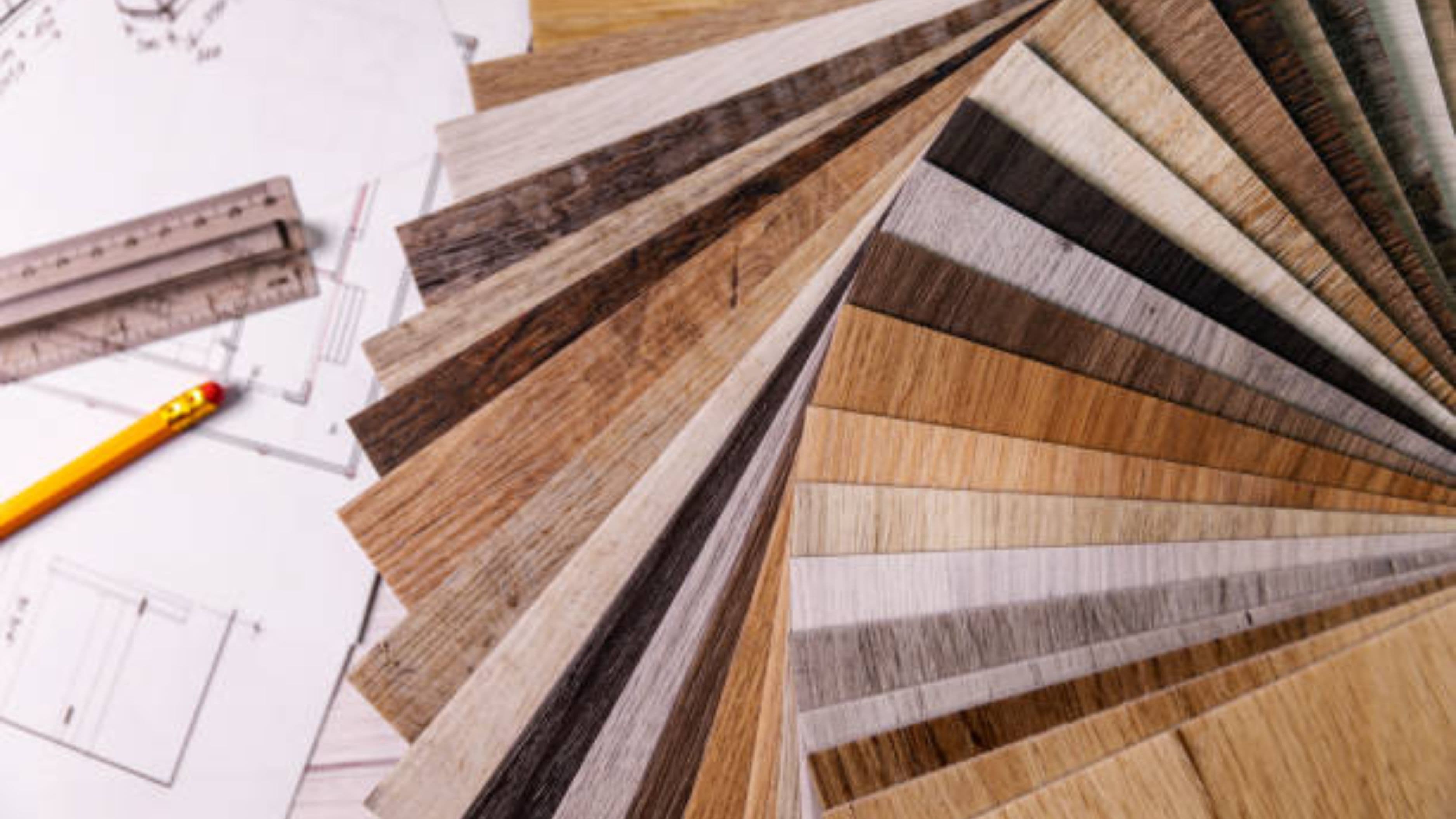
Avoid choosing based purely on appearance in a showroom sample. Bring samples home, lay them on your actual subfloor in your actual light conditions, and live with them for a day before deciding. The way a floor looks in a big-box store under fluorescent lighting is meaningfully different from how it looks in your home.
FAQ
Can LVP be installed over existing flooring? Often yes, if the existing floor is flat, stable, and in good condition. LVP floating floors can typically be installed over existing vinyl, tile, or even hardwood, as long as the total floor height doesn't create issues at transitions and the subfloor underneath is sound. Check the specific manufacturer's guidelines before proceeding.
How long does LVP actually last? Quality SPC-core LVP with a 12mil or thicker wear layer typically lasts 15–25 years in residential use with normal care. Commercial-grade products with 20mil+ wear layers can last longer. The wear layer is the relevant specification – don't buy on overall thickness alone.
Is engineered hardwood a better compromise than solid hardwood? In many situations, yes. Engineered hardwood is more dimensionally stable than solid hardwood, more suitable for use over radiant heat, and can be installed in more locations including some above-grade areas with mild moisture exposure. It can be refinished at least once or twice (depending on veneer thickness), which gives it longevity advantages over LVP. The trade-off is cost – quality engineered hardwood is not significantly cheaper than solid hardwood in many markets.
Does LVP work with underfloor radiant heating? It depends on the product. Some LVP products are compatible with radiant heating systems; others aren't. Check the manufacturer's compatibility specifications and maximum temperature ratings before purchasing for use over radiant heat. SPC-core products generally have better heat tolerance than WPC-core products.
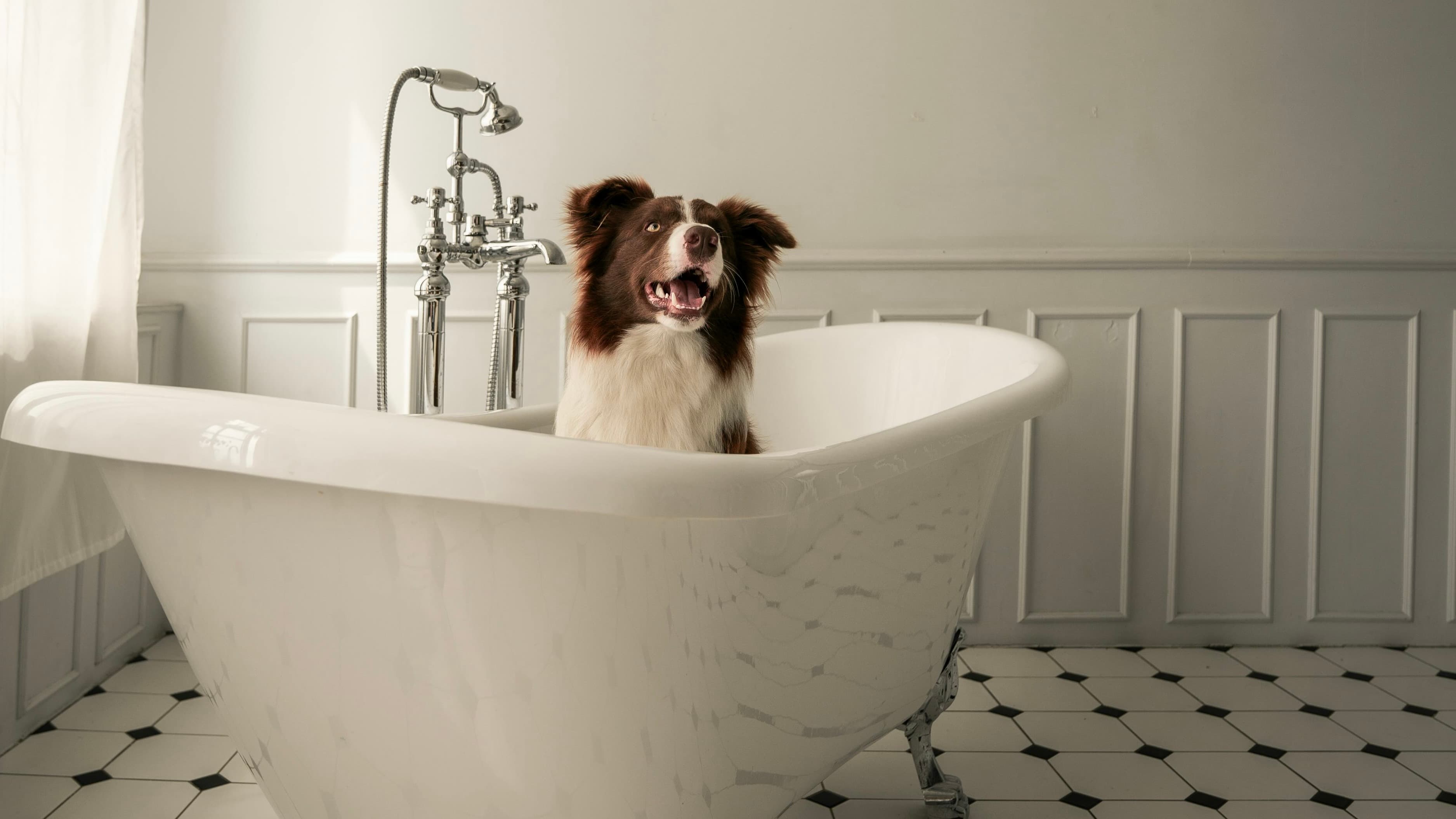
Which is better for dogs? LVP, generally. Dog nails scratch wood floors, particularly softer species. Dog bowls, wet paws, and occasional accidents are all moisture risks for hardwood. LVP's scratch resistance and 100% waterproofing make it significantly more practical in homes with large or active dogs. If you're committed to hardwood, choose a harder species (hickory, Brazilian cherry) with an aluminum oxide finish and be prepared for surface wear over time.
The Recommendation
If your budget allows, you value material authenticity, and your household conditions are suitable (above-grade, controlled humidity, moderate traffic), hardwood is a better long-term investment that holds resale value and improves with refinishing over decades.
If you have moisture exposure anywhere in the installation zone, pets or children that generate heavy wear, a tighter budget, or you want a DIY-accessible project, quality LVP is the more sensible choice for your real-world circumstances and will perform better in daily use than hardwood would.
Many homeowners end up using both: hardwood in main living areas and bedrooms, LVP in kitchens, bathrooms, basements, and mudrooms. That approach plays to the strengths of each product based on what each space actually demands.
📚 Sources
Hardwood flooring cost and installation guide – Angi/HomeAdvisor: https://www.angi.com/articles/how-much-does-hardwood-floor-installation-cost.htm
Luxury vinyl plank vs hardwood overview – This Old House: https://www.thisoldhouse.com/flooring/reviews/lvp-vs-hardwood
NAR survey: Hardwood floors and buyer preferences – National Association of Realtors: https://www.nar.realtor/sites/default/files/documents/2022-remodeling-impact-report-04-19-2022.pdf
Engineered vs solid hardwood explained – National Wood Flooring Association: https://www.nwfa.org/consumers/consumer-resources/choosing-wood-floors/
LVP installation and subfloor requirements – Floor Covering Weekly: https://www.floorcoveringweekly.com/main/features/resilient-flooring-installation-guide-42041
Vinyl flooring moisture and performance standards – Resilient Floor Covering Institute: https://rfci.com/technical/installation-guidelines/