
This isn't a decision with one right answer. But there is a right way to think through it — and most homeowners making this choice are working with incomplete information on at least one side.
What Each System Actually Does
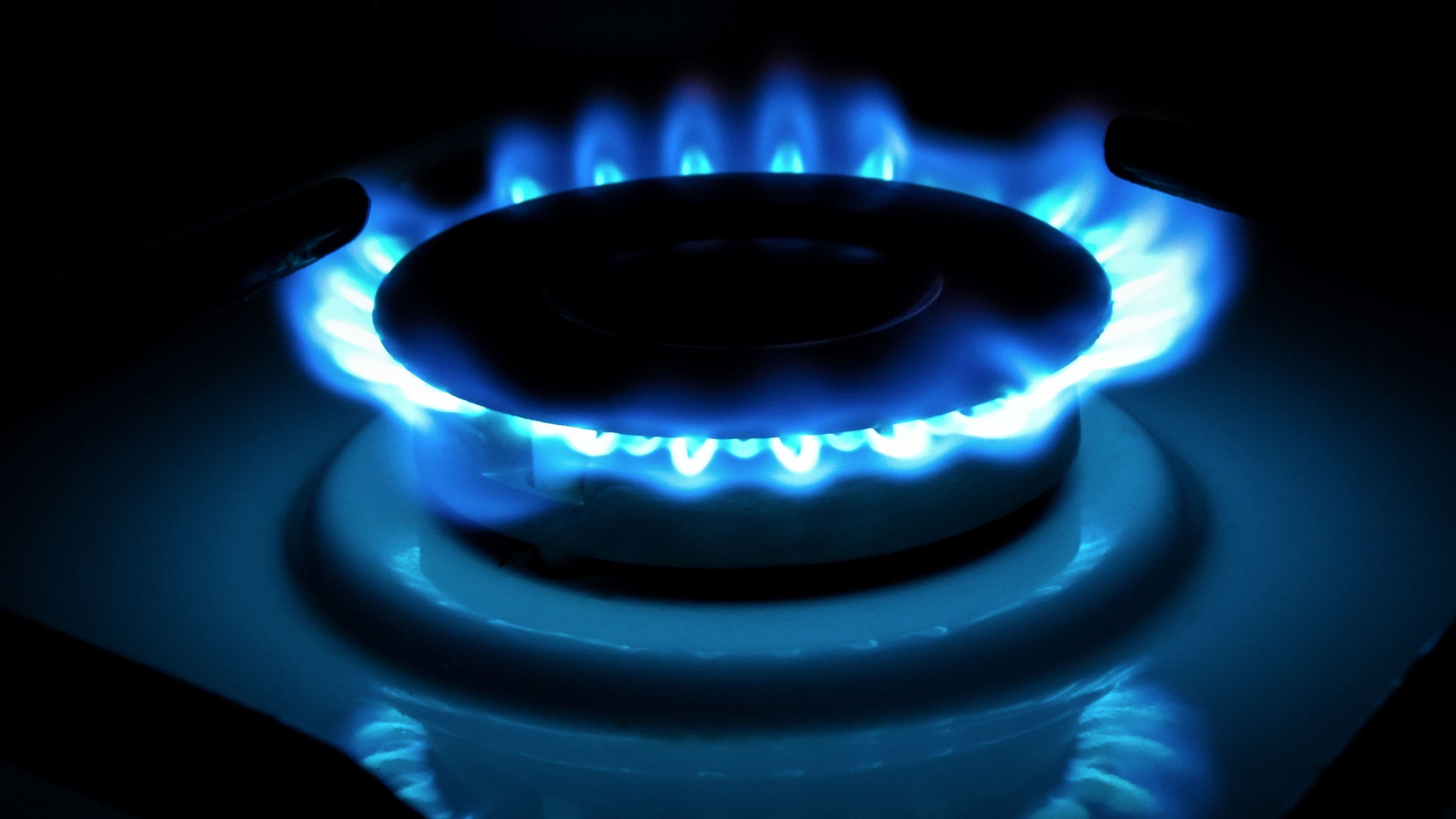
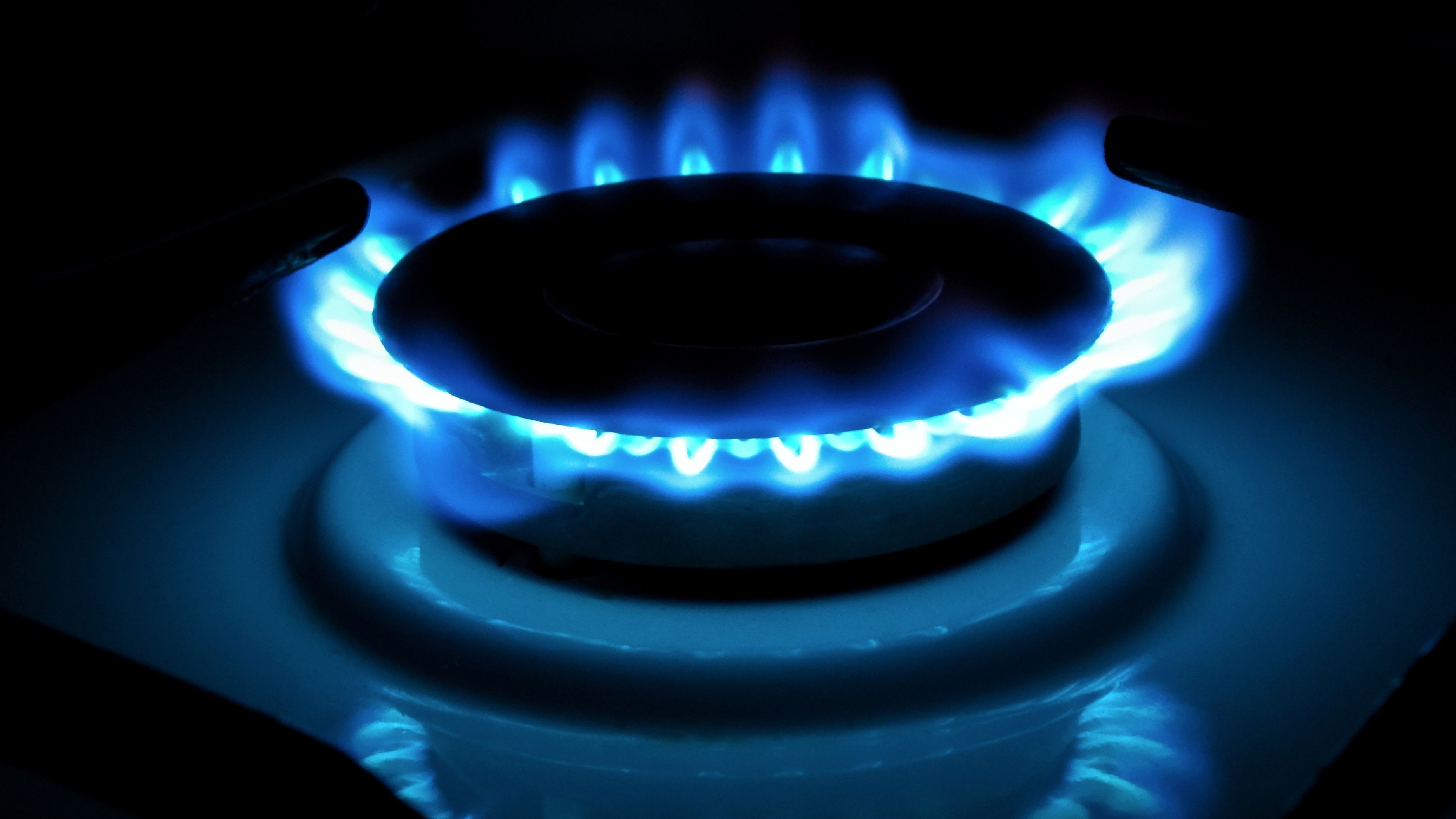
A gas furnace burns natural gas (or propane in areas without gas lines) to generate heat, which a blower then distributes through your home's ductwork. It's a combustion-based system that's been the dominant residential heating technology in North America for decades. It works independently of outdoor temperatures, and in very cold climates it has historically been the default choice for reliable, powerful heat.
A heat pump doesn't generate heat by burning fuel — it moves heat. In heating mode, it extracts heat energy from outdoor air (even cold air contains usable heat) and transfers it indoors using refrigerant and a compressor cycle. This is the same principle as a refrigerator running in reverse. Because it's moving heat rather than creating it, a heat pump can deliver significantly more heat energy than the electrical energy it consumes — a property measured as the Coefficient of Performance (COP) or, in more practical terms, the Heating Seasonal Performance Factor (HSPF).
In cooling mode, a heat pump runs the same refrigerant cycle in reverse to function as an air conditioner. This dual functionality is one of the most compelling aspects of heat pump adoption — one system handles both heating and cooling, potentially eliminating the need for a separate central AC system.
The Efficiency Comparison
This is where the comparison gets interesting. Gas furnaces are rated by AFUE (Annual Fuel Utilization Efficiency) — the percentage of fuel energy that gets converted to heat. A standard furnace runs around 80% AFUE; a high-efficiency condensing furnace reaches 95–98% AFUE. That means 2–5 cents of every dollar in gas is lost, not used for heating.
A heat pump's efficiency is measured differently, because it doesn't have a fuel conversion to measure. A modern cold-climate heat pump might deliver 2.5 to 3.5 units of heat for every unit of electricity it uses — an effective efficiency of 250–350%. That's not a typo. Because it's moving heat rather than creating it, the physics allow for output that exceeds input energy.
The catch is that this advantage narrows as outdoor temperatures drop. Most standard heat pumps see efficiency decline significantly below 25–30°F. Cold-climate heat pumps (from manufacturers like Mitsubishi, Daikin, Bosch, and others) are specifically engineered to maintain strong performance down to –13°F to –22°F — a significant advancement over what was available a decade ago. Understanding which type you're comparing matters for this part of the analysis.
The Real Cost Question: Electricity vs. Gas Prices
Efficiency alone doesn't determine operating cost — energy prices do. The heat pump vs. gas furnace cost comparison depends heavily on the ratio of electricity prices to gas prices in your area.
In regions where electricity is cheap relative to gas (parts of the Pacific Northwest, for example, where hydropower keeps rates low), heat pumps produce clear operating cost savings compared to a gas furnace. In regions where electricity is expensive and gas is cheap (parts of the Midwest and Southeast), the math can favor a gas furnace despite the heat pump's efficiency advantage.
The calculation isn't complex, but it requires your actual utility rates. As a rough guide: if your electricity cost per kWh divided by your gas cost per therm yields a number above roughly 3 (adjusted for the heat pump's efficiency), a gas furnace may cost less to operate. At current rates in most of the US, the comparison is often close, with the heat pump having a slight edge in moderate climates. In cold climates where a heat pump runs longer hours at lower efficiency, the comparison tightens further.
Worth noting: electricity prices and gas prices don't move in parallel, and the long-term trend in most markets has electricity becoming relatively cheaper as grid decarbonization expands and natural gas prices fluctuate with commodity markets. Locking in a gas furnace today means committing to gas pricing volatility for 15–20 years.
Upfront Costs
Gas furnaces are generally less expensive to install than heat pumps, particularly if your home already has gas lines and existing ductwork. A high-efficiency gas furnace installed runs $2,500–$5,500 in most markets, including installation. You'll still need a separate central AC system for cooling ($3,000–$5,000 installed), so the real comparison for a full HVAC replacement often puts total gas system costs at $5,500–$10,500.
A ducted central heat pump installed runs $4,000–$8,000 for the unit and installation in most markets — and it covers both heating and cooling. That puts the total cost for heat pump HVAC replacement in a similar range as a gas furnace plus separate AC, and sometimes meaningfully lower when you account for not needing a separate cooling system.
Federal tax credits available through the Inflation Reduction Act (IRA) have changed this picture significantly. As of 2025, homeowners can claim a 30% federal tax credit on heat pump purchases, up to $2,000, which brings the effective cost down meaningfully. Many states and utilities offer additional rebates on top of the federal credit. Gas furnaces don't qualify for these credits. For a $7,000 heat pump installation, the federal credit alone reduces net cost to roughly $5,000 — potentially undercutting the gas furnace option even on upfront cost.
Performance in Cold Climates
This has historically been the strongest argument for keeping gas furnaces — particularly in the Upper Midwest, Northeast, and mountain states where temperatures regularly drop into negative territory for extended periods.
The concern is valid, but the technology has changed the analysis. Cold-climate heat pumps available today from major manufacturers maintain meaningful heating output at temperatures where older standard heat pumps would fail or rely entirely on backup electric resistance heat. Mitsubishi's Zuba-Central and Hyper-Heating lines, Daikin's FIT cold-climate series, and similar products from Bosch and Trane maintain rated capacity at 5°F and useful output below –13°F.
That said, in climates with extended severe cold snaps — think Minneapolis or Buffalo in January — even a cold-climate heat pump may struggle to maintain setpoint temperatures during the coldest hours without supplemental heat. A dual-fuel system (heat pump as the primary system, gas furnace as backup) is a common and sensible solution in these climates. It delivers heat pump efficiency through the bulk of the heating season, with the gas furnace only activating during extreme cold events. Dual-fuel systems cost more than either standalone option but provide a reliable performance backstop in the harshest conditions.
In moderate climates — roughly Zone 4 and below, covering most of the Southern US, Pacific Coast, and significant portions of the Mid-Atlantic and Midwest — a cold-climate heat pump is fully capable of handling the entire heating load without gas backup.
Comfort and Air Quality
One difference that often surprises homeowners making the switch: the feel of heat pump output is different from gas furnace output. Gas furnaces produce air at higher discharge temperatures (120–140°F supply air), which many people associate with the feeling of "real heat." Heat pumps typically produce supply air at 90–110°F — still warm, but less so, delivered more continuously rather than in shorter high-temperature bursts.
Some homeowners adapt quickly; others find the difference noticeable and less comfortable, especially in open floor plans where the lower discharge temperature means air feels cool across longer distances. This is worth experiencing firsthand if possible — visiting a home with an installed heat pump or talking to owners in your climate can calibrate your expectations.
On air quality, gas furnaces carry an advantage that's worth being direct about: combustion appliances produce combustion byproducts. A properly maintained, properly vented gas furnace poses low health risk, but carbon monoxide risks from cracked heat exchangers, and the impact of residual combustion products on indoor air quality, are real considerations — particularly in tightly sealed, well-insulated modern homes. Heat pumps are all-electric with no combustion, which eliminates those risks entirely.
Which Makes More Sense for Your Home
The honest answer is that it depends on your climate, your current equipment, your utility rates, and your timeline. Here's a simplified framework.
A heat pump makes more sense if you're in HVAC Climate Zone 1–4 (most of the southern and western US), if you're replacing both a furnace and an AC at the same time, if your electricity rates are moderate, if you want to take advantage of the federal tax credit, or if long-term decarbonization of your home is a goal.
A gas furnace makes more sense if you're in Climate Zone 6–7 with consistent severe winters and no interest in a dual-fuel system, if you already have an existing gas furnace and a newer central AC that doesn't need replacement (replacing just the furnace keeps costs down), or if your electricity rates are unusually high relative to gas.
A dual-fuel system is worth considering if you're in Climate Zone 5 or a transitional zone, want heat pump efficiency for most of the season, and want gas backup insurance for extreme cold events.
Before committing, get quotes from HVAC contractors for both options and ask for an operating cost estimate based on your actual utility rates and home size. A reputable contractor can model this accurately. The federal tax credit situation is worth verifying at the time of your purchase, as the IRA credits have been subject to legislative discussion.
Common Mistakes to Avoid
Sizing a heat pump the same as your old furnace. Heat pumps are sized differently from gas furnaces, and an oversized heat pump will short-cycle, reducing efficiency and comfort. Require a proper Manual J load calculation from any contractor before accepting an equipment recommendation.
Assuming any heat pump works well in cold climates. Standard heat pumps and cold-climate heat pumps are not the same product. If you're in a cold climate, specify a cold-climate rated unit and verify the performance ratings at the temperatures your area actually experiences.
Ignoring duct condition. Both heat pumps and gas furnaces rely on ductwork, and leaky ducts undermine the efficiency advantage of any system. If your ducts haven't been tested or sealed in years, address that as part of the system replacement — it's often the highest-ROI improvement in the whole project.
Choosing based only on installed cost. A lower upfront cost on a gas furnace can look attractive until you factor in 15 years of operating costs, potential future carbon pricing on gas, and the lost value of the heat pump federal tax credit.
FAQ
Can a heat pump completely replace my gas furnace in a cold climate? Yes, with the right equipment. A cold-climate heat pump rated to –13°F or below can handle the full heating load in most cold-climate US homes. In very severe climates (Climate Zone 7, extended periods below –10°F), a dual-fuel backup is worth considering for peace of mind.
How long do heat pumps last compared to gas furnaces? Both systems have similar lifespans when properly maintained — typically 15–20 years for a heat pump and 15–25 years for a gas furnace. The heat pump handles both heating and cooling, so replacing one system at the end of its life covers both functions.
What maintenance does a heat pump require? Annual professional maintenance (similar to a furnace tune-up), regular air filter changes, and keeping the outdoor unit clear of debris and ice buildup in winter. Heat pumps generally have fewer mechanical failure points than gas furnaces because there's no combustion process, but the compressor is a significant component that benefits from regular maintenance.
Does a heat pump work with my existing ductwork? In most cases, yes. If your home already has central ductwork for a gas furnace and AC, a ducted heat pump will typically connect to the same duct system. Duct condition and sizing may need to be assessed, but a full duct replacement is not standard in a heat pump conversion.
Are the federal heat pump tax credits still available? As of mid-2025, the 30% credit up to $2,000 under the Inflation Reduction Act was still in effect. Confirm current availability with a tax professional or at energystar.gov at the time of your purchase, as legislative changes may affect availability.
📚 Sources
U.S. Department of Energy – Heat Pump Systems – https://www.energy.gov/energysaver/heat-pump-systems
ENERGY STAR – Heating and Cooling Tax Credits – https://www.energystar.gov/about/federal_tax_credits/air_source_heat_pumps
U.S. Department of Energy – Climate Zones Map – https://basc.pnnl.gov/images/iecc-climate-zone-map
ACCA – Manual J Residential Load Calculation – https://www.acca.org/technical/manualj
This Old House – Heat Pump vs. Furnace – https://www.thisoldhouse.com/heating-cooling/22739621/heat-pump-vs-furnace
Consumer Reports – Heat Pumps Buying Guide – https://www.consumerreports.org/cro/heat-pumps/buying-guide/index.htm