
Here's how to actually decide between the two based on your specific home and situation.
How Each Type of Water Heater Works
A standard electric water heater uses submerged heating elements to directly heat water in the tank, similar to how an electric kettle works, just at a larger scale. It's a straightforward, well-understood technology that's been the standard choice in many homes for decades.
A heat pump water heater works differently, pulling heat from the surrounding air and transferring it into the water rather than generating heat directly. This makes it considerably more energy efficient, since moving existing heat requires less electricity than generating new heat from scratch, but it also means the unit needs adequate airflow and a reasonably warm surrounding space to function efficiently.
Cost Comparison
Standard electric water heaters typically cost between $600 and $1,200 installed, depending on tank size and any necessary electrical work, making them the more budget-friendly upfront choice.
Heat pump water heaters generally run between $1,800 and $3,500 installed, a meaningfully higher upfront cost, though many utility companies and the federal government currently offer rebates and tax credits that can offset a portion of that difference.
The gap narrows over time through energy savings. Heat pump water heaters typically use 50 to 70 percent less electricity than standard electric units for the same hot water output, which for an average household can mean $150 to $300 in annual savings on the water heating portion of your electric bill specifically.
Impact Assessment: Cost vs Savings
For most households using a heat pump water heater consistently, the higher upfront cost typically pays for itself in energy savings within three to seven years, depending on your local electricity rates, household hot water usage, and any rebates applied at installation. After that break-even point, the ongoing energy savings continue for the rest of the unit's typical 10 to 15 year lifespan, similar to standard electric units.
This makes heat pump water heaters a genuinely strong long-term value proposition for homeowners planning to stay in their home for at least five years, though the calculation looks less favorable if you're planning to sell relatively soon and won't personally benefit from the extended payback period.
Where Heat Pump Water Heaters Work Best
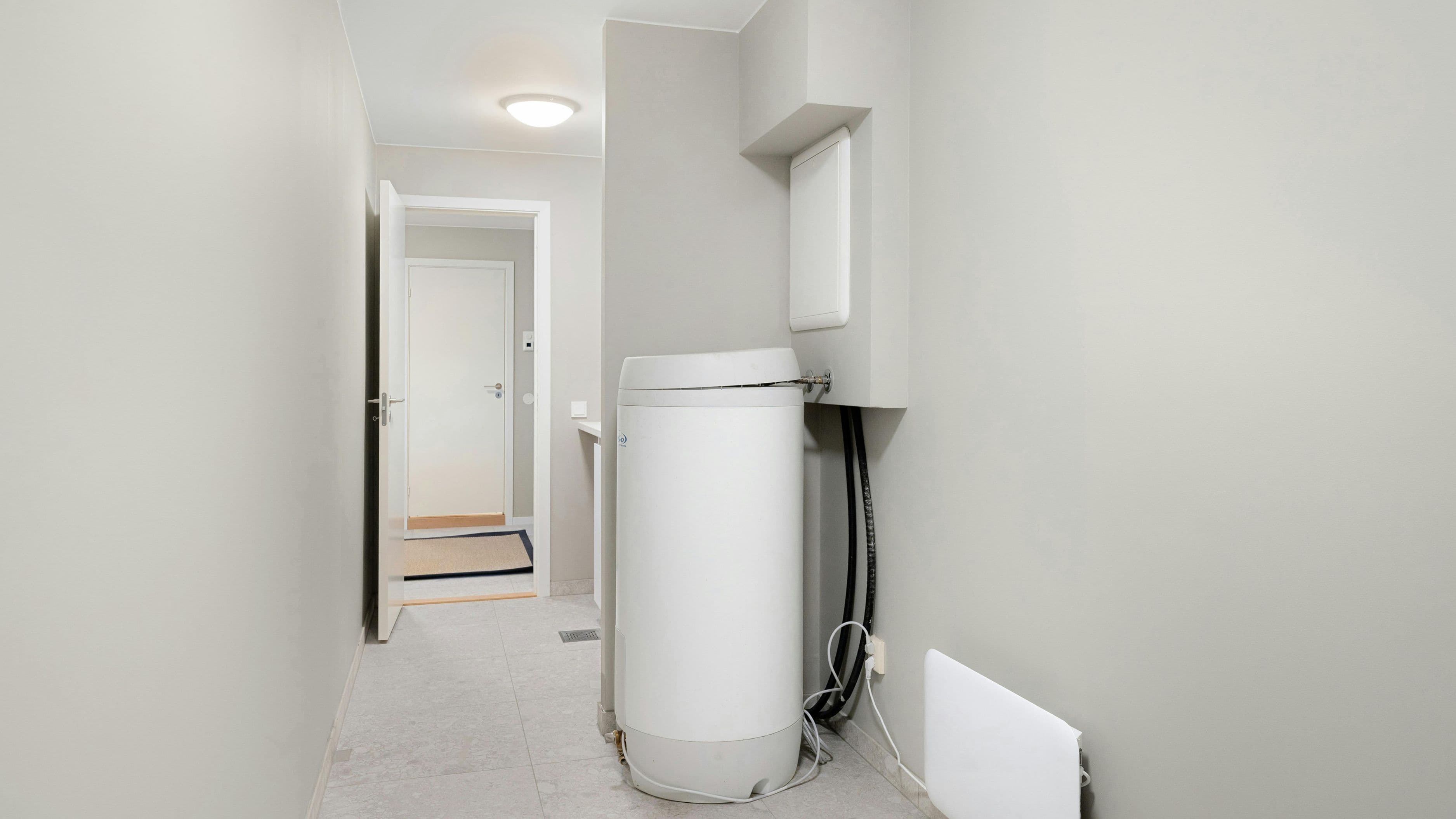
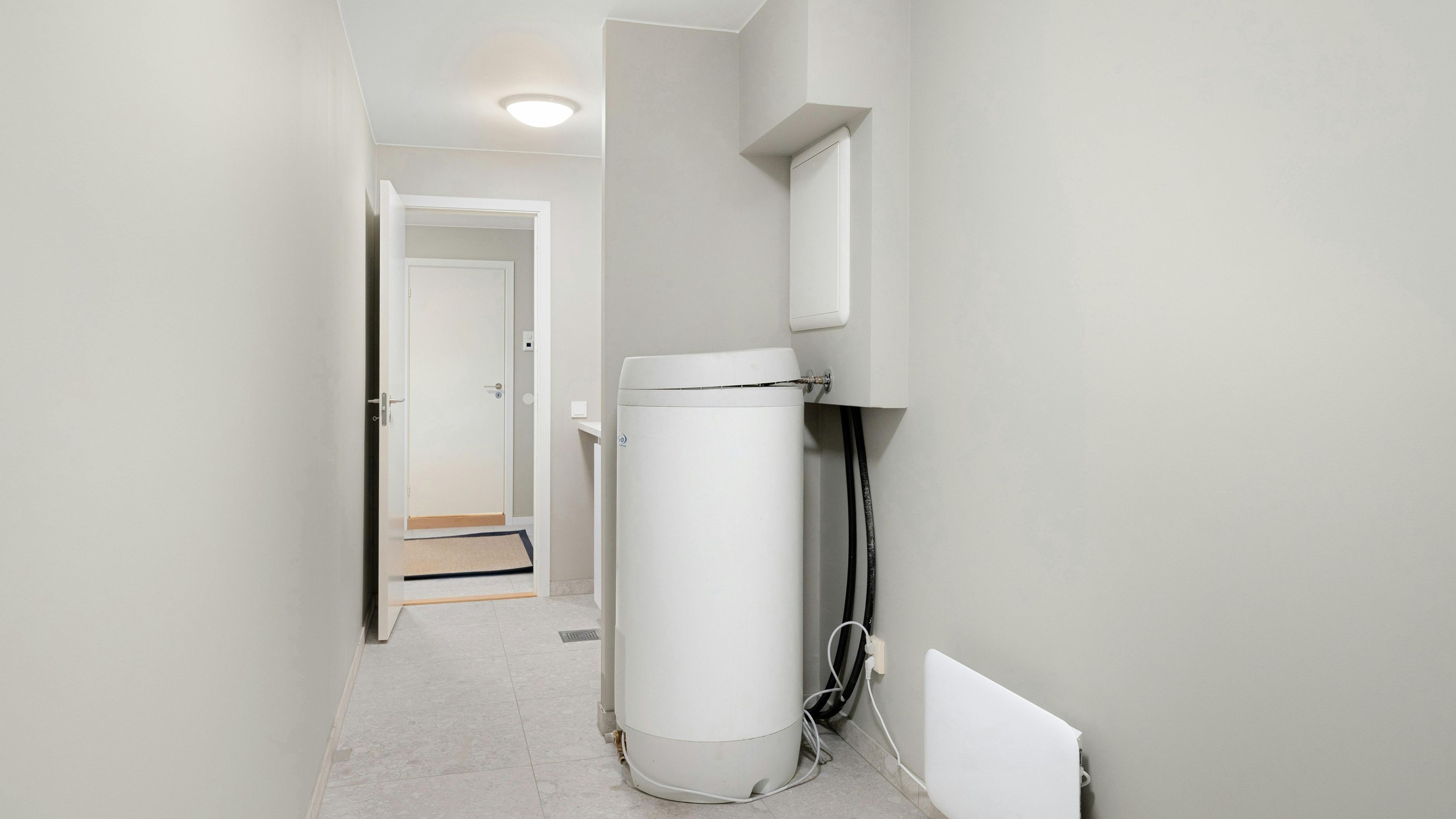
These units perform most efficiently in spaces with consistent ambient temperatures between roughly 40 and 90 degrees Fahrenheit and adequate air volume around the unit, typically 700 cubic feet or more, which usually means an unfinished basement, a garage, or a dedicated utility room rather than a small, enclosed closet. Homes in moderate climates, or with a suitable interior space that stays reasonably warm year-round, tend to see the best efficiency and fastest payback period.
Where a Standard Electric Unit Still Makes Sense
If your only available installation space is small and enclosed, like a tight utility closet without much airflow, a heat pump water heater's efficiency drops significantly, since the unit needs to pull heat from a limited volume of air that cools down faster than it can be efficiently replenished. In these situations, a standard electric unit remains the more practical choice despite its higher energy use, since a heat pump unit installed in an unsuitable space often defaults to backup electric resistance heating anyway, erasing much of its efficiency advantage.
Homes with tight upfront renovation budgets, or situations where the homeowner plans to sell within the next couple of years, may also find the lower initial cost of a standard electric unit more sensible than committing to the longer payback timeline of a heat pump system.
What to Avoid
Avoid installing a heat pump water heater in a small, poorly ventilated closet without confirming the manufacturer's minimum space requirements, since doing so significantly undermines the efficiency gains you're paying extra for in the first place. It's also worth avoiding the assumption that rebates automatically make a heat pump unit the objectively better choice for every home, since your specific electricity rates, household hot water usage, and available installation space all meaningfully affect the real-world payback calculation.
Don't skip checking your local utility and government rebate programs before purchasing, since available incentives change over time and can significantly affect which option offers better value in your specific area.
Realistic Expectations
Expect a heat pump water heater to run somewhat louder than a standard electric unit, generally comparable to a running refrigerator, and expect the space around it to cool slightly as the unit pulls heat from the surrounding air, both reasonable tradeoffs for the efficiency gain but worth knowing about in advance. Installation for either unit typically takes a professional technician one to two days depending on whether any additional electrical or ventilation work is needed.
Frequently Asked Questions
Do heat pump water heaters work in cold climates? They work best in spaces that stay within a moderate temperature range, so a heat pump unit installed in an unheated garage in a genuinely cold climate may rely more heavily on backup resistance heating during winter months, reducing its overall efficiency advantage.
How much space do I need for a heat pump water heater? Most manufacturers recommend a minimum of around 700 cubic feet of surrounding air space for optimal efficiency, which typically rules out small, enclosed closets as an ideal installation location.
Are there rebates available for heat pump water heaters? Many utility companies and government programs currently offer rebates or tax credits for heat pump water heaters as part of broader energy efficiency incentives, though availability and amounts vary by location and change over time, so check current programs in your specific area before purchasing.
Choosing between these two water heater types comes down to your available installation space, how long you plan to stay in your home, and your upfront budget. For most homes with adequate space and a longer time horizon, the heat pump option offers real long-term savings, but the standard electric unit remains a practical, reliable choice when space or budget constraints make it the more sensible fit.
📚 Sources
ENERGY STAR, Heat Pump Water Heaters Guide – https://www.energystar.gov/products/water_heaters/heat_pump_water_heaters
U.S. Department of Energy, Water Heating Efficiency Overview – https://www.energy.gov/energysaver/water-heating