
1. Stair Riser Drawers
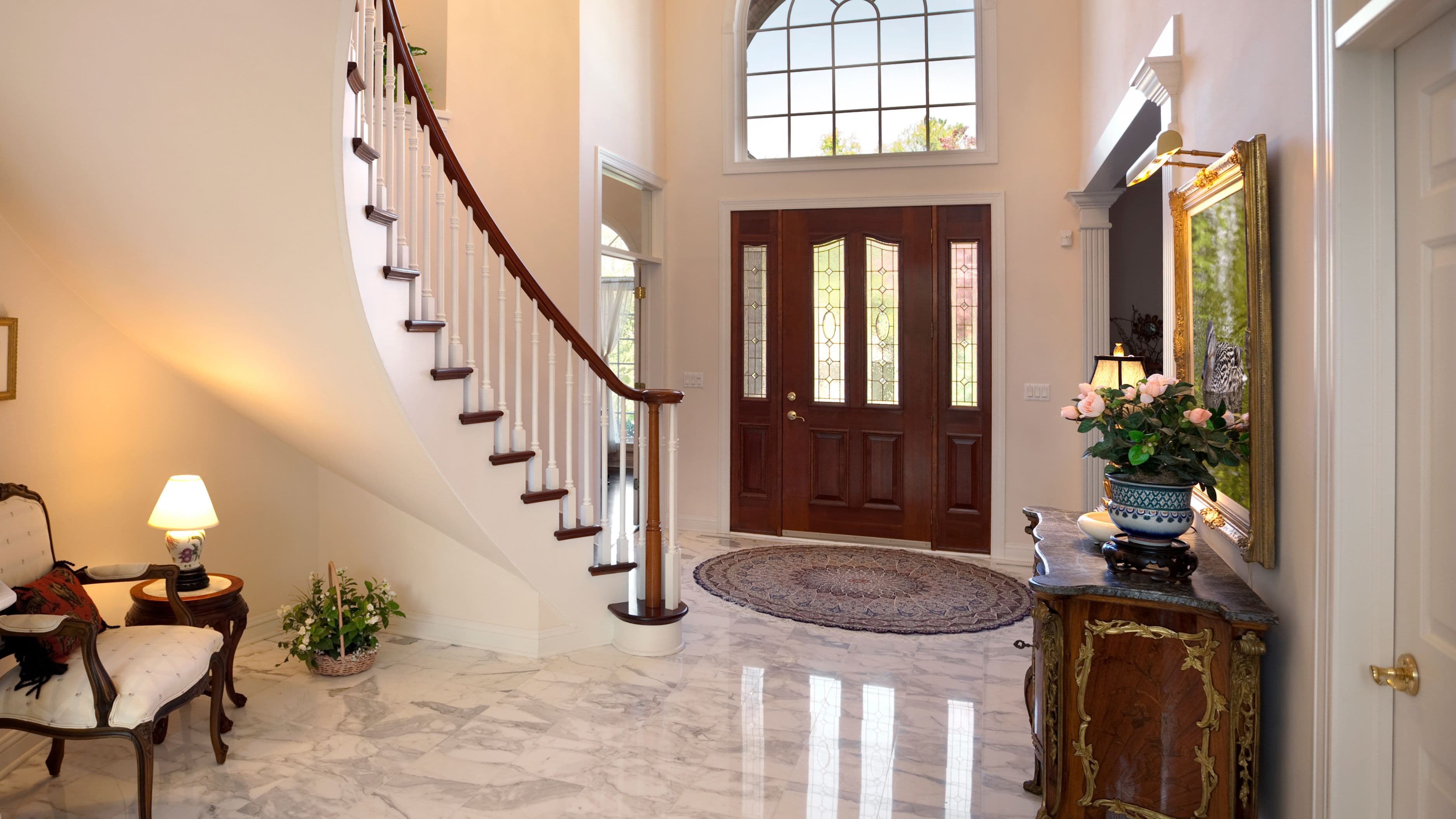
If your home has a staircase, the triangular space beneath each step is almost always sitting completely unused, and converting these into pull-out drawers built directly into the risers gives you a genuinely substantial amount of extra storage without changing your home's footprint at all. This works particularly well for shoes, out-of-season items, or household items you don't need daily access to.
Cost and time: This is a moderate-effort project, generally costing $150–400 per drawer if built custom, or higher if done as part of a broader staircase renovation, and typically takes a full weekend per drawer for a moderately experienced DIYer, longer if you're building the drawers from scratch rather than using a pre-made insert kit.
Impact: This adds meaningful storage in a completely dead space most homeowners never think to use, particularly valuable in smaller homes without a dedicated mudroom or extensive closet space.
2. Toe-Kick Drawers in Kitchen Cabinetry
The recessed space at the base of kitchen cabinets, known as the toe-kick, is typically just empty space accounting for foot clearance while standing at the counter. Converting this narrow strip into shallow pull-out drawers creates surprisingly useful storage for flat items like baking sheets, cutting boards, or extra kitchen linens, without sacrificing any usable cabinet space above.
Cost and time: Retrofit toe-kick drawer kits typically run $100–250 per section, and installation is a moderate DIY project taking a few hours per drawer if your existing cabinetry has adequate depth and structural support underneath.
Impact: This is one of the more efficient storage upgrades available, since it adds function without requiring any change to your kitchen's existing layout or usable counter and cabinet space.
3. Under-Bed Storage With Built-In Drawers or Lift Mechanisms
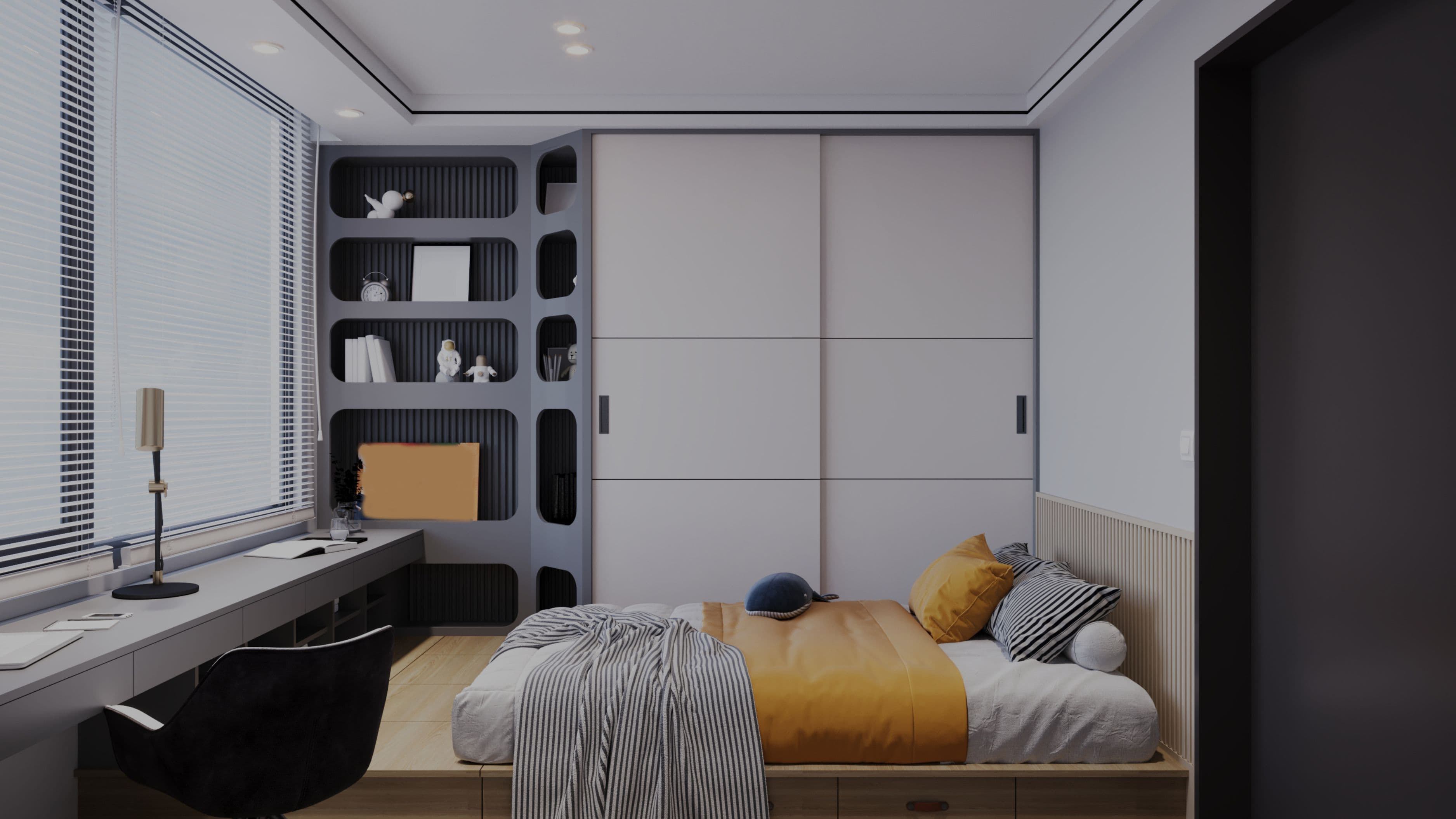
Bedrooms often have significant unused vertical space beneath the bed frame, and platform beds with built-in drawers, or simple lift-top storage mechanisms retrofitted to an existing bed frame, convert this into genuinely useful storage for linens, seasonal clothing, or items you don't need frequent access to.
Cost and time: A retrofit lift mechanism or storage drawer kit typically costs $100–300, while a full platform bed replacement with built-in storage runs considerably higher, from $500–1,500 depending on materials and size. Retrofit installation is generally a manageable weekend DIY project.
Impact: This addresses one of the largest chronically underused spaces in most bedrooms, particularly valuable in smaller homes where dedicated linen or seasonal storage closets aren't available.
4. Recessed Wall Niches Between Studs
Interior walls typically have 3.5 inches of empty depth between wall studs, and converting a section of wall into a recessed niche – essentially a shallow built-in shelf set flush into the wall – creates display or storage space without protruding into the room at all. This works particularly well in bathrooms for towels and toiletries, or in hallways and living rooms for books and display items.
Cost and time: A single recessed niche typically costs $200–600 depending on finishing details and whether it involves cutting into a load-bearing or non-load-bearing wall, and generally requires professional installation given the need to confirm wall structure and avoid utility lines before cutting into drywall.
Impact: This adds functional storage or display space in rooms where floor space is limited, without sacrificing any usable square footage, since the storage exists entirely within the wall's existing depth.
5. Furniture With Built-In Storage Compartments
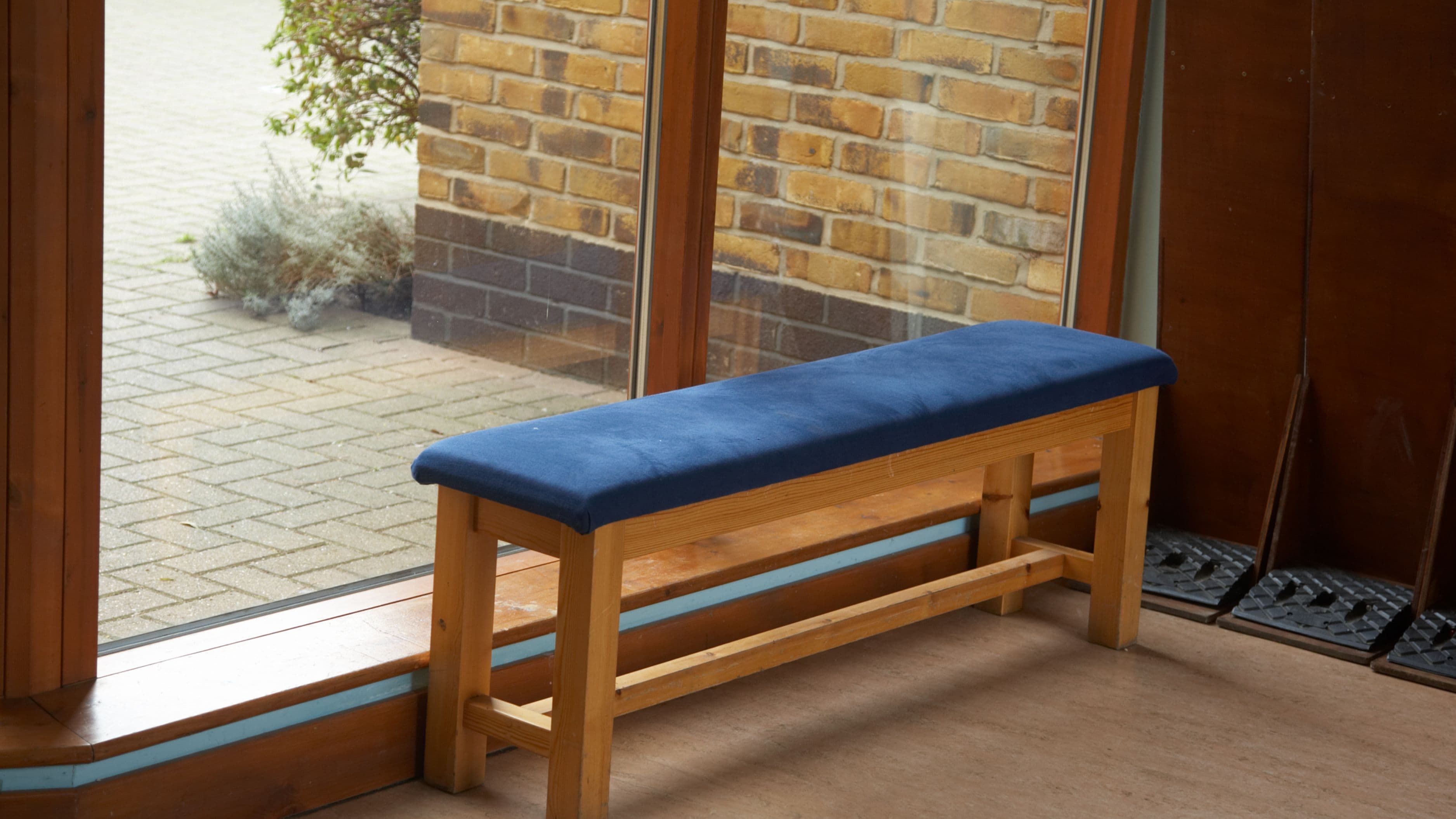
Ottomans, coffee tables, and benches with hidden storage compartments built into their base provide functional seating or surface space while quietly doubling as storage for blankets, remote controls, or other living room clutter that otherwise accumulates visibly. This is one of the lowest-effort options on this list, since it typically involves simply choosing furniture with this feature built in, rather than any construction or retrofit work.
Cost and time: Storage ottomans and benches range widely based on materials and size, typically $100–500 for a quality option, with essentially no installation time required beyond normal furniture setup.
Impact: This is a particularly easy option for renters or anyone wanting hidden storage without any permanent modification to their home, since it requires zero construction and moves easily if you relocate.
6. Pull-Out Pantry Shelving in Narrow Kitchen Gaps
Narrow gaps between kitchen cabinets or appliances, often just a few inches wide, can be fitted with slim pull-out pantry units designed specifically for these tight spaces, providing storage for spices, canned goods, or other narrow items that would otherwise be wasted space entirely.
Cost and time: Pre-made narrow pull-out units typically cost $80–200 depending on size and material quality, and installation is generally a straightforward few-hour DIY project as long as the gap has adequate depth and a solid mounting surface.
Impact: This converts genuinely wasted space into functional kitchen storage, particularly valuable in smaller kitchens where every inch of storage capacity matters.
7. Ceiling-Mounted Storage in Garages or Utility Rooms
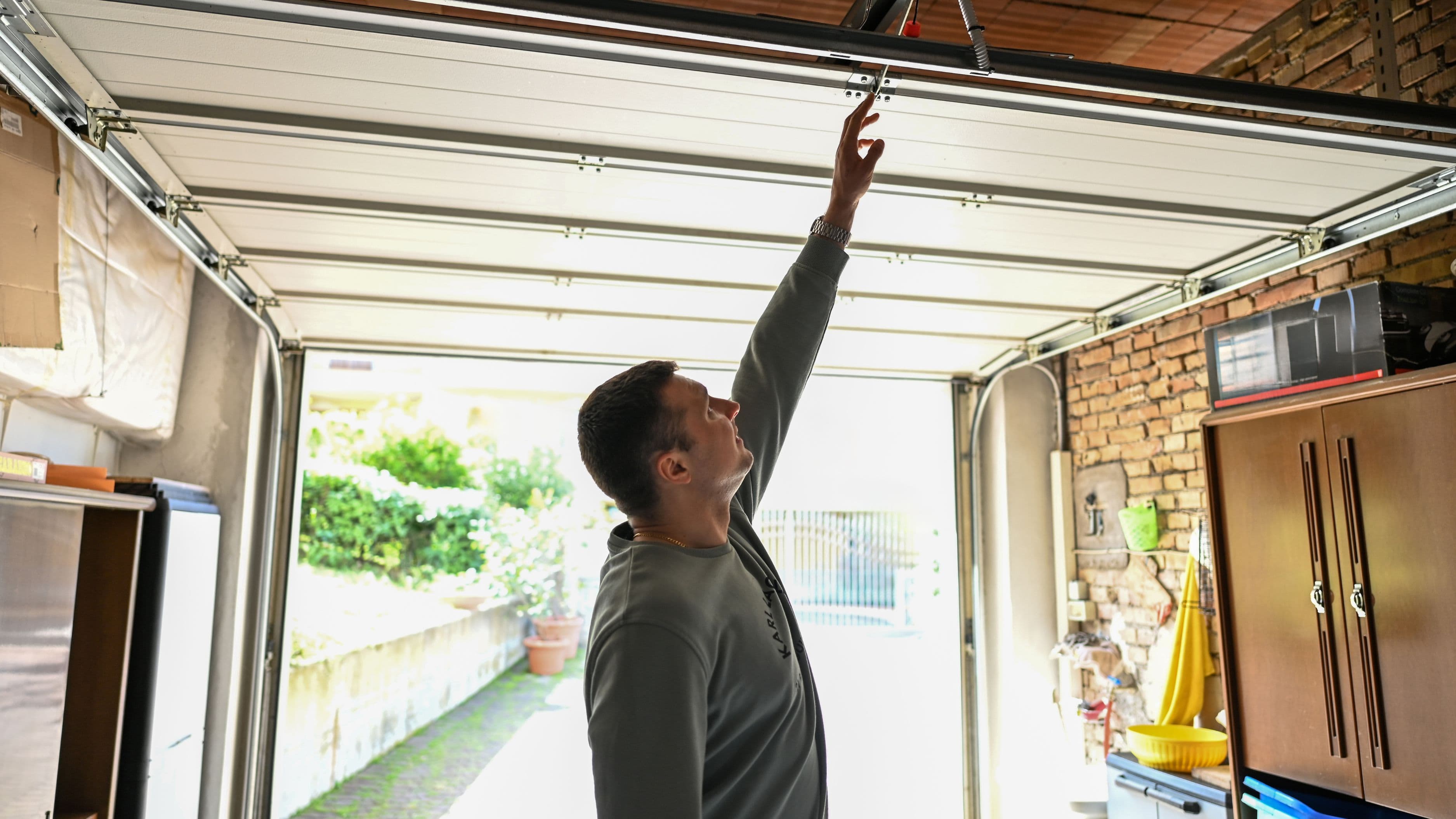
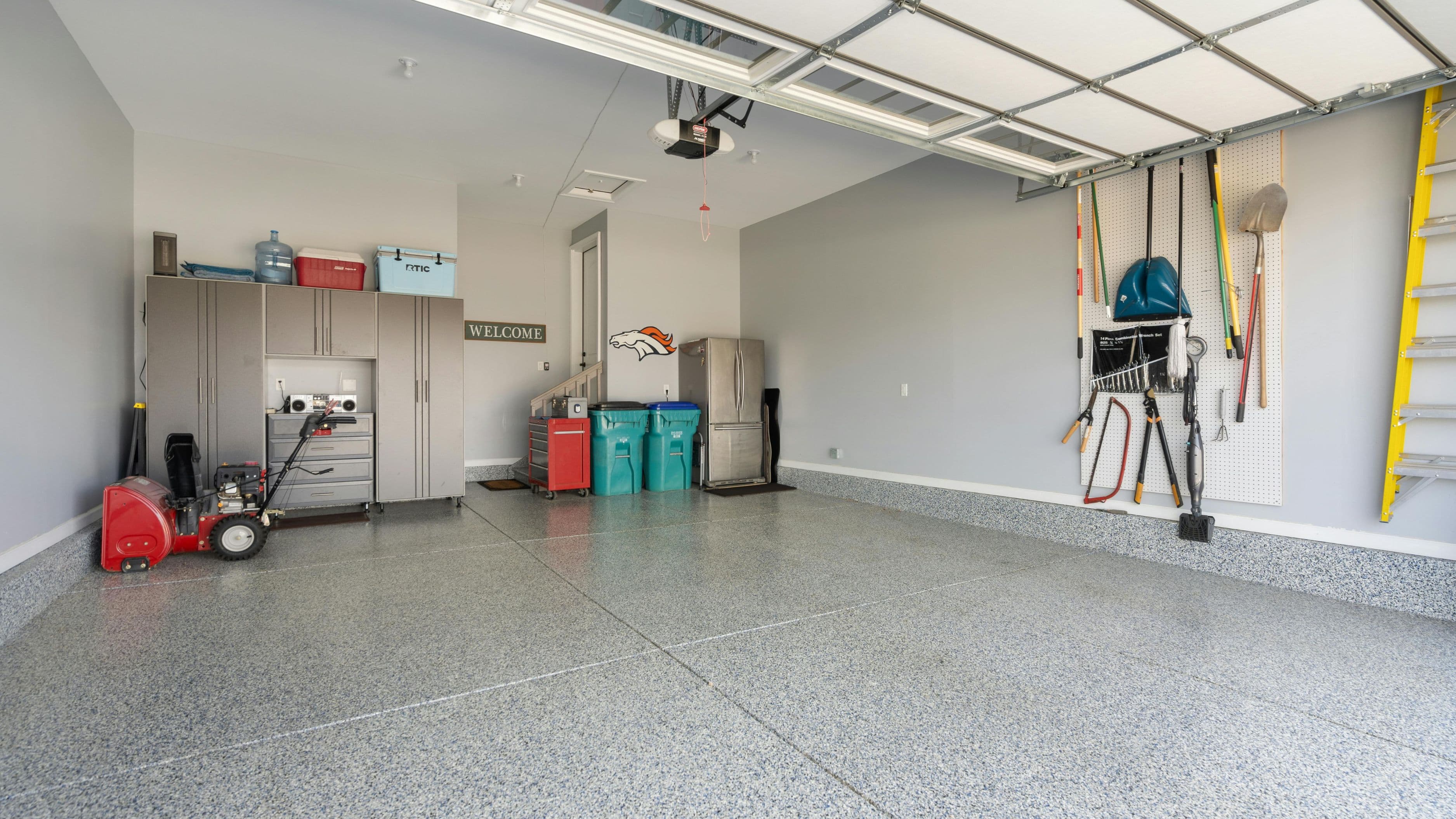
Overhead space in garages and utility rooms is frequently left completely unused despite being one of the largest untapped storage areas in many homes. Ceiling-mounted storage racks or platforms, designed to hold seasonal items, bins, or rarely-used equipment, take advantage of this vertical space without consuming any floor area.
Cost and time: Ceiling storage rack systems typically cost $150–400 depending on size and weight capacity, and installation generally requires securing the system into ceiling joists, making this a moderate DIY project or a quick job for a handyman if you're not confident locating and securing into joists yourself.
Impact: This is one of the highest-capacity storage additions on this list relative to cost, since garage ceilings are often entirely empty space with significant unused storage potential.
8. Hollow Door Storage Panels
Many interior doors, particularly closet or pantry doors, have unused depth on the back side that can be fitted with slim, over-the-door or door-mounted storage racks and organizers, adding meaningful storage capacity without consuming any additional room footprint at all.
Cost and time: Door-mounted storage organizers are among the most affordable options here, typically $20–80 depending on size and material, with essentially no installation effort beyond mounting brackets or hooks.
Impact: This is a particularly efficient, low-cost option for adding storage in smaller spaces like bathrooms, pantries, or closets, since it uses space that's otherwise completely wasted behind a functioning door.
What to Avoid
Don't add hidden storage purely because a space is available without considering whether you'll actually use it regularly, since storage that's inconvenient to access tends to become a place where items get forgotten rather than genuinely organized and retrievable. It's also worth avoiding overly complex, expensive built-in solutions before confirming a simpler, lower-cost option wouldn't address the same need just as effectively, particularly for smaller storage gaps where a simple retrofit unit accomplishes the same goal as a full custom build.
FAQ
Which of these options offers the best value for a smaller budget? Furniture with built-in storage compartments and door-mounted organizers offer the most storage value for the lowest cost and effort, making them a reasonable starting point before committing to more involved built-in projects.
Do any of these options require professional installation? Recessed wall niches generally require professional installation due to the need to confirm wall structure and avoid utility lines, while most other options on this list are manageable DIY projects for someone reasonably comfortable with basic tools.
Will hidden storage upgrades affect my home's resale value? Thoughtfully integrated hidden storage, particularly built-in options like stair drawers or toe-kick drawers, is often viewed favorably by buyers as a sign of efficient space use, though the impact on resale value varies by market and buyer preferences.
How do I know if my walls can support a recessed niche? This requires confirming stud placement and checking for electrical or plumbing lines within the wall section you're considering, which is why professional installation is generally recommended for this specific option rather than attempting it without proper wall assessment.
📚 Sources
National Association of Home Builders – Space Optimization in Home Design
U.S. Department of Housing and Urban Development – Home Improvement Resources