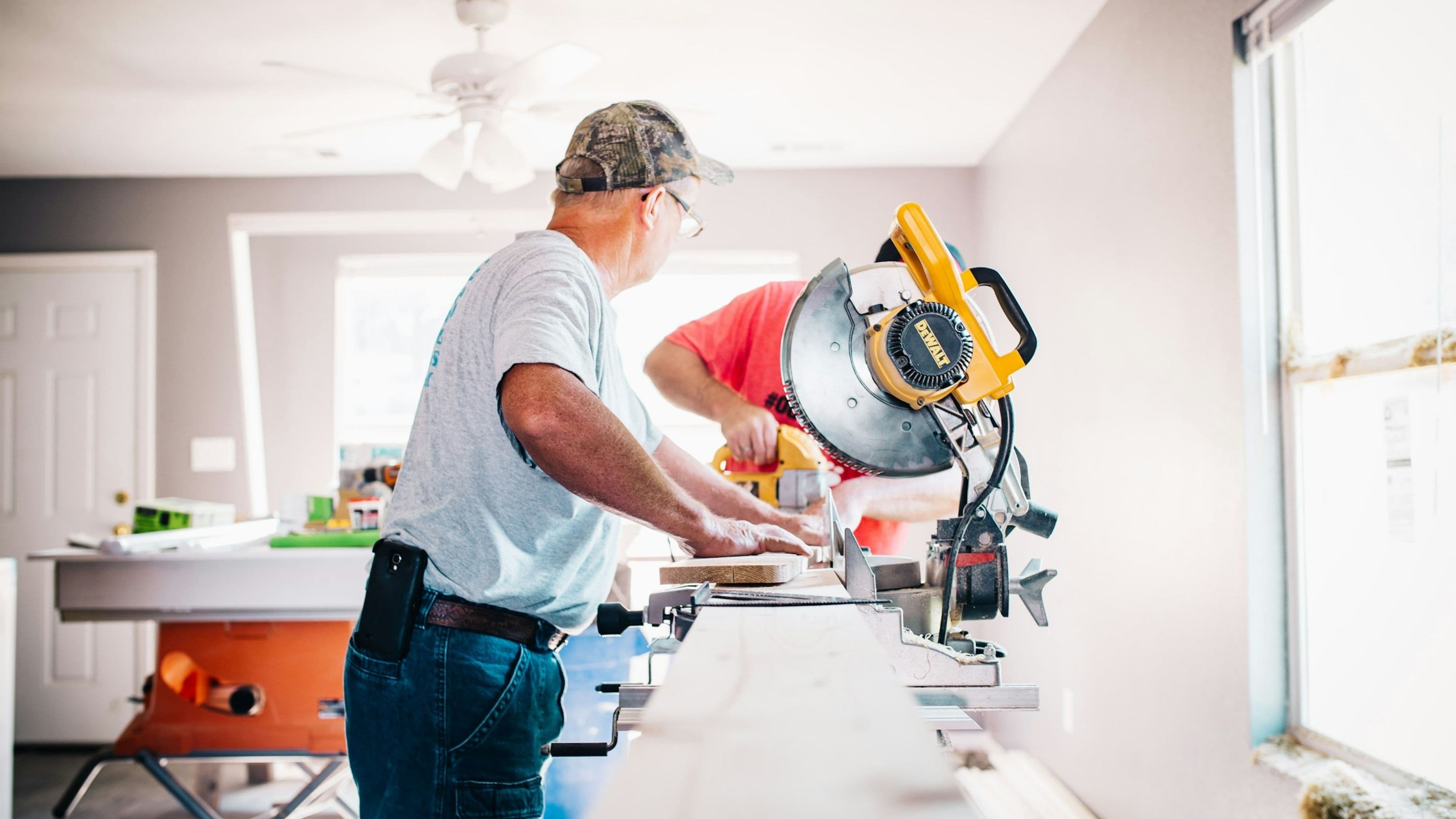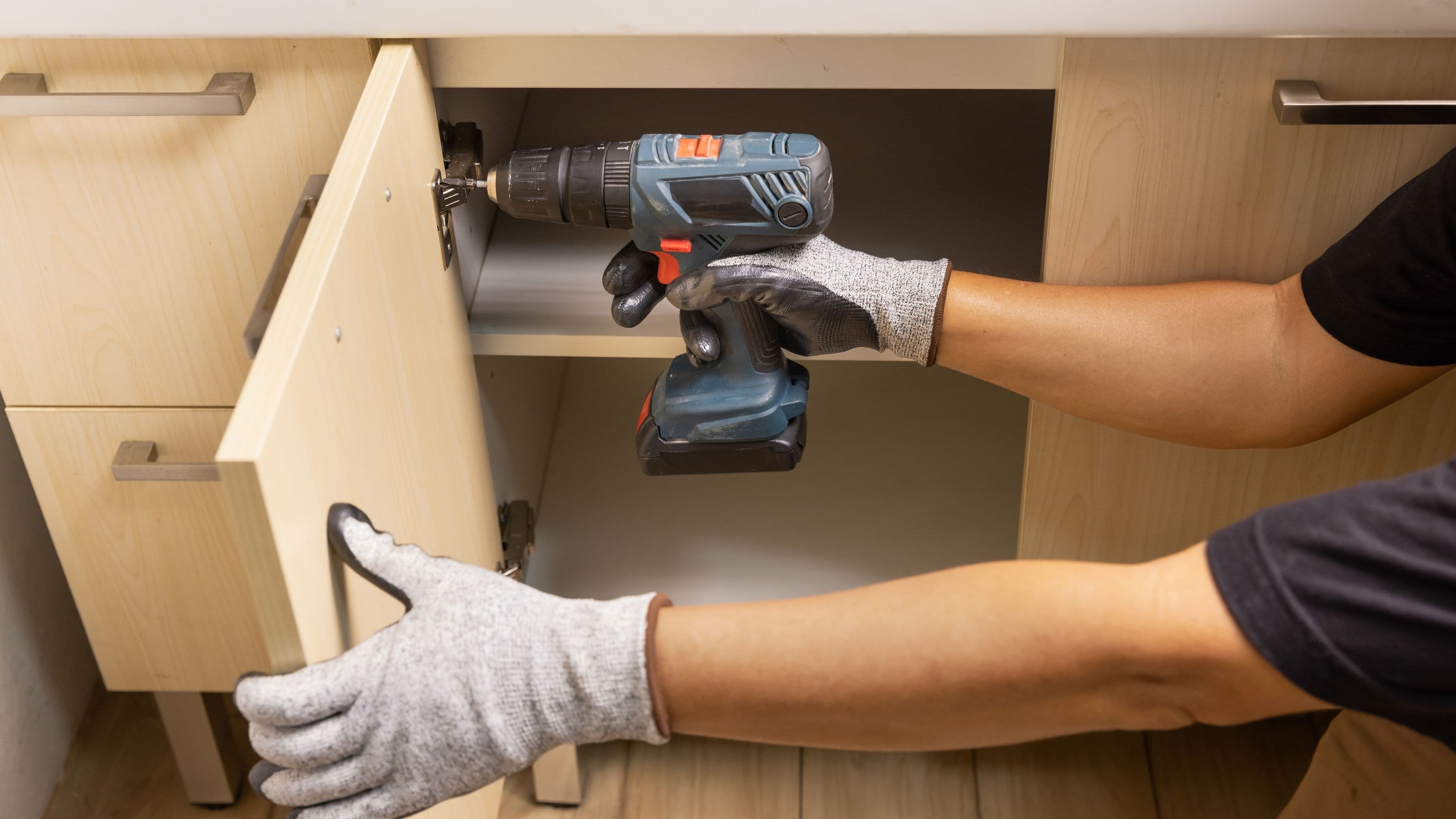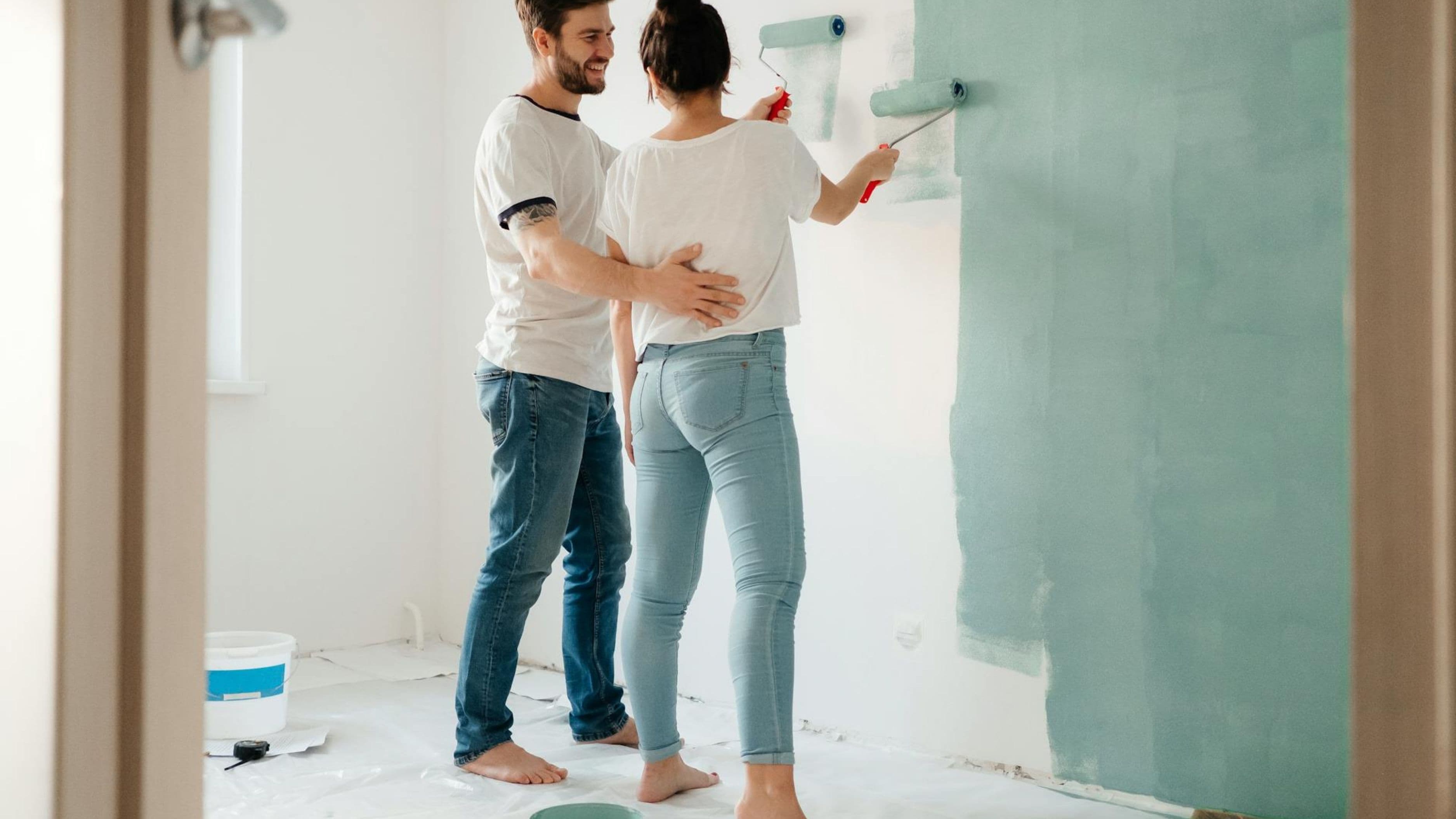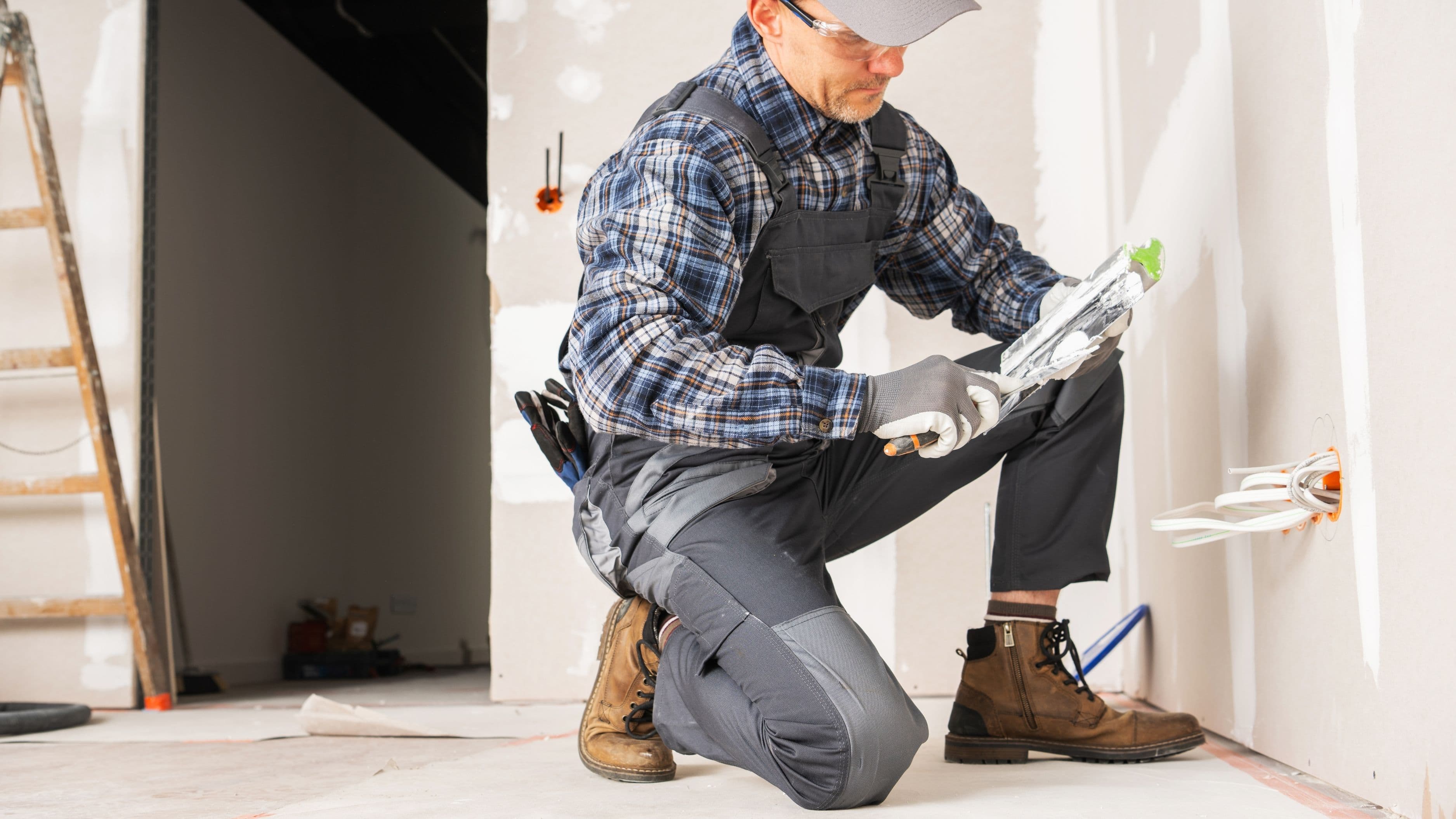



The five upgrades below each have a strong track record for return on investment, real impact on daily living, and a total cost that stays well under $5,000 including materials and professional installation where needed. They're not the most glamorous list you'll find – but they're the ones that actually move the needle.
1. Front Door Replacement or Refinish
Estimated cost: $400–$2,500 depending on material and scope
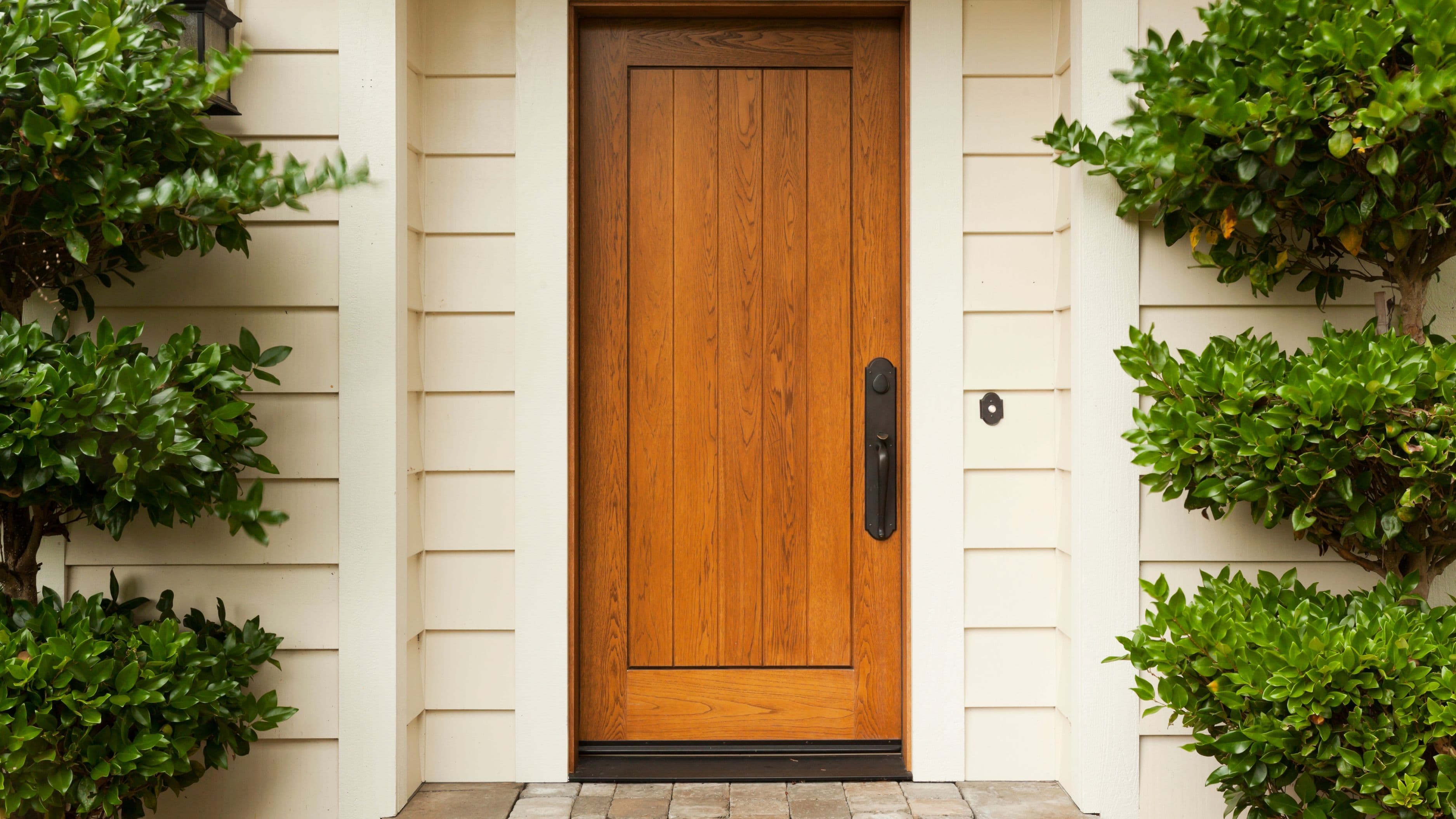
Your front door is the first thing anyone sees when they approach your home, and it does more to establish first impressions than almost any other single element. A steel door that's faded, a wood door that's warped or peeling, or a builder-grade door with outdated hardware immediately signals the age and care level of the property – before anyone steps inside.
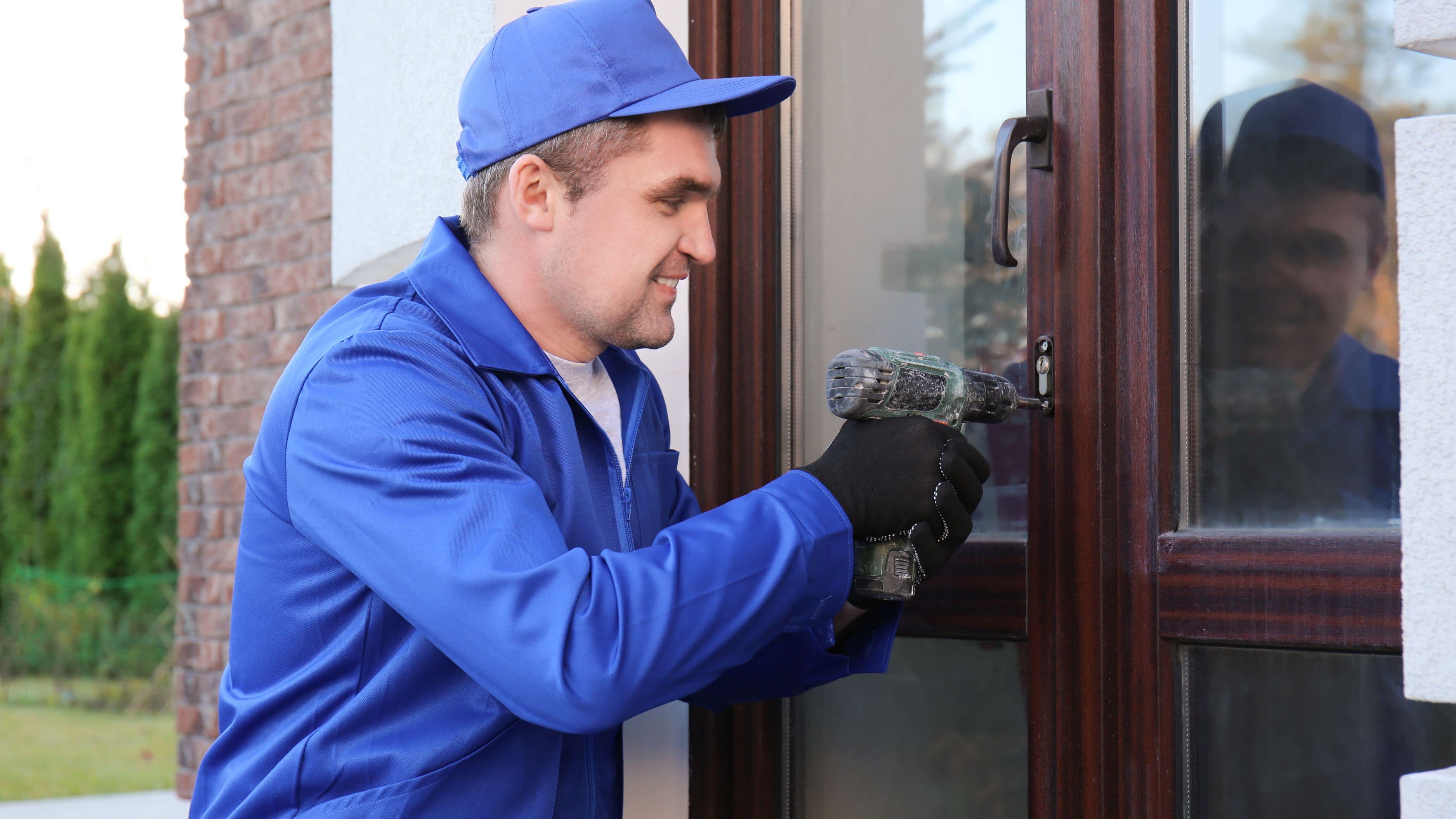
Replacing a front entry door with a quality steel or fiberglass unit typically runs $800–$2,500 installed, depending on the door style, sidelights, and hardware. According to Remodeling Magazine's Cost vs. Value data, a steel door replacement consistently ranks among the highest ROI projects in home improvement – returning over 100% of its cost at resale in many markets because it's both functional and visual. If the existing door is structurally sound but cosmetically dated, a professional refinish (stripping, sanding, painting or staining, and new hardware) can achieve a near-new appearance for $400–$800. New hardware alone – a fresh lockset, deadbolt, and door handle in a consistent brushed nickel or matte black finish – costs $100–$250 and is one of the cheapest visible upgrades available.
The practical benefit beyond aesthetics is real: a properly installed insulated door also improves energy efficiency, reducing air infiltration that drives up heating and cooling costs. It's an upgrade that pays in multiple directions simultaneously.
2. Interior Paint Refresh Throughout the Main Living Areas
Estimated cost: $1,200–$3,500 for professional painting of main living areas
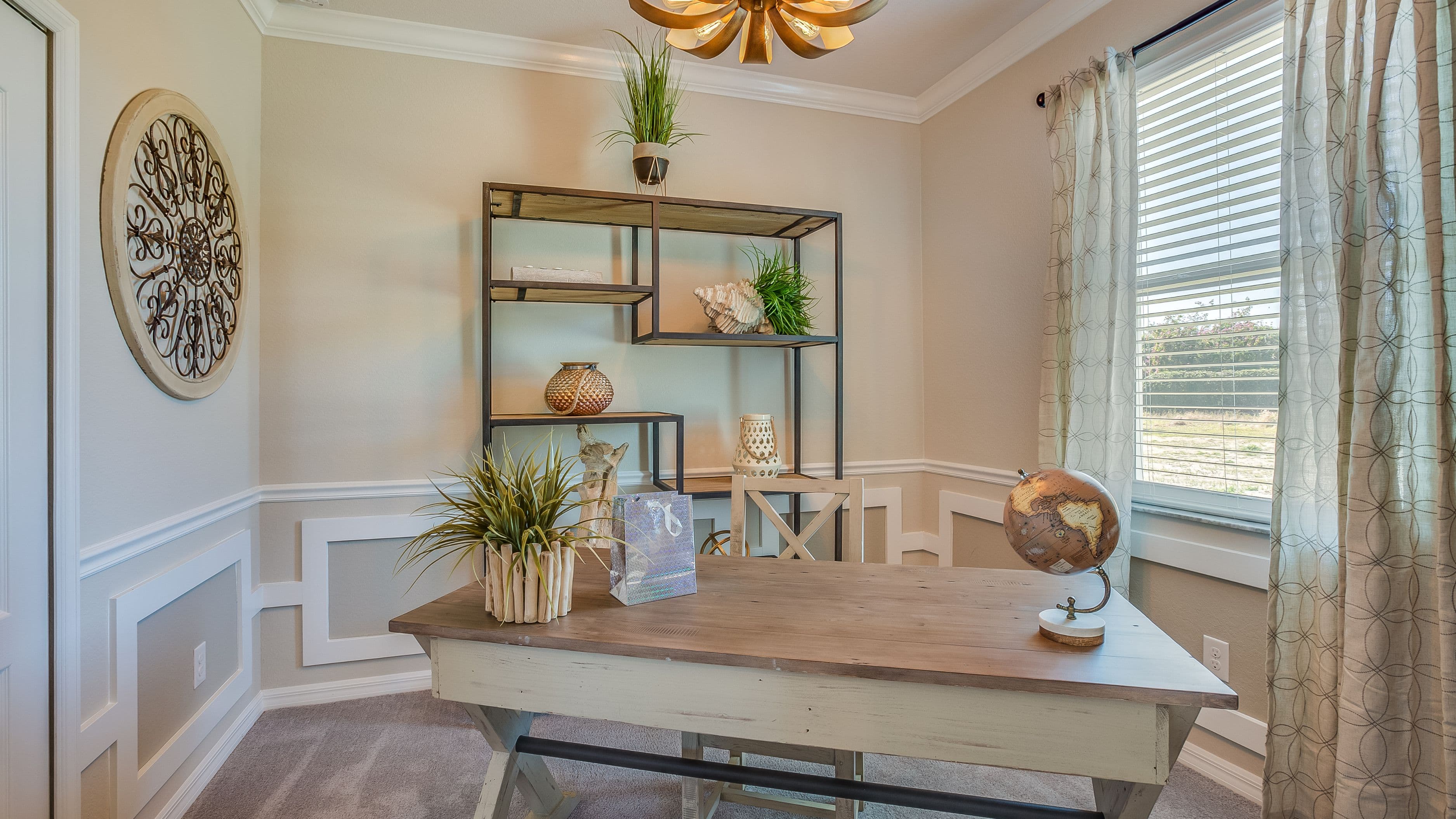
Few upgrades have a higher visual impact per dollar than a fresh coat of paint applied in the right colors. Paint does something that new fixtures and fittings can't replicate: it sets the backdrop against which everything else in the room is perceived. A room with dated, scuffed, or strongly colored walls makes even nice furniture and finishes look worse than they are. A room with fresh, neutral paint makes ordinary furnishings look pulled together.
The color selection matters as much as the freshness. Deep jewel tones, outdated earthtones, or bold accent walls that made sense a decade ago now narrow buyer appeal and create mental work for anyone trying to picture the space as their own. The palette that consistently performs best across both sale and daily living is warm neutrals – soft whites, greige tones, pale warm grays, and light sage greens – that are timeless, broadly appealing, and photograph well. Anything that looks like it belongs in a staged home listing is generally the right direction.
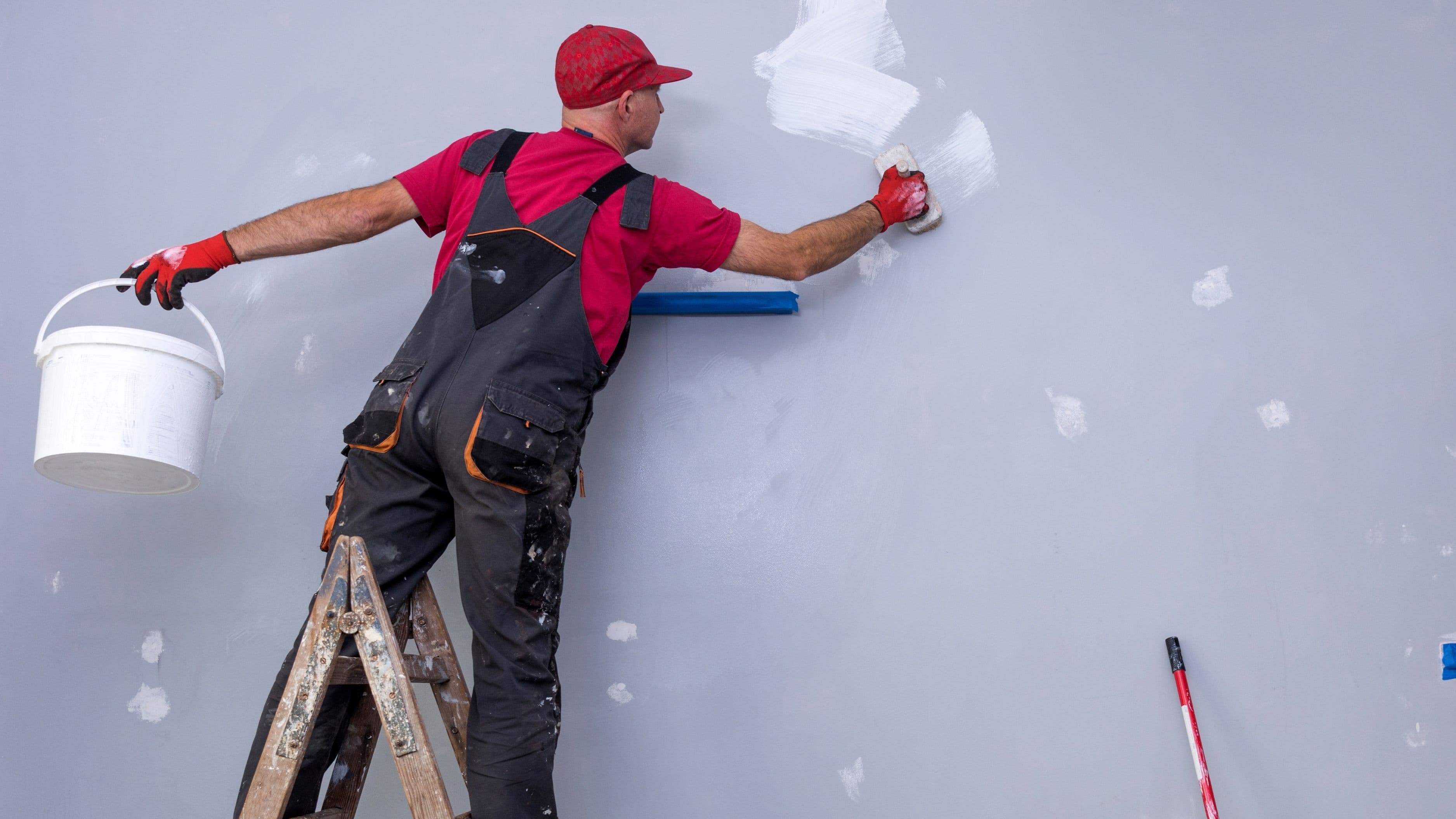
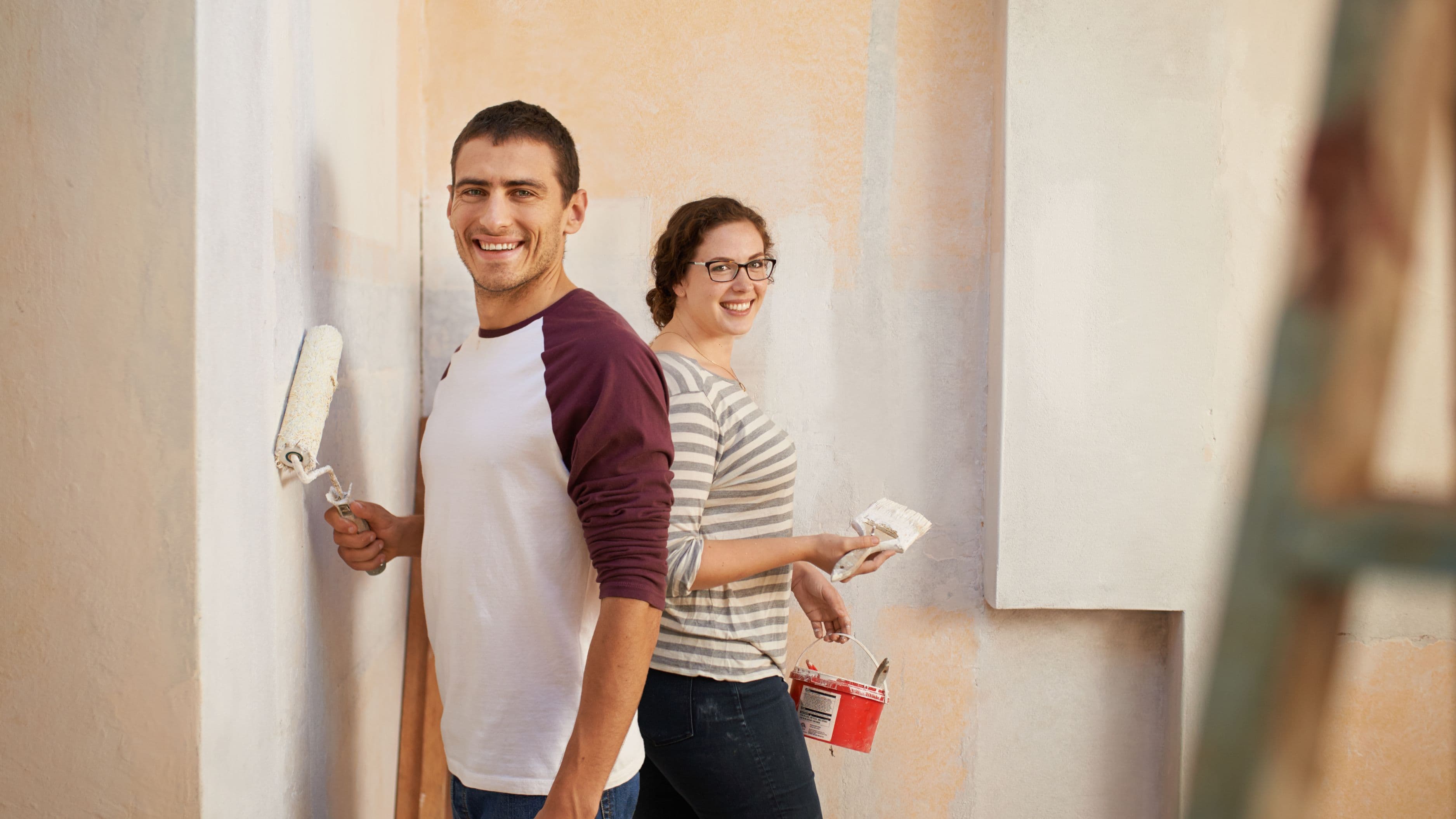
Professional painting of the living room, dining room, hallway, and primary bedroom typically runs $1,200–$2,500 in labor depending on your market, plus $150–$300 in quality paint. DIY cuts the cost to materials only, which makes this the cheapest high-impact upgrade on the list if you're willing to do it yourself. What makes professional painting worth considering is the finish quality – clean lines at trim and ceiling, even coverage, no roller texture – which directly affects how the work reads in person and in listing photos.
Include fresh paint on all interior doors and trim in a crisp white or complementary neutral. Trim paint is frequently overlooked but has an outsized effect on how finished and intentional a space feels.
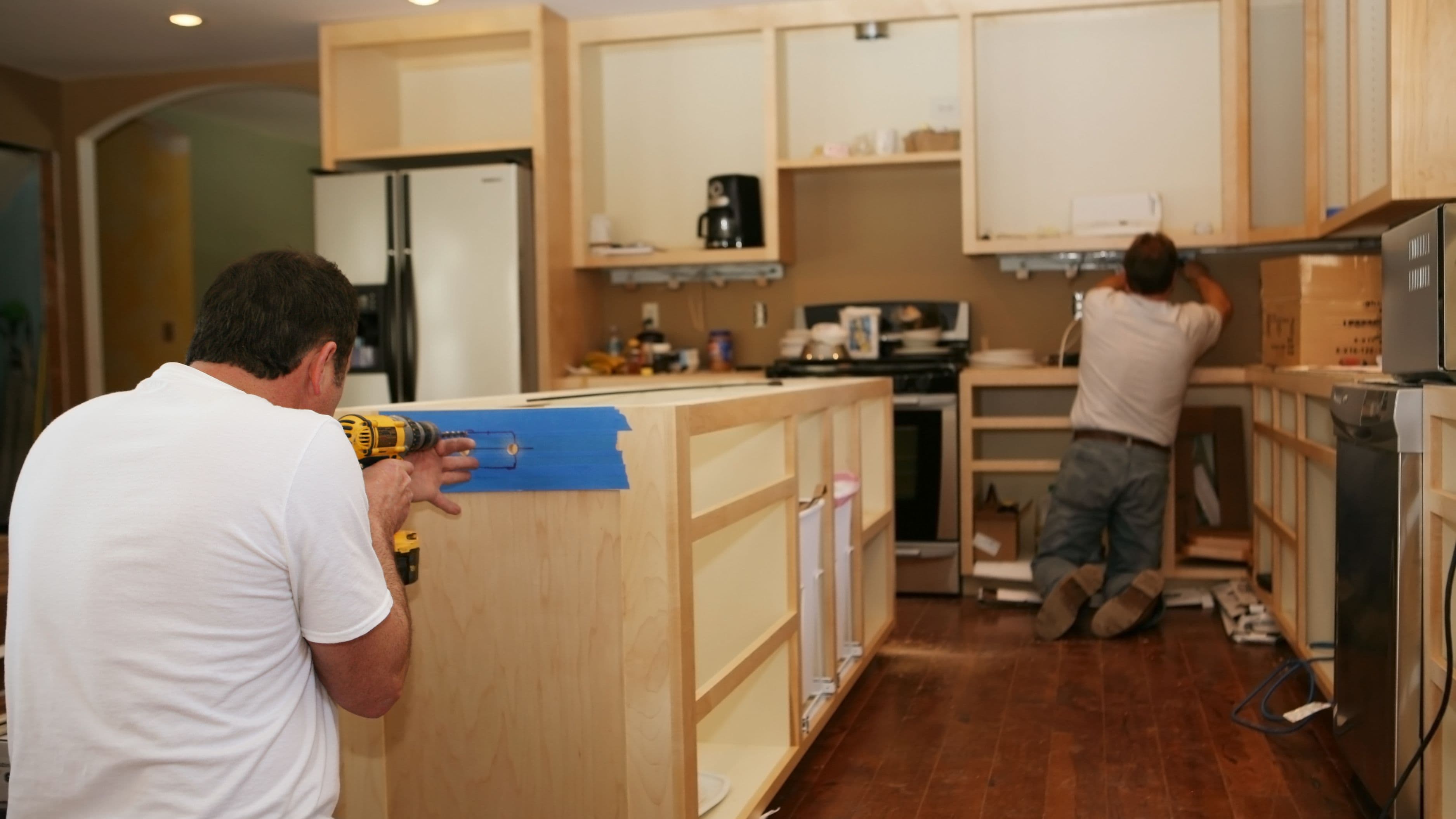
3. Kitchen Hardware and Fixture Update
Estimated cost: $400–$1,800 depending on scope
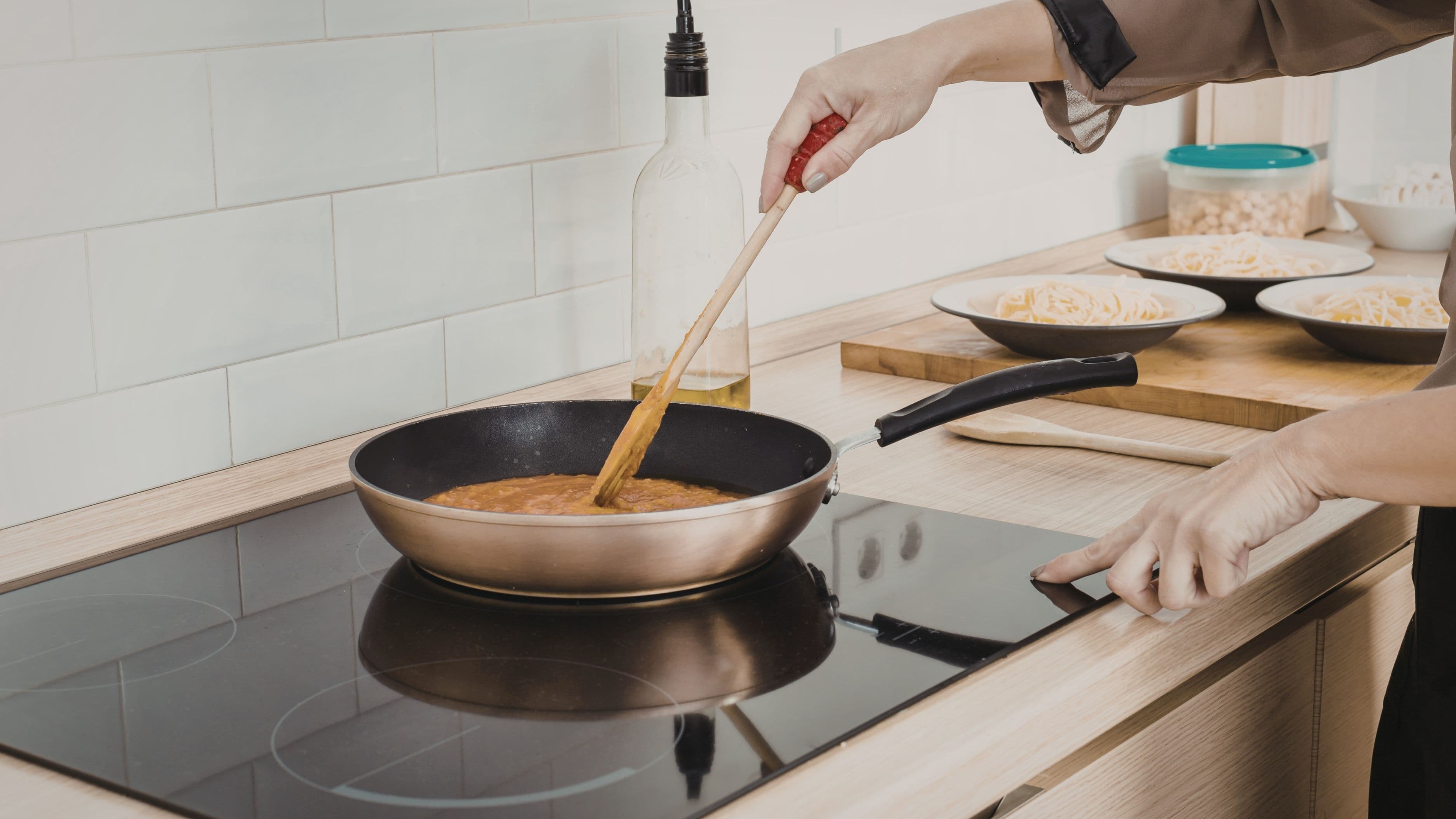
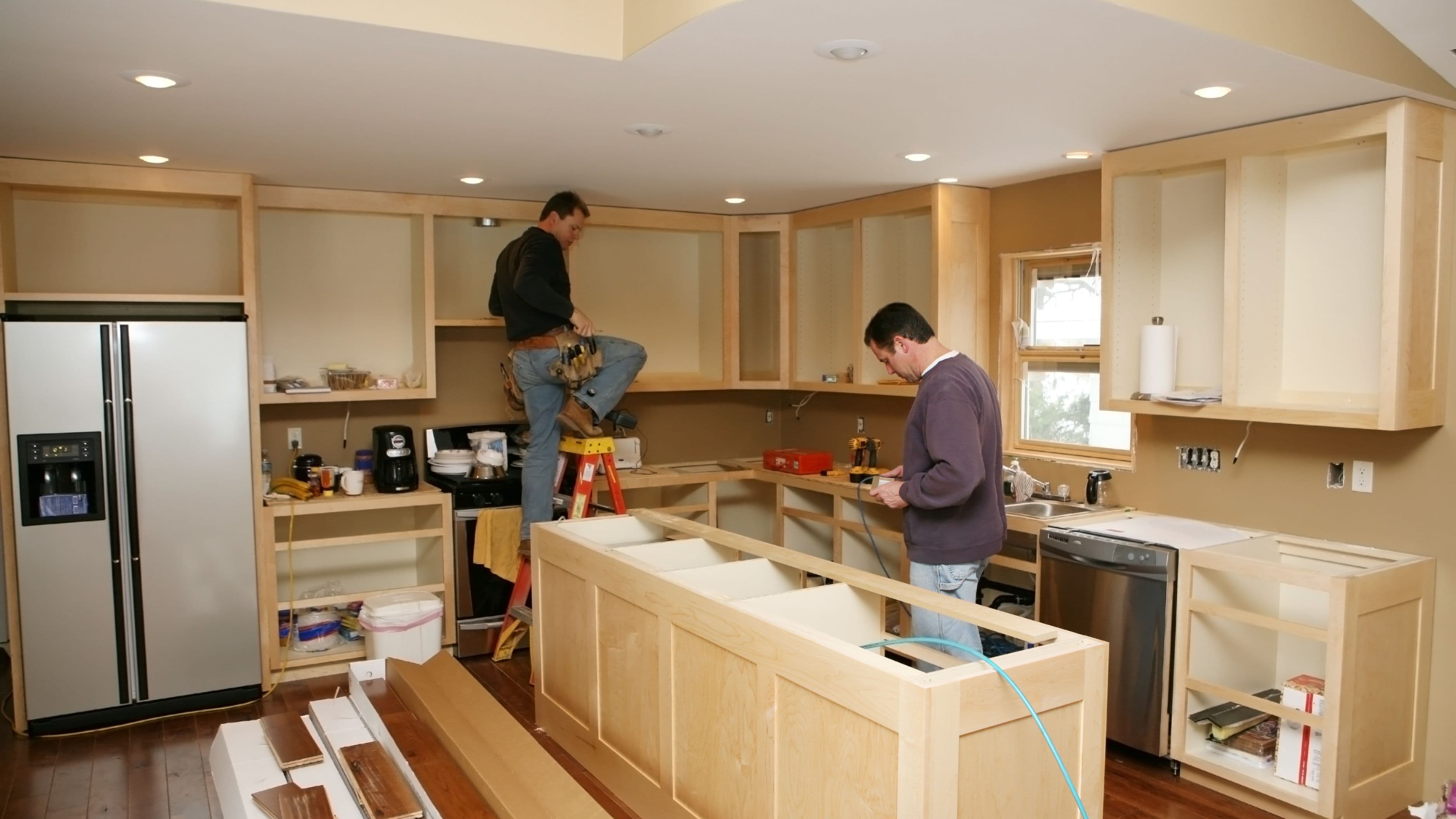
A full kitchen renovation is one of the most expensive projects in home improvement, but you don't need one to materially improve how a kitchen reads. The hardware and fixtures are the jewelry of the kitchen, and updating them can shift the room's perceived age by fifteen years for a fraction of the cost of new cabinets or countertops.
Cabinet hardware is the starting point. Replacing builder-grade brass pulls and knobs with brushed nickel, matte black, or brushed gold hardware in a clean, contemporary profile costs $150–$400 in materials for an average kitchen and takes an afternoon to install. The visual difference on a photo of the kitchen is immediate and striking. Where cabinet doors previously read as 2005, they now read as current – same boxes, entirely different impression.
The kitchen faucet is the next highest-impact swap. A quality single-handle pull-down faucet in a matching or complementary finish runs $120–$350 for the unit, plus $100–$200 for plumber installation if you're not comfortable with basic plumbing. Combined with new cabinet hardware, the two changes together typically run $350–$750 and transform how the kitchen's most-photographed elements look. If the sink is in good condition, this combination is the most cost-efficient kitchen upgrade available.
Replacing the range hood or light fixture above the island or peninsula is worth adding if the existing one is visibly dated. A modern stainless or matte black range hood runs $150–$500, and the lighting update – a contemporary pendant or linear fixture above a peninsula – costs $100–$350. Together with hardware and faucet, the full kitchen hardware update stays under $1,800 and produces visible before-and-after results in every photo of the space.
4. Bathroom Cosmetic Refresh
Estimated cost: $500–$2,500 depending on current condition and scope
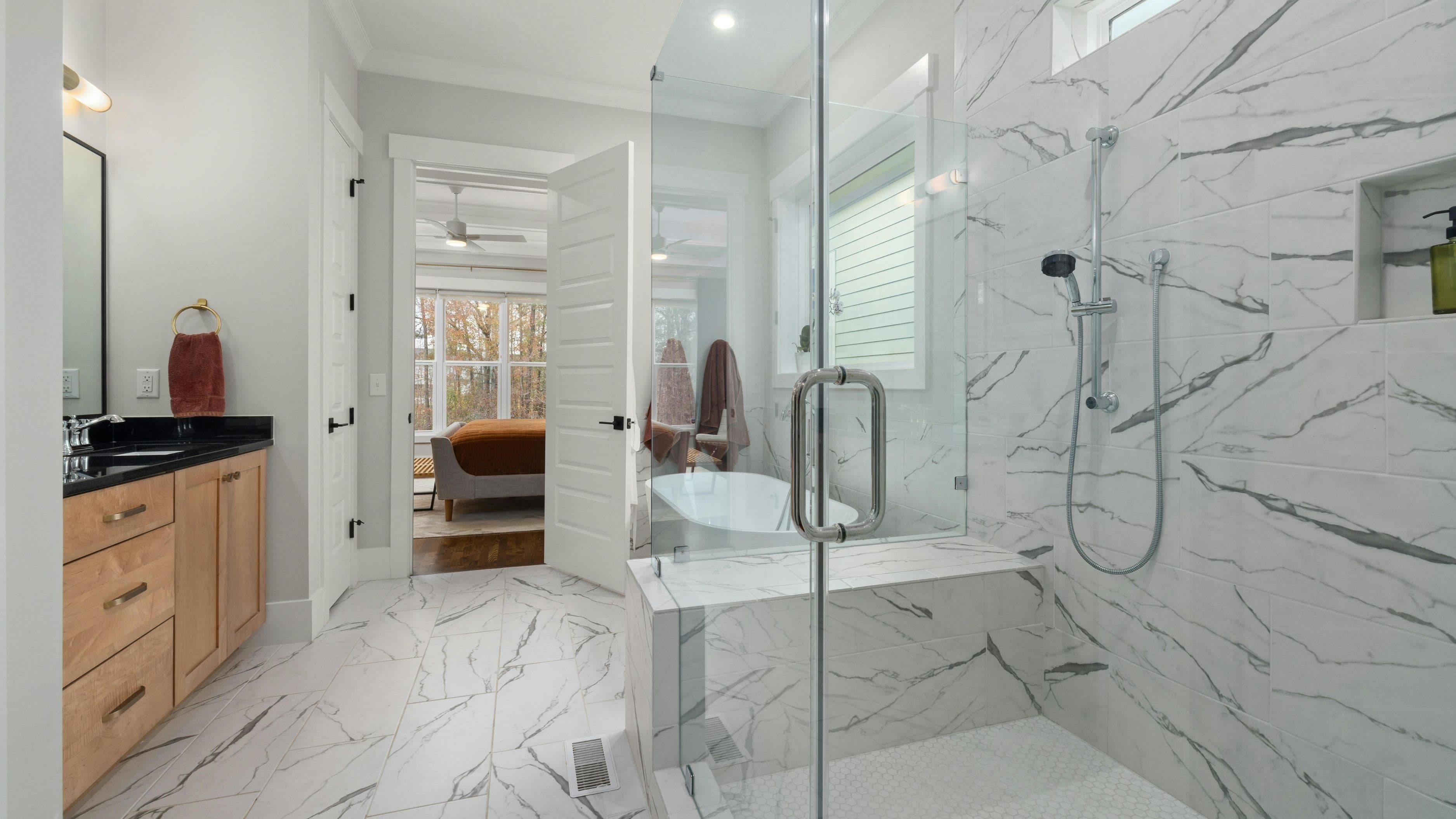
A full bathroom renovation is a significant investment, but a targeted cosmetic refresh addresses the most visible elements for a fraction of the cost and produces results that buyers and guests notice immediately. This isn't about redoing the room – it's about removing the obvious signals of age and deferred care that make a functional bathroom feel shabby.
Start with caulk and grout. Yellowed, cracked, or mildewed caulk around the tub, shower, and base of the toilet is one of the first things inspectors flag and buyers notice. Re-caulking costs $15–$25 in materials and an afternoon of time, and the result is a bathroom that looks actively maintained rather than neglected. Follow with a professional grout cleaning or re-grout on heavily stained tile – this runs $200–$600 for a standard bathroom and dramatically improves the appearance of tile that's otherwise in good condition.
New hardware and fixtures are next. Replacing mismatched or dated towel bars, toilet paper holder, and robe hooks with a consistent set in brushed nickel or matte black costs $100–$200 for the full set. A new faucet in a matching finish runs $80–$200 for a basic but quality unit. A new toilet seat – often overlooked and surprisingly visible – costs $40–$80. A new mirror, either frameless in a larger size or a framed option that adds character, runs $80–$300.
Fresh paint using a moisture-resistant, semi-gloss formula in a neutral color ties everything together and costs $30–$55 for a single gallon that covers most bathroom walls twice. The total for a full cosmetic refresh in this range comes in at $500–$1,000 in materials plus a day or two of light work. For bathrooms with a dated but structurally sound vanity, painting the cabinet boxes and replacing the hardware can update the vanity's appearance for $50–$150 without the cost of replacement.
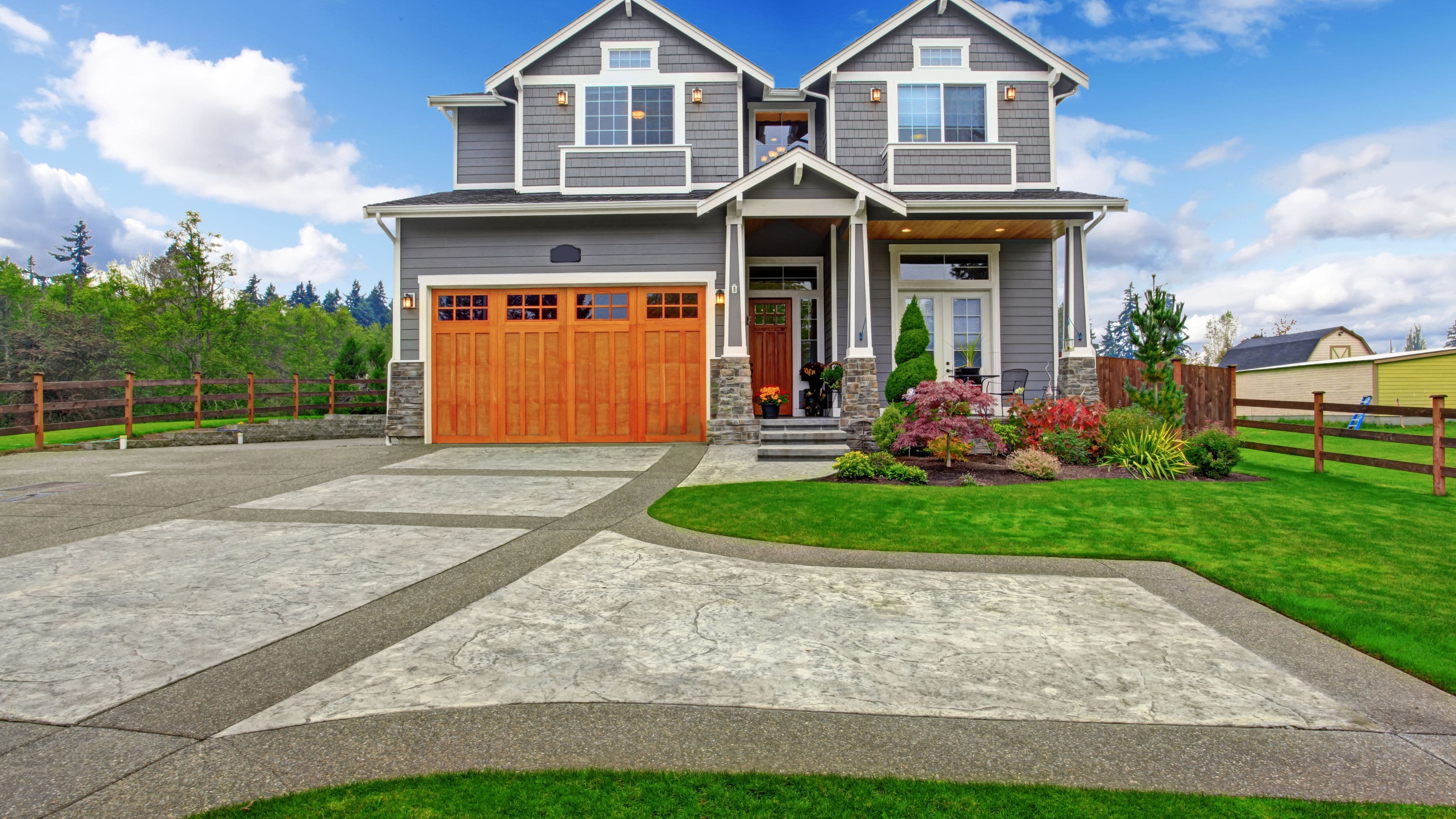
5. Landscape and Curb Appeal Refresh
Estimated cost: $500–$4,500 depending on scope
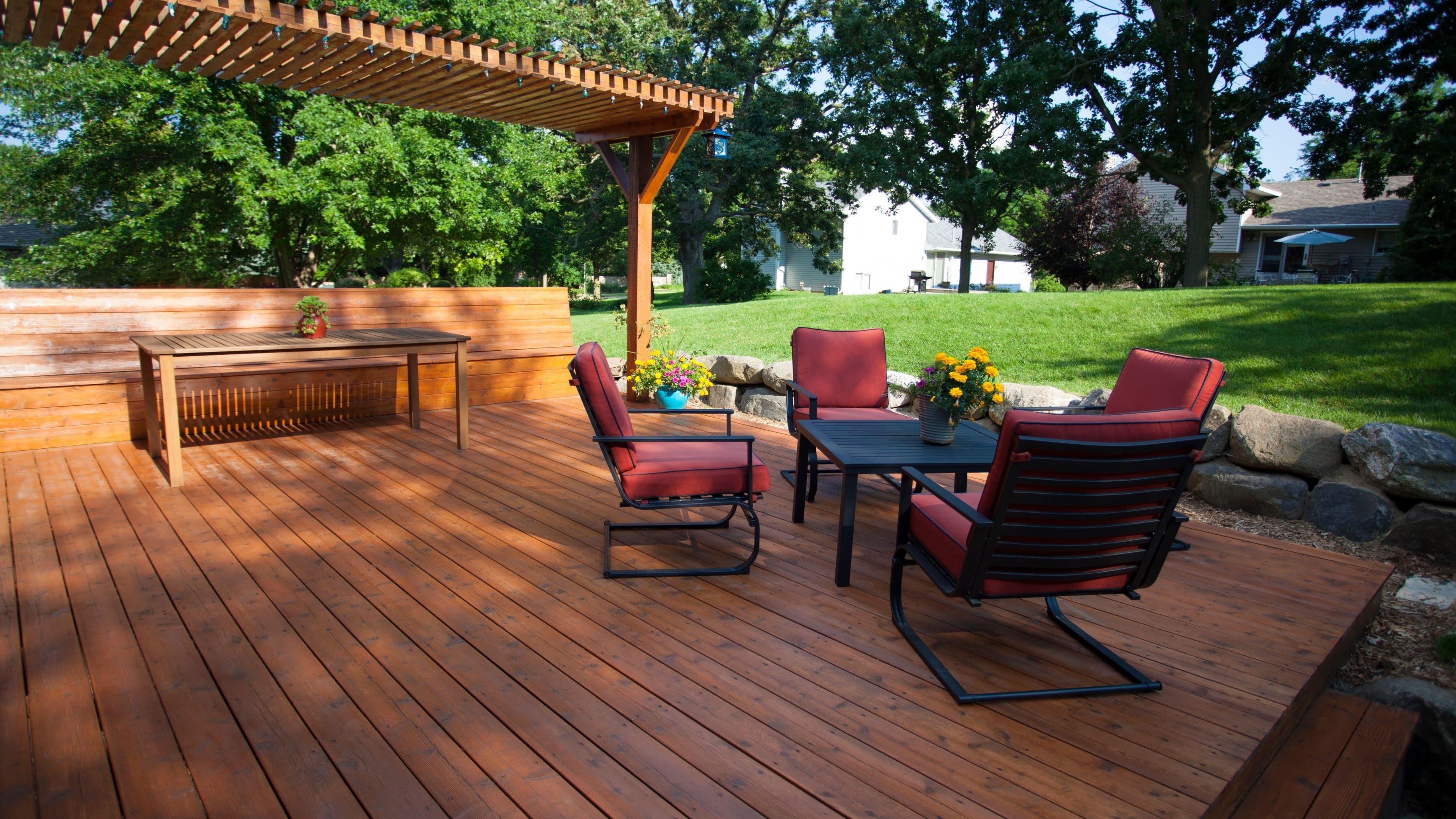
The exterior of your home sets expectations before anyone walks through the door, and those expectations – positive or negative – color everything that comes after. A property with overgrown shrubs, a patchy lawn, and bare mulch beds registers as neglected even if the interior has been beautifully maintained. Conversely, a clean, tidy exterior with defined beds, healthy plantings, and a clear entry path makes a home look cared for at a visceral level.
The highest-priority curb appeal tasks are removal and cleanup before anything else. Overgrown shrubs that crowd windows, dead plantings, and beds overrun with weeds should be cleared before new plants or materials are added. Renting a truck and spending a day on cleanup can cost $200–$400 in labor if you DIY, or $500–$900 with a landscaping crew, and the before-and-after effect is often more dramatic than any additive planting.
Fresh mulch is one of the best value-per-dollar upgrades in landscaping. A standard 2–3 inch layer of dark hardwood mulch in the beds makes plantings look intentional and the entire front of the home look fresh. Material cost runs $200–$500 for a typical front yard, and installation takes a weekend. Paired with a few targeted shrubs or flowering plants at the entry and flanking the front door, total cost lands in the $500–$1,500 range for a meaningful transformation.
For properties where the driveway or walkway is in rough condition, sealing a concrete or asphalt driveway ($100–$300 as a DIY project) restores the surface appearance substantially. Power washing the driveway, walkway, and front facade before any other work is a $50–$200 task (equipment rental or a service call) that removes years of accumulated grime and is the fastest single step to improving how the exterior photographs.
House numbers, exterior light fixtures, and the mailbox are small finishes that round out the curb appeal picture for under $200 combined. Brass house numbers that don't match any other metal on the exterior, a rusted mailbox, or a broken exterior light are the kind of details that register subconsciously and are entirely disproportionate in their negative impact relative to their cost to fix.
What to Avoid
Spending the budget in one room while leaving obvious problems elsewhere creates imbalance that buyers and appraisers notice. A beautifully refreshed kitchen next to an untouched bathroom with visible mold and dated fixtures doesn't add the value of the kitchen refresh – it just highlights the contrast. Spreading these five upgrades across the most visible spaces in the home (entry, kitchen, bathrooms, exterior) produces a more cohesive effect than going deep on one area.
Chasing trends rather than investing in timeless finishes is a common way to reduce the shelf life of what you spend. Matte black has been popular for several years and is likely to remain appealing; ultra-specific trend choices (terrazzo everything, arched doorways on all openings, maximalist tile) have shorter relevance windows. When you're investing in upgrades that you want to look good for five to ten years, lean toward what's current but not cutting-edge.
Skipping professional help for work that requires it costs money in the long run. Paint that's applied without careful prep and trim work, caulk that's applied without proper surface cleaning, and landscape work that doesn't account for drainage can all look worse six months later than before the upgrade happened. These aren't complex trades, but they benefit from knowing what you're doing – or hiring someone who does.
FAQ
Can I do all five of these upgrades myself to save money? Most of them are DIY-accessible with basic tools and some patience. Interior painting, cabinet hardware replacement, bathroom caulk, and basic landscaping are all manageable for someone willing to take the time to do them properly. The front door installation and kitchen faucet replacement are moderate DIY tasks that require more comfort with tools. The trade-off is time – professional trades complete these faster and often with a higher-quality finish that affects how the work reads in person and in photos.
Which of the five has the highest ROI? Front door replacement consistently ranks highest in national Cost vs. Value data. Interior paint has the highest visual-impact-per-dollar of any upgrade, particularly when photography matters for sale or rental listings. The right answer depends on the current condition of your home – the upgrade that fixes the most obvious problem returns the most.
Do these upgrades add value in every market? The visual and daily-use improvements are universal. The financial return varies by market, price tier, and comparable sales in your area. In competitive markets, these upgrades help a home sell faster and at asking price rather than below it. In slower markets, they reduce time on market and buyer negotiating leverage. Consult a local real estate agent before listing to understand which improvements are most relevant to current buyers in your specific area.
Is $5,000 a realistic total to do all five? At the lower end of each range – DIY painting, basic hardware, DIY curb appeal, cosmetic bathroom refresh, and a door refinish rather than replacement – total cost can land under $3,000. At the upper end, particularly with professional painting and a full door replacement, you're looking at $5,000–$7,000. The title refers to each upgrade individually staying under $5,000, which all five comfortably do.
The Bottom Line
None of these upgrades require structural changes, major trades, or weeks of disruption. Each one addresses something visible, valued, and immediately improvable – the front entry, the kitchen's hardware layer, the bathroom's age signals, the interior color story, and the property's curb presence. Together, they represent a coordinated investment in the things that people actually notice, remember, and factor into their perception of a home's quality and value.
📚 Sources
Remodeling Magazine – 2024 Cost vs. Value Report: https://www.remodeling.hw.net/cost-vs-value/2024/
National Association of Realtors – Remodeling Impact Report: https://www.nar.realtor/research-and-statistics/research-reports/remodeling-impact
This Old House – Curb Appeal Projects That Add Value: https://www.thisoldhouse.com/curb-appeal/21017268/curb-appeal-projects-that-add-value
Bob Vila – Best Home Improvements for Resale Value: https://www.bobvila.com/articles/home-improvements-that-add-value/
Family Handyman – Interior Painting Tips for a Professional Finish: https://www.familyhandyman.com/list/interior-painting-tips/
-jhajrFUGfI3zCQGjpAWcxuNPi1zUTB.jpg&w=3840&q=75)