
Why Composting Without a Yard Actually Works
Composting fundamentally requires managing organic material breakdown through microbial or, in some methods, worm-based decomposition, and none of this inherently requires outdoor space – it requires proper containment, appropriate moisture and airflow, and managing the process to avoid odor or pest issues, all of which are achievable indoors with the right method and setup.
The main adjustment for yard-free composting is choosing a method specifically designed for contained, indoor-friendly conditions rather than the larger, more open bins typically used in backyard composting setups, which rely on more airflow and space than most indoor situations comfortably allow.
Vermicomposting: Using Worms in a Contained Bin
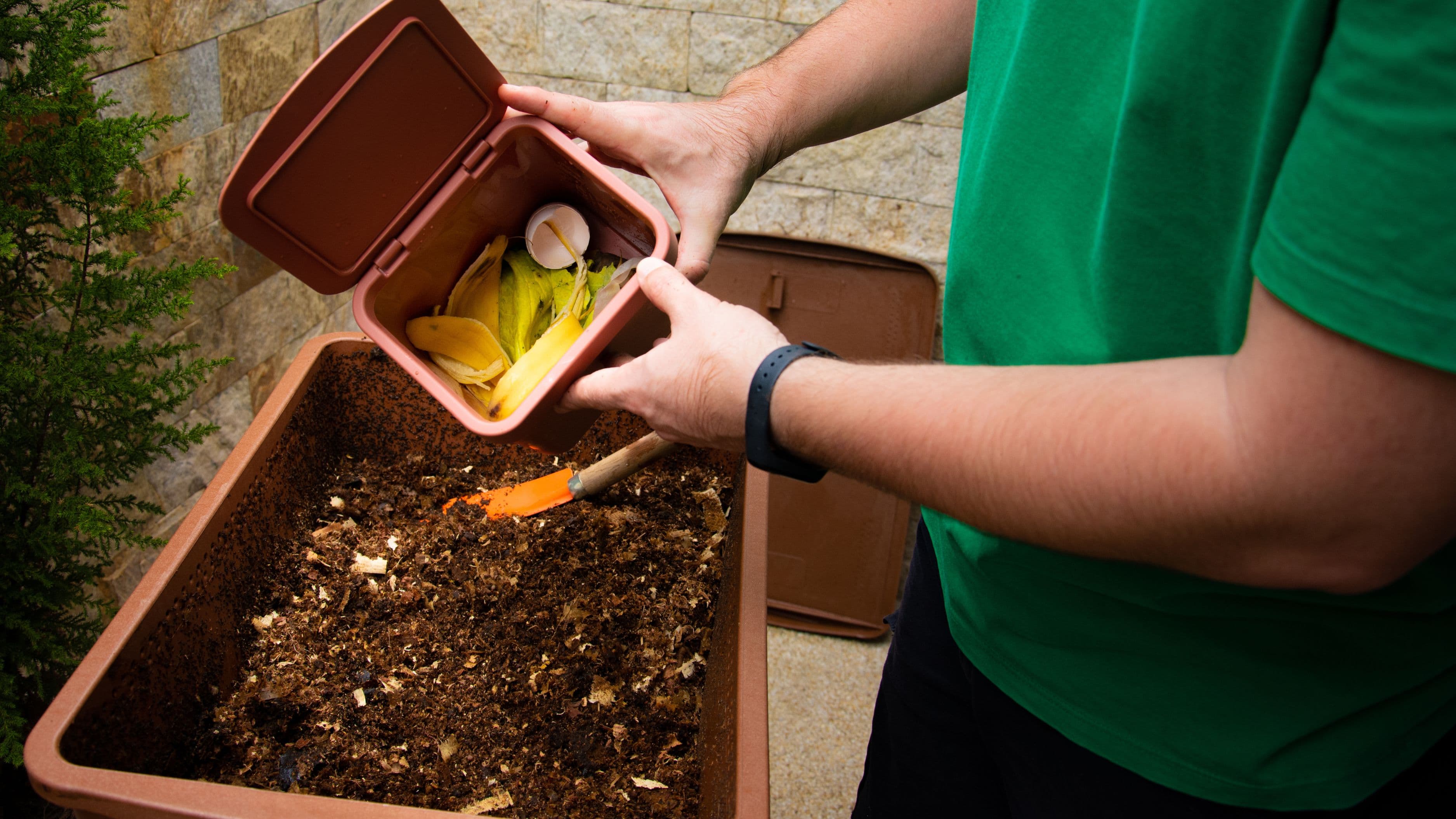
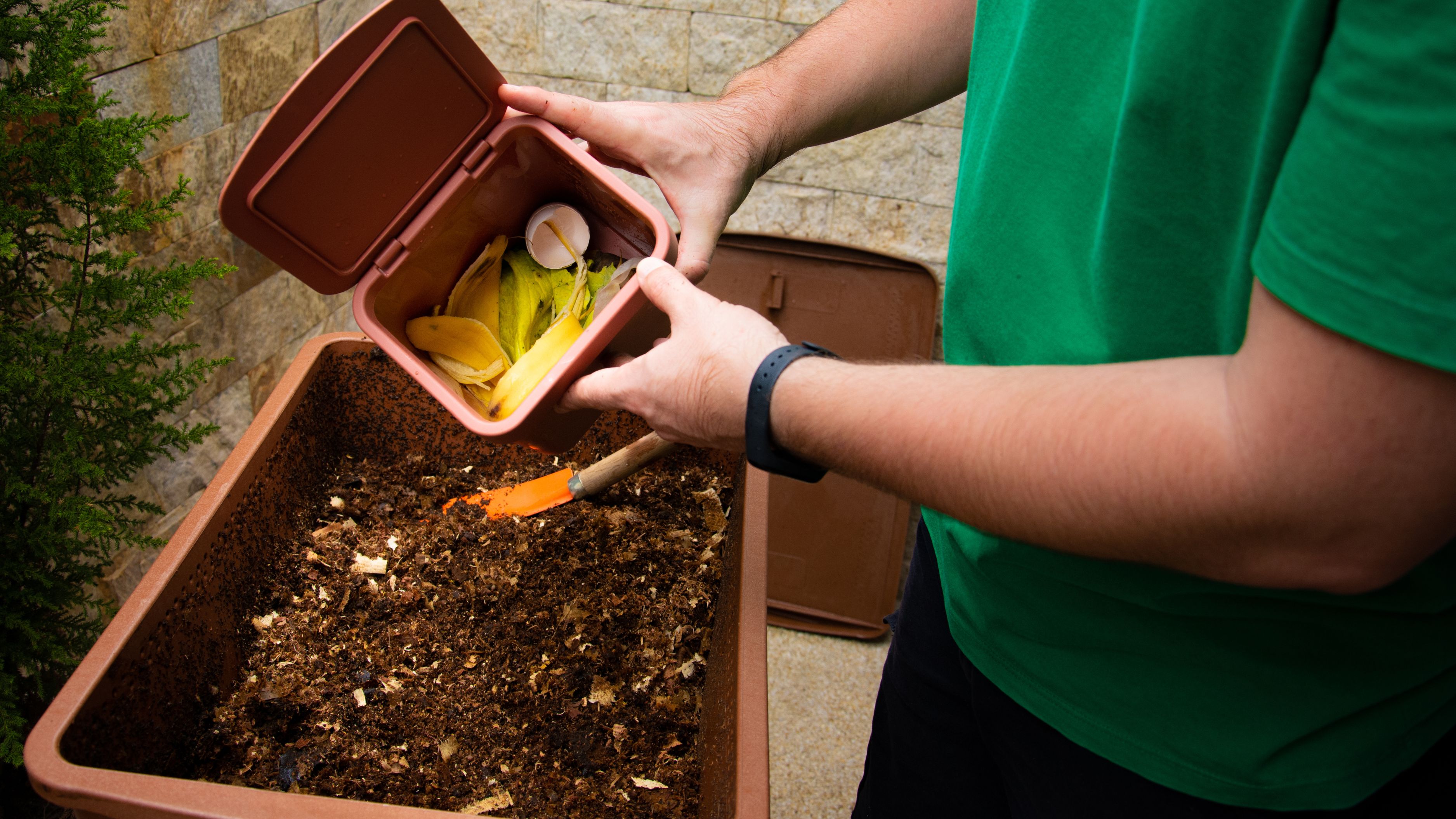
Vermicomposting uses red wiggler worms to break down food scraps within an enclosed bin, and it's one of the most popular yard-free composting methods, given how compact and low-odor it can be when properly managed. A well-maintained worm bin, using a mix of food scraps and bedding material like shredded newspaper, produces minimal odor and can fit comfortably under a sink, in a closet, or in a small dedicated corner of a kitchen or utility space.
Worm bins require some ongoing attention, including maintaining appropriate moisture levels and avoiding certain foods that worms don't process well, like meat, dairy, and excessively acidic foods, but the resulting compost, called worm castings, is considered particularly nutrient-rich for plants once the process completes, typically over two to four months for a fully established bin.
Bokashi Fermentation: A Faster, More Flexible Option
Bokashi composting uses a fermentation process rather than traditional decomposition, relying on a specific inoculated bran to ferment food waste in a sealed, airtight container over roughly two weeks. This method's key advantage for yard-free composting is its flexibility around what can be composted, including meat, dairy, and cooked foods that traditional composting methods, including vermicomposting, generally can't handle well.
After the fermentation period, the resulting material still needs to finish breaking down, either buried in soil (a community garden plot, if you don't have your own yard, works for this step) or through a secondary composting method, meaning bokashi is often best understood as a pre-processing step rather than a complete standalone composting solution for someone without any outdoor space at all.
Countertop Electric Composters
Electric composting appliances, which use heat and mechanical grinding to rapidly break down food waste into a soil-like material within hours rather than weeks, have become increasingly available and are specifically marketed toward yard-free composting situations. These appliances are considerably more expensive upfront than a simple worm bin or bokashi setup, but they offer meaningfully faster processing time and require less ongoing management than biological composting methods.
It's worth understanding that some electric composters produce a dehydrated, ground material that still needs further biological composting to become fully finished compost suitable for direct plant use, while others complete a more thorough breakdown process, so checking a specific appliance's actual output and any additional finishing steps required is worth confirming before purchasing.
Community Composting Drop-Off Programs
If managing any composting method yourself isn't practical given your specific space or schedule, many cities and municipalities now offer community composting drop-off programs, where you collect food scraps in a small countertop container and drop them off at a designated community location, farmers market, or municipal collection point on a regular basis. This requires no ongoing management of the actual composting process yourself, just consistent collection and drop-off of your own food scraps.
Checking your specific city's waste management website or local community garden organizations is the most reliable way to find out whether this kind of program exists in your area, since availability varies considerably by location.
Managing Odor and Pest Concerns Indoors
Proper composting, regardless of method, shouldn't produce strong, unpleasant odors if managed correctly, and persistent odor is generally a sign something needs adjusting, like excess moisture, insufficient airflow, or including foods that shouldn't be in your specific composting method. Keeping a properly balanced ratio of "greens" (fresh food scraps) to "browns" (dry material like shredded paper) matters for vermicomposting specifically, since too much fresh food waste relative to dry bedding material tends to create both odor and pest issues.
Sealed methods like bokashi fermentation or electric composters inherently reduce pest access risk compared to more open bin systems, which is worth considering if pest concerns are a particular worry in your specific living situation.
What to Avoid
Avoid starting a worm bin or traditional composting method without researching which specific foods to avoid, since certain items – meat, dairy, oily foods, and some acidic foods – can cause odor, pest problems, or harm to composting worms specifically if included inappropriately. It's also worth avoiding overloading any indoor composting system with more food waste than it can process at a reasonable rate, since this imbalance is a common cause of odor and slow processing issues regardless of which specific method you're using.
FAQ
Which yard-free composting method is easiest for a complete beginner? Bokashi fermentation is often considered the most beginner-friendly given its flexibility around food types and relatively simple, structured process, though it does require a finishing step afterward unlike a fully self-contained vermicomposting system.
Does indoor composting smell bad? Properly managed indoor composting, using any of these methods correctly, shouldn't produce strong, persistent odors. Noticeable ongoing odor typically indicates an imbalance in the process that's worth troubleshooting and adjusting.
What do I do with finished compost if I don't have a yard to use it in? Finished compost can be used for houseplants, donated to a community garden, or given to friends or family with garden space, making a lack of personal outdoor space less of a barrier to composting than it might initially seem.
How much space does a worm bin actually require? A standard worm bin for a small household typically fits in a space roughly the size of a large storage container, commonly placed under a sink, in a closet, or in a utility area, making it genuinely feasible even in smaller apartments.
📚 Sources
U.S. Environmental Protection Agency – Composting at Home Guide
Cornell Waste Management Institute – Vermicomposting Research