
Here's the uncomfortable truth: 97% of Americans believe they should be prepared for a disaster, yet only 57% have actually taken steps to do so, according to FEMA's National Household Survey. We're living in an era where we meticulously backup our digital files to the cloud but leave our physical preparedness to chance. Most of us assume we'll figure it out when the time comes, but emergencies don't send calendar invites.
Whether you're a side hustler working from home, a freelancer whose livelihood depends on staying connected, or an entrepreneur managing a remote team, being unprepared doesn't just risk your safety—it can derail your income stream entirely. The good news? True emergency readiness isn't about building a bunker or spending thousands on gear. It's about having six crucial essentials that most people overlook entirely.
Let's talk about what's actually missing from your emergency plan.
1. A Communication Lifeline Beyond Your Phone
Your smartphone isn't the safety net you think it is.
When disasters strike, cell towers often go down first. During Hurricane Katrina, over 1,000 cell towers failed, leaving millions without communication for days. Your iPhone becomes an expensive paperweight the moment the network collapses. Yet most people have zero backup communication plan.
Consider adding a battery-powered or hand-crank radio to your supplies. These aren't your grandfather's AM/FM boxes anymore—modern emergency radios receive NOAA weather alerts, have built-in flashlights, and some even charge your devices. More importantly, they receive broadcasts when every other communication method fails. For entrepreneurs and freelancers, losing touch with clients during an emergency can mean lost contracts. A simple $30-50 radio gives you access to emergency information and maintains your connection to the outside world.
Here's what people miss: communication isn't just about calling for help. It's about knowing what's happening, when it's safe to act, and how to protect your assets—including your business.
2. Power Banks That Actually Last
That 5,000mAh power bank from three years ago? It's probably holding about 60% of its original charge, if you're lucky.
Portable chargers degrade over time, especially if they're sitting unused in a drawer. The entrepreneur who depends on their laptop for client calls, the freelancer who needs their tablet for project management, the student juggling online classes—they all share one vulnerability: dead devices equal dead productivity. In an emergency, when power might be out for days, your standard consumer power bank will get you through maybe one or two full charges before it's toast.
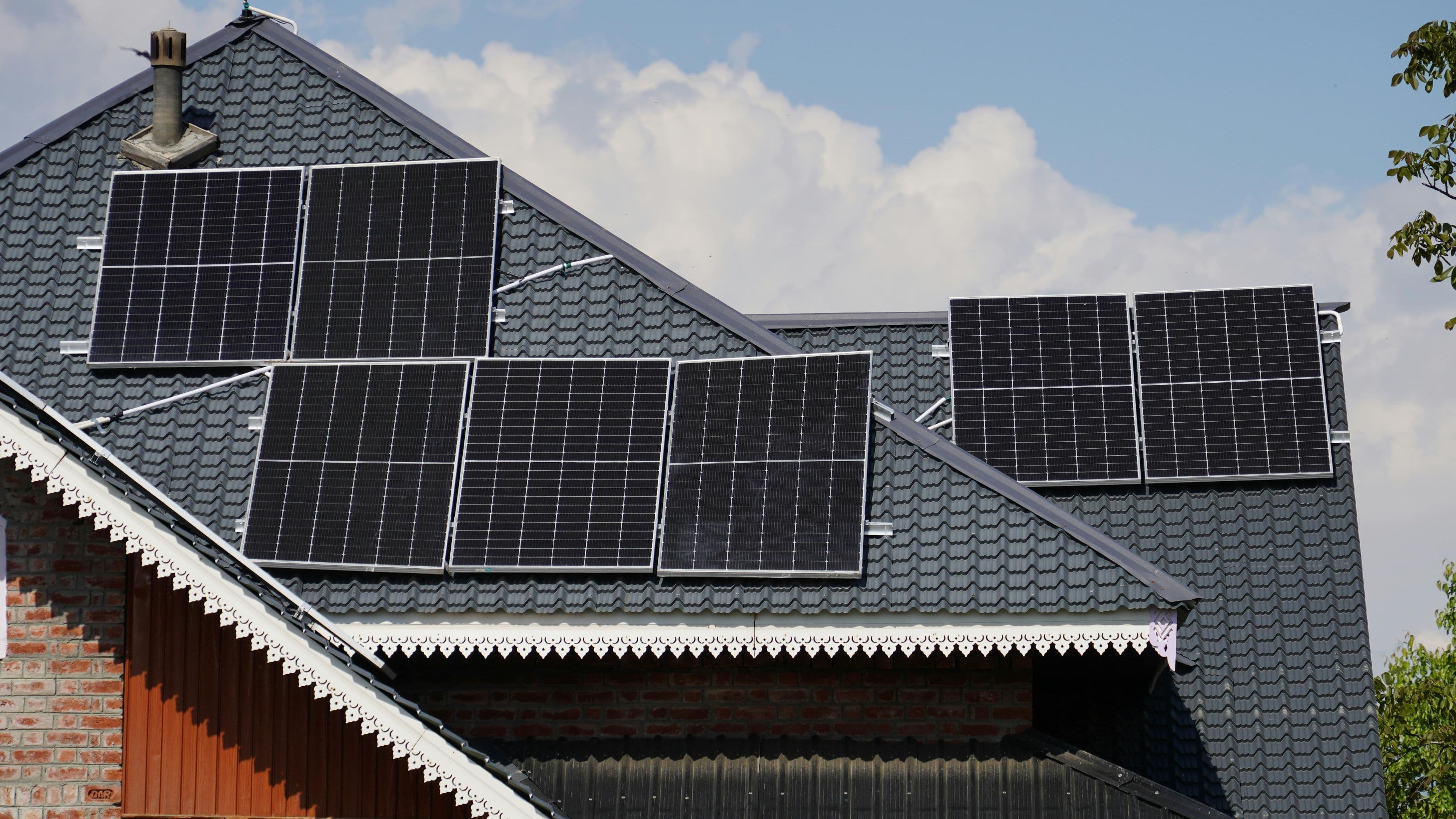
Invest in high-capacity power banks (20,000mAh or higher) and, crucially, actually maintain them. Charge them every three months, even if you're not using them. This simple habit extends their lifespan and ensures they'll actually work when you need them. Better yet, consider a solar charging option for extended outages. Yes, they're slower, but they provide indefinite power as long as the sun's out.
The real game-changer? Keep one power bank dedicated solely to emergencies. Don't cannibalize it for everyday use. When your neighbors are three days into a blackout with dead phones, you'll still be checking weather updates and staying in touch with loved ones.
3. Physical Copies of Digital Everything
The cloud is wonderful until the internet disappears.
We've become so digitally dependent that most people can't access their own vital information without WiFi. Think about it: Can you prove you own your house without logging into an account? Do you know your insurance policy number by heart? Could you access your bank account details if every device you owned was dead or destroyed? Most people answer no to all three.
Create a waterproof, fireproof folder containing physical copies of everything critical: insurance policies, property deeds, birth certificates, passport copies, medical records, and a list of important account numbers and contacts. For side hustlers and entrepreneurs, add business licenses, client contracts, and vendor information. Store one set at home and another with a trusted person outside your immediate area.
Here's the part nobody thinks about: include cash. Not a little—enough to survive two weeks without electronic payment systems. ATMs don't work without power, and credit cards are useless if the payment network is down. The Federal Emergency Management Agency recommends having enough cash to cover essential expenses for at least three days, but smart preppers keep enough for two weeks.
4. A WiFi Alternative That Keeps You Connected
Your side hustle can't afford three days of radio silence.
For anyone earning income online—and that's most side hustlers, freelancers, and digital entrepreneurs—losing internet connectivity doesn't just mean missing cat videos. It means missed deadlines, angry clients, and potentially lost income. Yet almost nobody has a backup internet solution.
Mobile hotspots are the obvious answer, but they rely on cell towers that might be down. Consider a more robust solution: a portable WiFi router that can work with multiple connection types, or even a satellite communication device for extreme situations. These range from affordable ($100-200) to premium ($500+), but the investment pays for itself the first time you maintain business continuity during a crisis.
The smarter play? Establish relationships now with nearby coffee shops, libraries, or coworking spaces that have backup generators. Know your options before you need them. Create a "connection map" of every location within a 20-minute drive that offers reliable internet and power redundancy. When your home goes dark, you'll have a backup office ready.
5. Food and Water That Doesn't Require Power
Your refrigerator contents won't survive day two.
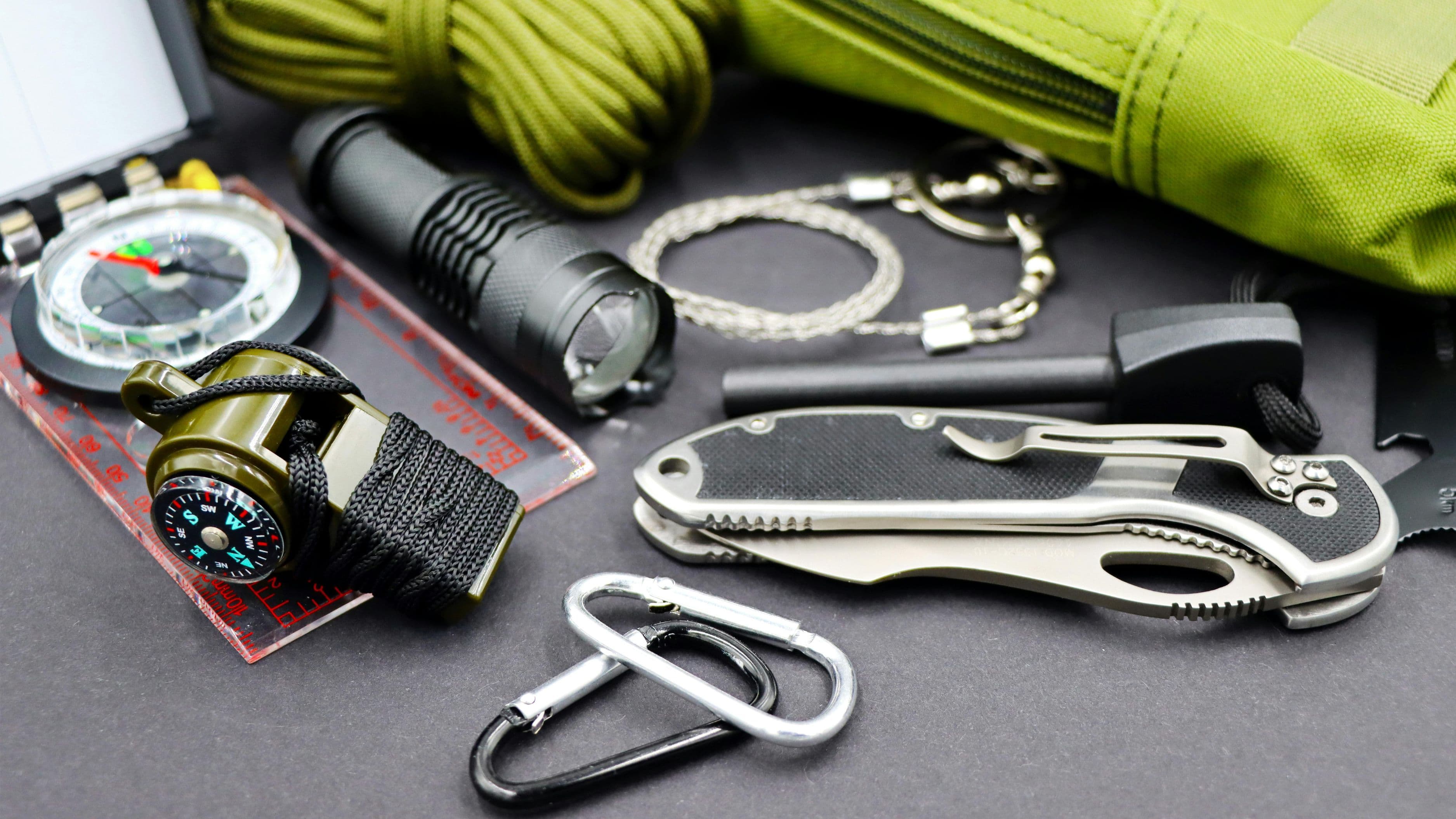
Most emergency food advice tells you to stock canned goods, which is fine but incomplete. The real question is: Can you actually prepare food without electricity or gas? Do you have a manual can opener? A camping stove? Fuel for cooking? Most households have food but no way to make it edible during an extended outage.
Beyond the standard three-day supply of water (one gallon per person per day), consider water purification methods. Tablets, filters, or even a basic LifeStraw can turn questionable water into drinkable supply. This matters more than you'd think—during many disasters, water systems become contaminated before anyone realizes it.
For side hustlers and freelancers working extended hours, nutrition directly impacts cognitive performance. Having ready-to-eat, nutritious options means you can maintain productivity even during crisis conditions. Stock protein bars, nuts, dried fruits, and shelf-stable meals that don't require cooking. Your brain needs fuel to keep your income stream flowing.
6. A Financial Safety Net in Multiple Forms
Your emergency fund shouldn't live entirely in one bank.
Financial preparedness is the most overlooked aspect of emergency readiness, yet it's often the most critical. Natural disasters, health emergencies, and economic disruptions don't just threaten your physical safety—they attack your financial stability. For entrepreneurs and side hustlers whose income can be irregular, this vulnerability multiplies.
Diversify your emergency savings across multiple institutions. Keep some in a high-yield savings account, some in physical cash at home, and consider some in easily liquidated investments. The goal isn't maximum returns—it's maximum accessibility during various disaster scenarios. If your bank's systems go down or your area's under evacuation, you need money you can actually access.
Here's the entrepreneur angle: maintain a separate business emergency fund covering three months of essential business expenses. This includes software subscriptions, domain renewals, essential tools, and vendor payments. When personal disaster strikes, the last thing you need is your business collapsing too. This separation protects both your livelihood and your recovery ability.
The Bigger Picture
Emergency preparedness isn't about paranoia—it's about building resilience into your life and business. Every item on this list serves double duty: it protects you during genuine emergencies while providing peace of mind that lets you focus on growth during normal times.
The most successful side hustlers and entrepreneurs share one trait: they eliminate vulnerabilities before they become crises. They don't wait for perfect conditions to act; they create conditions that work regardless of external chaos. Emergency preparedness is just risk management applied to your personal life.
So here's the question worth sitting with: If everything went wrong tomorrow, would your preparation match your ambition? Or would you be scrambling to rebuild from zero while your competitors—the ones who prepared—keep moving forward?
The choice, as always, is yours. But the time to choose is now, before the lights go out.
📚 Sources
Federal Emergency Management Agency. (2023). National Household Survey: Summary of Key Findings. FEMA.
Federal Communications Commission. (2006). Hurricane Katrina: Impact on Communications Infrastructure. FCC Report.
-jhajrFUGfI3zCQGjpAWcxuNPi1zUTB.jpg&w=3840&q=75)