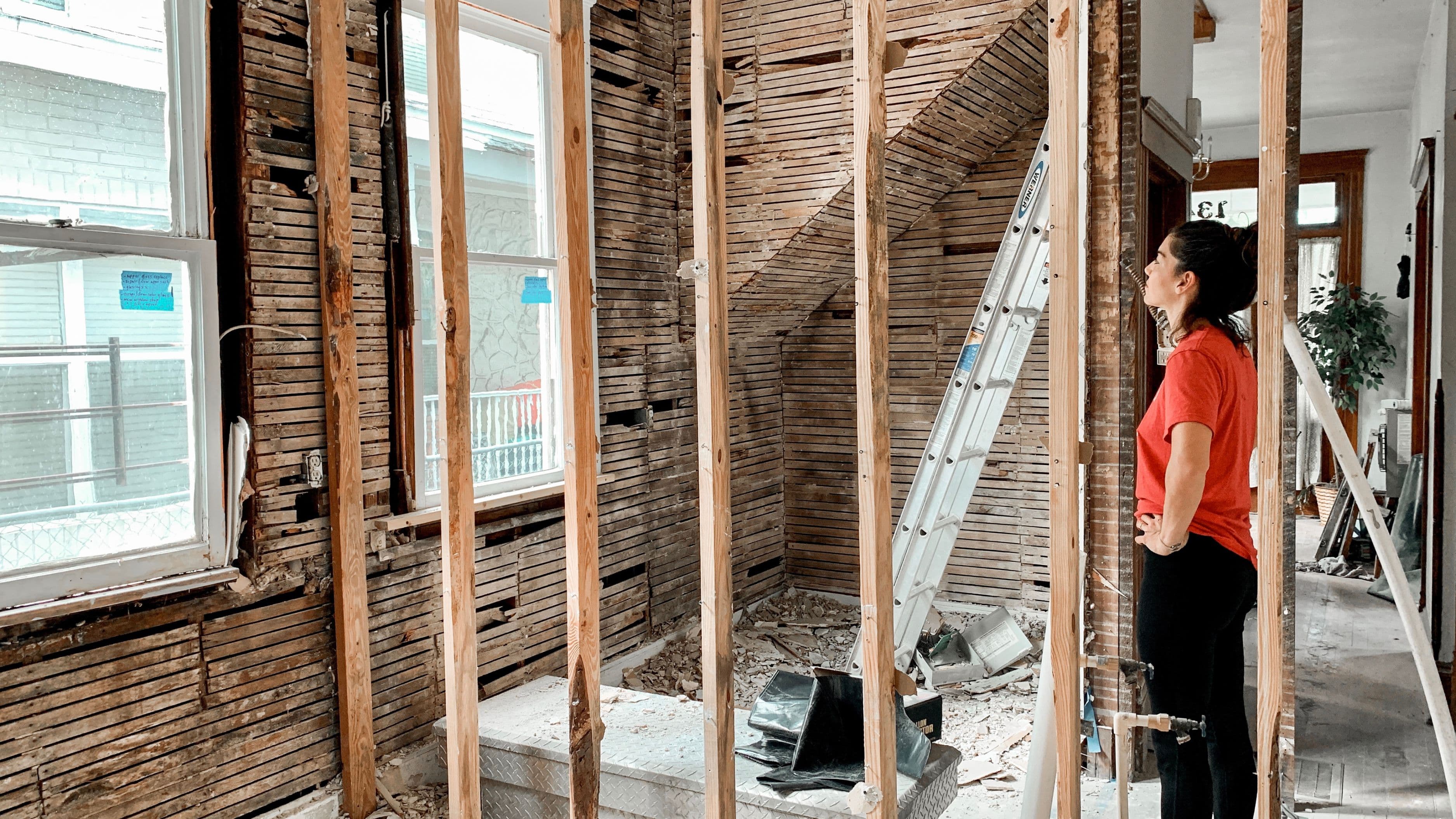


Whether you live in a rainy climate, a humid state, or just want peace of mind, preventing mold and moisture buildup is one of the smartest things you can do to maintain your home’s integrity—and your family’s health.
In this ultimate guide, we break down 8 essential, practical steps to keep your home dry and mold-free all year round. Think of it as your seasonal action plan to fight off moisture from every angle.
1. Seal the Envelope
Your home’s “envelope”—the exterior walls, roof, windows, and doors—is your first line of defense against moisture. Cracks, gaps, and deteriorating seals let water sneak in and stay trapped.
Why it matters: Even tiny leaks can lead to big mold problems over time, especially in walls or attics where air circulation is poor.
Tip: Check for signs of wear around windows, doors, and rooflines every spring and fall. Use weatherstripping, caulk, or expanding foam to seal gaps. Pay extra attention after a storm or harsh winter—those are peak times for damage.
2. Maintain Proper Roof Drainage
If your gutters or downspouts are clogged, water will back up and find its way into your roof, siding, or even your foundation.
Why it matters: Poor drainage leads to water pooling, which creates the perfect breeding ground for mold and mildew on roofs, basements, and crawl spaces.
Tip: Clean gutters at least twice a year (more if you live near trees). Make sure downspouts direct water at least 5–10 feet away from your foundation using extensions or splash blocks.
3. Balance Indoor Humidity
Mold thrives when humidity levels climb above 60%. In many homes, the bathroom, kitchen, and basement are the biggest culprits.
Why it matters: High humidity isn't just uncomfortable—it accelerates mold growth in insulation, drywall, and furniture.
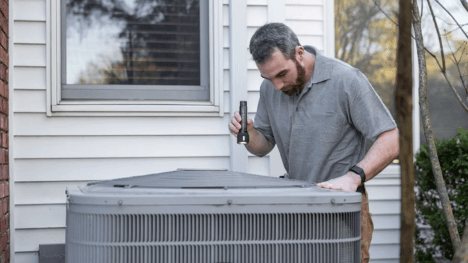
Tip: Invest in a digital hygrometer to monitor indoor humidity. Use dehumidifiers in damp areas like basements, and make sure your HVAC system has the right capacity for your home’s size. Ideal indoor humidity is between 30%–50%.
4. Ventilate Moisture-Prone Areas
Moisture builds up quickly in spaces where water is used frequently. Without proper ventilation, that steam and condensation has nowhere to go—and that’s when mold takes hold.
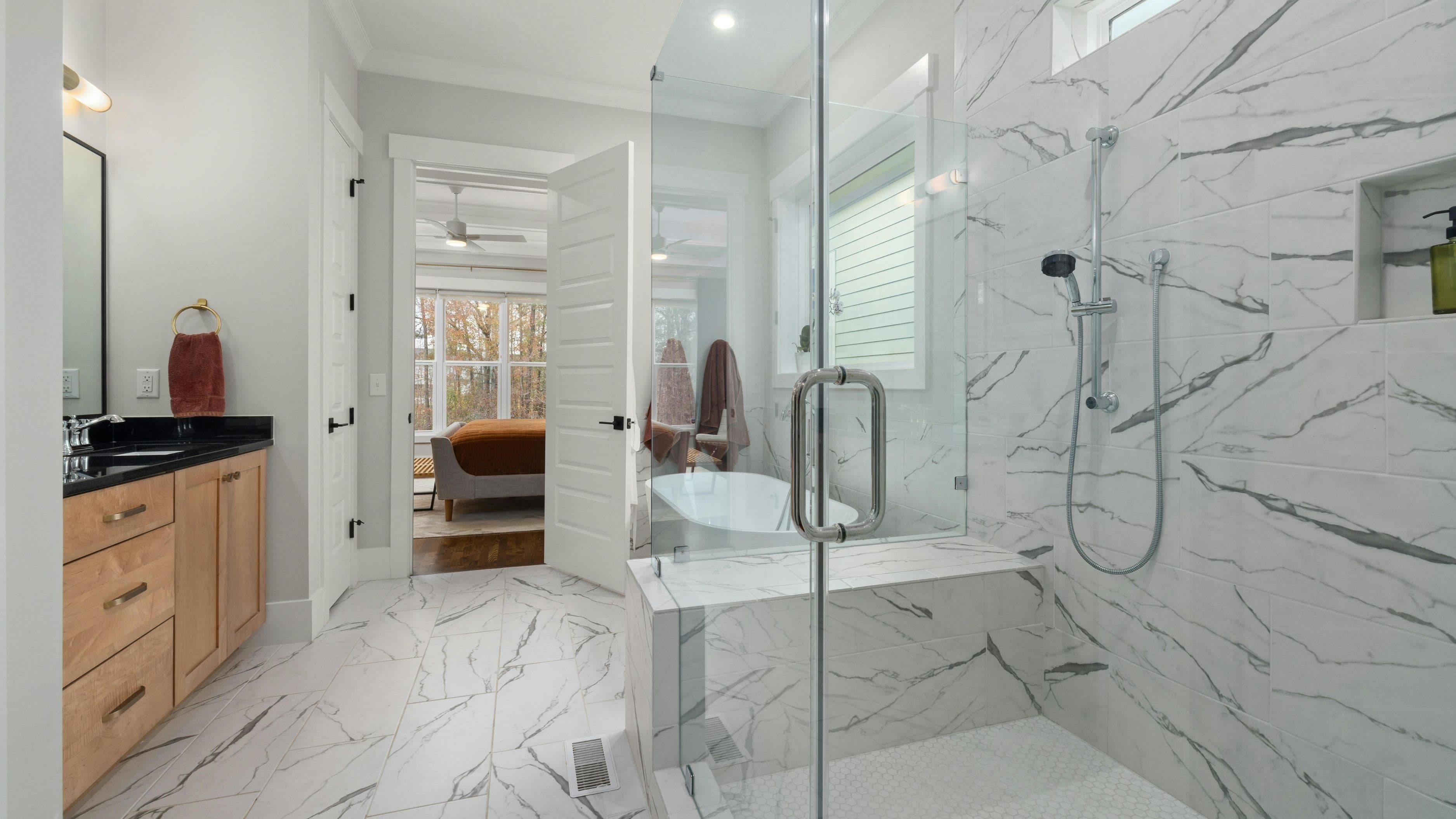
Why it matters: Bathrooms and kitchens without adequate airflow are mold magnets, especially behind walls and under flooring.
Tip: Use exhaust fans every time you shower or cook, and let them run for at least 15 minutes afterward. If possible, upgrade to humidity-sensing fans that turn on automatically when moisture spikes.
5. Fix Leaks Fast
Whether it’s a dripping pipe under the sink or a cracked shower tile, leaks introduce a constant stream of moisture into your home—and mold doesn’t need much to take root.
Why it matters: Water damage often goes unnoticed behind cabinets, appliances, or walls until mold becomes visible or smells musty.
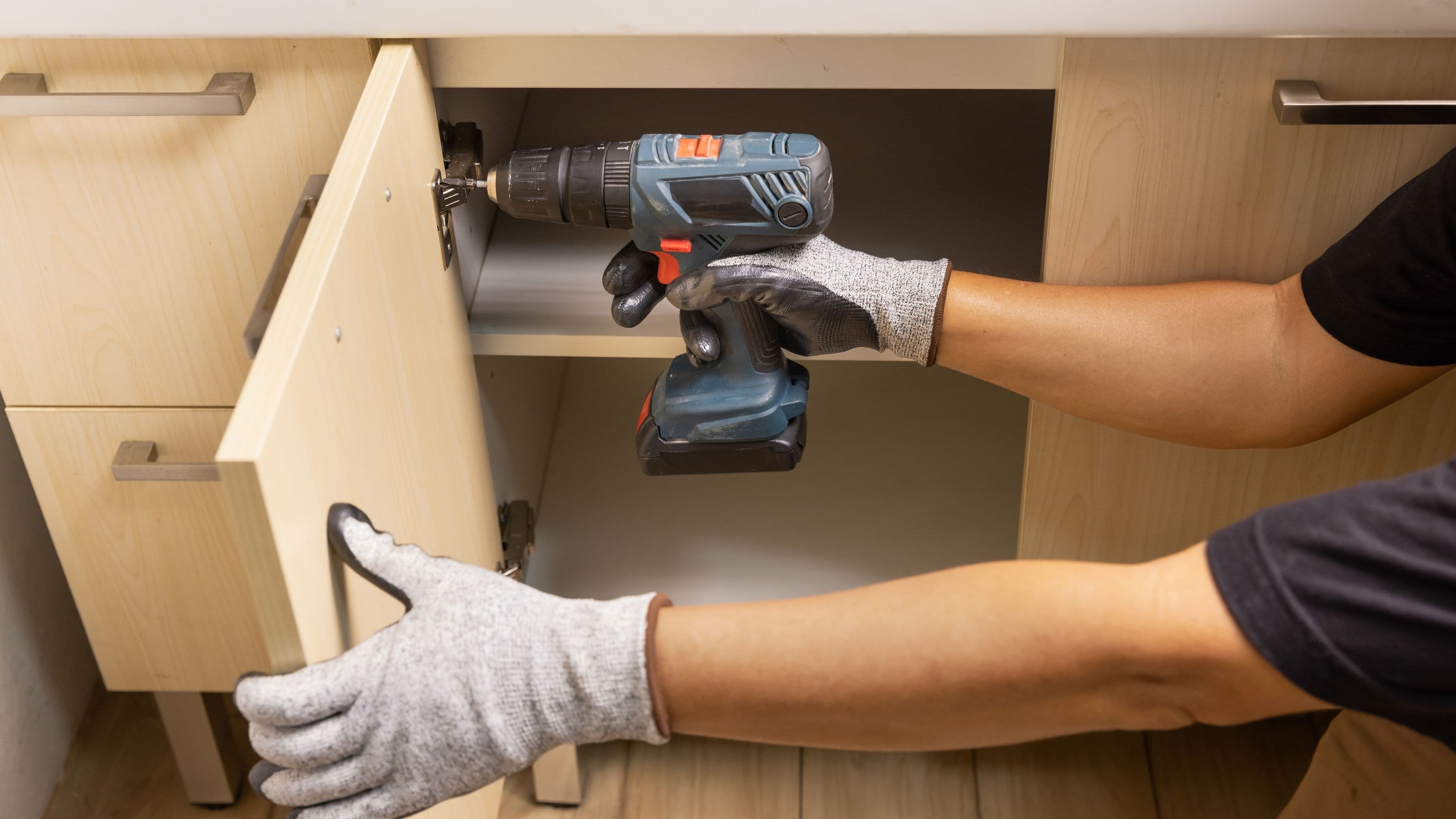
Tip: Inspect under sinks, around appliances, and behind toilets every month for signs of leaks or water staining. Fix small issues right away and consider using leak detectors with alarms for peace of mind.
6. Improve Air Circulation
Stagnant air encourages condensation and creates dead zones where moisture can build up. This is especially true in closets, corners, or behind large furniture.
Why it matters: Good airflow keeps surfaces dry and inhibits the conditions mold needs to grow.
Tip: Leave interior doors open, especially during the day, and use ceiling fans or standalone fans to promote air movement. Avoid cramming furniture flush against walls—leave at least 2–4 inches to allow airflow.
7. Choose Mold-Resistant Materials
Some parts of your home are more vulnerable to moisture than others, so choosing materials that resist mold growth is a smart preventive move.
Why it matters: Once mold takes hold in porous surfaces like drywall, carpet, or insulation, it’s extremely difficult—and expensive—to fully eliminate.
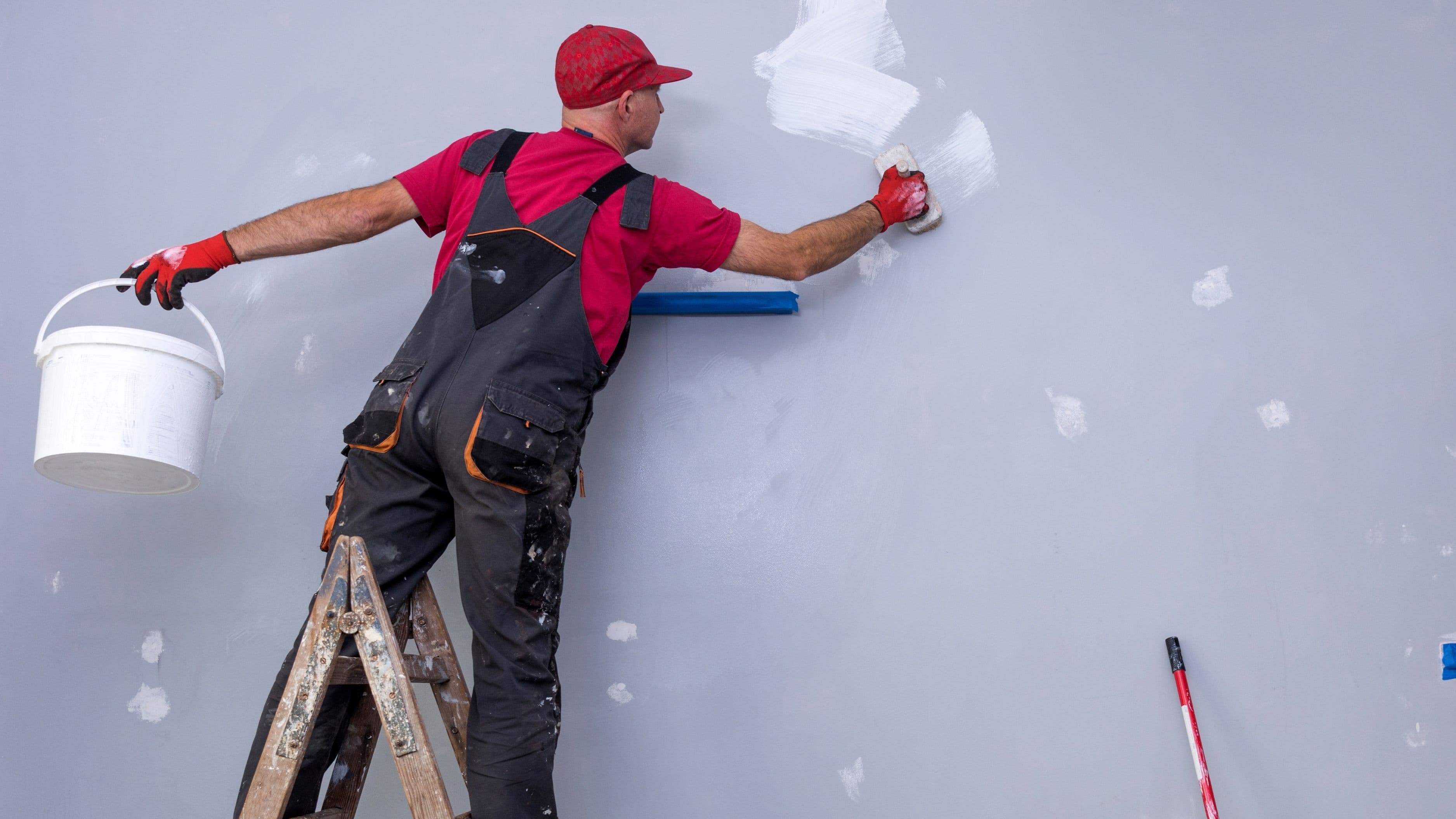
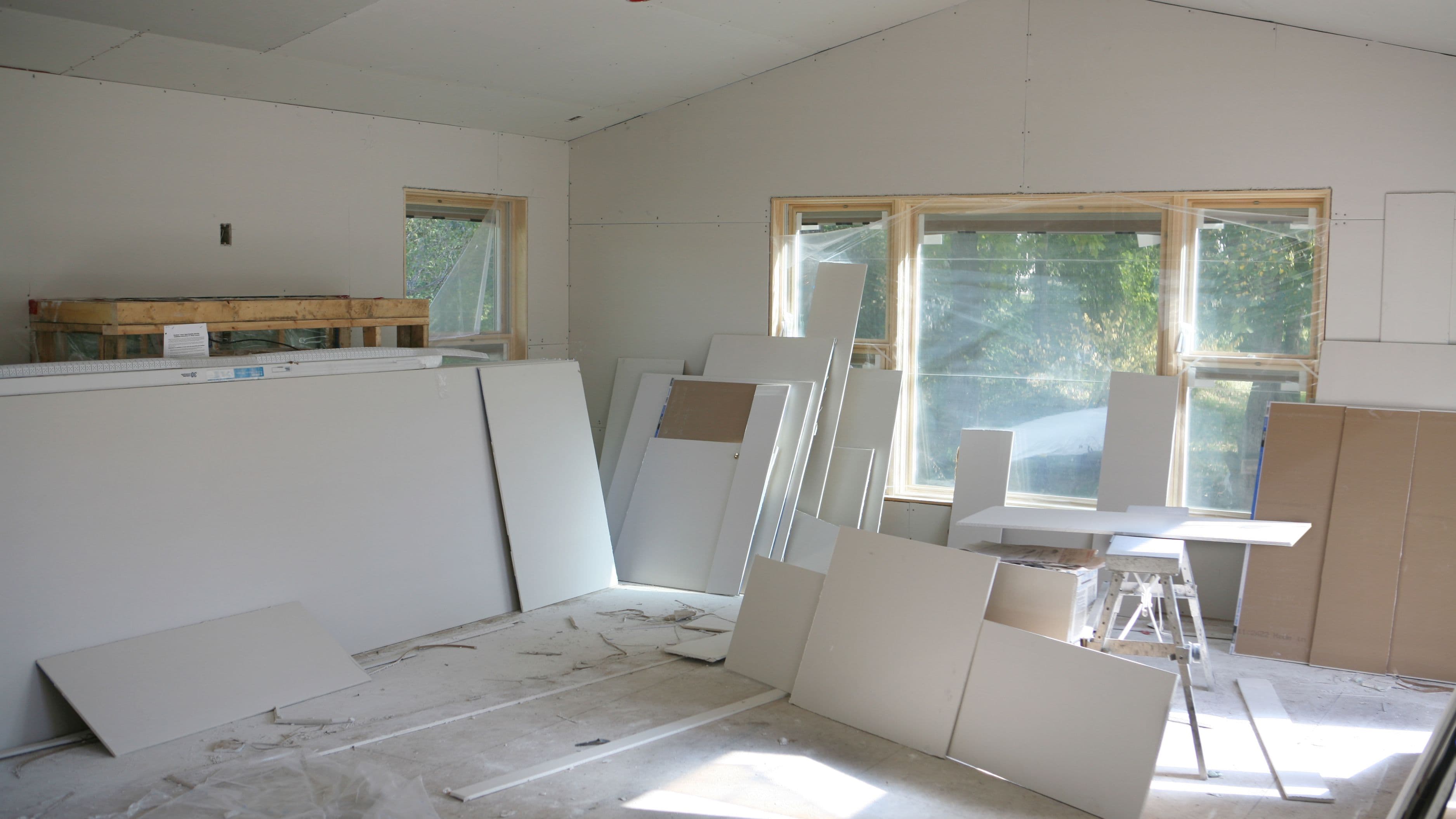
Tip: In high-moisture zones like bathrooms, laundry rooms, and basements, opt for mold-resistant drywall (also called greenboard), vinyl flooring, and semi-gloss paints that repel moisture. When renovating, ask for moisture-rated materials.
8. Deep Clean Regularly
Dust and organic matter (like skin cells and pet dander) are food sources for mold. Left undisturbed, they can encourage mold growth even in drier areas.
Why it matters: A clean home is a mold-resistant home. Regular cleaning reduces the fuel mold spores need to grow.
Tip: Vacuum with a HEPA filter weekly and wipe down windowsills, baseboards, and bathroom surfaces regularly. Clean out your fridge drip pan every 6 months—that’s a hidden moisture trap most people forget.
Bonus Tip: Landscape for Drainage
Outdoor water problems often become indoor water problems. Poor yard drainage or sloping can funnel rainwater toward your foundation.
Why it matters: Water pooling around your home raises soil moisture levels, increasing basement dampness and putting pressure on the foundation.
Tip: Make sure your yard slopes away from your house, and use gravel or French drains in problem areas. If water collects near your foundation, call a drainage professional to assess and recommend solutions before the next big storm.
Conclusion: A Mold-Free Home Is a Healthier Home
Mold prevention isn’t about a one-time fix—it’s about consistency. By controlling moisture, improving ventilation, and staying vigilant, you can keep mold at bay and protect both your property and your family’s well-being.
Start with the tip that feels most manageable for your space, and build from there. Trust us—when you breathe easier, sleep better, and know your home is protected from hidden damage, it’s all worth it.
📚 Sources
U.S. Environmental Protection Agency. (2024). Mold Cleanup in Your Home.
Centers for Disease Control and Prevention. (2023). Basic Facts About Mold and Dampness.
National Association of Home Builders. (2025). Moisture Management in Residential Construction.
Energy Star. (2025). Dehumidifiers and Ventilation Tips.
-jhajrFUGfI3zCQGjpAWcxuNPi1zUTB.jpg&w=3840&q=75)