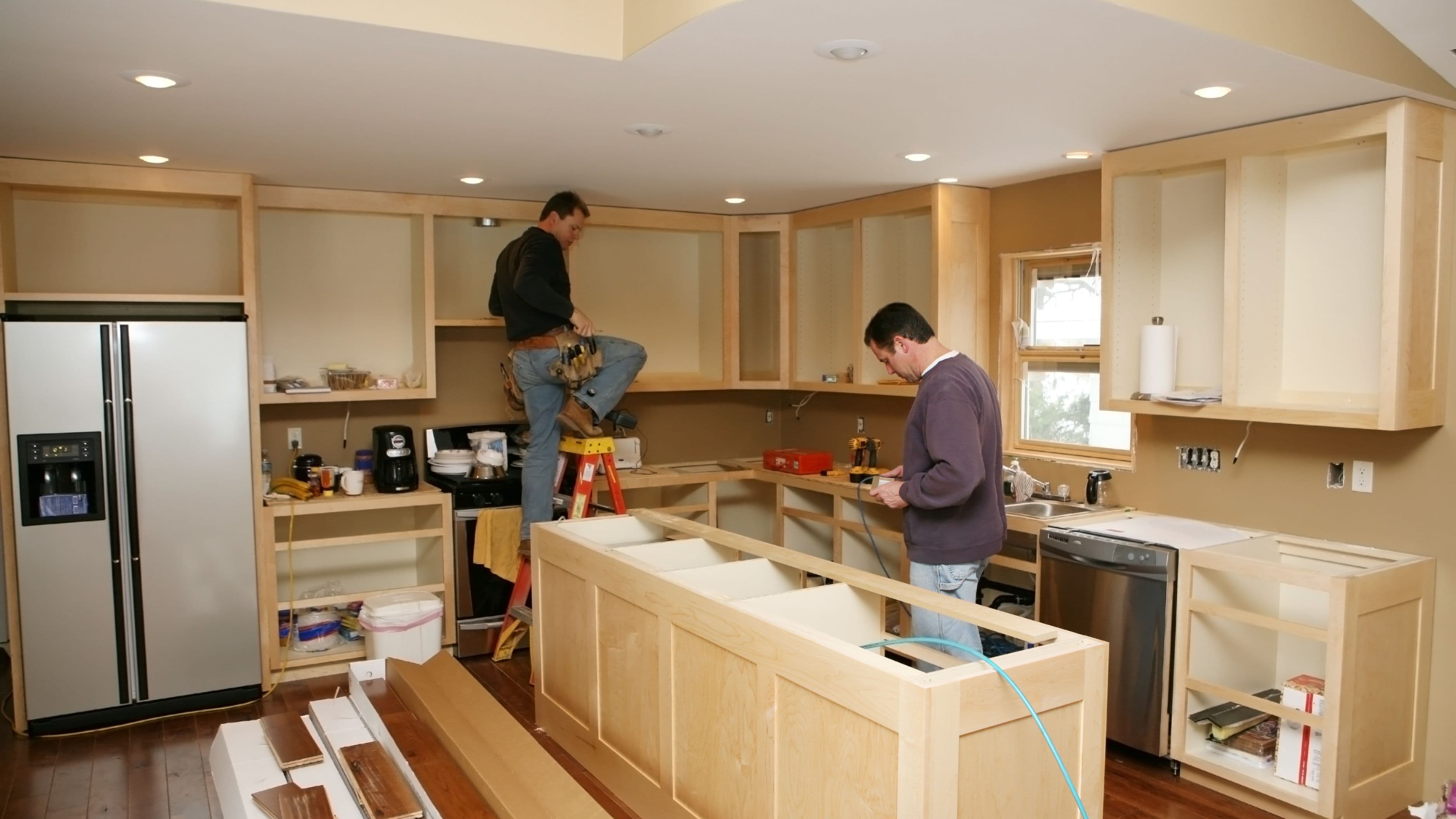
Step 1: Define Scope Before You Touch a Number
The most common budgeting mistake is skipping straight to cost research before you have a clear picture of what you're actually renovating. Scope determines cost, and vague scope leads to vague estimates that fall apart the moment real work begins.
Start by listing every room and system you intend to touch. For each one, decide the level of renovation: cosmetic (paint, fixtures, hardware), moderate (new surfaces, updated plumbing or electrical), or full (structural changes, layout modifications, full system replacements). A cosmetic kitchen refresh and a full kitchen gut-renovation might both be described as "kitchen renovation," but they're a $5,000 and $50,000 project respectively.
Write it down in detail. The more specific your scope document, the more accurate your estimates will be. "New kitchen" is not a scope. "Replace cabinets and countertops, keep existing layout, update sink and faucet, new backsplash, repaint" is a scope. When you hand a document like that to a contractor, you get a real number back rather than a ballpark range with a wide margin of interpretation.
Step 2: Build Your Budget in Three Layers
A renovation budget that's just a list of anticipated costs will almost always come in under what the project actually requires. A more reliable structure uses three layers: the base budget, the contingency reserve, and the soft costs.
The base budget covers all the work you've scoped: materials, labor, permits, and equipment rental. This is the number most people think of as "the budget," and it should be built from actual quotes, not rough estimates you found online. Get three quotes for any significant trade work – framing, plumbing, electrical, HVAC, tile – and use the middle figure as your planning number.
The contingency reserve is non-negotiable and should be separate from your base budget. The industry standard is 15–20% of the base budget for projects in existing homes, and up to 25% for older homes or projects involving walls, floors, or ceilings being opened up. When you open walls in a 1970s house, you don't always know what you'll find. Contingency is not pessimism – it's realism. If you don't use it, you've given yourself a pleasant surprise. If you need it and don't have it, you're making compromises mid-project or reaching for credit.
Soft costs are the expenses most homeowners don't include in their original budget: permit fees, design or architectural drawings, structural engineering reports, inspections, temporary housing if you're displacing a kitchen or bathroom for weeks, disposal and dumpster fees, and the cost of replacing or moving furniture. These can add 5–15% to the total project cost depending on scope and location. Include them explicitly rather than hoping they'll fit within the base budget.
Step 3: Prioritize by ROI and Necessity
If your full scope costs more than your available budget, you need a framework for deciding what stays and what gets deferred – and "what I most want" is not a reliable framework. Two better filters are return on investment and structural necessity.
ROI-focused renovations are those that recoup a meaningful percentage of their cost in home value. Remodeling Magazine's annual Cost vs. Value report consistently shows that projects like minor kitchen remodels, bathroom updates, garage door replacements, and exterior work recover a higher percentage of cost than luxury additions or niche interior features. If budget is constrained, prioritizing work that holds or builds home value is the rational choice.
Structural necessity means anything that affects the safety, functionality, or weatherproofing of the home. A leaking roof, deteriorating foundation, outdated electrical panel, or failing HVAC system should always take priority over aesthetic improvements, even desirable ones. Deferred structural work becomes exponentially more expensive over time and limits your ability to get other work done around it.
Aesthetic improvements that don't contribute to structural health or resale value are the most deferrable category. They're not unimportant – you live in this house – but they're the right place to make cuts if the budget requires it.
Step 4: Get Real Quotes, Not Online Estimates
Online cost calculators and national average figures are useful for orientation, but they're not reliable for actual budgeting. Material costs and labor rates vary significantly by region, and the spread between low and high estimates for the same work in the same market can be 40–60%. The only number worth building a budget around is one a local contractor gave you after seeing the actual space.
Get three quotes for every significant trade: general contractor, plumber, electrician, HVAC, tile setter, and any specialty work your project requires. Ask each contractor to break out materials and labor separately in their quote. This does two things: it shows you where the cost is concentrated, and it lets you compare quotes meaningfully rather than just comparing total numbers.
Be skeptical of quotes that are significantly lower than the others. Low bids sometimes reflect a contractor who's missed scope, who intends to recover margin through change orders once work has started, or who cuts corners on materials. The lowest quote is not always the best value. Ask the outliers to explain their number before accepting or rejecting them.
Step 5: Track Every Dollar in Real Time
Having a budget and tracking against it are different things. Many renovations run over not because the original budget was wrong, but because no one was tracking spend in real time and the overages accumulated invisibly until they were already significant.
Use a simple spreadsheet – or a dedicated renovation budgeting app like Houzz, BuildBook, or even a shared Google Sheet – to track every payment, invoice, and purchase as it happens. Log the date, vendor, category (materials, labor, permits, etc.), and whether it was expected or a change order. Review the running total against your budget weekly, not monthly. When you can see that you're 8% over on materials in week four of a twelve-week project, you have time to make adjustments. When you find out at the end, you don't.
Change orders – additions to the agreed scope that come with additional cost – are where budgets most commonly erode mid-project. Every change order should be signed before the additional work begins, and you should log it against your contingency reserve immediately. When your contingency is half-used by week six of a twelve-week project, that's a signal to stop adding scope rather than an invitation to continue.
Step 6: Know When to Spend More and When to Pull Back
Not all cost increases are problems. Some are worth paying for. A structural issue discovered during demolition that needs to be properly addressed is money well spent. Upgrading to a more durable material in a high-traffic area that you'll live with for fifteen years is reasonable. These are different from scope creep driven by enthusiasm or a desire to upgrade while everything is already torn apart.
The test is simple: does this additional cost improve the structural integrity, long-term durability, or functional value of the finished space? If yes, it may warrant drawing on contingency. If it's primarily aesthetic and driven by the excitement of an open renovation, it's worth pausing to decide whether you're choosing it over something else in the budget or genuinely have room for it.
The hardest discipline in renovation budgeting is saying no to additions mid-project. You're already spending money, the contractors are already there, and it seems like a small addition. Those small additions are where most renovation budgets lose control. Save them for a future phase rather than expanding scope mid-build.
Common Budgeting Mistakes to Avoid
Not budgeting for living disruption. A kitchen renovation that takes six weeks means six weeks of eating out, ordering in, or using a temporary cooking setup. A bathroom renovation in a single-bathroom home may require temporary accommodation. These costs are real and should be budgeted.
Starting without permits because "it's faster." Unpermitted work can complicate your home sale, trigger fines, and in some cases require work to be torn out and redone properly. Permit costs belong in the budget from the start.
Choosing materials before getting labor quotes. Material selections affect labor costs. Some tile patterns require significantly more installation time than others. Some countertop materials require custom fabrication. Finalizing materials before you have labor quotes means your cost calculations may not reflect the real total.
Assuming the first quote is the right one. Always get at least two to three quotes. The variation will tell you a lot about the local market and give you a real range to budget from.
Realistic Cost Expectations by Scope
These are national mid-range estimates and will vary significantly by region, materials chosen, and existing conditions:
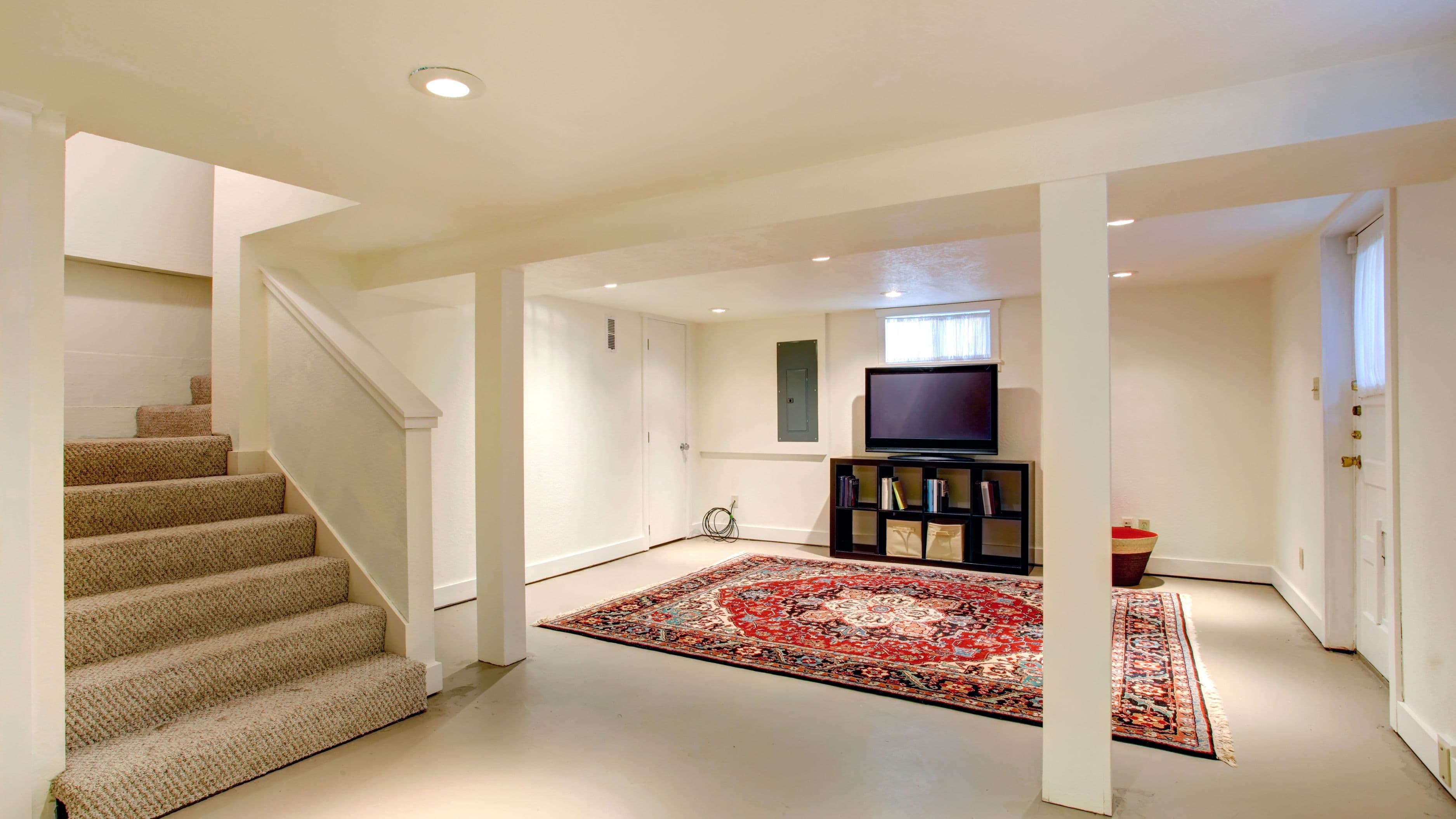
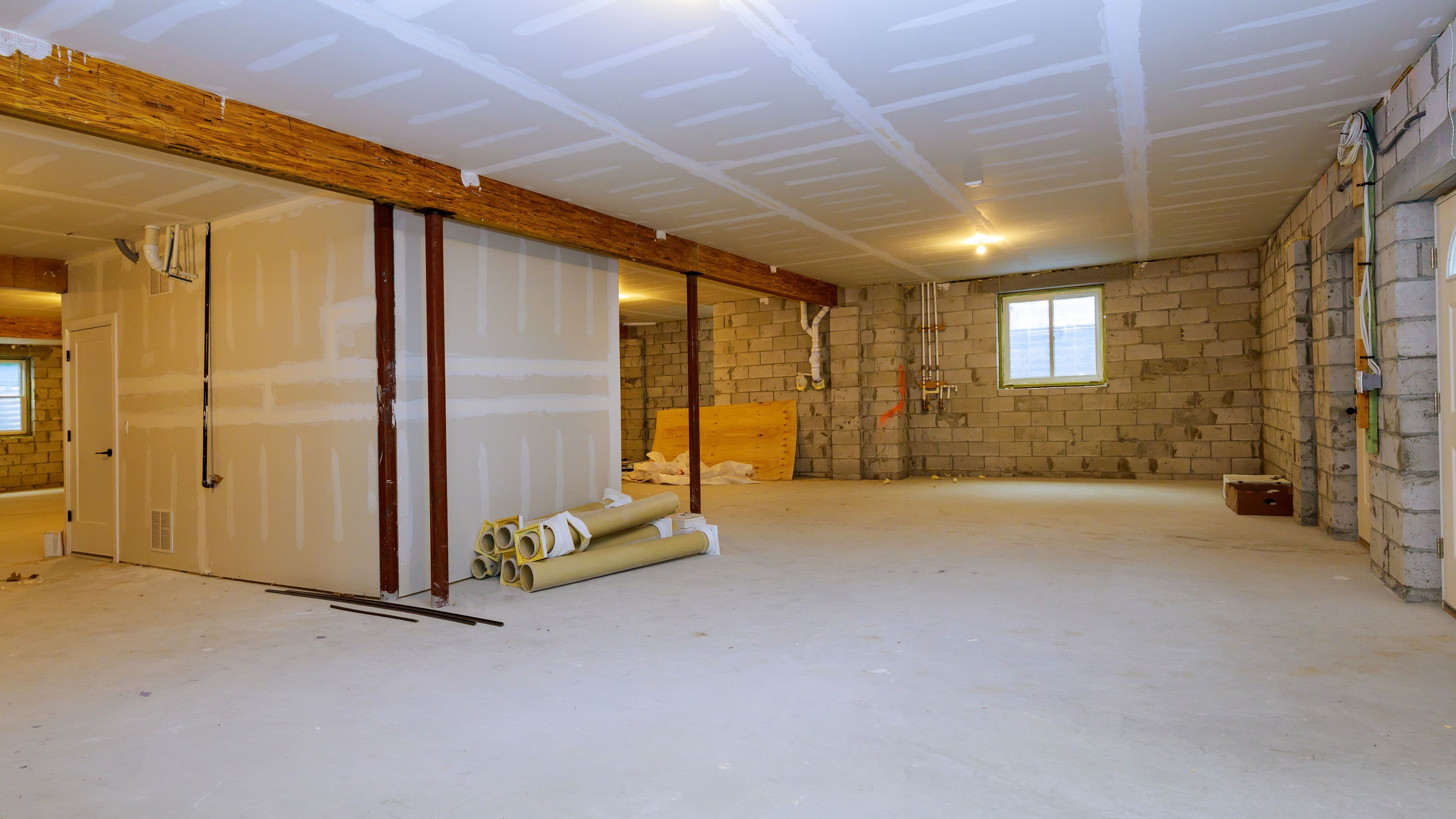
Full kitchen renovation (mid-range materials): $25,000–$60,000. Primary bathroom renovation: $15,000–$35,000. Full basement finish: $25,000–$55,000. Whole-house interior repaint: $5,000–$12,000. Flooring replacement (whole house, mid-range): $8,000–$20,000. HVAC system replacement: $8,000–$15,000. Full roof replacement: $10,000–$25,000.
These figures are starting points for orientation, not quotes. Your actual costs depend on your market, your home's specific conditions, and the materials and contractors you choose. Use them to calibrate expectations before you receive real quotes, not as substitutes for them.
FAQ
How do I know if my renovation budget is realistic before getting quotes? Use published cost data from sources like Remodeling Magazine's Cost vs. Value report and HomeAdvisor/Angi as orientation. Then get actual quotes from local contractors to validate. If your research suggests a project costs $30,000 and you've budgeted $15,000, the gap is real and needs to be addressed before work begins.
Should I tell contractors my budget upfront? This is debated, but a reasonable approach is to share a general range once you've received initial quotes, not before. Sharing your maximum budget before receiving quotes gives contractors less incentive to sharpen their pricing. After initial quotes, sharing your budget helps contractors suggest scope adjustments if needed.
What's the best way to handle unexpected costs mid-project? Draw on your contingency reserve first. If you've fully used contingency and still face unexpected costs, you have three options: defer some scope to a future phase, identify materials or finishes where you can value-engineer without affecting quality, or extend your financing if the structural necessity justifies it.
Is it worth hiring a project manager or general contractor for a large renovation? For projects over $50,000 or involving multiple trades, a general contractor typically pays for themselves in coordination efficiency and reduced risk of trade conflicts and cost overruns. Their markup (usually 15–25%) buys you accountability, scheduling management, and a single point of responsibility.
How long does a full home renovation typically take? A whole-home renovation with multiple rooms being worked simultaneously typically takes 4–12 months depending on scope and contractor availability. Sequential renovations (one room at a time) take longer in calendar time but allow you to live in parts of the home throughout. Always add 20–30% to whatever timeline you're given as a planning buffer.
📚 Sources
Remodeling Magazine – Cost vs. Value Report 2024 – https://www.remodeling.hw.net/cost-vs-value/2024/
Angi – True Cost Guide: Renovation Costs by Project – https://www.angi.com/articles/true-cost-guide.htm
National Association of the Remodeling Industry – Remodeling Cost Data – https://www.nari.org/Homeowners/Find-a-Professional
HomeAdvisor – Average Kitchen Remodel Cost – https://www.homeadvisor.com/cost/kitchens/remodel-a-kitchen/
This Old House – How to Hire a General Contractor – https://www.thisoldhouse.com/home-finances/21014949/how-to-hire-a-general-contractor
Consumer Financial Protection Bureau – Home Improvement Financing Guide – https://www.consumerfinance.gov/consumer-tools/mortgages/
🔍 Explore Related Topics




-jhajrFUGfI3zCQGjpAWcxuNPi1zUTB.jpg&w=3840&q=75)