


1. Deferred maintenance is borrowing from your future self at terrible interest rates
When you ignore that leaky faucet or cracked foundation, you're not saving money—you're compounding the problem exponentially. My ceiling leak started as a $200 flashing repair on the roof. By the time I addressed it, the damage had spread to structural beams, electrical wiring near the fixture, and required mold remediation. The insurance adjuster told me something that stuck: "Every month you wait on water damage multiplies the repair cost by roughly 1.5 times." That small procrastination decision didn't just cost me money; it dinged my credit utilization when I had to max out a card for the emergency fix. Property appraisers later noted the water damage history in their report, which shaved an estimated $8,000 off my home's market value even after repairs were completed. The math is brutal but simple—small fixes prevent catastrophic expenses that tank both your equity and your credit health.
2. Your home's exterior is literally your credit score's first impression
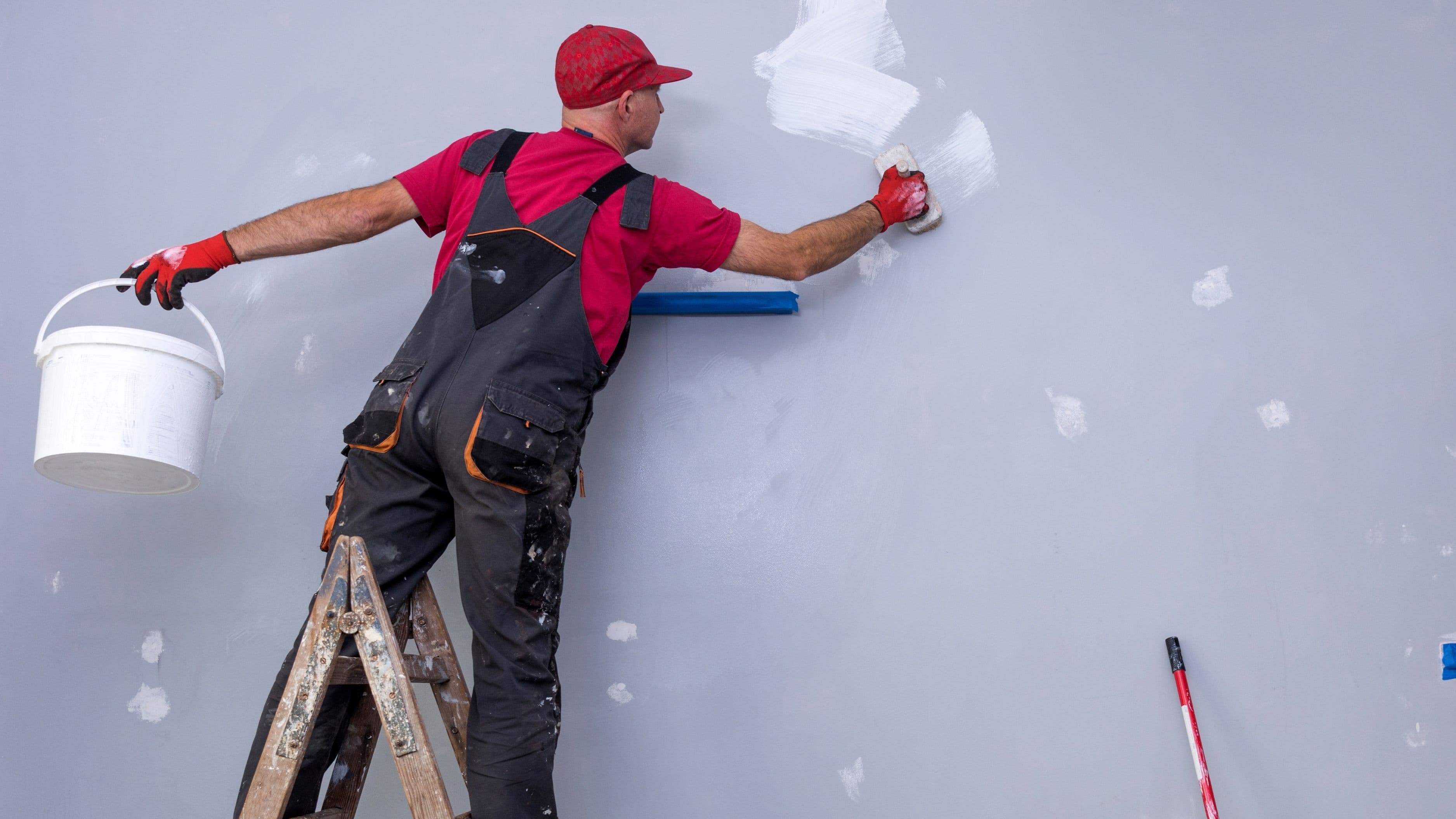
Curb appeal isn't just a real estate buzzword—it's the difference between maintaining your property value and watching it erode alongside your borrowing power. I learned this when refinancing my mortgage. The bank sent an appraiser who barely stepped inside before noting the peeling paint, sagging gutter, and cracked walkway in his report. These "minor cosmetic issues" reduced my home's appraised value by 6%, which meant I couldn't access enough equity to consolidate my high-interest debts. According to the National Association of Realtors, homes with well-maintained exteriors appraise for 7-10% higher than comparable properties with visible neglect. That percentage directly impacts how much lenders will loan you, your loan-to-value ratio, and whether you'll pay for private mortgage insurance. I spent one weekend and $400 on paint, gutter brackets, and concrete patch—simple DIY fixes that added back $15,000 in appraised value six months later when I refinanced again. Your home's shell tells lenders whether you're a responsible borrower before they ever see your payment history.
3. Unpermitted work is a ticking time bomb in your credit strategy
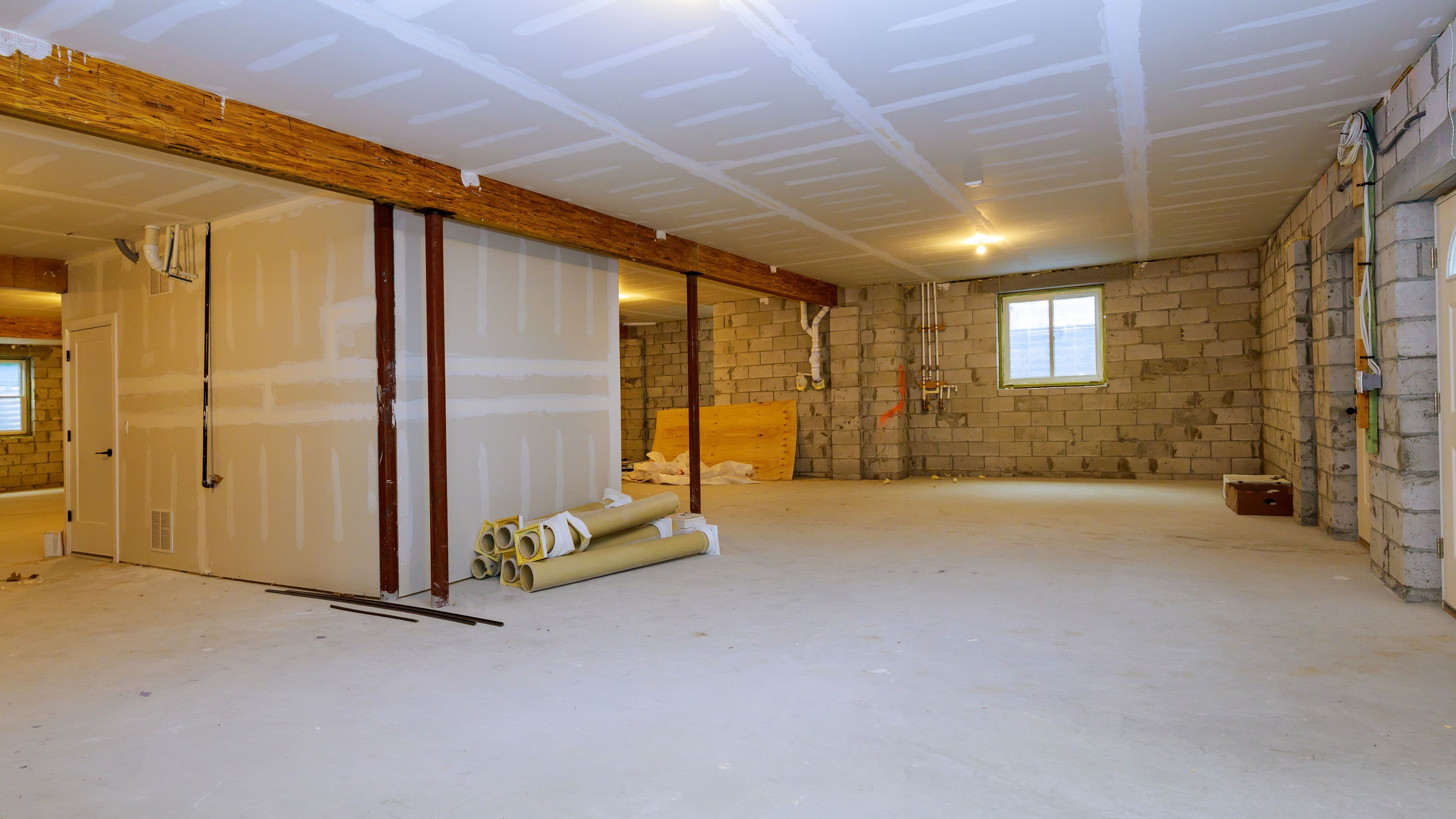
My neighbor decided to finish his basement himself to save money, skipping the permit process entirely. It looked professional, and he was proud of the $8,000 he saved by avoiding licensed contractors and city fees. Two years later, when he tried to sell, the home inspection revealed the unpermitted work. The buyers demanded he either rip it all out or reduce the sale price by $25,000 to cover the risk. He ended up selling for $30,000 less than comparable homes, which meant he couldn't fully pay off his home equity line of credit. That remaining balance followed him, dragging down his debt-to-income ratio and preventing him from qualifying for his next mortgage. Unpermitted repairs create title issues, insurance gaps, and appraisal nightmares that cascade into credit problems. Cities are increasingly cross-referencing permit records during property transfers, and lenders won't fund mortgages on homes with code violations. The short-term savings evaporate when you face forced corrections, reduced sale prices, or—worst case—liens that appear on your credit report and crater your score by 100+ points.
4. Strategic repairs generate returns that amplify your borrowing power
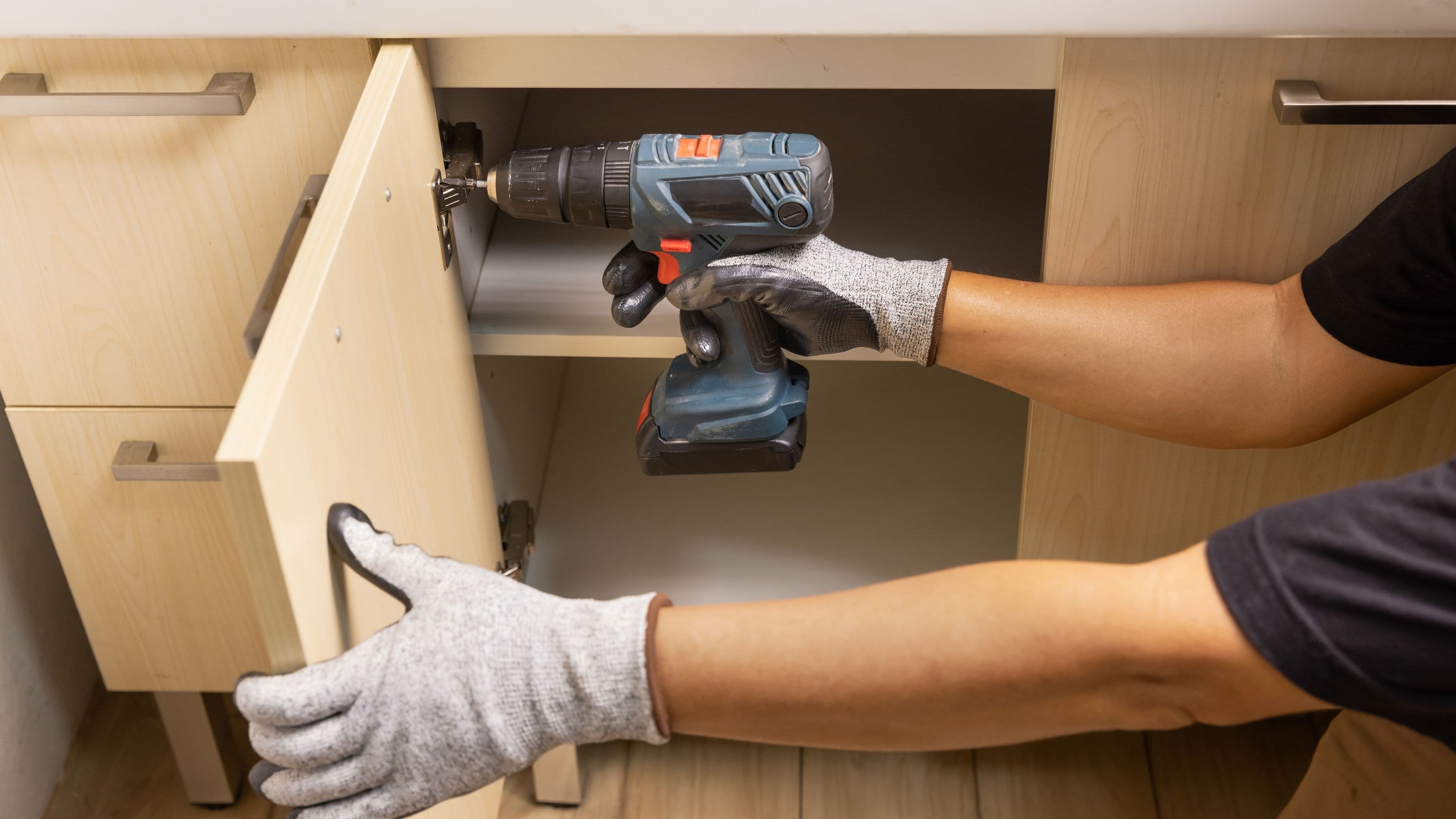
Not all repairs are created equal when it comes to protecting or boosting your financial position. I discovered this after my ceiling disaster when I got strategic about which fixes to tackle first. Kitchen and bathroom updates consistently return 60-80% of their cost in added home value, according to Remodeling Magazine's Cost vs. Value Report. I replaced my outdated bathroom vanity and faucet for $600, then had the home reappraised eight months later when market conditions improved. That single upgrade, combined with a hot seller's market, added $4,200 to my home's value. The increased equity allowed me to refinance into a lower interest rate, which dropped my monthly payment by $180. I redirected that savings toward paying down credit card balances, which improved my credit utilization ratio and bumped my score up 35 points in four months. Minor repairs that target high-impact areas—especially kitchens, bathrooms, and anything visible during walkthroughs—create a multiplier effect where your property value increase unlocks better credit terms, which gives you cash flow to eliminate other debts. It's a virtuous cycle that starts with one strategic repair decision.
5. Emergency funds and home repairs are financial conjoined twins
The biggest credit mistake I made was treating home repairs as "if it happens" expenses instead of "when it happens" certainties. After my ceiling crisis forced me to carry credit card debt at 22% APR, I restructured my entire financial approach. I opened a dedicated high-yield savings account and automated $150 monthly transfers specifically for home maintenance. Within a year, I had $1,800 saved when my water heater started leaking. Instead of panicking and reaching for credit, I paid cash for the $1,200 replacement and still had a buffer remaining. This kept my credit utilization low and prevented the debt spiral that crushes homeowners who lurch from one emergency repair to the next. The Federal Reserve reports that 40% of Americans can't cover a $400 emergency expense without borrowing, and home repairs average $1,200-$3,000 annually according to HomeAdvisor data. When you fund repairs with savings instead of credit, you protect your score from utilization spikes, avoid interest charges that compound your costs, and maintain the flexibility to negotiate better terms with contractors who prefer cash customers. Your credit profile stays clean while your home maintains its value—a dual benefit that's impossible to achieve when you're constantly charging repairs and carrying balances.
6. Documentation turns repairs into assets instead of expenses
I used to toss receipts and never photograph my repair work, treating home maintenance as a necessary evil rather than a financial investment. This changed when I refinanced and the appraiser asked for documentation of recent improvements. I had nothing to show for the $4,500 I'd spent on repairs over two years, so the appraiser couldn't factor those improvements into the home's value assessment. Now I maintain a simple cloud folder with before/after photos, receipts, warranty information, and contractor licenses for every repair. This documentation serves multiple purposes: it increases your appraisal value by proving improvements, protects you during insurance claims, provides tax deduction evidence if you rent part of your property, and demonstrates responsible homeownership to lenders during applications. When I recently applied for a home equity line of credit, I brought a printed portfolio of my documented repairs to the loan officer meeting. She explicitly noted in her approval memo that my "detailed maintenance records indicate low default risk," which qualified me for a rate 0.5% lower than the standard offering. That half-point saves me $37 monthly on my $15,000 credit line—$444 annually that stays in my pocket because I learned to treat repair documentation as seriously as tax records. Your maintenance history is a financial asset that either works for or against you depending on whether you can prove it exists.
7. The credit-repair timing trap most homeowners miss
There's a dangerous gap between when you complete a repair and when it benefits your credit profile—a lag time that can sabotage your financial plans if you don't anticipate it. I finished my post-leak repairs in April but didn't get the home reappraised until July. During those three months, I applied for a personal loan to consolidate other debts, but the lender pulled my old home value from county records, which still reflected the pre-repair condition. My loan-to-value ratio looked worse than it actually was, and I got denied. I later learned that major repairs require proactive reappraisal requests to update your home's value in lending databases—it doesn't happen automatically. Similarly, if you finance repairs through contractor payment plans or store credit cards, those new accounts temporarily lower your credit score through hard inquiries and reduced average account age before the completed repairs add property value. The strategic move is timing: complete repairs, get reappraised, then wait 30-60 days for the new value to propagate through county records before applying for credit products. This sequencing maximizes the value boost while minimizing the credit inquiry impact. I now plan major repairs around my credit application timeline, treating them as coordinated financial moves rather than isolated maintenance tasks.
The foundation of financial health starts at home
Standing in my freshly repaired kitchen now, I see that water stain's ghost as an expensive teacher. Home repairs aren't separate from your financial life—they're woven directly into your credit health, borrowing capacity, and long-term wealth building. Every dripping faucet you fix promptly, every exterior touch-up you complete, every repair you document and fund with savings instead of credit, is a compound interest payment to your future self. Your property value and credit score dance together in a delicate partnership where neglect on one side inevitably damages the other. The homeowners who thrive financially aren't the ones with perfect houses—they're the ones who understand that strategic, timely, well-funded repairs are investments that pay dividends in equity, creditworthiness, and peace of mind. That ceiling leak cost me thousands in money and stress, but it taught me a priceless lesson: the most affordable repair is always the one you do before it becomes an emergency.
📚 Sources
1. National Association of Realtors (NAR), "Remodeling Impact Report: Outdoor Features" (2023)
2. Remodeling Magazine, "Cost vs. Value Report" (2024)
3. Federal Reserve Board, "Report on the Economic Well-Being of U.S. Households" (2023)
4. HomeAdvisor, "True Cost Guide: Home Maintenance and Repairs" (2024)
-jhajrFUGfI3zCQGjpAWcxuNPi1zUTB.jpg&w=3840&q=75)