
Why Staging Matters More Than It Seems
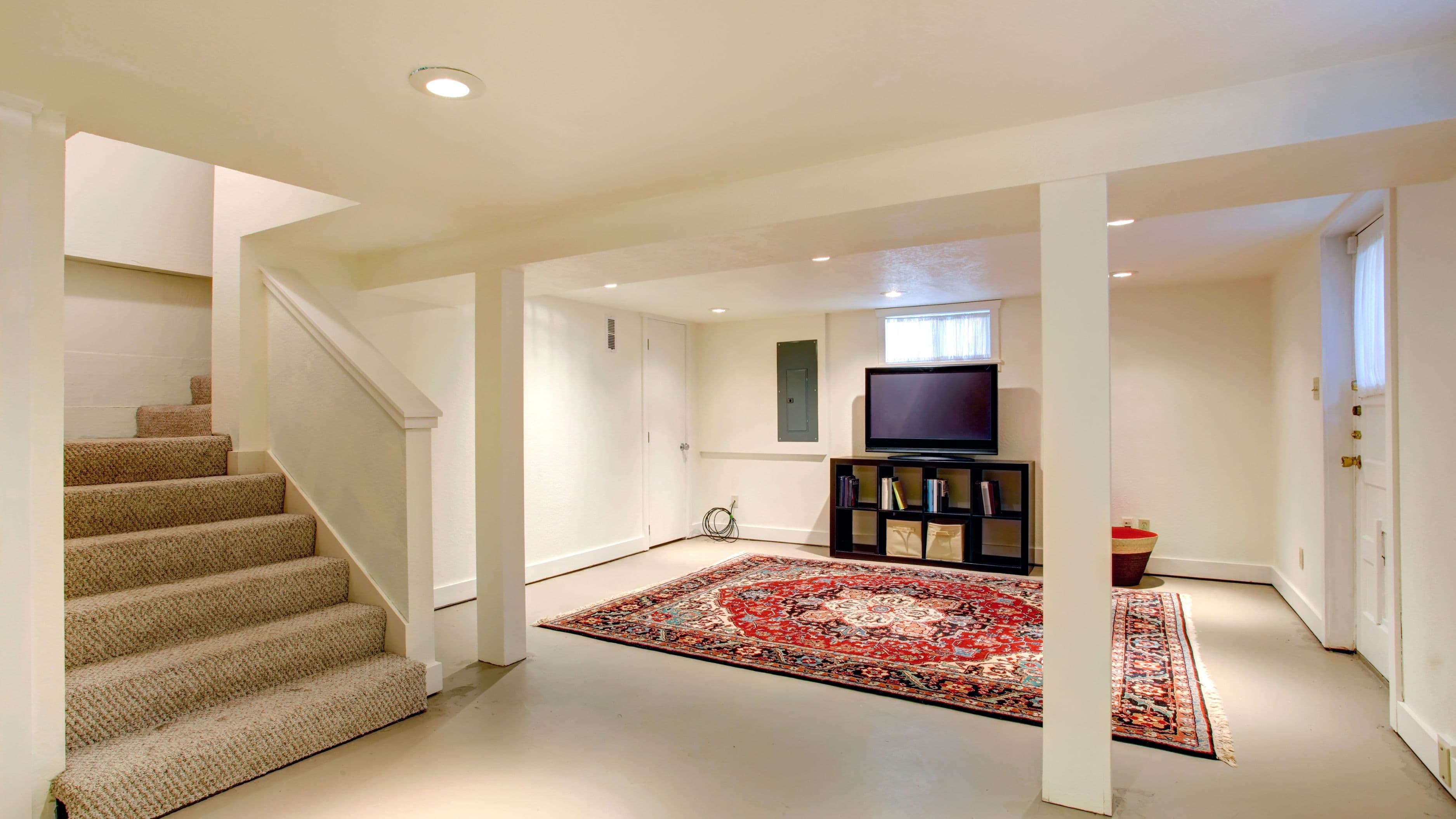
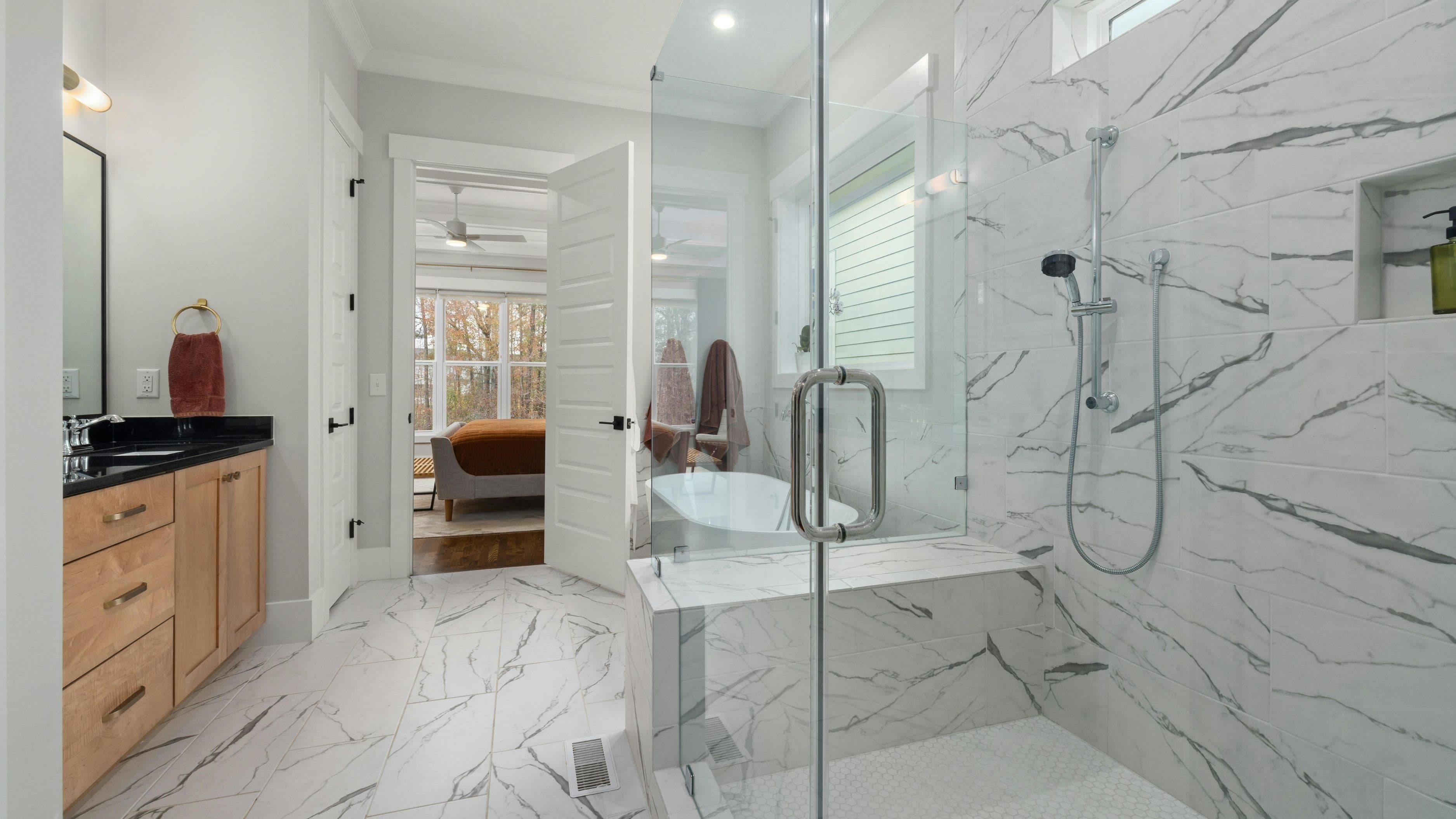
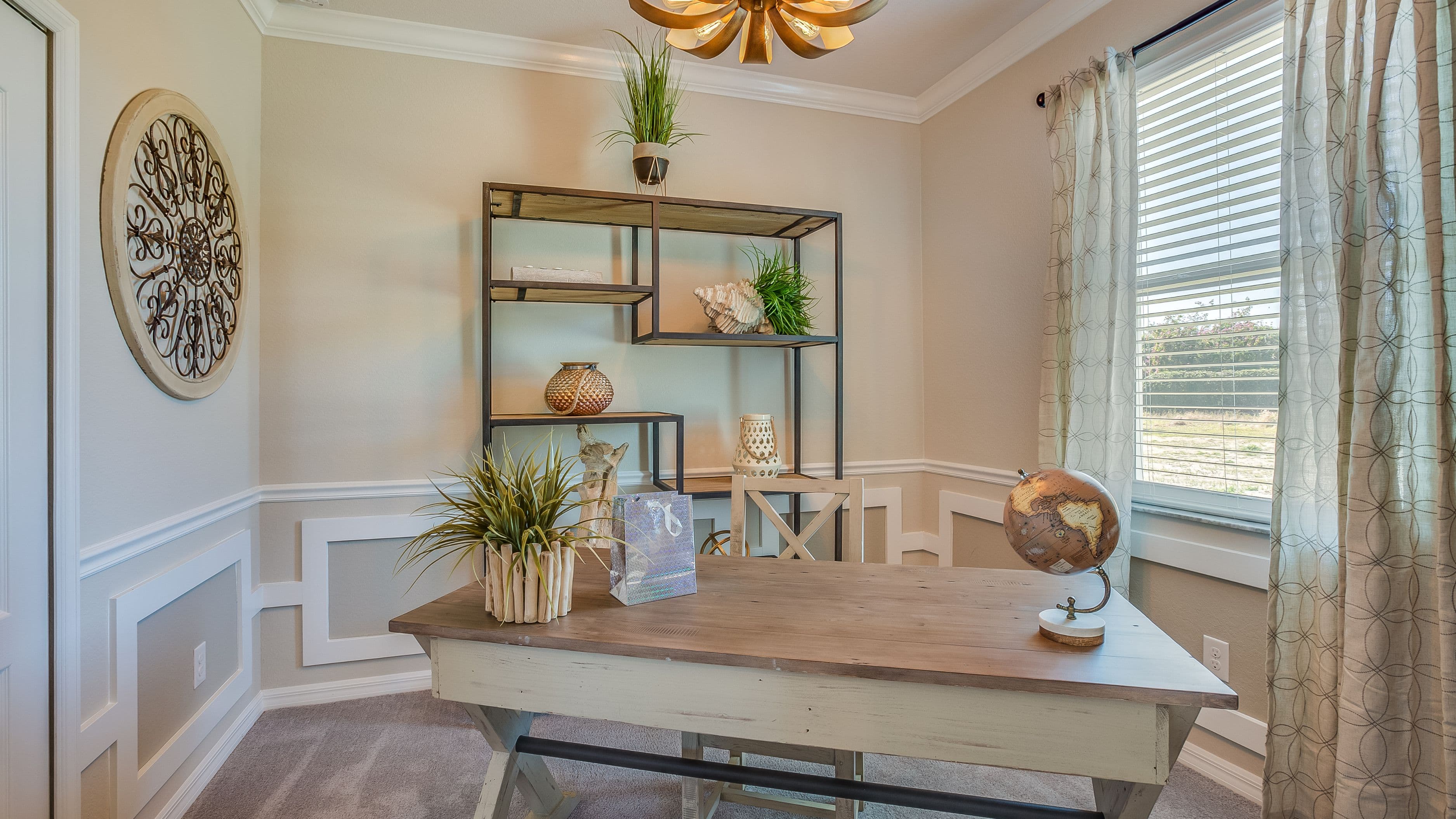
Buyers form an impression of a home within the first few seconds of walking through the door, and that impression heavily influences how they perceive the rest of the property, even objectively good features. A cluttered, poorly lit, or overly personalized space makes it harder for a buyer to picture their own life there, which is ultimately the emotional job staging is doing, regardless of your home's actual condition.
Understanding this reframes the whole project. You're not trying to impress buyers with design taste. You're trying to remove distractions and help them imagine the space as their own, which turns out to be achievable with a fairly modest budget if you focus on the right things.
Cost Level: Low to Medium
Most of what's covered here falls in the low-cost range, typically a few hundred dollars total depending on your home's current condition, with a few optional medium-cost upgrades if your budget allows for them.
Step 1: Declutter Aggressively, Room by Room
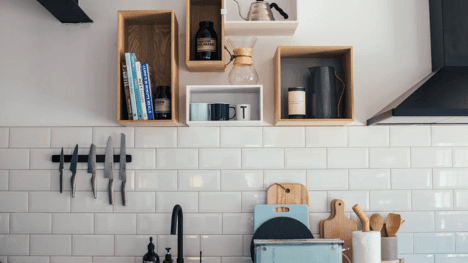
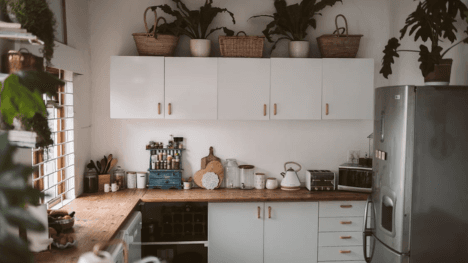
This is the single highest-impact, lowest-cost step available, and it costs nothing beyond your own time. Go through every room and remove anything that isn't essential to daily function or that makes a space feel personal rather than neutral, including family photos, excess furniture, and items stored on visible surfaces like countertops and shelves.
The goal isn't to make your home feel empty; it's to make each room feel spacious and easy to move through visually. A helpful practical test is to remove roughly a third of the items in any given room and see how much more open it feels. Store excess items in a garage, storage unit, or with family temporarily rather than just relocating clutter to another room buyers will also see.
Step 2: Deep Clean Every Surface
A genuinely deep clean, beyond your normal routine, is one of the most cost-effective staging steps available, since it costs little more than cleaning supplies and time, but it has an outsized effect on how buyers perceive a home's overall condition. Pay particular attention to kitchens and bathrooms, since buyers scrutinize these rooms closely, and grime or buildup in these areas creates doubt about how well the rest of the home has been maintained.
If your budget allows, hiring a professional deep cleaning service for a one-time pass before listing photos and showings begin is a worthwhile medium-cost investment, since it typically catches details that are easy to miss in a DIY clean, particularly around grout, baseboards, and appliance interiors.
Step 3: Maximize Natural and Artificial Light
Bright, well-lit spaces consistently photograph and show better than dim ones, and improving lighting is a low-cost fix relative to its impact. Open all curtains and blinds before showings and listing photos, clean windows thoroughly since buildup noticeably dims natural light, and replace any dim or mismatched light bulbs throughout the home with brighter, consistent-temperature bulbs.
If any rooms feel persistently dark even with these changes, a few inexpensive floor or table lamps placed strategically can meaningfully improve how a space feels without any electrical work required. This is a good area to spend a modest amount if your budget allows, since the impact relative to cost is significant.
Step 4: Depersonalize Without Making the Home Feel Cold
Removing personal photos, unique collections, and strongly personalized decor helps buyers picture themselves in the space, but overcorrecting into a completely bare, sterile look can backfire by making a home feel uninviting rather than move-in ready. Aim for a middle ground: neutral, simple decor that suggests how a space could be used without dictating a specific personal style too strongly.
A few inexpensive additions, like fresh towels in a neutral color for bathrooms, simple throw pillows in the living room, or a small plant on a kitchen counter, can add warmth without any significant expense. These small touches cost little but help a space feel lived-in rather than empty.
Step 5: Address Small Repairs Before Listing
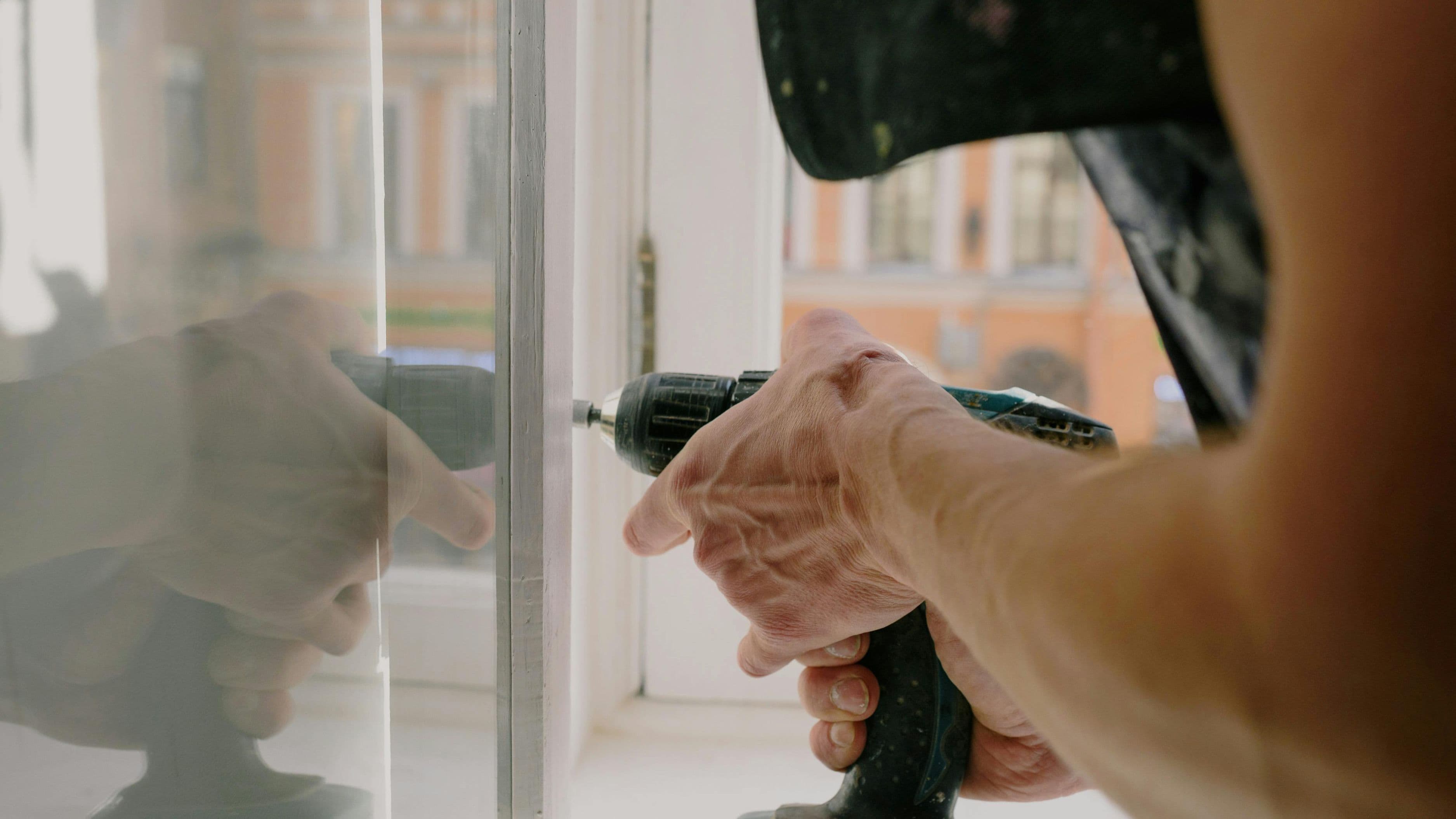
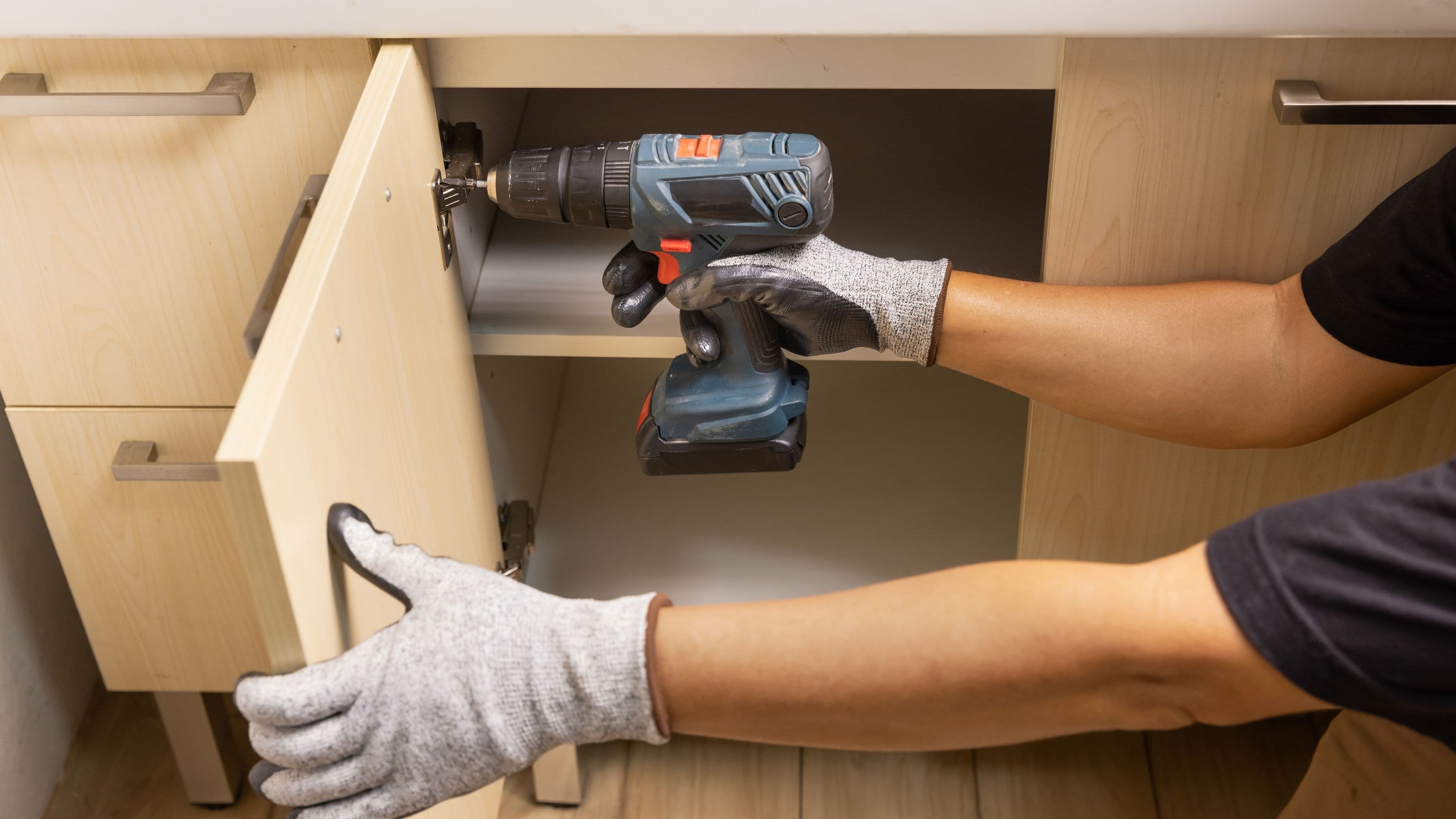
Small, visible imperfections, a chipped baseboard, a squeaky door, a loose cabinet handle, a small drywall crack, tend to catch a buyer's attention disproportionate to their actual significance, and fixing them is typically inexpensive. Walk through your home as if you were a buyer seeing it for the first time and note anything that would catch your eye as a minor flaw, then address what you reasonably can before listing.
This step matters because small unaddressed repairs can make buyers wonder what bigger issues might be hiding, even when the actual problems are cosmetic and minor. A weekend spent addressing this list is one of the better returns on time you can invest in the staging process.
Step 6: Rearrange Furniture to Maximize Flow and Space
Before buying anything new, work with what you already have by rearranging furniture to improve how a room flows and feels. Moving oversized furniture out of smaller rooms, angling pieces to create clearer walking paths, and ensuring each room's furniture arrangement makes its purpose immediately obvious to a visitor all cost nothing beyond effort.
If a specific piece of furniture is genuinely too large or mismatched for a space and is actively hurting how the room presents, consider temporarily storing it rather than trying to work around it. An empty corner often photographs and shows better than one crowded with an awkward piece of furniture.
Step 7: Enhance Curb Appeal on a Budget
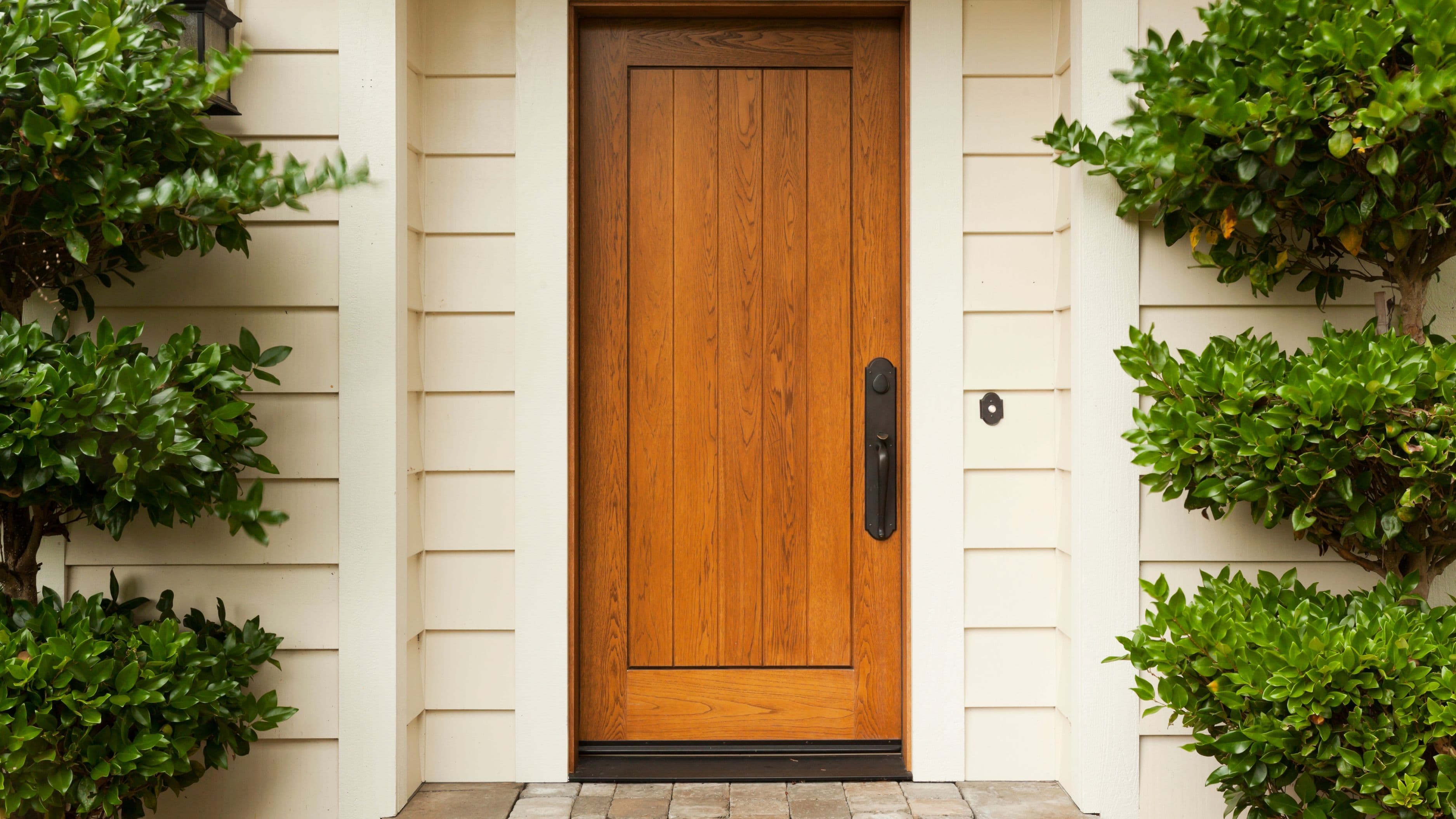
First impressions start before a buyer even walks through the door, and curb appeal improvements are often surprisingly affordable relative to their impact. Fresh mulch in garden beds, a neatly mowed and edged lawn, a freshly painted or cleaned front door, and clearing any clutter from the entryway are all low-cost updates that meaningfully improve a buyer's first impression before they've seen a single interior room.
A few potted plants near the entrance add a welcoming touch for minimal cost, and pressure washing the exterior, driveway, and walkways, either yourself or through an affordable local service, can dramatically refresh a home's appearance without any structural changes required.
What to Avoid
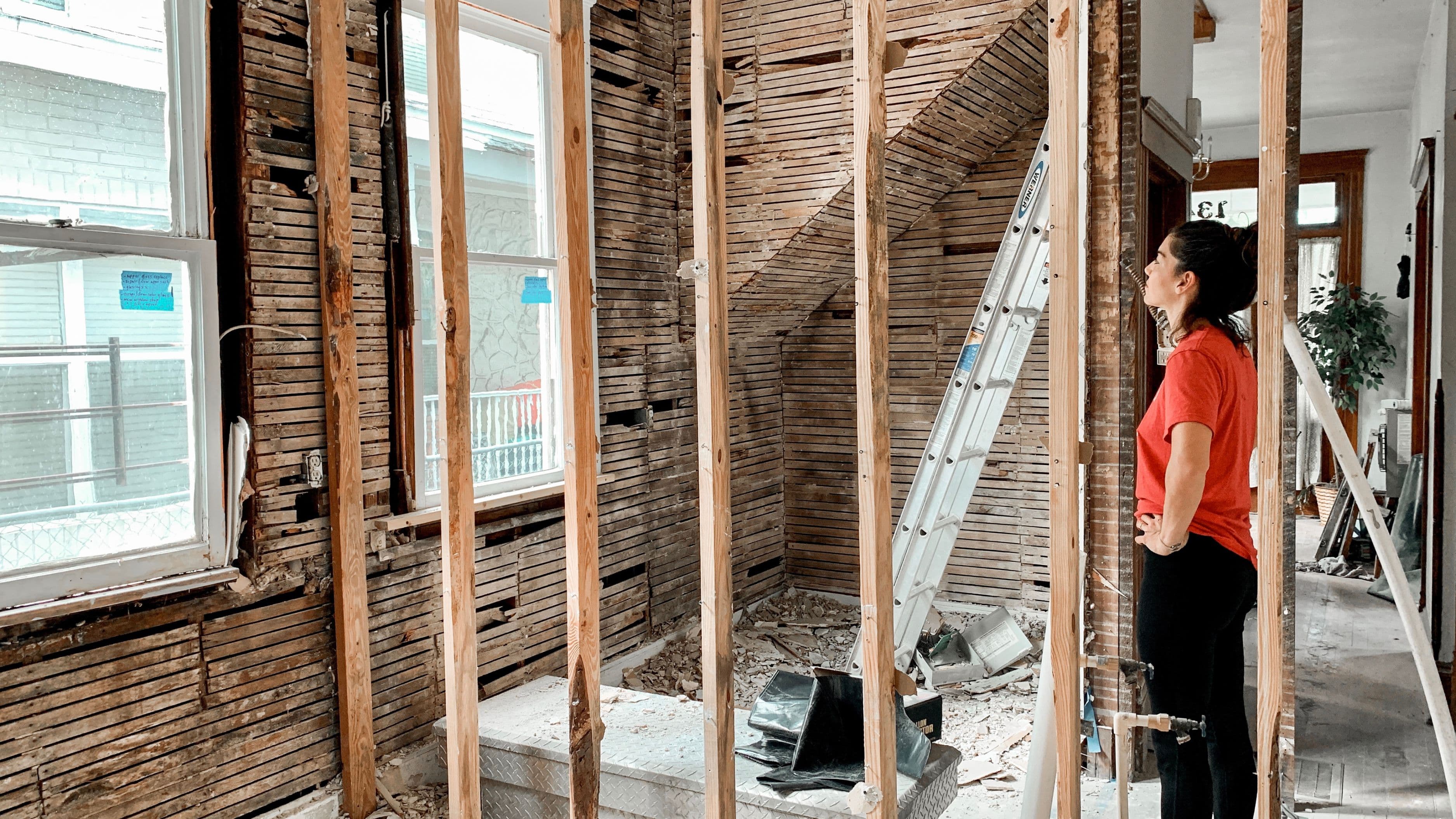
Avoid spending significant money on major renovations purely for staging purposes, since most buyers weigh the overall condition and price of a home more heavily than staging aesthetics alone, and large renovation costs rarely return their full value at sale specifically through staging impact. Avoid over-personalizing the space during the selling period, even temporarily, since strong personal style choices can distract buyers from picturing the home as their own. And avoid neglecting small repairs in favor of purely cosmetic staging touches, since unresolved small issues can undermine buyer confidence even in a beautifully staged home.
Realistic Expectations
Effective staging on a modest budget typically takes a weekend to a week of dedicated effort, depending on your home's starting condition and how much decluttering and minor repair work is needed. Most of the improvements covered here cost a few hundred dollars total, occasionally reaching into a modest medium-cost range if you invest in professional deep cleaning or a few lighting upgrades, which is a meaningful contrast to the cost of full professional staging services or larger renovation projects.
FAQ
Is it worth hiring a professional stager on a tight budget? For many sellers, a full professional staging service isn't necessary if you're willing to put in the effort on decluttering, cleaning, and small repairs yourself. Some professional stagers offer a lower-cost consultation service that can guide your DIY effort without the cost of full staging.
Should I stage every room in the house? Focus your effort on the most-viewed spaces first, typically the living room, kitchen, primary bedroom, and bathrooms, since these rooms have an outsized influence on buyer impressions relative to secondary spaces like guest rooms or storage areas.
How soon before listing should I start staging? Ideally, begin the decluttering and repair process several weeks before your planned listing date, since these tasks often take longer than expected and rushing them can result in overlooked details that matter to buyers.
📚 Sources
National Association of Realtors, "Profile of Home Staging" – https://www.nar.realtor/research-and-statistics
U.S. Department of Housing and Urban Development, "Selling Your Home" – https://www.hud.gov/
-jhajrFUGfI3zCQGjpAWcxuNPi1zUTB.jpg&w=3840&q=75)