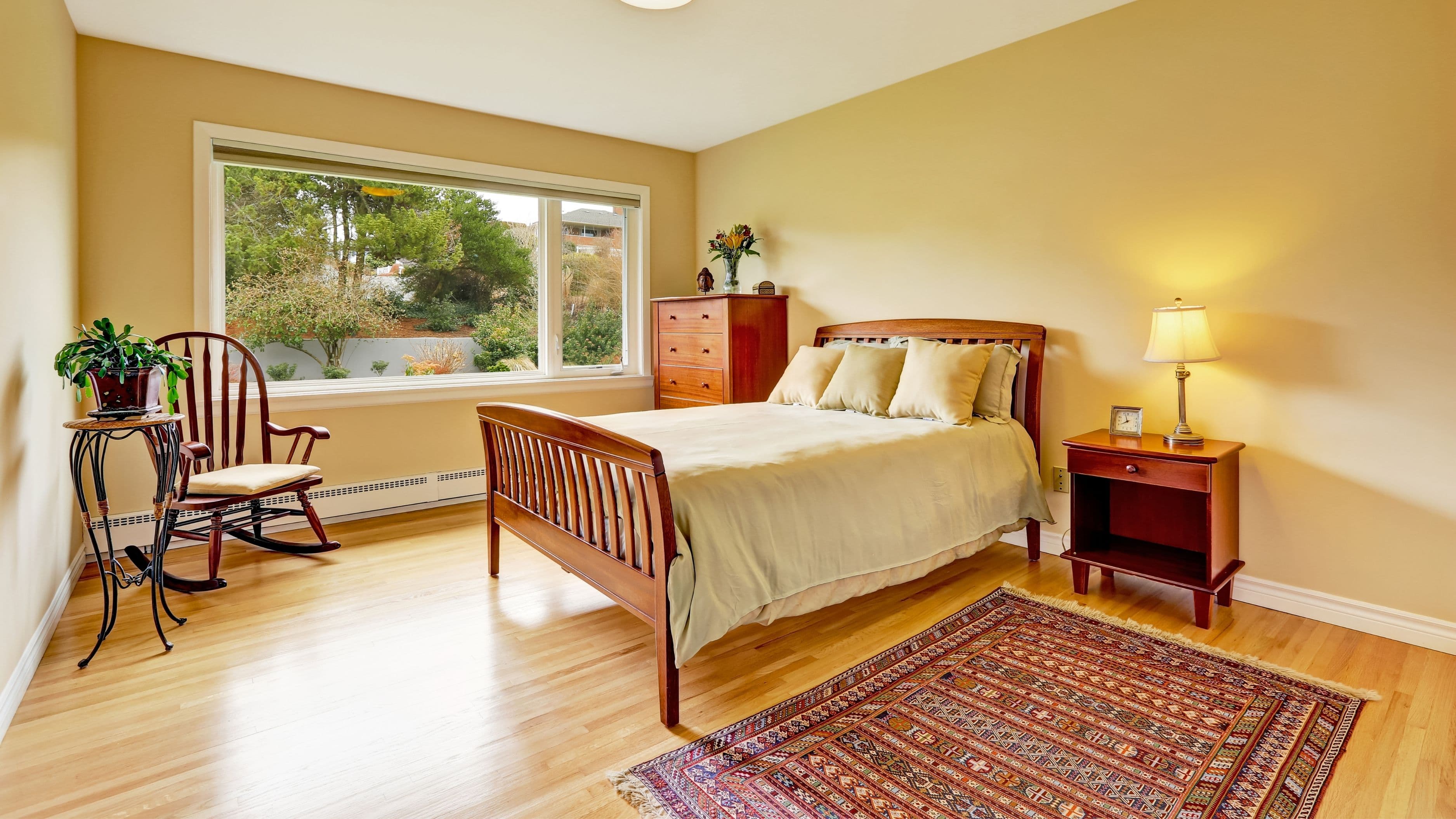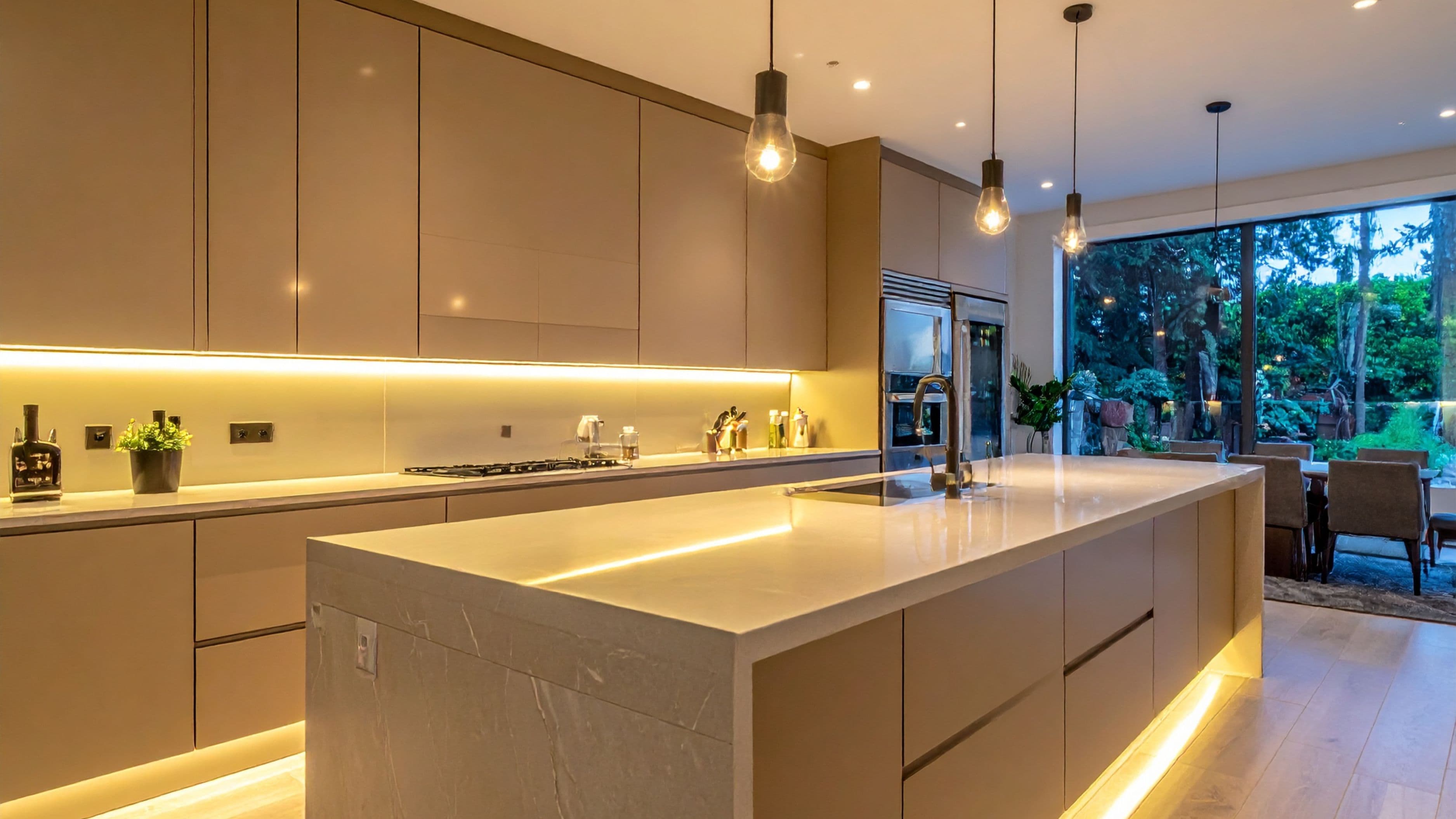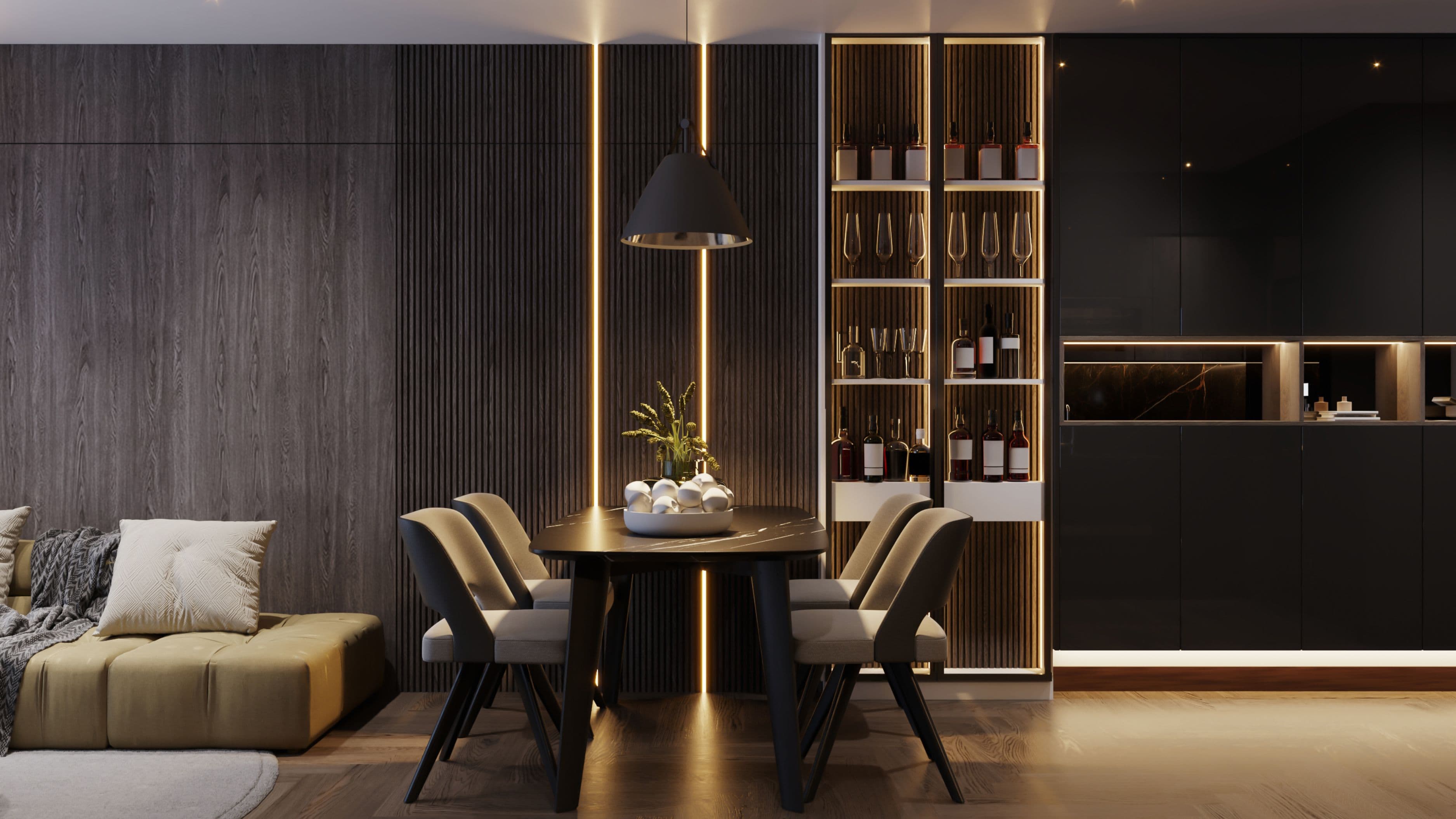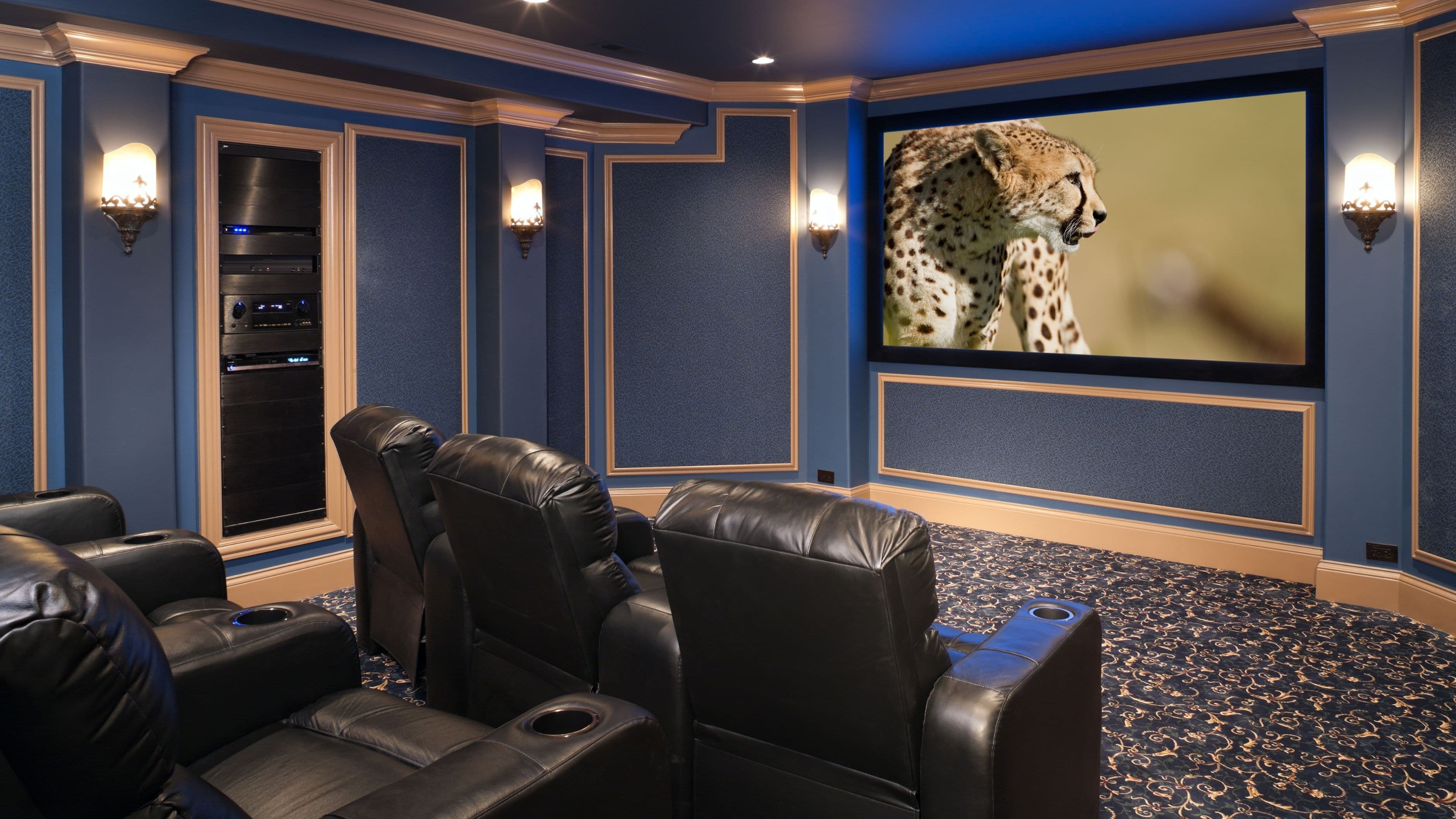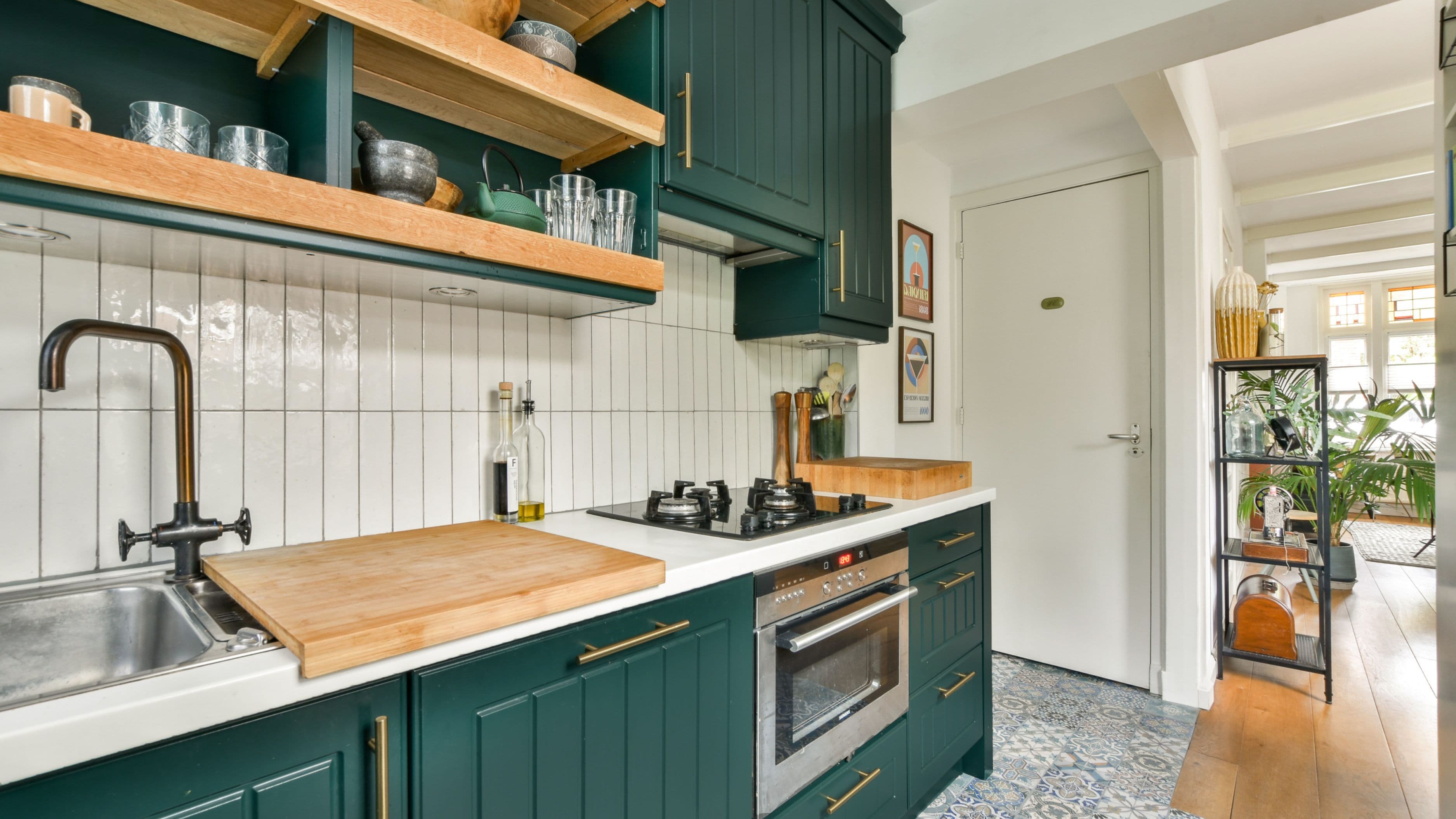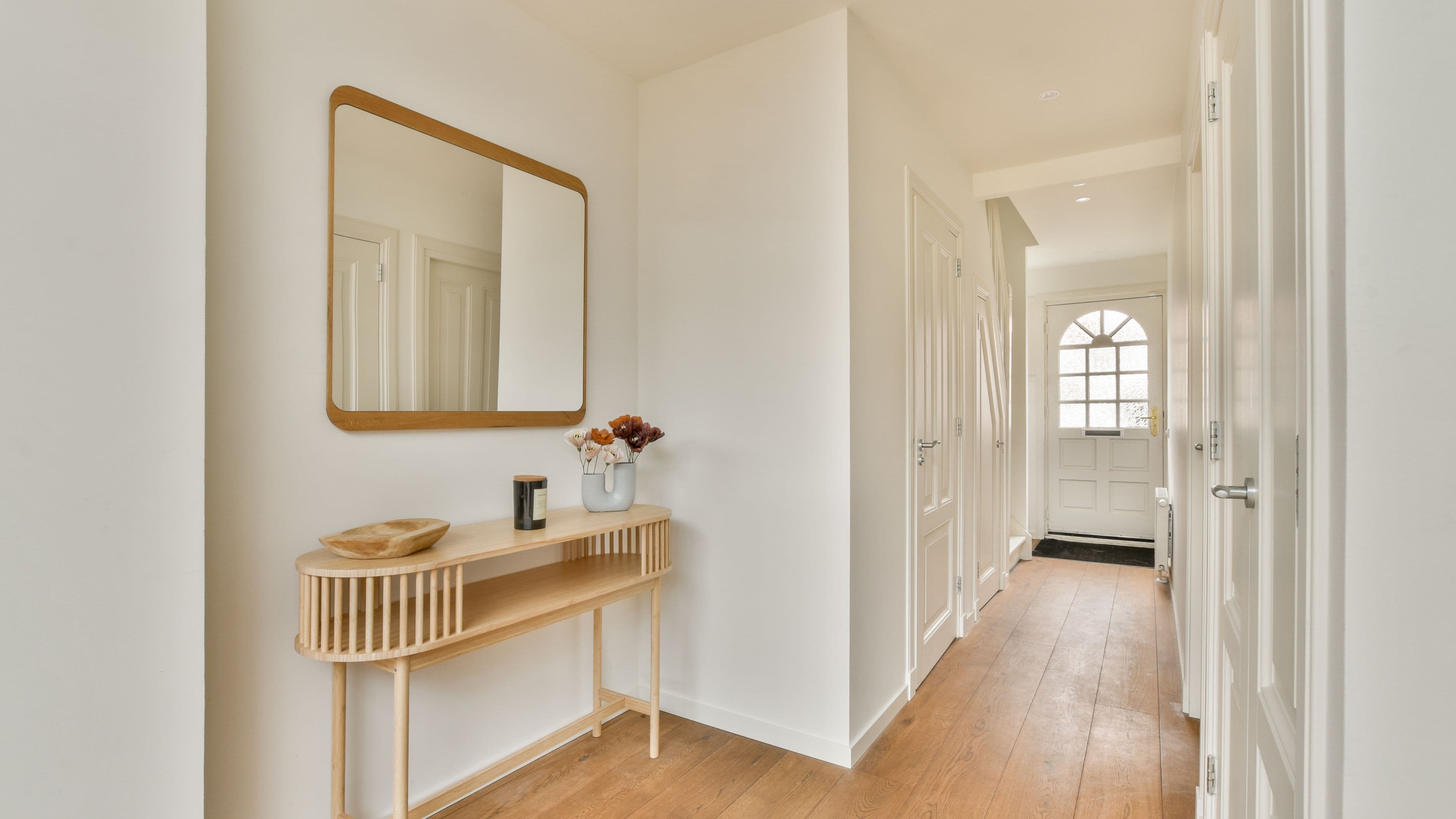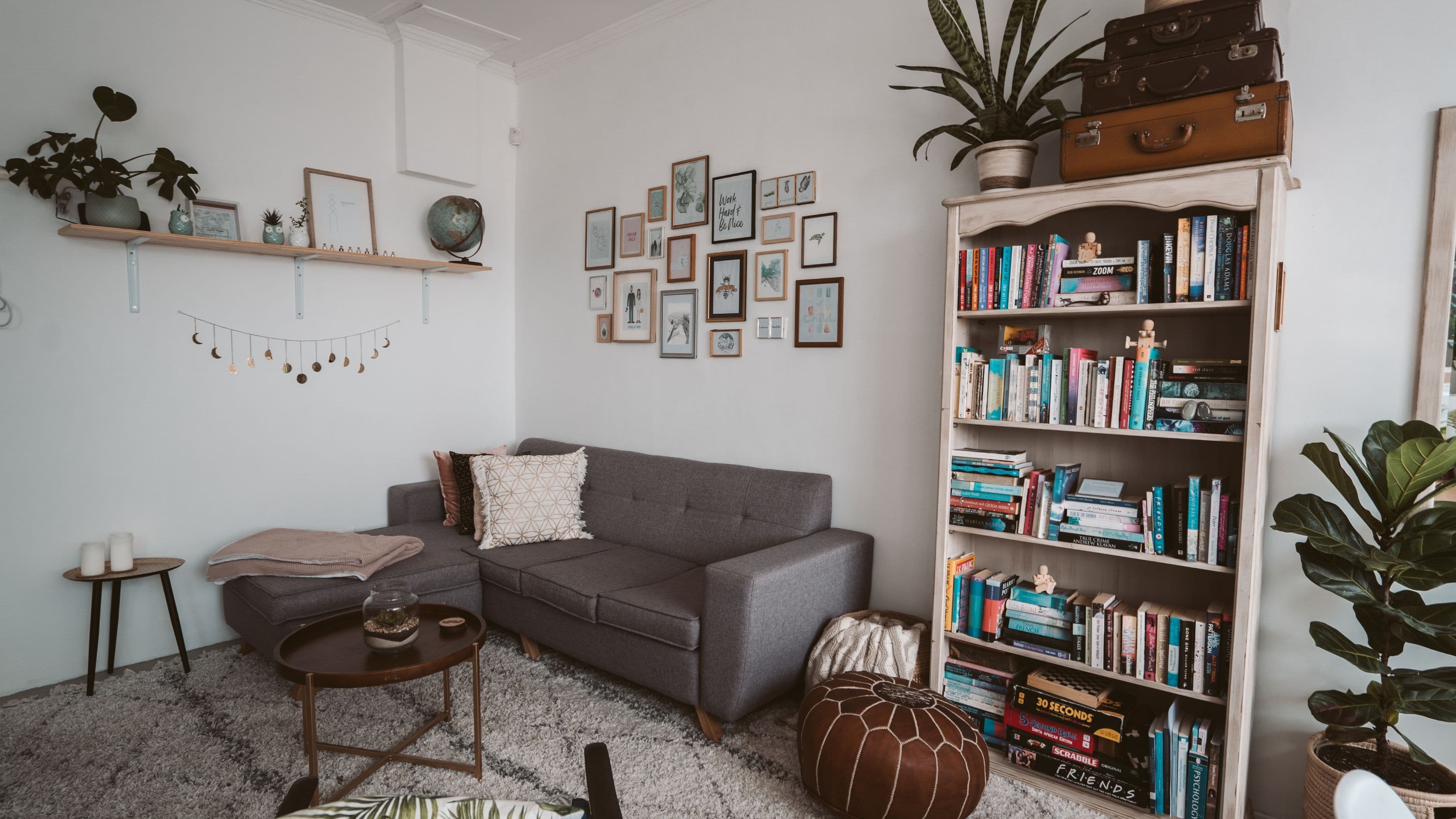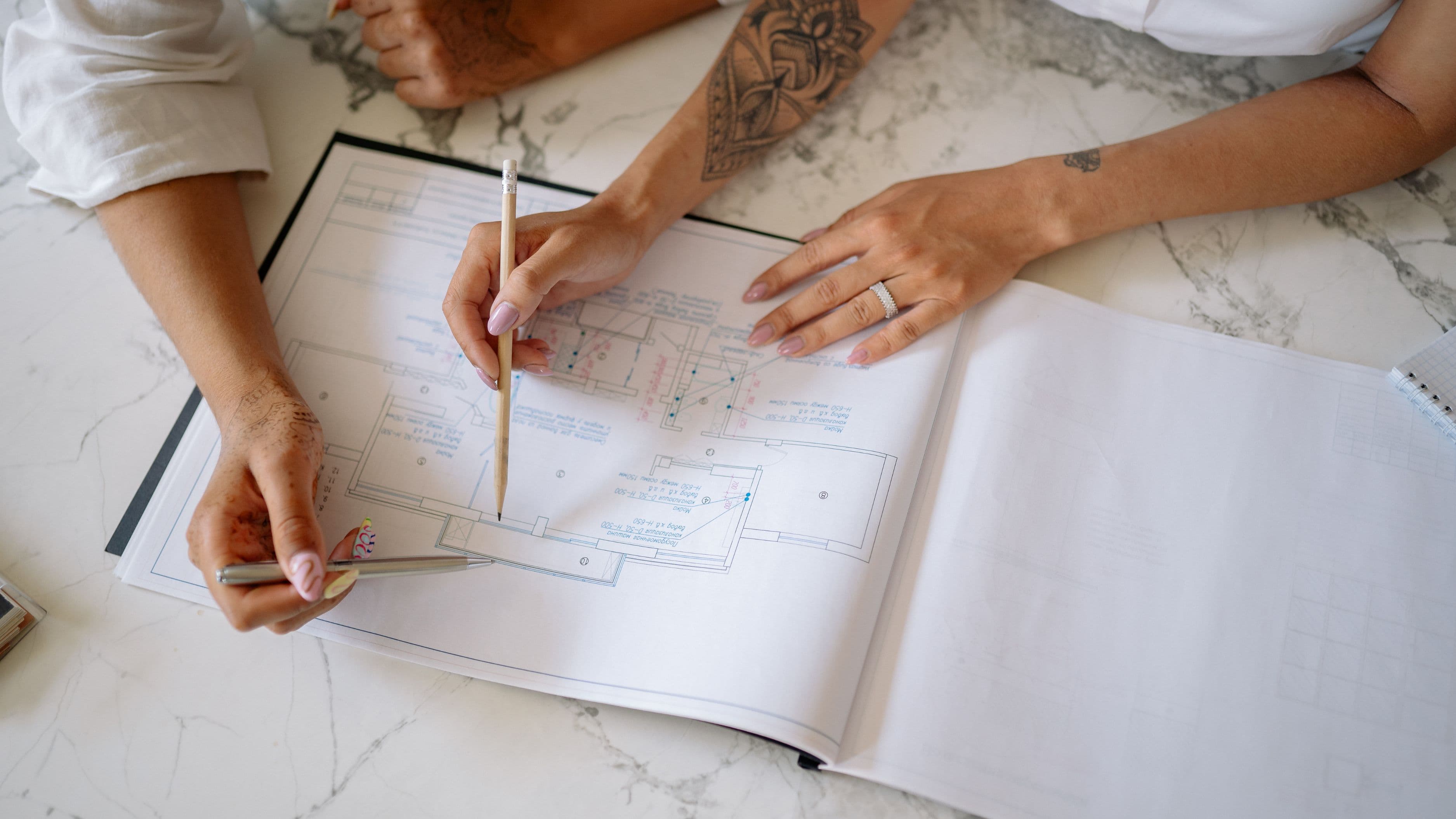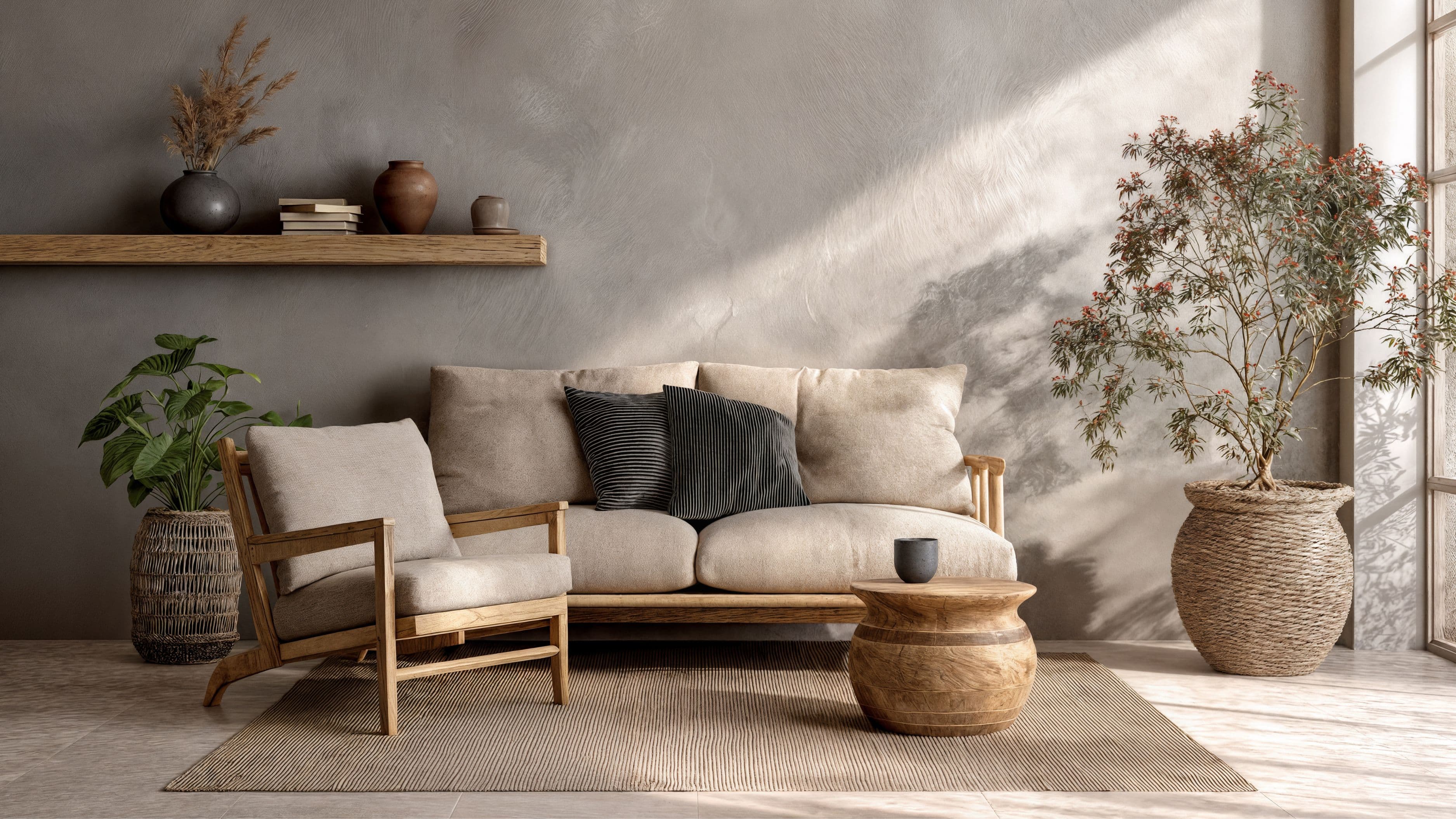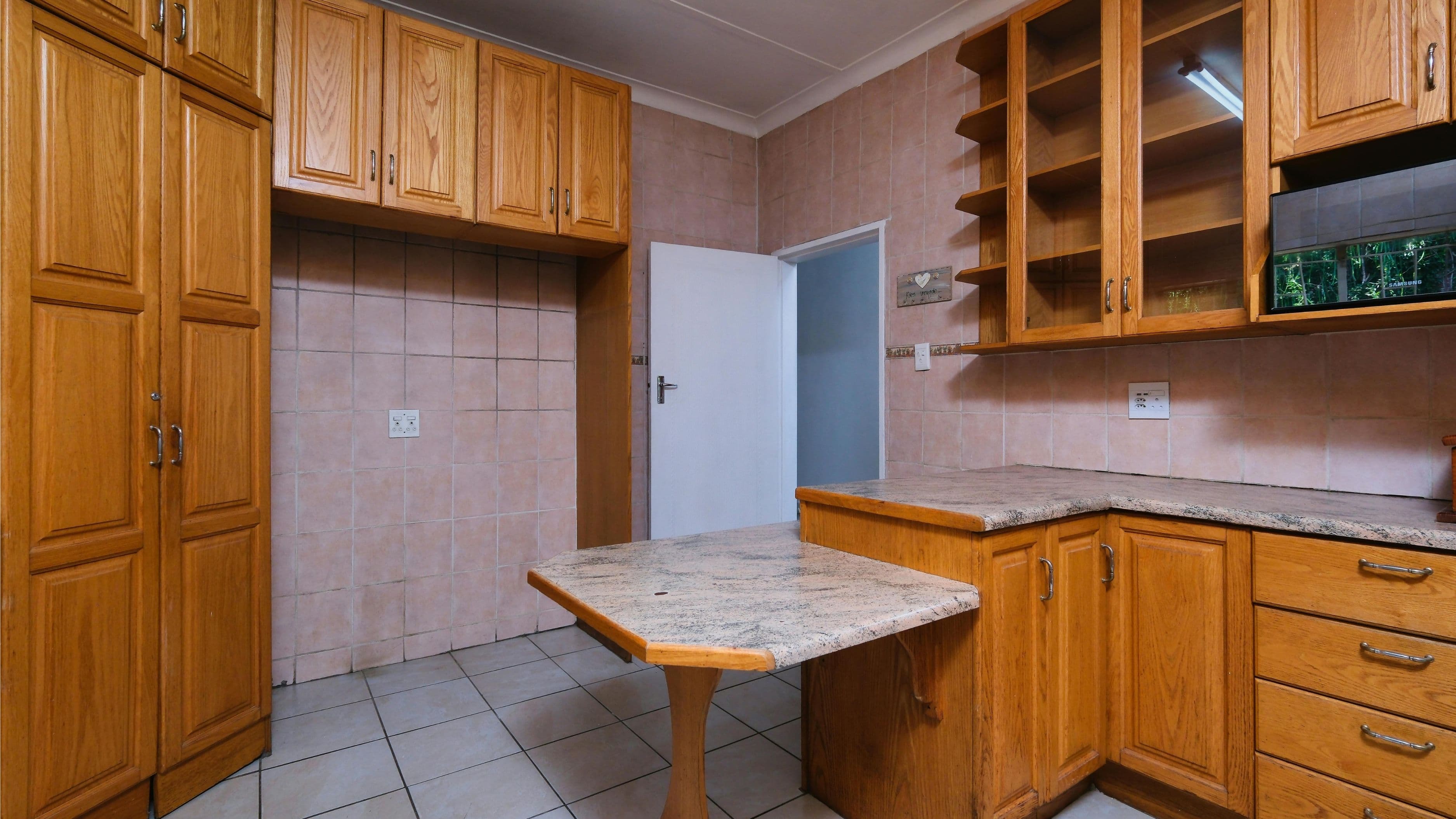



Here's what nobody mentions: the upgrades that actually shift your emotional baseline have nothing to do with what looks good in photos. They're about how your environment interacts with your nervous system, your circadian rhythm, and those tiny friction points that drain your energy before you've even had coffee. The good news? Once you understand which changes genuinely move the needle on daily contentment, you can stop chasing Pinterest boards and start engineering a space that actively supports your wellbeing.
Myth: Natural Light Is Just About Bright Spaces → Truth: It's Your Internal Clock's Remote Control
Everyone knows natural light makes rooms feel cheerful. What they don't tell you is that strategic light exposure literally programs your mood regulation systems. Your brain's suprachiasmatic nucleus uses light cues to orchestrate cortisol and melatonin production throughout the day. When you wake up to dim rooms and spend evenings under harsh overhead lights, you're essentially sending your biology scrambled signals.
The upgrade that matters isn't adding more windows — it's controlling when and how light enters your space. Blackout curtains in bedrooms combined with east-facing exposure in your morning routine areas creates the contrast your circadian system craves. Install dimmer switches on every overhead fixture so you can gradually reduce blue-spectrum light after sunset. One study from Northwestern University found that workers with windows near their desks logged an extra 46 minutes of sleep nightly and reported better mood scores than their windowless-office counterparts.
The sensory difference is immediate: instead of groggily stumbling through morning fog, you feel genuinely alert by mid-morning. Evening hours become naturally relaxing rather than artificially wired.
Myth: Organization Systems Create Calm → Truth: Reducing Decision Fatigue Does
Those elaborate pantry labels and color-coded closets look satisfying on social media, but the real mood boost comes from eliminating micro-decisions. Every time you stand in front of your closet wondering what to wear or search through kitchen drawers for the can opener, you're spending cognitive resources. These tiny mental taxes accumulate into that vague feeling of being overwhelmed by simple tasks.
The upgrade isn't more organizational products — it's strategic placement that removes thinking from routine actions. Keep exactly five days of work outfits on a separate closet rod. Position your coffee setup so every element flows in sequence without opening multiple cabinets. Store your keys, wallet, and bag in one dedicated exit station. When your environment automatically guides repetitive behaviors, your prefrontal cortex stays fresh for decisions that actually matter.
You'll notice the shift most on rushed mornings: that frantic energy dissolves into smooth momentum. Your baseline stress drops because your home becomes a partner in your routines rather than an obstacle course.
Myth: Comfortable Furniture Improves Mood → Truth: Furniture That Supports Movement Does
Nobody debates that a plush couch feels good. But here's the paradox: the most comfortable furniture can trap you in positions that gradually degrade your mood. When you sink into a deep sofa for three hours, your circulation slows, your hip flexors tighten, and your energy flatlines. The body-mood connection runs deeper than most realize — prolonged stillness signals your system that it's time to conserve energy, which manifests psychologically as lethargy and low motivation.
The upgrade is furniture arrangements that make movement feel natural. Position a standing-height surface near your main sitting area where you can work for 20-minute intervals. Choose dining chairs you actually want to sit in so meals become a posture reset rather than another slouching session. Add a yoga mat station that's permanently rolled out in a corner — the friction of retrieving it from a closet means you'll never use it.
The effect accumulates throughout your day: instead of feeling progressively more drained, you maintain steady energy. That 3pm motivation crash lessens when your environment has been nudging you into varied positions all along.
Myth: Decluttering Creates Peace → Truth: Visual Rest Does
The minimalism trend got one thing right: excess stuff stresses your nervous system. But the oversimplified advice to "get rid of everything" misses the mechanism. Your brain constantly processes visual information, and cluttered environments create a continuous low-grade demand on attention. It's not about having fewer possessions — it's about controlling what competes for your visual focus.
The upgrade is creating sight lines that give your eyes nowhere they have to look. Close storage for anything you use less than weekly. Dedicate one completely clear surface in every room where your gaze can land and relax. Use solid-colored textiles to create visual blocks that quiet busy patterns. The goal isn't empty rooms; it's strategic whitespace that lets your attention genuinely rest.
Walk into your space after implementing this and feel the difference: your shoulders drop, your breathing deepens, and that vague background anxiety quiets. Your home stops demanding constant visual processing and starts offering genuine mental respite.
Myth: Smart Home Tech Adds Convenience → Truth: Automation Removes Cognitive Load
Voice assistants and app-controlled everything promise easier living. Sometimes they deliver, but often they just shift tasks from physical to digital without reducing mental effort. The real mood benefit of smart home technology comes from automating the decisions and reminders that clutter your working memory.
The upgrades worth making are systems that eliminate having to remember. Motion-sensor lights in bathrooms and hallways so you never fumble for switches. Programmable thermostats that maintain your ideal temperature without daily adjustments. Automated plant watering systems if you love greenery but hate the maintenance anxiety. According to research from the American Psychological Association, unfinished tasks and unmet intentions create persistent background stress even when we're not consciously thinking about them.
The mood shift manifests as mental spaciousness: you're not constantly tracking that you need to water plants, adjust the heat, or turn off lights. These tiny open loops close automatically, freeing up cognitive bandwidth for presence and creativity.
Myth: Adding Plants Brings Joy → Truth: Successfully Keeping Plants Alive Does
Every wellness article recommends houseplants, and the reasoning is sound: biophilic design genuinely affects psychological wellbeing. But buying plants that die within months creates guilt and reinforces a narrative of failure with self-care. The mood benefit comes from nurturing living things successfully, not from Instagram-worthy plant collections that become reproachful corpses.
The upgrade is matching plants to your actual lifestyle rather than aspirational images. Install a small hydroponic herb garden in your kitchen with automatic watering — you get fresh basil and the satisfaction of daily growth without remembering to water. Choose hardy pothos or snake plants for other rooms that tolerate neglect. Position plants where you'll see them during existing routines so care becomes incidental rather than a separate task.
The emotional difference is profound: instead of subtle guilt every time you notice drooping leaves, you experience the genuine pride of successful nurturing. Your environment contains living proof of your capability rather than evidence of negligence.
Myth: Temperature Control Is About Comfort → Truth: It's About Sleep Quality
Most people set their thermostats to whatever feels comfortable while awake. This ignores the fact that your core body temperature needs to drop approximately two degrees to initiate and maintain deep sleep. Bedroom temperatures above 68°F interfere with this natural cooling process, fragmenting sleep architecture even when you don't consciously wake up.
The upgrade is treating your bedroom as a separate thermal zone. Install a programmable thermostat that drops temperature to 65-68°F starting an hour before your target bedtime. Use breathable cotton or linen bedding that doesn't trap body heat. If you share a bed with someone who runs hot or cold, invest in a dual-zone electric blanket that allows independent temperature control.
The mood benefits appear indirectly: you don't necessarily notice better sleep, but you wake up with genuine energy rather than just "not tired." Your emotional resilience throughout the day improves because your nervous system actually recovered overnight.
Myth: Your Kitchen Layout Doesn't Affect Eating Habits → Truth: Friction Shapes Food Choices
You tell yourself you'll eat healthier, then order takeout for the fourth time this week. The problem isn't willpower — it's that your kitchen makes healthy choices harder than unhealthy ones. When preparing nutritious food requires hauling out appliances, digging through cabinets, and extensive cleanup, your decision-making defaults to convenience.
The upgrade is reverse-engineering your space for the behaviors you want. Position a water filter pitcher at eye level in your fridge with clean glasses immediately beside it. Keep a fruit bowl on the counter where you drop your keys. Store healthy snacks in clear containers at the front of your pantry while moving junk food to higher, opaque storage. Install a magnetic knife strip and keep your sharpest blade at hand — dull knives make chopping vegetables feel like punishment.
The mood impact comes from alignment rather than discipline: when your environment supports your intentions, daily choices feel empowering rather than like constant battles with yourself. You eat better not because you forced it, but because the easy path became the healthy one.
Myth: Soundproofing Is Only for Noise Complaints → Truth: Acoustic Privacy Affects Emotional Safety
Sound insulation feels like a luxury upgrade until you realize how much emotional energy you spend managing auditory boundaries. When you can hear neighbors' conversations or worry they're hearing yours, you're operating in a state of mild hypervigilance. Your space never fully becomes a sanctuary because some part of your awareness stays on guard.
The upgrade is addressing sound transmission at key privacy points. Install draft stoppers and door sweeps on bedroom and bathroom doors — these cheap solutions block more sound than you'd expect. Add acoustic panels or thick tapestries to shared walls. Use white noise machines or air purifiers that generate consistent background sound to mask unpredictable noises. For serious issues, MLV (mass-loaded vinyl) barriers offer professional soundproofing without major construction.
Feel the difference when you close your bedroom door and the world actually disappears. That constant low-level vigilance releases, and your nervous system registers genuine privacy. Sleep becomes deeper, conversations feel safer, and your home transforms into true refuge.
Myth: Scent Is Just Nice Ambiance → Truth: Olfactory Cues Program Emotional States
Candles and diffusers get dismissed as decorative extras, but your olfactory system has direct neural pathways to your limbic system — the brain's emotional processing center. Scent bypasses your rational mind and triggers immediate physiological responses. The problem is most people use fragrance randomly rather than strategically linking specific scents to desired mental states.
The upgrade is creating scent routines that condition your nervous system. Diffuse energizing citrus scents only during morning routines so your brain learns to associate that smell with alertness. Use lavender or chamomile exclusively during evening wind-down activities. Keep peppermint scent near your workspace for focus. The consistency matters more than the specific scents — you're building Pavlovian associations between smell and mental state.
After several weeks, the effects become almost magical: lighting your evening candle triggers instant relaxation because your system has learned that scent means it's time to decompress. Your environment gains the power to shift your nervous system on command.
Let go of upgrades that only look good in photos — and start making changes that rewire how your space makes you feel. The home improvements that genuinely elevate daily mood aren't about trends or aesthetics. They're about understanding the invisible ways your environment shapes your nervous system, decision-making, and emotional baseline. Your space should be engineered for your wellbeing, not someone else's approval.
Every upgrade listed here removes friction, reduces cognitive load, or aligns your environment with biological needs. Some cost almost nothing; others require investment. But unlike decorative changes that spark momentary satisfaction, these modifications compound over time. Six months from now, you won't remember the specific moment you installed that dimmer switch — you'll just notice you're sleeping better, feeling calmer, and wondering why everyday tasks suddenly seem so much easier.
📚 Sources
1. Boubekri, M., Cheung, I. N., Reid, K. J., Wang, C. H., & Zee, P. C. (2014). Impact of windows and daylight exposure on overall health and sleep quality of office workers: A case-study. Journal of Clinical Sleep Medicine, 10(6), 603-611.
2. Baumeister, R. F., & Tierney, J. (2011). Willpower: Rediscovering the Greatest Human Strength. Penguin Press.
3. American Psychological Association. (2020). Stress in America 2020: A National Mental Health Crisis.
4. Kellert, S. R., & Wilson, E. O. (Eds.). (1993). The Biophilia Hypothesis. Island Press.
5. Okamoto-Mizuno, K., & Mizuno, K. (2012). Effects of thermal environment on sleep and circadian rhythm. Journal of Physiological Anthropology, 31(1), 14.