

Declutter with Purpose
The 15-Minute Daily Sweep
Set a timer and tackle one small area each day – a drawer, shelf, or single surface.
Ask yourself: "Have I used this in the past year?" If not, donate or toss it immediately.
Create Designated Drop Zones
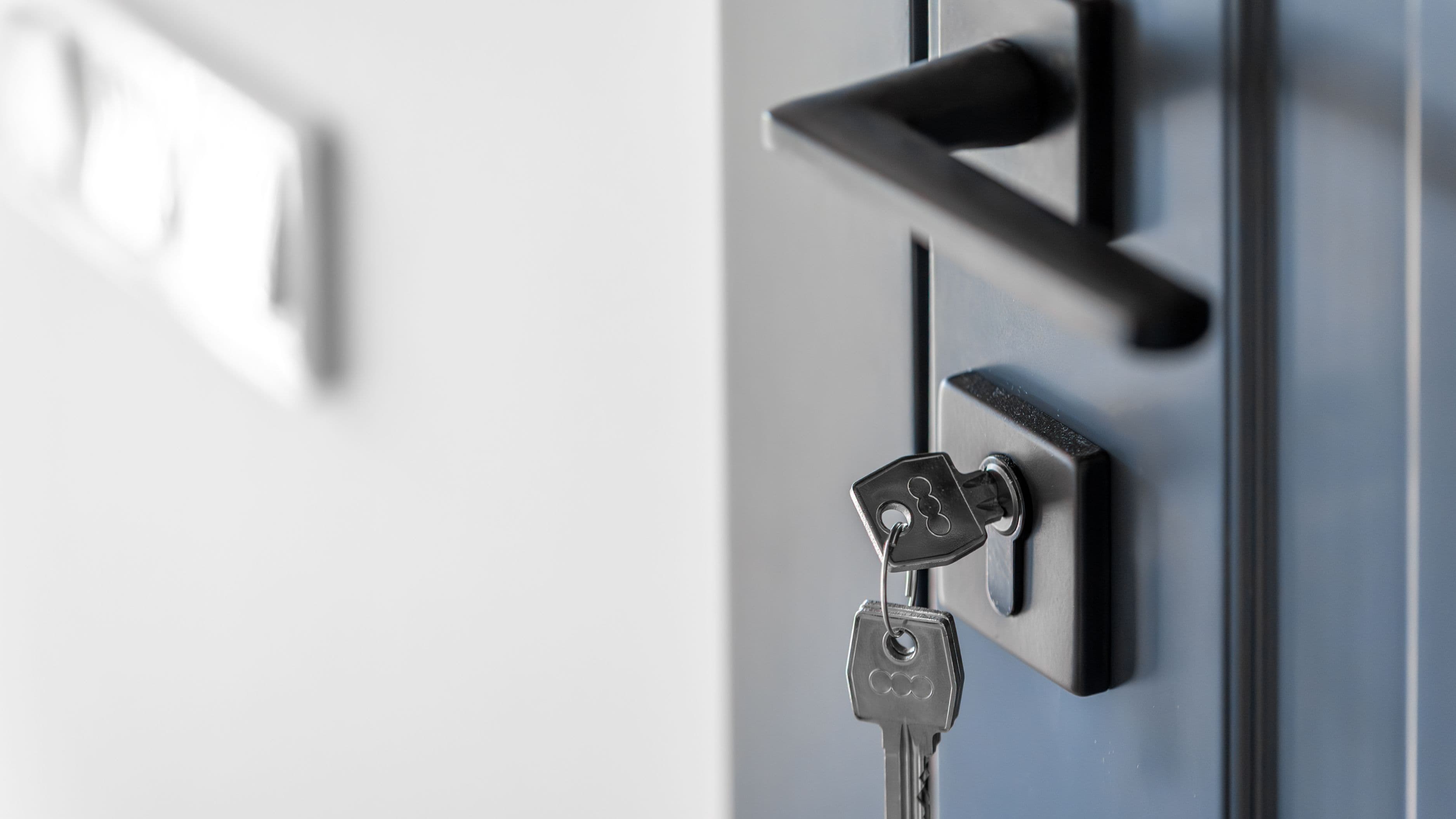
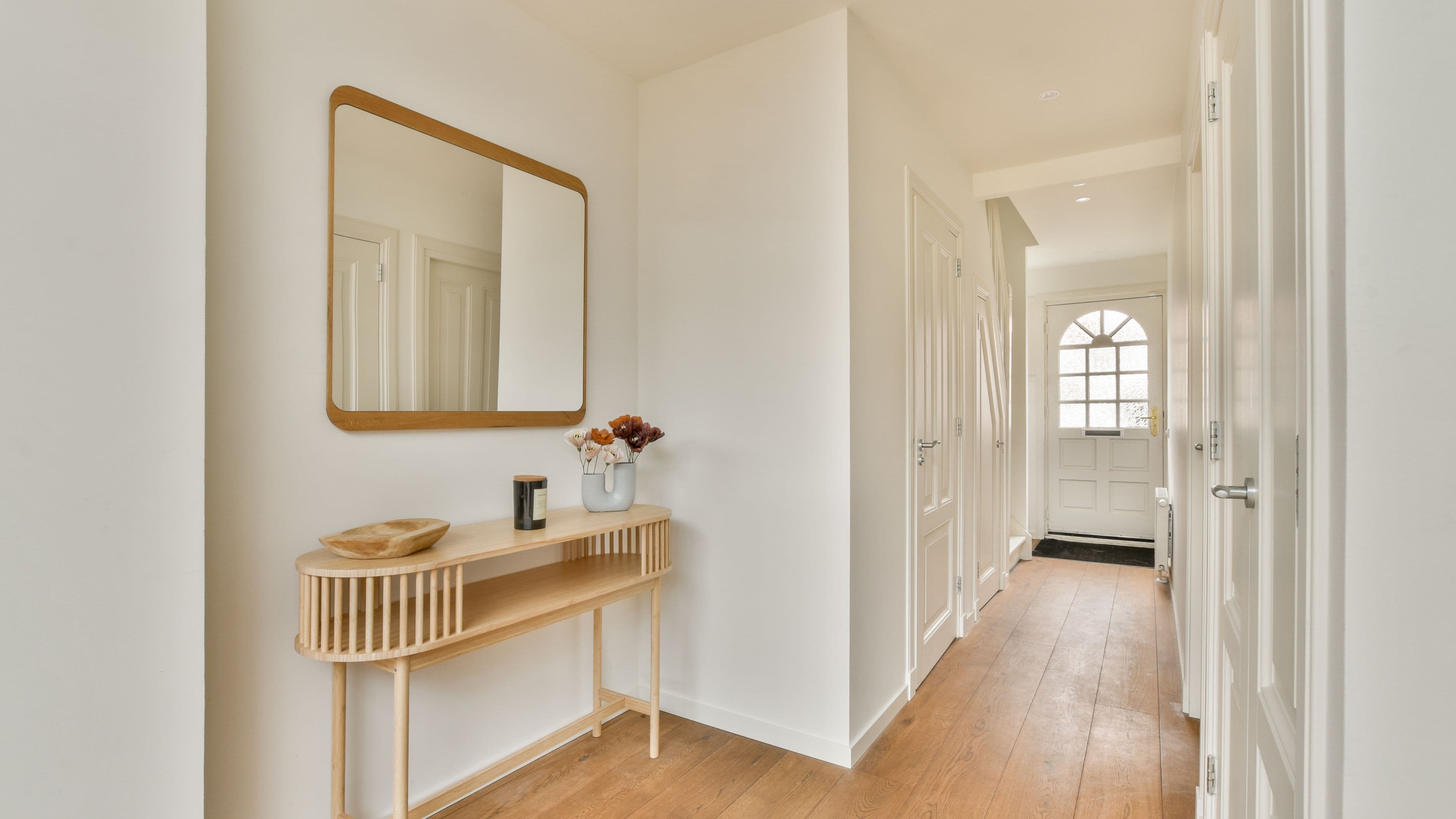
Place attractive bowls or trays near the entrance for keys, mail, and daily essentials.
This prevents clutter from spreading throughout your home like a slow-moving tide.
Use the One-In, One-Out Rule
For every new item that enters your space, remove something similar you no longer need.
This maintains equilibrium and prevents accumulation from creeping back in.
Maximize Storage Intelligence
Think Vertical Always
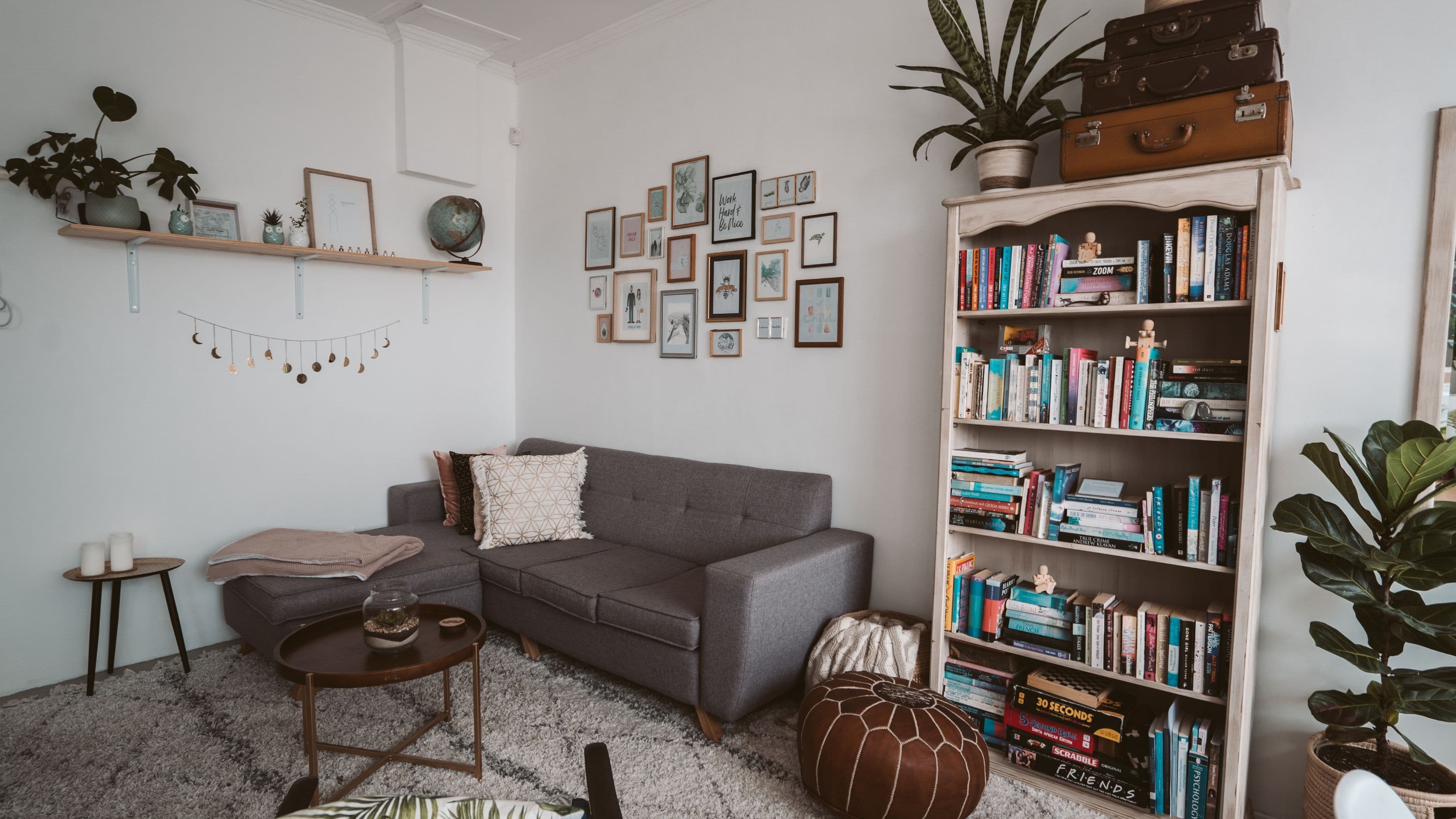
Install floating shelves above doorways and in awkward corners to store books or decorative items.
Use wall-mounted hooks and pegboards to keep frequently used items accessible yet organized.
Utilize Hidden Storage Spaces
Choose ottomans, coffee tables, and benches with built-in storage compartments.
Store seasonal items in vacuum-sealed bags under beds or in closet ceiling areas.
Create Multi-Level Organization
Use drawer dividers and shelf risers to double your storage capacity in existing spaces.
Stack similar items vertically rather than spreading them horizontally across surfaces.
Light Your Way to Beauty
Layer Your Lighting Sources
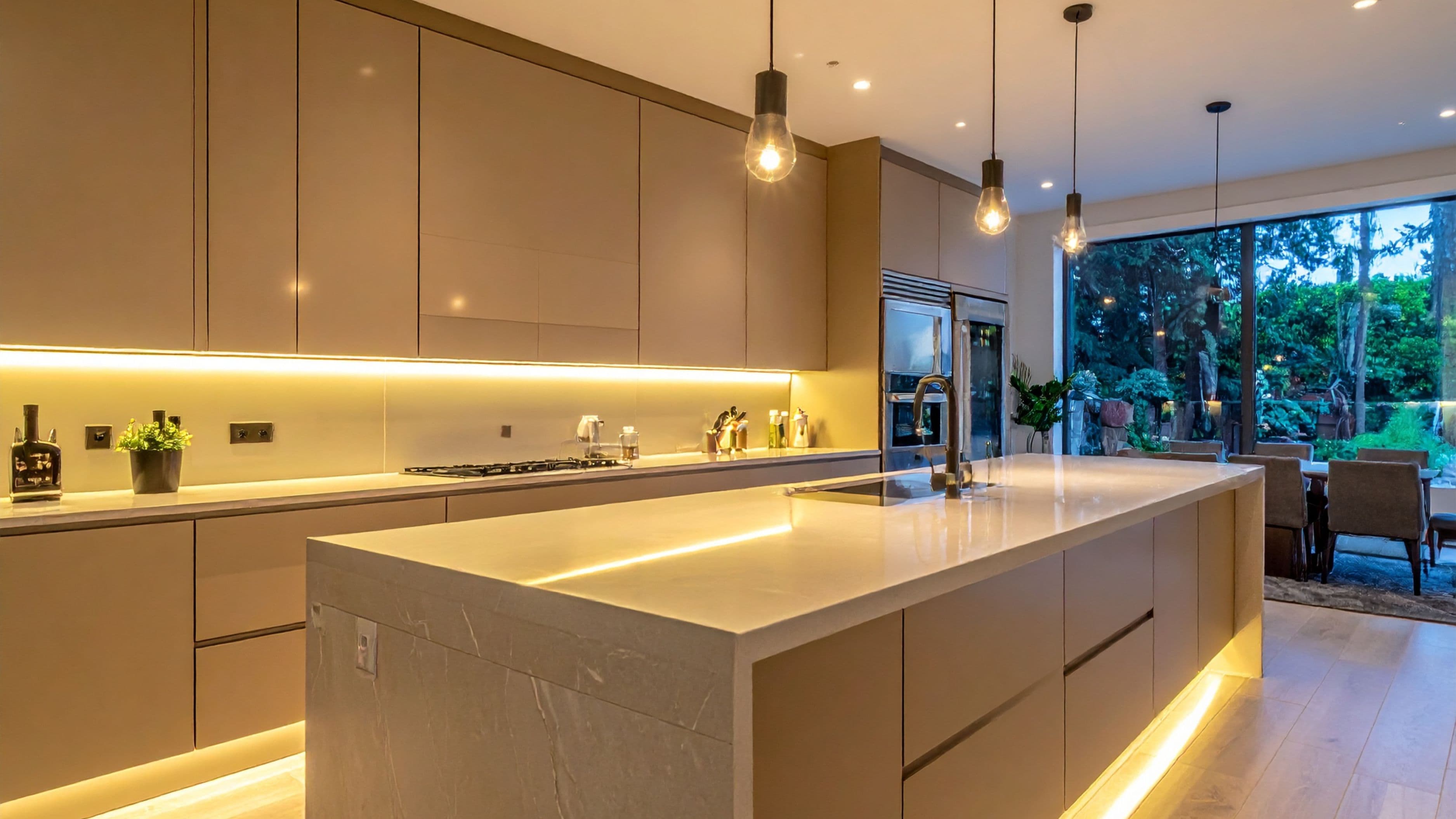
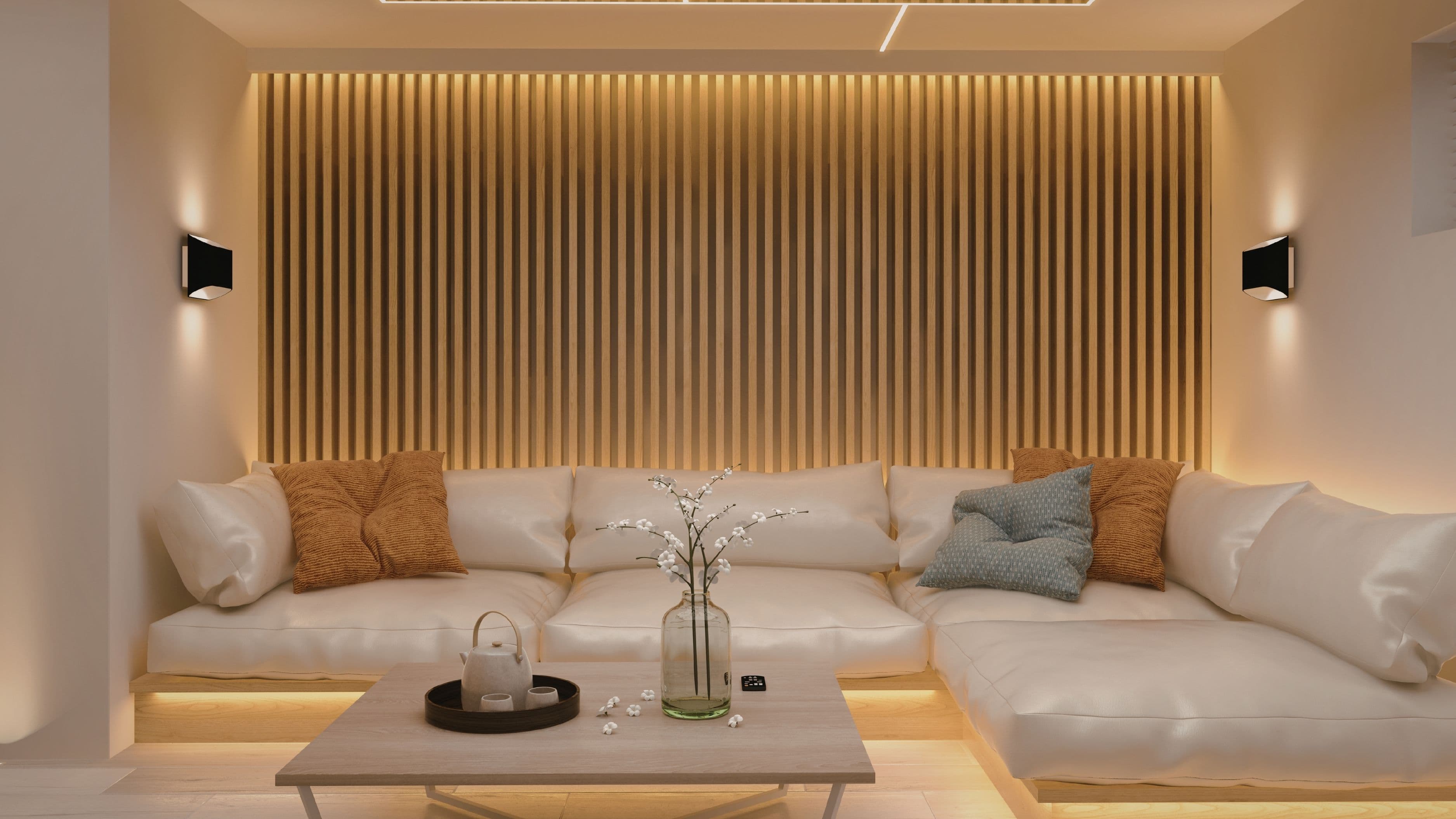
Combine overhead lighting with table lamps, floor lamps, and accent lighting for depth.
Harsh single-source lighting flattens spaces and creates unflattering shadows on faces.
Harness Natural Light Power
Replace heavy curtains with sheer panels or blinds that allow light while maintaining privacy.
Position mirrors opposite windows to reflect natural light deeper into your rooms.
Add Warmth with Ambient Glow
Use warm-toned LED bulbs (2700K-3000K) instead of cool white to create cozy atmosphere.
String lights aren't just for dorms – use them thoughtfully to add magical sparkle to any room.
Color Psychology Magic
Choose a Cohesive Palette
Pick three colors maximum for each room – one dominant, one secondary, one accent.
This creates visual flow and prevents your space from feeling chaotic or overwhelming.
Use Paint to Define Spaces
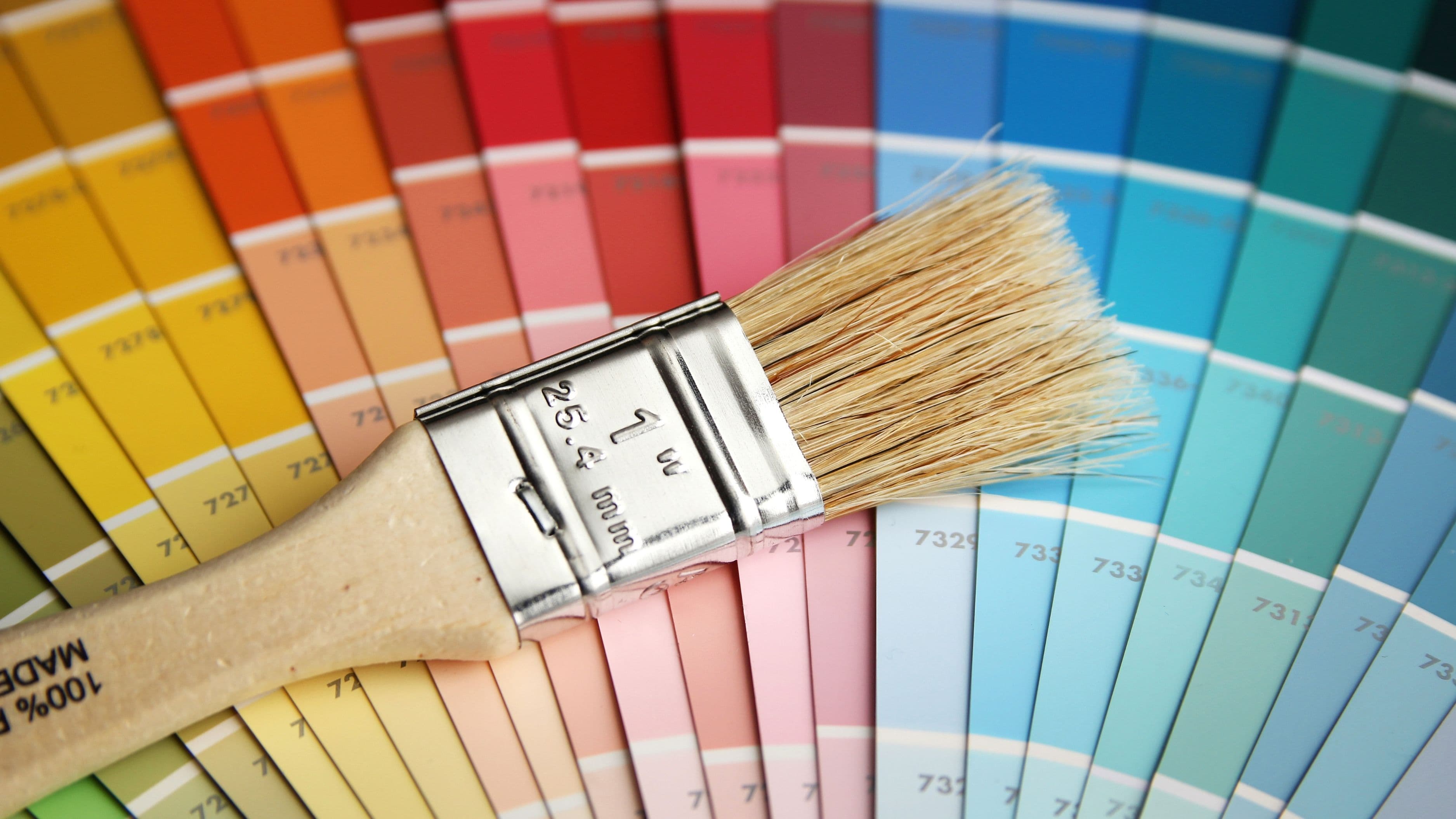
Paint accent walls or built-ins in deeper tones to create focal points and visual interest.
Light colors expand spaces visually while darker colors create intimate, cozy feelings.
Incorporate Color Through Textiles
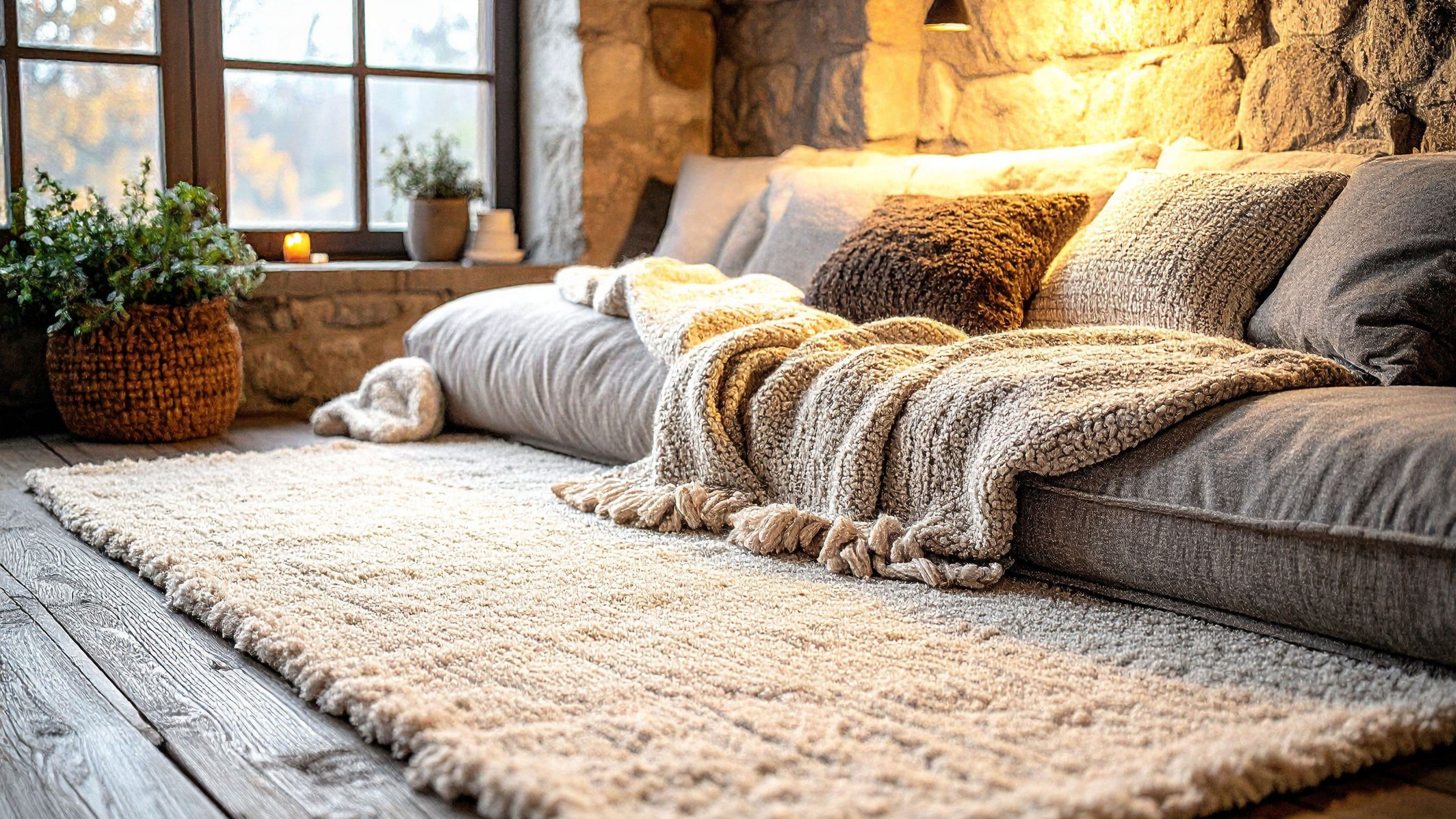
Add personality with throw pillows, blankets, and rugs that can easily change with seasons.
These softer elements are less expensive to update than permanent fixtures or furniture.
Furniture Placement Strategy
Create Conversation Areas
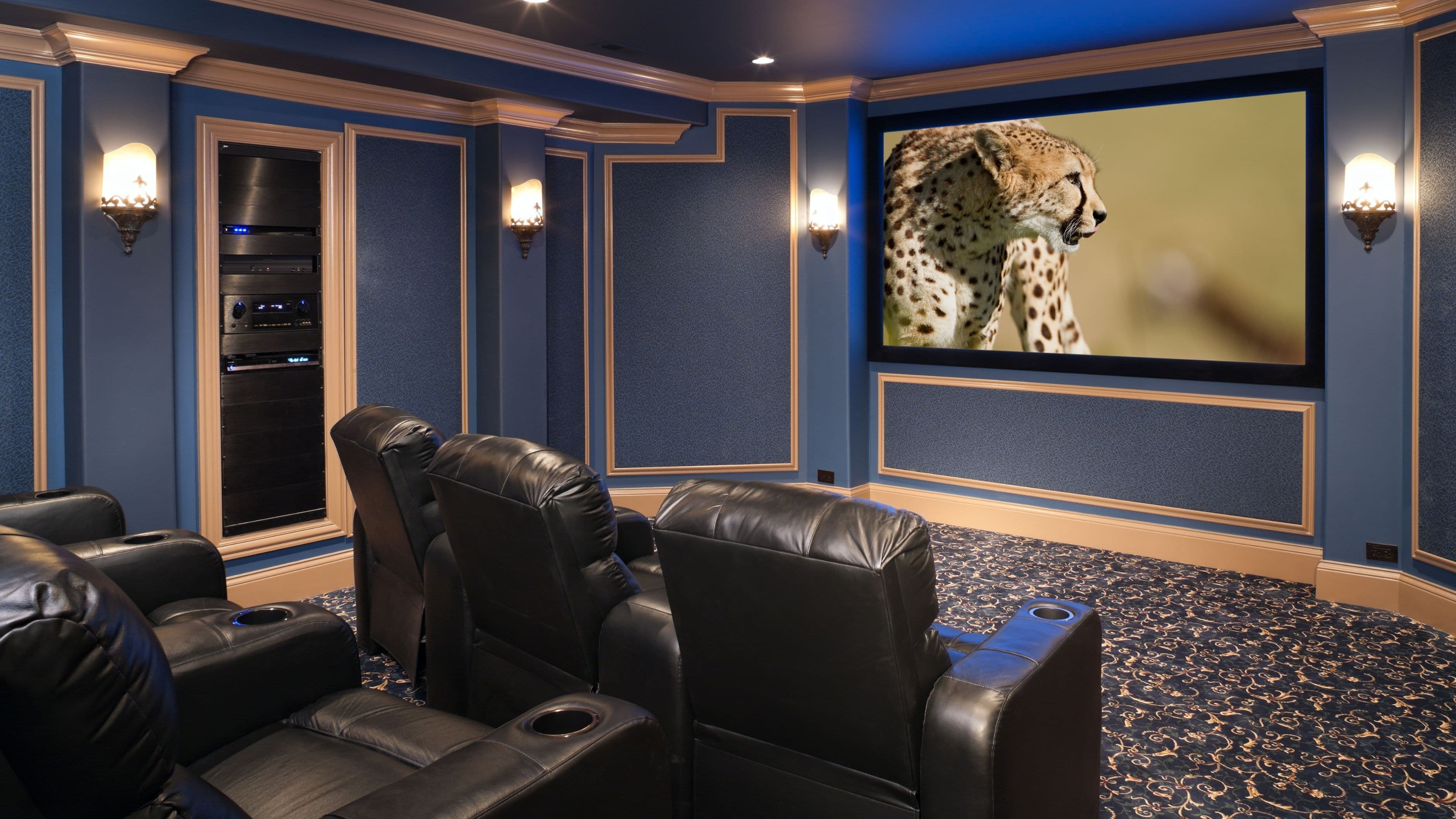
Arrange seating to face each other rather than all pointing toward the TV.
This encourages interaction and makes spaces feel more inviting to guests and family.
Float Furniture Away from Walls
Pull sofas and chairs slightly away from walls to create breathing room and visual flow.
This technique makes rooms feel larger and more sophisticated than wall-hugging arrangements.
Define Zones in Open Spaces
Use rugs, lighting, or furniture groupings to create distinct areas within larger rooms.
Each zone should serve a specific purpose – reading, dining, working, or relaxing.
Texture and Pattern Play
Mix Textures Thoughtfully
Combine smooth surfaces with rough ones – silk pillows on woven chairs, metal lamps on wood tables.
This creates visual interest and prevents spaces from feeling flat or monotonous.
Layer Patterns Carefully
Use one large pattern, one medium pattern, and one small pattern in the same color family.
This prevents pattern clashing while adding sophisticated visual depth to your rooms.
Add Natural Elements
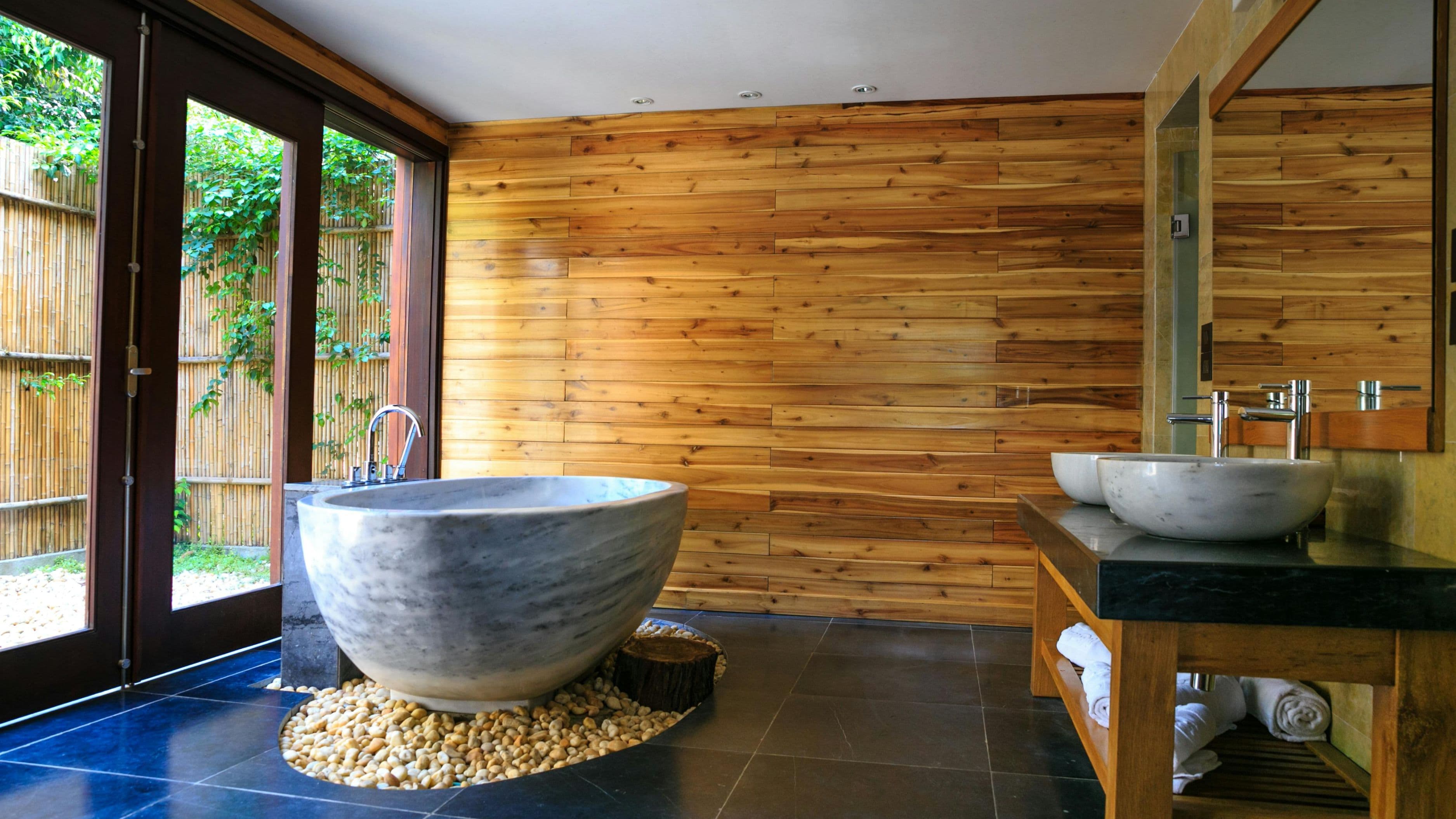
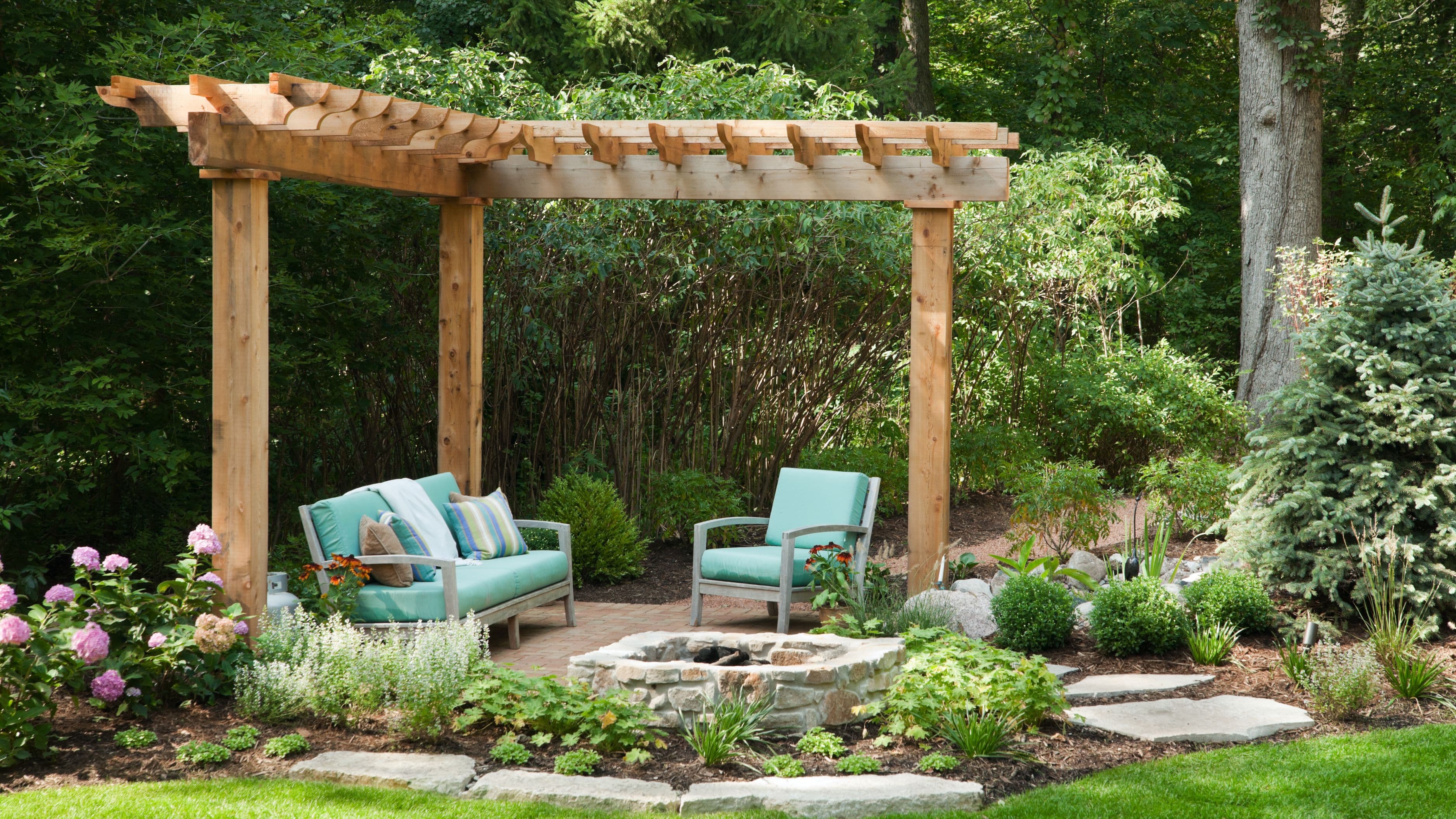
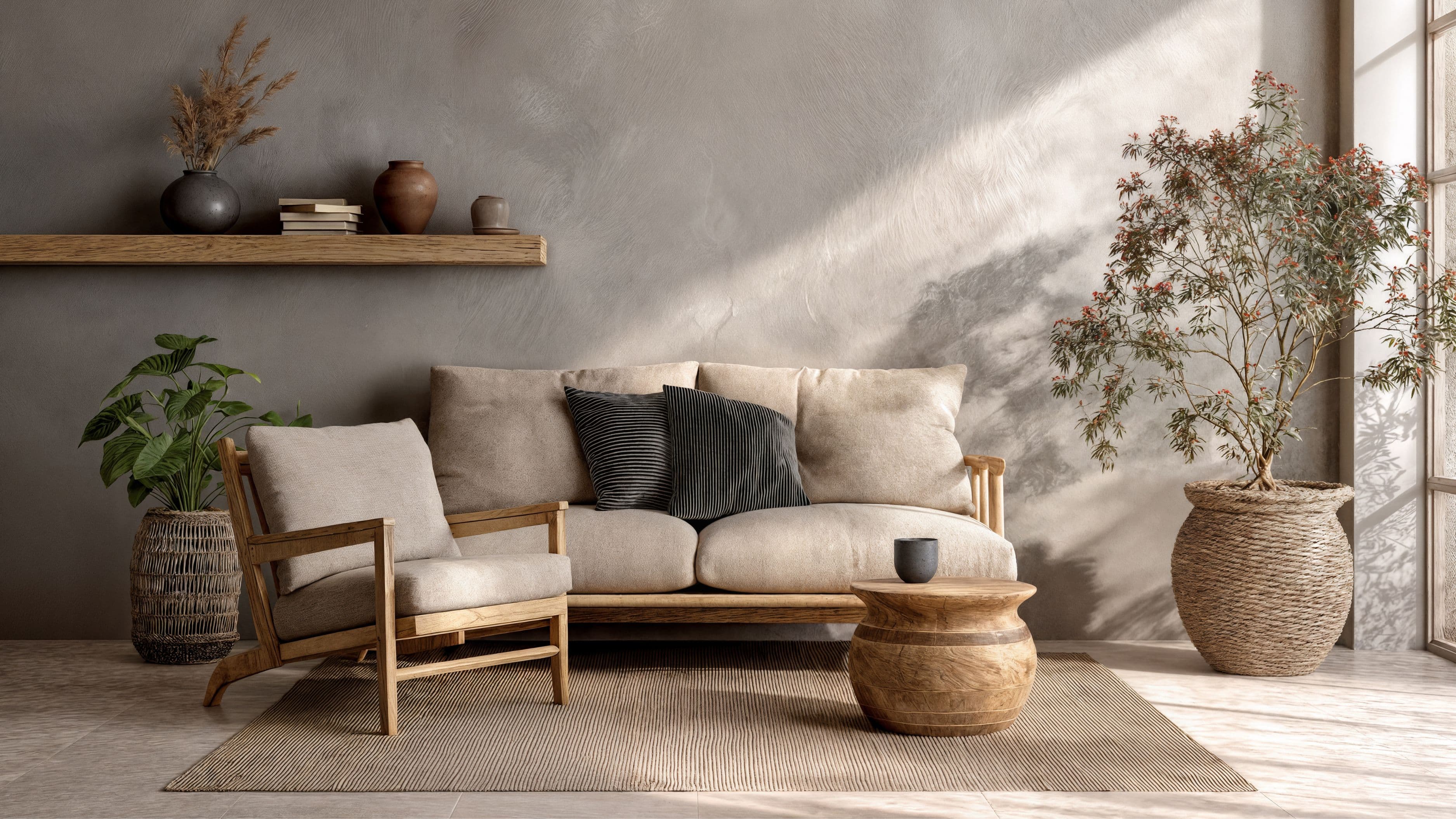
Incorporate wood, stone, plants, or woven materials to bring organic warmth indoors.
These elements connect you to nature and create calming, grounding energy in your space.
Budget-Friendly Transformations
Rearrange Before You Buy
Move existing furniture to different rooms or positions to create fresh perspectives.
Sometimes a simple swap between rooms can make everything feel completely new.
DIY Art and Accessories
Frame fabric samples, pages from old books, or your own photography for personalized wall art.
Spray paint existing accessories in cohesive colors to tie your whole look together.
Shop Your Own Home First
Look for items in storage, other rooms, or forgotten corners that could work elsewhere.
That vase in the closet might be perfect for the bathroom, creating instant style for free.
Functionality Focus Areas
Kitchen Workflow Optimization
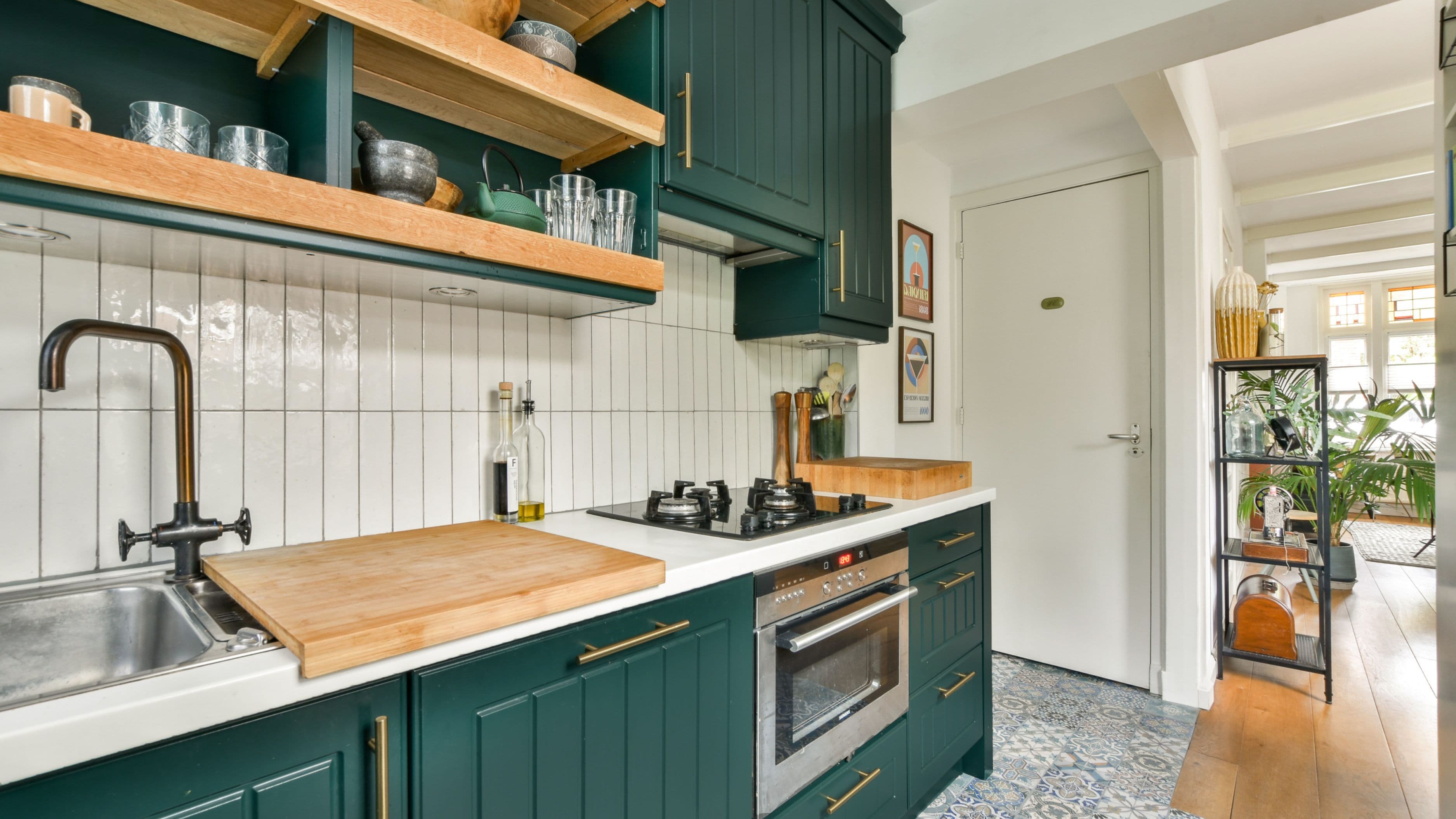
Store frequently used items in the triangle between sink, stove, and refrigerator.
Use vertical space with magnetic strips for knives and spice jars mounted inside cabinet doors.
Bathroom Efficiency Upgrades
Install hooks on the back of doors for towels and robes to free up floor space.
Use drawer organizers for toiletries and medications to prevent morning chaos.
Bedroom Serenity Setup
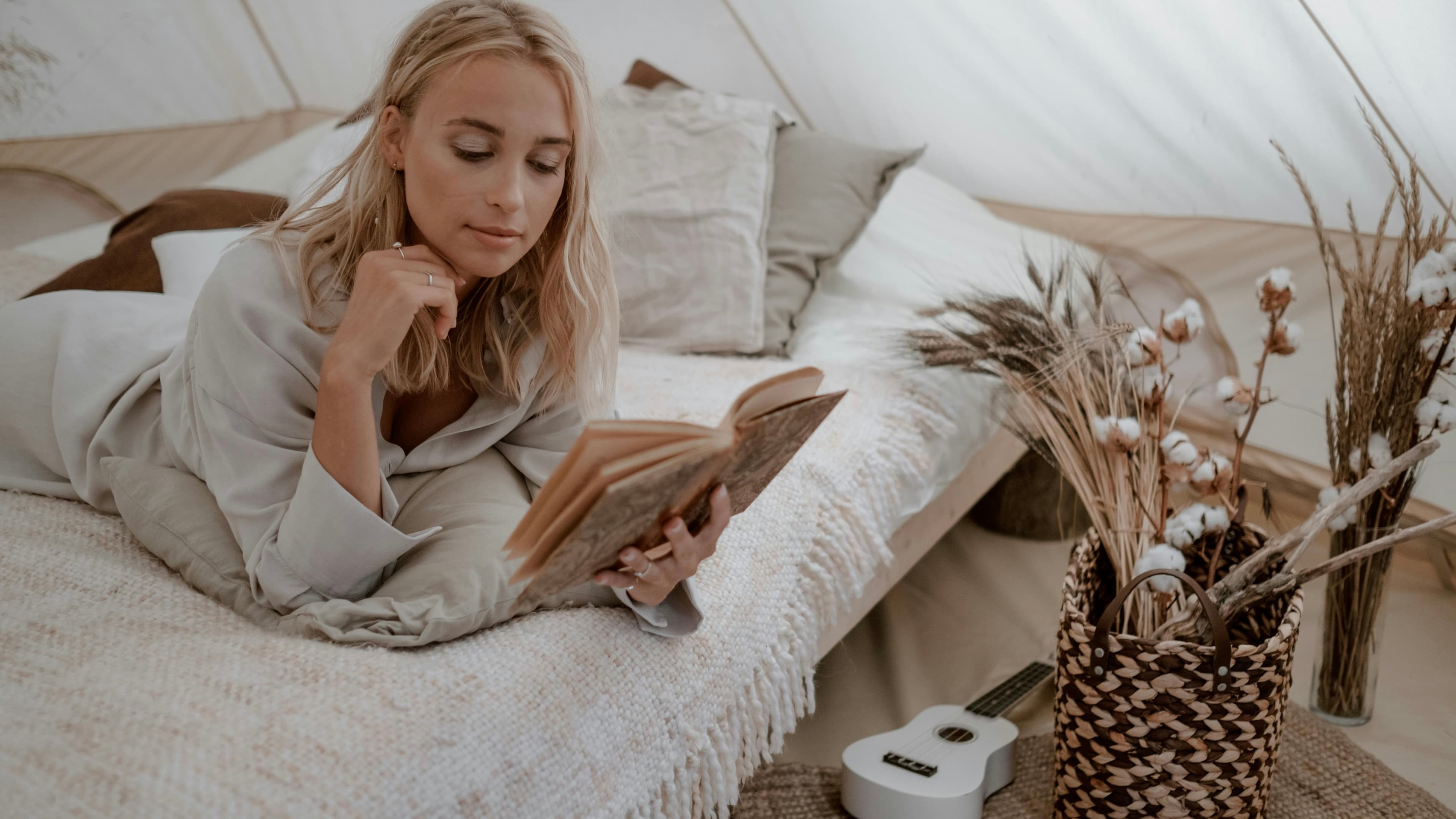
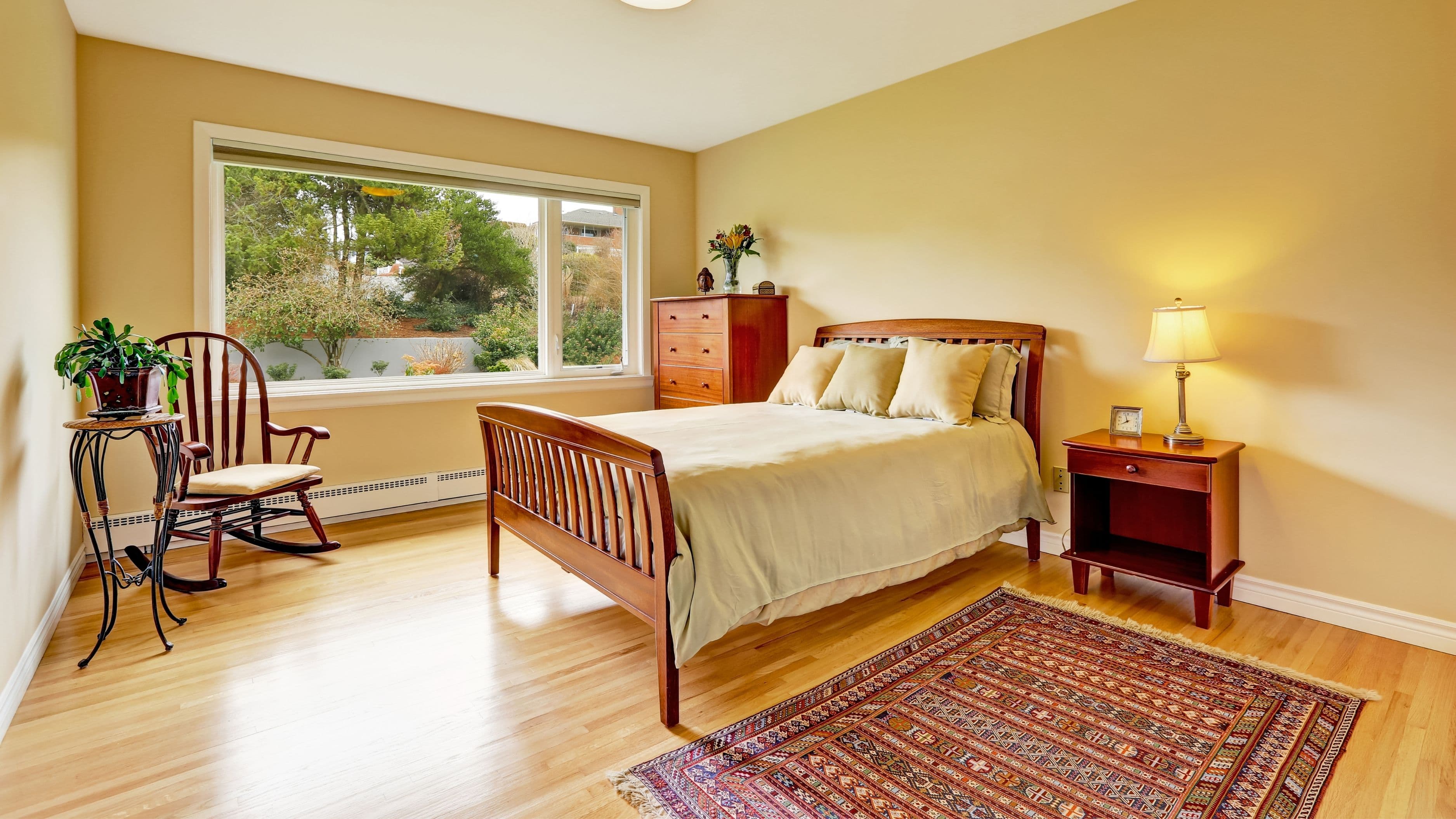
Keep surfaces clear except for one or two meaningful items like a favorite book or plant.
Create a charging station away from the bed to improve sleep quality and morning routines.
Seasonal Refresh Strategies
Rotate Accessories Quarterly
Store seasonal items in labeled bins and swap them out to keep your space feeling fresh.
This prevents boredom while maximizing the impact of decorative pieces you already own.
Change Textiles with Seasons
Switch heavy blankets and dark pillows for lighter fabrics and brighter colors in spring.
This instantly updates your space without major purchases or permanent changes.
Adjust Scents and Sounds
Use different candles, diffuser oils, or background music to create seasonal atmosphere.
These subtle changes affect mood more powerfully than many people realize.
Plants and Natural Life
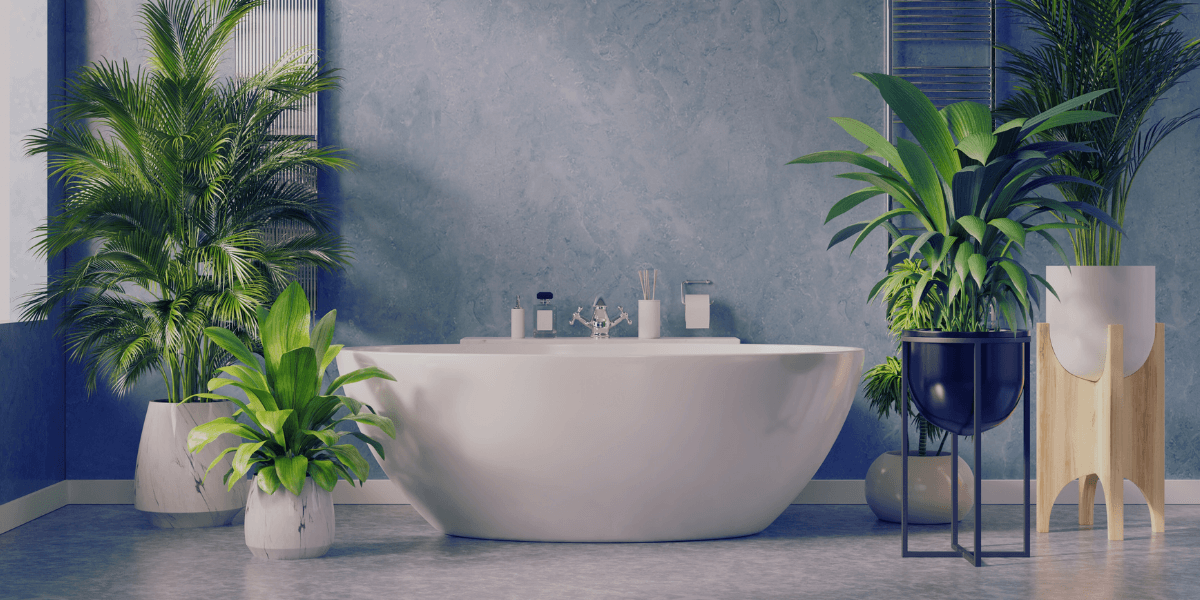
Choose Low-Maintenance Varieties
Start with pothos, snake plants, or succulents that thrive even with occasional neglect.
Green life purifies air, reduces stress, and adds instant vitality to any corner.
Create Plant Groupings
Arrange plants of different heights and textures together for maximum visual impact.
Odd numbers work better than even – group three or five plants rather than two or four.
Use Plants as Living Decor
Trail vines from shelves, place large plants in empty corners, or create herb gardens in kitchens.
Living decor changes and grows, keeping your space dynamic and interesting over time.
Research from UCLA's Center for Everyday Lives shows that people living in organized, clutter-free homes have lower cortisol levels throughout the day compared to those in chaotic environments. Your physical space directly impacts your mental state, productivity, and overall well-being. When you create a home that functions beautifully, you're investing in your daily happiness and long-term success.
The most successful home transformations happen gradually, one small change at a time. Each improvement builds momentum and confidence for the next project. Start with the area that bothers you most – maybe it's the entryway where clutter accumulates, or the bedroom that doesn't feel restful. Address that single pain point first, and let the success motivate your next move.
Pick one strategy from this list and implement it today. Clear one surface completely, rearrange one furniture grouping, or add one plant to a sunny corner. Momentum starts small, but the compound effect of these changes will transform not just how your home looks, but how it makes you feel every single day.
📚 Sources
1. UCLA Center for Everyday Lives of Families. (2022). "Life at Home in the Twenty-First Century." UCLA Press.
2. Environmental Psychology Research Group. (2023). "The Impact of Organized Living Spaces on Stress and Productivity." Journal of Environmental Psychology.