


1. Ask Before You Google
My first mistake was going straight to a search engine. Sure, you’ll get results — hundreds of them — but they don’t come with context. Instead, I should have started by asking people I trust. Neighbors, coworkers, even the cashier at the hardware store can have valuable recommendations. Personal referrals cut through the guesswork because they come with real-life proof: “This contractor finished my kitchen on time and didn’t ghost me halfway through.” The bonus? You can actually see their work in person if it’s someone nearby.
2. Read Reviews With a Skeptical Eye
After my disaster, I realized that online reviews are a mixed bag. Some are glowing fluff, and others are rage-fueled novels about minor misunderstandings. The key is to look for patterns. If multiple people mention the contractor missing deadlines, that’s a red flag. If reviews consistently praise their communication, that’s a good sign. Also, check if they have a portfolio linked — photos don’t lie as easily as words do. And always look at both the newest and oldest reviews to see if their quality has been consistent over time.
3. Check the Paperwork
I skipped this step and paid for it — literally. A reliable contractor should have up-to-date licenses for your state and proper insurance coverage. This protects both of you. If something goes wrong, you don’t want to be responsible for an injured worker or a damaged property. Ask to see physical proof, not just a verbal “yeah, I’ve got that.” If they hesitate or make excuses, move on. A legitimate contractor will be proud to show they’re above board.
4. Get Multiple Bids — Even If You Think You’ve Found “The One”
Imagine going on one date and deciding to marry the person the next day. That’s essentially what I did with my contractor. Big mistake. Getting at least three bids gives you a baseline for what’s reasonable. If one is drastically lower, ask why. A lowball offer might mean cheap materials or cutting corners. On the flip side, the highest bid should come with a clear explanation for the added cost — maybe they’re including premium materials or a faster turnaround.
5. Interview Like a Boss
Your first conversation with a contractor is a job interview — because that’s exactly what it is. Prepare questions ahead of time: How many projects like mine have you done? Who will be on-site daily? What’s your communication style? You’ll get a feel for their professionalism and whether you’d actually enjoy working with them. If they dodge questions or give vague answers, imagine how they’ll act when a real issue comes up mid-project.
6. Put Everything in Writing
This is the rule that could have saved me the most trouble. Handshakes are great for friendly bets, not for thousands of dollars in home repairs. A detailed contract should spell out the scope of work, materials to be used, payment schedule, deadlines, and what happens if changes are needed. It’s not about mistrust — it’s about clarity. When things are in writing, there’s less room for misunderstandings.
7. Beware of the Upfront Payment Trap
My contractor wanted half the payment before lifting a hammer. I didn’t know that in most cases, a small deposit (10–20%) is reasonable, but a massive upfront payment is risky. It can mean they’re using your money to finish someone else’s job or that they won’t come back at all. A trustworthy contractor will have the resources to start work without draining your wallet on day one.
8. Watch How They Communicate Early On
Before you even sign a contract, pay attention to how they respond to your calls or messages. Do they get back to you promptly? Are they clear and friendly? I ignored slow responses at the beginning, thinking they were “just busy.” Turns out, that was a preview of the ghosting I’d get once problems started. A good contractor knows that communication is part of the job.
9. Visit a Current Job Site
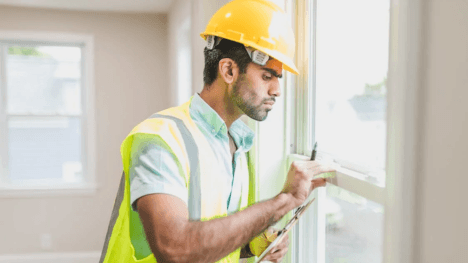
One of the best tips I got after my bad experience was to visit a project they’re working on now. This shows you their work habits in real time. Is the site organized and safe? Are workers wearing protective gear? Is the homeowner happy? A messy, chaotic job site can be a preview of what’s coming your way.
10. Trust Your Gut — It’s Usually Right
The day I met my contractor, something in my stomach felt uneasy, but I brushed it off. That was my mistake. Sometimes our instincts pick up on subtle cues — a rushed handshake, an unwillingness to answer a simple question, an overpromising tone. If something feels off, even if you can’t explain it, keep looking. There are plenty of skilled, honest contractors out there, and you deserve to find one.
The Moral of the Story
Finding a reliable home contractor isn’t just about saving money — it’s about protecting your home, your sanity, and your time. My leaky roof saga taught me that the cheapest option can become the most expensive in the long run. Do the legwork now, and you’ll thank yourself later when your project is done right the first time.
📚 Sources
Pew Research Center – “Online Reviews and Their Impact” (2016)
National Association of Home Builders – Contractor Licensing and Insurance Requirements (2023)
Angi.com – “Average Contractor Costs” (2024)
-jhajrFUGfI3zCQGjpAWcxuNPi1zUTB.jpg&w=3840&q=75)