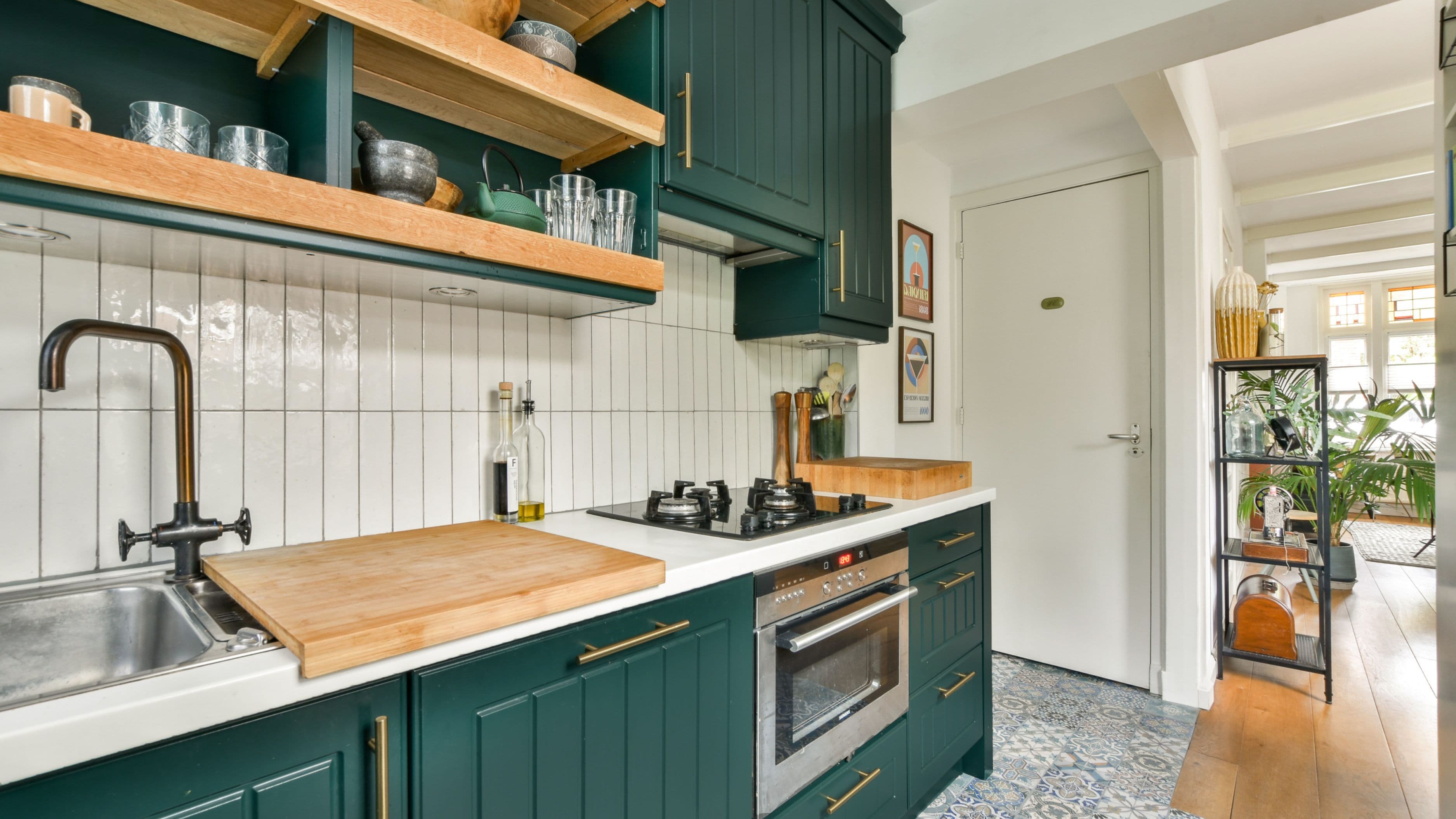
This isn't just about adding more counter space. It's about rethinking traffic flow, work zones, storage access, and a few specific appliance decisions that make a genuine difference when two or more people are actively cooking at the same time.
Start With the Triangle – Then Think Beyond It
The classic kitchen work triangle – sink, stove, refrigerator, each connected by an unobstructed path – was designed with one cook in mind. It's still a useful starting point, but for a multi-cook kitchen, you need to think in terms of work zones rather than a single triangle. The idea is that different tasks cluster around different areas, and those areas should be able to operate somewhat independently so two people aren't constantly crossing paths to reach what they need.
The primary zones in a functional kitchen are: prep (cutting board, knives, mixing bowls), cooking (stove and oven), cleaning (sink and dishwasher), and storage (refrigerator, pantry, dry goods). In a single-cook kitchen, these zones can overlap significantly because only one person is using them at a time. In a multi-cook kitchen, you want each zone to be reasonably complete on its own – meaning the tools, storage, and workspace needed for that task are all clustered in one area rather than requiring a person to travel across the kitchen mid-task.
Counter Space Is the Non-Negotiable
If there's one thing multi-cook kitchens consistently need more of, it's usable counter space. When two people are simultaneously prepping, there simply has to be enough horizontal workspace for both of them. This sounds obvious, but most kitchens are designed with a single continuous counter run that works fine for one person and becomes a constant source of conflict for two.
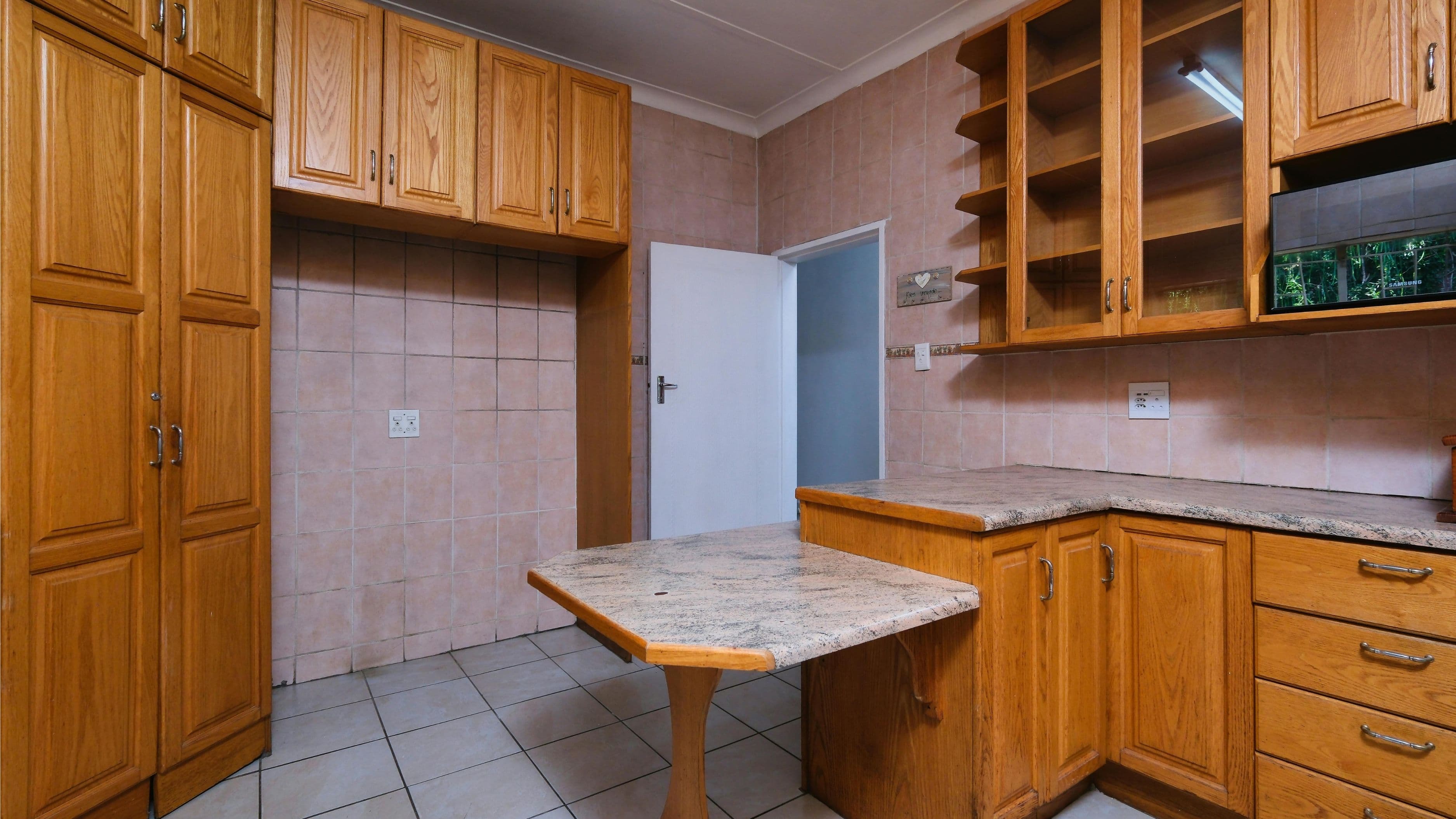
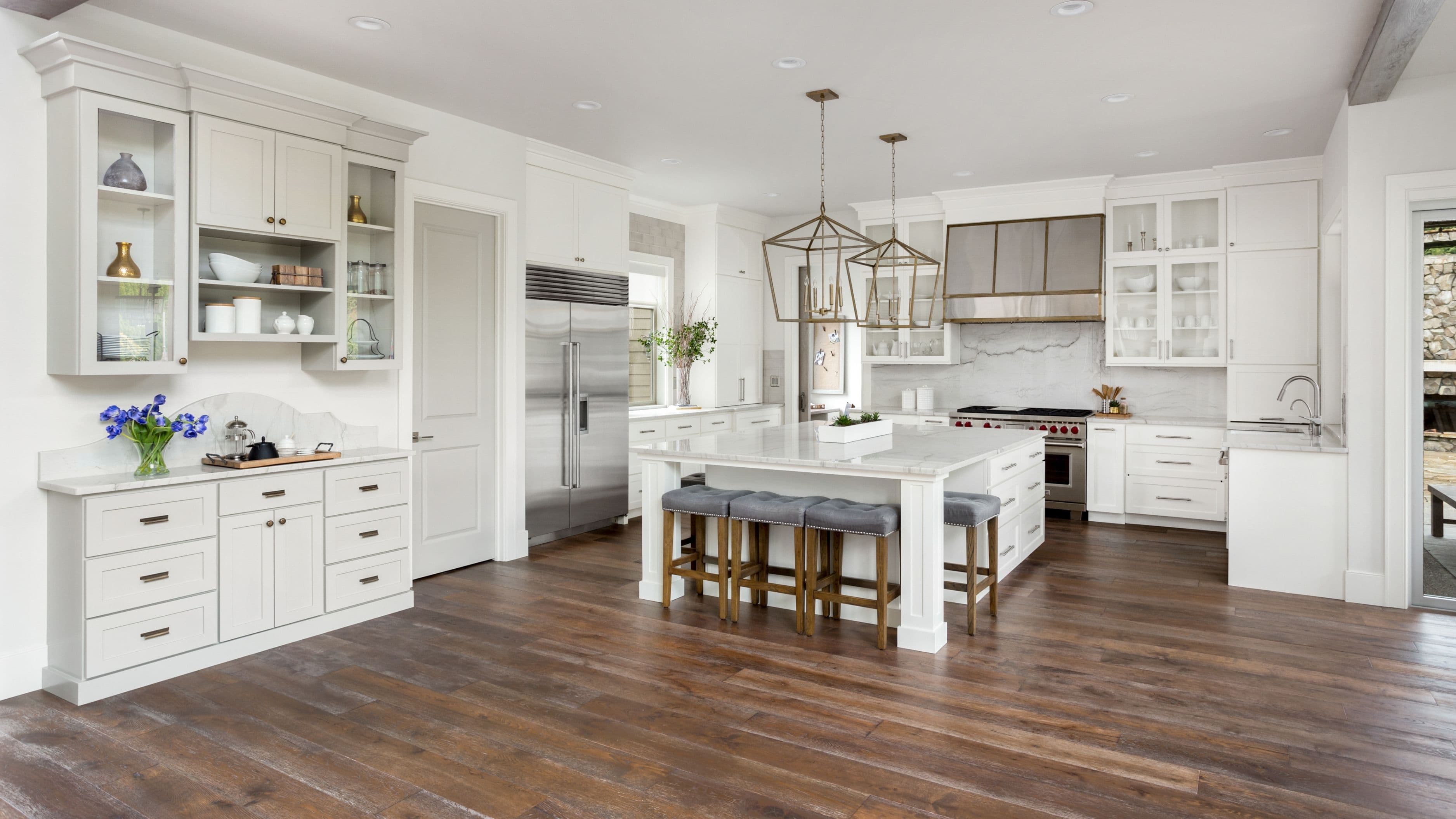
The solution isn't always a full renovation. A kitchen island is the most impactful single addition for a multi-cook setup because it creates an independent workspace in the center of the room that doesn't compete with the perimeter counters. Even a modest island – four feet long and two and a half feet wide – provides a meaningful secondary prep area. If the kitchen layout doesn't accommodate a fixed island, a rolling butcher block cart achieves a similar effect at a fraction of the cost and can be repositioned or moved out of the way when not needed. Rolling carts with solid wood tops run $150 to $400, compared to $2,000 to $8,000 or more for a built-in island including installation.
When evaluating counter space, think about which surfaces are actually usable – not just measured. Counter runs that are blocked by a large stand mixer, a coffee station, a toaster oven, and a block of knives may measure six feet but offer two feet of working space. Clearing appliances off counters or relocating them to a pantry or cabinet shelf frees up space without touching a single cabinet.
Two Sinks Change Everything
A second sink is the single most functional upgrade you can make to a multi-cook kitchen, and it's one that many homeowners overlook because it sounds like a luxury. In reality, when two people are cooking, a single sink becomes a significant bottleneck. One person needs to rinse vegetables. Another needs to wash their hands. Someone needs to drain pasta. These needs all compete for the same space at the same time, and a second sink eliminates that competition entirely.
The secondary sink doesn't need to be the same size as the primary. A 15-inch bar sink or prep sink installed in the island or in a secondary counter run handles the majority of secondary sink tasks – rinsing produce, filling pots, washing hands – without the cost or installation complexity of a full second kitchen sink. Budget for $300 to $800 for the sink itself plus plumbing costs, which vary significantly by how close the secondary sink is to existing plumbing lines. The closer it is, the cheaper the installation.
Think About the Stove and Oven Configuration
A standard 30-inch range with four burners is fine for everyday cooking but becomes limiting when two people are cooking an involved meal simultaneously. There are a few ways to address this depending on your budget and how your kitchen is configured.
A 36-inch range or cooktop with five or six burners is the most straightforward upgrade – it provides meaningfully more active cooking surface without changing your kitchen layout. The price jump from a 30-inch to 36-inch professional-style range is real ($2,000 to $5,000 for mid-range options), but the functional improvement for multi-cook households is proportional.
A double oven – either a freestanding range with double ovens stacked vertically or a pair of wall ovens – solves the oven timing problem that plagues multi-cook households during holidays and larger meals. When two people are cooking different dishes at different temperatures, a single oven forces constant compromise. Double ovens eliminate this entirely. Built-in wall ovens at separate heights also reduce the bending required to manage lower oven racks, which is a practical ergonomic benefit over time.
For kitchens that can't accommodate a larger range, a quality countertop induction burner ($100 to $300) adds two additional cooking surfaces without any permanent modification and can be stored away when not in use. Induction performs comparably to a gas burner for most cooking tasks and is significantly safer to use in a crowded kitchen because the surface doesn't get hot – only the pot does.
Storage Access for Two People
Storage in a single-cook kitchen tends to be organized around one person's workflow. When two people are regularly cooking, storage organization needs to account for both people's access patterns – and ideally provide each person with some dedicated storage so they're not constantly reaching past each other for the same items.
The most effective approach is to organize storage by zone rather than by category. Pots and pans live near the stove. Cutting boards, knives, and prep tools live near the primary prep area. Baking supplies live near the counter run where baking happens. This zone-based organization means that when two people are working in different parts of the kitchen, each person has the tools they need within reach rather than needing to go to the same cabinet for everything.
Deep base cabinets are a persistent storage challenge because items at the back are hard to reach and tend to get buried. Pull-out drawers inside base cabinets – installed as a retrofit or specified in new cabinetry – dramatically improve accessibility and make it possible for a second cook to quickly find something in the back of a cabinet without unloading the front half. Retrofit pull-out shelf kits for base cabinets run $50 to $150 per cabinet and can be installed without professional help in most cases.
Above the refrigerator and upper cabinets above eye level are effectively dead storage for most people – items stored there are out of sight and hard to reach. Relocating infrequently used items (the big roasting pan, the pasta maker, the holiday serving dishes) to these harder-to-access spots frees up the best storage real estate for the items both cooks reach for regularly.
Layout Decisions That Reduce Conflict
Beyond the specific upgrades, a few layout principles specifically address how two cooks move through the same space without constantly getting in each other's way.
Aisle width is the most important layout factor for multi-cook kitchens. The National Kitchen & Bath Association recommends a minimum of 42 inches of aisle width between opposing counters or an appliance and a counter in kitchens used by one cook, and 48 inches for multi-cook kitchens. The extra six inches makes a genuine difference in whether two people can pass each other without one having to stop and step aside. In existing kitchens, this may mean accepting narrower counters on one side or repositioning an island.
Oven and appliance door swing is worth planning around carefully in a multi-cook setup. A full-size oven door opens 24 to 30 inches into the aisle when fully extended. If another person is working at a counter directly across from the oven, the open oven door occupies most of that aisle. This argues for positioning the oven at the end of a run rather than in the middle, or choosing wall ovens mounted at a height where the door swings into open space rather than directly into the traffic path.
Refrigerator door swing is a similar consideration. French door refrigerators with two smaller doors require less clearance per door than a single door model and work better in tighter aisle situations. If a refrigerator door currently swings into the main traffic path, a french door replacement or a counter-depth model with a different hinge orientation can meaningfully improve flow.
What to Avoid
Designing a multi-cook kitchen around aesthetics first and function second is the most common mistake. An open shelving concept that looks beautiful in photos doesn't help when two people need to grab things quickly and there's no logical organization system. A waterfall island edge is stunning but doesn't add usable workspace the way a standard overhang for seating or prep does.
Installing a single, large farm sink thinking it provides "more space" often backfires in a multi-cook setup – a large single-basin sink is difficult for two people to use simultaneously in the way that two smaller sinks aren't. Two dedicated sinks beat one oversized sink for multi-cook functionality.
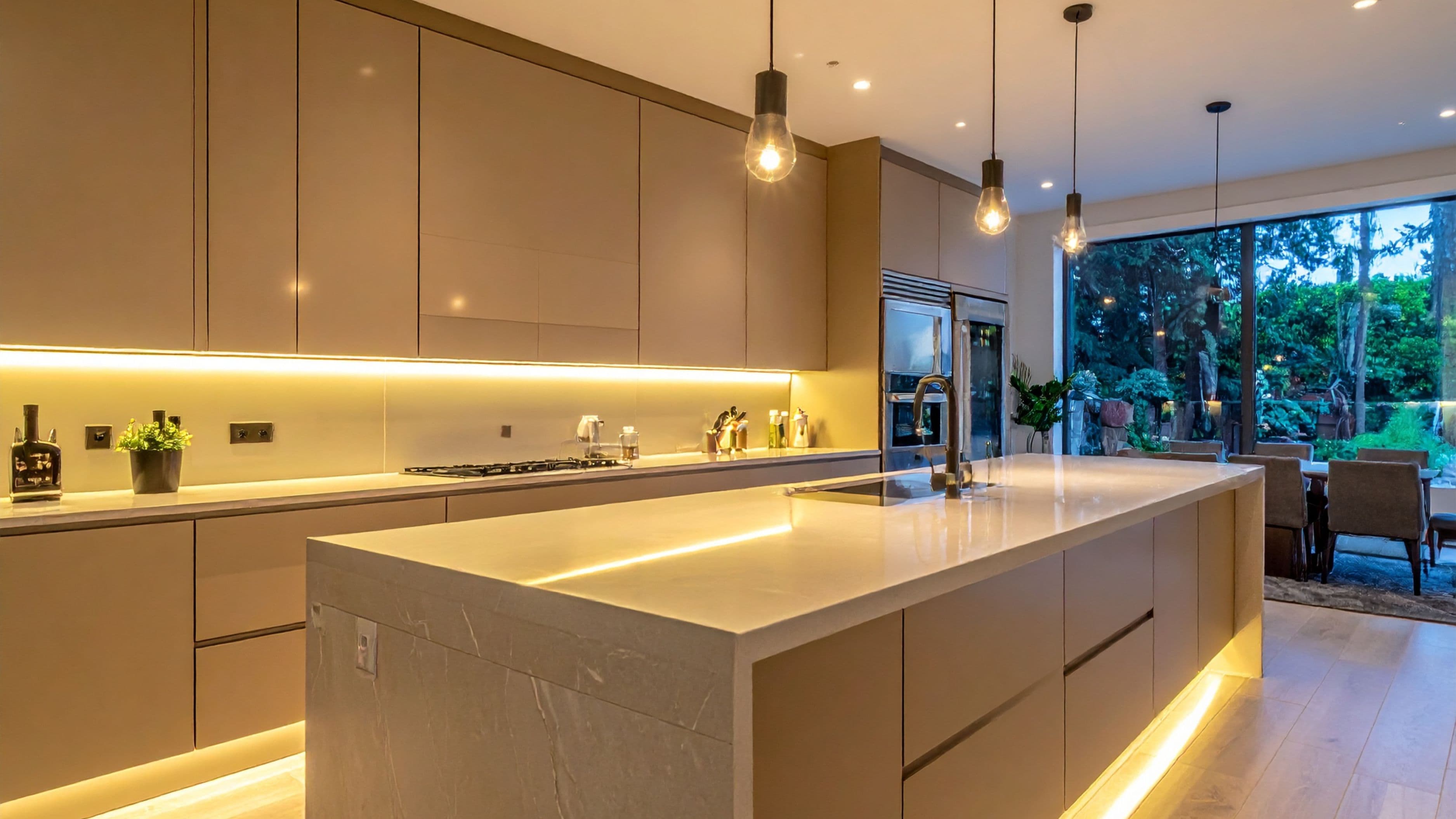
Underinvesting in lighting is a planning error that's easy to make and noticeable every day. A multi-cook kitchen where two people are working in different zones needs good task lighting in each zone, not just general overhead lighting that creates shadows wherever someone is standing. Under-cabinet LED lighting over prep areas costs $30 to $80 per linear foot installed and makes a dramatic practical difference.
Cost Overview
The range of investment for a multi-cook kitchen depends heavily on how much already works and what's being changed. A practical view:
Adding a rolling island or cart: $150 to $400. Installing under-cabinet lighting: $200 to $600 for a typical kitchen. Adding a secondary prep sink to an existing island with plumbing nearby: $600 to $1,500. Pull-out shelf retrofits for base cabinets: $300 to $800 for a full kitchen.
Upgrading to a 36-inch range: $2,000 to $5,000 installed. Adding wall ovens as part of a renovation: $2,500 to $6,000 installed for a double wall oven. Full kitchen renovation optimized for multi-cook use: $25,000 to $60,000 depending on size, finishes, and scope.
Most multi-cook improvements don't require starting from scratch. A secondary sink, a rolling cart, pull-out base cabinet shelves, and better task lighting can transform how a kitchen functions for two cooks for well under $3,000 in most cases.
FAQ
Does a kitchen island always improve a multi-cook setup? Usually yes, but it depends on aisle width. An island that leaves less than 42 inches of clearance on either side creates more crowding than it solves. If your kitchen can't accommodate an island with proper clearance, a peninsula or a rolling cart is a better-fitting option.
What's the minimum counter space for two cooks working simultaneously? A useful minimum is about eight to ten linear feet of usable counter, distributed between at least two separate areas of the kitchen. This allows each cook roughly four to five feet of active workspace. A single long counter run can work if it's wide and clear; separate prep zones are preferable because they reduce crossing paths.
Is induction cooking better for a multi-cook kitchen? Induction has real advantages in a busy kitchen: surfaces don't get hot (only the cookware does), response time is faster than gas or electric radiant, and cleanup is easier because spills don't burn onto the surface. For a second cooking station – a portable induction burner on the counter or island – it's an excellent option. For a full range, it comes down to personal cooking preference and whether your cookware is induction-compatible.
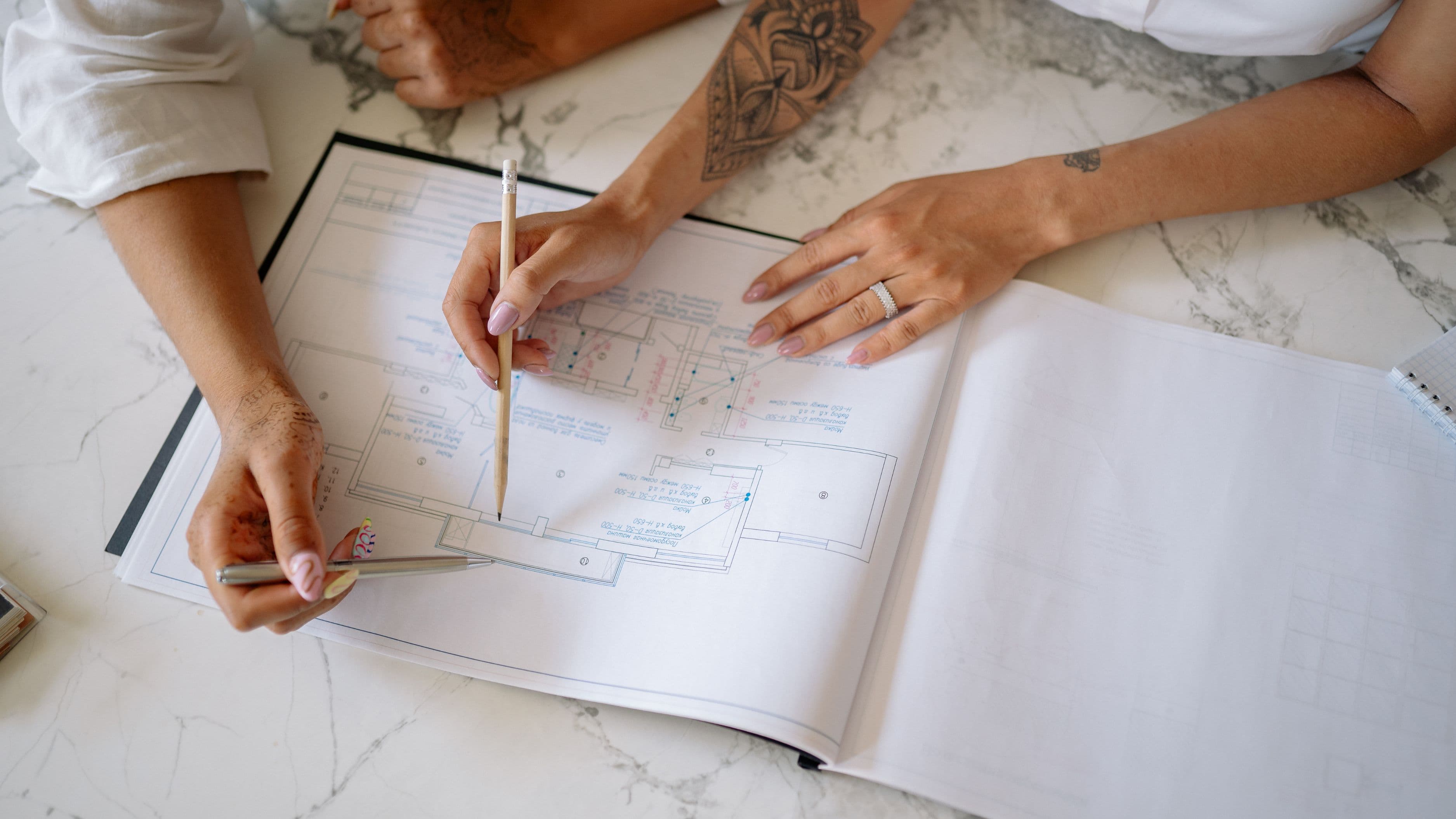
Do I need a professional designer for a multi-cook kitchen renovation? Not necessarily, but a kitchen designer's input on traffic flow, work triangle optimization, and appliance placement is genuinely valuable for a renovation of any significant scope. Many kitchen designers offer consultations for $150 to $400 that can identify layout problems before you commit to a plan. For smaller upgrades – an island, a second sink, better storage – a designer isn't required.
What's the best layout for a multi-cook kitchen if I'm starting from scratch? A galley kitchen with two parallel counter runs provides excellent multi-cook functionality but requires adequate aisle width (48 inches minimum). An L-shaped or U-shaped layout with an island is the most versatile option for larger kitchens, as it creates naturally separate work zones and ample perimeter counter space. Open-concept layouts require careful island and appliance positioning to avoid traffic conflicts.
📚 Sources
National Kitchen & Bath Association. Kitchen Planning Guidelines and Access Standards. https://nkba.org/resources/guidelines/
This Old House. How to Plan a Kitchen Layout. https://www.thisoldhouse.com/kitchens/21018101/kitchen-layouts
Family Handyman. Kitchen Island Ideas and How to Build One. https://www.familyhandyman.com/list/kitchen-island-ideas/
Architectural Digest. Kitchen Design Rules Every Homeowner Should Know. https://www.architecturaldigest.com/story/kitchen-design-rules
Fine Homebuilding. Designing a Kitchen for Two Cooks. https://www.finehomebuilding.com/project-guides/kitchens/designing-a-kitchen-for-two-cooks
Bob Vila. The Best Kitchen Layouts for Every Home. https://www.bobvila.com/articles/kitchen-layouts/
Houzz. Kitchen Design: Work Triangle vs. Work Zones. https://www.houzz.com/magazine/kitchen-work-triangle-vs-work-zones-stsetivw-vs~50844975
Consumer Reports. Choosing the Right Range or Cooktop. https://www.consumerreports.org/appliances/ranges/buying-guide/
HGTV. Kitchen Lighting Ideas That Work. https://www.hgtv.com/design/rooms/kitchens/kitchen-lighting-ideas
National Association of Home Builders. Remodeling Market Costs and Trends. https://www.nahb.org/news-and-economics/housing-economics/remodeling
🔍 Explore Related Topics